6-Hour Islamorada Backcountry Adventure
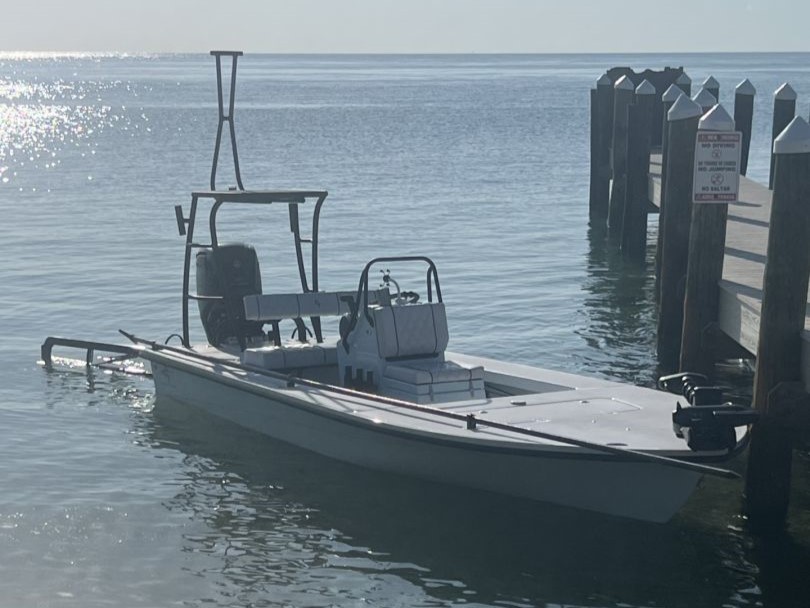
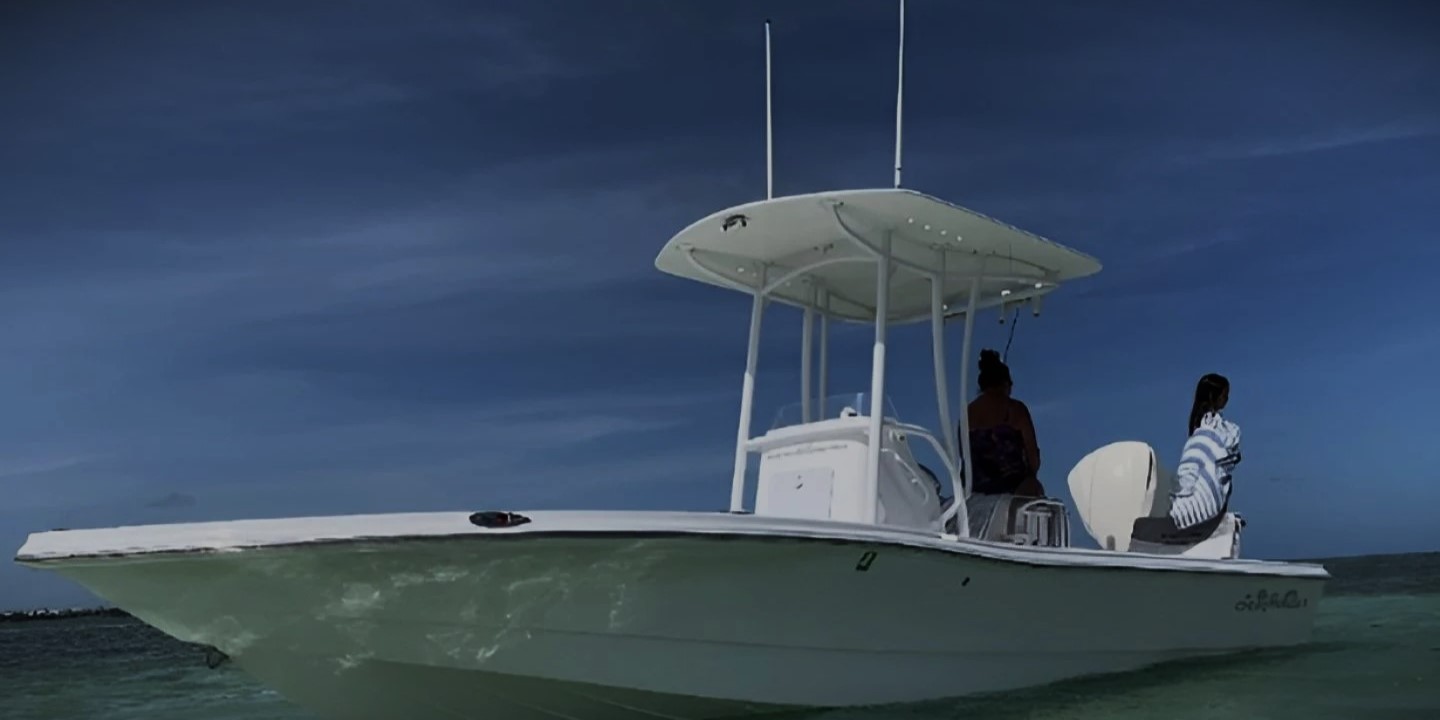
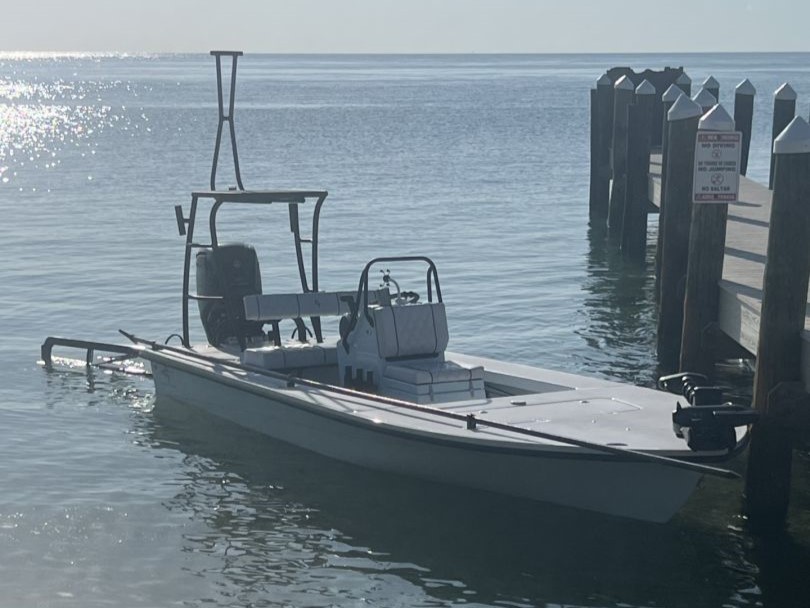
Looking for a serious day on the water in one of Florida's most productive fishing destinations? This 6-hour backcountry trip puts you right in the heart of Islamorada's legendary flats, mangroves, and nearshore waters. You'll be fishing from a brand-new 2025 18-foot Beavertail flats boat – the kind of shallow-draft machine that can slip into skinny water where the big fish hide. With a 115HP Mercury pushing you around, we can cover serious ground and hit multiple spots throughout the day. Perfect for light tackle fanatics or fly fishing purists who want to test their skills against some of the most challenging gamefish in the Keys.
What to Expect on the Water
This isn't your typical charter boat experience. We're talking about a specialized backcountry adventure that takes advantage of Islamorada's world-class fishery. The trip covers three distinct fishing environments, each offering different opportunities and techniques. You'll start in the shallow flats where sight fishing is king – polarized glasses are essential as we hunt for tailing fish and cruising shadows. The mangrove edges provide structure fishing opportunities where predators ambush baitfish in the shadows. Finally, the nearshore waters offer slightly deeper action where we can target different species using various presentations. The Beavertail's shallow draft means we can access areas that bigger boats simply can't reach, giving you shots at fish that rarely see lures or flies. With space for up to three anglers but optimized for two, everyone gets plenty of room to cast and fight fish without getting tangled up.
Light Tackle & Fly Techniques
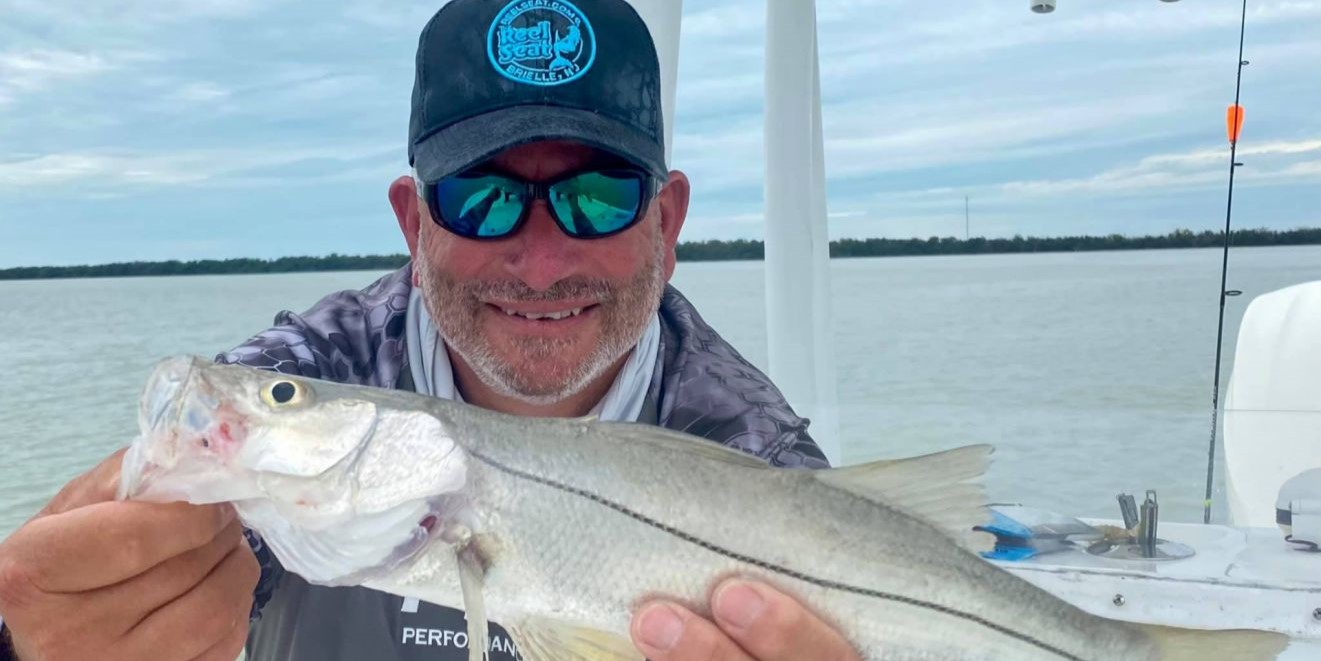
The beauty of backcountry fishing lies in the finesse required – this isn't about heavy tackle and brute force. Light spinning gear in the 2500-3000 size range loaded with 10-15 pound braid is perfect for most situations. Fly anglers typically work best with 8-9 weight rods that can handle both delicate presentations and wind casting. The flats fishing often requires precise casts to specific targets – a tailing redfish, a permit cruising the edge, or a tarpon rolling in shallow water. In the mangroves, we're flipping jigs and soft plastics into tight spots where snook and other predators wait in ambush. Nearshore work might involve working the water column with different weighted flies or varying your retrieve speed with paddle tails and spoons. All gear and licenses are provided, but serious anglers often bring their own favorite rods and reels. The key is being ready to adapt your technique based on conditions, tides, and what the fish are telling us.
Species You'll Want to Hook
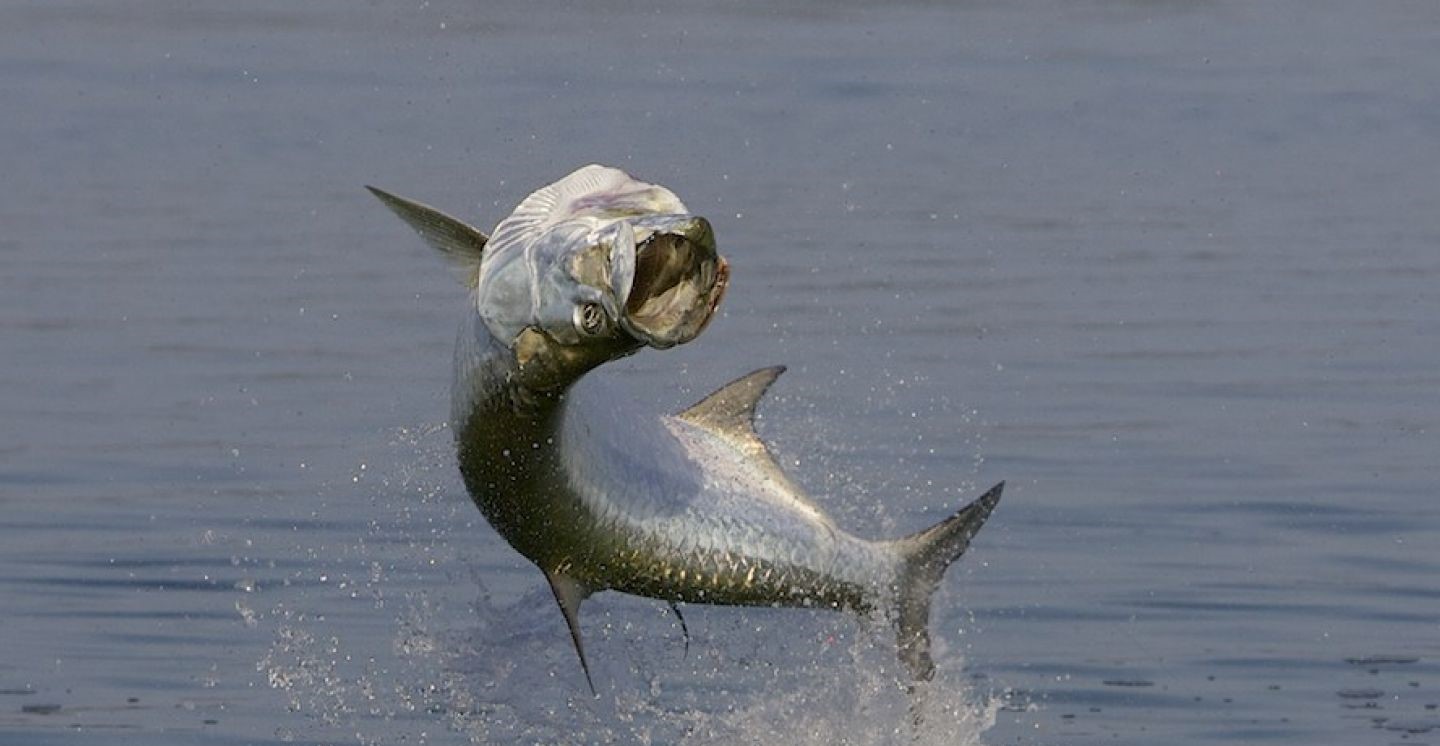
Tarpon are the silver kings of the backcountry, and Islamorada sits right in their migration path. These acrobatic giants can range from juvenile "baby" tarpon around 20-40 pounds in the backcountry to massive adults exceeding 100 pounds in deeper water. Peak season runs from April through July, but resident fish are around year-round. What makes tarpon special is their explosive fight – multiple jumps, long runs, and the ability to throw hooks with their bony mouths. Landing one on light tackle or fly gear is a badge of honor that keeps anglers coming back for decades.
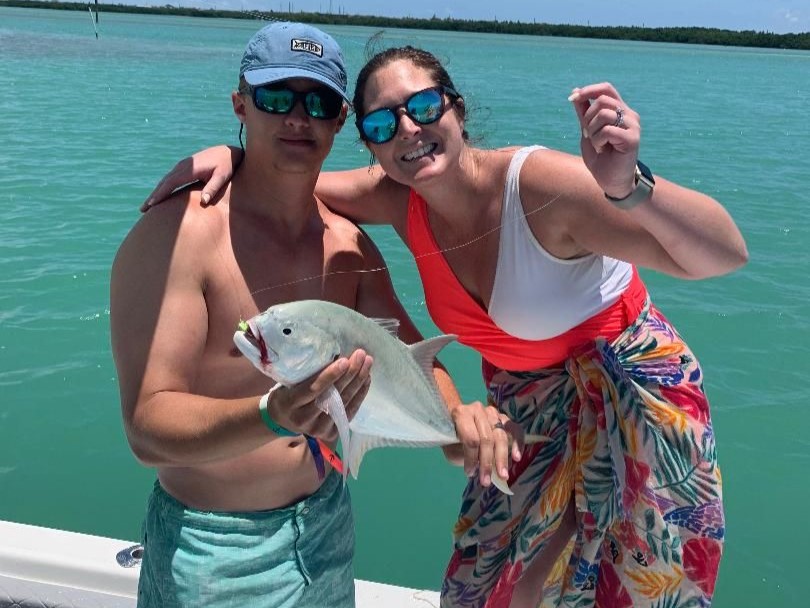
Permit are considered the holy grail of flats fishing, and for good reason. These disc-shaped fish are incredibly spooky and selective about what they eat. They're most active during warmer months from March through September, often found cruising the flats in small groups or singles. Permit have excellent eyesight and will spook from a poorly placed cast or even boat movement. When you do hook one, they make blistering runs toward deeper water. Their scarcity and difficulty make them a prized catch that experienced anglers specifically target.
Great Barracuda bring pure aggression to the backcountry experience. These torpedo-shaped predators are visual hunters that will smash topwater lures, spoons, and flies with explosive strikes. Found year-round in the Keys, they're particularly active during the cooler months from November through March. Barracuda are excellent fighters on light tackle, making screaming runs and aerial displays. They're also opportunistic feeders, so they'll often show up when you're targeting other species, providing fast action when the fishing gets slow.
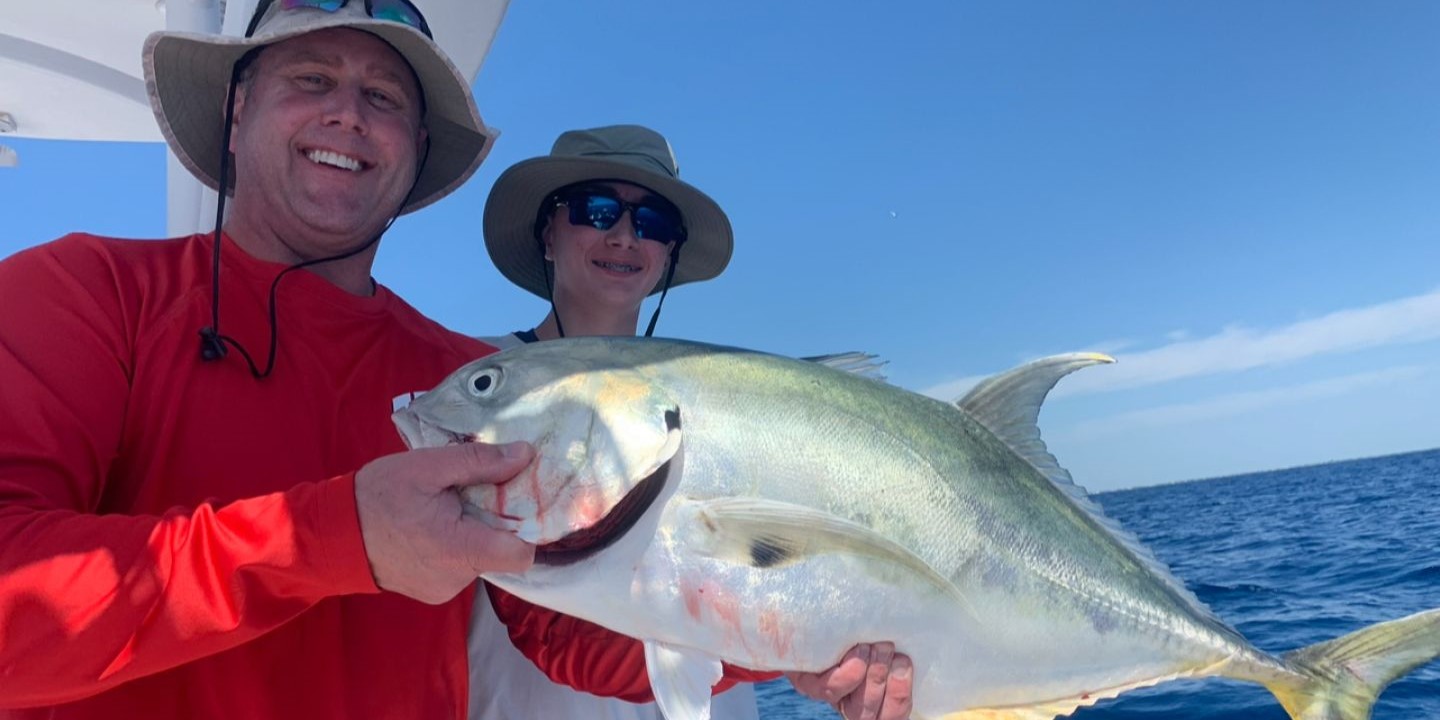
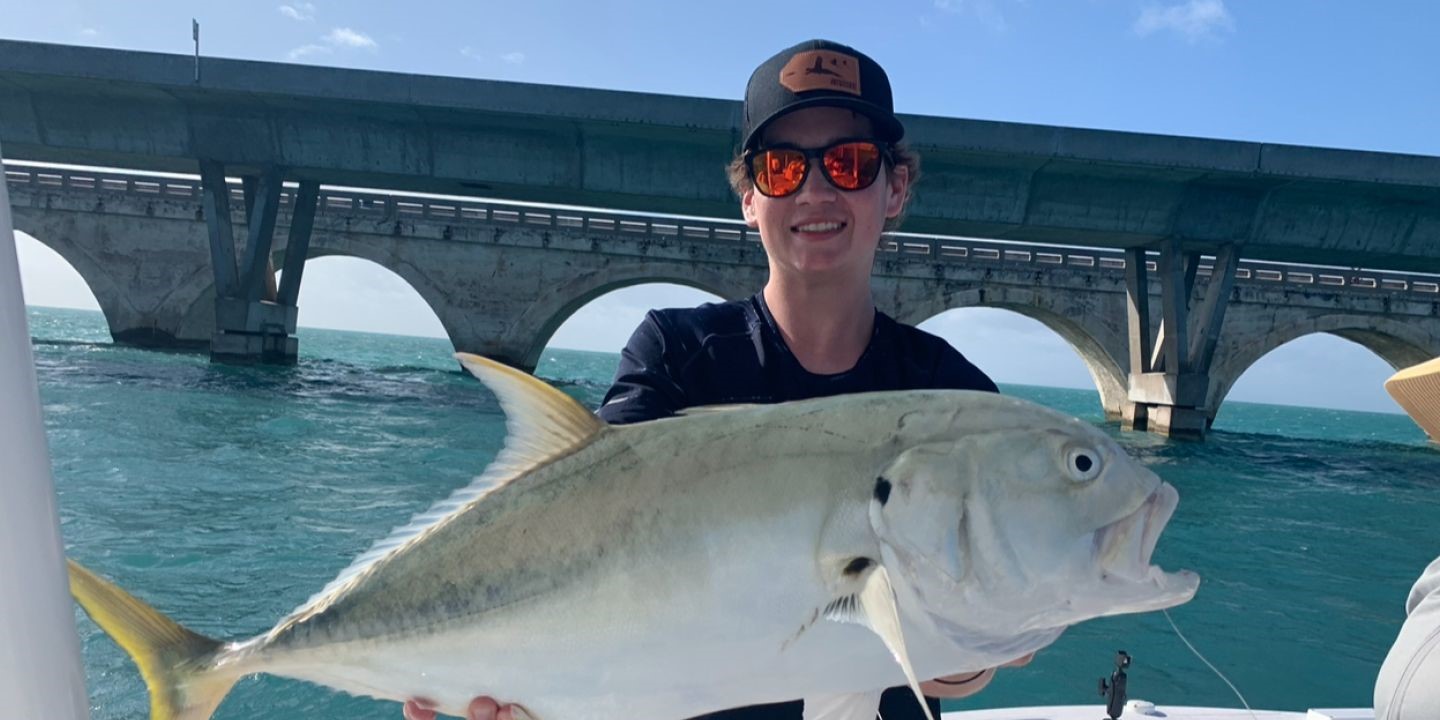
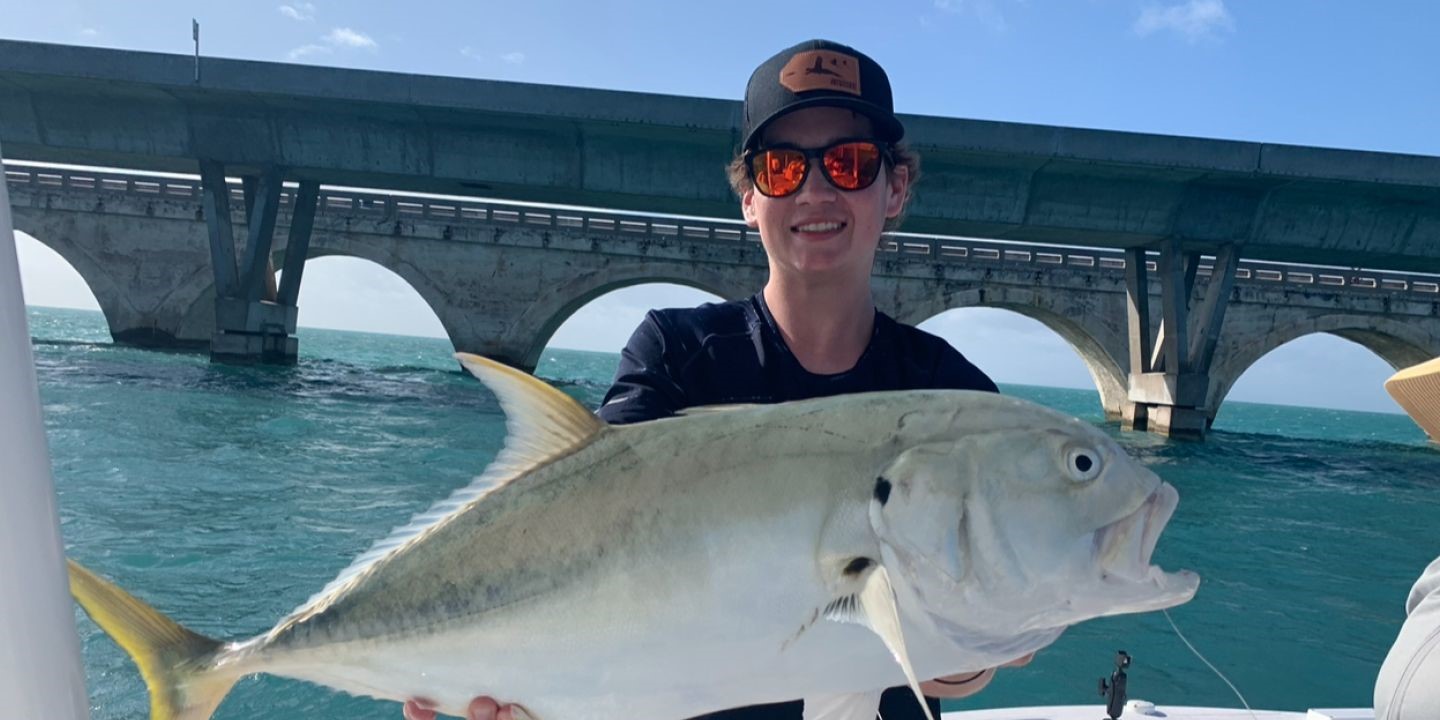
Crevalle Jacks are the bulldogs of the flats – incredibly strong fish that will test your drag system and arm strength. These schooling fish are most active during spring and fall migrations, though resident populations are present year-round. When you find a school of jacks, the action can be non-stop with multiple hookups and bent rods. They're not the prettiest fish, but pound-for-pound they're among the strongest fighters you'll encounter. Jacks will eat almost any presentation and provide great action for anglers of all skill levels.
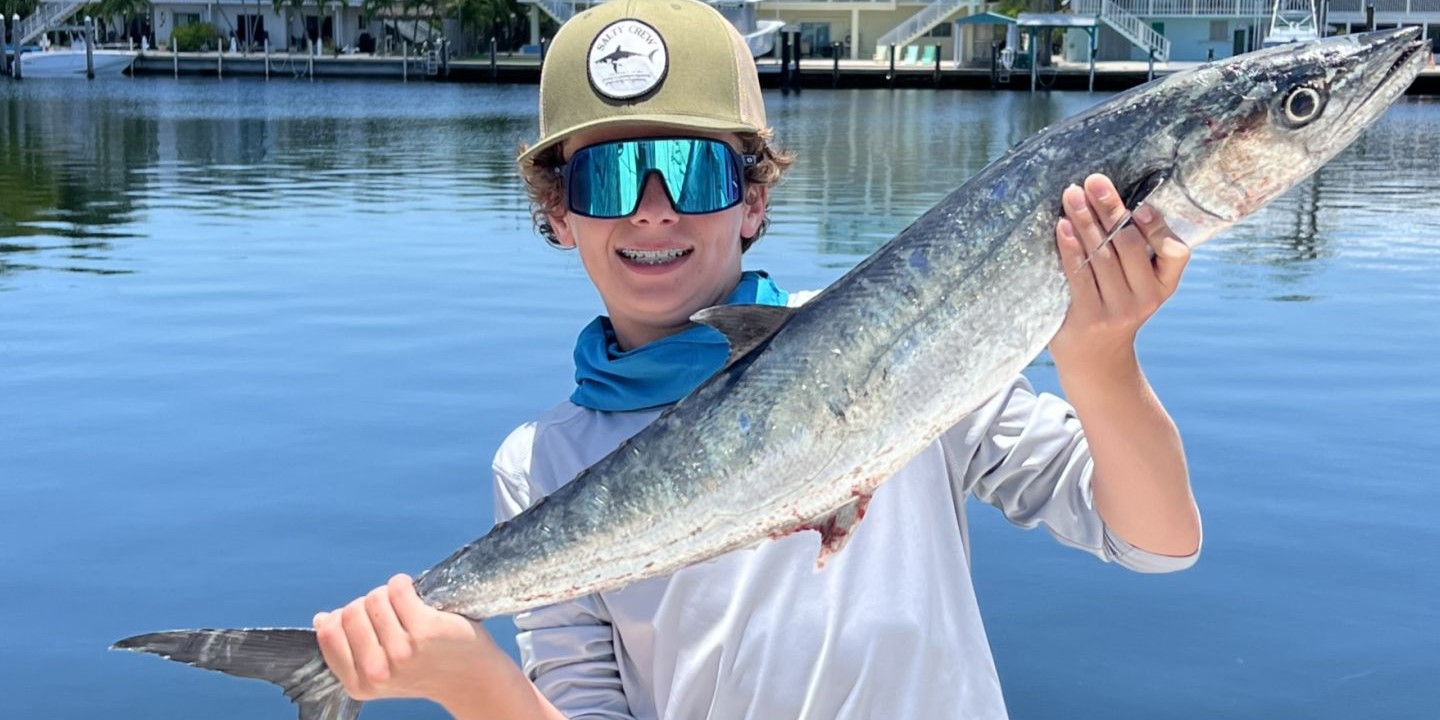
Spanish Mackerel are speed demons that provide excellent light tackle action. These smaller members of the mackerel family are present year-round but peak during the cooler months. They school up in nearshore waters and around structure, often feeding aggressively on small baitfish. Spanish mackerel have sharp teeth and blazing speed, making them exciting on light spinning gear or fly rods. They're also excellent eating, making them a popular target for anglers who want to take dinner home.
Time to Book Your Spot
This 6-hour backcountry adventure offers the perfect balance of fishing time and species variety that keeps both novice and expert anglers engaged. The professional guidance ensures you'll learn proper techniques while maximizing your time on productive water. With free cancellation up to seven days out, you can book with confidence knowing your plans stay flexible. Just remember to bring your own snacks, drinks, and sun protection – the Florida Keys sun can be intense even in winter months. The intimate setting with space for just 2-3 anglers means personalize
 Private Trip
 Backcountry Fishing
 Islamorada


 Six-hour private backcountry fishing adventure in Islamorada waters