Full Day Deep Drop Offshore Fishing Charter
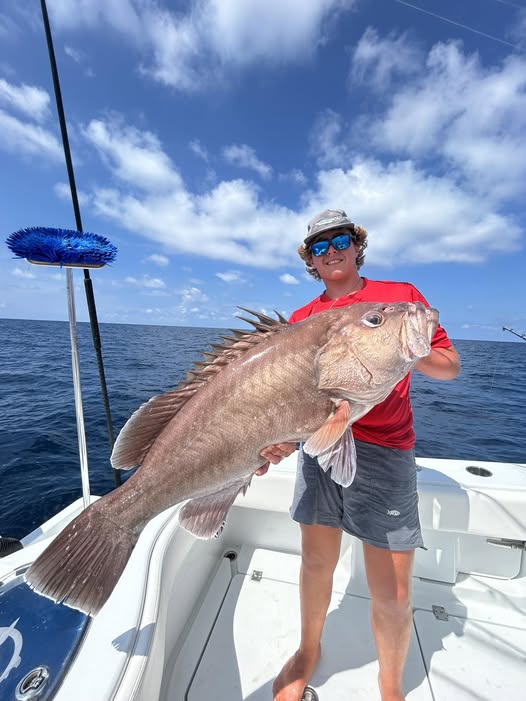
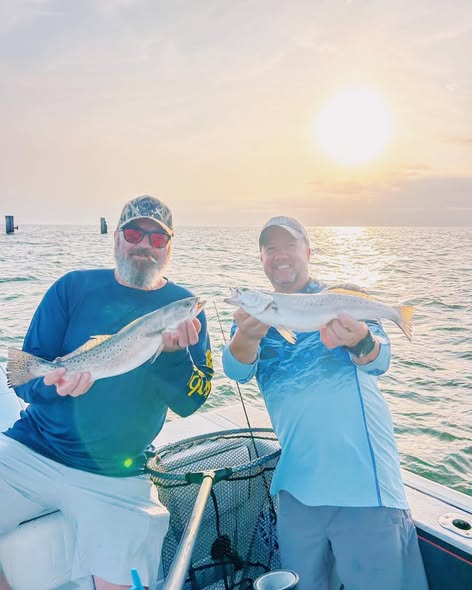
When you're looking for the real deal in Gulf Shores offshore fishing, In Too Deep Charters delivers exactly what serious anglers want – a full 10-hour deep drop adventure that takes you up to 60 miles into the Gulf of Mexico's most productive waters. This isn't your typical half-day trip where you barely get warmed up before heading back to the dock. We're talking about a world-class fishing experience that gives you maximum time on the water to target premium species like Red Snapper, Greater Amberjack, Triggerfish, King Mackerel, and Atlantic Bonito in their prime habitat.
What to Expect on the Water
This top-rated charter starts early and runs long, giving you the kind of fishing day that creates stories you'll tell for years. The captain knows exactly where to find the most bountiful reefs in Alabama waters, and with 10 hours at your disposal, you'll have plenty of opportunities to work multiple spots and adapt to changing conditions. The boat comes loaded with high-end bottom-fishing gear and cutting-edge electronics that take the guesswork out of finding fish, whether you're a weekend warrior or a seasoned pro. Your fishing license, bait, tackle, and ice are all included in the rate, so you can focus on what matters – putting fish in the box. Just remember that the deckhand works for tips only and relies on your gratuities for their professional service throughout the day.
Deep Drop Techniques & Gear
Deep drop fishing is all about precision and patience, and this charter has both dialed in perfectly. You'll be working depths where the big fish live, using heavy tackle and specialized rigs designed to get your bait down fast and keep it in the strike zone. The boat's electronics will show you exactly what's below – from bottom structure to bait schools to the fish themselves. Most of your fishing will involve bottom rigs with multiple hooks, allowing you to target different species simultaneously. The crew will handle the technical stuff like rigging and boat positioning, while you focus on feeling for that telltale thump of a snapper or the arm-burning pull of a big amberjack. Even beginners will quickly get the hang of it with the crew's guidance, and experienced anglers will appreciate the quality gear and prime fishing spots.
Target Species Breakdown
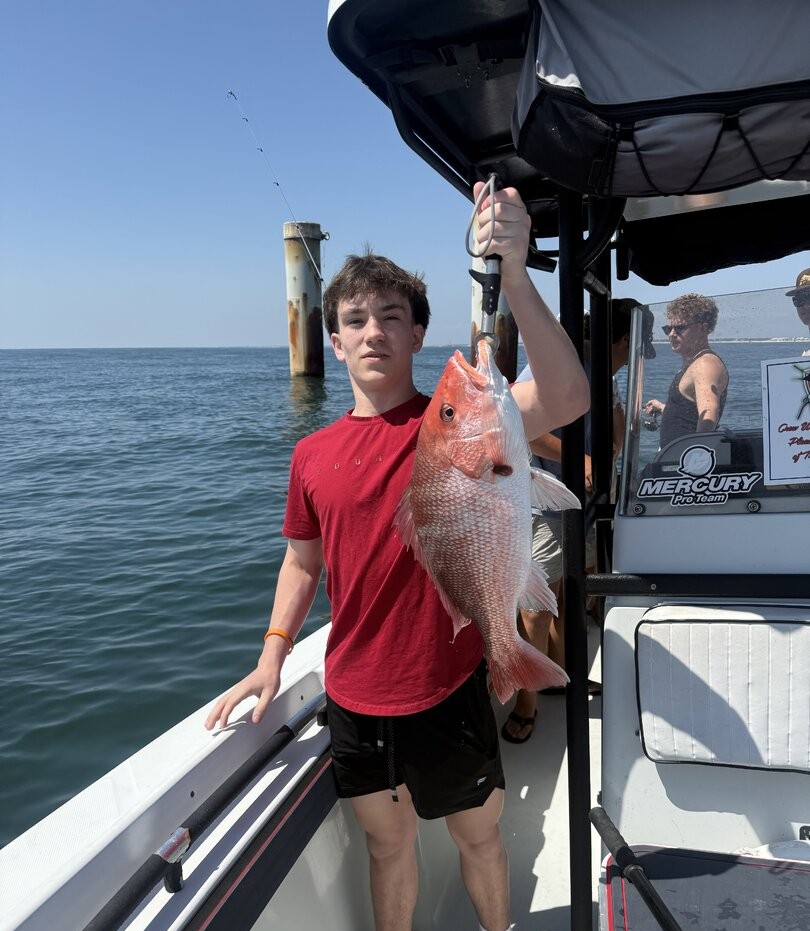
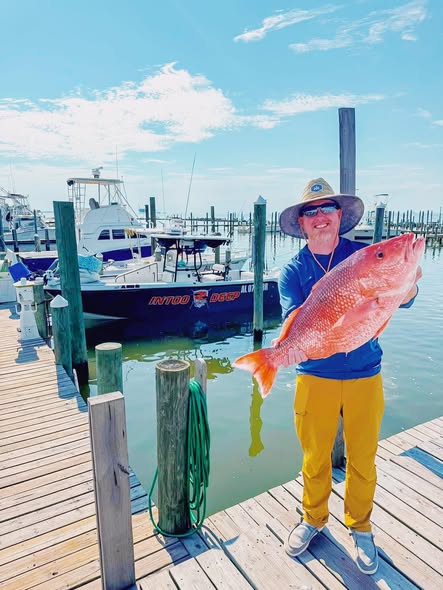
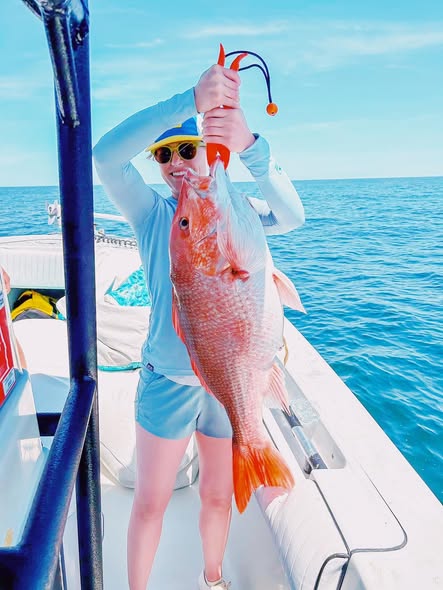
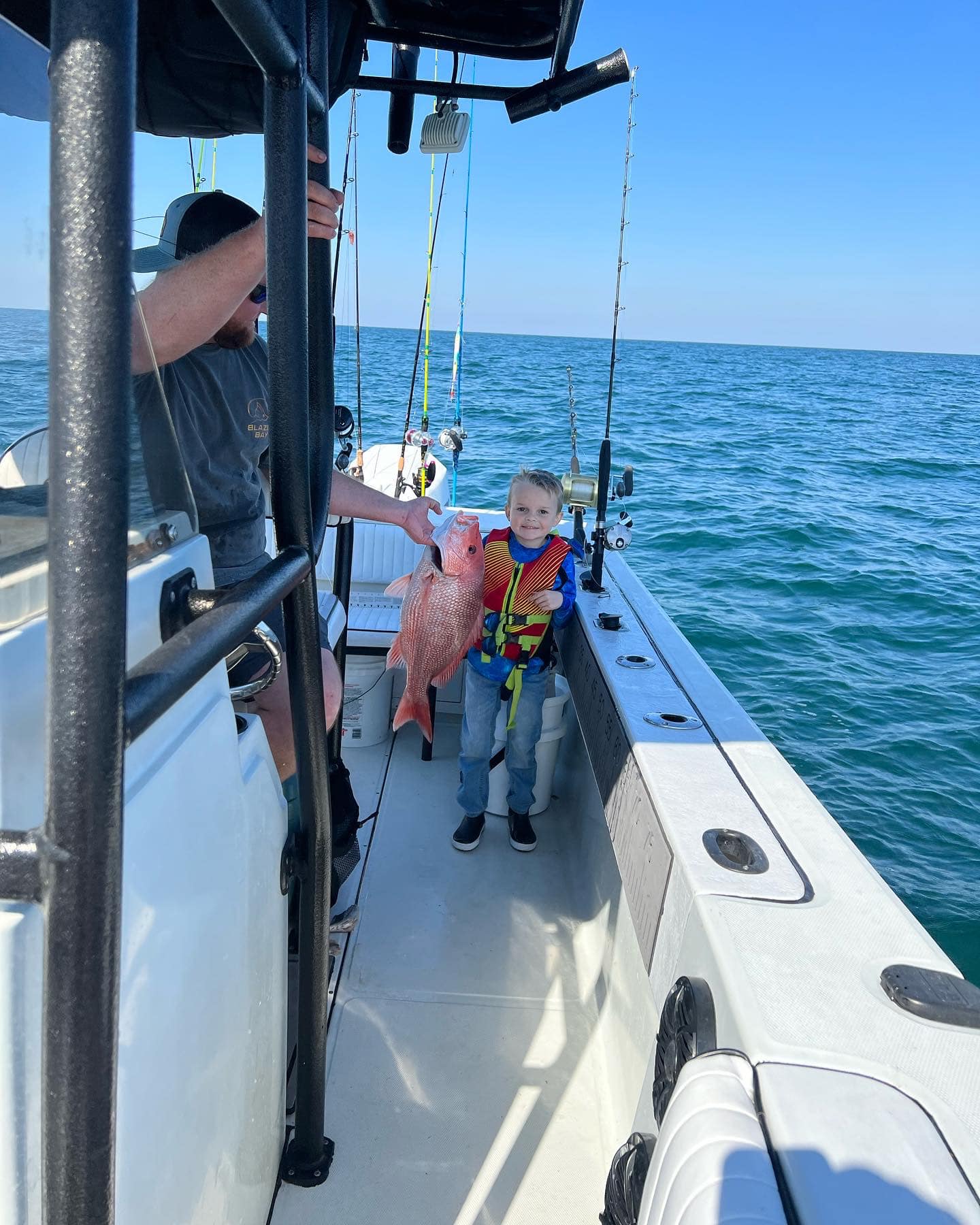
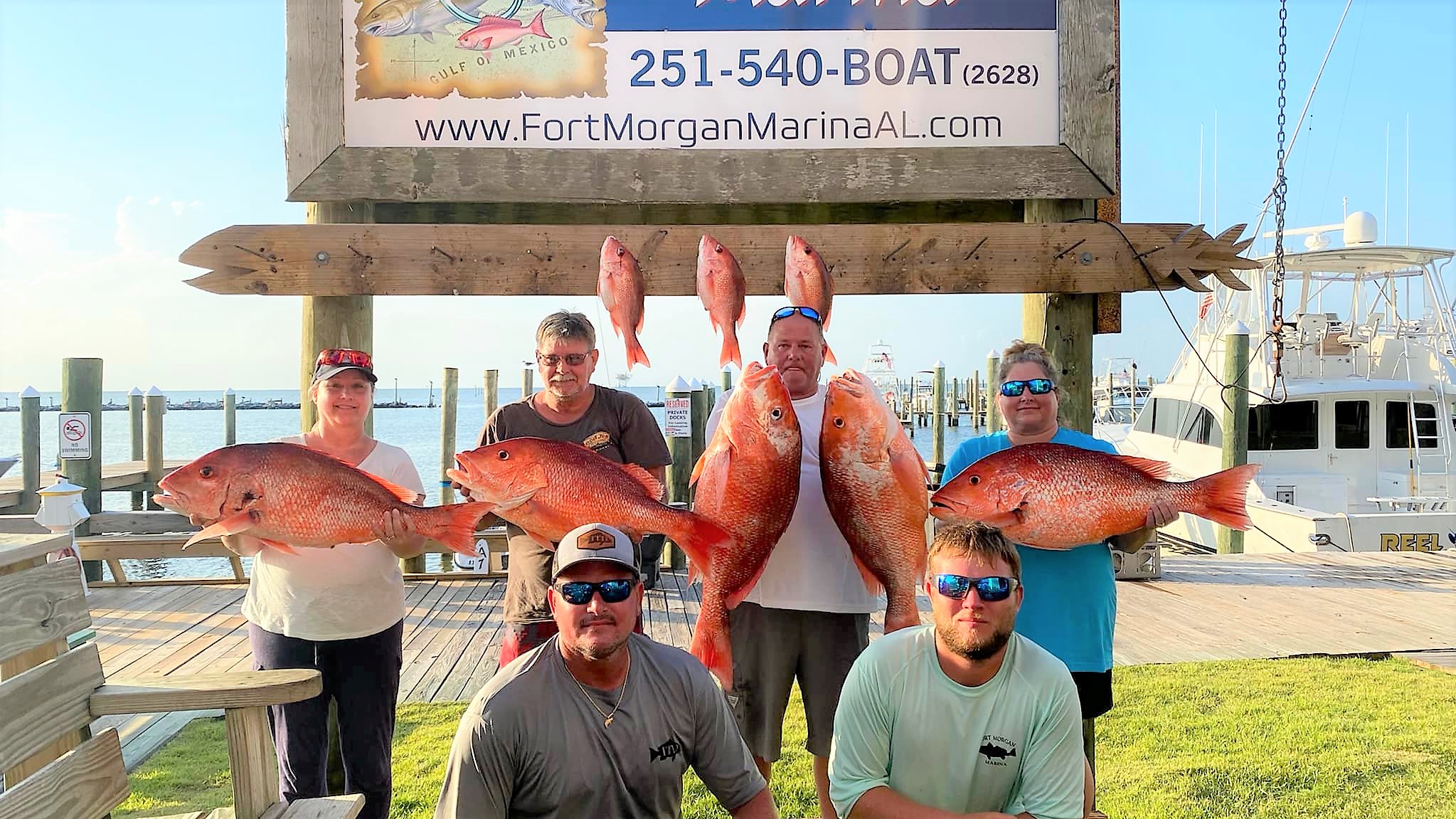
Red Snapper remain the crown jewel of Gulf Coast bottom fishing, and these deep drop zones hold some real bruisers. These crimson beauties typically range from 3-15 pounds in these waters, with the occasional trophy pushing 20+ pounds. Snapper are structure-oriented fish that love rocky bottom and artificial reefs, making them perfect targets for deep drop techniques. They're most active during summer months when federal seasons allow harvest, and they put up a surprisingly strong fight for their size. What makes snapper fishing so addictive is their willingness to bite and their excellent table fare – you'll be planning your next trip before you even clean the first one.
Greater Amberjack are the muscle cars of the reef, and when you hook into one of these yellow-tailed bulldogs, you'll know it immediately. These fish commonly reach 20-40 pounds in Gulf waters, with giants over 60 pounds always a possibility. AJs are aggressive feeders that patrol reefs and wrecks, making them perfect targets for this type of fishing. Spring and fall offer peak action when these fish are most active, though summer trips can produce excellent results too. The fight is what keeps anglers coming back – amberjack will test your arms, your drag, and your determination with powerful runs toward structure.
King Mackerel add speed and excitement to any offshore trip, and the Gulf of Mexico holds some of the best king fishing in the country. These silver bullets typically range from 10-30 pounds, with smoker kings over 40 pounds always lurking in the area. Kings are pelagic fish that follow bait schools and temperature breaks, making them perfect targets when you're covering water between bottom fishing spots. Spring through fall offers prime king mackerel fishing, with summer months producing the most consistent action. When a king hits, you'll know it – they're famous for spectacular jumps and blistering runs that will have your drag screaming.
Atlantic Bonito might be smaller than their king mackerel cousins, but these little torpedoes make up for size with pure attitude and incredible speed. Typically weighing 3-8 pounds, bonito are perfect light tackle targets that fight way above their weight class. These fish show up in Gulf waters during cooler months, often in large schools that provide non-stop action. What bonito lack in size, they make up for in numbers and fight – when you find a school, you can catch them until your arms give out.
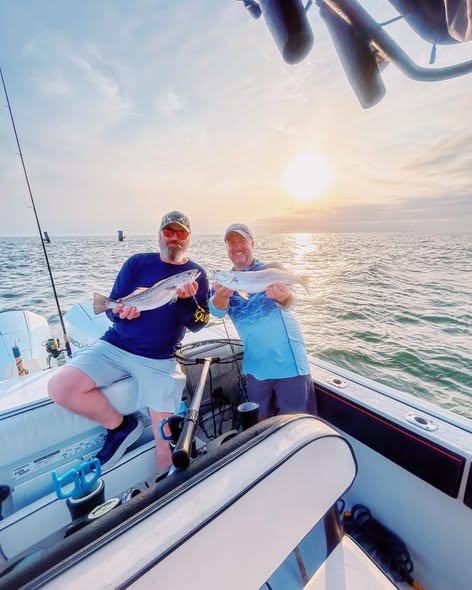
Spanish Mackerel round out the mackerel family represented in these waters, offering fast action and excellent eating. These smaller cousins typically range from 1-3 pounds but make up for size with sheer numbers and willingness to bite. Spanish mackerel are perfect for anglers who love steady action, and they often show up when other species are being finicky. Their delicate flesh makes them a customer favorite at the cleaning station.
Time to Book Your Spot
This full day deep drop charter represents serious value for anglers who want maximum time on the water targeting premium Gulf species. With only 6 spots available, this intimate group size ensures everyone gets plenty of rod time and personalized attention from the crew. The combination of extended fishing time, prime fishing grounds up to 60 miles offshore, and professional equipment makes this a best trip choice for anyone serious about Gulf Shores fishing. Whether you're looking to fill the cooler with dinner or chase that trophy fish of a lifetime, this charter puts you in position to succeed. The Gulf of Mexico's deep drop zones are waiting – book your spot and get ready for the kind of fishing day that reminds you why you love this sport.
 Private Trip
 Offshore Fishing
 Gulf Shores


 Ten-hour deep drop charter targeting snapper and amberjack offshore.