New Smyrna Beach Inshore Fishing for Skilled Anglers
When you're ready to push your angling skills to the next level, this 5-hour inshore charter on Mosquito Lagoon delivers exactly what serious fishermen are looking for. This isn't your typical tourist trip – we're talking about precision sight casting, reading water like a book, and working the flats with the kind of finesse that separates weekend warriors from true anglers. You'll be targeting some of Florida's most challenging species in waters that demand respect and reward skill. With all gear, bait, and your Florida license included, plus a captain who knows these waters like his own backyard, you're set up for the kind of fishing day that reminds you why you fell in love with the sport in the first place.
What to Expect on the Water
Mosquito Lagoon isn't called one of Florida's premier fishing destinations by accident. This shallow-water paradise stretches for miles, offering crystal-clear flats where you can spot your target before making your cast. The trip accommodates just one angler, which means you get the captain's undivided attention and can fine-tune techniques without rushing or compromising on prime spots. Whether you're dialed in with topwater plugs at dawn or switching to soft plastics as the sun climbs higher, every decision gets made based on real-time conditions and what the fish are telling us. The lagoon's grass beds, oyster bars, and drop-offs create a diverse playground where no two casts are the same. You'll spend time poling the shallows, drifting deeper channels, and positioning for those heart-stopping moments when a fish appears in gin-clear water.
Advanced Techniques & Tactics
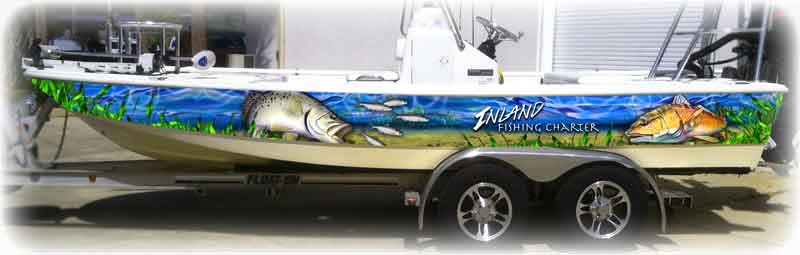
This charter focuses on sight casting and flats fishing – two techniques that separate the dedicated from the casual. We're talking about spotting fish before they spot you, making accurate casts in skinny water, and reading subtle signs like nervous baitfish or slight color changes in the grass. The captain adapts to your preferred style, whether you're a die-hard artificial lure angler who lives for the perfect presentation or someone who appreciates the deadly effectiveness of perfectly rigged live bait. Expect to work with everything from weedless spoons and soft plastics to live shrimp and pilchards, depending on what's producing. The shallow draft boat gets you into places where bigger vessels can't venture, and the elevated casting platform gives you the visibility needed to spot cruising fish. You'll learn to read wind patterns, tide movements, and how structure affects fish behavior – knowledge that'll make you a better angler long after this trip ends.
Top Catches This Season
Snook are the crown jewel of Florida inshore fishing, and Mosquito Lagoon holds some true giants. These ambush predators love structure – downed trees, dock pilings, and grass line edges where they can explode on unsuspecting baitfish. Fall and spring offer the hottest action when water temperatures hit that sweet spot between 70-80 degrees. What makes snook special isn't just their aggressive strikes, but their ability to test every aspect of your tackle and technique. They'll run you into structure, jump like tarpon, and make you earn every inch of line you gain back.
Tarpon might be the ultimate test of an angler's skill and endurance. Even juvenile tarpon in the 20-50 pound range will put you through a workout that'll have you questioning your fitness level. These silver kings show up in good numbers during summer months, often rolling and feeding in schools that'll get your heart racing before you even make a cast. The sight of a six-foot tarpon clearing the water with your lure in its mouth never gets old – it's the kind of moment that defines why we chase these fish.
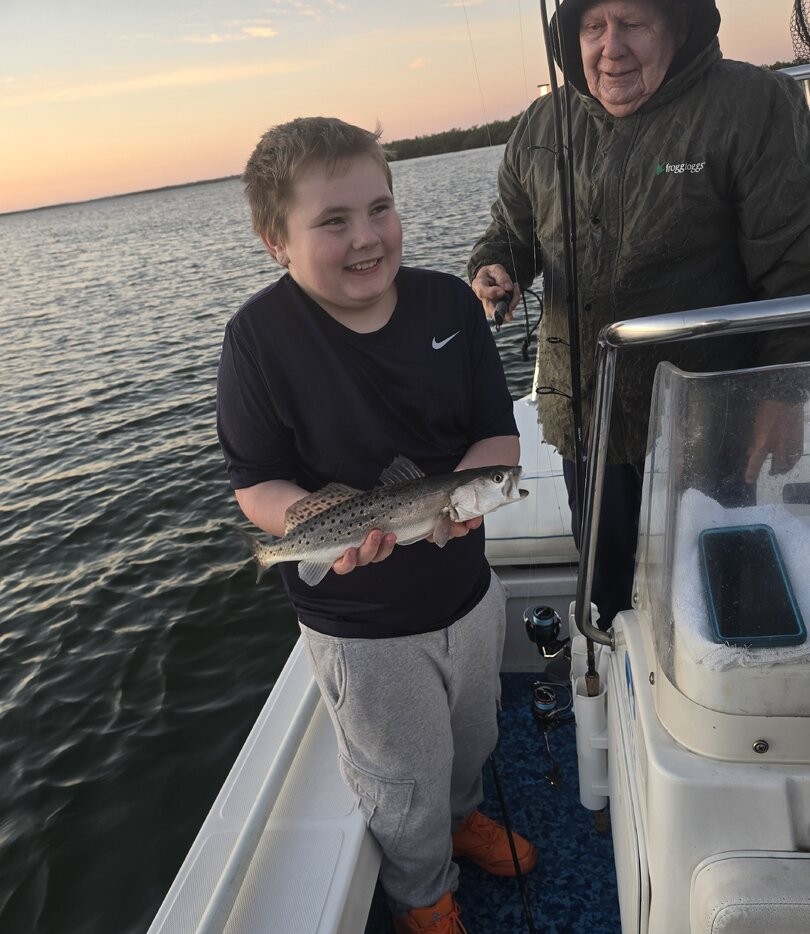
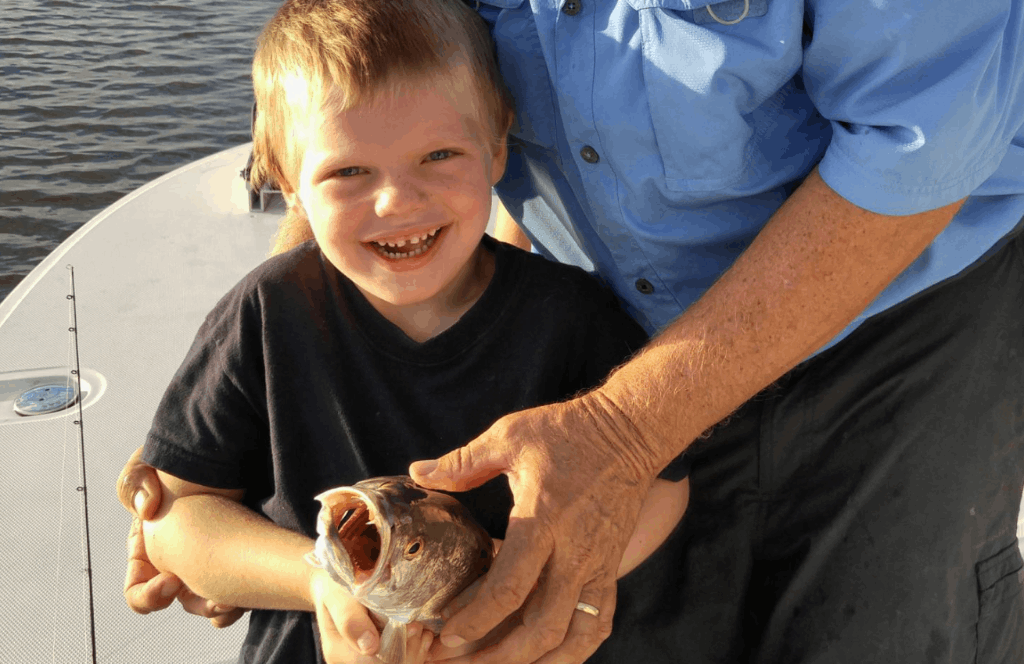
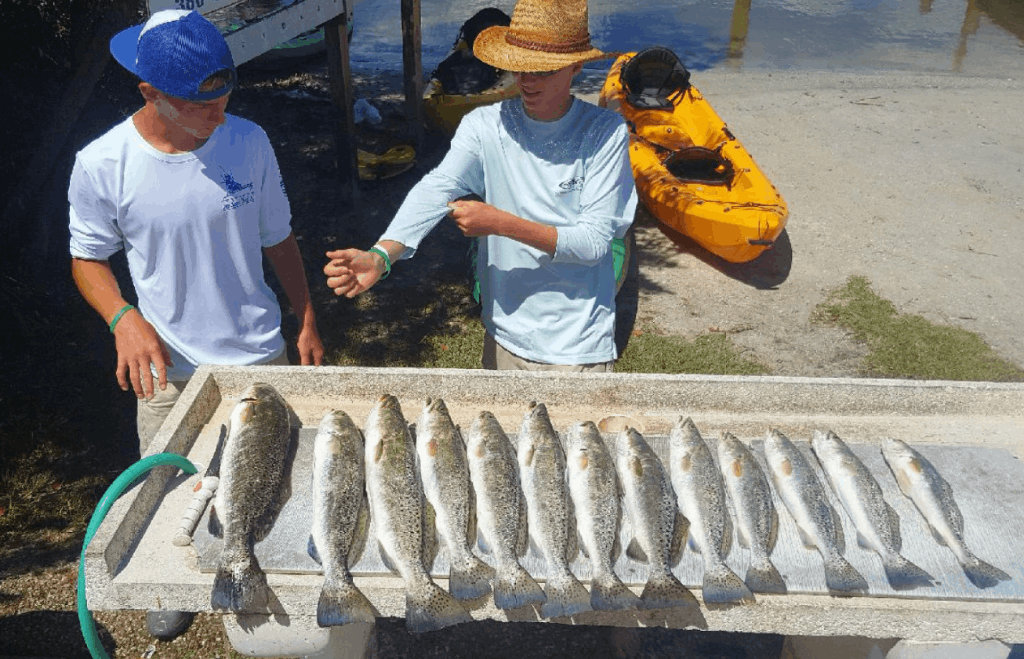
Sea Trout are year-round residents that respond beautifully to skilled presentations. The bigger "gator trout" – those specimens over 20 inches – are what dreams are made of. They're structure-oriented fish that love grass beds and drop-offs, particularly during cooler months when they school up in deeper pockets. What's beautiful about targeting trout is how they reward finesse – the right retrieve speed, the perfect drift, or that subtle twitch that triggers a strike.
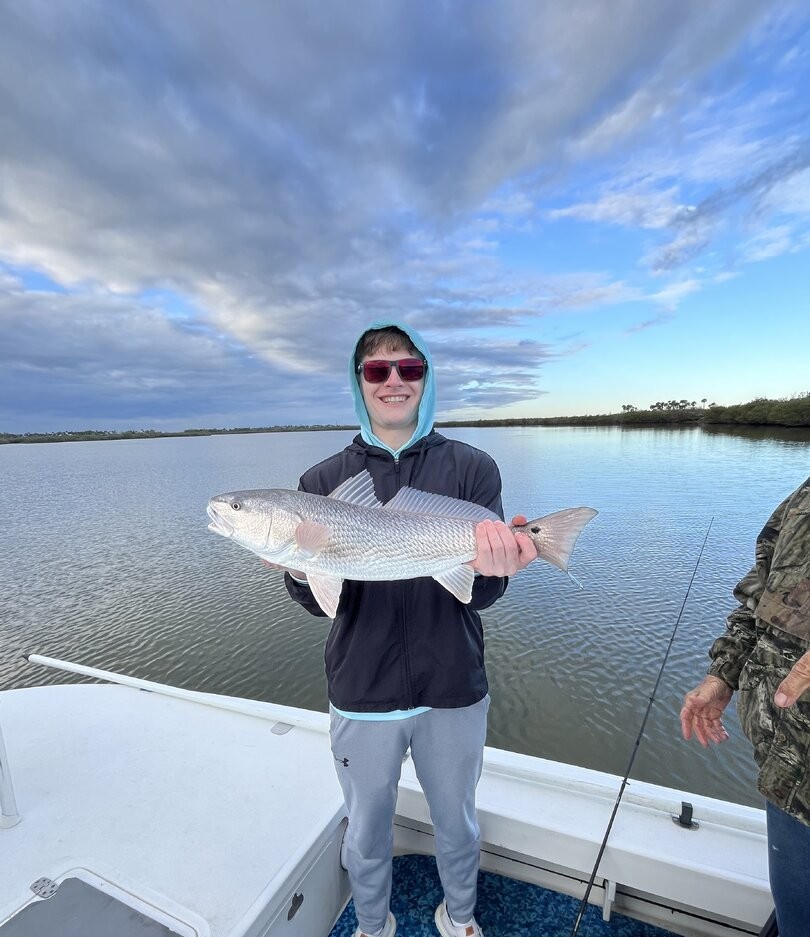
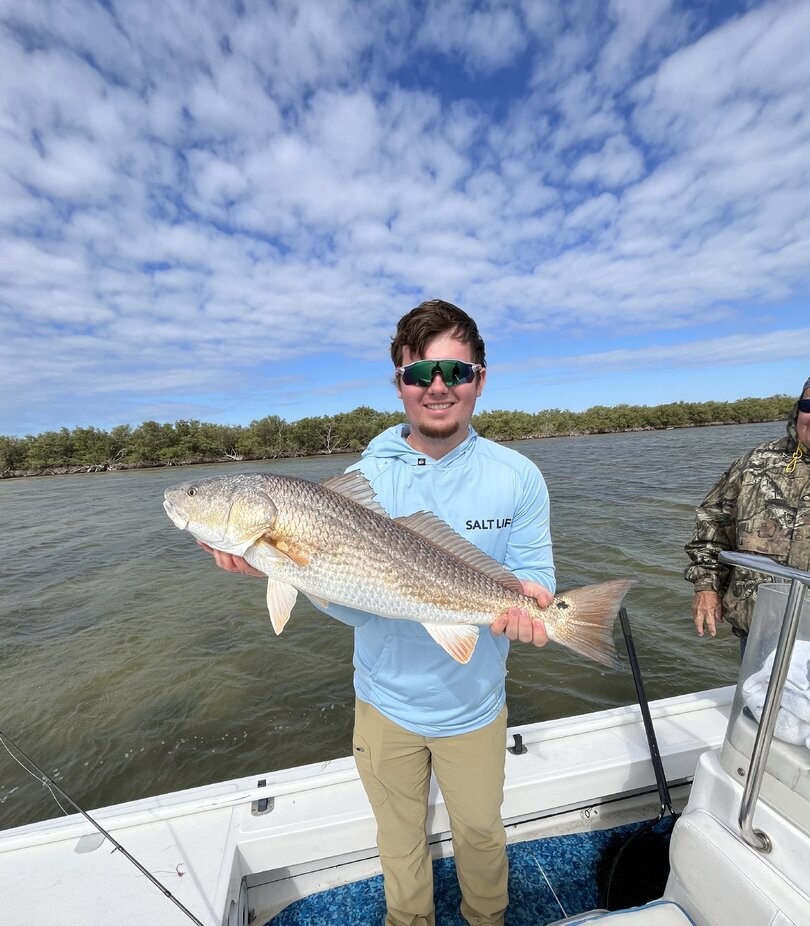
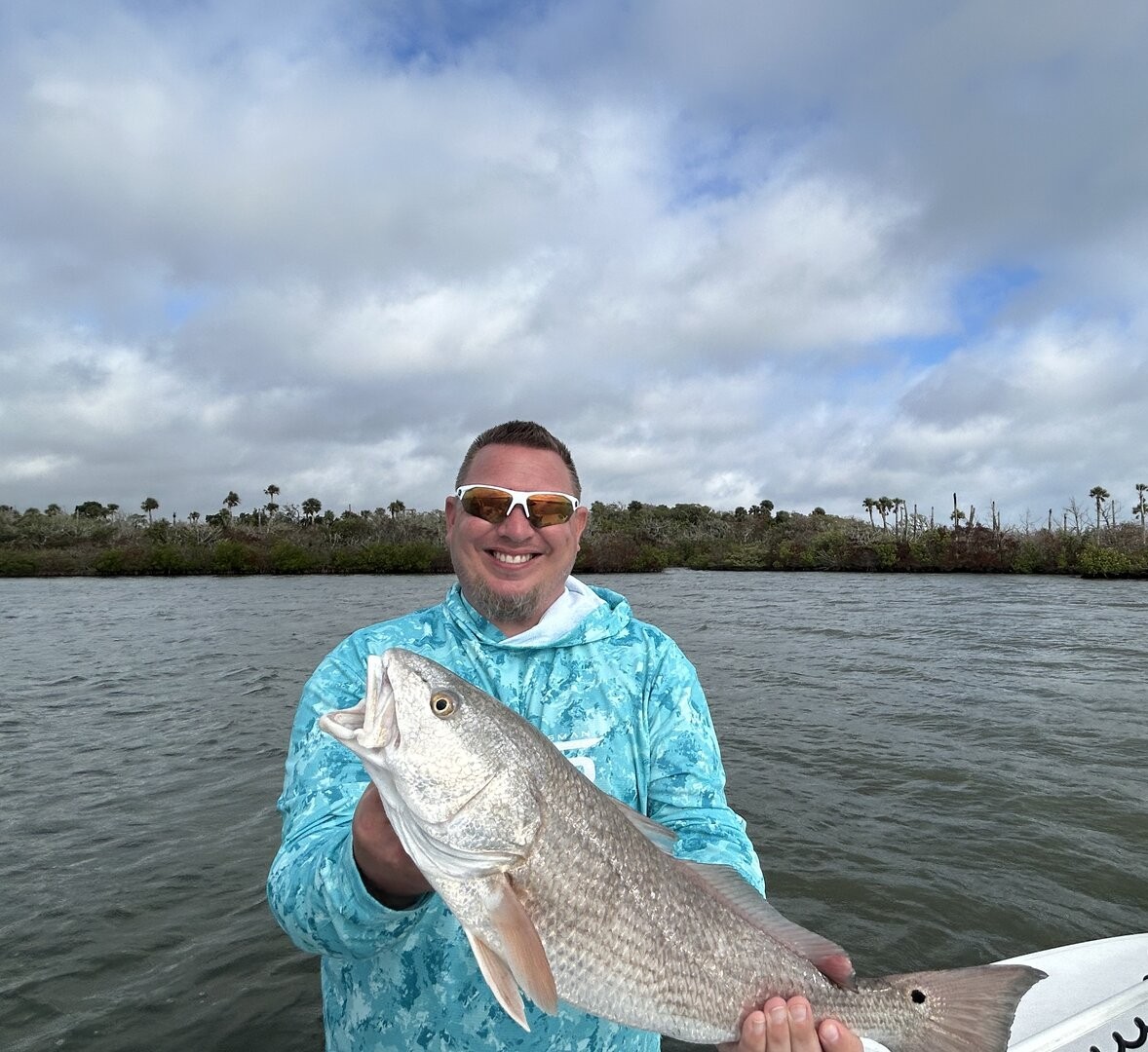
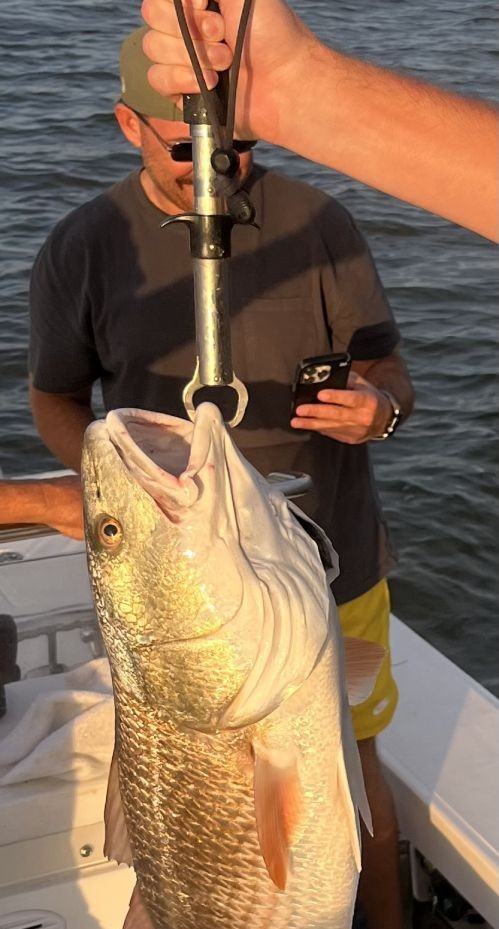
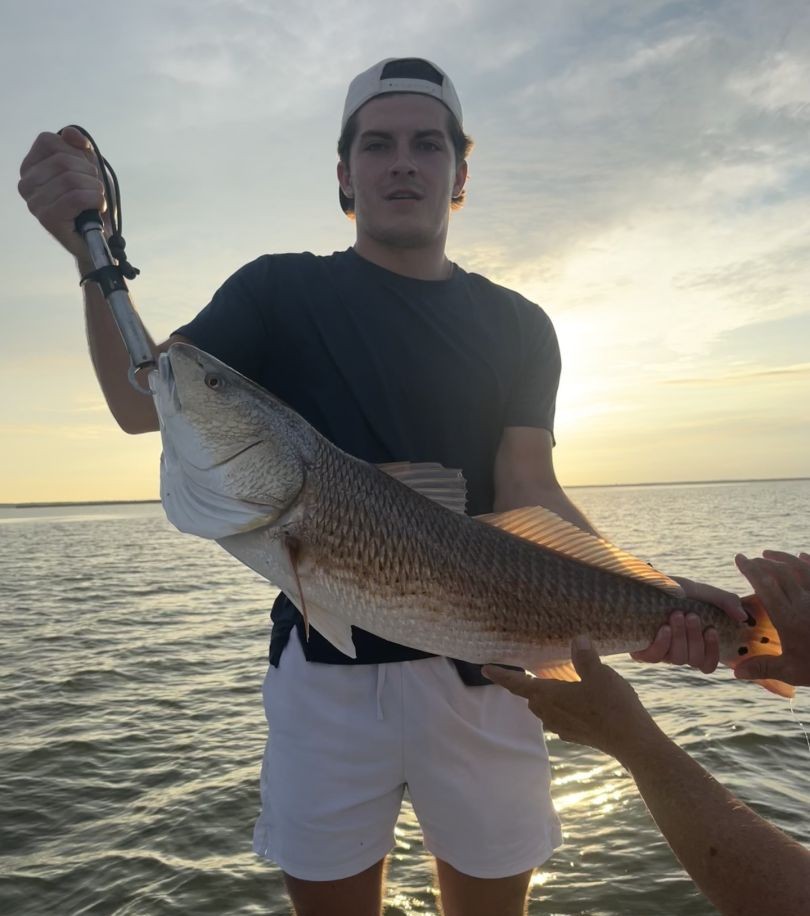
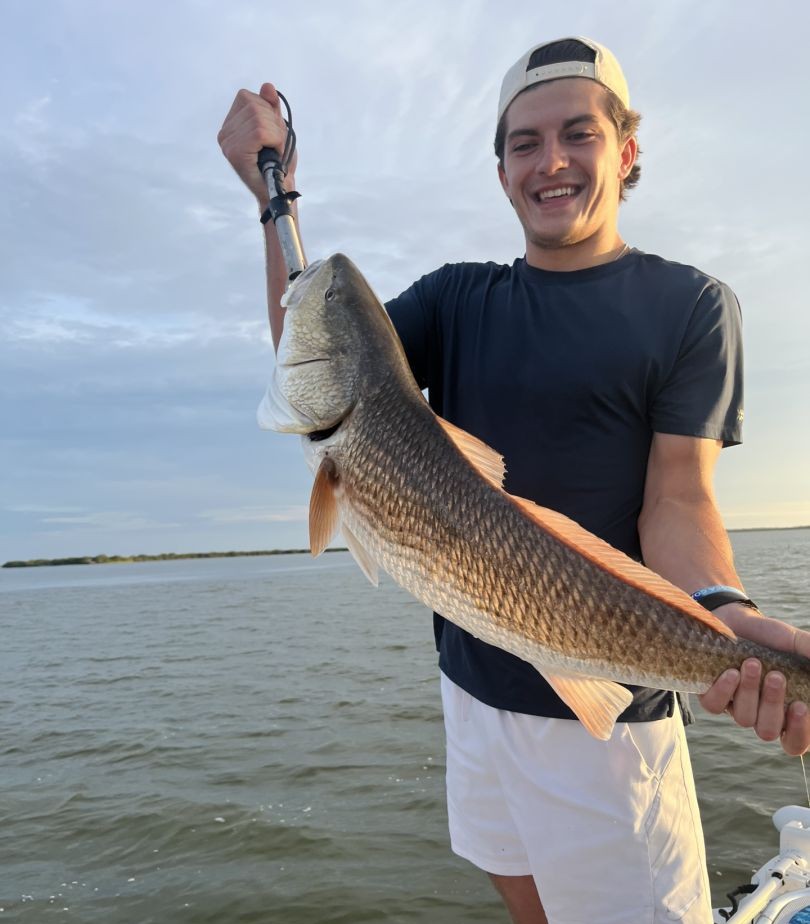
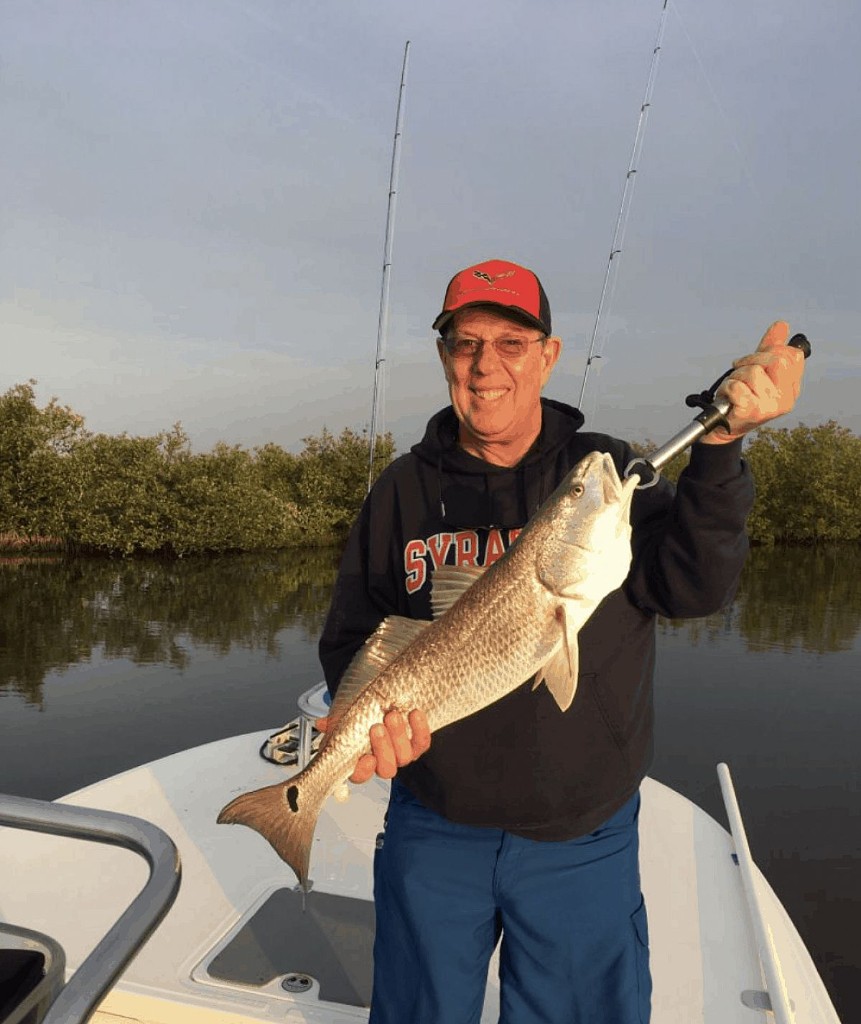
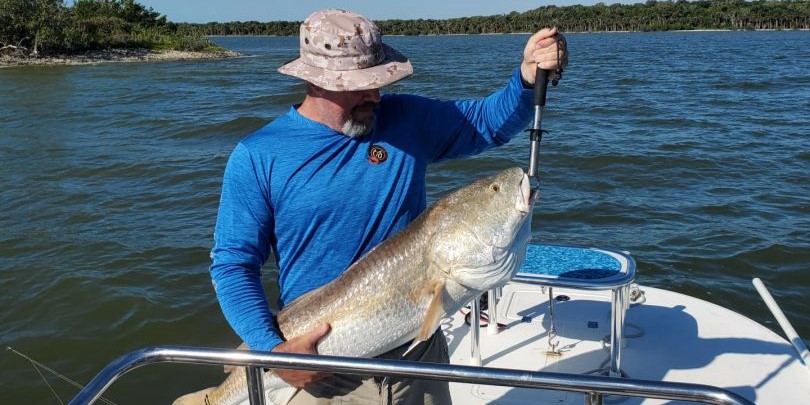
Redfish are the workhorses of the flats, and watching a school of reds tailing in shallow water ranks among fishing's greatest sights. These copper-colored bulldogs are available year-round, with fall bringing some of the most consistent action as they feed heavily before winter. Reds test your ability to make quiet approaches and accurate casts – spook the school and your opportunity vanishes. But hook one in skinny water, and you'll understand why they're considered one of the premier light-tackle gamefish.
Ladyfish might not win any beauty contests, but they'll humble any angler who underestimates their fighting ability. These "poor man's tarpon" jump repeatedly and make blistering runs that'll test your drag settings. They're fantastic for warming up your reflexes and often indicate that bigger predators are nearby. Summer and fall bring the best ladyfish action, particularly when baitfish are thick in the lagoon.
Time to Book Your Spot
This top-rated charter represents everything that makes New Smyrna Beach a world-class fishing destination. You're not just booking a fishing trip – you're investing in skills and memories that'll last a lifetime. The one-on-one format means every cast, every technique, and every decision gets the attention it deserves. With all equipment provided and a captain who's dedicated his life to these waters, you can focus entirely on becoming a better angler. Remember that deposits are non-refundable, so plan accordingly. The fish are waiting, the techniques are proven, and the only question left is whether you're ready to take your inshore game to the next level.
 Private Trip
 Inshore Fishing
 New Smyrna Beach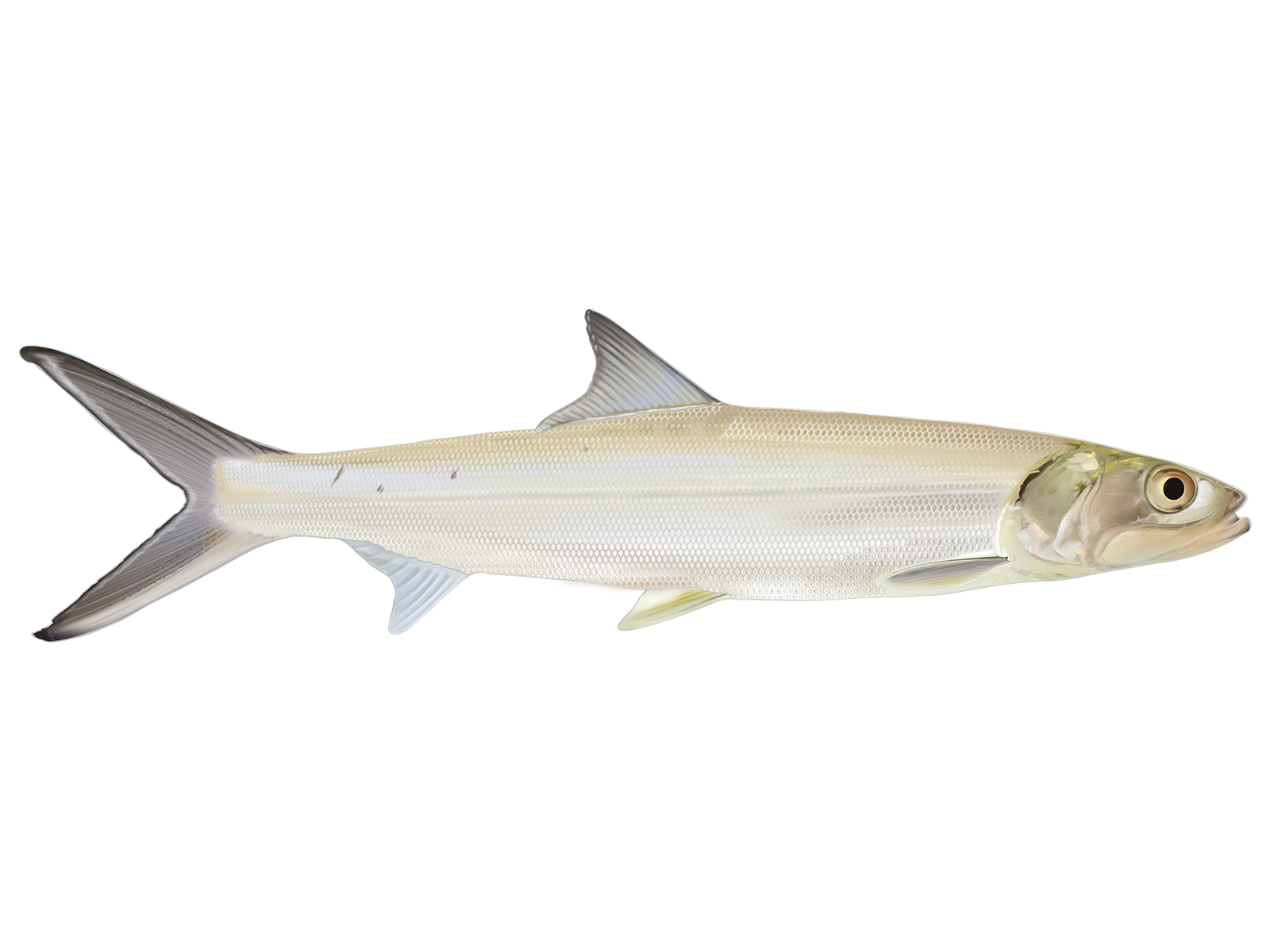


 5-hour inshore fishing trip targeting Redfish and Sea Trout