Islamorada, FL 6 Hour Trip (AM/PM)
There's something special about fishing the flats and backcountry waters around Islamorada that keeps anglers coming back year after year. When you book this 6-hour charter with Captain Bryan from Fishing With Captain Brian, you're not just getting a fishing trip – you're getting access to some of the most productive waters in the Florida Keys. Whether you choose the morning bite or prefer the afternoon action, these waters hold world-class gamefish that'll test your skills and leave you with stories to tell for years.
What to Expect on the Water
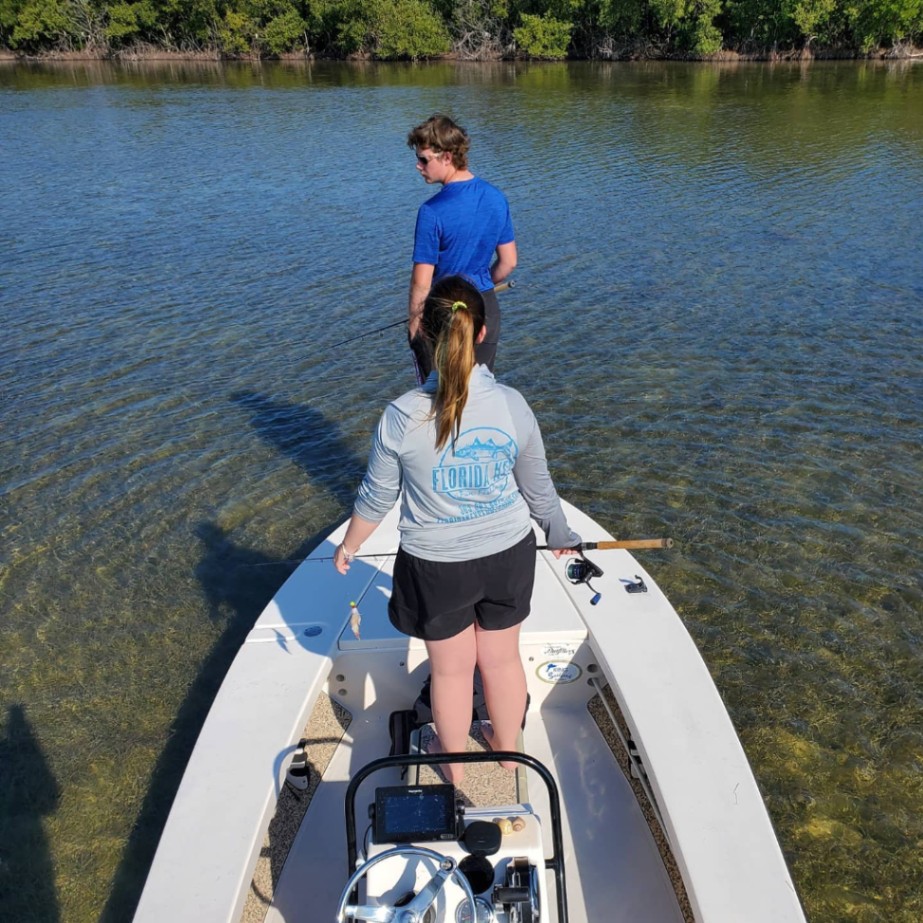
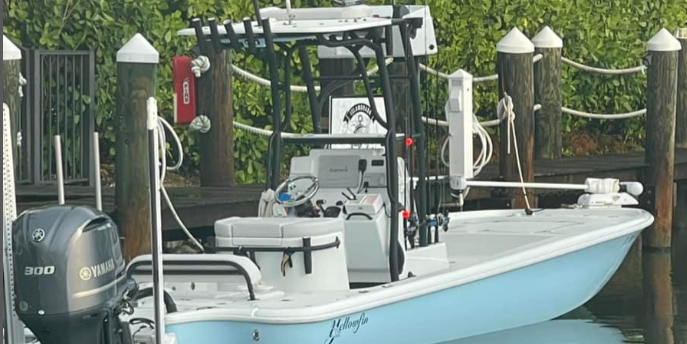
Captain Bryan knows these waters like the back of his hand, and he's got the experience to put you on fish whether you're a first-timer or a seasoned angler. This customer favorite charter runs for a solid 6 hours, giving you plenty of time to work different spots and techniques as conditions change throughout the day. The backcountry around Islamorada offers everything from shallow grass flats where redfish cruise to deeper channels where tarpon roll. You'll be fishing from a boat that's perfectly set up for the backcountry – shallow draft, quiet, and equipped with everything you need including top-rated gear, fresh bait, and fly fishing equipment if that's your style. Captain Bryan handles your Florida fishing license and will clean your catch at the end of the day, so all you need to focus on is hooking up and having a good time. With space for just 2 anglers, you'll get personalized attention and won't be competing with a crowd for the best spots on the boat.
Techniques & Tackle
The beauty of fishing Islamorada's backcountry is the variety of techniques you'll use throughout the day. Captain Bryan comes prepared with both conventional and fly fishing setups, so whether you want to throw live bait on spinning gear or challenge yourself with a fly rod, he's got you covered. Sight fishing is huge here – you'll spend time poling the flats looking for tailing redfish, cruising snook, and the occasional tripletail hanging around structure. When the fish are deeper or more scattered, you might switch to drift fishing or anchoring up on productive spots. The gear provided is well-maintained and appropriate for the species you're targeting. Light tackle keeps the fight fun, but it's heavy enough to handle the bigger fish these waters are known for. Live bait like pilchards, pinfish, and shrimp are staples, but artificial lures and flies work great too, especially when fish are actively feeding. Captain Bryan reads the water conditions, tides, and weather to adjust techniques throughout the trip, which is why his charters consistently produce fish even when conditions aren't perfect.
Target Species
Snook are the bread and butter of backcountry fishing here, and Islamorada's population is as healthy as you'll find anywhere in Florida. These ambush predators love structure – docks, mangrove shorelines, and channel edges where they can hide and strike at passing baitfish. Snook are most active during moving tides, especially around dawn and dusk, which is why both morning and afternoon trips can be productive. They fight hard with explosive strikes and acrobatic jumps, and their distinctive black lateral line makes them one of the most recognizable gamefish in Florida. The slot limit keeps the fishery strong, and a good day can produce multiple fish in the 24-28 inch range that are perfect for the dinner table.
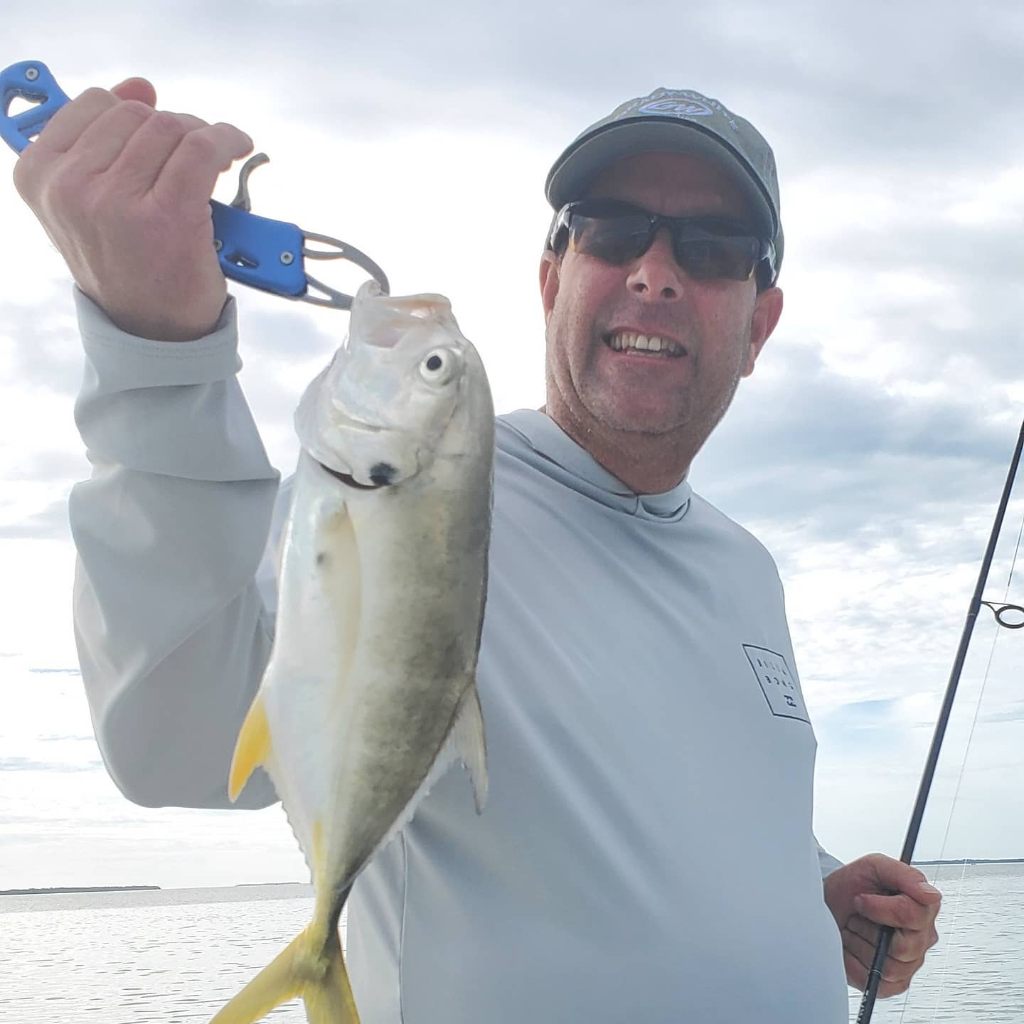
Grey snapper, or mangrove snapper as locals call them, are year-round residents that provide consistent action when other species are finicky. They're structure-oriented fish that hang around docks, bridges, and rocky areas throughout the backcountry. Don't let their smaller size fool you – these fish are scrappy fighters and incredibly wary, making them a favorite target for light tackle enthusiasts. They'll eat live bait, cut bait, and small jigs, but getting them to bite often requires finesse and the right presentation. Grey snapper are excellent table fare and there's no closed season, making them a reliable target any time of year.
Tarpon fishing in Islamorada is legendary, and even on a backcountry trip, you've got a shot at hooking into the silver king. These prehistoric giants can show up anywhere from the shallow flats to deeper channels, especially during their spring and summer migration. Juvenile tarpon in the 20-40 pound range are common in the backcountry year-round, while the big fish – 100 pounds and up – are more seasonal. When you hook a tarpon, everything else stops. Their aerial displays and bulldog fights are what fishing dreams are made of, and Captain Bryan knows the spots where they like to hang out. Most tarpon are released, as they're primarily a sport fish, but the experience of fighting one is something you'll never forget.
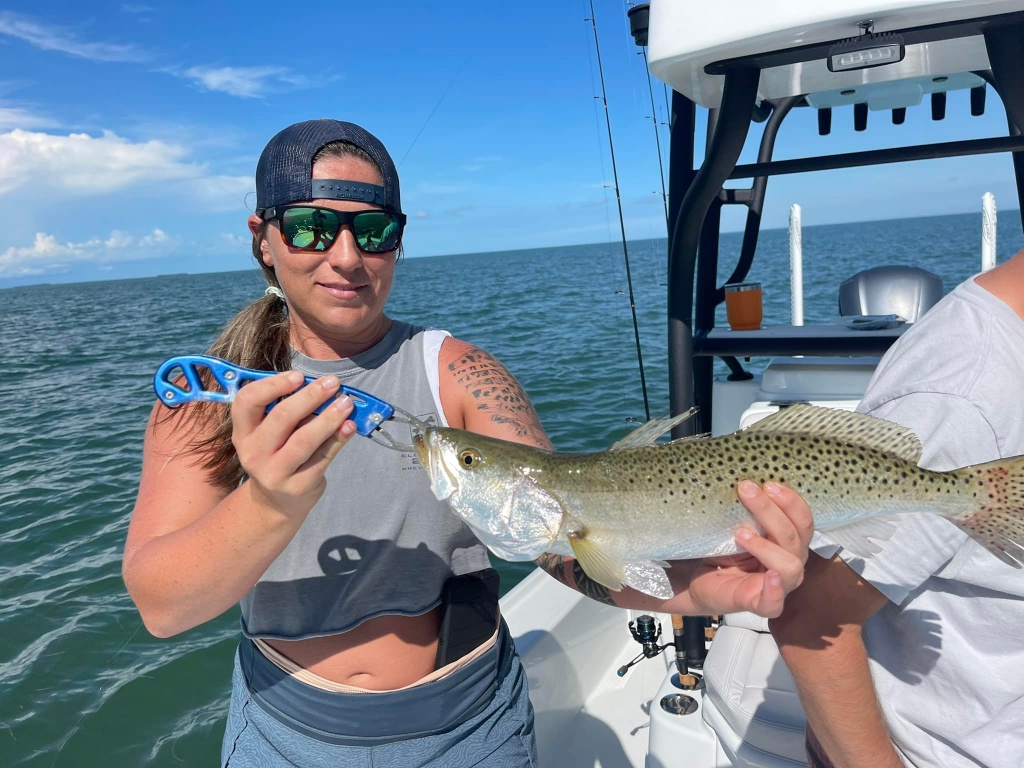
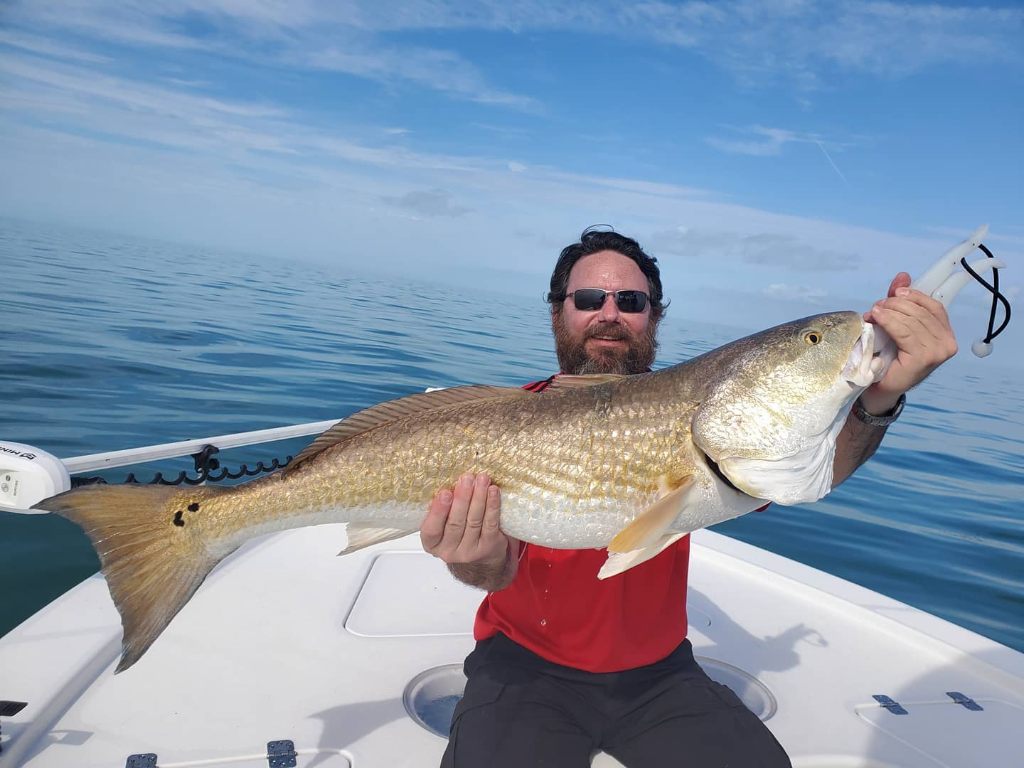
Redfish are perfectly suited to Islamorada's shallow backcountry waters, and they're one of the most exciting fish to target on sight. These copper-colored bruisers cruise the flats looking for crabs, shrimp, and small fish, often giving themselves away by tailing or pushing water in the shallows. Reds are aggressive feeders and strong fighters, making long runs when hooked. The best fishing is often in water so shallow you can see their backs, which makes for heart-pounding visual fishing. Fall and winter months are prime time for big redfish, but you can catch them year-round in these waters. They're also excellent eating, though many anglers choose to release the bigger breeding fish.
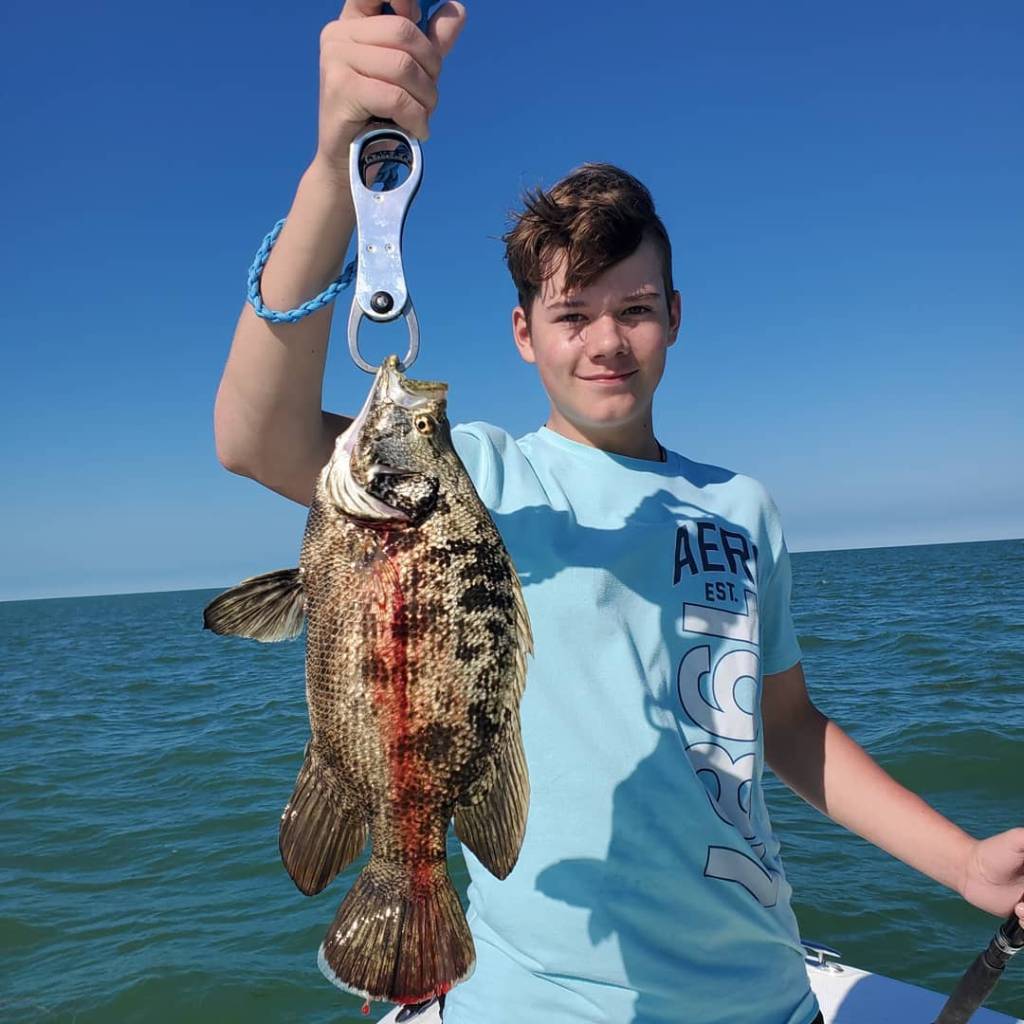
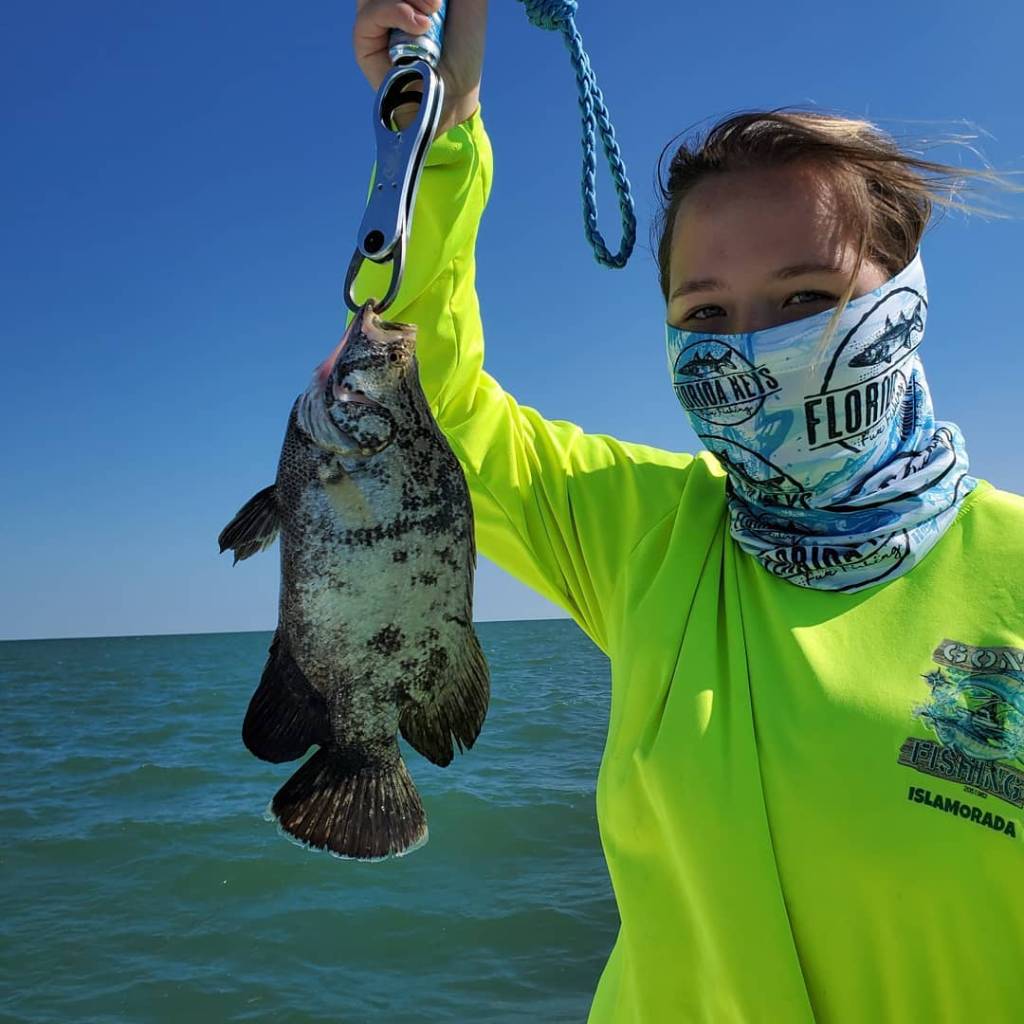
Tripletail might be the most unique fish you'll encounter on this trip. These odd-looking fish have a habit of floating on their sides near structure, looking like floating debris until you get close. They're ambush predators that feed on small fish and crabs, and they're surprisingly strong fighters for their stocky build. Tripletail are most common during the warmer months around buoys, channel markers, and floating grass lines. They're excellent table fare with firm, white meat that's
 Private Trip
 Backcountry Fishing
 Islamorada, FL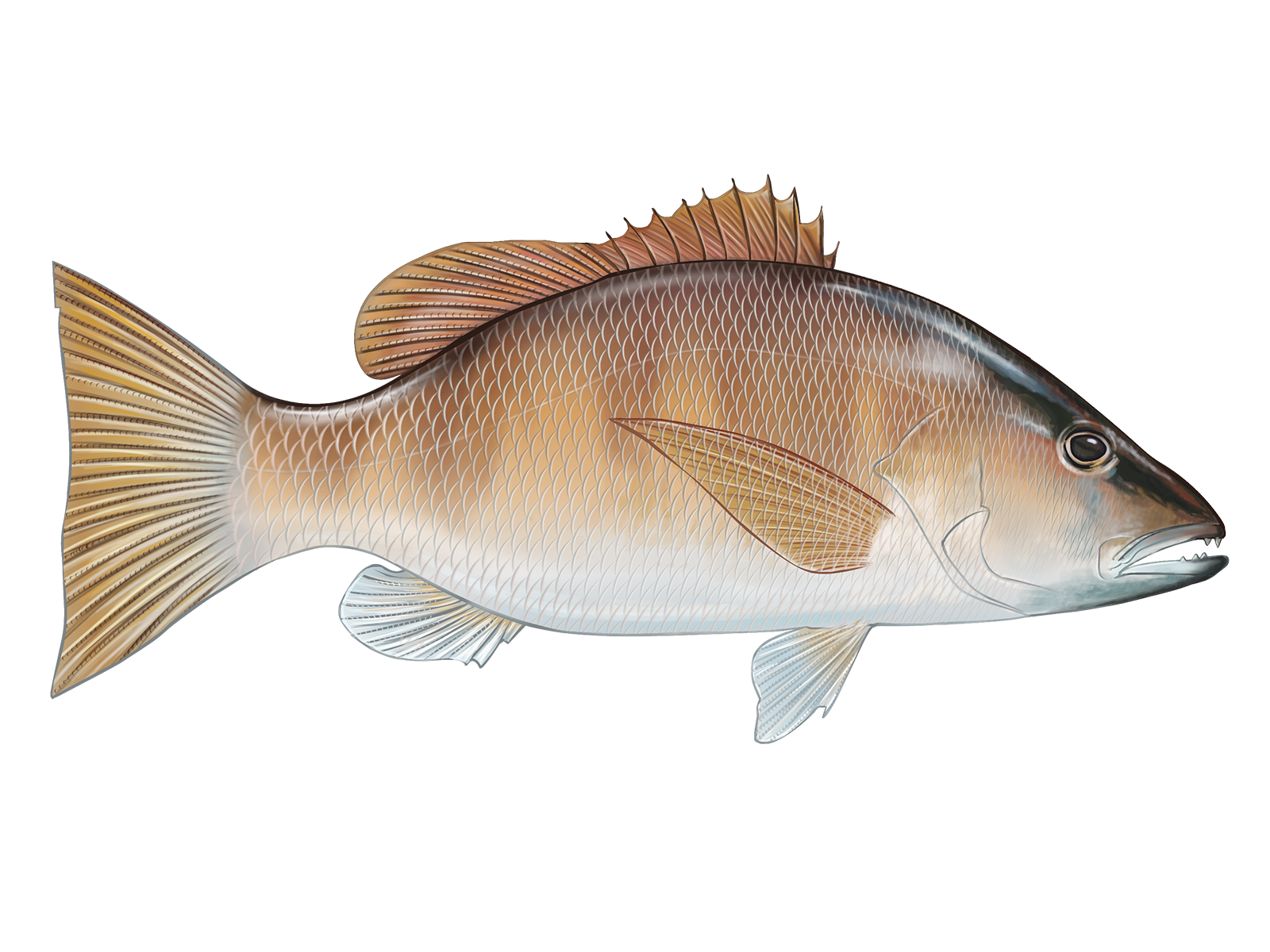


 Six-hour backcountry fishing charter in productive Islamorada waters