Oregon Wreck Fishing with Captain Craig
When October rolls around, the Oregon coast transforms into one of the Pacific Northwest's best-kept fishing secrets. Captain Craig Izzi runs these waters like he owns them, and after decades guiding anglers to the productive wrecks and reefs off Garibaldi, he pretty much does. This 8-hour shared charter takes just two guests at a time, so you're not fighting crowds or waiting your turn. You'll spend your day working the deep structure where big fish live, from sunken vessels to rocky pinnacles that rise from the ocean floor. The season runs through November 30th, giving you a solid two-month window to experience some of Oregon's most consistent bottom fishing action.
What to Expect on the Water
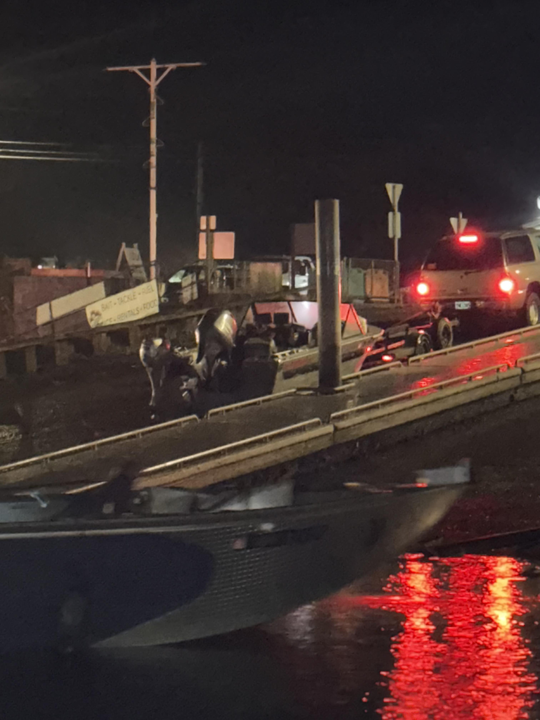
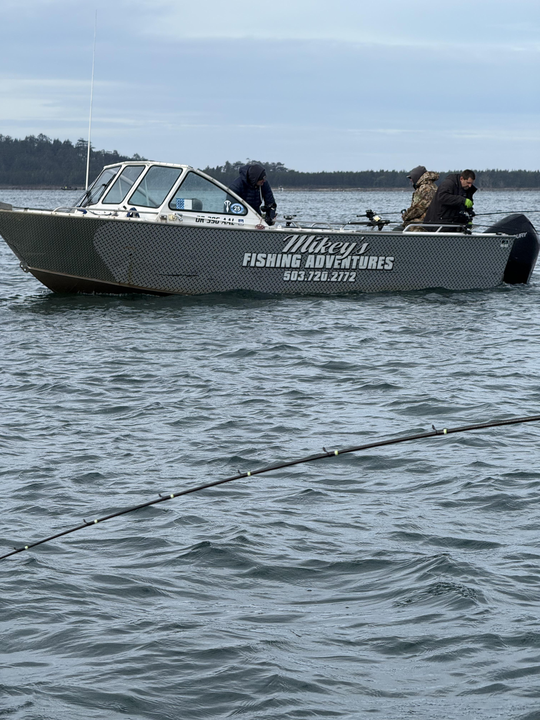
Captain Craig's approach to wreck fishing is straightforward – find the structure, position the boat right, and let the fish tell you what they want. You'll launch from Garibaldi's protected harbor and make the run to his favorite spots, which include both natural reefs and man-made structure. The boat comes equipped with everything you need for bottom fishing success: quality rods, reels spooled with appropriate line, and a tackle box full of proven rigs. Most of your day involves dropping heavy jigs and bait rigs down 80 to 200 feet, feeling for that telltale tap-tap of a fish picking up your offering. The captain watches the sounder constantly, marking schools of bait and adjusting position to keep you over the most productive water. Weather can change quickly out here, but the sturdy vessel handles Oregon's coastal conditions with ease, and Craig's local knowledge keeps you fishing safely all day long.
Bottom Fishing Tactics & Gear
Wreck fishing requires a different mindset than trolling or casting. You're fishing vertically, often in strong current, so everything about your setup needs to account for depth and drift. The captain rigs you up with 20 to 40-ounce sinkers depending on conditions, because getting your bait down to the fish quickly is crucial. Most productive rigs include a combination of large hooks baited with herring, squid, or rockfish. Lingcod love big baits presented right on the bottom, while halibut often hit baits drifted just off the structure. The key technique involves dropping your rig until it hits bottom, then cranking up a few turns and staying alert for bites. Fish this deep don't mess around – when they hit, you'll know it. Captain Craig coaches you through fighting fish in heavy current, teaching you when to pump and wind versus when to just hold on and let the drag do its job. The electric downriggers and fish finder technology make all the difference in staying productive throughout the day.
Top Catches This Season
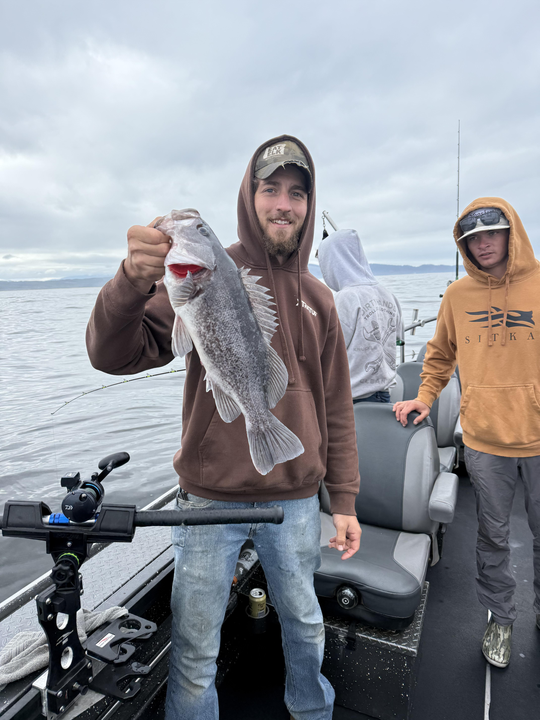
Black Sea Bass might not be the biggest fish in these waters, but they're definitely some of the tastiest. These chunky bottom dwellers hang around rocky structure year-round, but fall fishing finds them feeding heavily before winter. Most fish run 2 to 8 pounds, with their firm white meat making them a favorite for the dinner table. They're aggressive biters once you locate a school, often providing fast action when other species are being finicky. The best part about bass fishing is they travel in groups, so once you hook one, there are usually more down there waiting.
Atlantic Halibut represent the holy grail of this fishery – these flatfish can reach truly impressive sizes and provide the kind of fight that makes your arms burn. Oregon's halibut season varies year to year, but when they're biting, nothing compares to the steady, powerful runs these fish make. A 20-pound halibut is a nice fish, while anything over 40 pounds gets the camera out. They're ambush predators that lay buried in sand near structure, waiting for baitfish to swim by. The meat is absolutely incredible, with thick fillets that work for everything from grilling to fish tacos.
Lingcod are the bullies of the reef, and catching one never gets old. These toothy predators can exceed 30 pounds, with their massive mouths capable of inhaling surprisingly large prey. October through November finds them aggressive and feeding heavily, making this timeframe ideal for targeting trophy-sized fish. Lingcod fight dirty, using their powerful bodies and the structure to try breaking you off. The bright blue meat might look strange, but it cooks up white and flaky with a mild flavor that works for any recipe.
Chinook Salmon add a different dimension to these deep water trips, especially when they're staging near coastal structure before heading to rivers. Fall kings are thick, silver, and absolutely delicious after months of ocean feeding. These fish fight differently than bottom species, making long runs and jumping when hooked. A 20-pound Chinook represents world-class fishing, and the Oregon coast consistently produces fish in that size range during the fall months.
Rainbow Trout in saltwater might sound unusual, but steelhead do spend time in nearshore waters, and catching one on a bottom rig is always a surprise. These acrobatic fish jump repeatedly when hooked, providing excitement that breaks up a day of steady bottom fishing. Most ocean-caught steelhead are hatchery fish, making them legal to keep and excellent eating.
Time to Book Your Spot
Fall weather windows don't last forever on the Oregon coast, and Captain Craig's two-guest limit means spots fill up fast among local anglers who know what they're getting. This isn't a cattle boat experience where you're elbow-to-elbow with strangers – you'll have room to fish properly and personal attention from a captain who's been working these waters longer than most guides have been alive. The combination of productive fishing grounds, quality equipment, and small group size creates the kind of fishing trip that keeps you thinking about your next booking before you even get back to the dock. Whether you're after halibut for the freezer, lingcod for bragging rights, or just a solid day of Oregon bottom fishing, this charter delivers the goods
 Shared Trip
 Wrecks/Reefs Fishing
 Garibaldi, OR, United States


 8-hour deep reef and bottom fishing adventure