4 Hour Basic Inshore Fishing - Florida Waters
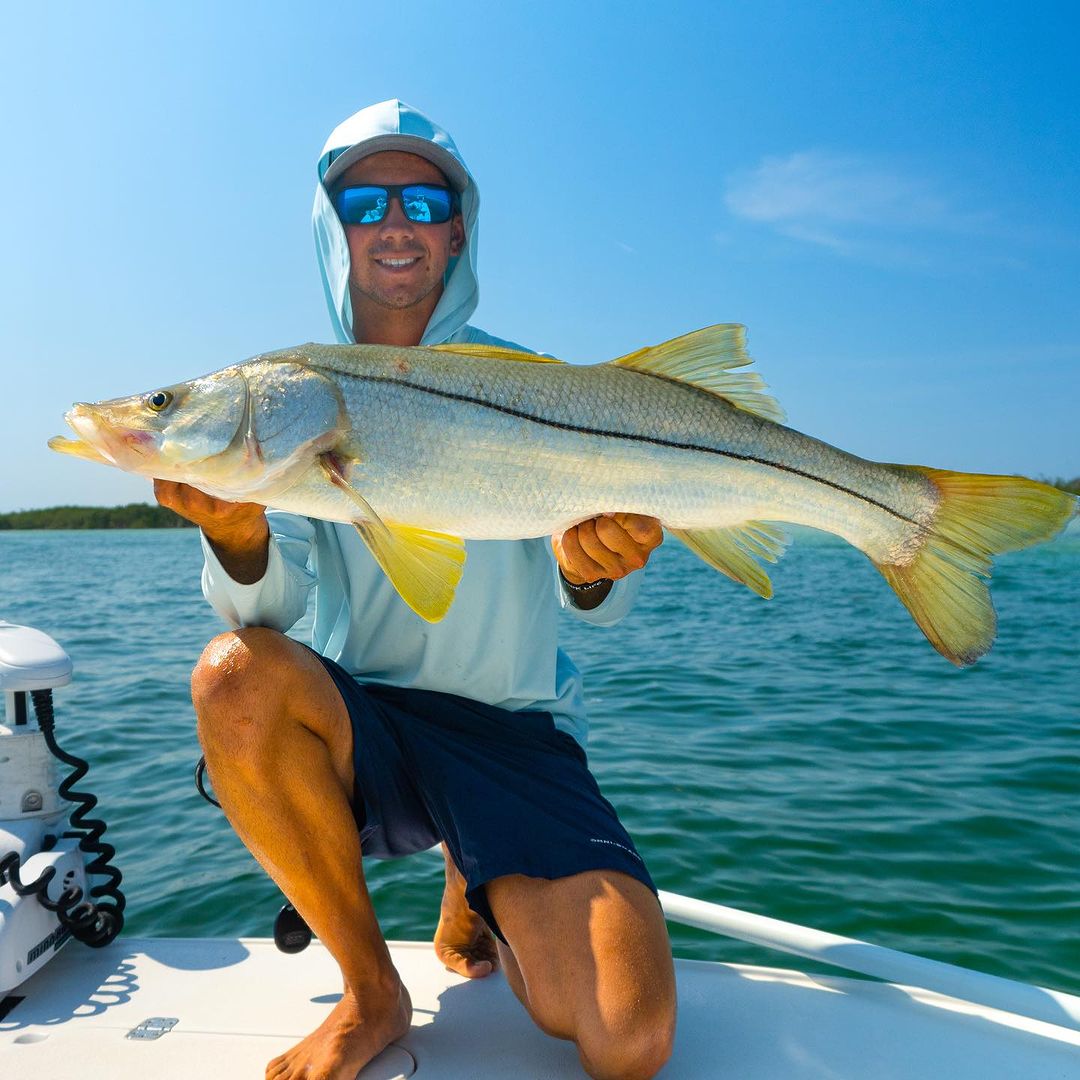
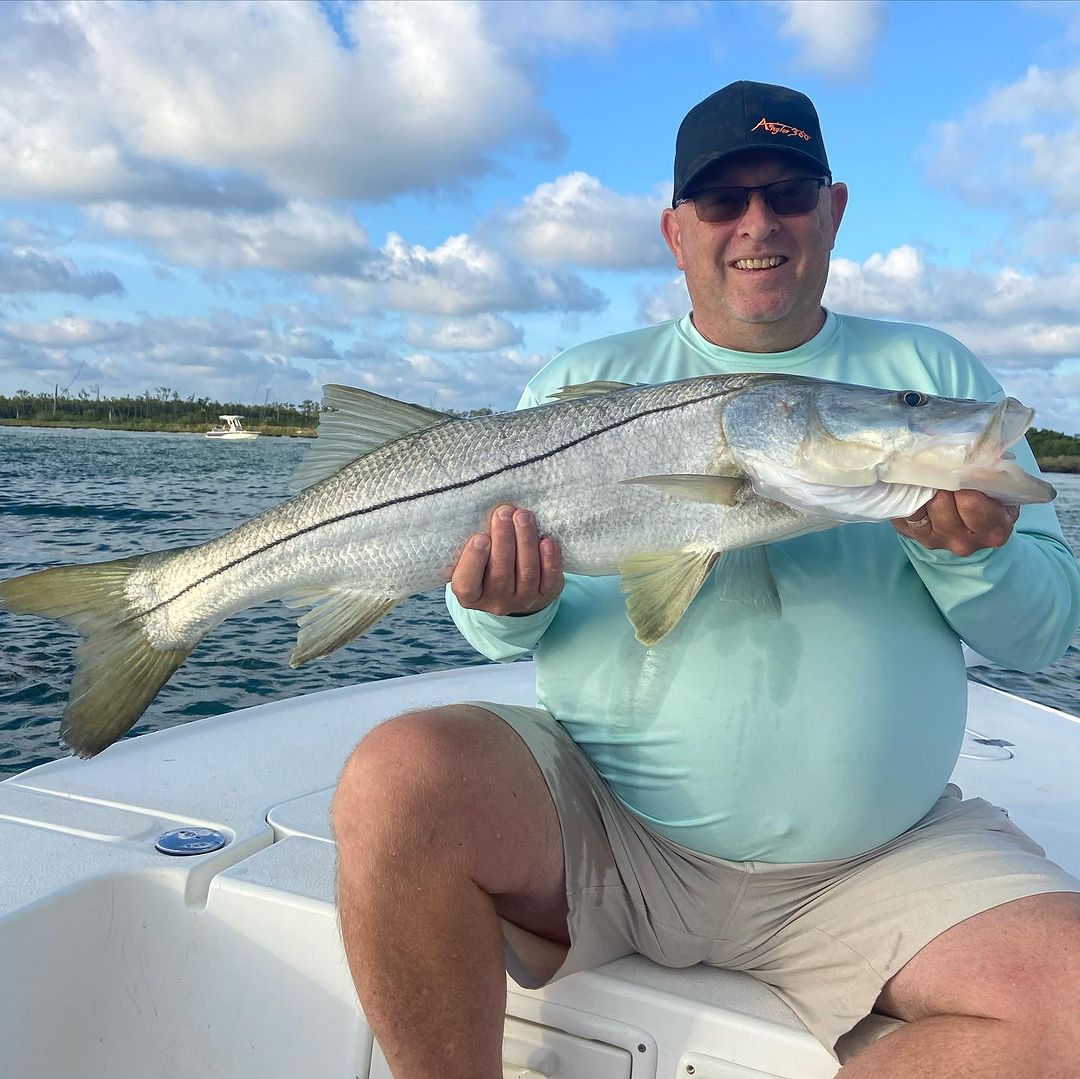
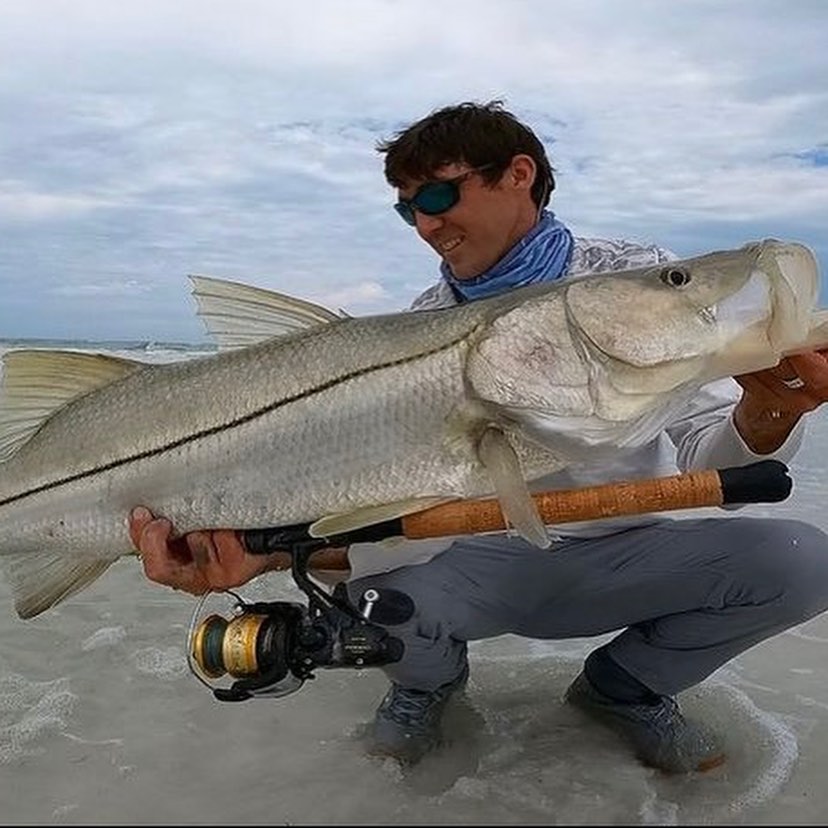
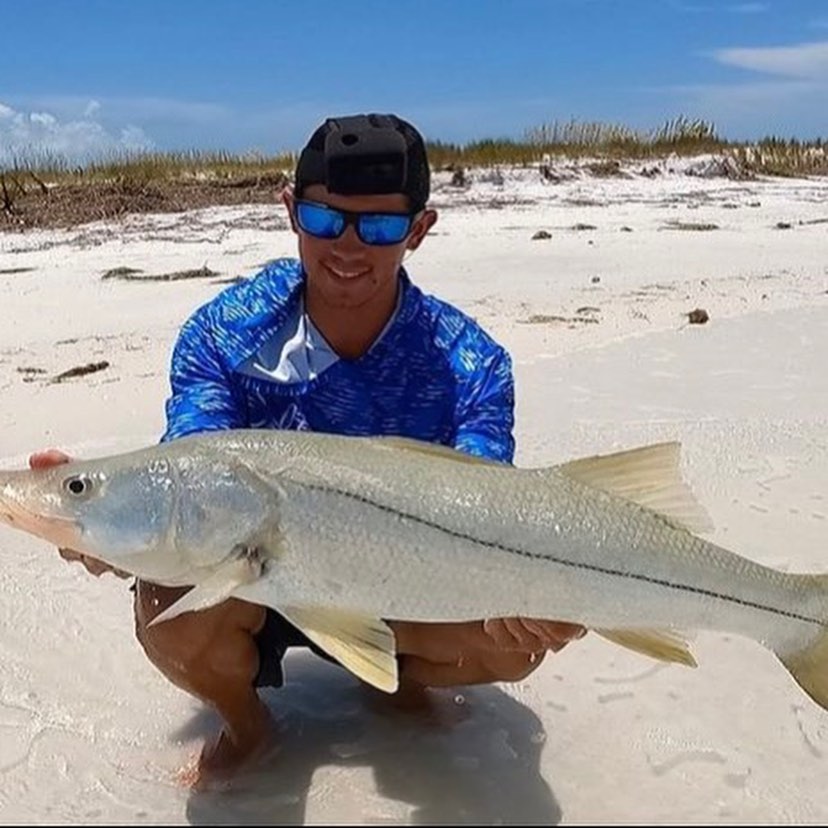
Looking to spend a solid half-day on some of Florida's best inshore waters? This 4-hour basic inshore trip with JC Fishin Charters puts you right where the action happens. We're talking about productive flats, grass beds, and structure where Florida's most sought-after inshore species like to hang out. Perfect for up to 2 anglers, this trip gives you plenty of time to work different spots without feeling rushed. Whether you've been fishing these waters for years or you're just getting your feet wet with inshore angling, we'll make sure you're set up for success from the first cast to the last.
What to Expect on the Water
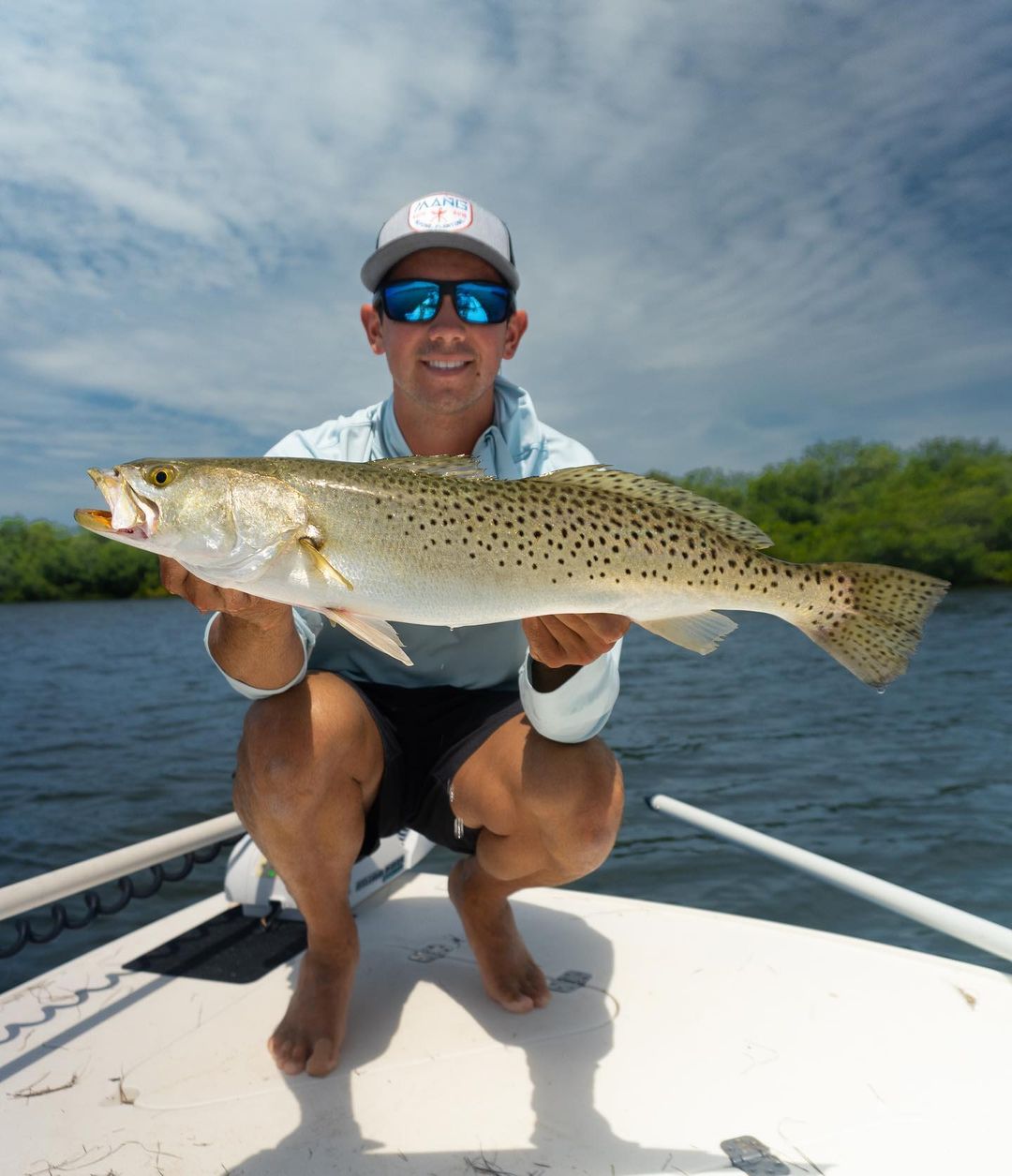
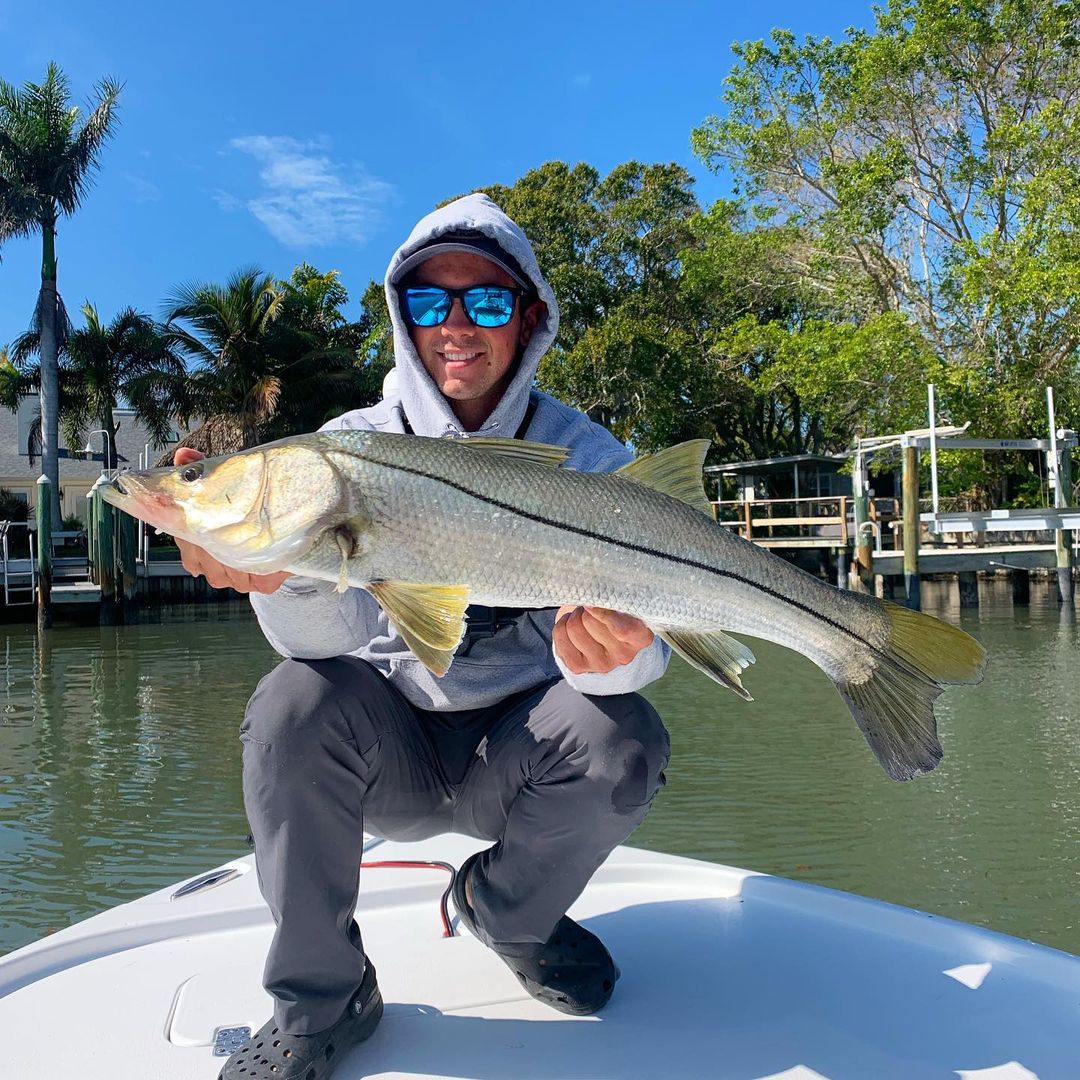
Your day starts early when the fish are most active and the Florida sun isn't beating down on you yet. We'll cruise out to prime inshore spots where the water's just right - usually anywhere from 2 to 8 feet deep over grass flats, around docks, or near mangrove shorelines. The beauty of inshore fishing here is the variety. One minute you're sight-casting to tailing redfish in skinny water, the next you're working a jig around structure hoping for a big trout or sheepshead. The scenery's pretty sweet too - crystal clear water, endless flats stretching to the horizon, and plenty of birds working bait that'll tip you off to where the fish are feeding. Four hours gives us enough time to hit 3-4 different spots, so if one area's slow, we've got backup plans. You'll spend most of your time actively fishing, not just riding around looking for fish.
Tackle & Techniques We Use
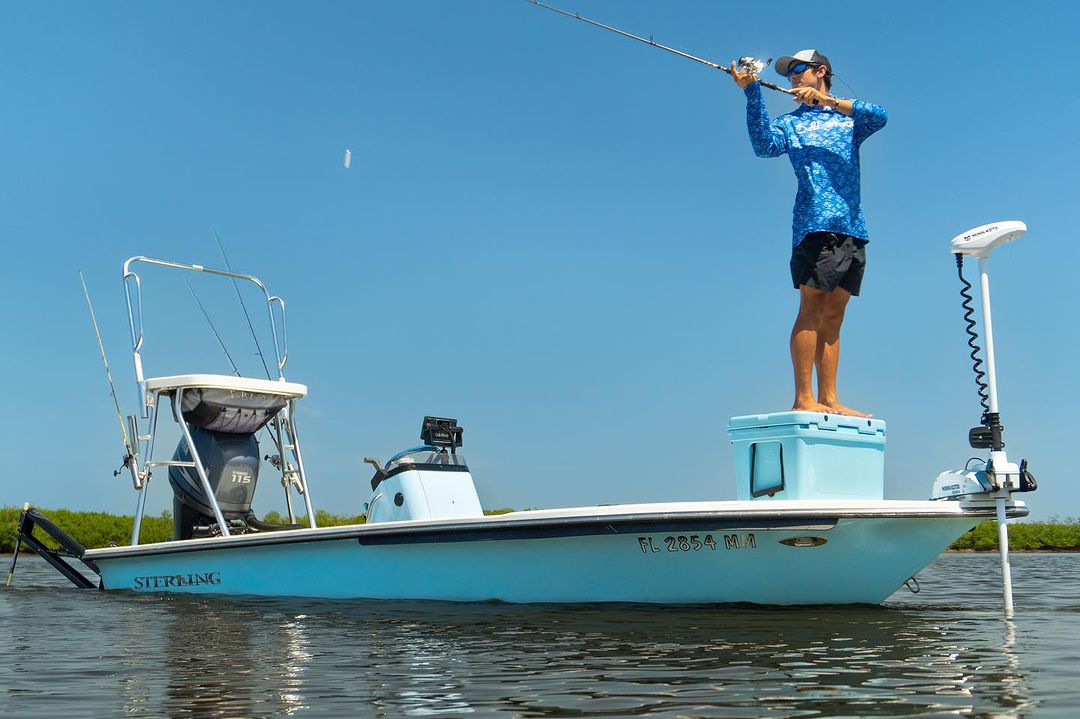
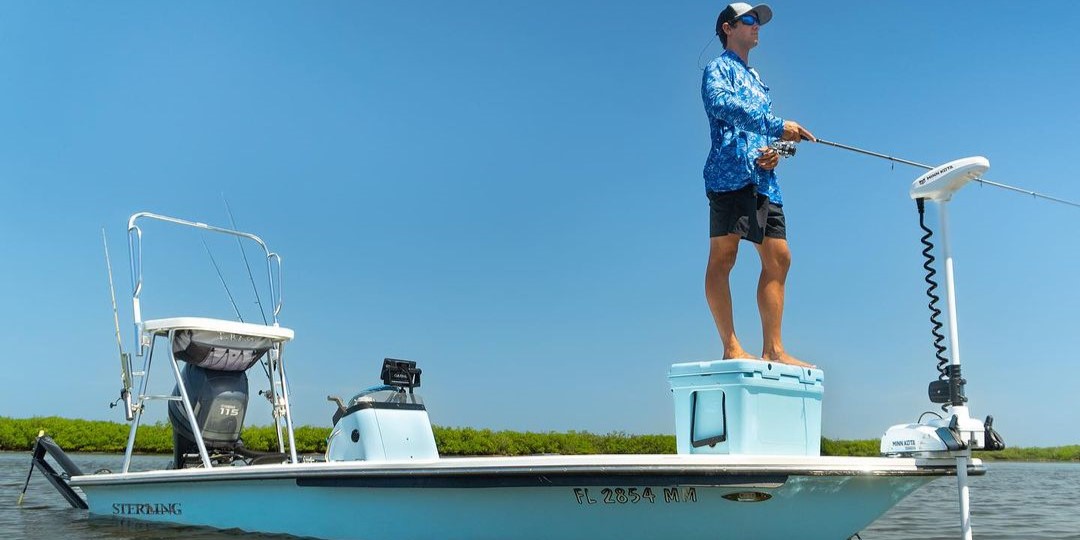
We keep it simple but effective out here. Most of the day you'll be throwing light tackle - 7-foot medium action rods spooled with 15-20lb braid and a fluorocarbon leader. Depending on what we're targeting and where we find them, we'll switch between live bait like shrimp or pinfish and artificials. Soft plastics are huge producers - gulp shrimp on jig heads, paddle tails, and DOA lures all get plenty of action. When we're sight-fishing for reds, we might go with topwater plugs or spoons that'll get their attention. The key is staying quiet and making accurate casts. Inshore fishing is all about presentation - you've got to put your bait right where the fish are without spooking them. We'll spend time working structure like docks and mangroves where fish ambush prey, and also cover open flats where you can see fish cruising or tailing. It's active fishing that keeps you engaged the whole time.
Top Catches This Season
Sheepshead are one of the smartest fish swimming these waters, and that's exactly why landing one feels so good. These black and white striped convict fish love hanging around structure - docks, bridges, rock piles - where they can pick off barnacles and crabs. They've got serious chompers that can crush shellfish, so they're notorious bait stealers. You'll know you're dealing with sheepshead when your bait keeps disappearing without a proper hookset. Best action usually happens during cooler months from November through March when they're staging for their spawn. What makes them fun is the challenge - you need perfect timing and a sensitive touch to hook these guys before they steal your shrimp and swim away laughing.
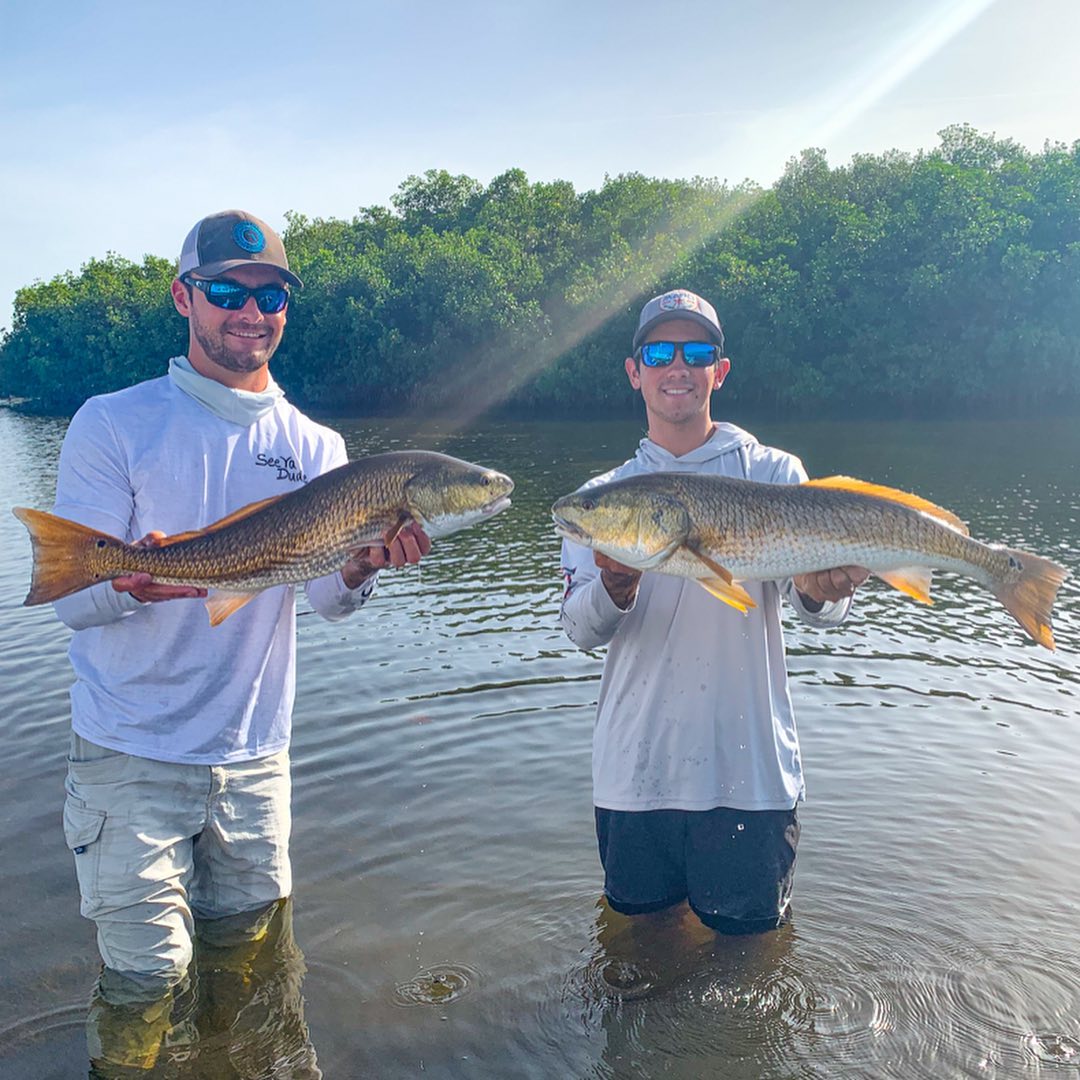
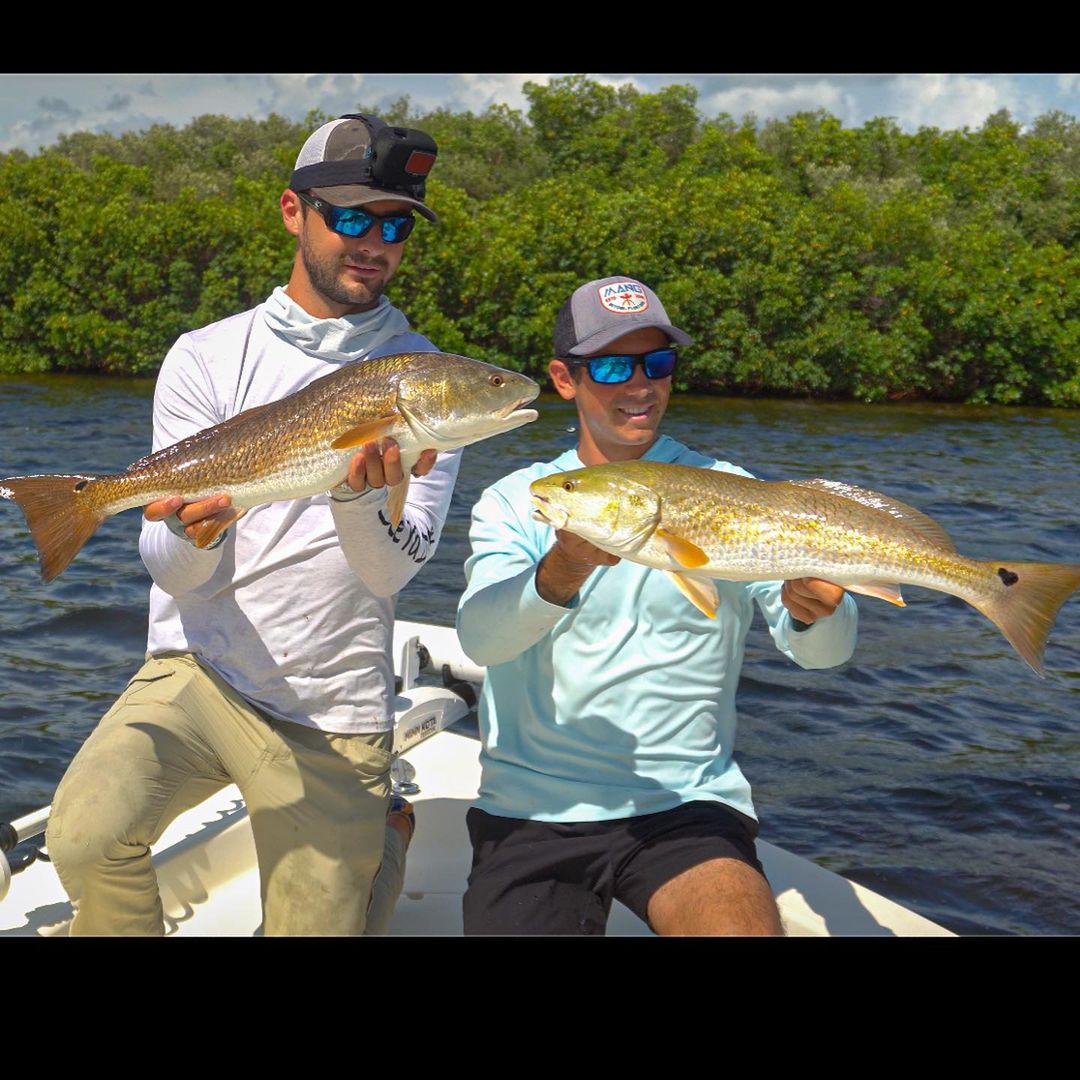
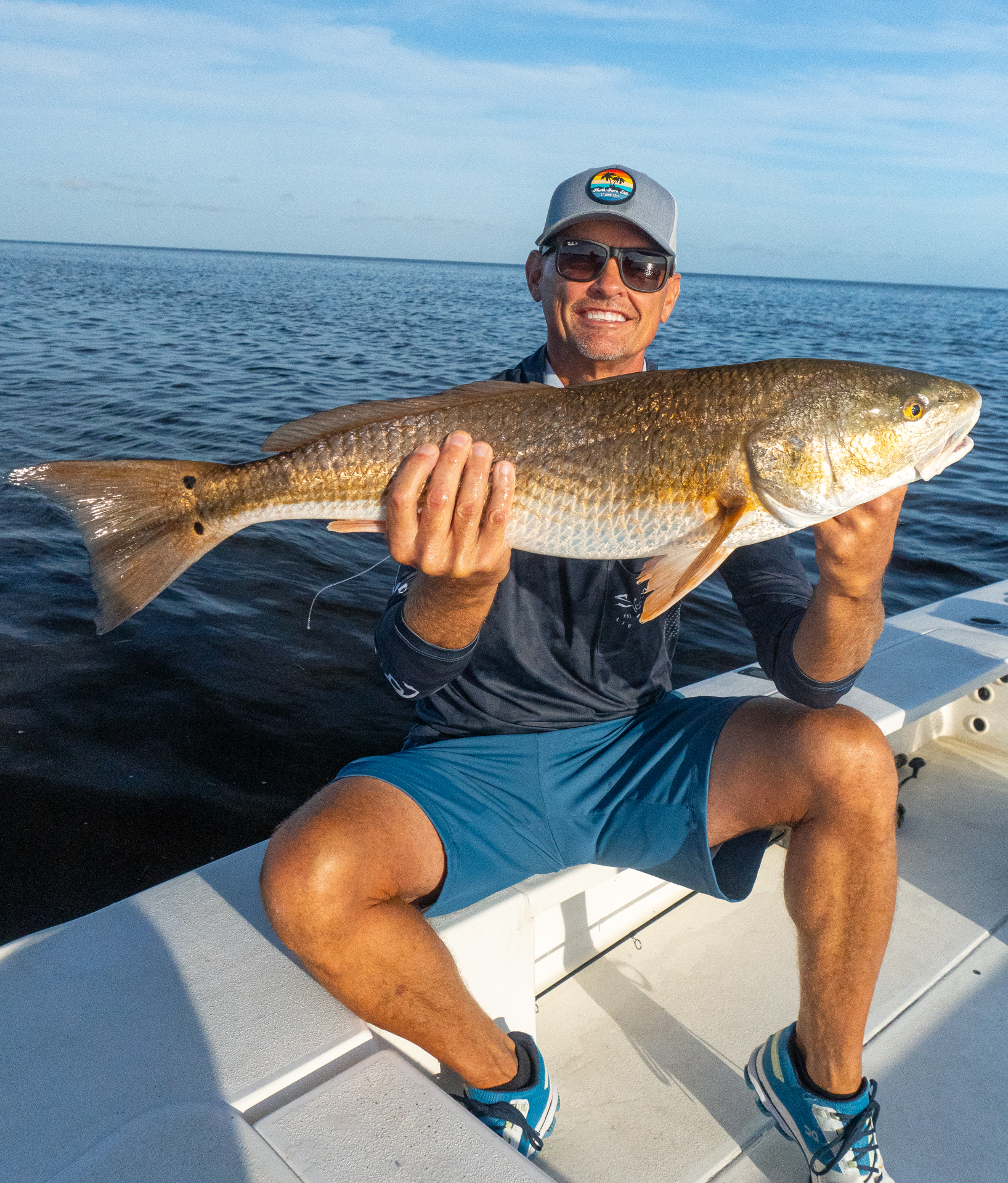
Redfish are the poster child of Florida inshore fishing, and for good reason. These copper-colored bulldogs fight hard and they're around year-round. You'll find them cruising grass flats, tailing in shallow water, or posted up around oyster bars waiting to ambush bait. Reds are aggressive feeders but they're also smart - spook one and he'll clear out along with every other fish in the area. The sight-fishing opportunities are what really get people hooked. Watching a 25-inch red slowly cruise toward your perfectly placed soft plastic, then explode on it in 3 feet of clear water - that's what inshore fishing dreams are made of. They pull hard and use their broad sides to fight you all the way to the boat.
Spanish mackerel bring the speed and aerial show to your day. These silver rockets are built for one thing - chasing down bait fish at ridiculous speeds. When they're around, you'll see them busting bait on the surface, sometimes jumping clear out of the water. They're not picky eaters, but they want their meal moving fast. Small spoons, gotcha plugs, and fast-retrieved jigs trigger aggressive strikes. Spanish macs are typically more active during warmer months and they'll hit so hard your rod tip nearly gets pulled out of your hands. They're also excellent table fare - their meat is rich and perfect for smoking or grilling fresh.
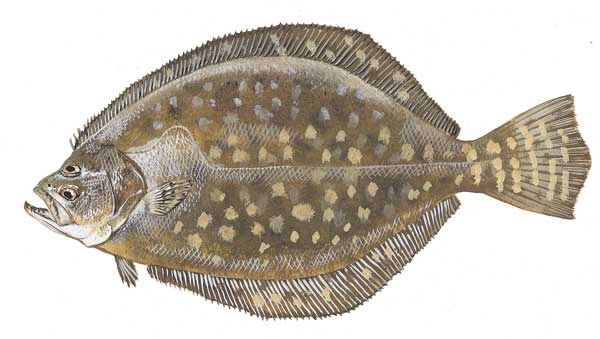
Southern flounder are the masters of disguise lying flat on sandy or muddy bottoms waiting for an easy meal to swim by. These ambush predators can change their coloration to match their surroundings perfectly. Flounder fishing requires a different approach - slow presentations along the bottom with live bait or soft plastics. The bite feels like you've snagged bottom until that "bottom" starts swimming away. Fall months are prime time when flounder are moving toward deeper water, and that's when you'll find the biggest doormat-sized fish. They're prized for their delicate, flaky white meat that's considered some of the best eating in these waters.
Florida pompano might be the most underrated fighter in the inshore game. These silver, disc-shaped fish are built like little torpedoes and they use every inch of their body to fight. You'll typically find them cruising sandy areas and grass edges where they root around for crabs and shrimp. Pompano can be finicky - some days they'll eat anything you throw, other days they want a very specific presentation. Jigs tipped with shrimp or small crabs work well, and they often travel in small schools so
 Private Trip
 Inshore Fishing
 New Port Richey, FL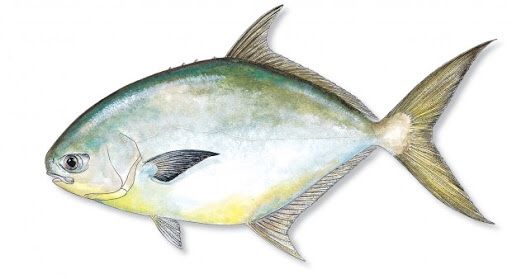



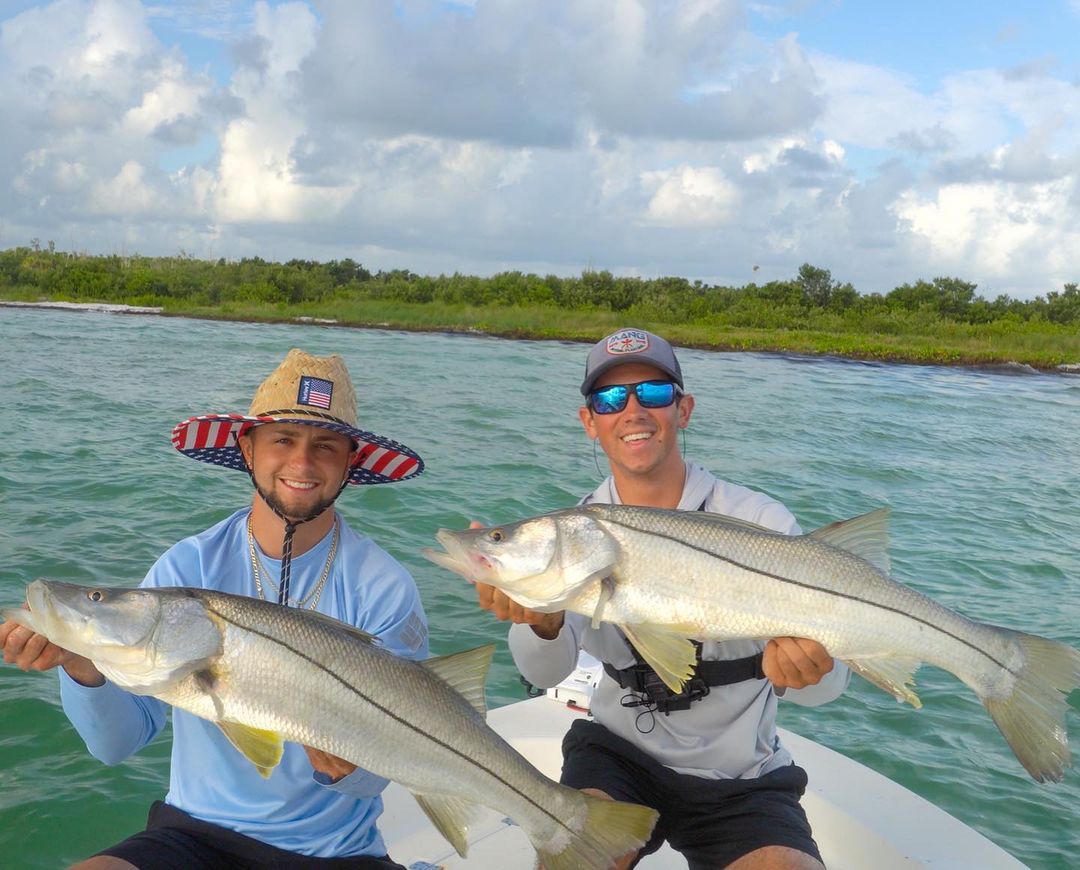
 Four-hour inshore fishing adventure targeting snook, redfish, and trout