8 Hour Inshore Fishing Trip - Florida
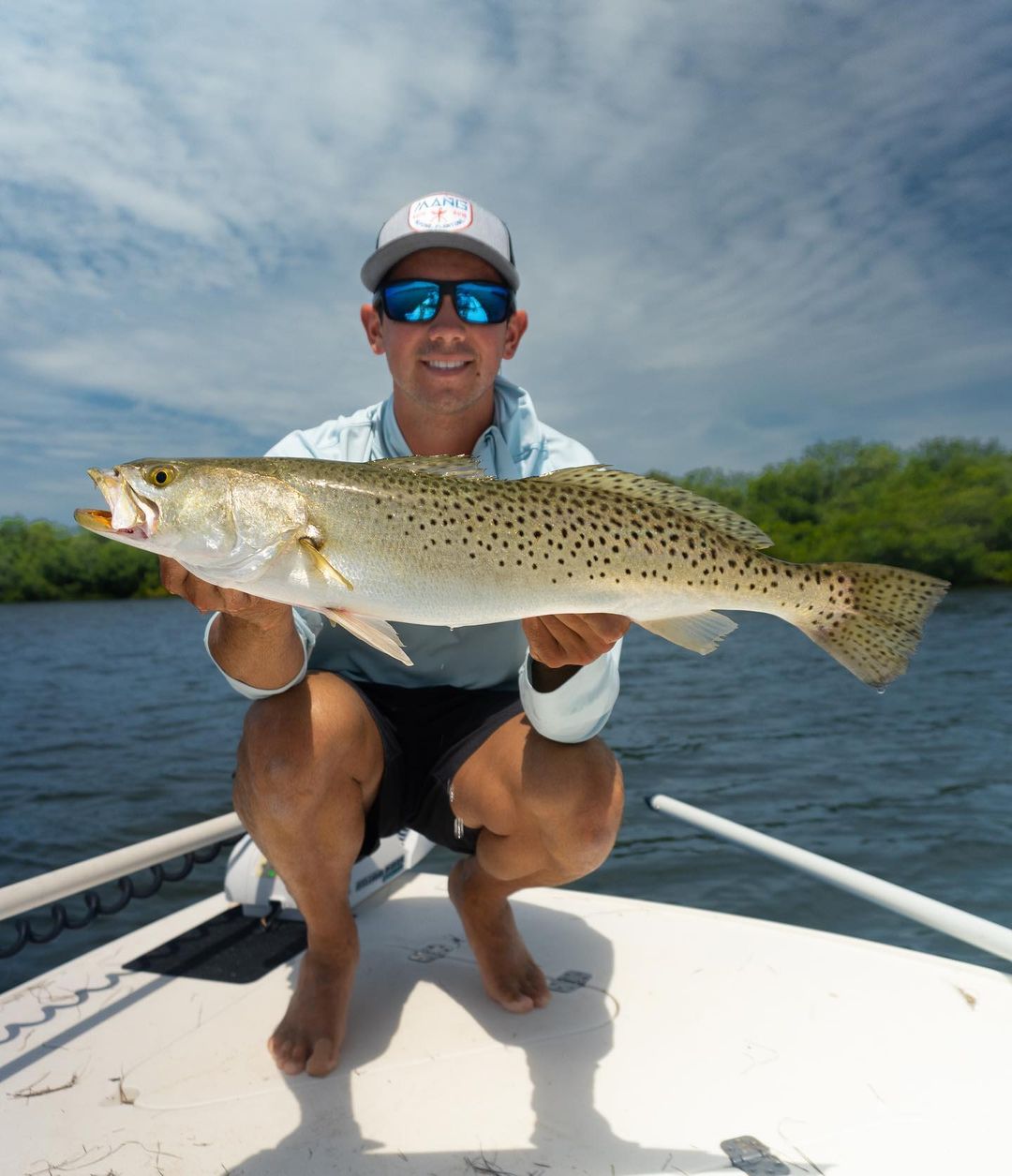
Get ready for a full day of casting lines in Florida's premier inshore waters with JC Fishin Charters. This 8-hour adventure takes you deep into the backwaters and flats where the fish are biting and the action never stops. You'll be targeting some of the most sought-after species in these waters - Redfish, Spanish Mackerel, Snook, Grey Snapper, and Black Drum. With our local guides who know these waters like the back of their hand, you're in for a day packed with solid fishing opportunities. This isn't just another charter trip; it's your chance to get into the thick of what makes Florida inshore fishing legendary.
What to Expect on the Water
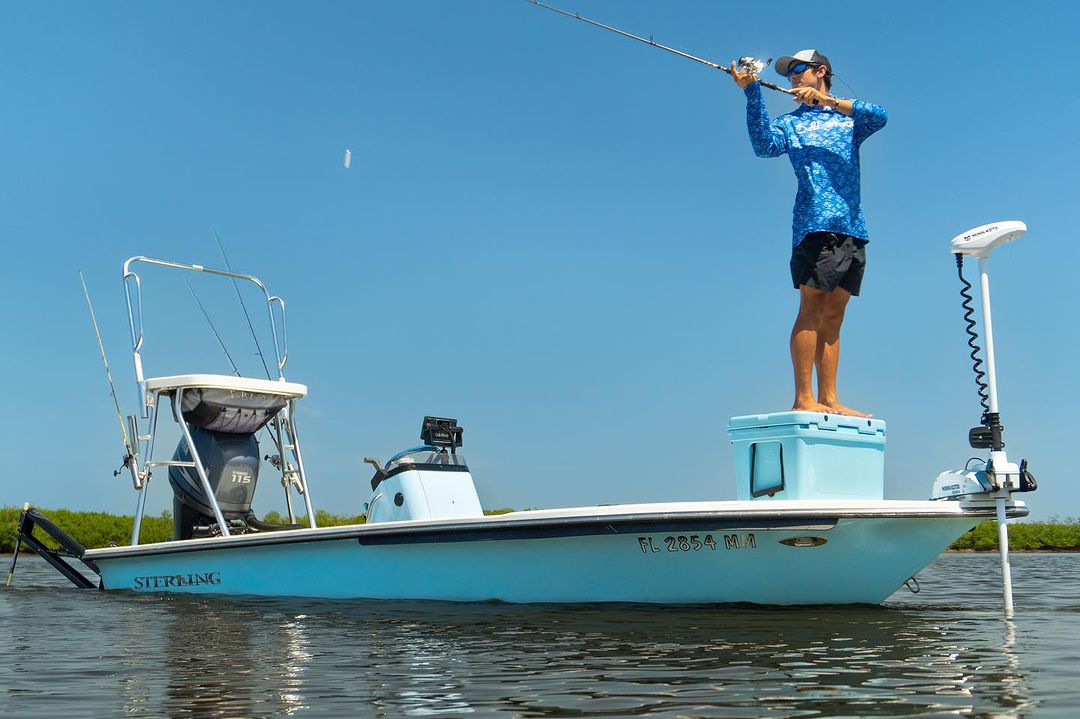
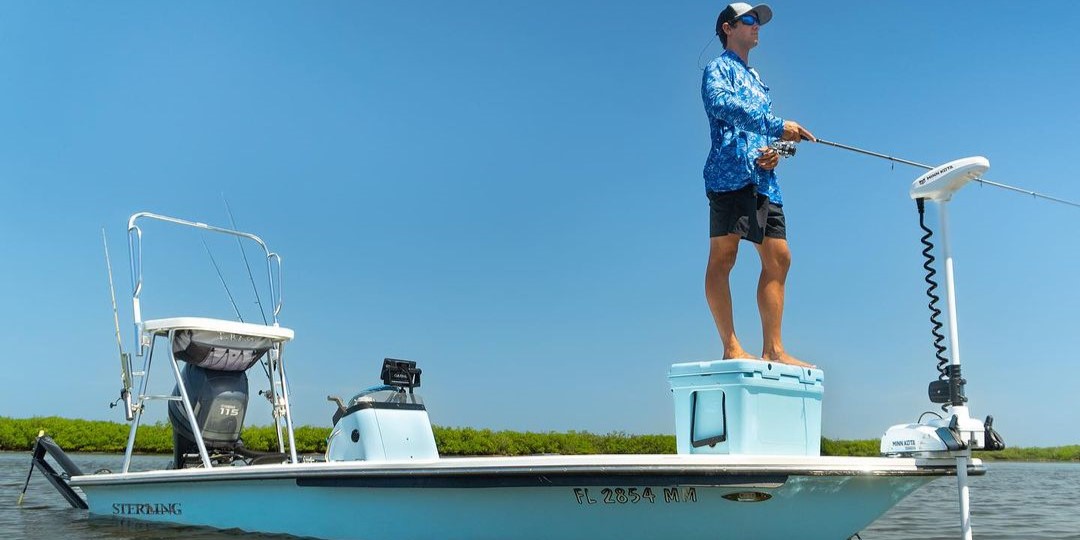
Your day kicks off early when you meet your captain at the dock, and from there, it's all about putting you on fish. We'll cruise through grass flats, mangrove shorelines, and oyster bars where the action happens. The beauty of an 8-hour trip is that we've got time to work multiple spots and adjust our game plan based on what's working. Some days the fish are shallow on the flats, other days they're hanging around structure in deeper water. Your guide reads the conditions - tide, wind, water temperature - and puts you where the fish want to be. You'll spend quality time learning the water, understanding how these fish behave, and getting comfortable with the techniques that work best in these conditions. The boat stays comfortable with just 2 anglers, so you're not fighting for space or waiting your turn to fish prime water.
Techniques and Tackle
Inshore fishing here is all about versatility and reading the water. We'll be working with medium-light spinning tackle that gives you the sensitivity to feel those subtle bites but has enough backbone to turn a big red or snook away from structure. Live bait fishing is a staple - we'll net up some pilchards, pinfish, or shrimp depending on what's available and what the fish are keying on. Artificial lures play a huge role too, especially soft plastics rigged on jig heads for working grass flats and drop-offs. Topwater plugs come out during the early morning and late afternoon bite when fish are actively feeding on the surface. Your guide handles all the rigging and will teach you the retrieval techniques that trigger strikes. We fish light enough that every hookup feels sporting, but heavy enough that you can muscle fish away from snags when you need to.
Species You'll Want to Hook
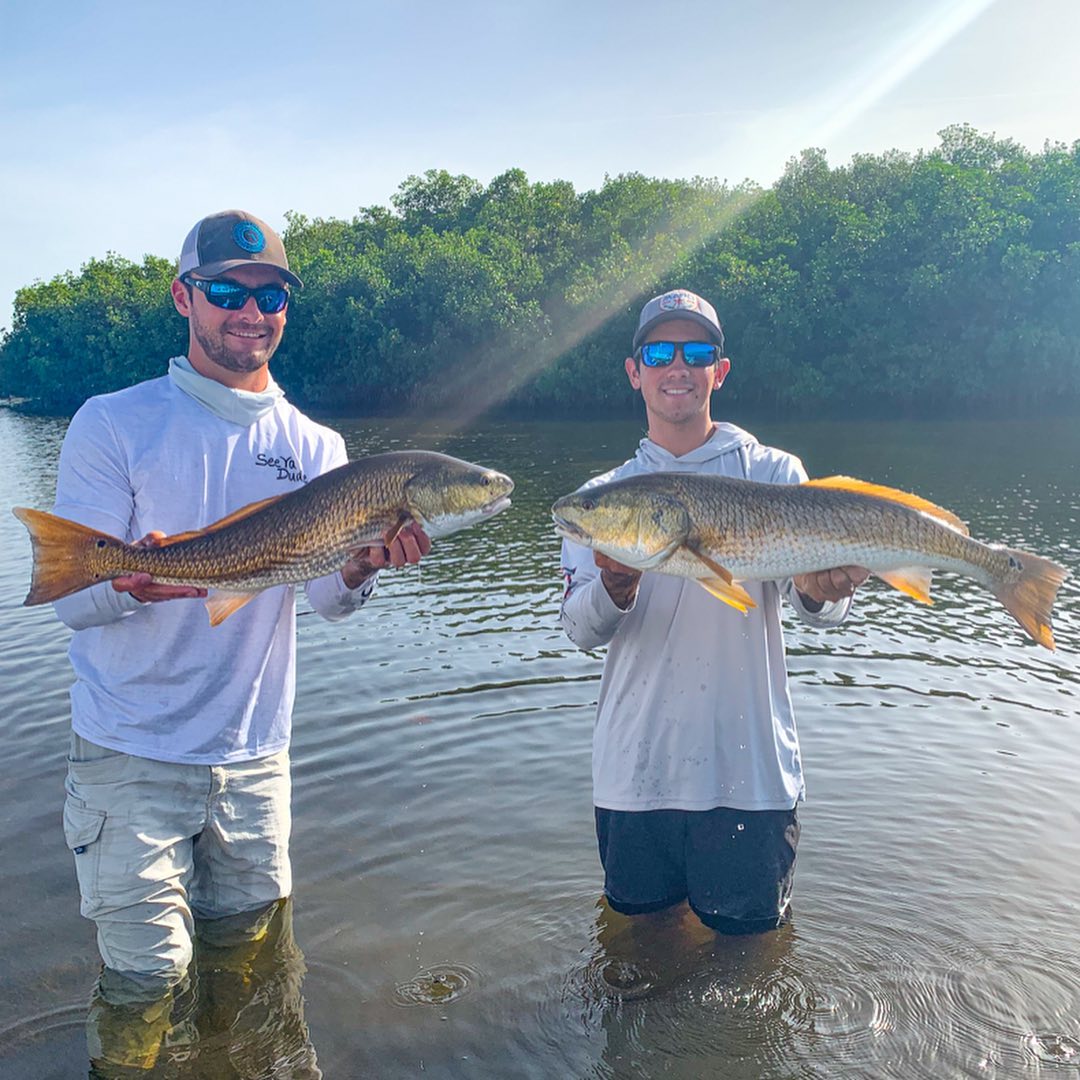
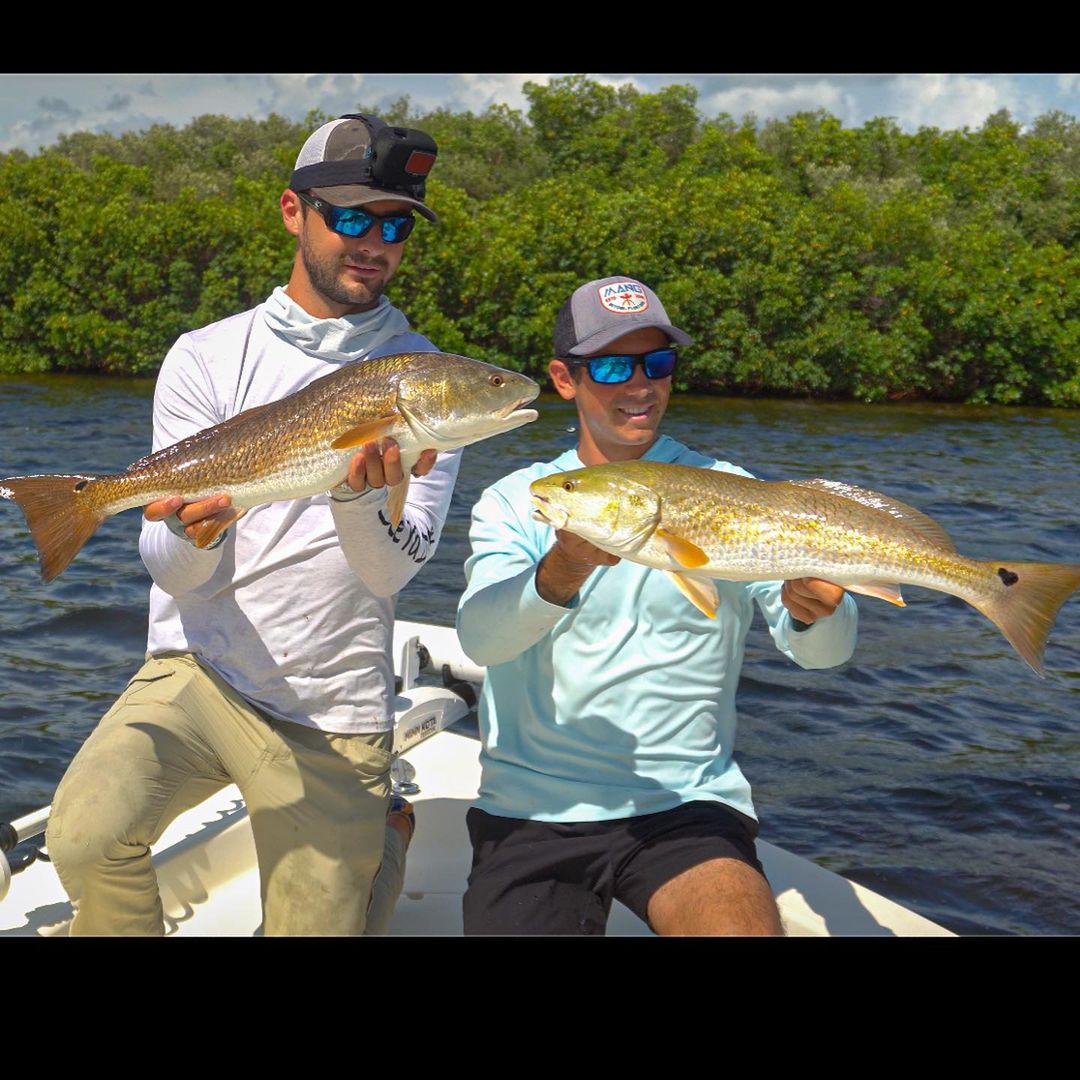
Redfish are the bread and butter of Florida inshore fishing, and for good reason. These copper-colored bruisers average 18-27 inches in our waters and fight like fish twice their size. They love shallow water and aren't particularly line-shy, making them perfect targets for anglers of all skill levels. Fall and winter months see them schooling up in impressive numbers, while spring and summer finds them scattered across the flats. What makes reds so addictive is their willingness to eat just about anything - cut bait, live shrimp, soft plastics, spoons. When a slot red grabs your bait and makes that first bulldogging run, you'll understand why they're a customer favorite.
Spanish Mackerel bring speed and excitement to every trip. These silver rockets rarely grow beyond 3-4 pounds, but they make up for size with pure energy. They show up when water temperatures climb above 70 degrees and stay active through the warmer months. Mackerel are sight feeders that love flash and movement, making them perfect targets for small spoons, jigs, and live bait. They travel in schools, so when you find one, you've usually found many. The challenge with Spanish mackerel is their razor-sharp teeth - they'll cut through mono in a heartbeat, so we use wire leaders or heavy fluorocarbon.
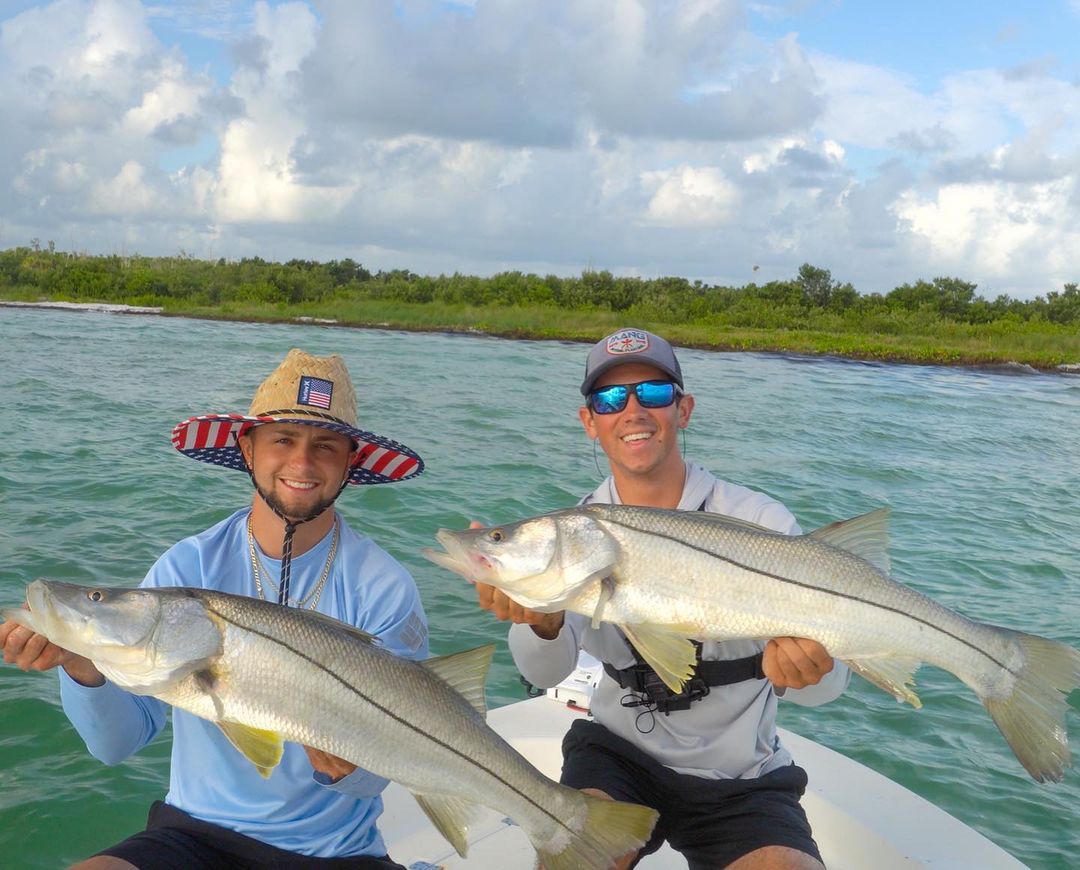
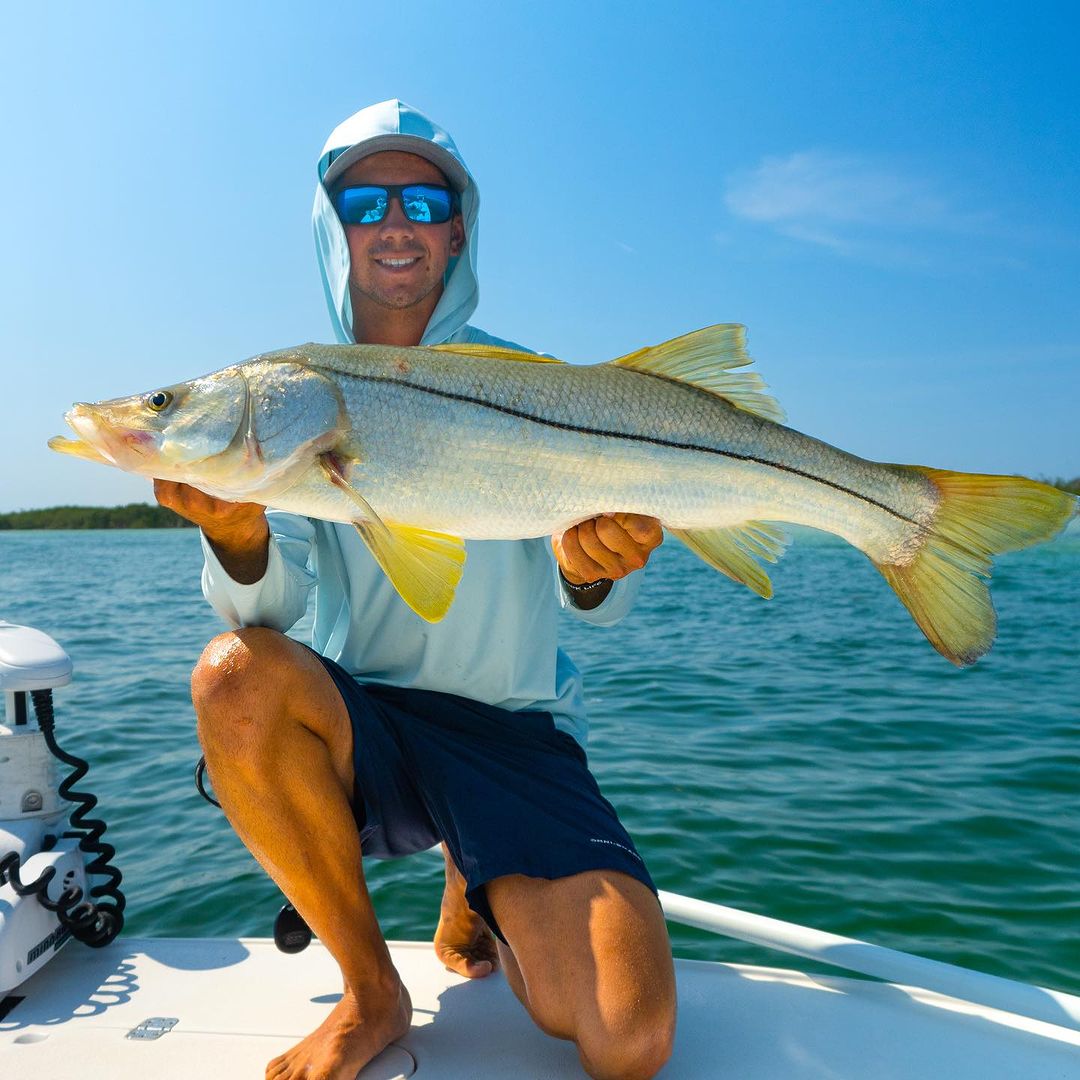
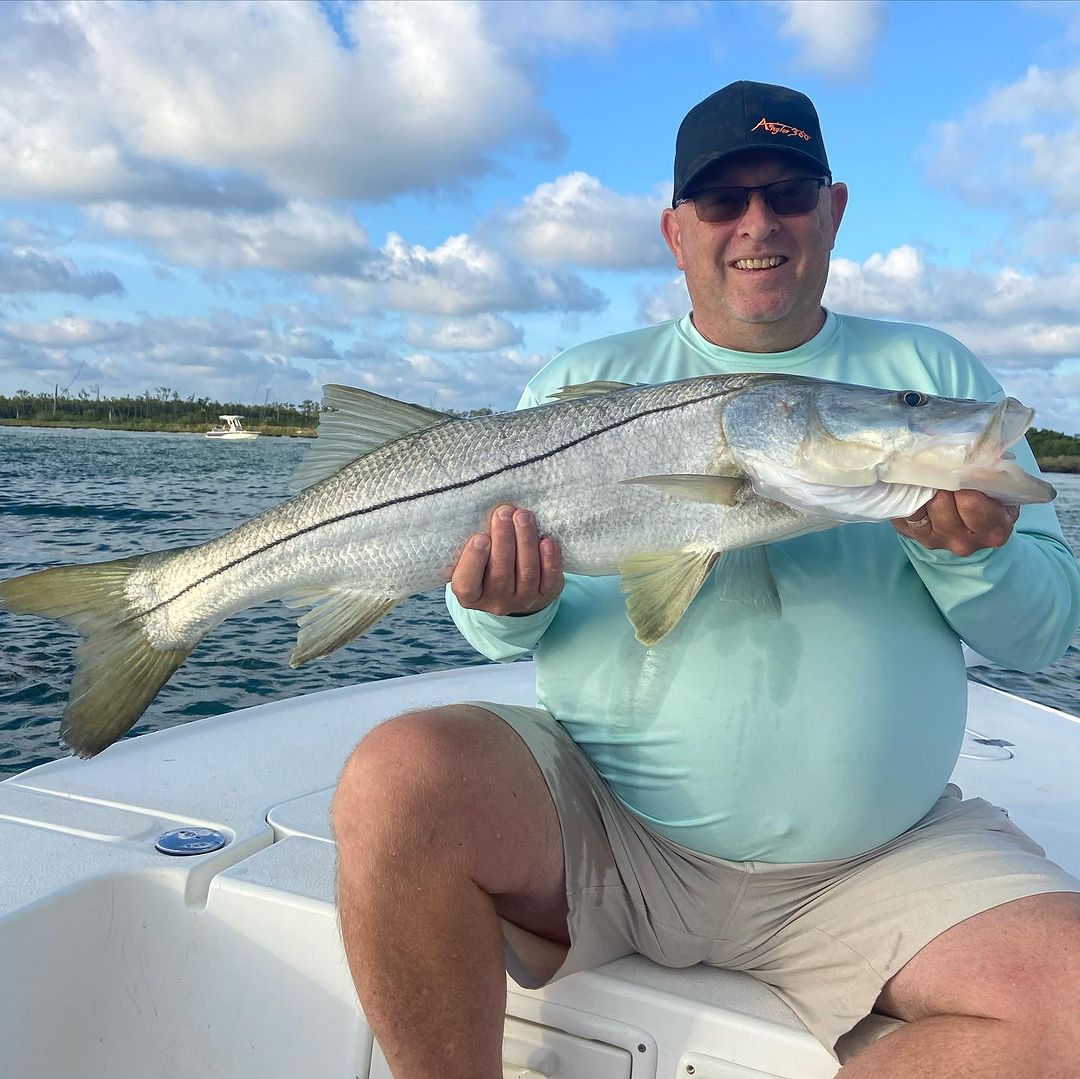
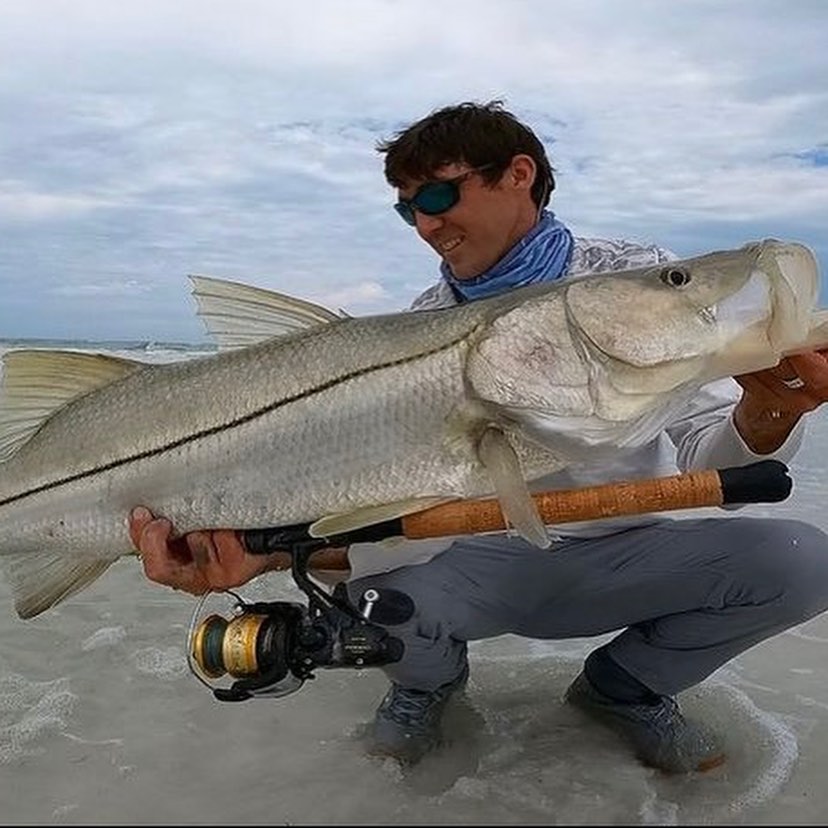
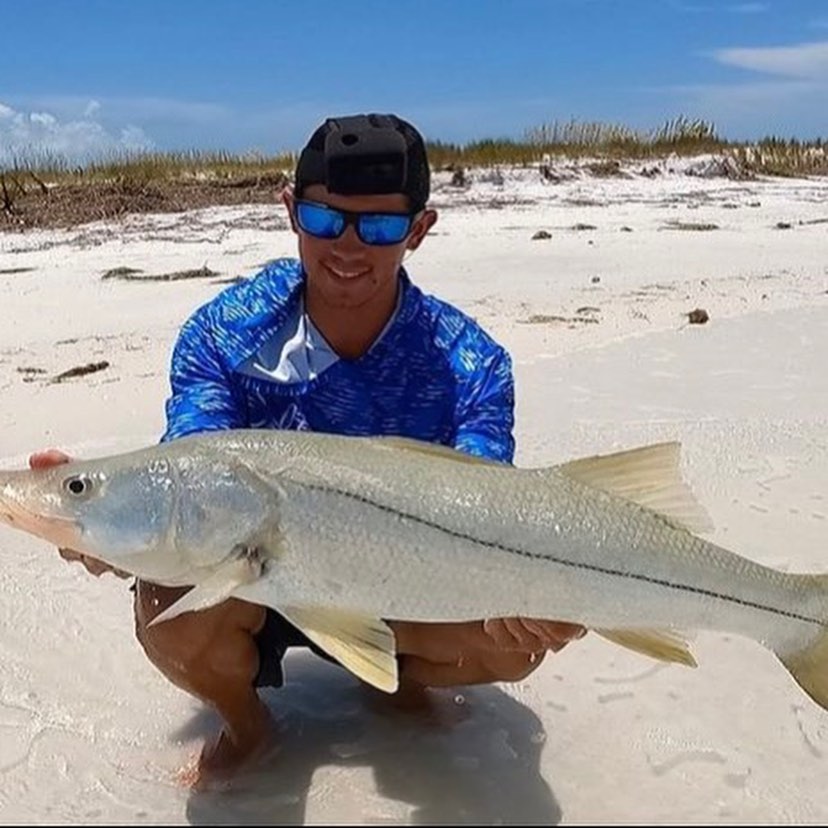
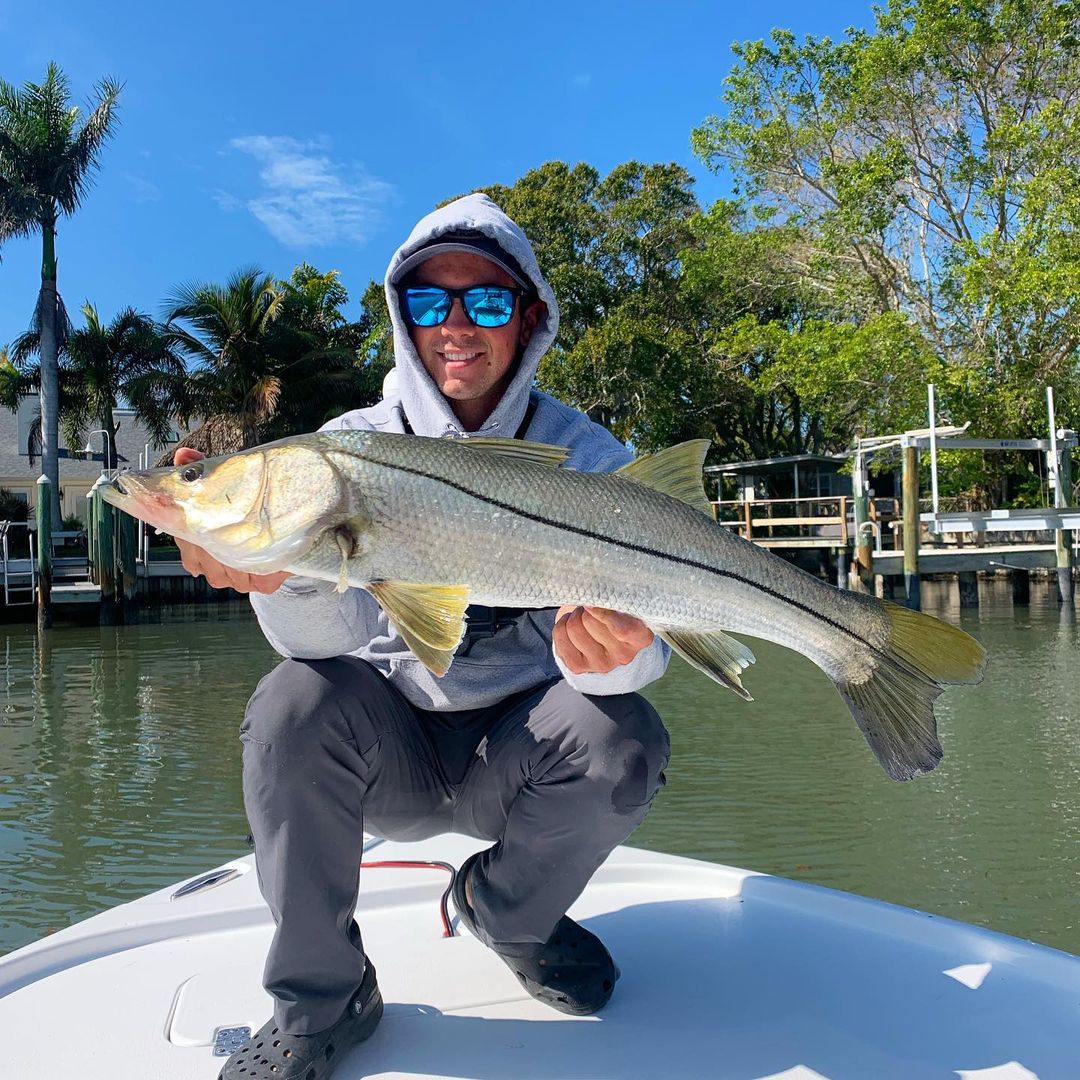
Snook are the prize fish that keep anglers coming back to these waters year after year. These ambush predators love structure - mangrove overhangs, dock pilings, bridge supports, anywhere they can hide and surprise prey. They're most active during warmer months but can be caught year-round in Florida's climate. A typical snook runs 20-30 inches with that distinctive black lateral line and sloped forehead. They're notorious for their gill-rattling jumps when hooked and their habit of trying to cut your line on sharp edges. Snook fishing requires precision casting and quick reflexes, but landing one is always worth the effort.
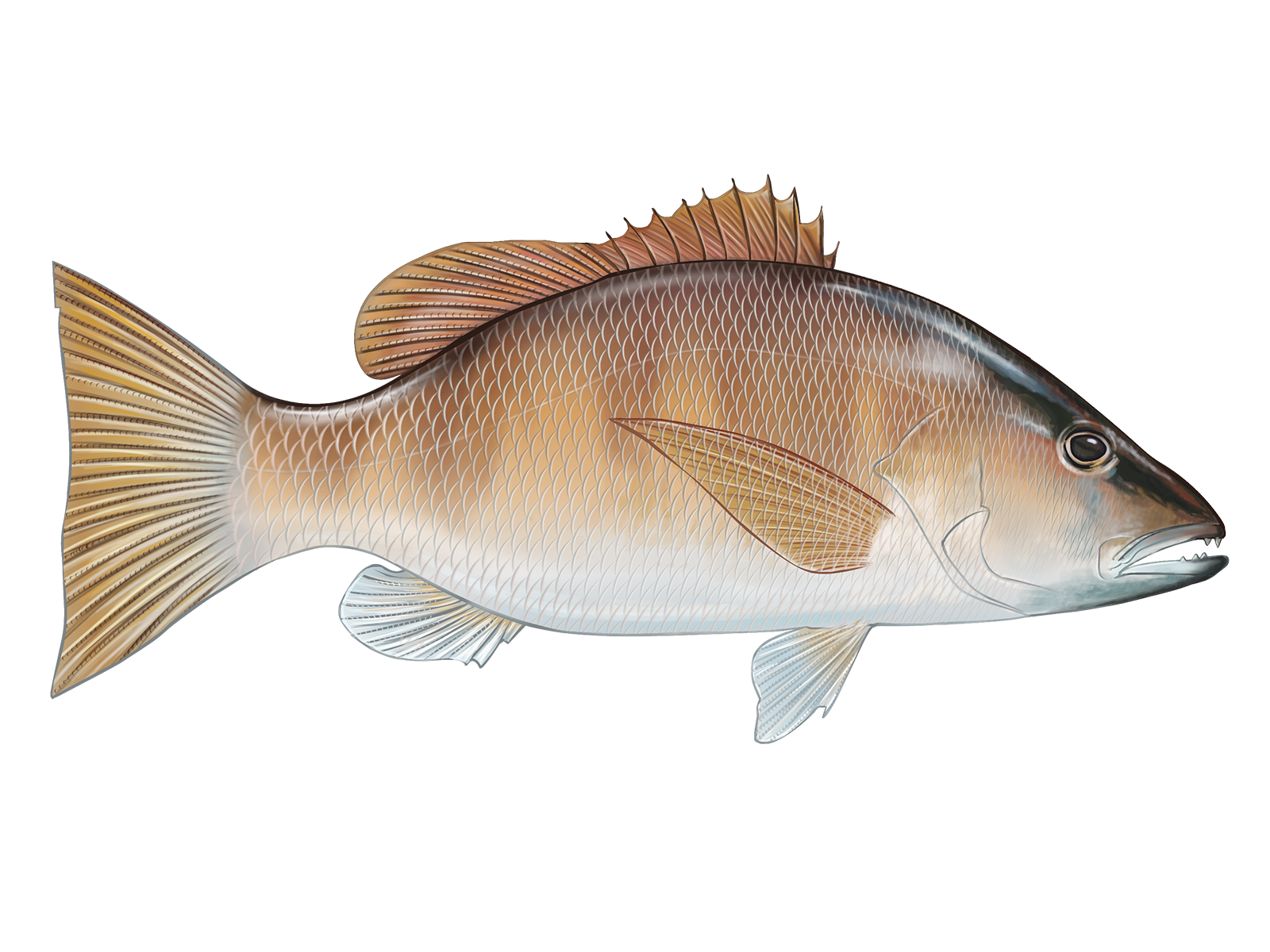
Grey Snapper, or mangrove snapper as locals call them, are the opportunistic feeders that add consistent action to any trip. They range from small schoolies up to keeper-sized fish around 12-15 inches. These guys are structure-oriented and can be found around docks, bridges, reefs, and mangrove edges. They're not picky eaters but can be finicky about presentation - sometimes they want live bait, sometimes they prefer cut bait, and occasionally they'll hit a well-placed jig. Snapper are excellent table fare, making them a top choice for anglers looking to take dinner home.
Black Drum are the heavy-hitters that can show up when you least expect them. These bottom-dwellers can range from small puppy drum to monster fish exceeding 30 pounds. They're most active during cooler months and love areas with oyster bars, grass flats with sandy potholes, and deeper channels. Black drum are primarily scent feeders, so fresh cut bait - especially blue crab - is hard to beat. They don't fight with the speed of a red or the acrobatics of a snook, but they make powerful, sustained runs that test your drag system and your patience.
Time to Book Your Spot
An 8-hour trip with JC Fishin Charters gives you the full inshore experience without rushing through the best parts of the day. You'll fish different areas as conditions change,

 Private Trip
 Inshore Fishing
 New Port Richey, FL


 Full-day inshore fishing targeting Snook, Redfish, and Trout