Cape May Inshore Fishing Charter
Cape May's inshore waters offer some of New Jersey's most consistent fishing action, and this 6-hour private charter puts you right in the thick of it. Starting at 7:00 AM daily, you'll have plenty of time to work the productive grounds where striped bass, fluke, bluefish, black sea bass, and black drum call home. This trip is perfect for families wanting to introduce kids to saltwater fishing, small groups looking for a private experience, or anyone who's never dropped a line in the Atlantic before. With up to six passengers max, you get personalized attention from the crew and the flexibility to adjust the game plan based on what's biting and what conditions look like.
What to Expect on the Water
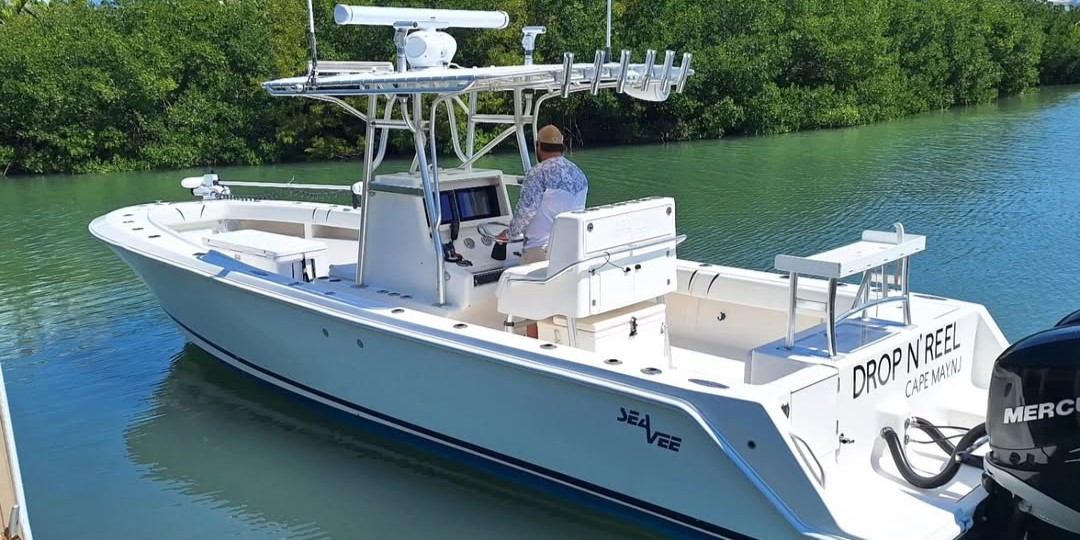
You'll be fishing Cape May's renowned inshore grounds where the Delaware Bay meets the Atlantic Ocean, creating a mixing zone that draws baitfish and the predators that follow them. The early morning departure gives you the best shot at prime feeding times, when fish are most active and aggressive. Your captain knows these waters like the back of their hand - from the structure around the Cape May Reef to the drop-offs along the shipping channels. The boat is set up to handle groups comfortably, with plenty of deck space for everyone to fish without getting tangled up in each other's lines. Don't worry about experience level - the crew will get beginners squared away with the basics while letting seasoned anglers do their thing. Weather plays a big role in where you'll fish, but that's part of the adventure. Some days you'll be working shallow water for fluke, other days you might be bouncing bottom baits in deeper water for black sea bass and tautog.
Techniques & Tackle Setup
This charter runs both bottom fishing and trolling depending on conditions and what species are showing up. Bottom fishing is bread and butter for black sea bass, tautog, and black drum - you'll be using conventional reels with circle hooks, sinkers heavy enough to hold bottom in the current, and fresh bait like clams, squid, and sand fleas. The crew will show you how to feel for that telltale tap-tap of a sea bass or the heavy pull of a drum. Trolling comes into play when targeting striped bass and bluefish, running spoons, bucktails, or umbrella rigs at different depths and speeds until you find what they want. All rods, reels, bait, and tackle are provided, plus your New Jersey fishing license is covered. The gear is maintained and matched to the fishing you'll be doing - no need to worry about bringing the wrong setup or having tackle fail when a good fish is on the line. If you've got favorite lures or rods you want to bring, that's fine too, but everything you need is already on board.
Target Species Breakdown
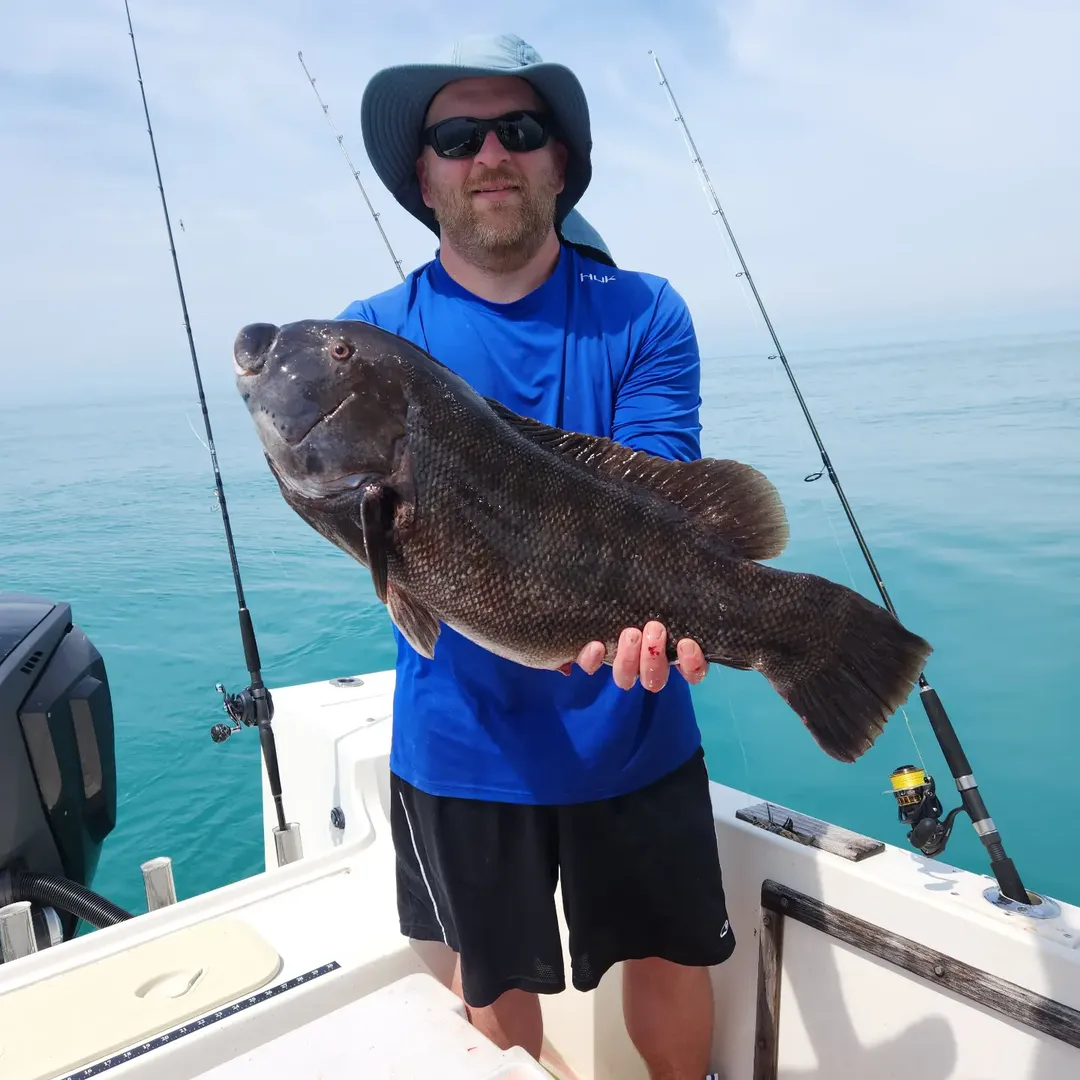
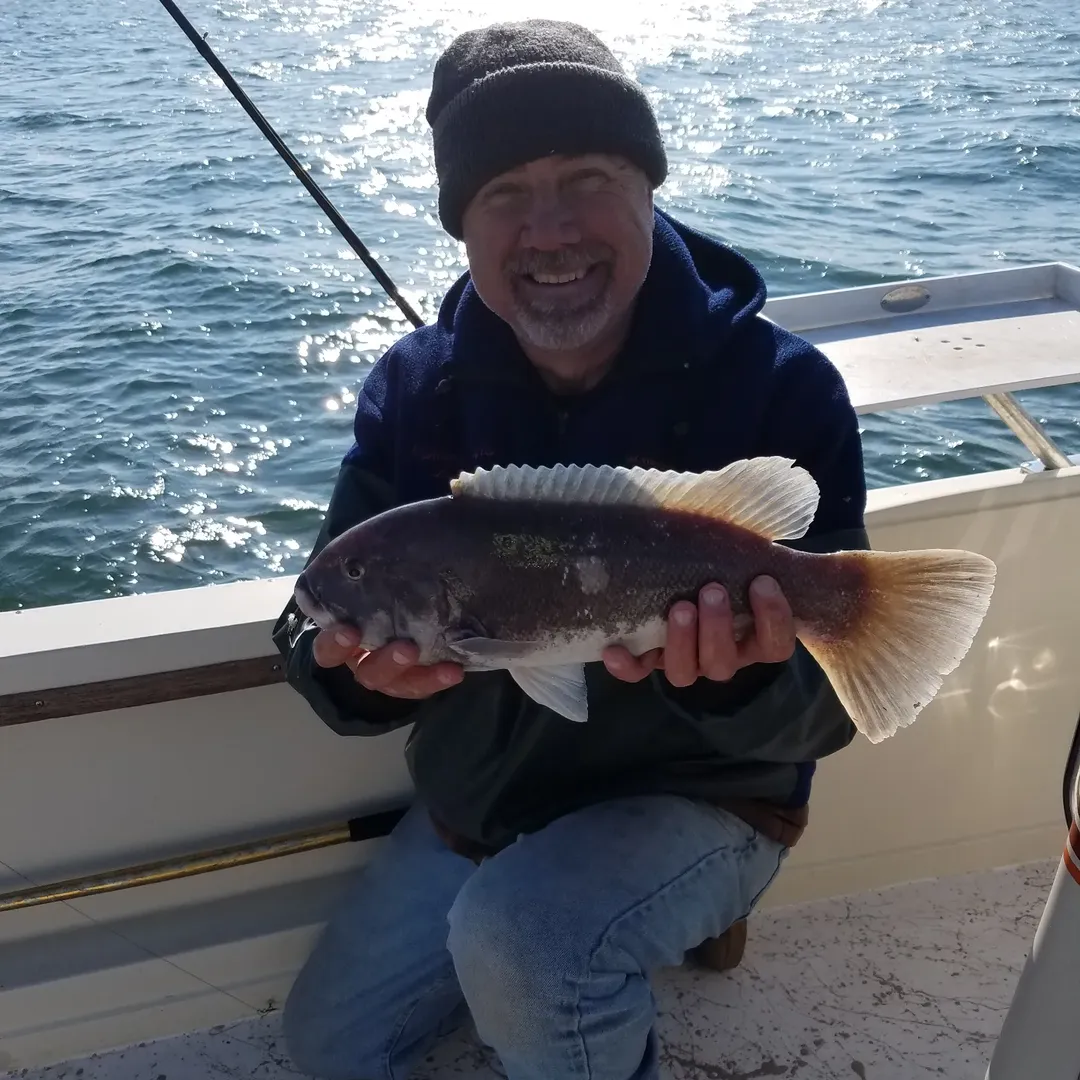
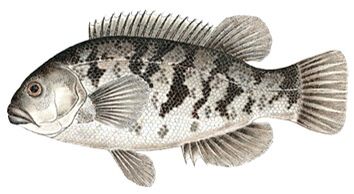
Tautog are the bulldogs of Cape May's inshore waters, pulling hard and testing your tackle with their thick shoulders and stubborn attitude. These blackfish love structure - wrecks, rocks, and bridge pilings where they can ambush crabs and mussels. Spring and fall offer the best tautog action, with fish ranging from keeper size around 16 inches up to doormat-sized specimens over 10 pounds. They're notorious bait stealers, so you'll need to stay sharp and set the hook at the first sign of a nibble. Landing a quality tog feels like pulling up a chunk of concrete that suddenly comes to life.
Bluefish bring non-stop action when they're around, traveling in schools and feeding aggressively on anything that moves. These choppers hit hard and fight dirty, making screaming runs and trying every trick to throw the hook. Cape May sees bluefish from spring through fall, with the best action often coming during the summer months when schools of snappers flood the inshore waters. They'll take both bottom baits and trolled lures, but wire leaders are a must unless you want to get bit off. A cooler full of fresh bluefish makes for excellent table fare when prepared properly.
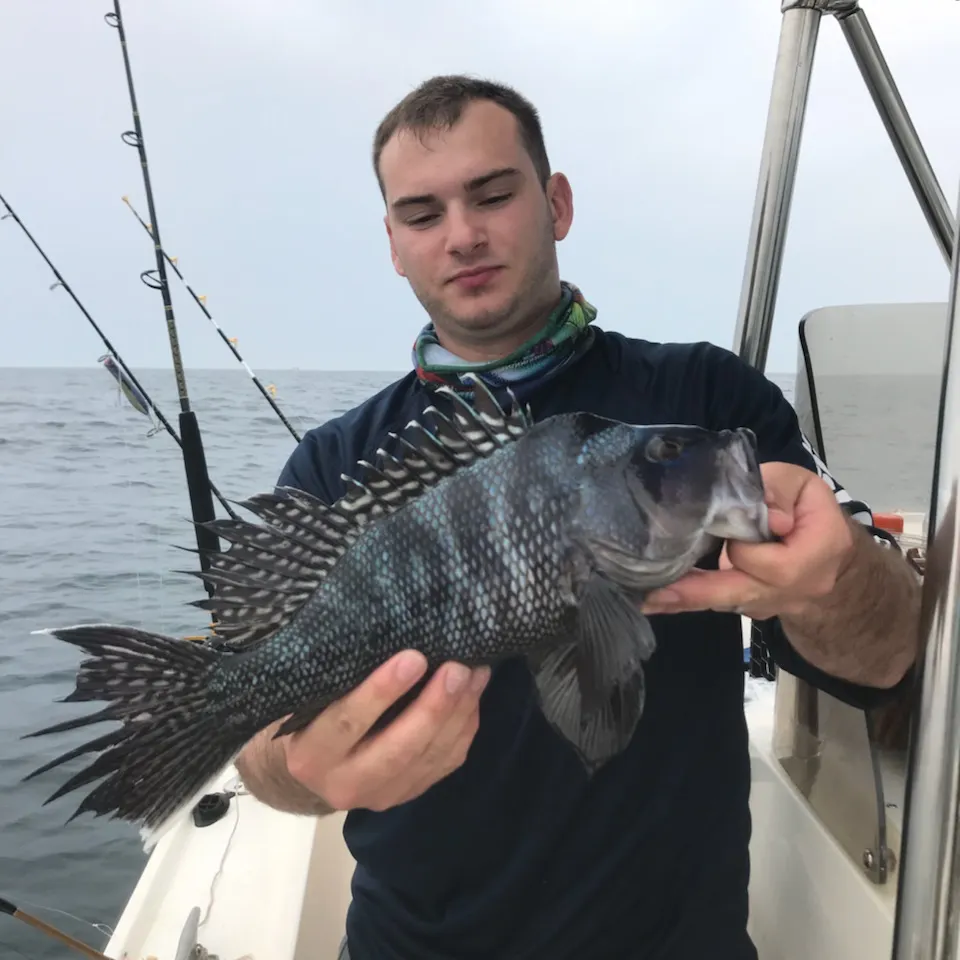
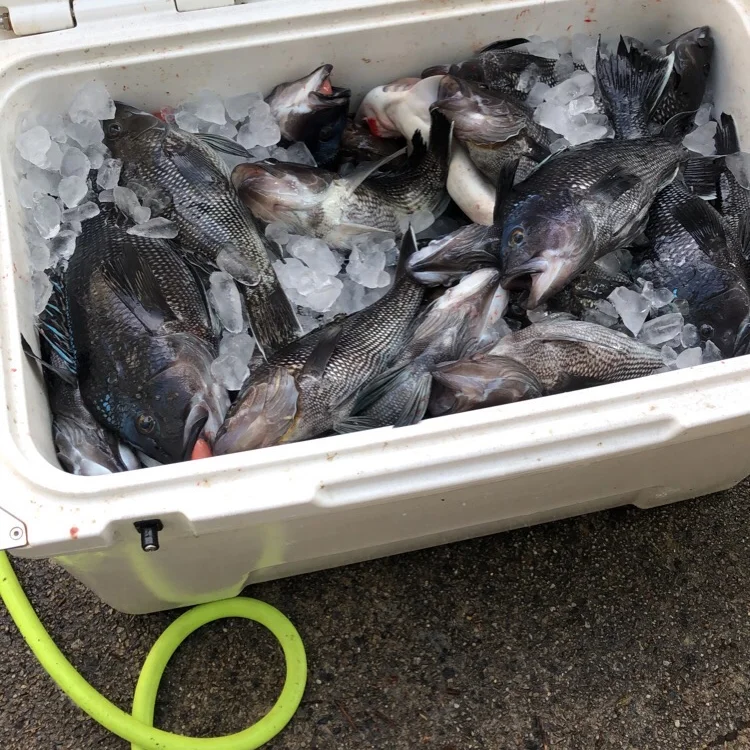
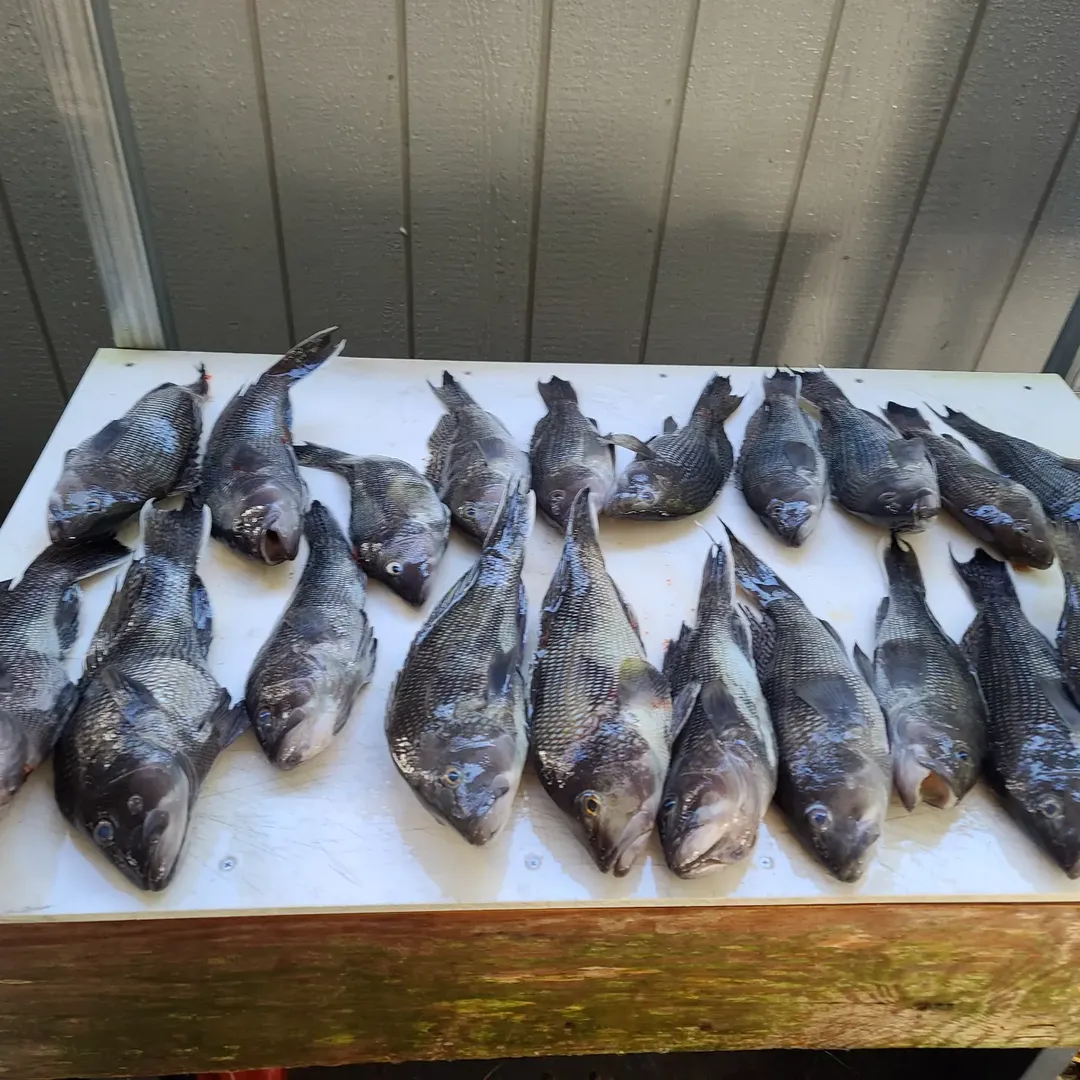
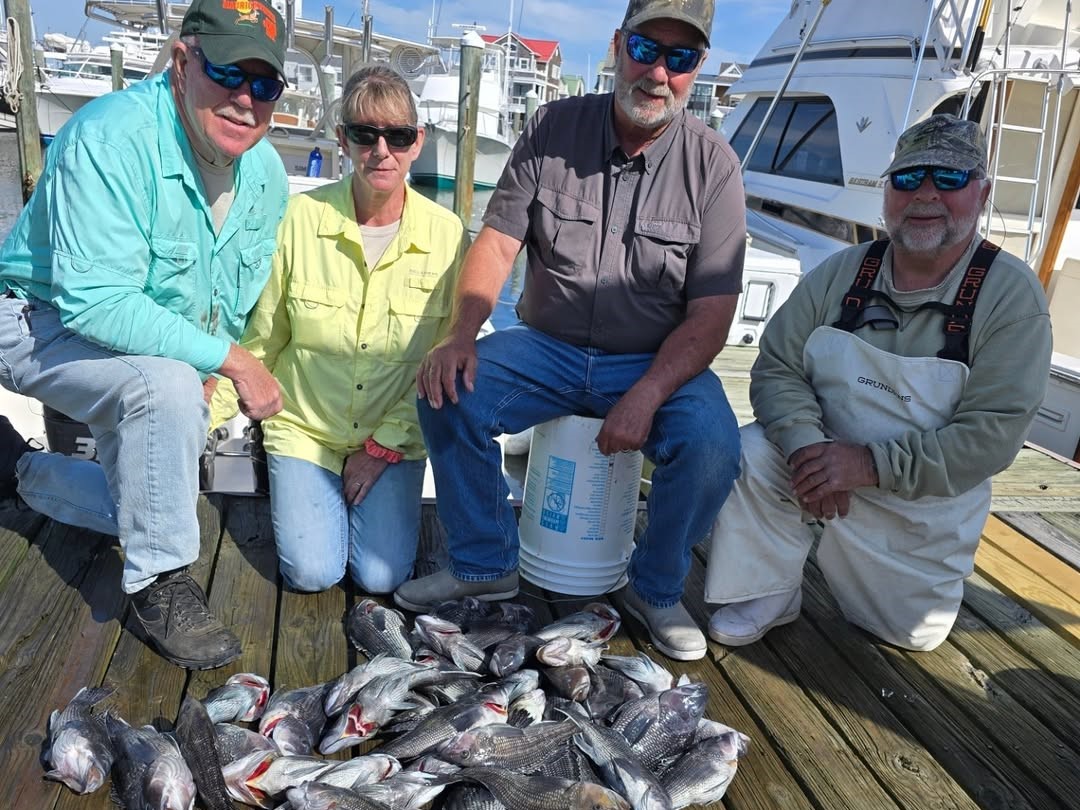
Black sea bass are customer favorites because they're relatively easy to catch, fight well for their size, and taste fantastic. These bottom dwellers hang around structure and drop-offs, where they feed on crabs, worms, and small fish. Sea bass season typically runs spring through fall, with fish ranging from shorts you'll have to throw back up to keeper-sized fish over 15 inches. They have a distinctive way of hitting bait - often just mouthing it gently before swimming off with it. The trick is letting them take it and run before setting the hook. Their firm white meat makes them one of the best eating fish in these waters.
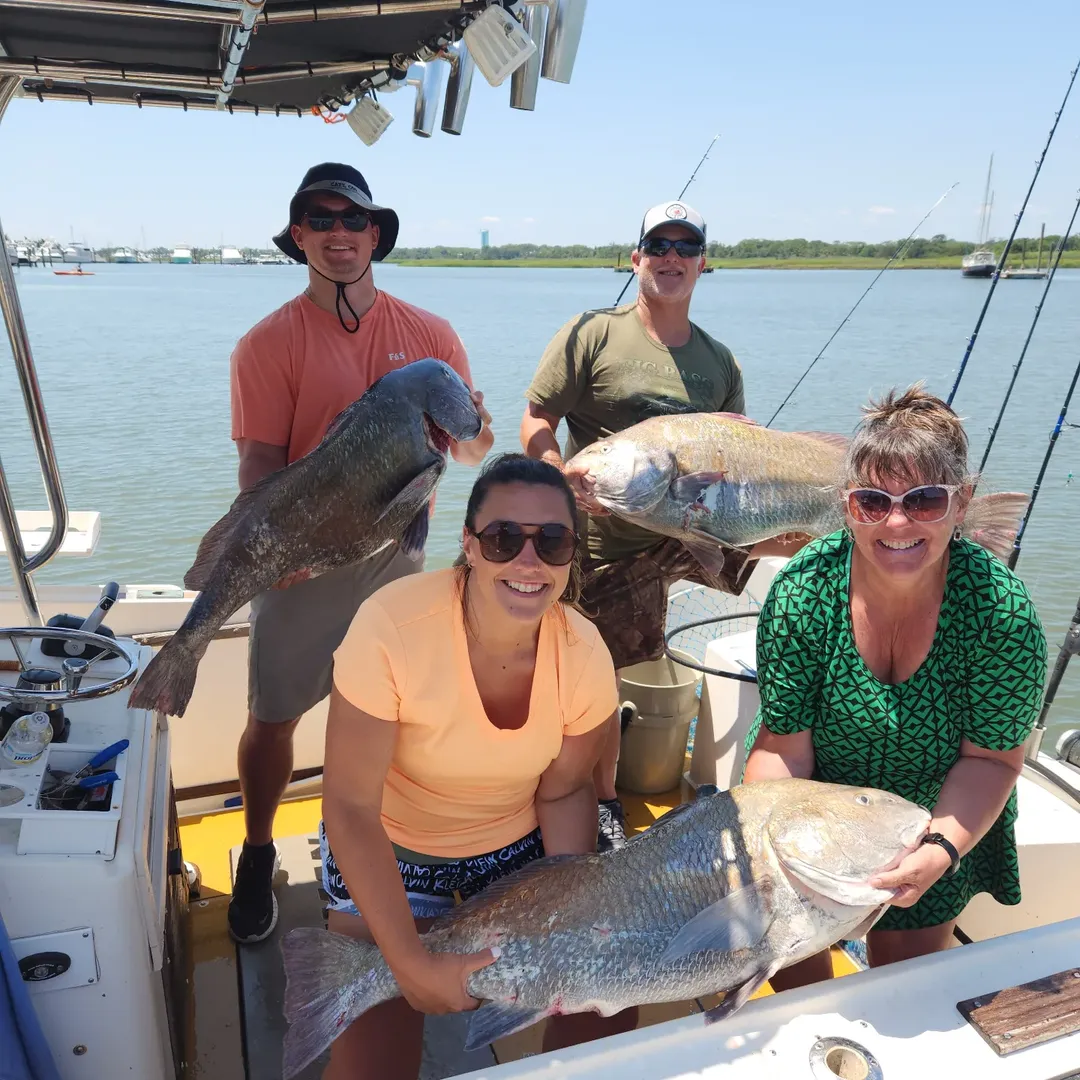
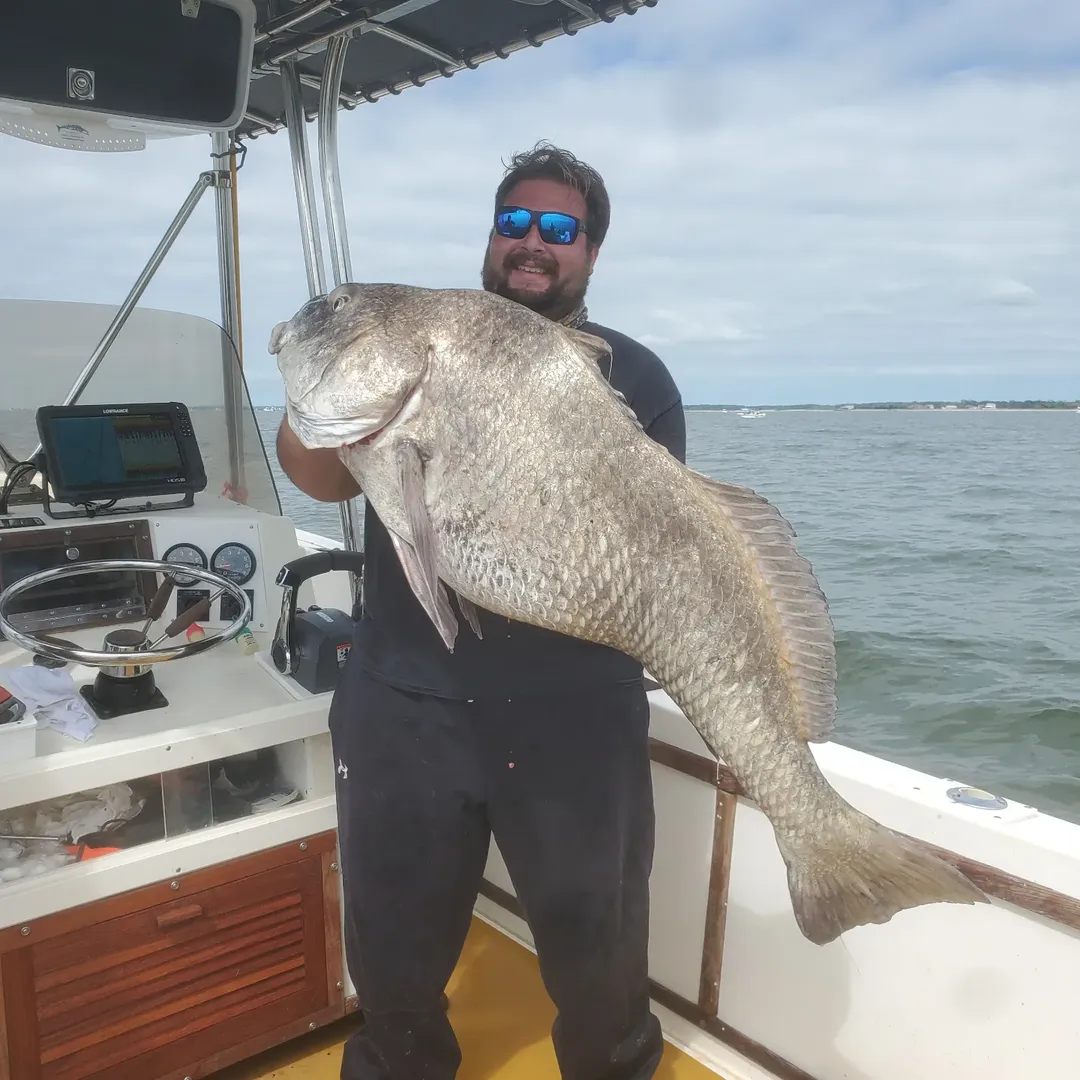
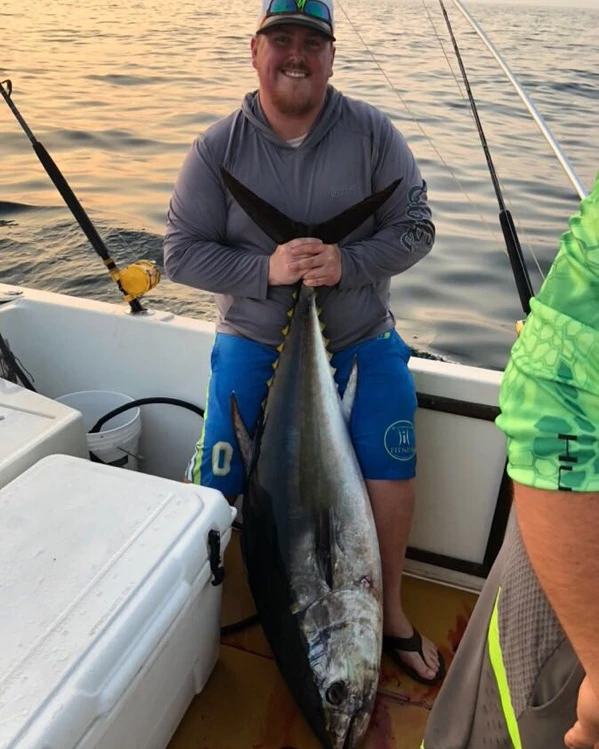
Black drum are the heavyweights of this fishery, with mature fish capable of reaching 40-50 pounds or more. These big fish cruise the shallows and channels looking for clams, crabs, and worms, often in water so shallow you can see them tailing like redfish. Spring brings the best drum fishing to Cape May, when fish move inshore to spawn. They're powerful fighters that use their size and strength rather than speed, making long, steady runs that test your drag and your patience. Landing a big drum is a real achievement - these fish have been around for decades and don't give up easily.
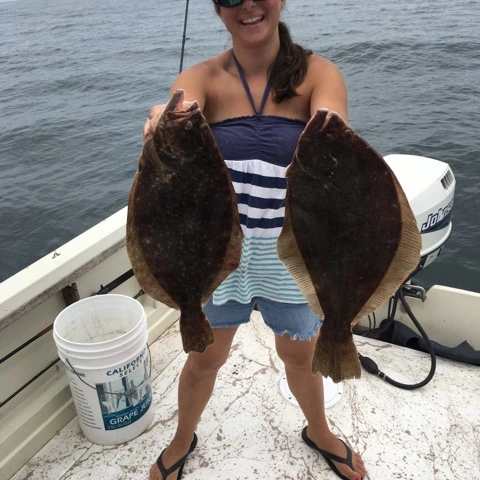
Summer flounder, or fluke, are the chameleons of Cape May's waters, changing color to match the bottom as they lie in wait for baitfish to swim overhead. These flatfish can be tricky to hook since they often grab bait from the side and need time to turn it around in their mouth. The key is patience - let them run with it before setting the hook. Fluke season runs from spring into fall, with the biggest fish often caught in deeper water during summer. A nice fluke dinner is hard to beat, and these fish can grow quite large in Cape May's productive waters. Doormat fluke over 5 pounds are always a possibility and make for great photos and better eating.
Time to Book Your Spot
This
 Private Trip
 Fishing
 Cape May


 Six-hour private charter targets striped bass, fluke, and black sea bass