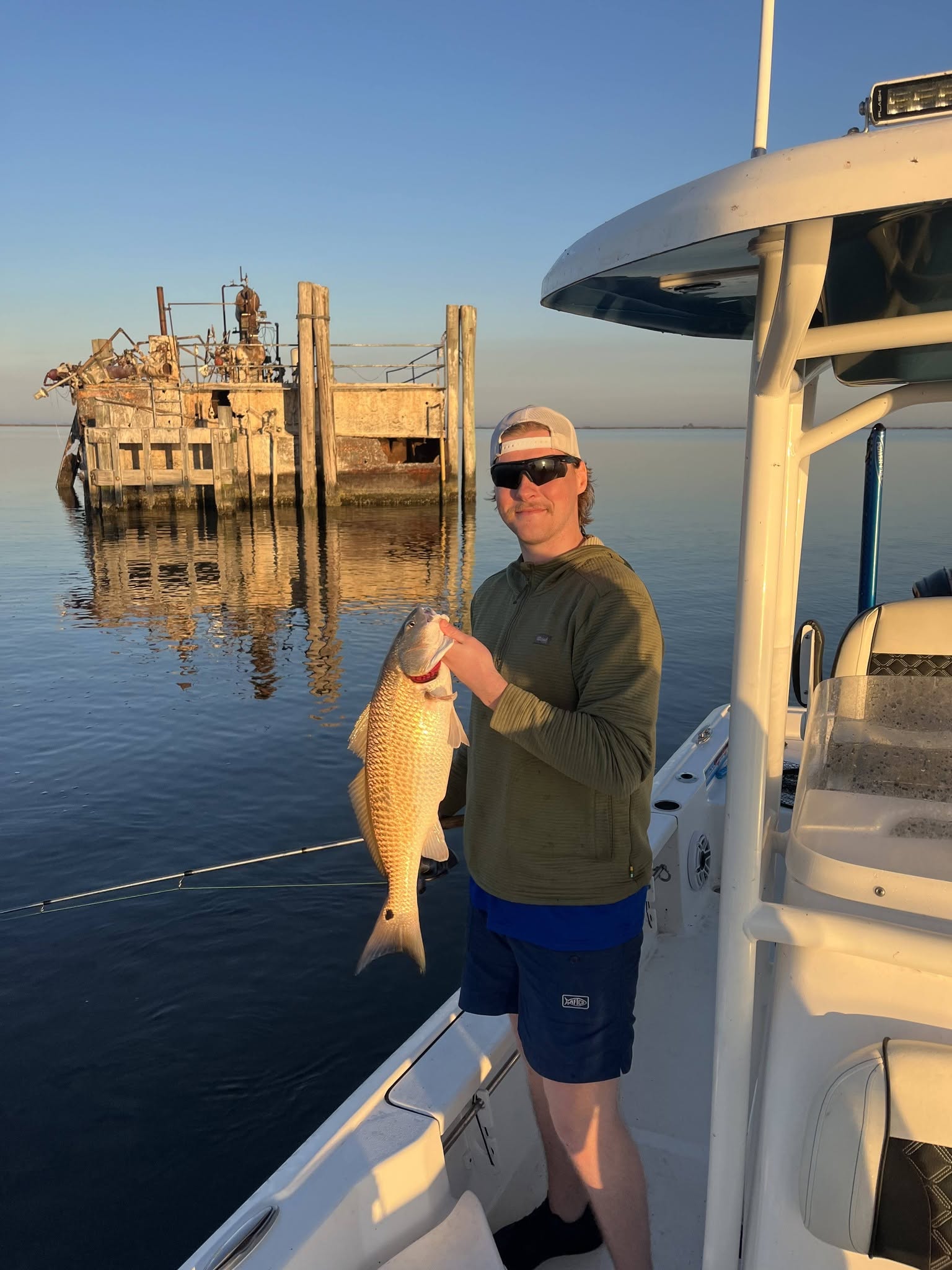
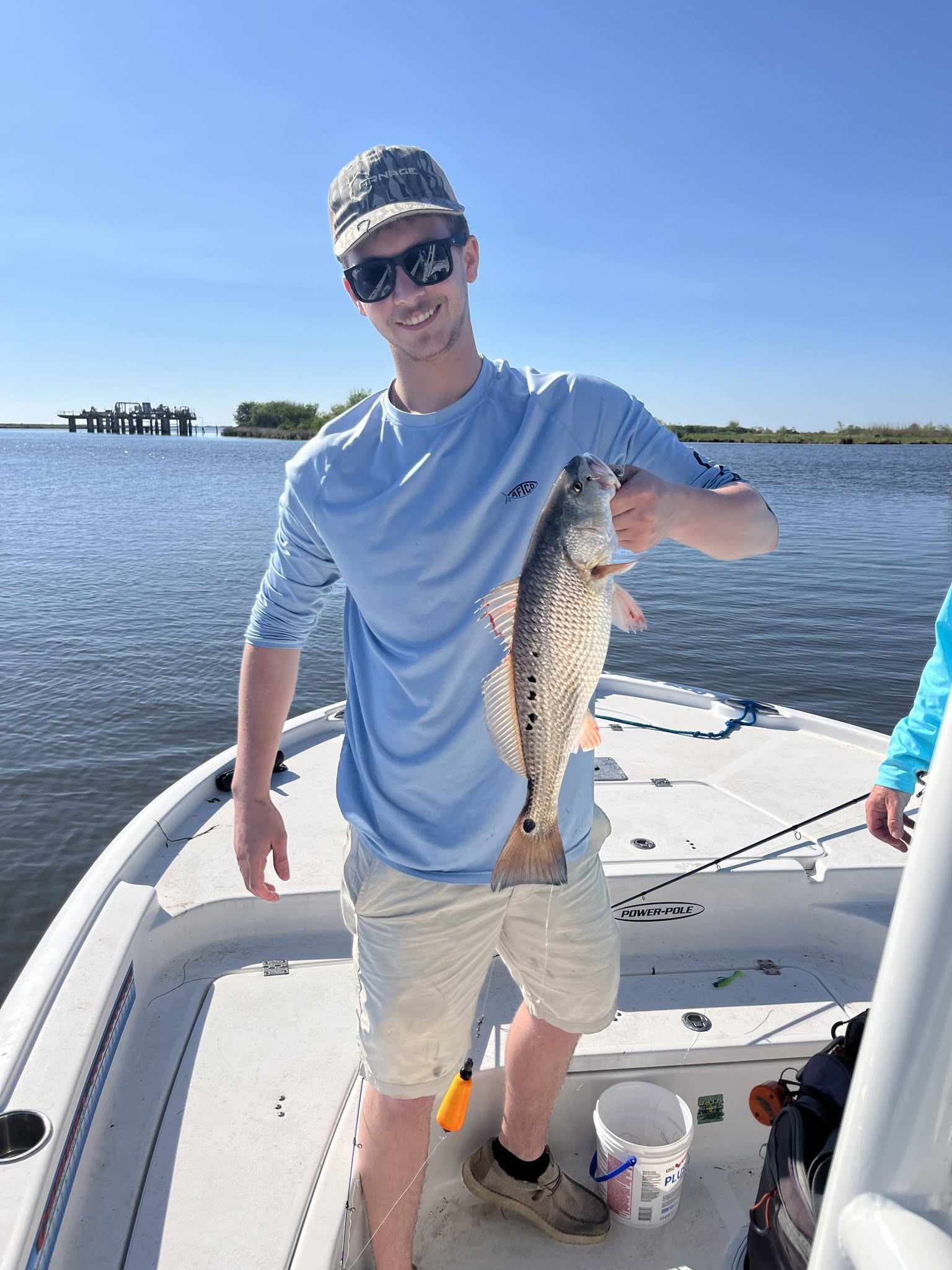
Trophy Redfish Fishing in St. Bernard Waters
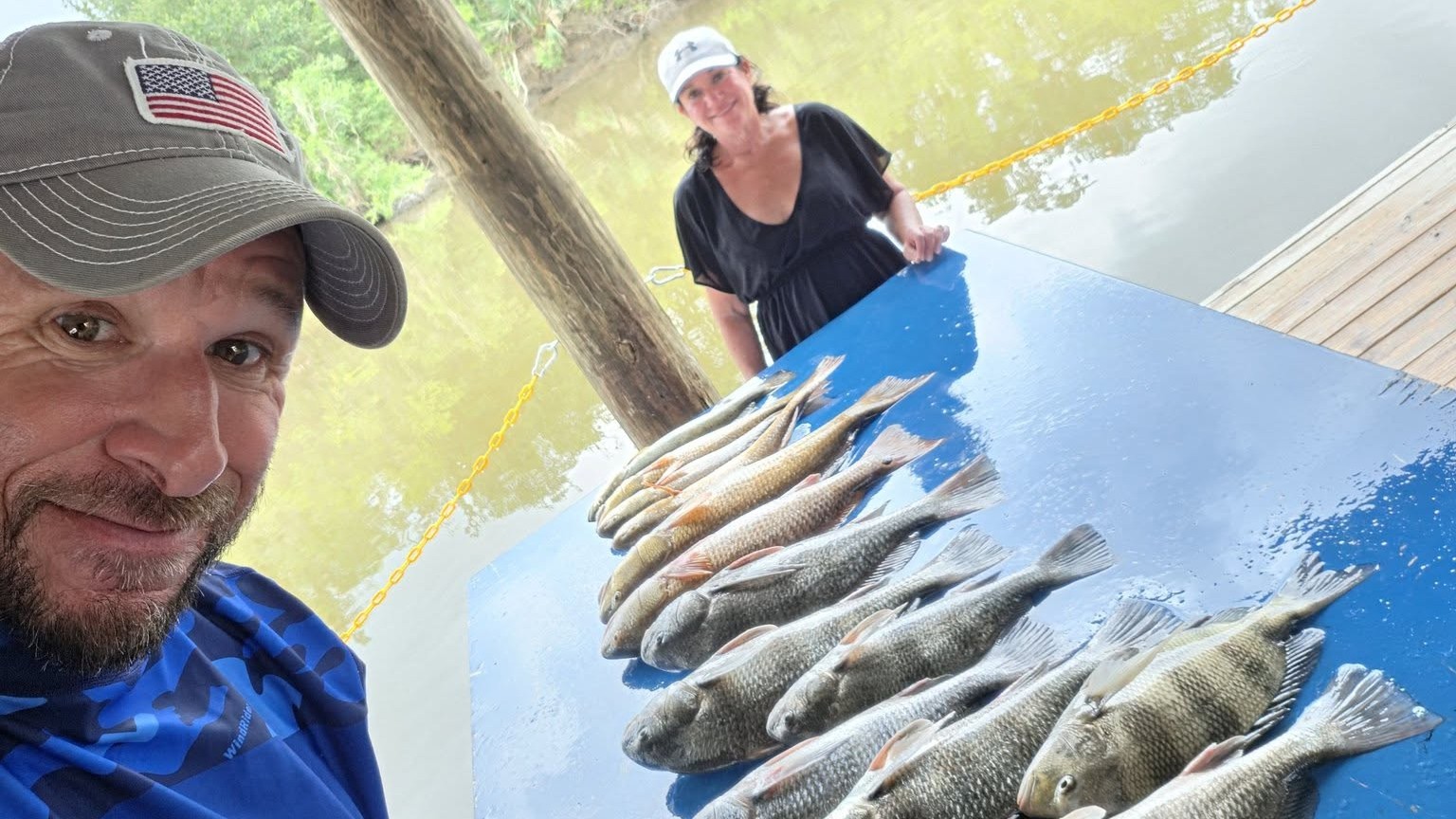
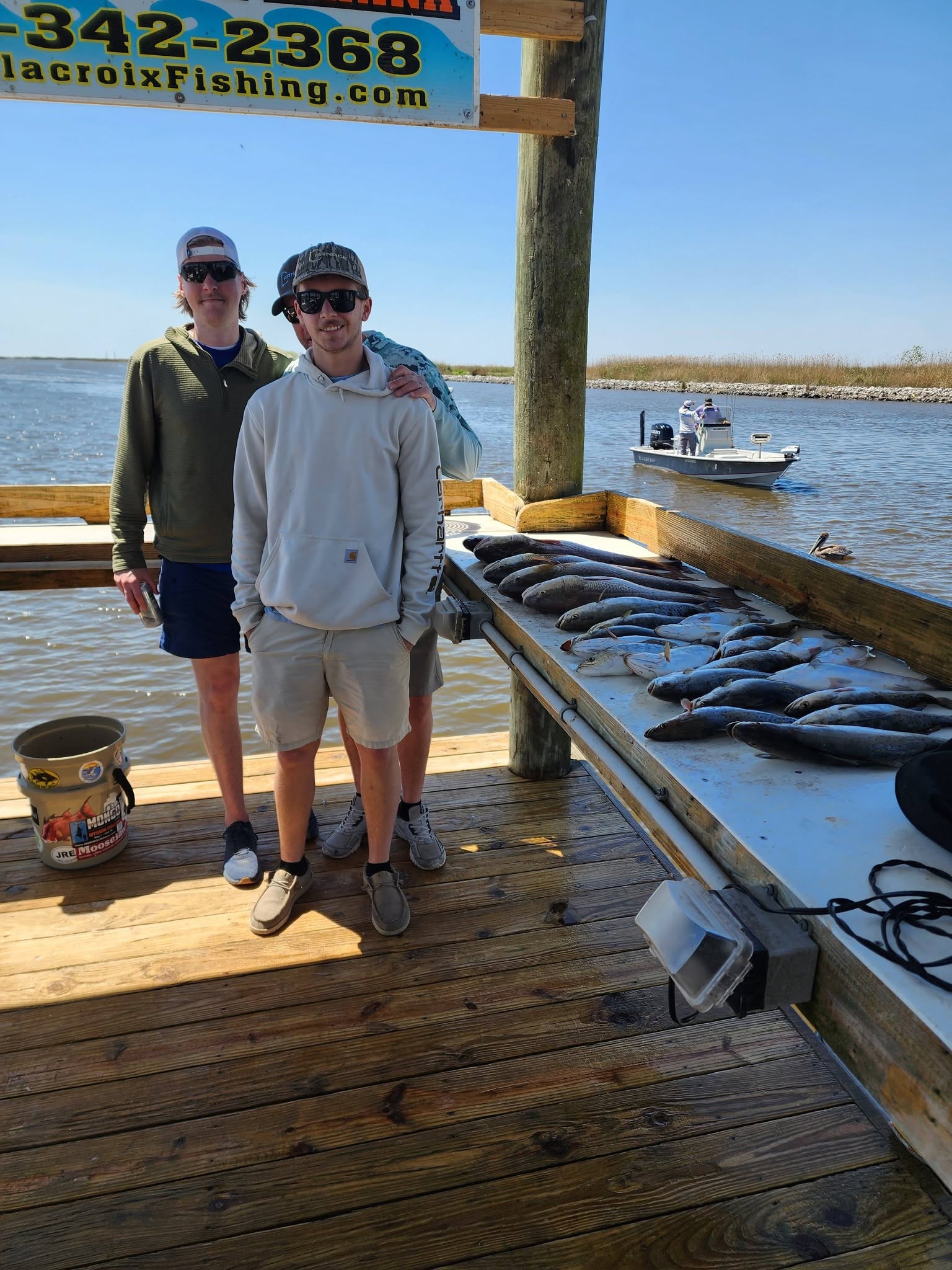
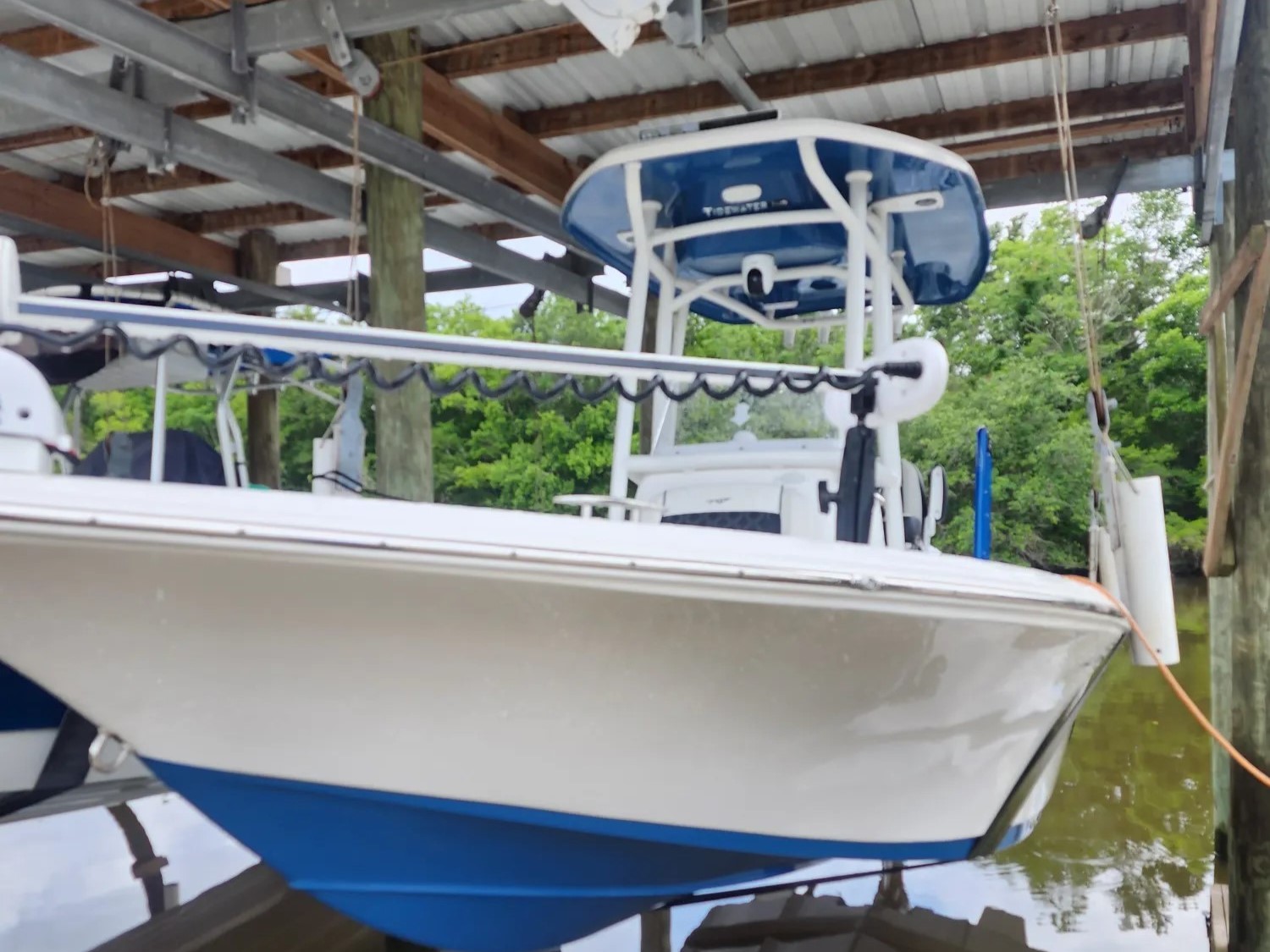
When you're ready to step up your saltwater game and target some serious Louisiana inshore fish, Captain Jason's advanced half-day trip in St. Bernard delivers exactly what experienced anglers are after. This 6-hour pro-level charter takes you into the prime waters around Hopedale, where trophy redfish cruise alongside black drum, sea trout, sheepshead, and southern flounder. You'll work the backcountry marshes, productive inshore flats, and structure-rich reef areas that consistently produce big fish for those who know how to fish them right. Captain Jason provides all the premium tackle and local knowledge you need, but brings your A-game and a valid Louisiana fishing license because these fish don't give up easy.
What to Expect on the Water
This isn't your typical tourist fishing trip – Captain Jason designs this charter specifically for anglers who already know their way around a rod and reel. You'll launch from the heart of St. Bernard Parish and head straight into some of Louisiana's most productive inshore fishing grounds. The Hopedale area offers an incredible mix of habitat types, from shallow grass flats where redfish tail in inches of water to deeper channels where black drum stack up around structure. Expect to cover serious ground as Captain Jason reads the conditions and adjusts the game plan throughout the day. The marsh here changes with every tide, and local knowledge makes all the difference between a good day and an outstanding one. You'll be sight fishing, working structure, and targeting specific areas based on tide, weather, and what the fish are doing that particular day.
Advanced Techniques & Tackle
Captain Jason employs proven advanced techniques that separate the pros from weekend warriors. Live shrimp under popping corks is a staple method here, especially when working grass flats and structure where redfish and sea trout ambush prey. The popping action draws fish from distance while the live shrimp seals the deal. Dead shrimp presentations come into play around deeper structure and when targeting black drum and sheepshead that prefer bottom presentations. Captain Jason provides all rods, reels, and tackle, but don't expect basic gear – you'll be fishing with quality equipment matched to the techniques and target species. Line weights, hook sizes, and leader material are all carefully selected based on current conditions and the fish you're targeting. Strategic location selection is perhaps the most critical element, as Captain Jason uses years of experience reading water, understanding fish movement patterns, and timing the tides to put you on active fish rather than just hope for the best.
Target Species Breakdown
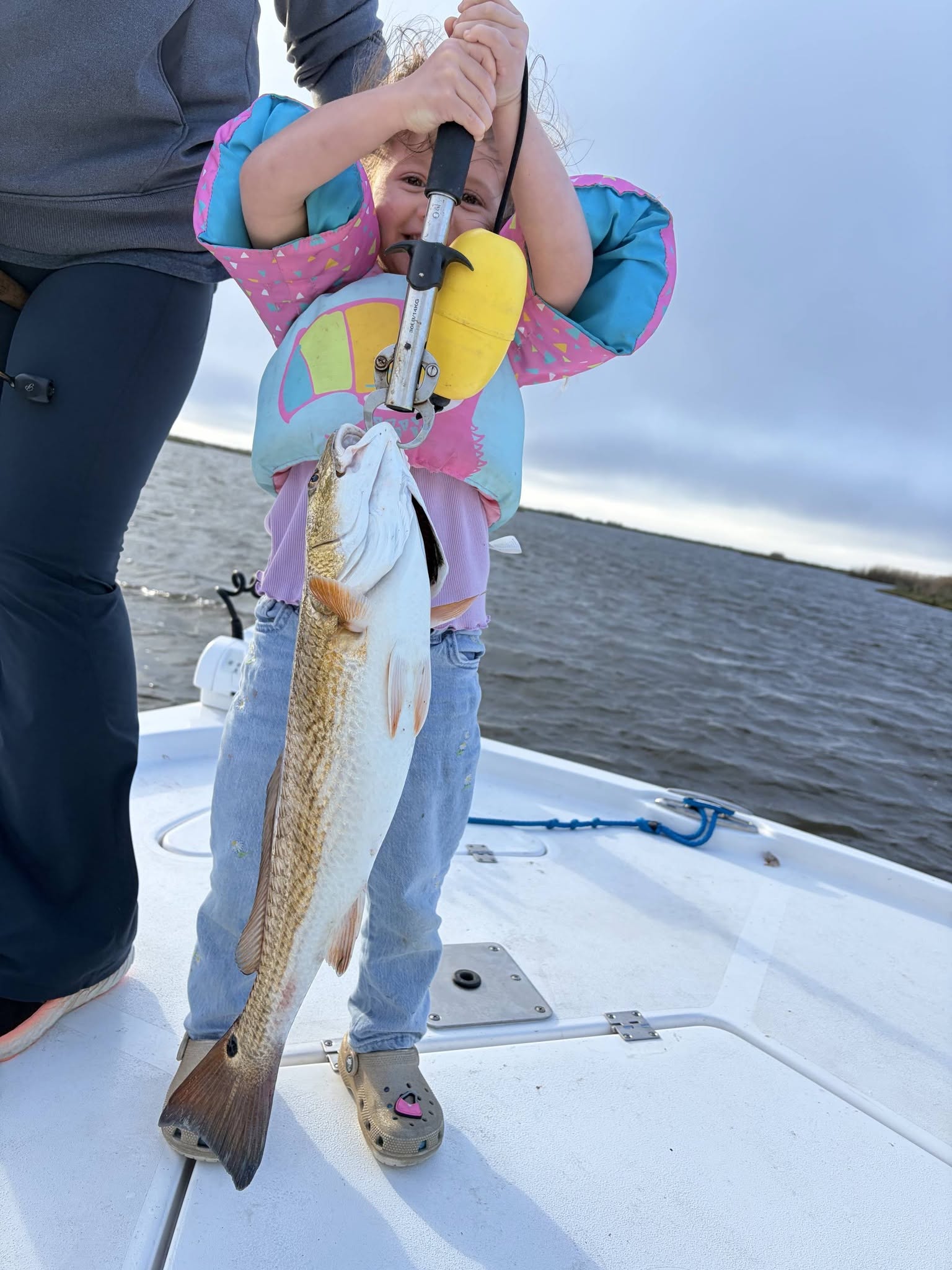
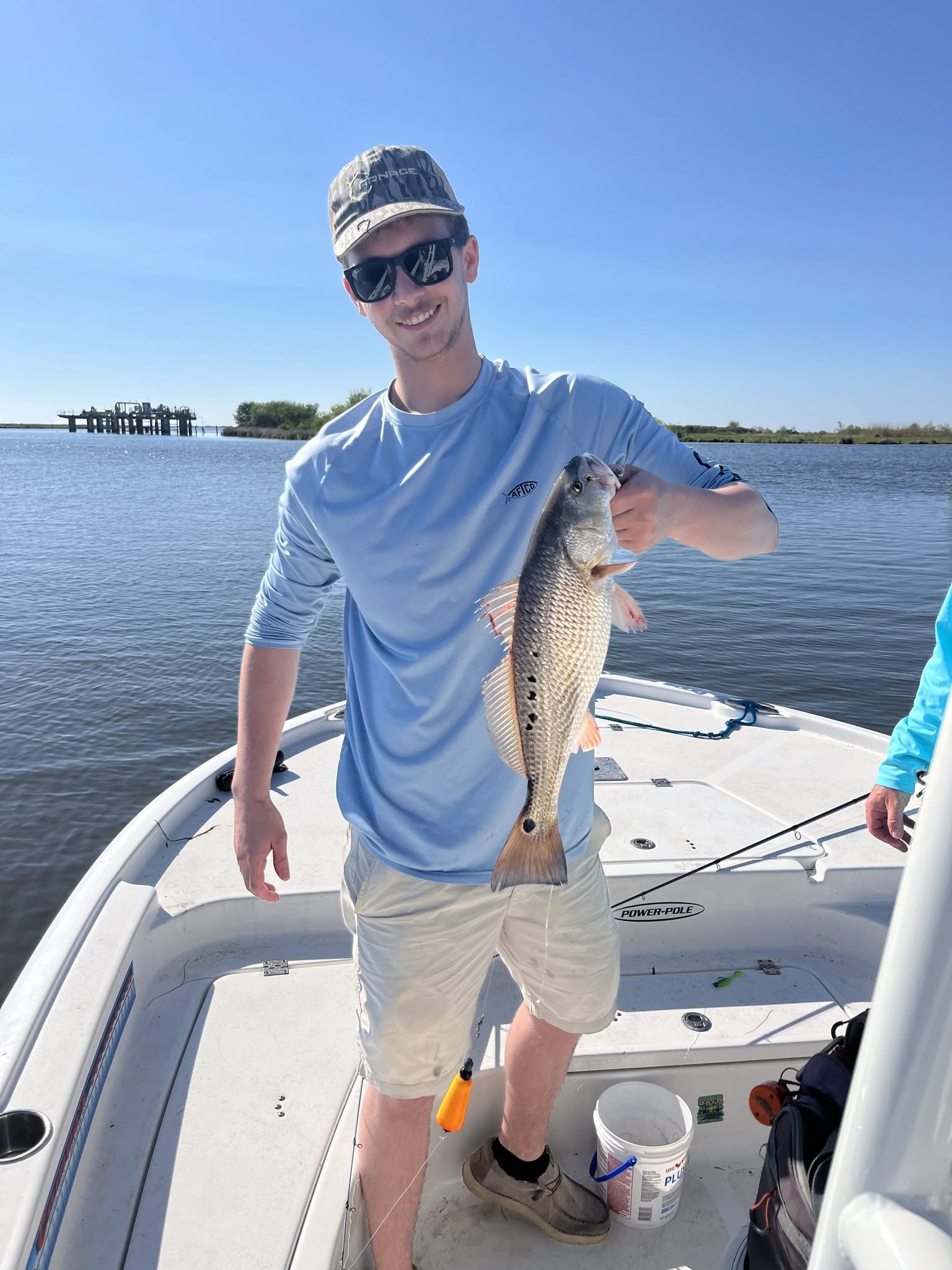
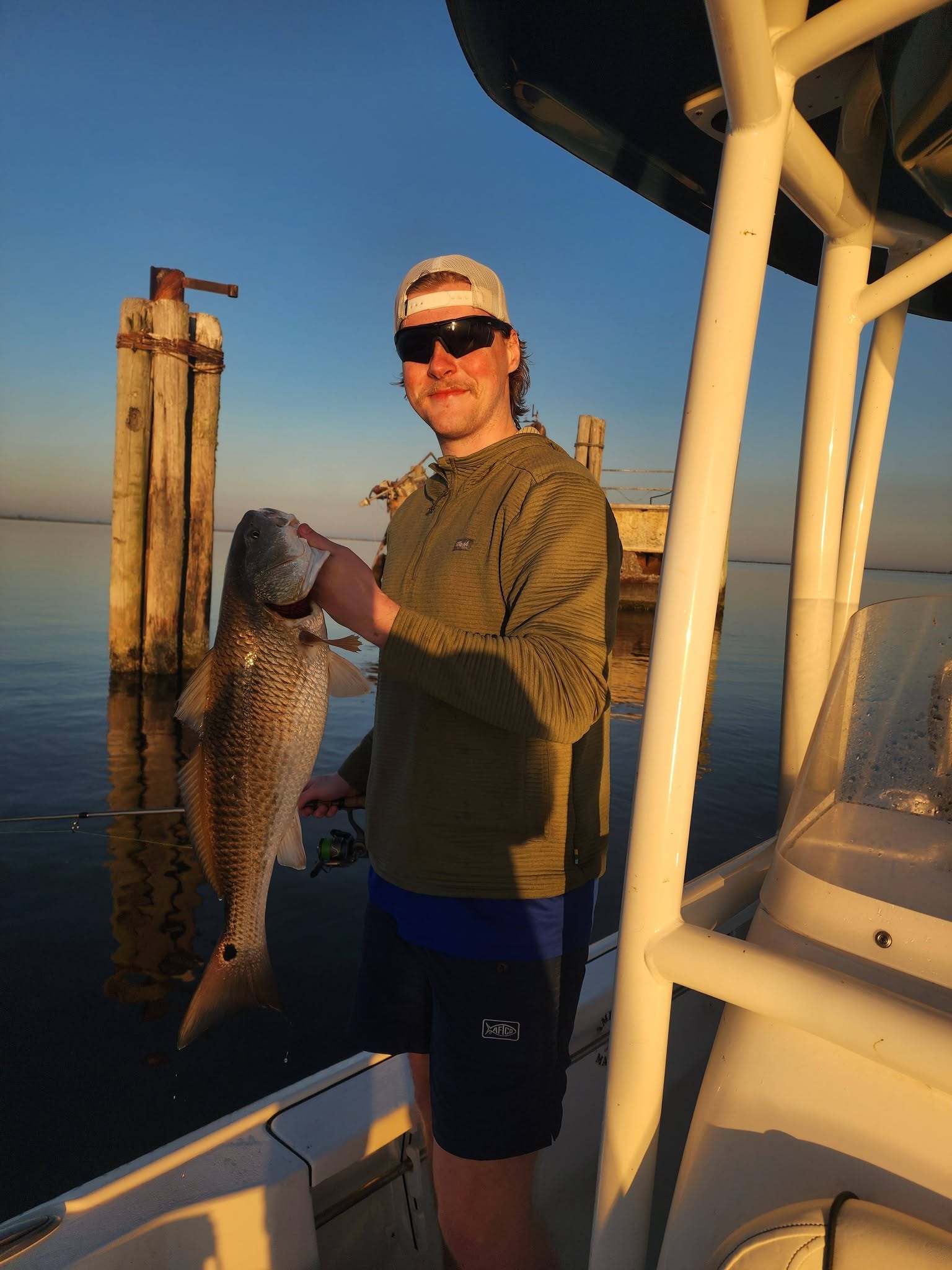
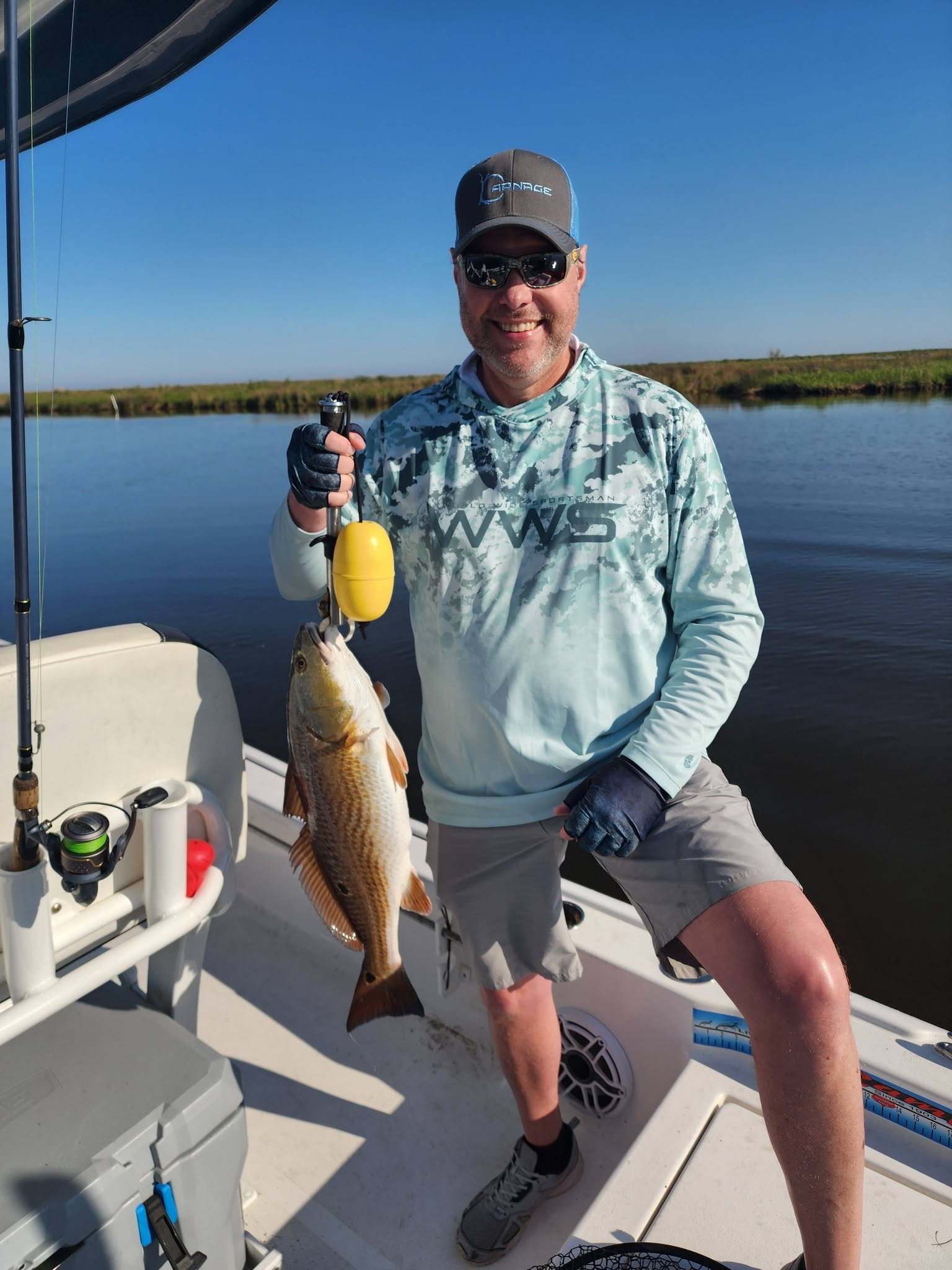
Redfish are the crown jewel of Louisiana inshore fishing, and the St. Bernard area consistently produces trophy-class bulls that can exceed 40 inches. These copper-colored fighters are most active during moving tides when they cruise shallow flats and ambush prey around structure. Spring through fall offers the best action, with fish feeding aggressively to fuel up for spawning runs. What makes redfish so exciting is their explosive strike and bulldogging fight – even experienced anglers get their hearts racing when a big bull red crashes a popping cork in two feet of water.
Black drum in these waters often surprise visiting anglers with their size and power. These bottom-dwelling bruisers can top 50 pounds and provide arm-burning fights that test both tackle and technique. They're most active during cooler months when they school up around structure, and their keen sense of smell makes fresh dead shrimp the top producer. Black drum fights are all about endurance – they don't jump or make blazing runs, but they pull hard and steady until your arms burn.
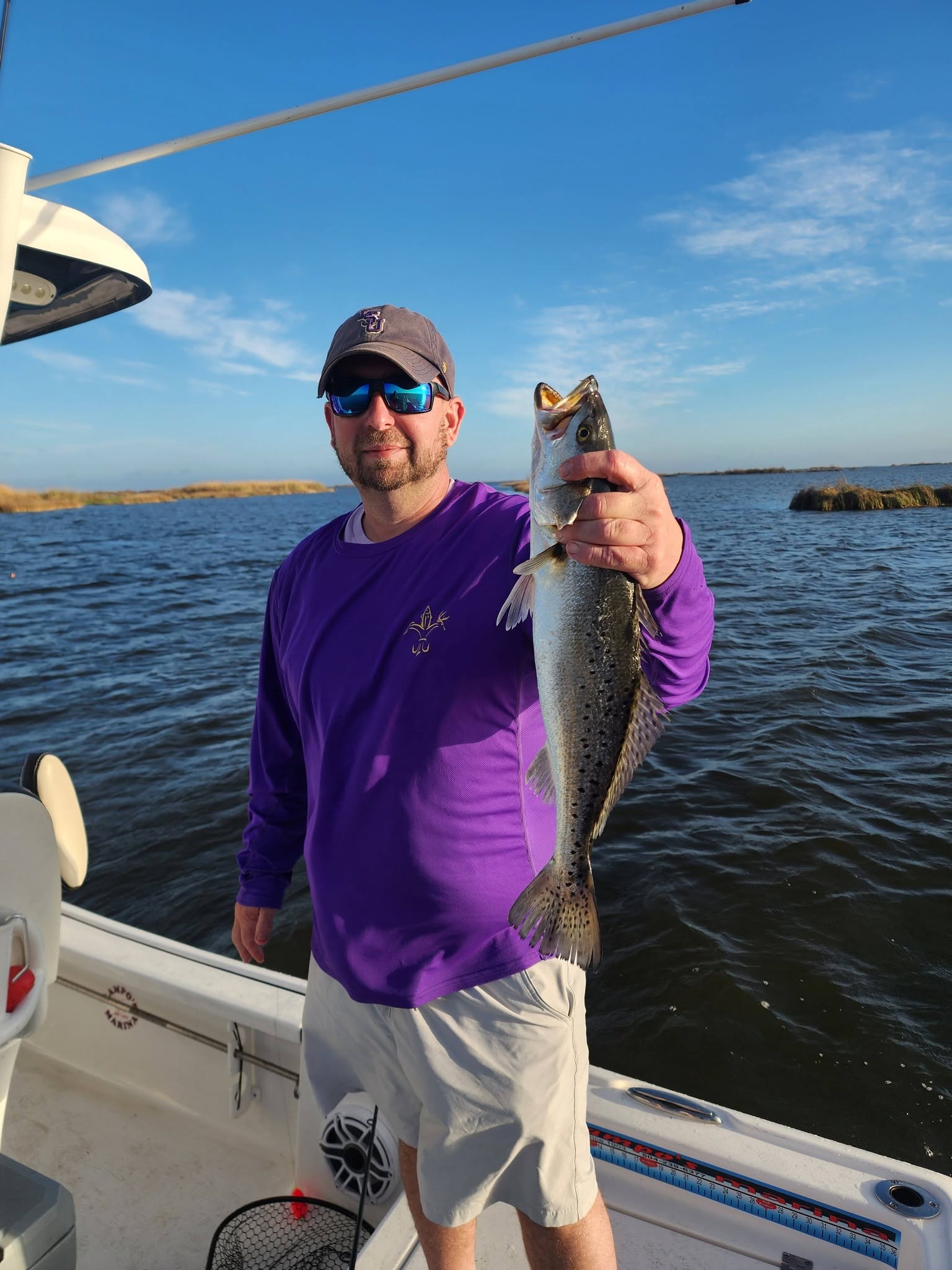
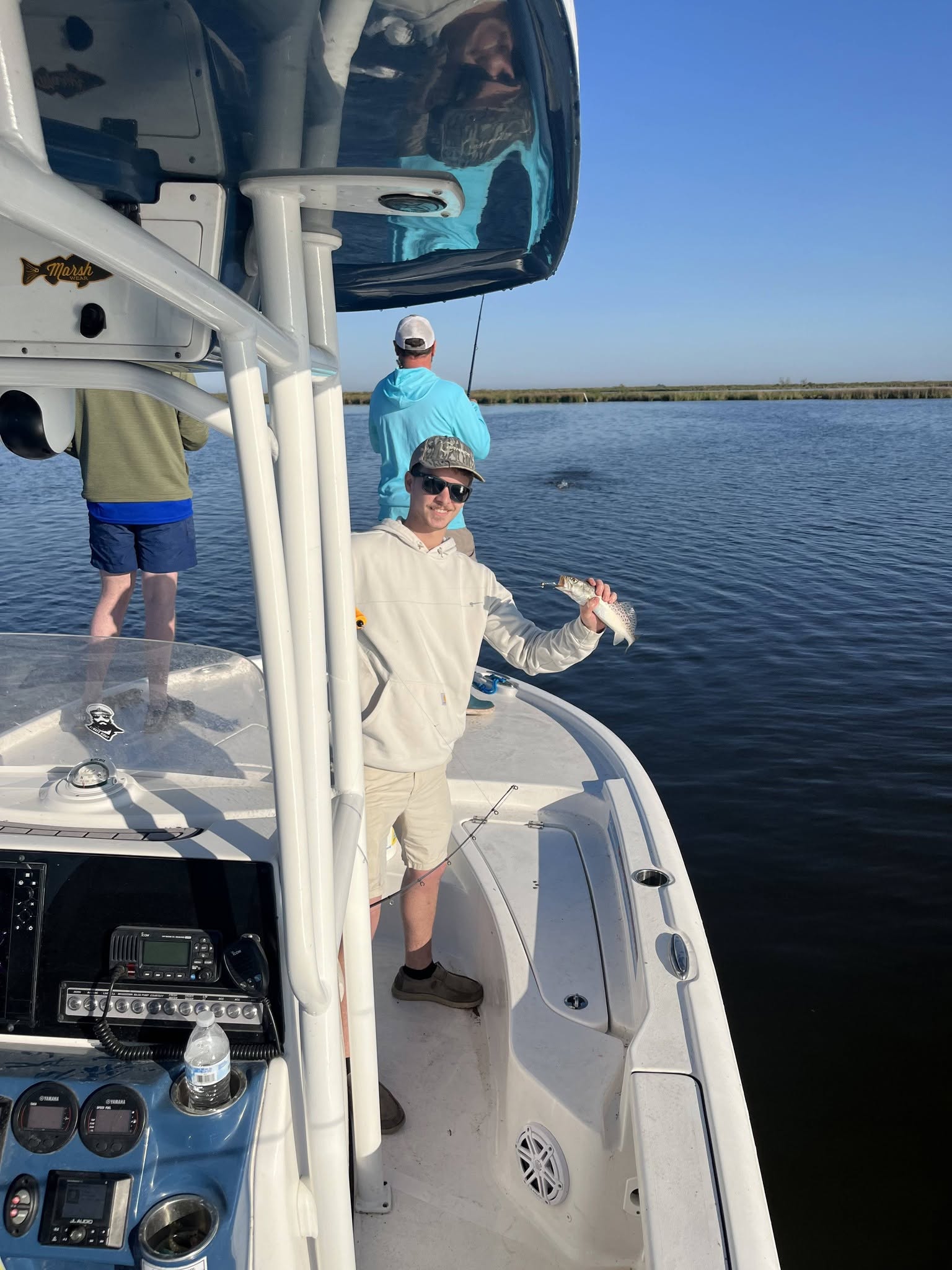
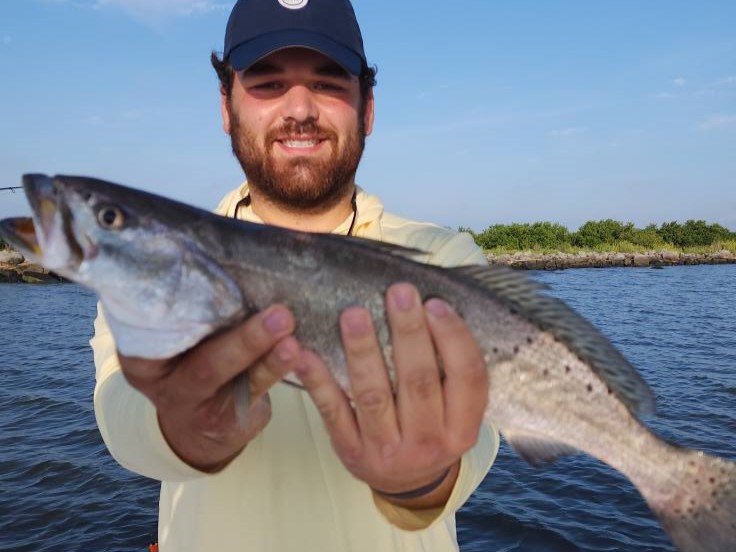
Sea trout, or speckled trout as locals call them, are the bread and butter of Louisiana inshore fishing. The best specimens in St. Bernard waters run 2-4 pounds, with occasional giants pushing 6-8 pounds that locals call "gator trout." They're most active during spring and fall transitions when water temperatures are optimal, and they respond well to both live shrimp under corks and artificial lures worked around grass beds and drop-offs.
Sheepshead are the ultimate challenge for technique-focused anglers, with mouths designed for crushing barnacles and incredible ability to steal bait without getting hooked. The area's abundant structure provides perfect sheepshead habitat, and winter months bring the best action when fish school up for spawning. Landing a quality sheepshead requires patience, perfect timing, and light tackle – they're the species that humbles even experienced anglers.
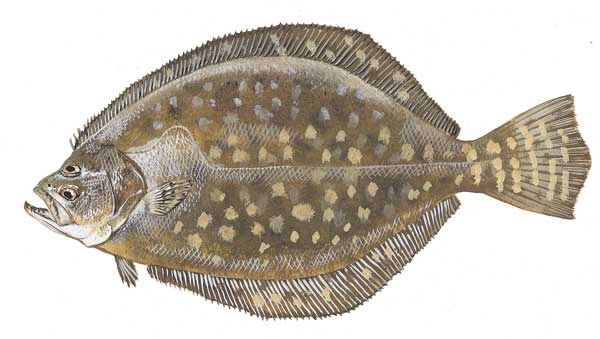
Southern flounder are Louisiana's premier table fish, and St. Bernard's diverse bottom structure creates ideal habitat for these ambush predators. They're most active during fall months when they stage for their offshore spawning migration, often reaching 4-6 pounds in prime areas. Flounder fishing requires understanding bottom structure and current flow, as these fish position themselves to ambush prey swept by moving water.
Time to Book Your Spot
Captain Jason's advanced half-day fishing trip delivers the kind of technical inshore fishing that keeps serious anglers coming back to Louisiana year after year. The combination of diverse species, challenging techniques, and world-class fishing grounds makes this charter a top choice for experienced fishermen who want to test their skills against some of the Gulf Coast's finest inshore gamefish. With all tackle provided and expert guidance throughout the day, you'll focus entirely on fishing rather than logistics. The 6-hour format gives you plenty of time to work multiple spots and techniques while accommodating travel schedules. Don't let this opportunity slip by – prime dates fill up quickly, especially during peak fishing seasons when conditions align perfectly with fish activity.
 Private Trip
 Inshore Fishing
 Hopedale, LA


 Six-hour advanced inshore fishing trip targeting trophy redfish