Full Day Louisiana Fishing Charter Adventure
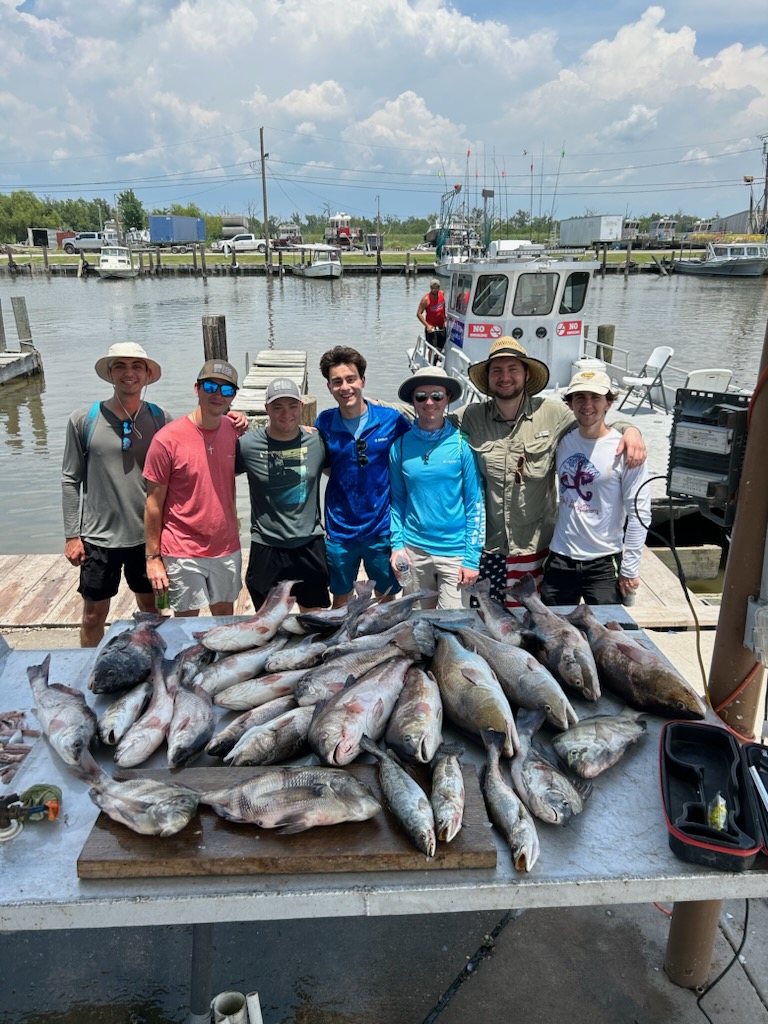
Louisiana's inshore waters are some of the most productive fishing grounds you'll find anywhere along the Gulf Coast. This full-day charter aboard Jean Lafitte Harbor Charters' 24-foot express boat puts you right in the thick of the action, targeting five of the area's most sought-after species. You'll be fishing with an experienced captain who knows these waters like the back of his hand, using proven techniques to put fish in the boat. With space for up to four anglers, this trip strikes the perfect balance between having enough room to fish comfortably and maintaining that intimate, personalized experience that makes for the best fishing days.
What to Expect on the Water
Your day starts early when you meet the crew at Jean Lafitte Harbor, coffee in hand and tackle boxes ready. The 24-foot express boat is built for Louisiana's inshore fishing – shallow draft for getting into those back bay honey holes, but stable enough to handle choppier water when the fish are biting out toward the coast. Your captain will have been watching weather patterns, tide charts, and recent fishing reports to plan the day's strategy before you even step aboard. Louisiana's marshlands create a maze of productive fishing spots, from grass beds holding redfish to deeper cuts where trout stack up during moving tides. The boat's shallow draft means you'll access areas that bigger vessels simply can't reach, giving you shots at fish that haven't seen much pressure. Plan on being out there for a solid eight hours, moving between spots as conditions and fish activity dictate.
Trolling and Light Tackle Tactics
The beauty of Louisiana inshore fishing lies in its versatility. Your captain will switch between trolling and light tackle jigging based on what the fish are doing and where they're holding. Trolling works great for covering water when you're searching for active schools of trout or redfish, especially during those periods when fish are scattered. You'll pull lightweight spoons, soft plastics, or small plugs at just the right speed to trigger strikes. When you mark fish or find structure, it's time to break out the light tackle and work jigs through the strike zone. Louisiana's inshore species respond well to 1/4 to 1/2 ounce jig heads tipped with soft plastics – gulp shrimp, paddle tails, and scented baits that mimic the abundant forage in these waters. The captain provides all the tackle, but if you have favorite lures that have produced for you in similar waters, bring them along. Local knowledge combined with your personal confidence baits can be a winning combination.
Top Catches This Season
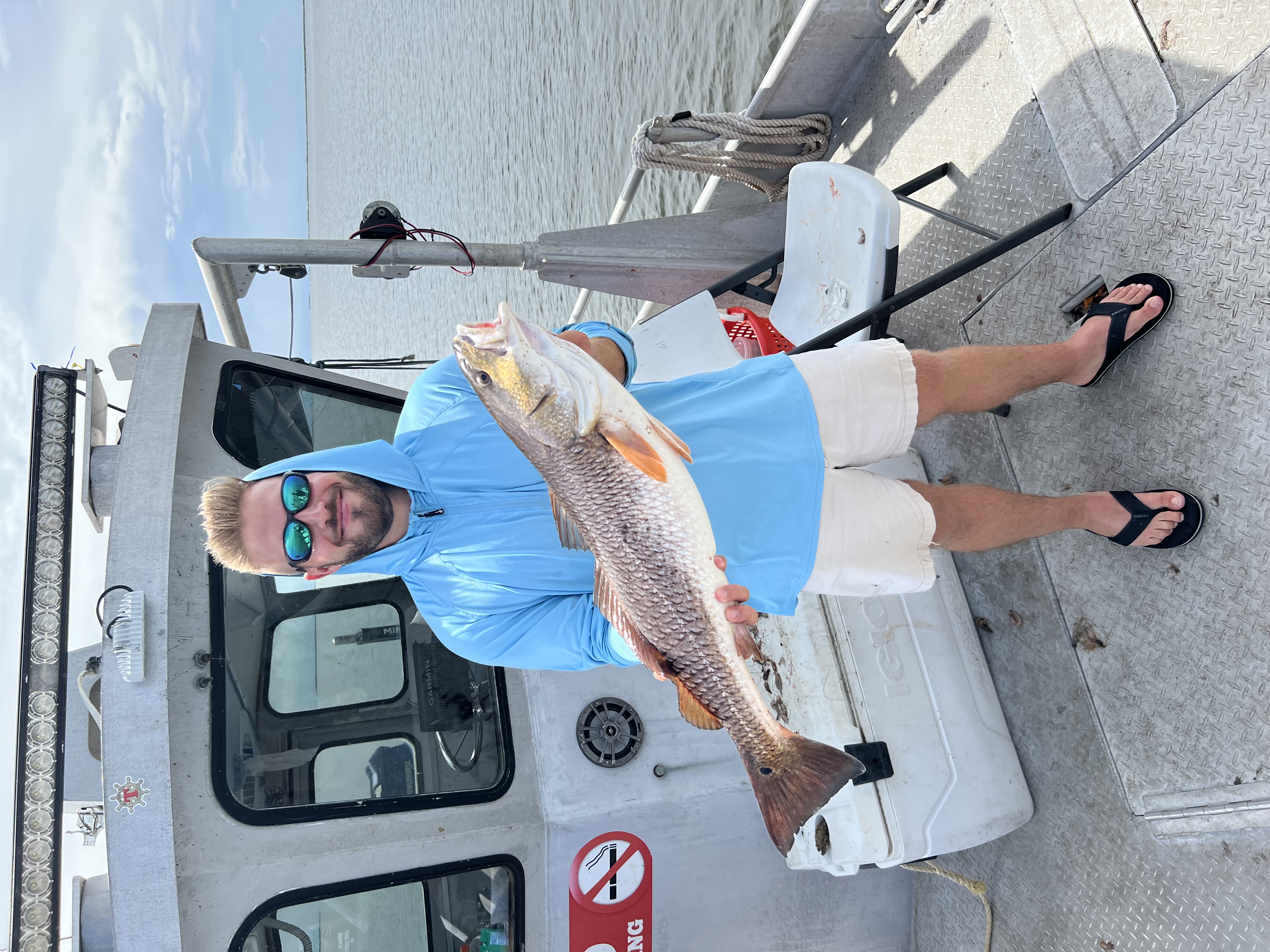
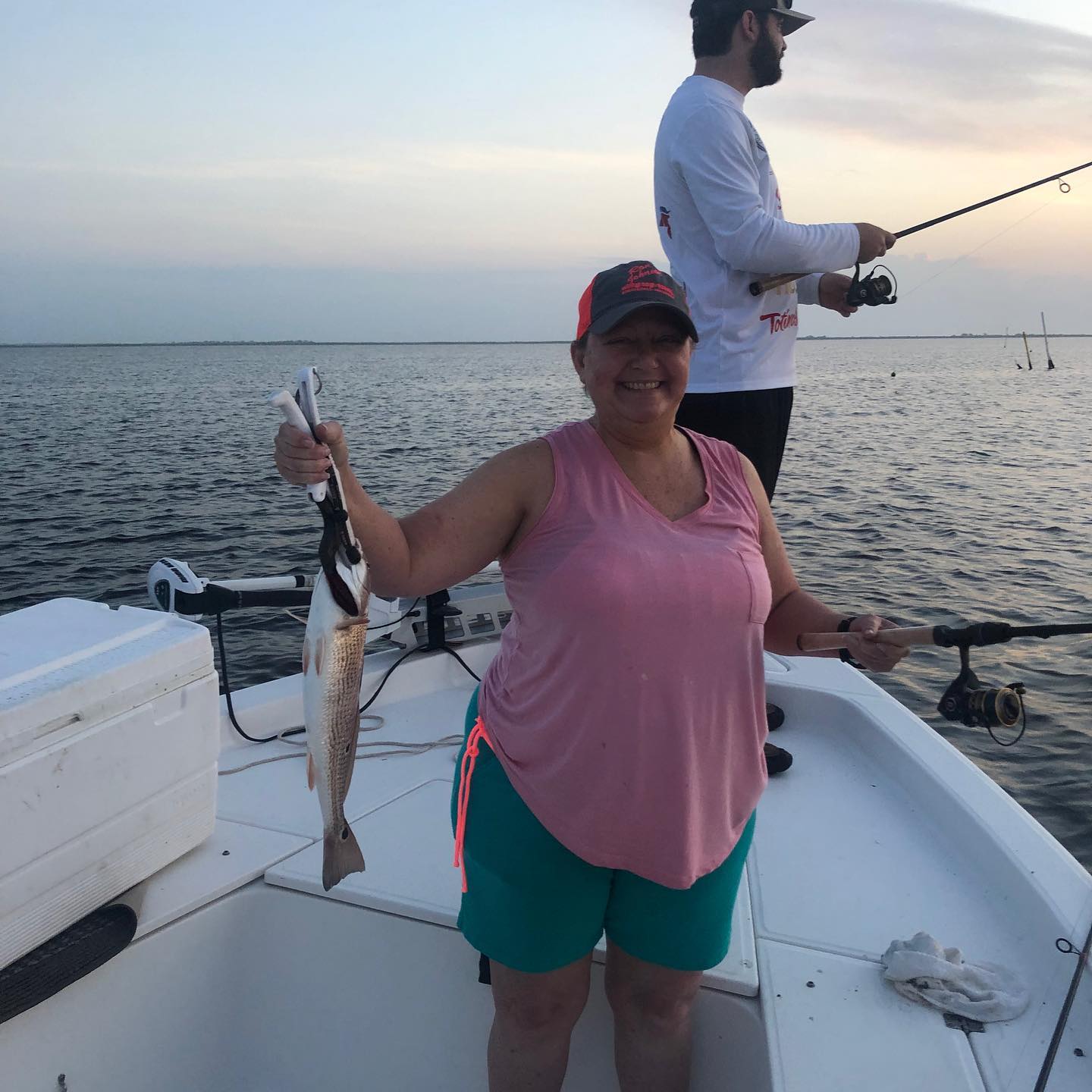
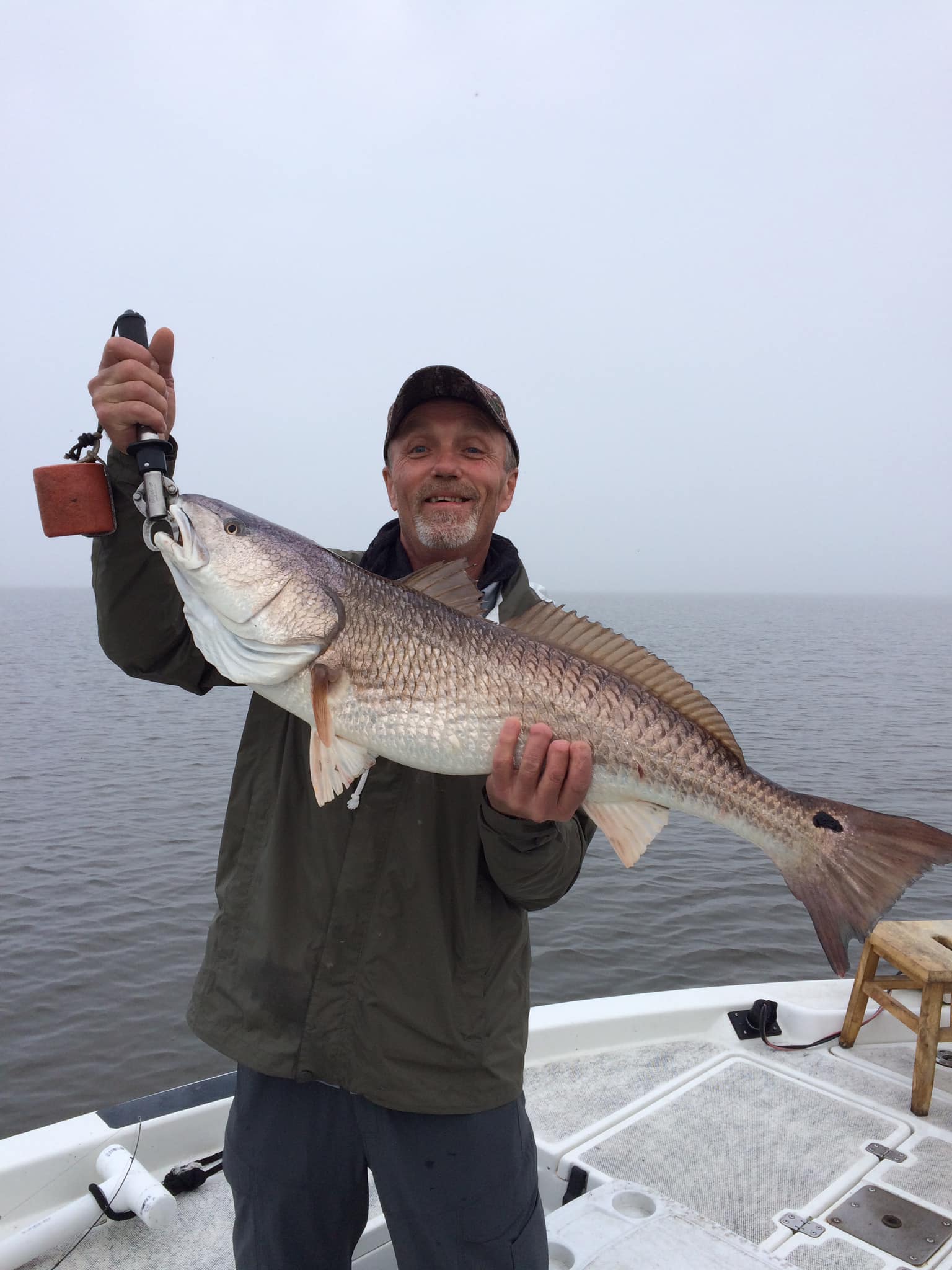
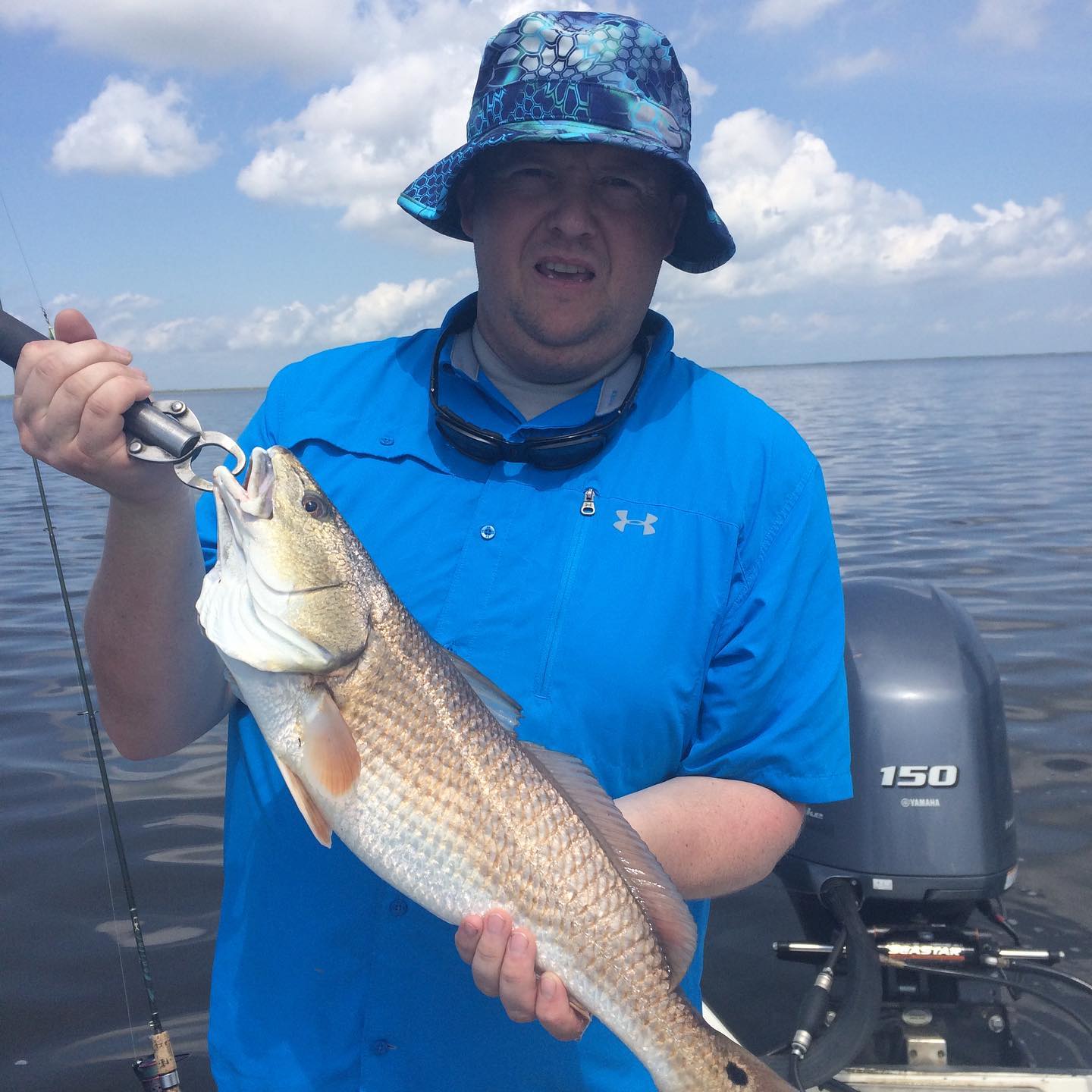
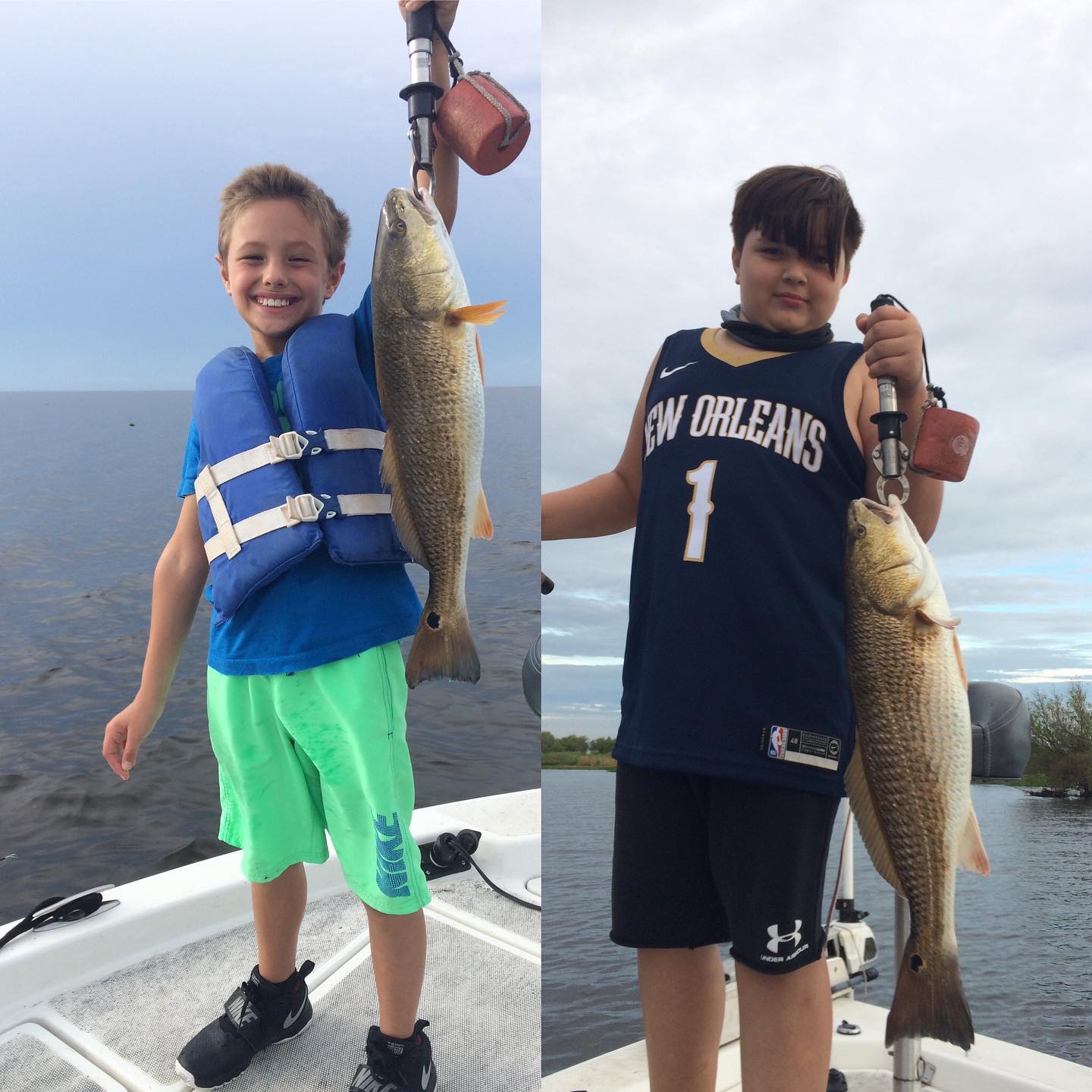
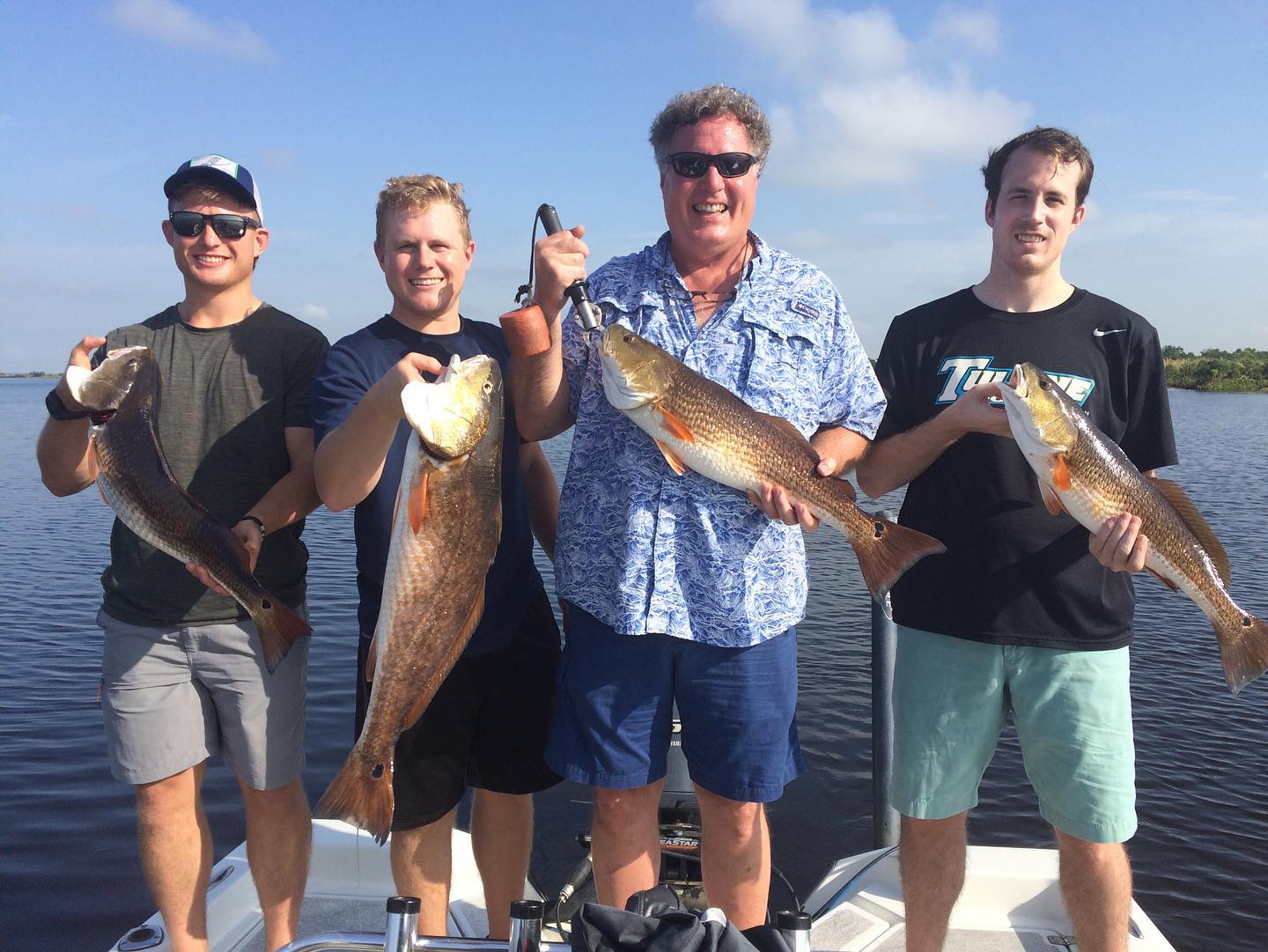
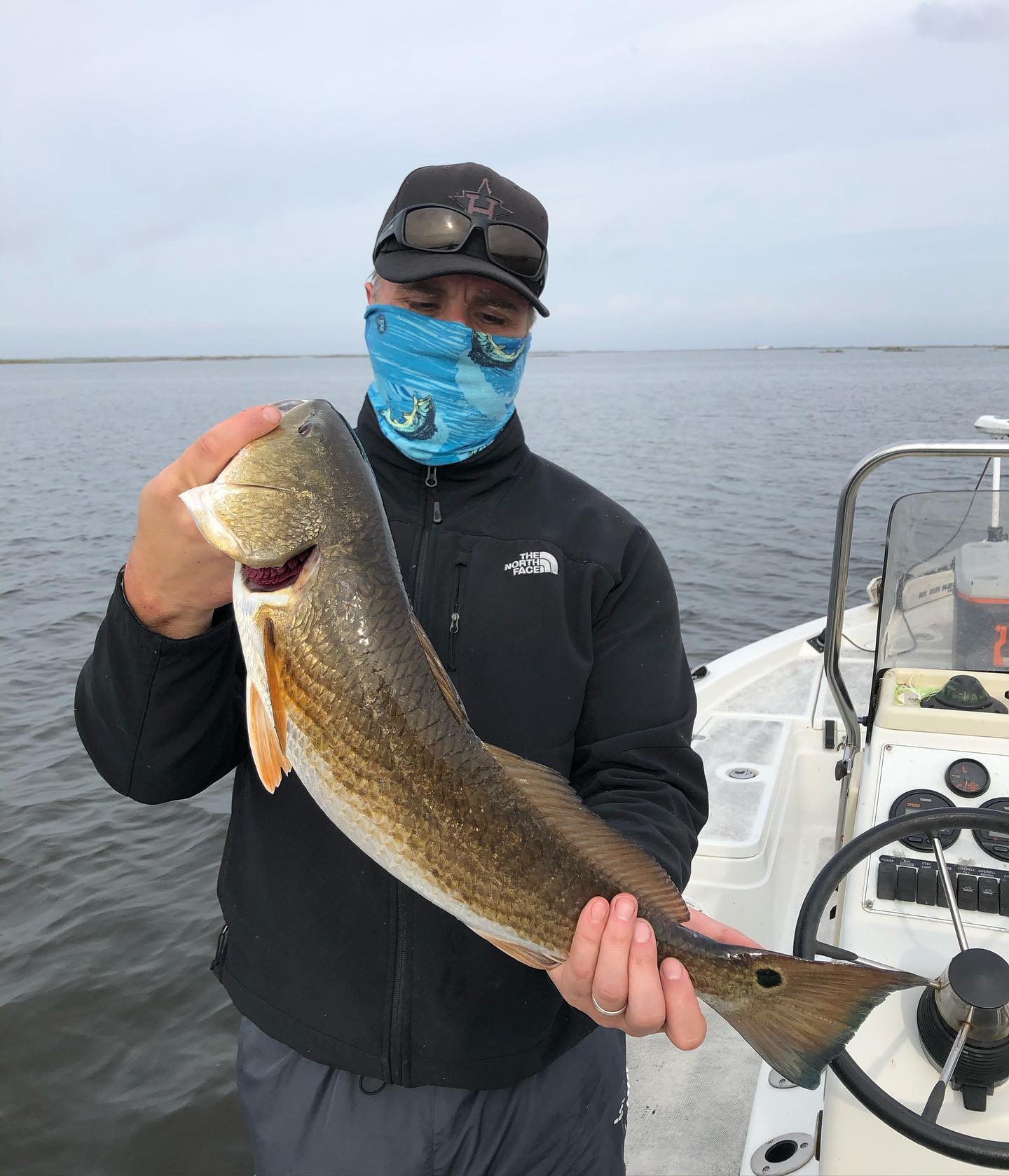
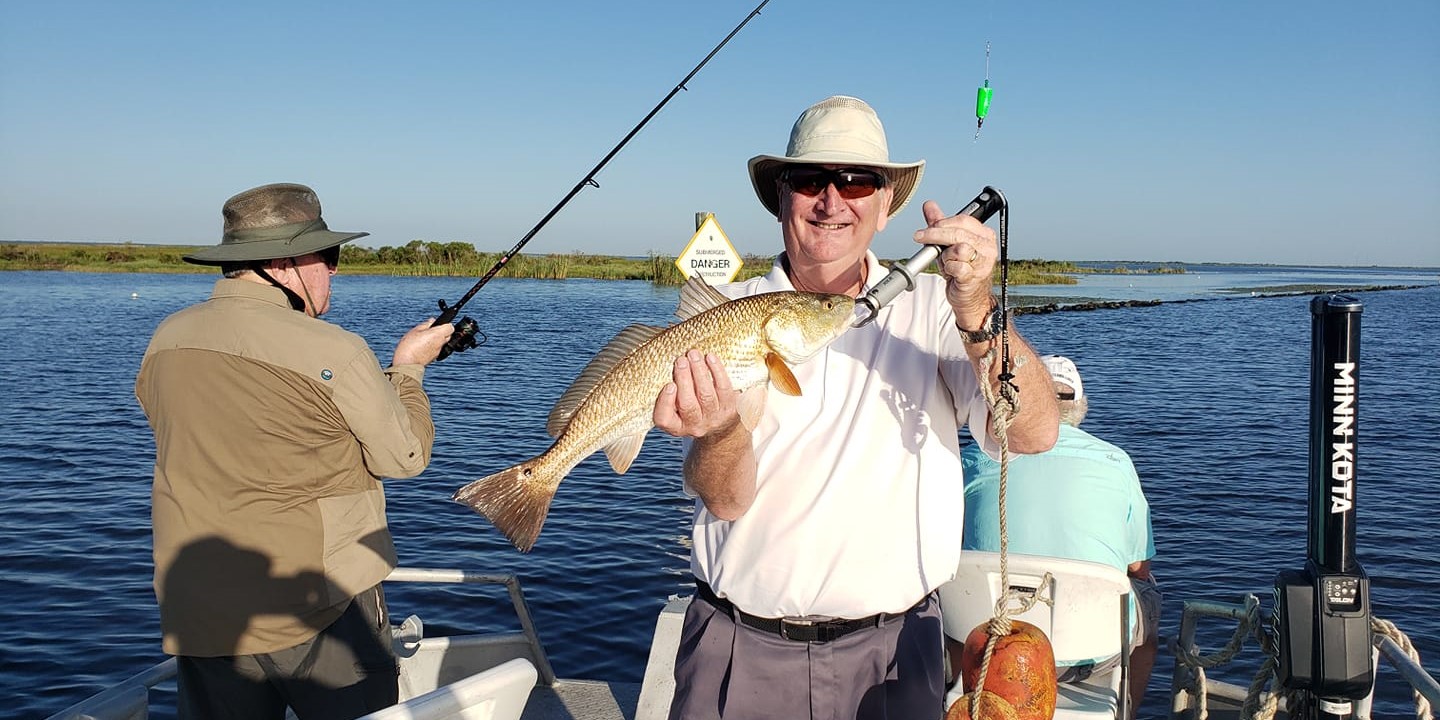
Redfish are the crown jewel of Louisiana inshore fishing, and for good reason. These copper-colored bruisers average 20 to 30 inches in these waters, with plenty of oversized bulls mixed in for those heart-stopping drag-screaming runs. Reds feed aggressively in Louisiana's shallow marshes, especially around oyster beds, grass lines, and drop-offs. They're most active during moving tides when baitfish get pushed around, making them easier targets. What makes redfish so exciting is their fight – they'll make multiple strong runs, often heading straight for the nearest structure to try and break you off. Spring through fall offers the most consistent action, but even winter days can produce when you find them in deeper holes staying warm.
Sea trout might not have the raw power of redfish, but they make up for it with sheer numbers and their willingness to bite. Louisiana's speckled trout run from schoolie size up to legitimate gator trout pushing 25 inches and beyond. They're structure-oriented fish, holding around shell beds, drop-offs, and grass edges where they can ambush prey. Trout bite best during low-light periods – early morning, late evening, and overcast days. When you find a good school, you can often catch multiple fish from the same spot. The bigger trout are loners, usually holding in slightly deeper water or around the best structure. They're also more finicky, requiring lighter line and more subtle presentations.
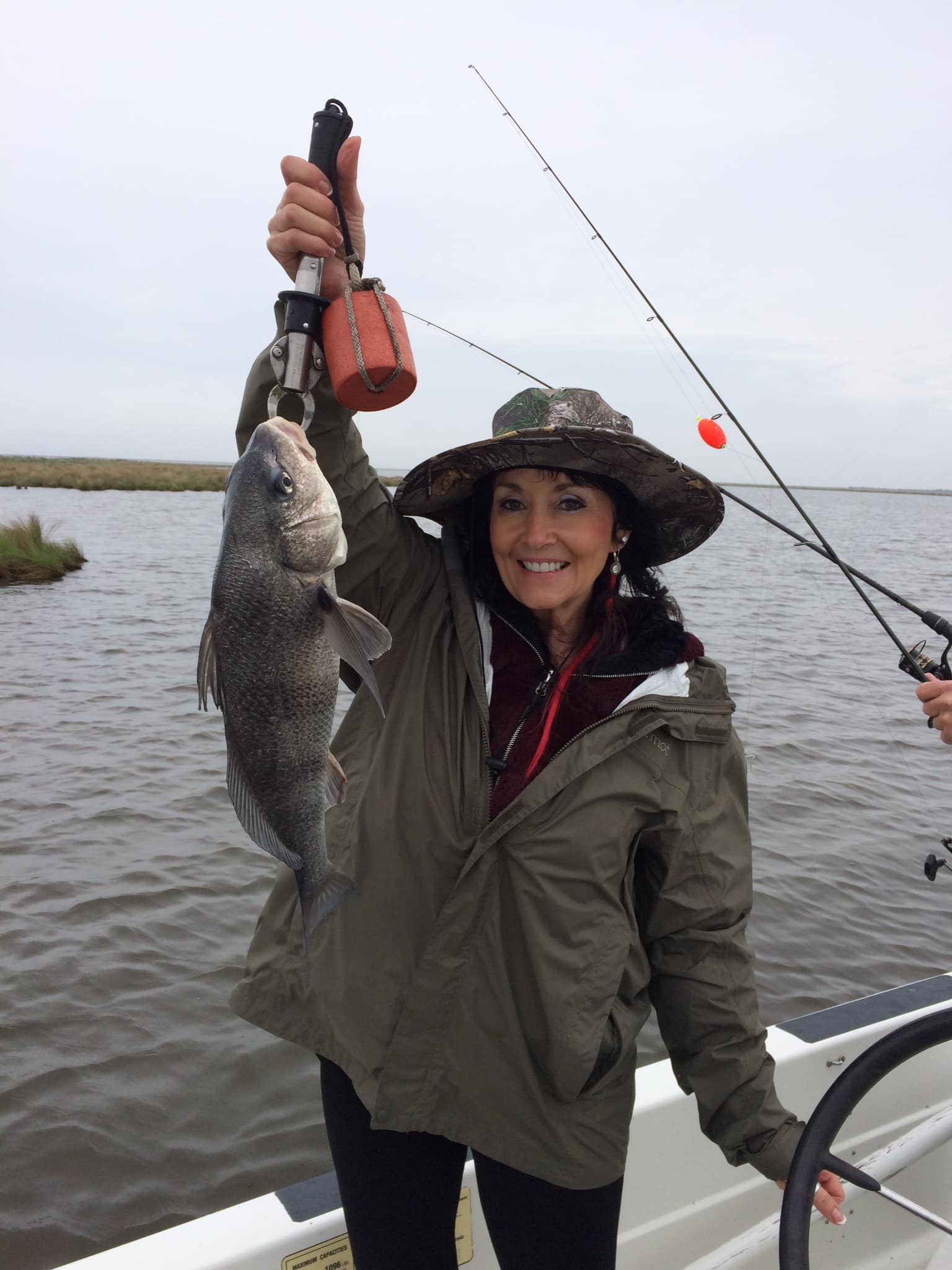
Black drum are the heavyweights of the bunch, with Louisiana producing some true monsters. These fish can exceed 40 inches and put up a bulldogging fight that will test your tackle and technique. They're bottom feeders with excellent senses of smell and taste, making fresh or live bait your best bet. Crab, shrimp, and cut bait fished on the bottom around oyster reefs and shell beds produce the most consistent results. Black drum are year-round residents, but they're most aggressive during their spring spawning runs when big schools move through the area. The fight is all about endurance – they don't make blazing runs, but they'll pull steady and hard, using their body weight and the current to their advantage.
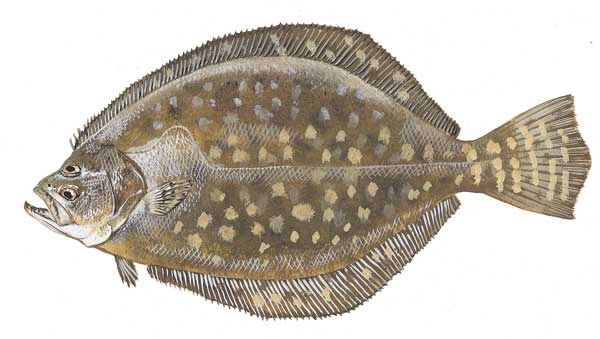
Southern flounder are ambush predators that lie in wait along drop-offs, channel edges, and anywhere current creates an advantage. Louisiana's muddy bottom and abundant structure create perfect flounder habitat. These flatfish can be challenging to locate, but once you dial in the pattern, you can have some exceptional days. They hit moving baits aggressively, especially soft plastics bounced along the bottom or small spoons retrieved slowly. Flounder fishing picks up in fall when they stage for their offshore spawning migration, fattening up and becoming more aggressive. A good Louisiana flounder runs 16 to 20 inches, with some true doormat-sized fish mixed in for those who know where to look.
Sheepshead round out the slam with their excellent table fare and unique feeding habits. These convict-striped fish have human-like teeth designed for crushing shellfish, making them some of the most challenging fish to hook consistently. They're structure-oriented, holding tight to pilings, rocks, and oyster beds where they feed on barnacles, crabs, and other crustaceans. Sheepshead require sharp hooks, light line, and quick reflexes – they're notorious for stealing bait without getting hooked. Winter months often provide the best sheepshead action as they school up aroun
 Private Trip
 Inshore Fishing
 Lafitte, LA


 Full day inshore fishing targeting redfish, trout, and black drum