6 Hour Inshore Trip - Goodland, FL
Ready to get your line wet in some of Southwest Florida's most productive inshore waters? This full-day fishing charter out of Goodland puts you right in the heart of the action, where the Gulf meets Ten Thousand Islands. You'll spend six solid hours targeting some of the most sought-after game fish in Florida waters - tarpon, snook, redfish, black drum, and if we're lucky, maybe even a permit. I've been guiding these waters for years, and let me tell you, Goodland's location is pure gold for inshore fishing. We're talking shallow flats, mangrove shorelines, and grass beds that hold fish year-round. Pack your sunscreen and bring your appetite for some serious fishing - this isn't just a boat ride.
What to Expect on the Water
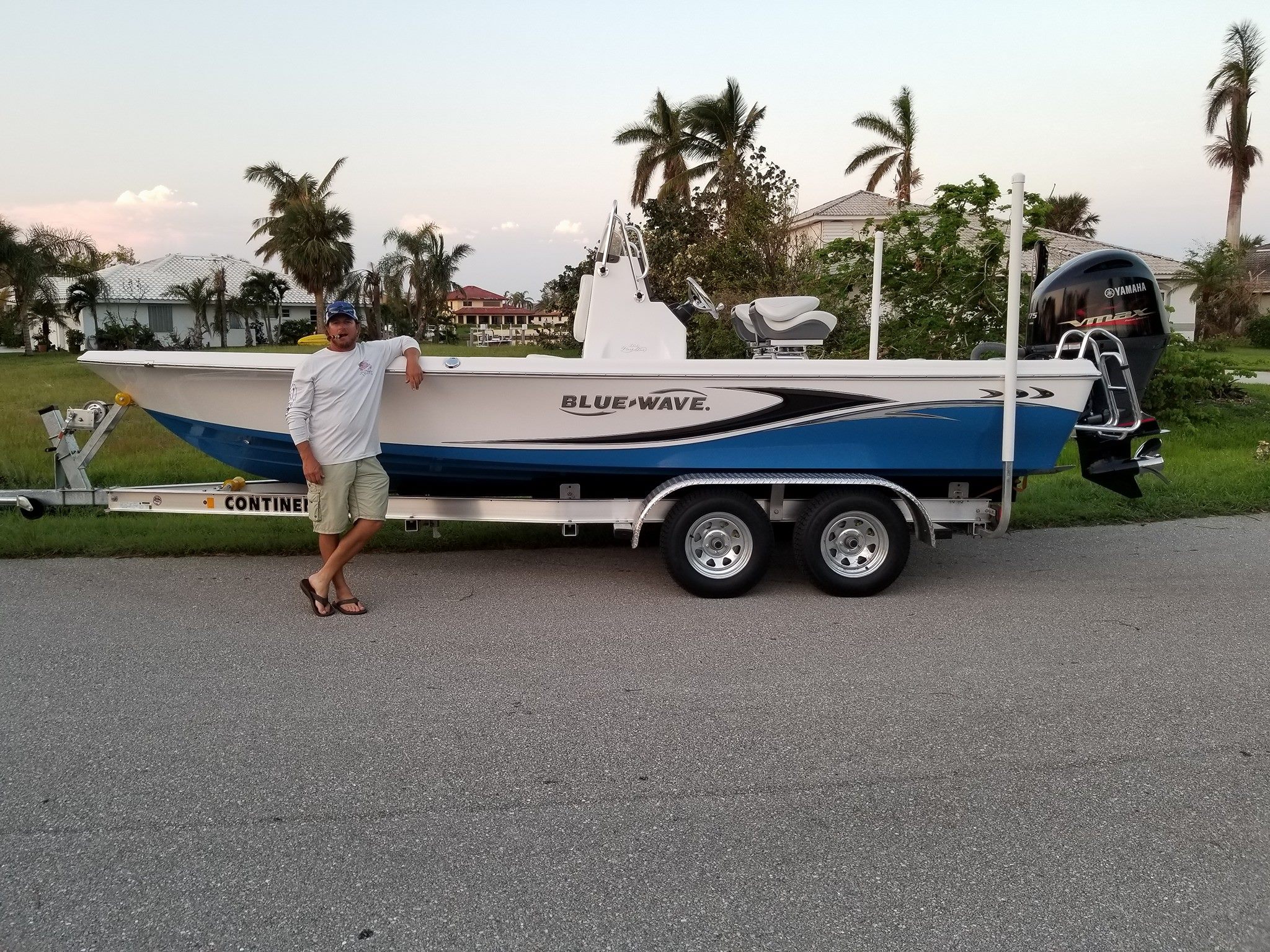
We'll meet up at the dock in Goodland bright and early, where you'll get your first look at our fully rigged boat loaded with top-shelf gear. No need to worry about bringing rods, reels, or tackle - we've got everything covered with high-quality equipment that can handle whatever we hook into. The boat's equipped with a shallow draft hull perfect for getting into those skinny water spots where the big fish like to hang out. Our game plan changes with the tides, seasons, and what's been biting lately. Some days we'll be sight fishing the flats for tailing redfish, other times we'll work the mangrove edges for snook or set up near structure for black drum. The beauty of a six-hour trip is we've got time to move around and find the fish. You'll learn to read the water, understand how tides affect fish behavior, and pick up techniques that'll make you a better angler long after this trip ends.
Techniques & Tackle Breakdown
We fish light tackle here - think spinning reels spooled with 15-20 pound test and leaders that won't spook these smart inshore fish. Depending on what we're targeting, we'll use everything from live bait like pilchards, pinfish, and shrimp to artificials like soft plastics, spoons, and topwater plugs. When we're working the flats for redfish, we might use popping corks with live shrimp or throw gold spoons at cruising schools. For snook around the mangroves, live pilchards on a circle hook or paddle tail jigs work magic. Tarpon fishing gets more serious - we'll bump up to heavier tackle and use live crabs or large pinfish. The key is staying versatile and matching your presentation to the conditions. I'll show you how to work different lures, when to let live bait do its thing, and how to feel the difference between a pickup and bottom structure. These aren't deep water techniques - inshore fishing is about precision, stealth, and reading subtle signs that most people miss.
Species You'll Want to Hook
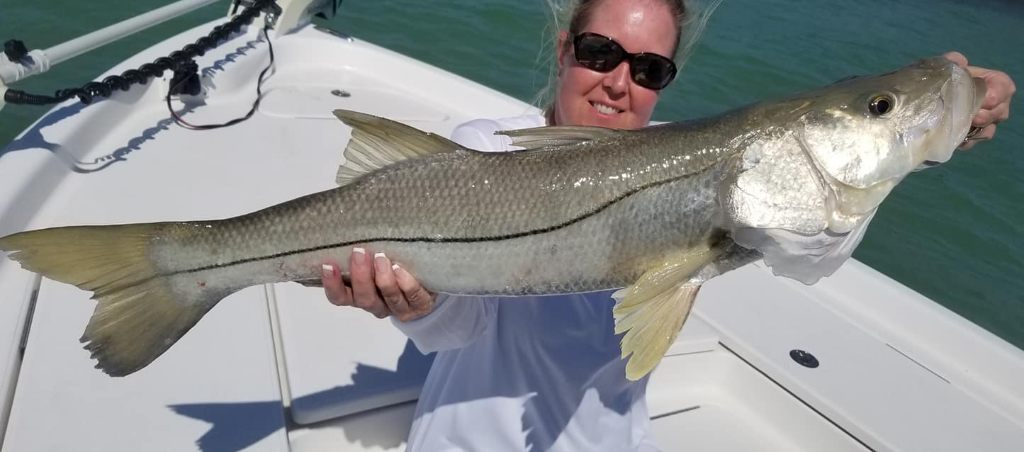
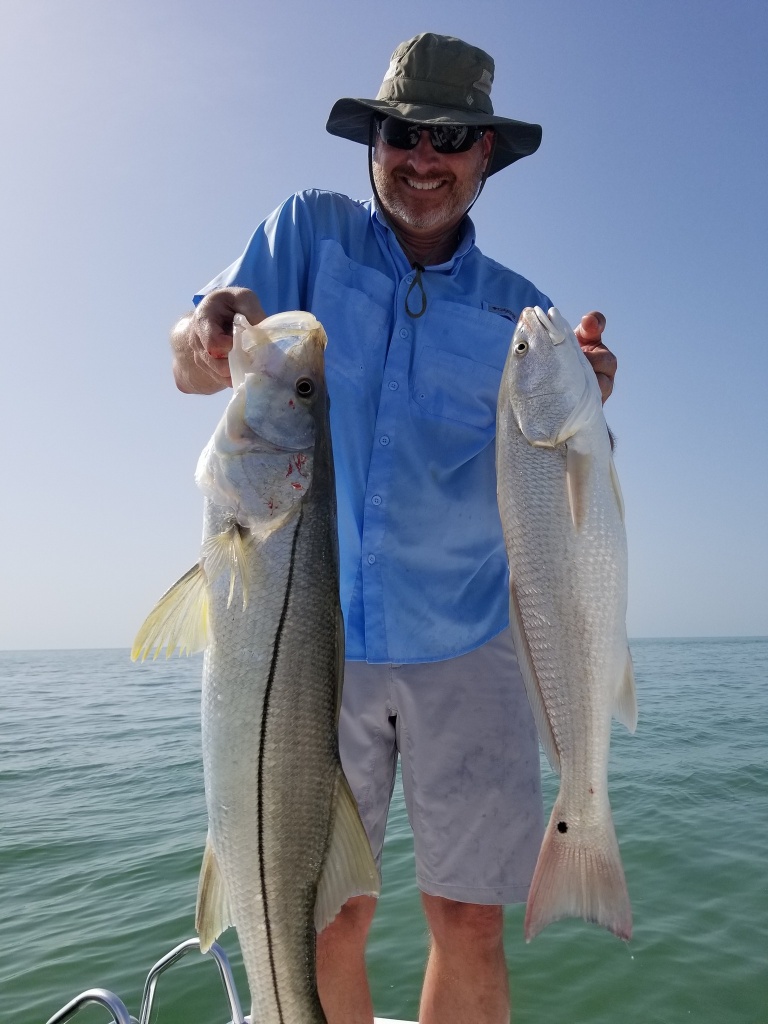
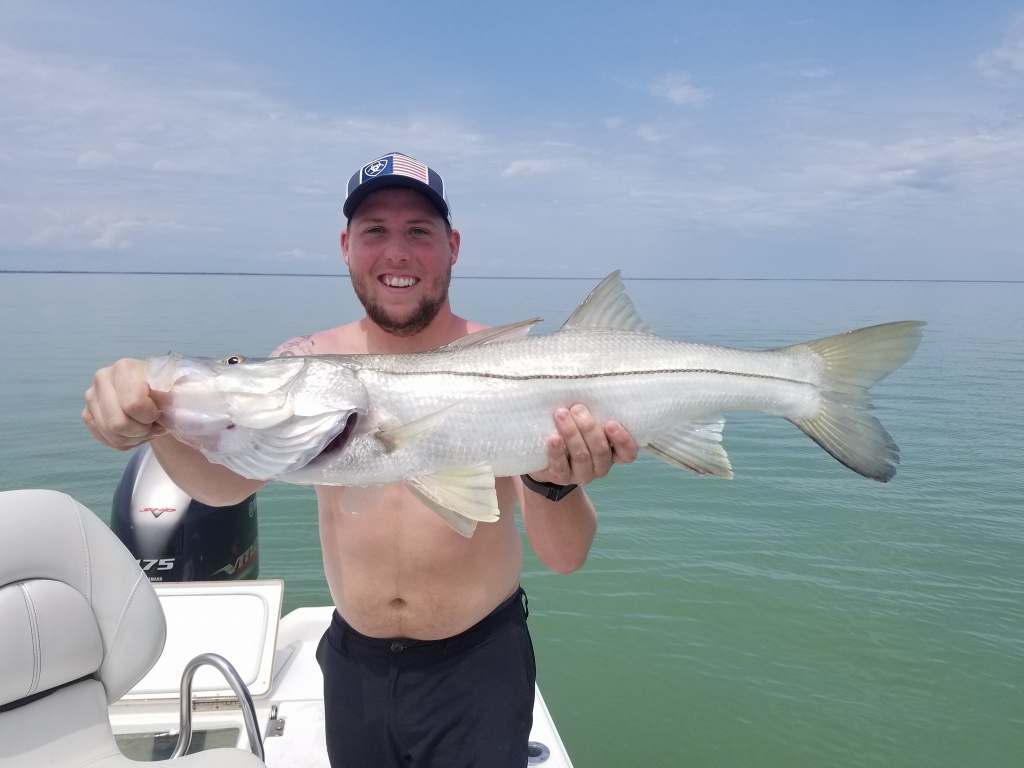
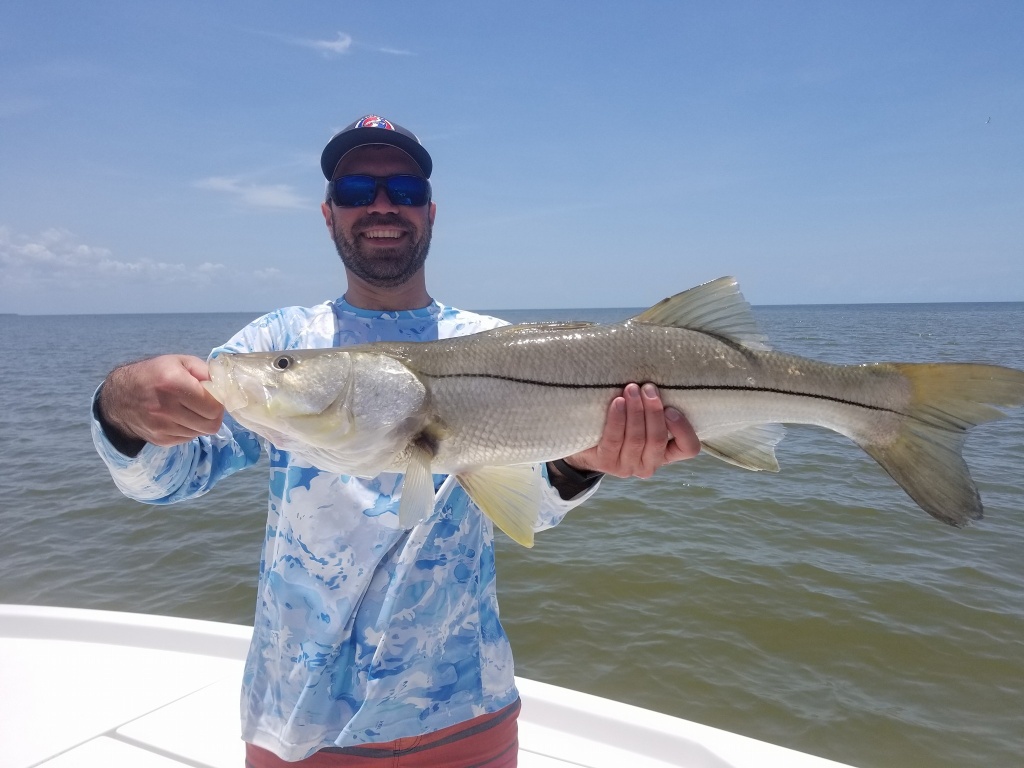
Snook are the bread and butter of Southwest Florida inshore fishing, and these ambush predators know how to fight. They love structure - docks, mangrove roots, oyster bars - anywhere they can hide and slam bait fish. Best fishing is early morning, late afternoon, or around moving water during tide changes. What makes snook special is their attitude - they hit hard, jump like crazy, and use that big mouth and gill plates to throw hooks. Most of our snook run 20-30 inches, perfect eating size, though we'll throw back anything under slot to keep the fishery healthy.
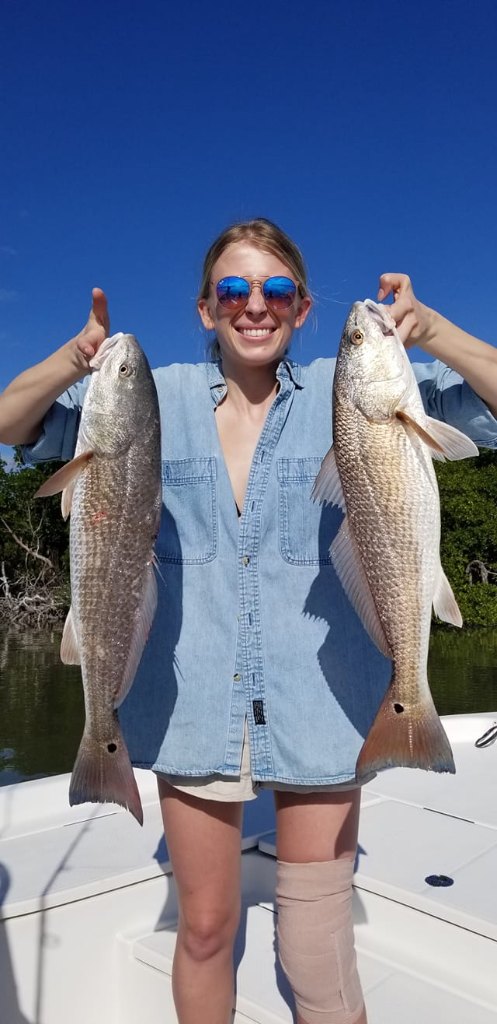
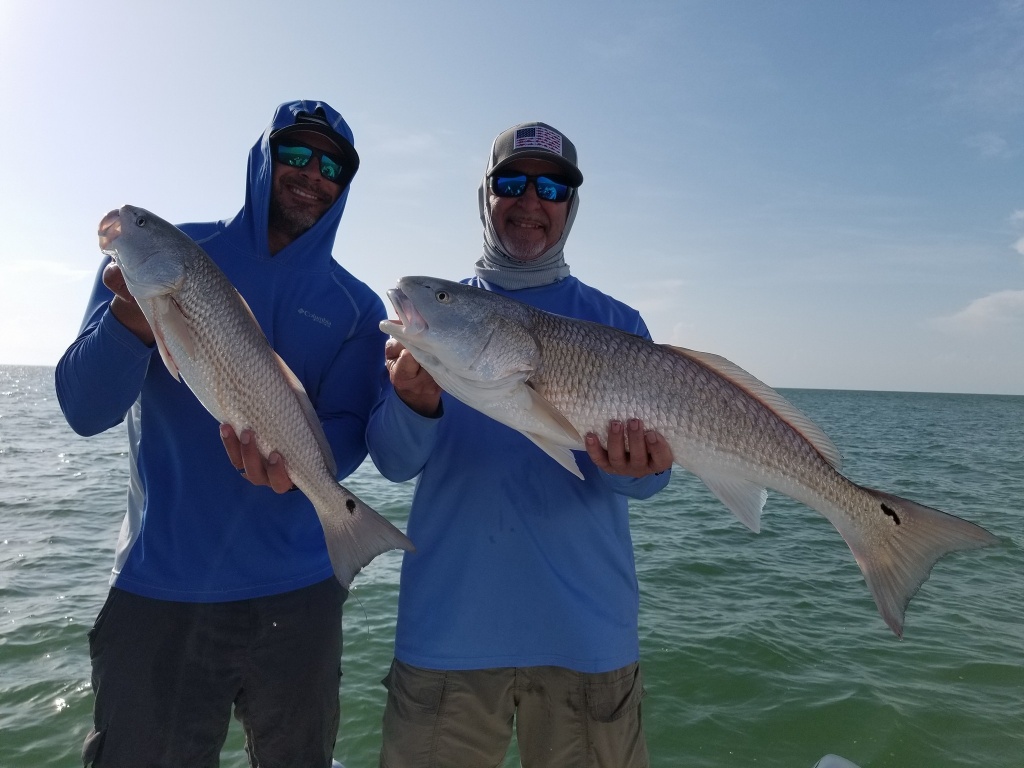
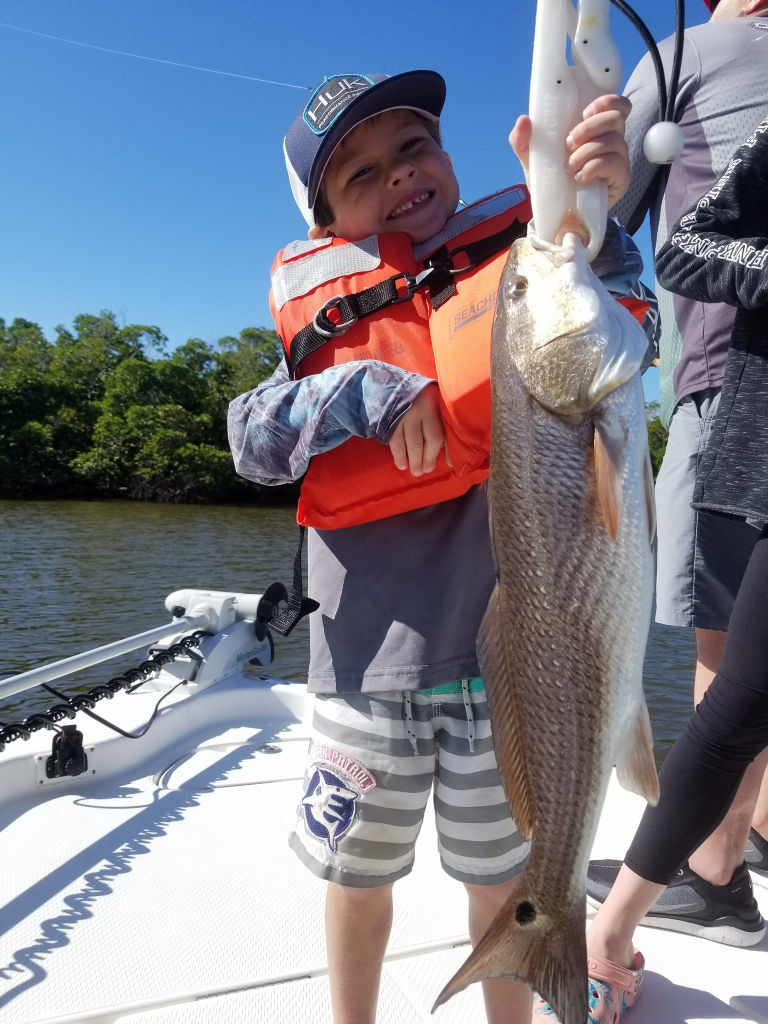
Redfish are probably the most fun fish we target, especially when you spot them tailing in shallow water. These copper-colored bruisers cruise the flats looking for crabs and shrimp, often with their tails sticking out of the water. They're year-round residents here, but fall and winter months are prime time when they school up in big numbers. Reds fight different than snook - more bulldogging power than aerial acrobatics. They'll make long runs and use their broad sides to fight you all the way to the boat. The slot size fish around 18-27 inches are perfect for the table.
Black Drum are the heavyweights of our inshore waters, with fish over 30 pounds not uncommon around Goodland's deeper holes and oyster bars. They're bottom feeders with a serious crush, so when one picks up your bait, you'll know it. Winter months are peak season when big drum move into warmer shallow waters to spawn. They fight like freight trains - no jumping, just pure pulling power that'll test your drag and your arms. The smaller "puppy drum" under 16 inches are great eating, while the big breeders get released to keep making more fish.
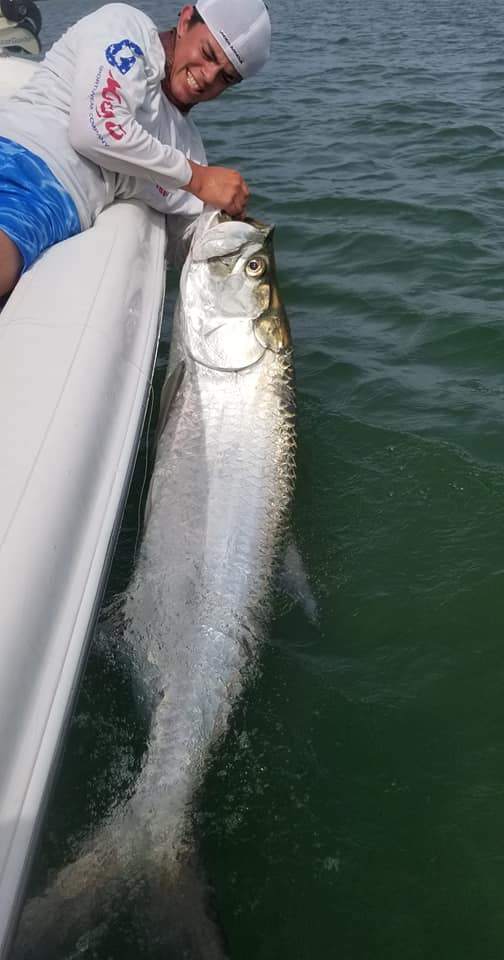
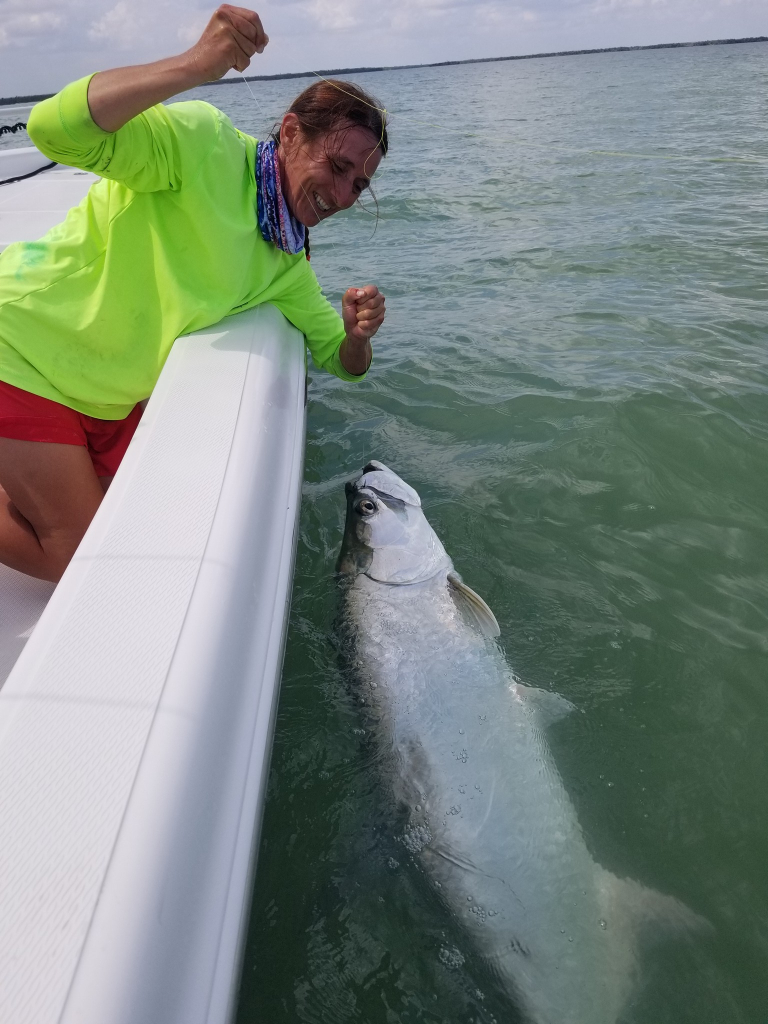
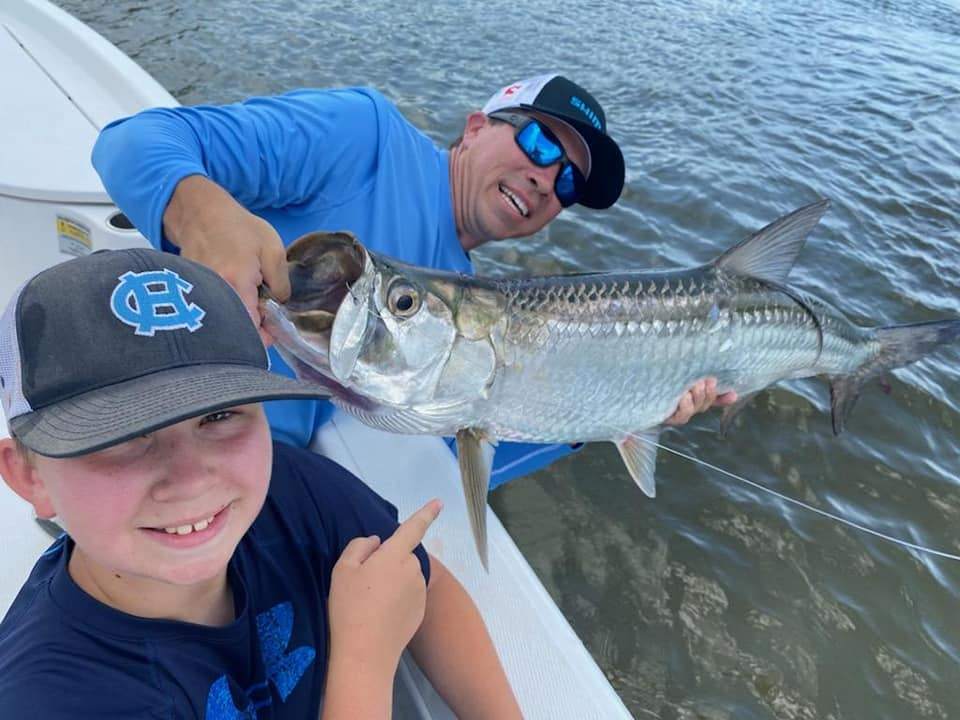
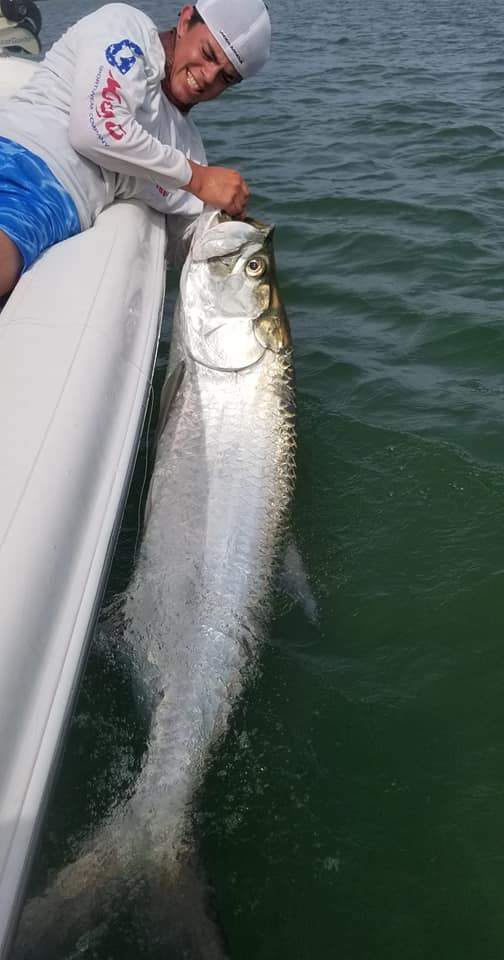
Tarpon are the silver kings, and when one of these giants rolls near the boat, everything else stops mattering. These prehistoric fish can hit 100+ pounds and jump completely out of the water multiple times. Peak tarpon season runs May through August, but we see fish year-round in Southwest Florida. They're catch and release only, but landing even a small tarpon is something you'll remember forever. The fight is legendary - powerful runs, gill-rattling jumps, and enough stamina to wear out even experienced anglers.
Permit are the holy grail of flats fishing - spooky, smart, and incredibly difficult to hook. These disc-shaped fish cruise shallow water looking for crabs, but they're notorious for refusing perfectly presented baits. When everything lines up and you hook a permit, you've accomplished something special. They're strong fighters that make blistering runs across the flats. Permit fishing requires patience, skill, and a little luck, but that's what makes them so rewarding to catch.
Time to Book Your Spot
Six hours gives us real time to find fish and put some serious bends in your rod. We've got all the gear covered, the local knowledge to put you on fish, and the experience to make sure you have a
 Private Trip
 Inshore Fishing
 Goodland, FL


 Target tarpon, snook, black drum, and redfish inshore