Full Day Wreck Fishing Charter in Mastic Beach
Captain Paul knows the waters off Mastic Beach like the back of his hand, and this eight-hour charter puts you right on top of the most productive wrecks and reefs where striped bass love to hang out. Starting at 6 AM sharp, you'll head out into open water with everything you need already on board – rods, reels, tackle, and even your fishing license. This isn't some rushed half-day trip where you barely get your line wet. We're talking a full day of serious fishing where you can really dial in your technique and put some quality fish in the cooler. The waters around Mastic Beach hold some of the best bottom fishing on Long Island, and these wrecks are absolute magnets for everything from keeper bass to fat fluke.
What to Expect on the Water
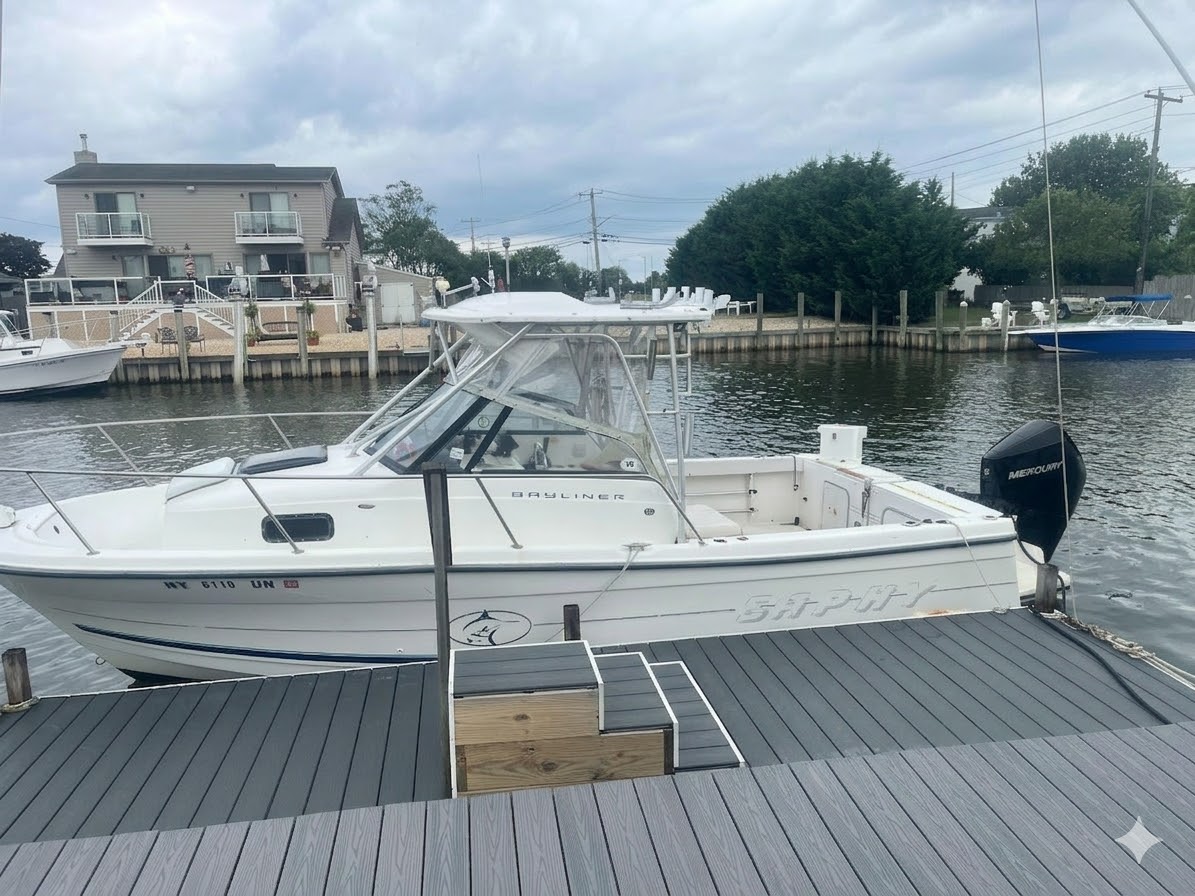
You'll meet Captain Paul at the Mastic Beach marina before sunrise, and by the time most people are having their morning coffee, you'll already be running toward the first spot. The boat's rigged for serious bottom fishing, with plenty of rod holders and a fish box that stays ice-cold all day. Paul's got a reputation for putting his anglers on fish, and he's not shy about moving spots if the action slows down. These local wrecks sit in anywhere from 30 to 80 feet of water, creating perfect structure that holds baitfish – and where there's bait, there's always something bigger looking for an easy meal. The beauty of this charter is that it works for everyone. If you're new to saltwater fishing, Paul will get you set up and show you the ropes. If you've been fishing these waters for years, you'll appreciate his willingness to try different techniques and hit the spots that are firing that day.
Bottom Fishing the Wrecks
We're talking classic bottom fishing here – high-low rigs loaded with circle hooks and enough weight to keep your bait right where it needs to be. Captain Paul runs quality gear that can handle everything from schoolie bass to doormat fluke, and he's always got fresh bait on ice. Live bait is the name of the game when the bass are being picky, but don't be surprised if he switches things up with some cut bait or even artificial lures when the fish are aggressive. The wrecks create incredible structure – twisted metal and debris that provides cover for smaller fish, which in turn attracts the predators we're after. Paul uses his fish finder to position the boat perfectly, often anchoring up-current from the wreck so your baits drift right into the strike zone. The technique is straightforward but effective: drop your rig to the bottom, take up the slack, and stay alert for that telltale thump that means game on.
Species You'll Want to Hook
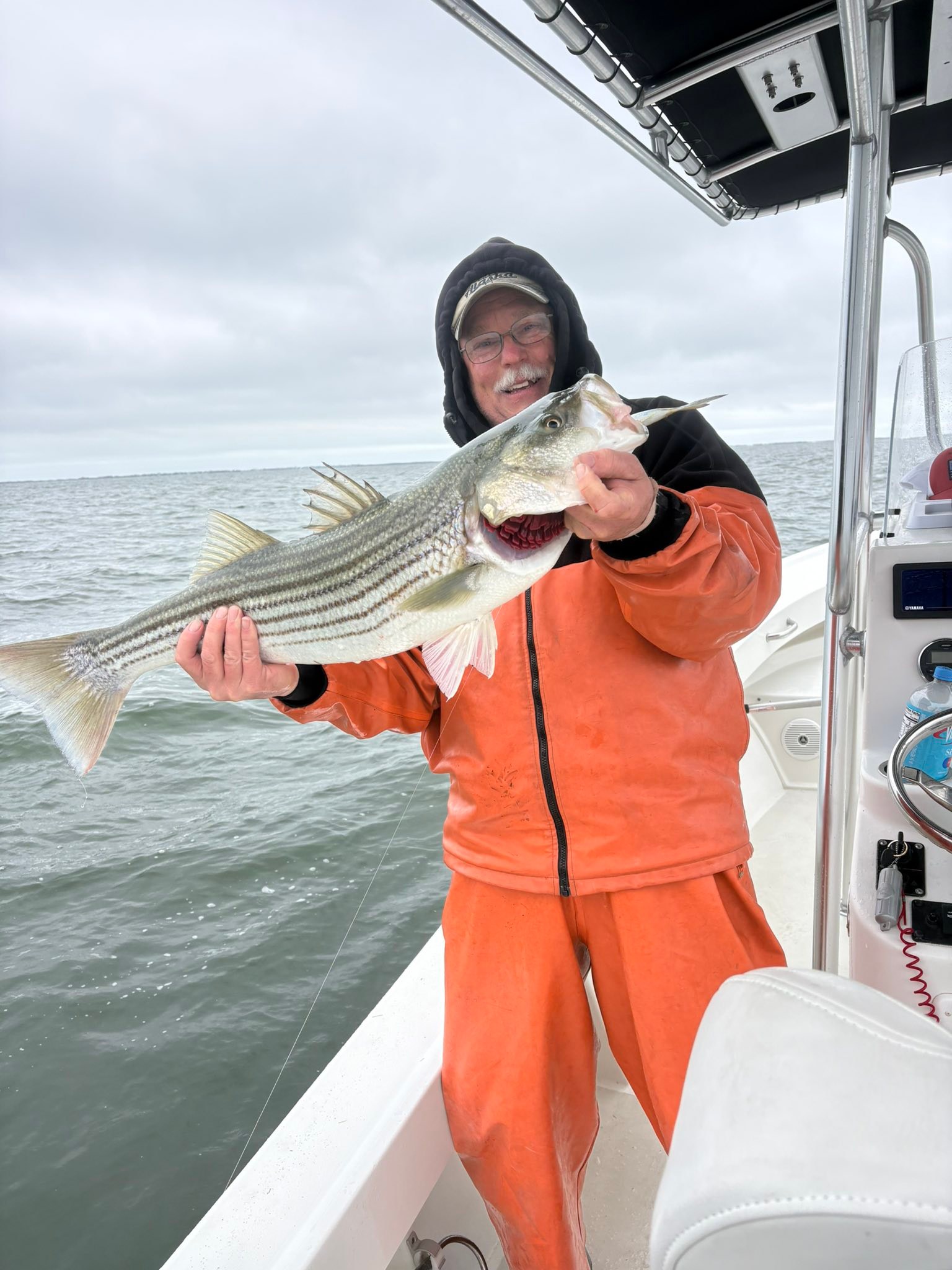
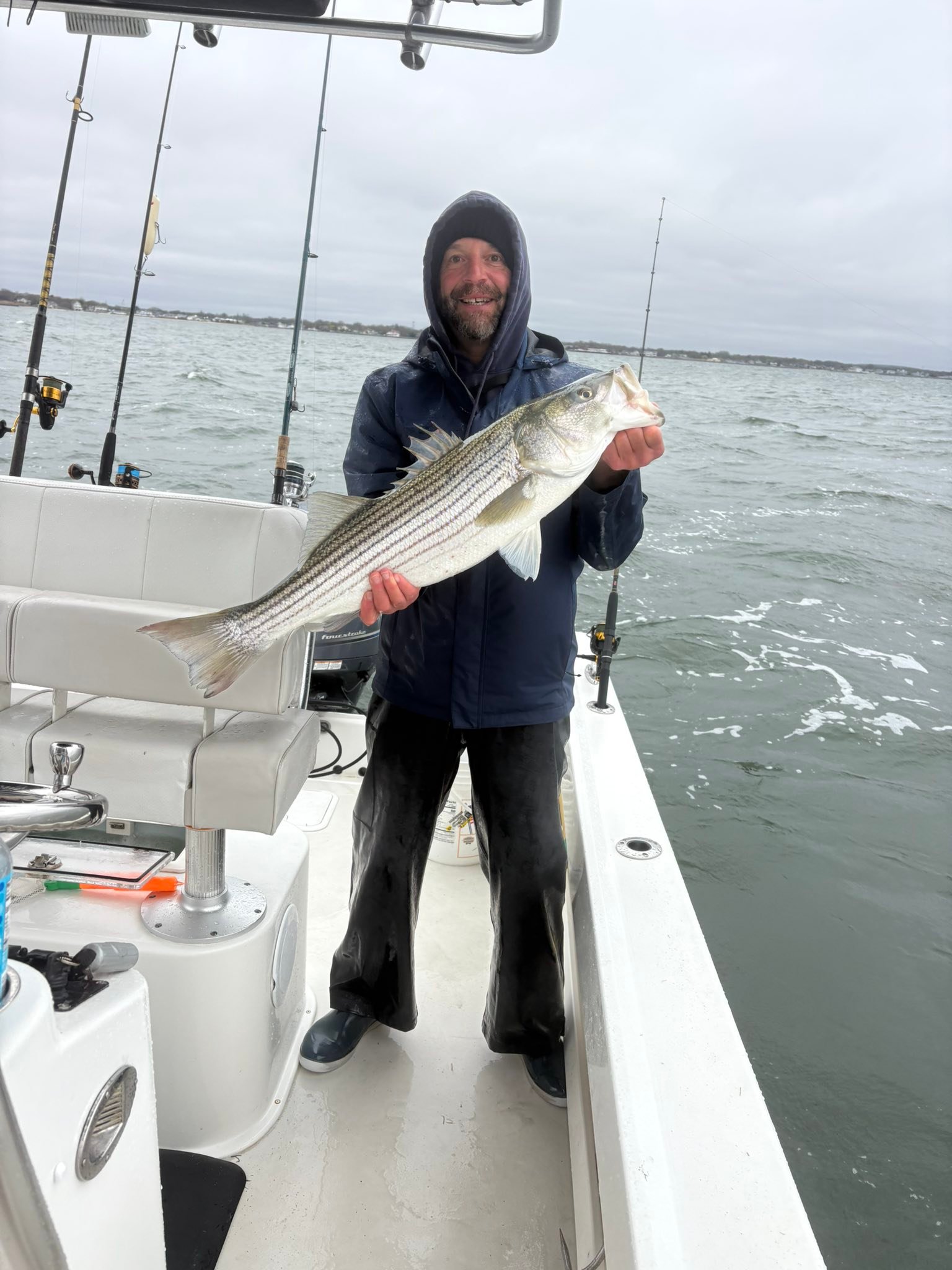
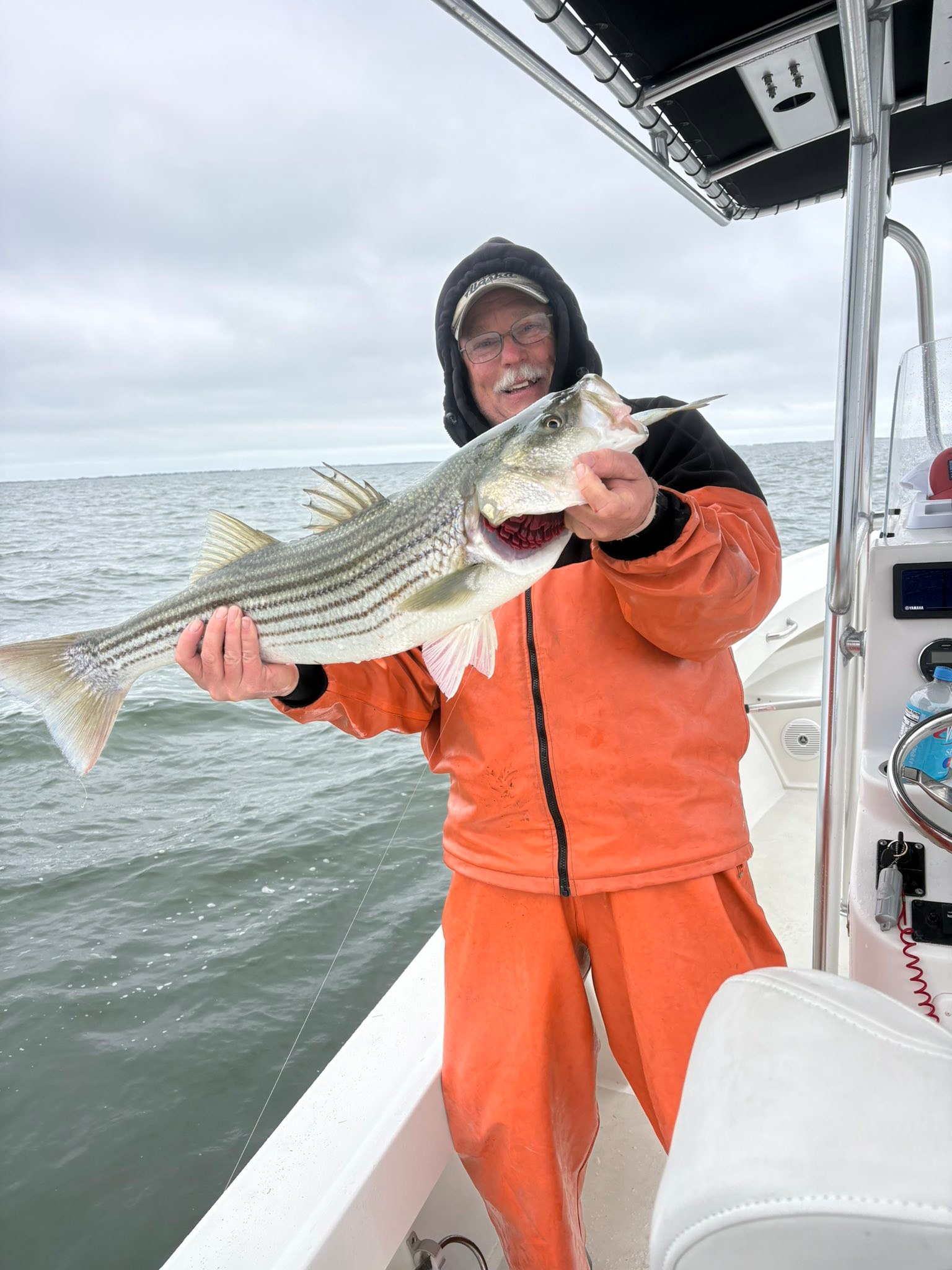
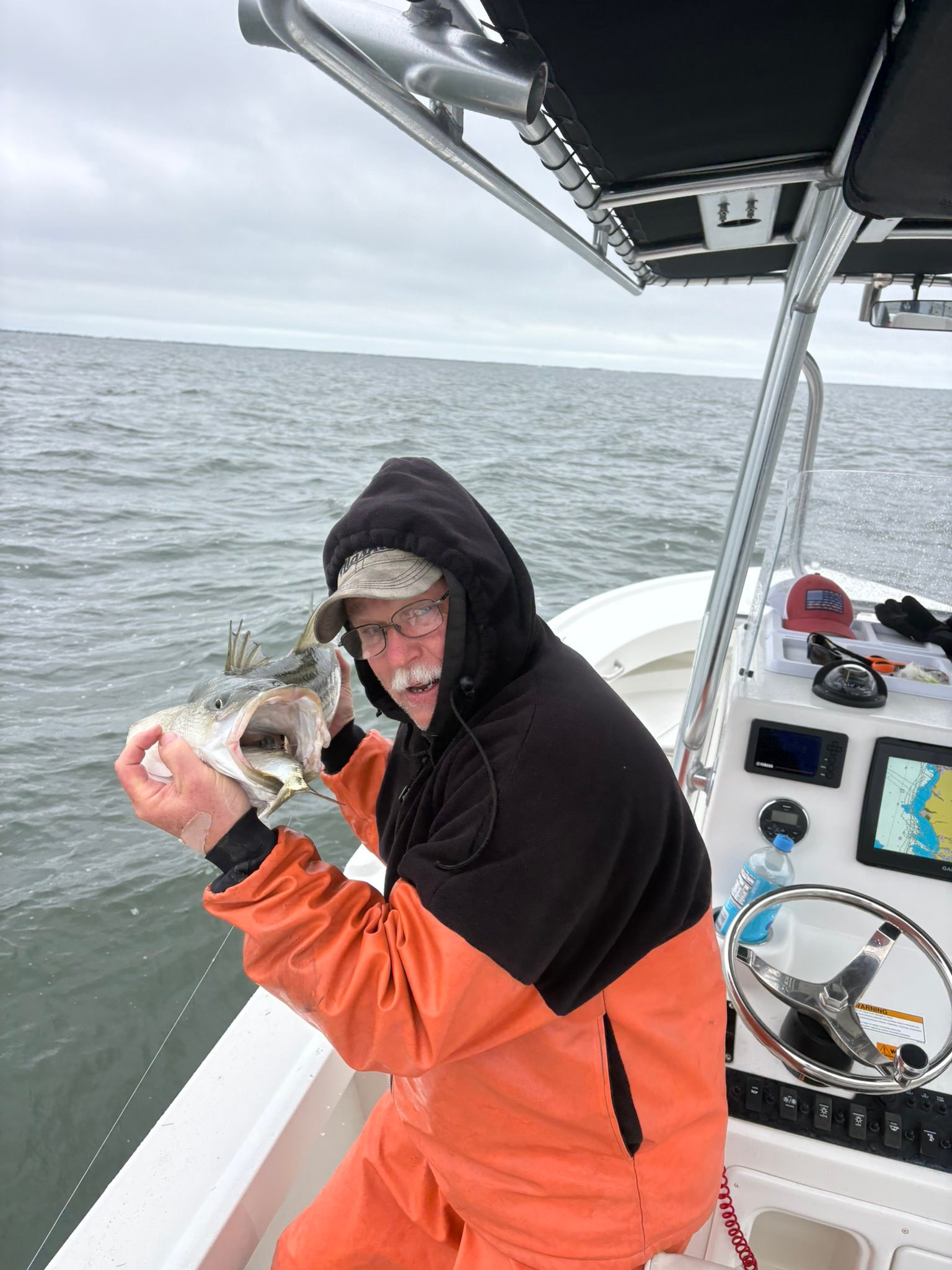
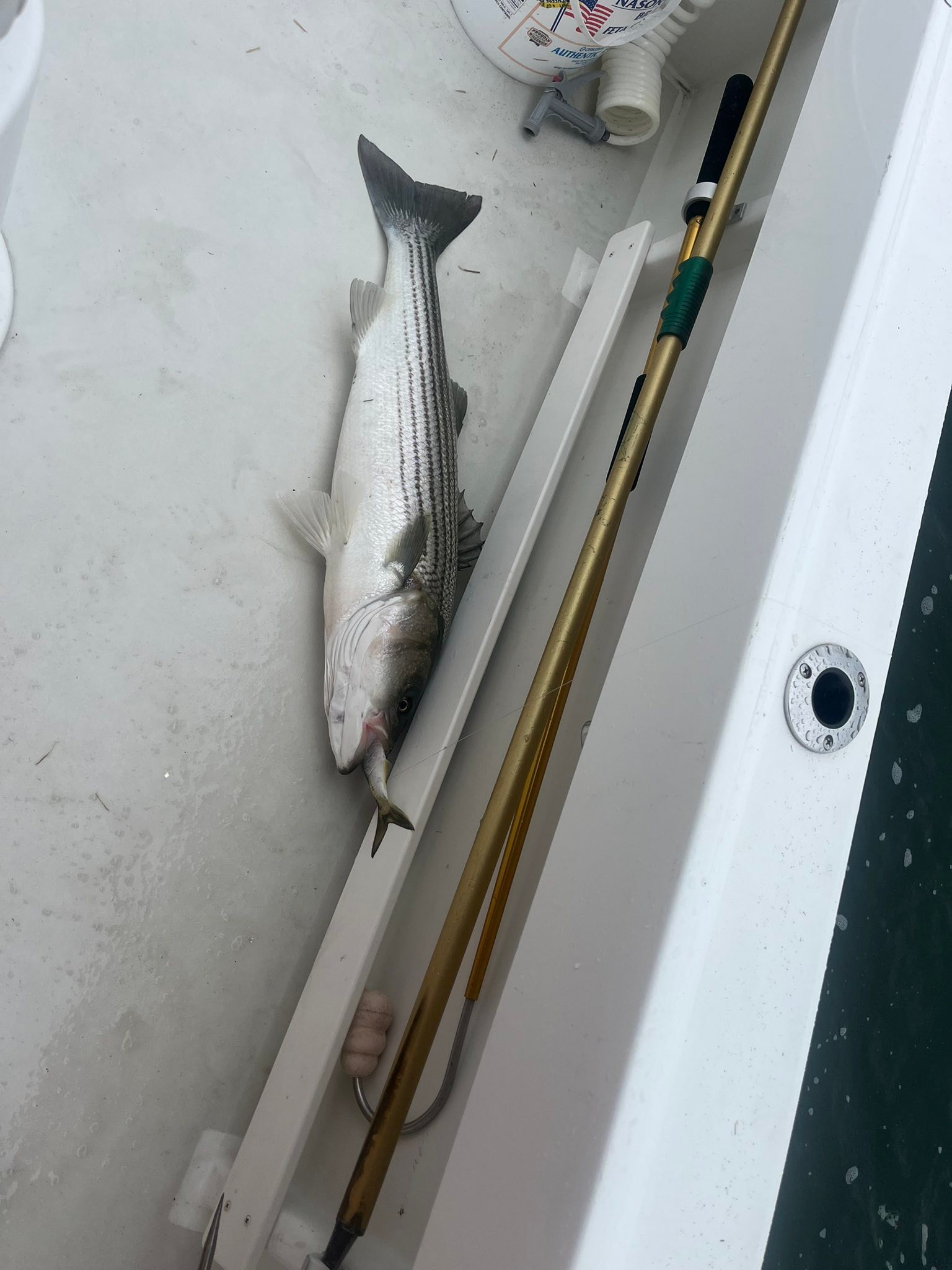
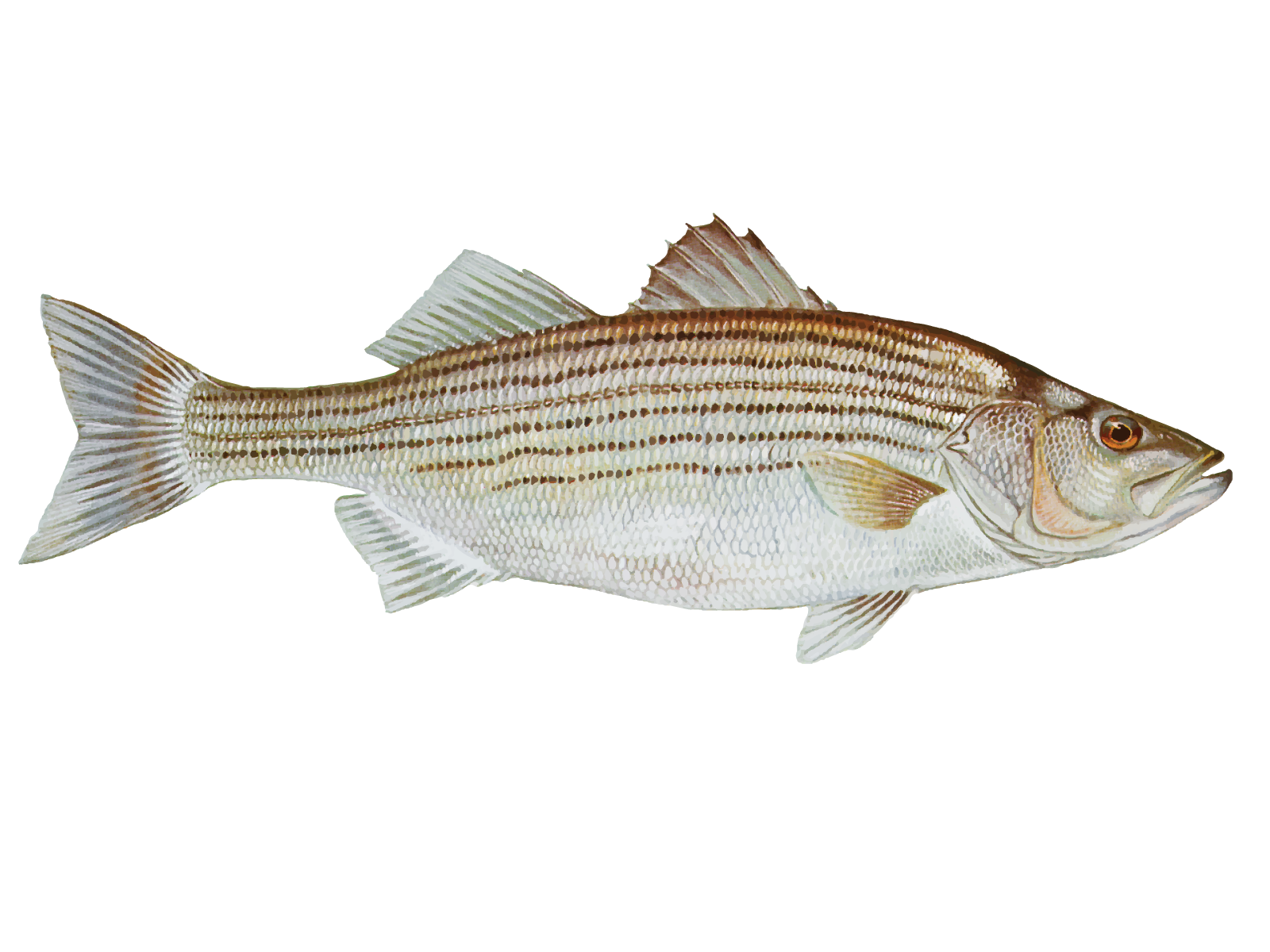
Striped Bass are the main event here, and for good reason. These fish are absolute fighters that'll test your drag and your patience. Spring and fall bring the best bass fishing, when they're feeding heavily during their migrations. You'll find everything from schoolies around 18 inches up to keeper bass that'll go 10 pounds or more. What makes bass so special is their fight – they'll make powerful runs and try to wrap your line around the wreck structure. Plus, they're fantastic eating when prepared right.
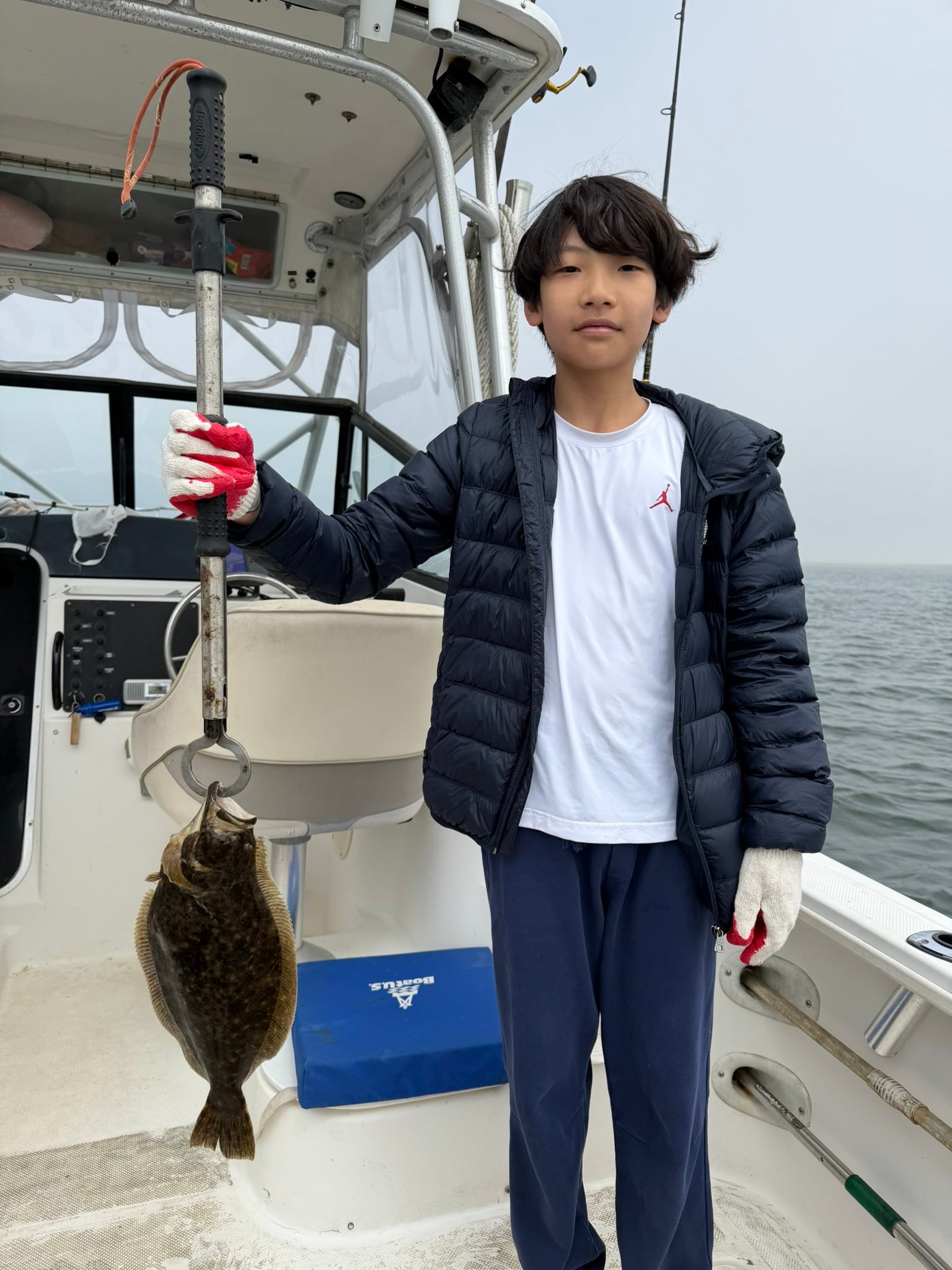
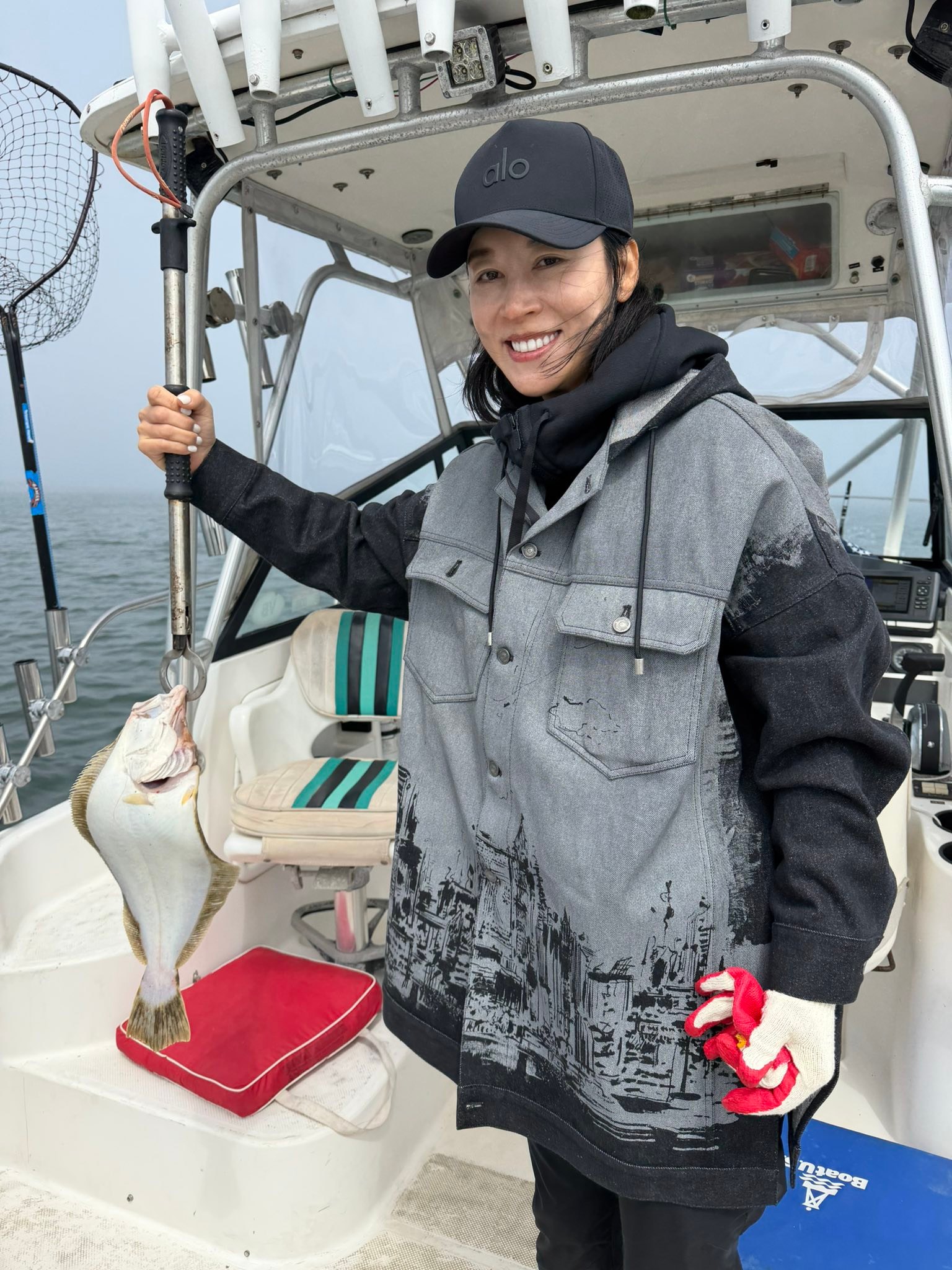
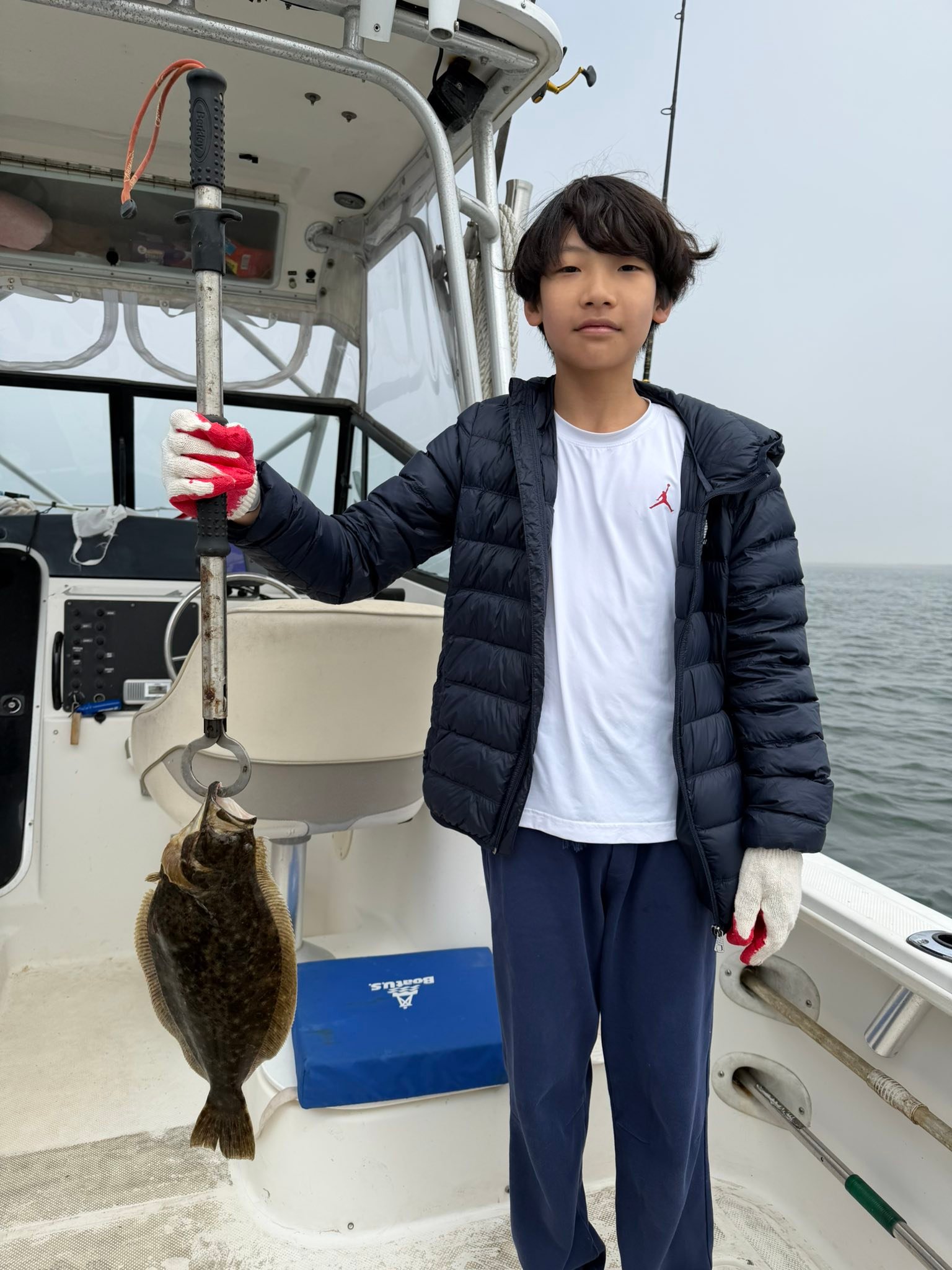
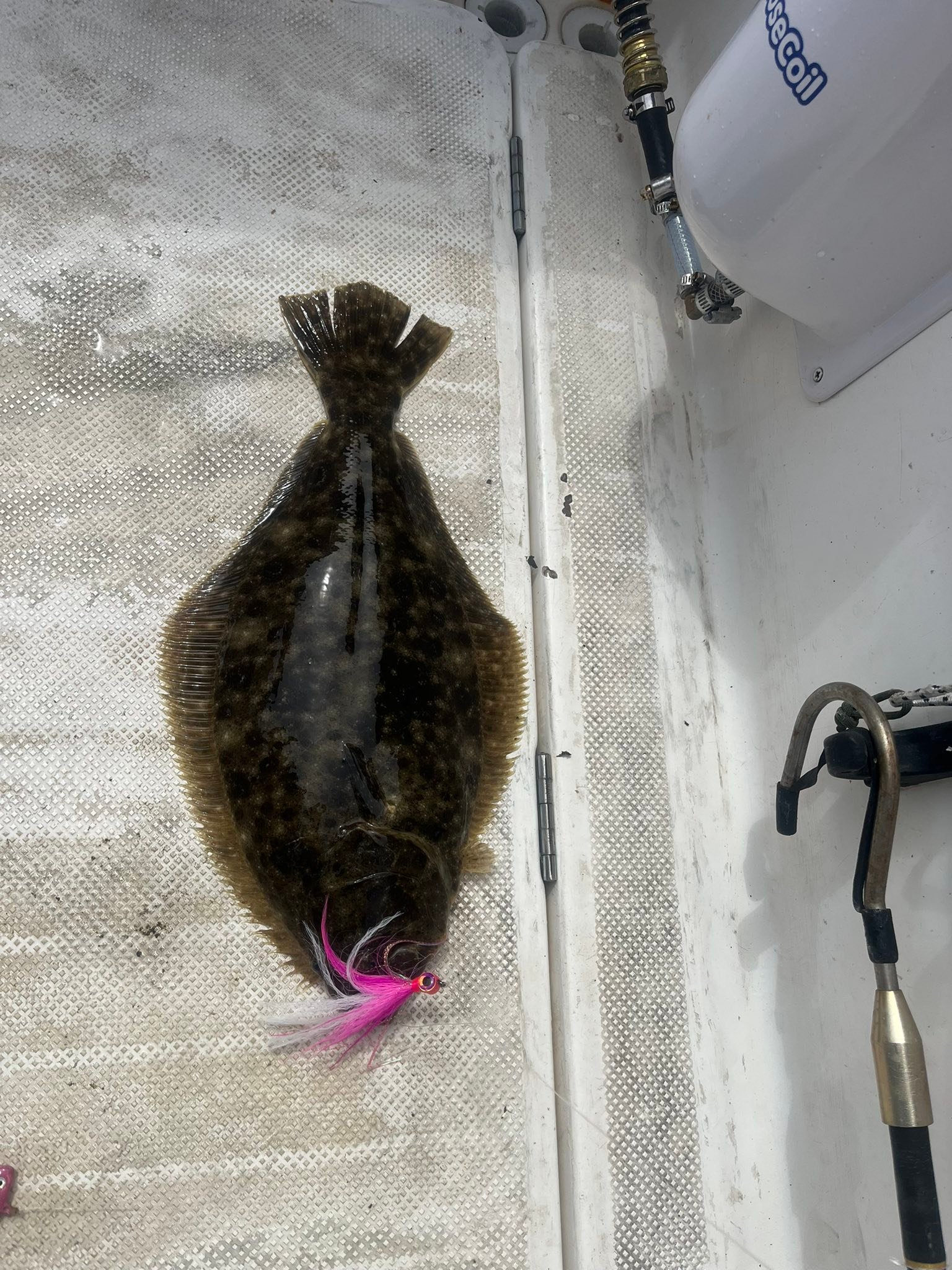
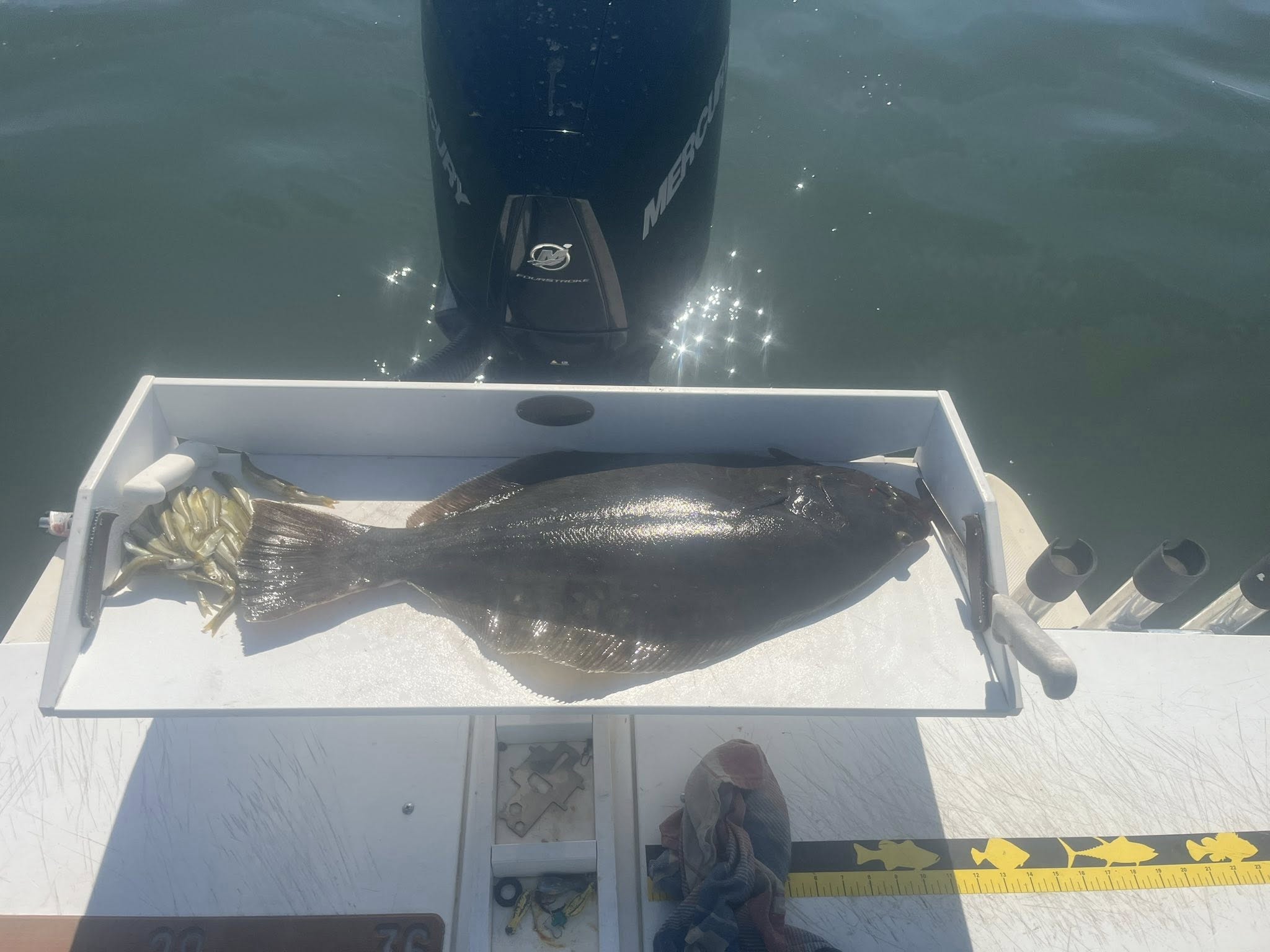
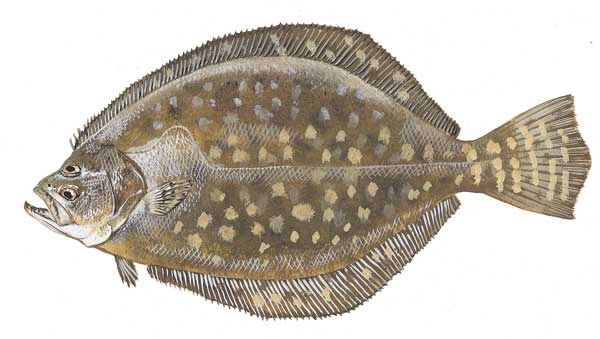
Summer Flounder, or fluke as we call them locally, are hands-down some of the most challenging and rewarding fish in these waters. They're masters of camouflage, lying flat on the bottom waiting to ambush prey. The bigger ones – those doormat fluke over five pounds – are like winning the lottery. They hit with a subtle tap that you might mistake for a crab, then suddenly your rod doubles over. Fluke season peaks in summer, and the wrecks hold some real trophies.
Black Sea Bass might not be the biggest fish out there, but they make up for size with attitude. These guys are scrappy fighters that love wreck structure, and they're absolutely delicious. They're most active from late spring through early fall, and once you find a school, the action can be non-stop. Their firm white meat makes them a favorite for the dinner table.
Bluefish are the bulldogs of the ocean – pure aggression with fins. When a school of blues moves through, it's like a feeding frenzy. They'll hit anything that moves and fight like they're twice their size. Summer brings the best bluefish action, and while they're oily compared to other species, they're excellent when fresh and prepared properly.
Southern Flounder are less common but highly prized when they show up. They're typically smaller than their summer flounder cousins but just as tasty. These fish prefer slightly warmer water and are more likely to be caught during the warmer months around structure.
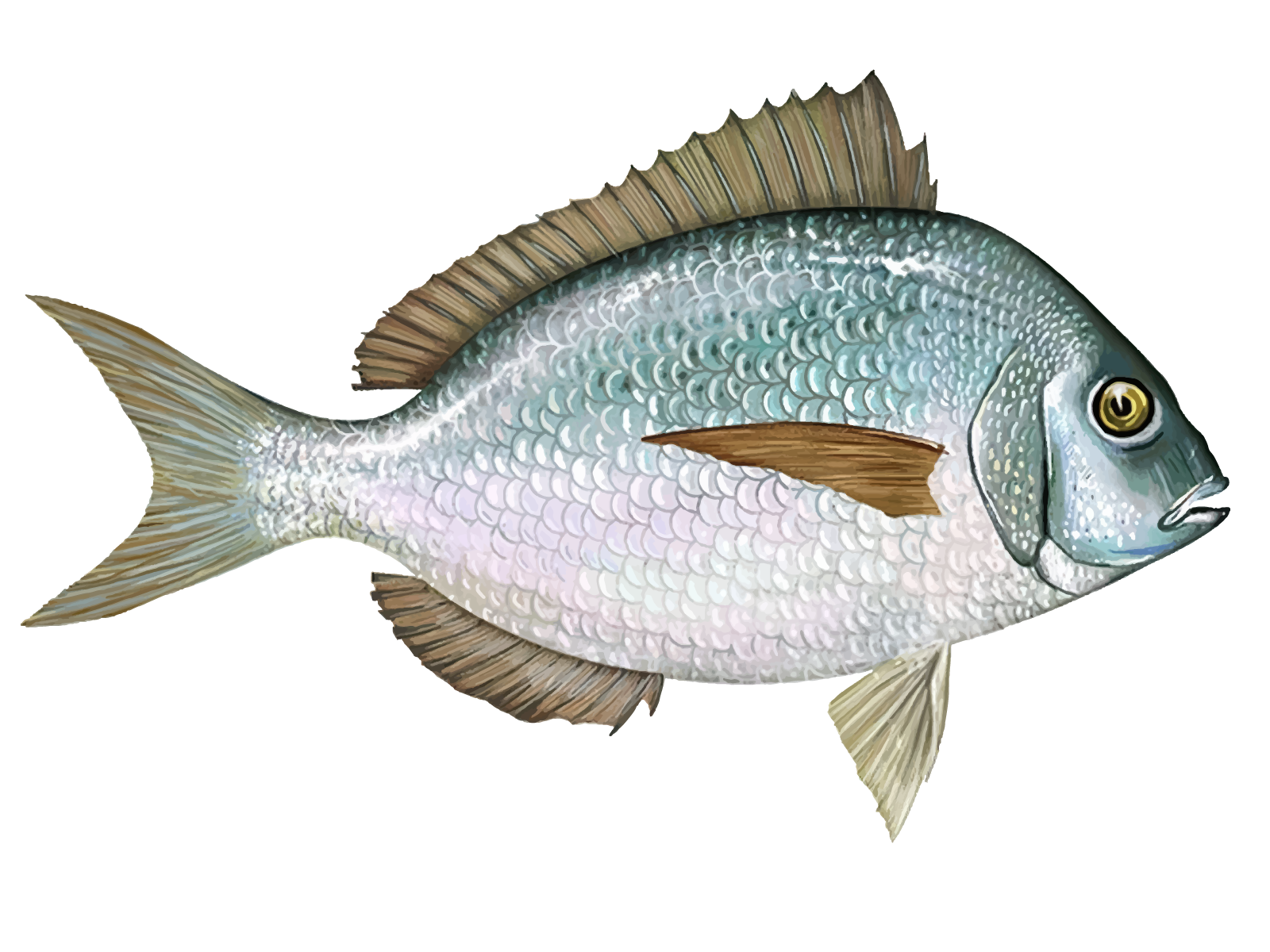
Scup, also known as porgy, are the bread and butter of wreck fishing. They might not win any beauty contests, but they're abundant, willing biters that provide steady action when the bigger fish are being finicky. Kids especially love catching scup because they bite aggressively and are easy to catch. They're also excellent pan fish with sweet, flaky meat.
Time to Book Your Spot
This full-day charter with Captain Paul gives you the real deal – eight solid hours on proven fishing grounds with a captain who knows how to put you on fish. The four-person capacity means you're not fighting for rail space or dealing with a crowded boat. Everything's included except your lunch and drinks, so just show up ready to fish. The early 6 AM start might seem rough, but trust me, you'll be glad you're on the water while the fish are still feeding. These Mastic Beach wrecks have been producing quality catches for decades, and there's no substitute for spending a full day learning the nuances of how these fish behave around structure. Book your spot now and get ready for some serious bottom fishing action off Long Island.
 Private Trip
 Wrecks/Reefs Fishing
 Mastic Beach, NY


 Eight-hour ocean charter targeting Striped Bass from Mastic Beach