Charter Fishing Massachusetts | 4 Hour Trip
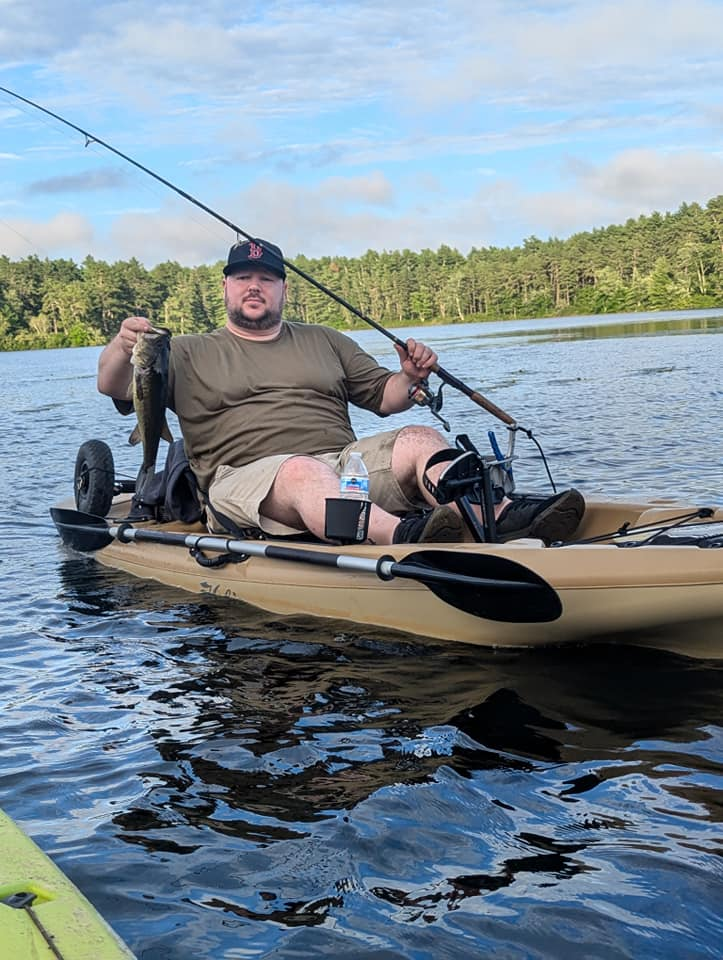
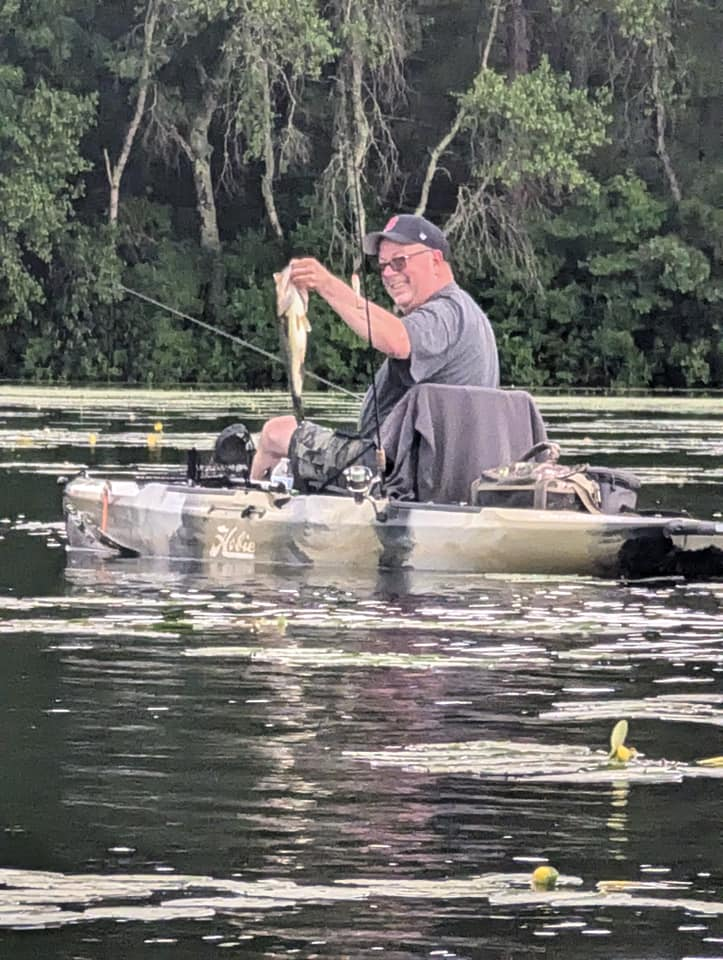
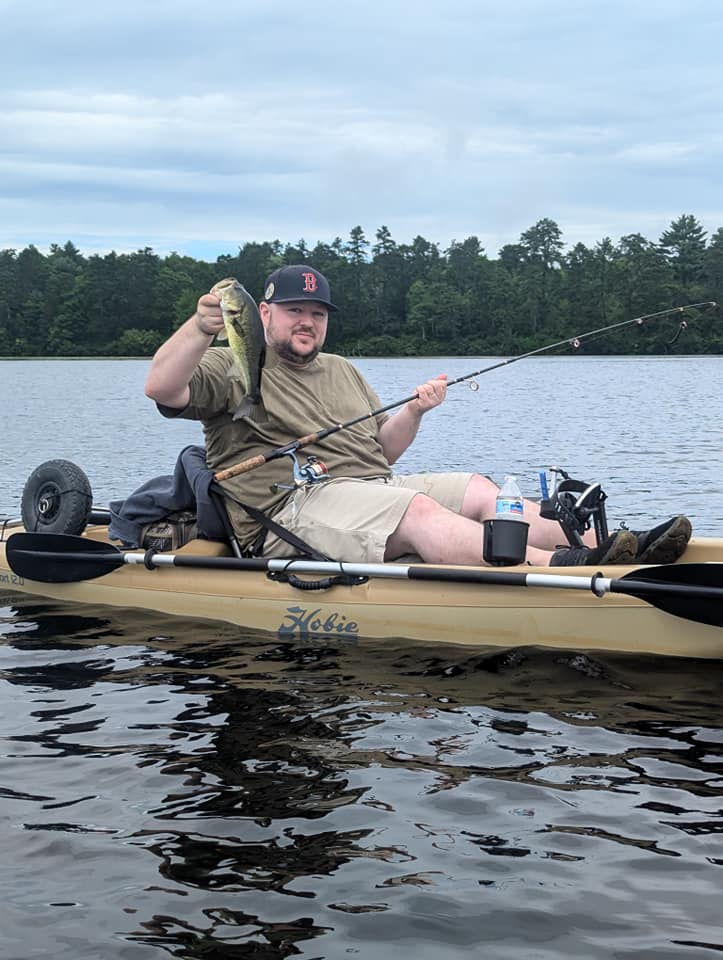
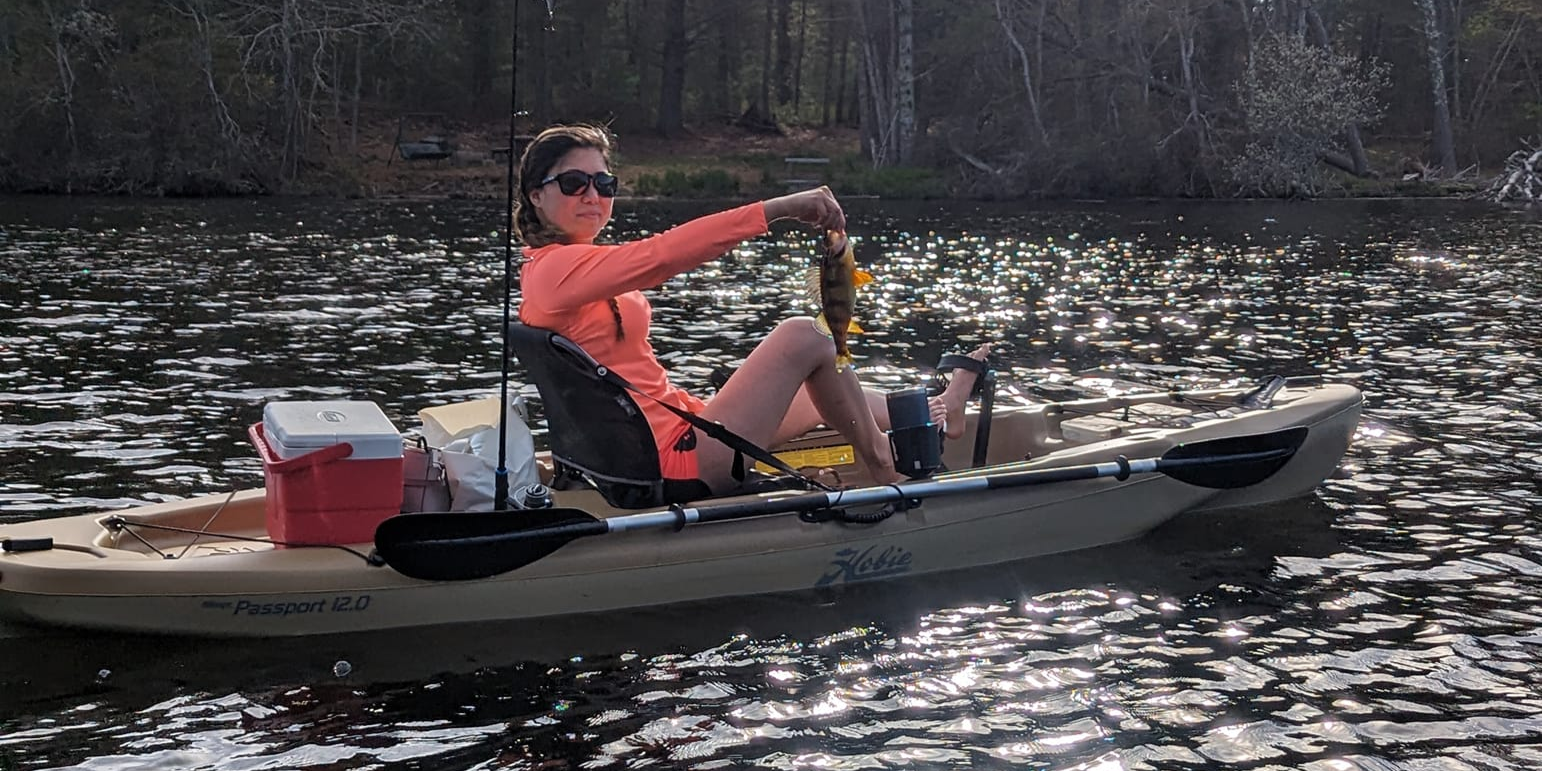
There's something special about getting on the water at first light, knowing you've got four solid hours to work some of the best fishing spots Plymouth County has to offer. This isn't your typical weekend fishing trip – it's a guided kayak charter that puts you right where the fish are biting. I've been guiding these waters for years, and I can tell you that the combination of kayak mobility and local knowledge makes for some seriously productive fishing. You'll launch from prime spots that bigger boats can't reach, giving you access to those hidden honey holes where the bass are holding tight to structure.
What to Expect on the Water
When you show up for your charter, we'll get you rigged and ready to fish within the first fifteen minutes. The kayaks we use are specifically designed for angling – stable platforms with rod holders, tackle storage, and comfortable seating that won't leave you sore after four hours of casting. We'll start by reading the water conditions and weather to determine which spots are firing that day. Plymouth County's lakes and ponds change with the seasons, and part of my job is knowing where the fish are moving based on water temperature, time of year, and recent weather patterns. You'll learn to read structure on the fish finder, identify productive cover, and understand how different species position themselves throughout the day. The beauty of kayak fishing is the stealth factor – we can drift silently over beds and staging areas without spooking fish the way a motor would.
Techniques & Tackle Setup
We fish these waters with a mix of techniques depending on what's working and what species we're targeting. Most days start with topwater action – there's nothing like watching a bass explode on a buzzbait or popper in the early morning calm. As the sun gets higher, we'll switch to subsurface presentations like spinnerbaits, chatterbaits, and soft plastics worked around downed timber and weed edges. I'll have you rigged with medium to medium-heavy spinning gear that's perfect for the 2-6 pound fish we typically encounter, though don't be surprised if something bigger decides to play. The tackle box includes everything from finesse worms and drop shot rigs for pressured fish to bigger swimbaits when the bite is aggressive. Part of what makes this charter special is learning to adapt your presentation to the conditions – sometimes that means slowing down with a weightless Senko, other times it's burning a spinnerbait through the tops of submerged grass beds.
Species You'll Want to Hook
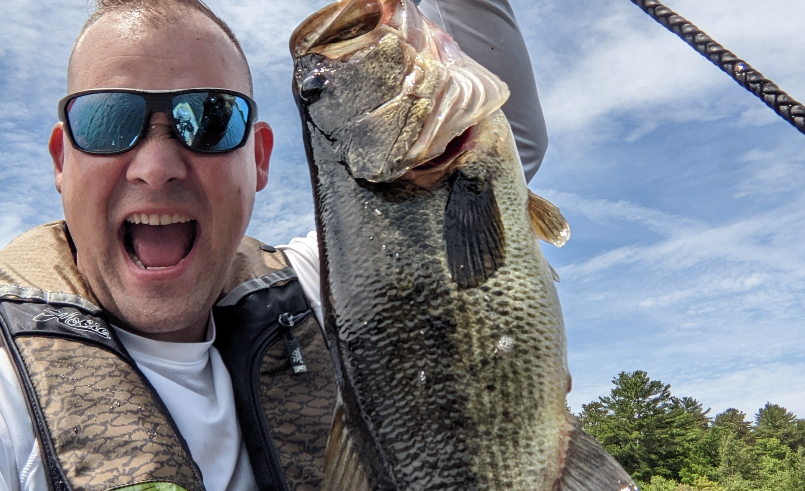
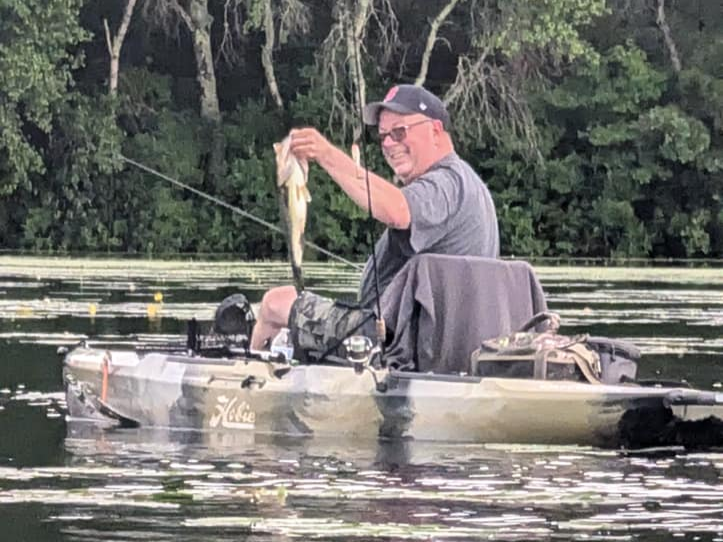
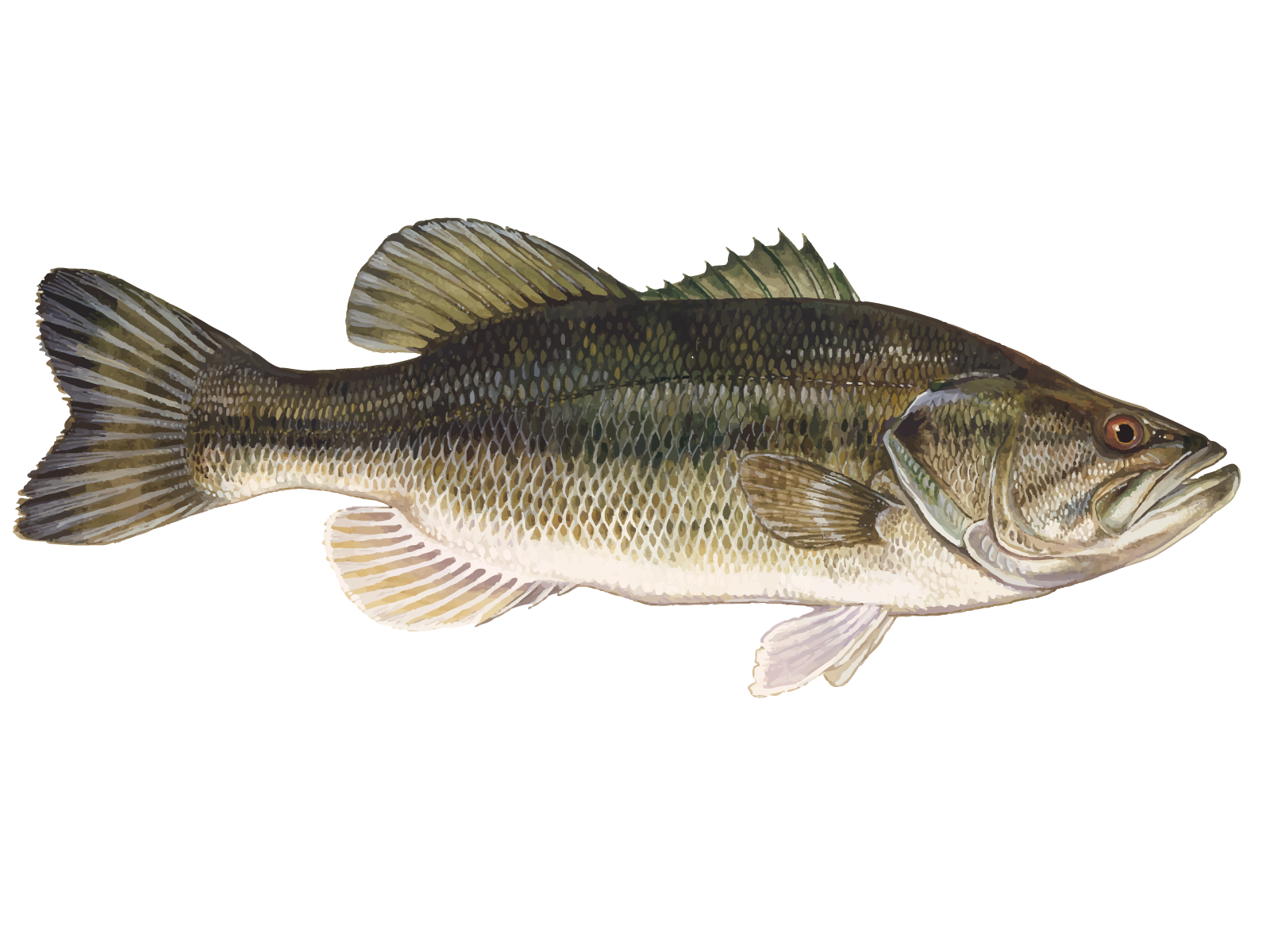
Largemouth Bass are the bread and butter of these waters, and for good reason. These chunky green fish love the shallow coves and protected bays where we'll spend most of our time. Spring through fall, they're relating to cover – fallen trees, dock pilings, weed lines, and rocky points. A typical Plymouth County largemouth runs 2-4 pounds, but 5+ pounders are definitely in the mix, especially during the pre-spawn and fall feeding periods. What makes largemouth so fun is their aggressive nature – they'll crush topwater baits, slam spinnerbaits, and put on a real show when hooked. The fight isn't just about the pull; these fish jump, shake their heads, and use every piece of cover to try and throw your hook.
Smallmouth Bass are the scrappy fighters that'll surprise you with their power. In Plymouth County, smallies tend to hang around rockier areas and deeper structure, especially during summer months. They're typically smaller than their largemouth cousins – most run 1-3 pounds – but pound for pound, they're some of the hardest fighting freshwater fish you'll encounter. Smallmouth love crawfish imitations, small crankbaits, and finesse presentations. When you hook one, get ready for multiple jumps and long runs that'll test your drag. They're most active in cooler water, so early morning and late in the season tend to produce the best smallmouth action.
Crappie fishing here is all about timing and finding the schools. These fish move seasonally, and when you find them, you can often catch a bunch in the same area. Spring is prime time when they move shallow to spawn, but they're catchable year-round if you know where to look. Crappie in these waters average 10-12 inches, with some slabs pushing 14+ inches. They're structure-oriented fish that love brush piles, fallen timber, and dock pilings. The bite is subtle compared to bass – often just a slight tick or the line moving sideways. We'll fish for them with small jigs, live minnows, and tiny soft plastics on light tackle that makes even a 1-pound crappie feel like a fighter.
Sea Trout add a unique saltwater element when we fish the areas where fresh and salt water mix. These spotted beauties are seasonal visitors, typically showing up when water temperatures are right and baitfish are present. They're aggressive feeders that'll hit topwater plugs, soft plastics, and live bait with authority. A good sea trout runs 2-4 pounds and fights with multiple runs and head shakes. They're often feeding in schools, so when you find one, there are usually more around. The key is matching your presentation to whatever baitfish they're chasing – sometimes that's small silver spoons, other times it's paddle tail swimbaits that mimic the local forage.
Time to Book Your Spot
Four hours on the water with a guide who knows these fisheries inside and out is time well spent, whether you're looking to improve your technique or just want to catch some fish without the guesswork. We provide all the gear, tackle, and local knowledge – you just need to bring your fishing license and be ready to learn. The single-angler format means personalized instruction and the flexibility to adjust our approach based on your skill level and what's biting. These Plymouth County waters produce year-round, but each season offers something different. Book your charter and let's get you on some fish –
 Private Trip
 Lakes/Reservoirs/Ponds Fishing
 Hyannis


 4-hour guided kayak fishing in Plymouth County waters