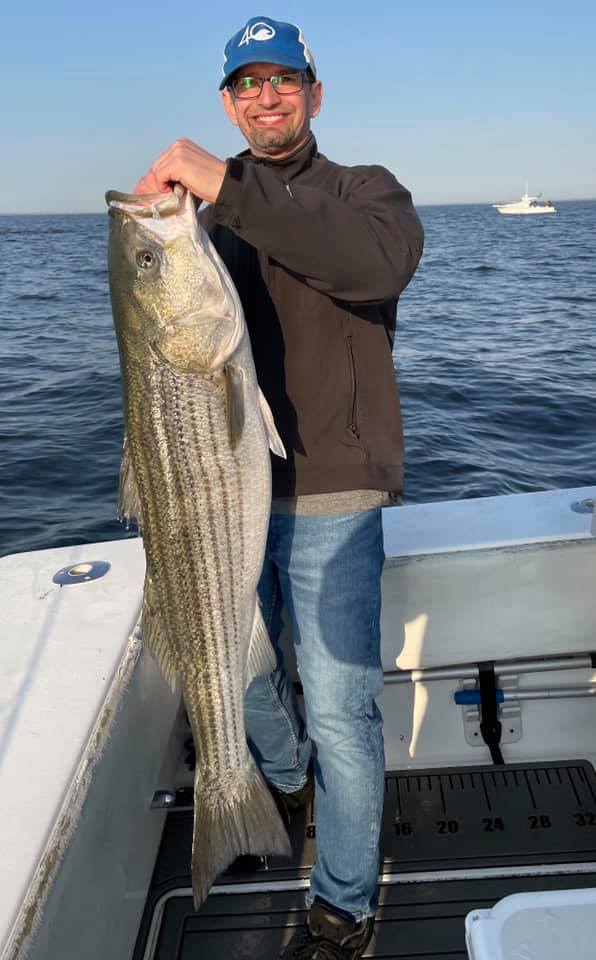
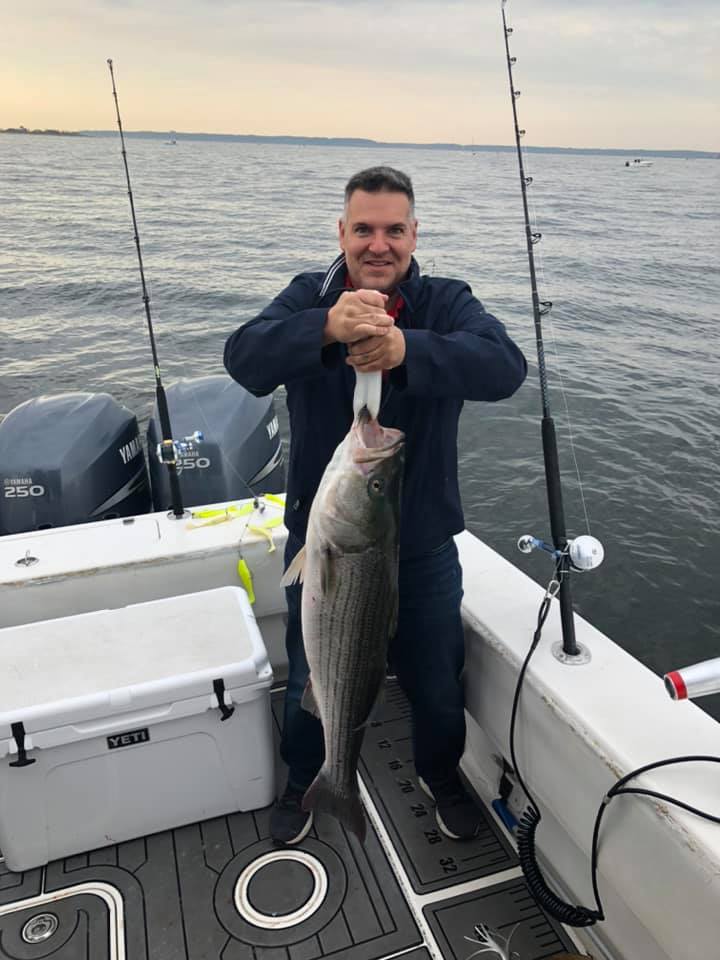
NJ Inshore Fishing with Captain Frank
Ready to get on some serious fish? Captain Frank knows these New Jersey waters like the back of his hand, and he's ready to put you on the bite. Whether you've got 4 or 6 hours to burn, we're heading out to the productive bays, inlets, and nearshore structure where the fish are feeding. This isn't some cookie-cutter charter operation – Captain Frank runs a tight ship with room for up to 6 anglers, keeping groups small so everyone gets their shots at the good stuff. You'll be targeting prime eating fish that'll make your cooler heavy and your dinner table happy.
What to Expect on the Water
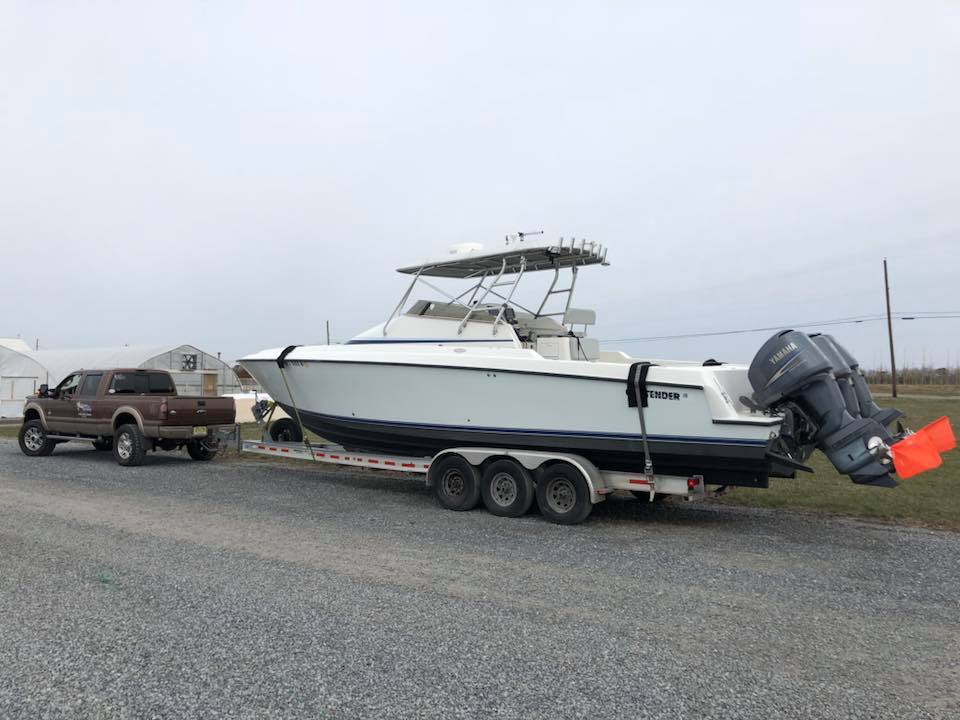
Captain Frank runs his operation out of some of New Jersey's most productive inshore waters, and trust me, he's dialed into where the fish are holding. Depending on conditions and what's biting, you might find yourself drifting over structure in the back bays, working the edges of inlet mouths where current brings the baitfish, or hitting those shallow wrecks that hold big schools of keeper-sized fish. The boat's equipped with everything you need – quality rods and reels, fresh bait, and all the terminal tackle. Captain Frank's been working these waters for years, so he reads the tides, wind, and seasonal patterns better than most. You'll spend your time actually fishing, not running around looking for fish. The vibe is relaxed but focused – we're here to have a good time, but we're also here to bend some rods and fill the cooler.
Tactics That Put Fish in the Boat
The beauty of inshore fishing around New Jersey is the variety of techniques that work. Captain Frank switches up tactics based on what's biting and where we're fishing. You might be dropping bucktails and Gulp baits for fluke on sandy bottom, bouncing sinkers with clam baits around structure for blackfish, or working the water column with cut bait for bluefish when they're schooled up. The boat carries a mix of conventional and spinning gear, from lighter setups for smaller species to stouter rods when the bigger fish are cooperating. If you're new to saltwater fishing, Captain Frank will get you squared away with the basics – how to feel the bite, work the bait, and fight the fish properly. Experienced anglers will appreciate his willingness to let you run your own program while still putting you on productive water. Bottom fishing is the bread and butter here, but don't be surprised if we're casting artificials when the fish are feeding aggressively.
Species You'll Want to Hook
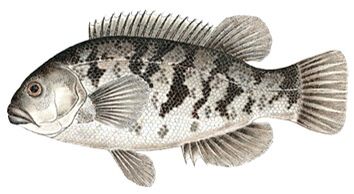
Tautog, or blackfish as the locals call them, are some of the craftiest fish swimming in New Jersey waters. These guys live around hard structure – rocks, wrecks, pilings – and they've got a serious attitude about protecting their territory. They hit green crabs and clams hard, but they're also notorious bait stealers who can clean your hook without you feeling a thing. The best tautog fishing happens in fall and early winter when they're feeding heavy before going dormant. A solid keeper tautog runs 3-4 pounds, but the real bulls can push 8-10 pounds and will test your drag system. What makes them special isn't just the fight – it's the eating. Tautog have some of the sweetest, firmest white meat you'll find in saltwater.
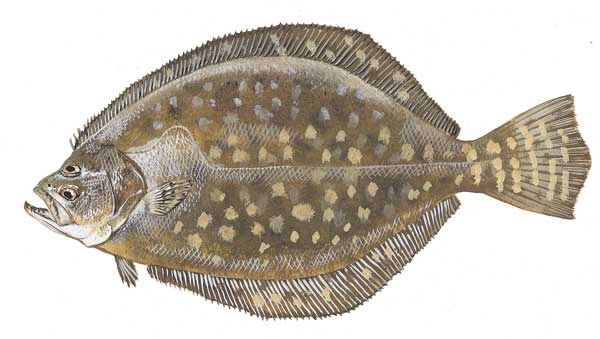
Southern flounder, what we call fluke around here, are the ultimate inshore gamefish. These flatfish are ambush predators that bury themselves in sand and mud, waiting for baitfish to swim within striking distance. When they hit, it's usually a solid thump that gets your attention fast. Fluke can be finicky – they'll follow your bait, mouth it, drop it, and come back for seconds before finally committing. The key is knowing when to set the hook and when to let them run with it. Keeper fluke start at 18 inches, but the real prizes are those 4-6 pound "doormat" fluke that show up over structure and channel edges. They're incredible on the table – mild, flaky white meat that's perfect for just about any preparation.
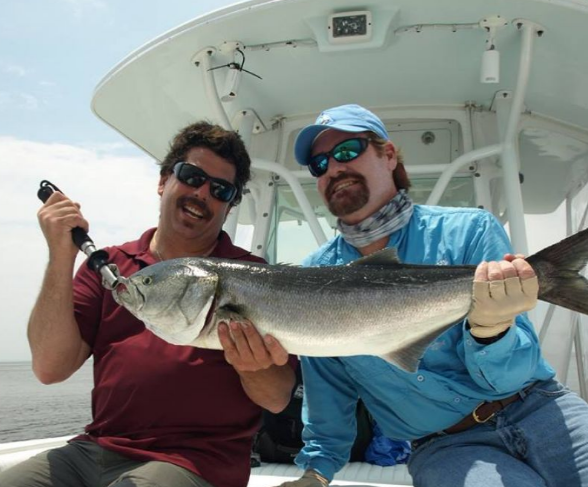
Bluefish are the wild cards of New Jersey inshore fishing. When they're around, you know it – they'll slash through baitfish schools like chainsaws, turning the water into a feeding frenzy. Blues hit hard and fight harder, with that distinctive head-shaking run that tests your knots. They show up in different sizes throughout the season, from "snapper" blues in summer that are perfect for kids, to the big "horse" blues in fall that can stretch the tape to 15+ pounds. The action can be non-stop when you find a feeding school, and they're not picky about baits – cut bunker, artificials, even bare hooks will get bit when they're in that feeding mode. Fresh bluefish is outstanding eating if you bleed them properly and get them on ice quickly.
Black sea bass are the reliable producers that keep your rod bent when other species are being finicky. These chunky bottom dwellers hang around structure and wrecks, often in good numbers. They're aggressive feeders that hit squid, clams, and small baits with authority. Sea bass have this habit of diving straight down when hooked, trying to get back into the rocks, so you've got to turn them quick and keep them coming up. Most keepers run 1-3 pounds, but the bigger breeding males can hit 5+ pounds and sport those distinctive humped heads. They're fantastic eating fish – firm, sweet meat that holds together well whether you're grilling, frying, or making fish tacos.
Time to Book Your Spot
Look, there are plenty of charter boats working the New Jersey coast, but Captain Frank's operation stands out because he focuses on putting you on fish, not just taking you for a boat ride. The 4-hour trip is perfect if you want to get a taste of the action without
 Private Trip
 Inshore Fishing
 New Jersey

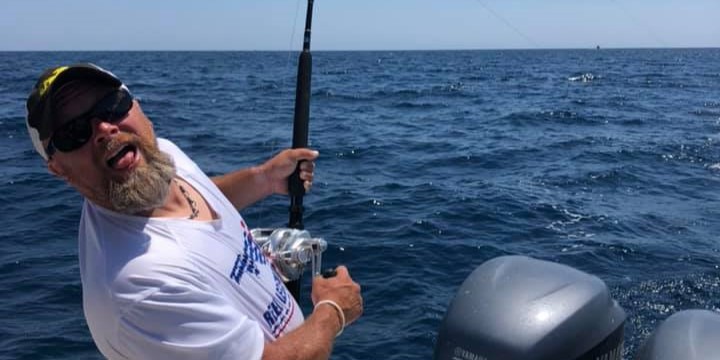
 Captain Frank guides 4-6 hour inshore fishing trips