Kings River Guided Fly Fishing - Half Day
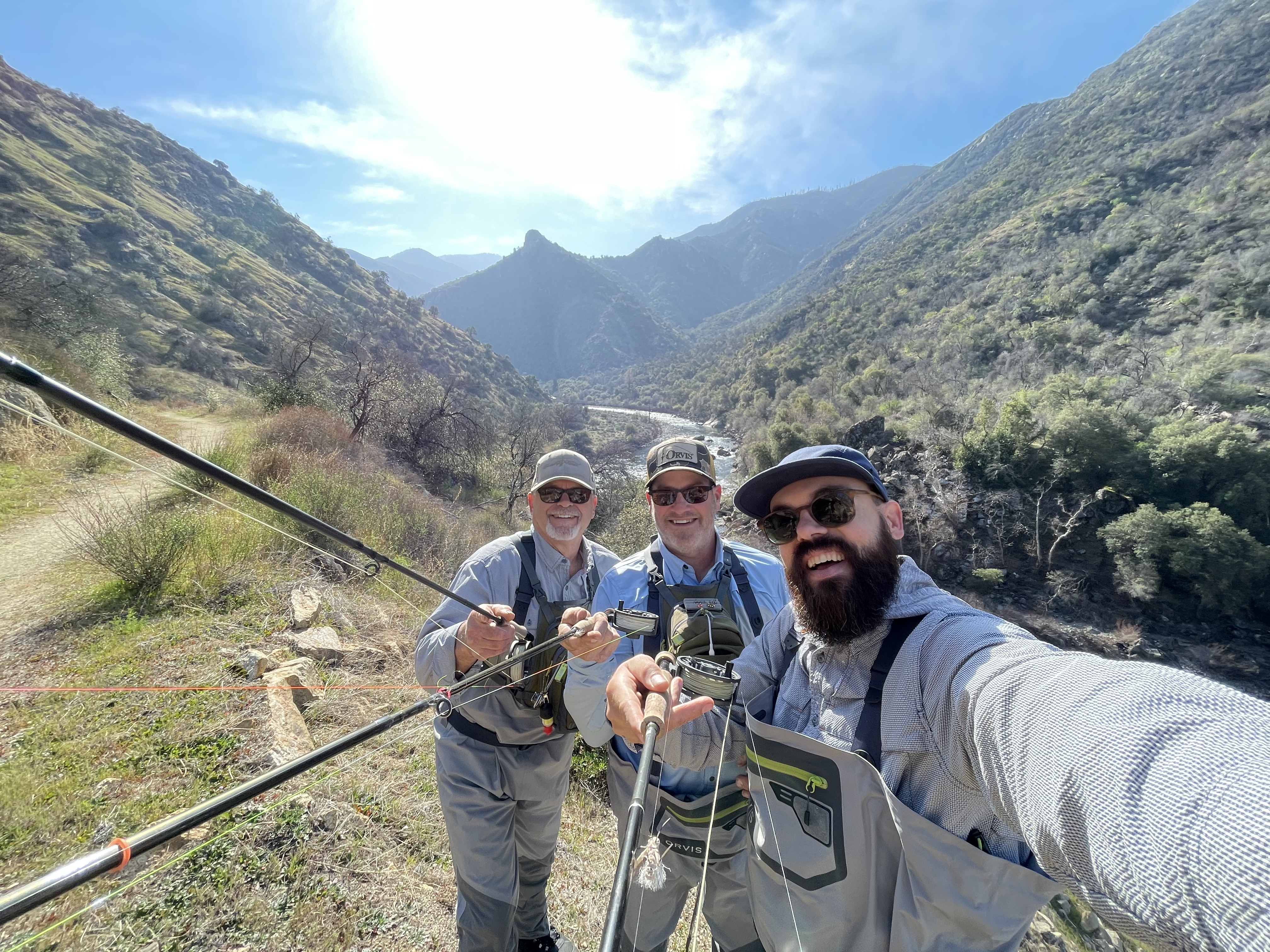
If you're looking to get into some serious trout fishing in the Sierra Nevada, Scott MacDonald's half-day guided trips on the Kings River system are about as good as it gets. We're talking pristine waters flowing through Sequoia National Forest, plus access to productive spots like 10 Mile Creek, Boulder Creek, and Hume Lake that most anglers never even know about. Scott's been working these waters for years and knows exactly where the fish hold up depending on conditions, season, and what bugs are hatching. Whether you're just starting out with a fly rod or you've been casting for decades, this trip gives you the local knowledge and hands-on instruction that makes all the difference between a slow day and a day you'll be talking about for years.
What to Expect on the Water
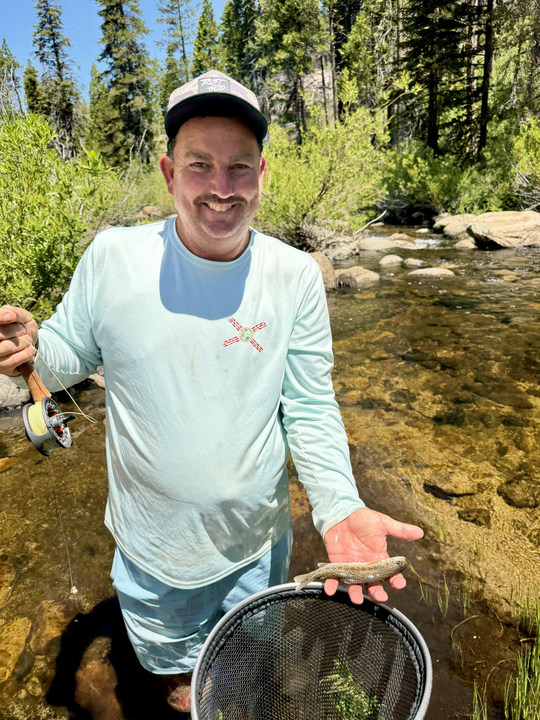
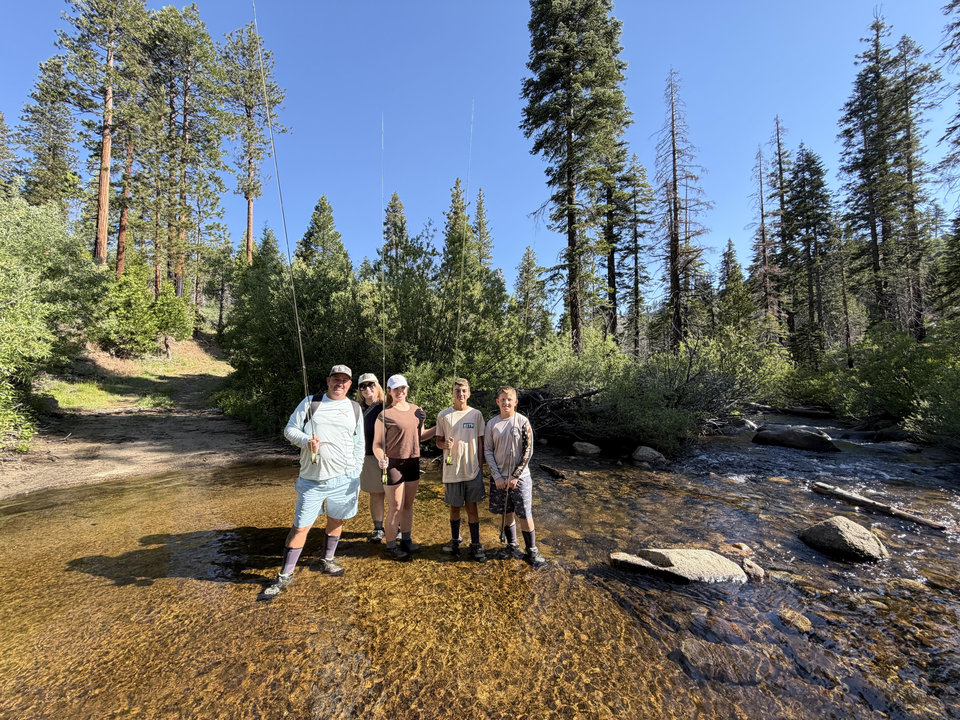
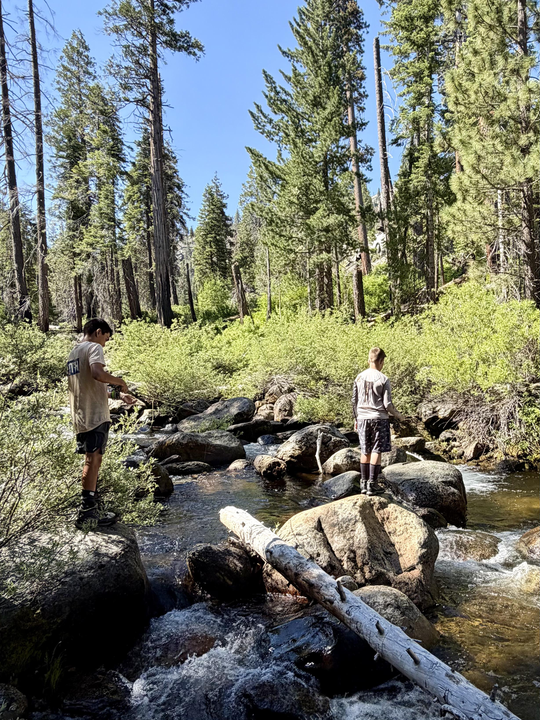
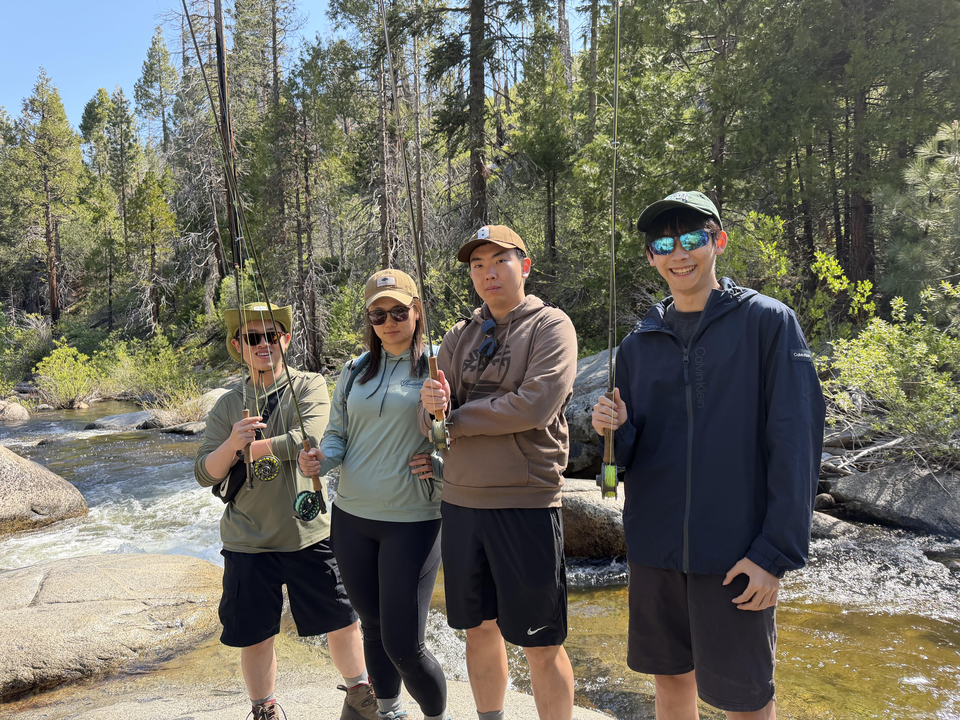
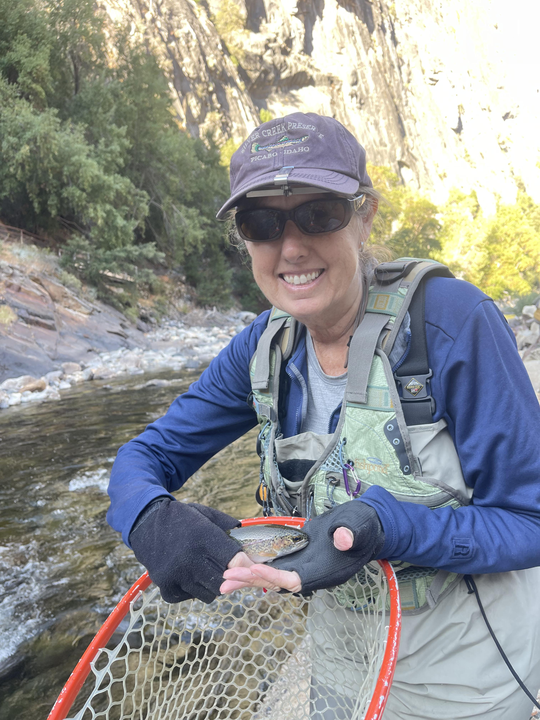
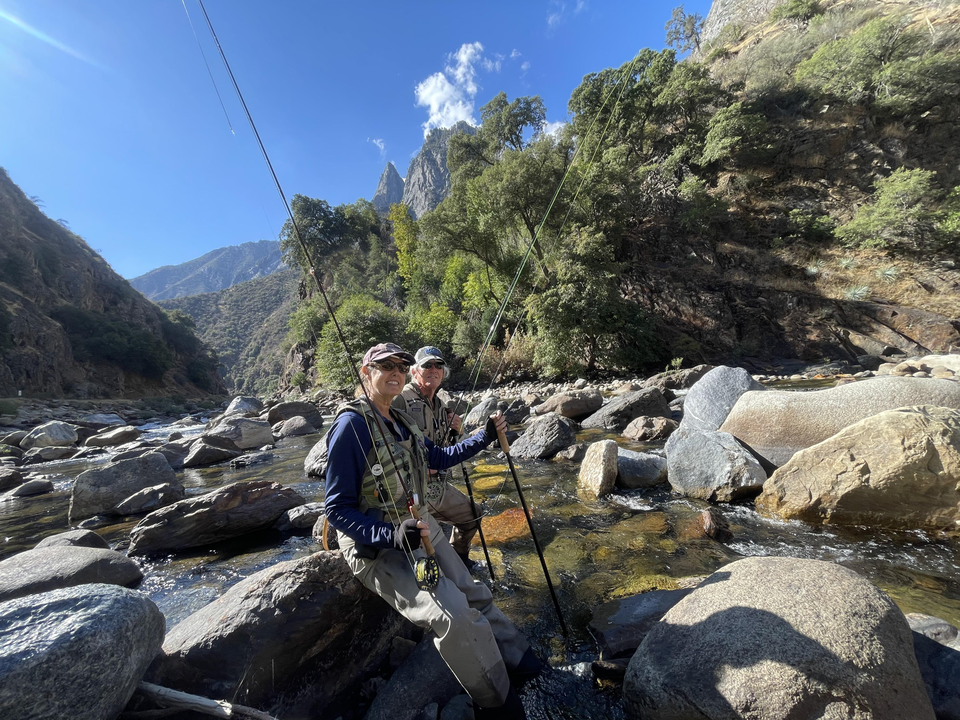
This is classic walk-and-wade fishing through some of the most beautiful country you'll find in California. Scott takes a maximum of two anglers per trip, so you're getting personalized attention the whole time – no crowded boat scenarios or waiting your turn to fish the good spots. The half-day format works perfectly here because you're covering a lot of water, moving from pool to pool and riffle to run as Scott reads the conditions and figures out where the trout are feeding. The canyon setting means you're fishing in relatively remote areas with crystal-clear water and plenty of structure where Brook, Brown, and Rainbow Trout like to hang out. Scott provides all the gear you need, from rods and reels to flies and leaders, though you'll need to bring your own California fishing license and some snacks to keep your energy up. The 10% discount for trips booked by April 30, 2026 makes this an even better deal for planning ahead.
Techniques and Tackle
Scott specializes in three main approaches that work consistently on these waters: tight line nymphing, Euro nymphing, and dry fly fishing. Tight line and Euro nymphing techniques are deadly effective in the Kings River system because you can get flies down to where trout are feeding without dealing with drag from the current. Scott will teach you how to read the water, identify feeding lanes, and present nymphs naturally in pockets and runs where big trout like to sit. When conditions are right for surface action, the dry fly fishing can be absolutely phenomenal – there's nothing quite like watching a wild rainbow rise to take your fly in gin-clear mountain water. Scott matches his teaching approach to your skill level, so beginners get the fundamentals of casting and line management while experienced anglers pick up advanced techniques for reading specific water types and adjusting presentations based on what the fish are doing. All the technical gear is dialed in and ready to go, so you can focus on learning and fishing instead of rigging up.
What Anglers Are Saying
"Scott was great! He is very knowledgeable about the water and how to fish it. I've been fishing the Kings River for years and he showed us holes we have never fished. It was a fun day on the water." - Brandon. "Scott was an exceptional guide! I was not easy to work with. I have PTSD and not very good balance. He had amazing understanding and adjusted the trip to my needs. Scott knows the river and saw fish when I tried my hardest to see them as well but didn't. He knows the best set ups but changes to make sure you have the best experience. I highly recommend." - Kathleen. "Amazing day of fishing with Scott! He knew the river like the back of his hand and moved the 3 of us smoothly from one spot to another. He was prepared, had excellent equipment and flies, and was super easy to get along with. I've been fishing a long time and still came away with some new pointers and ideas from Scott -- really helpful." - Rob.
Target Species Breakdown
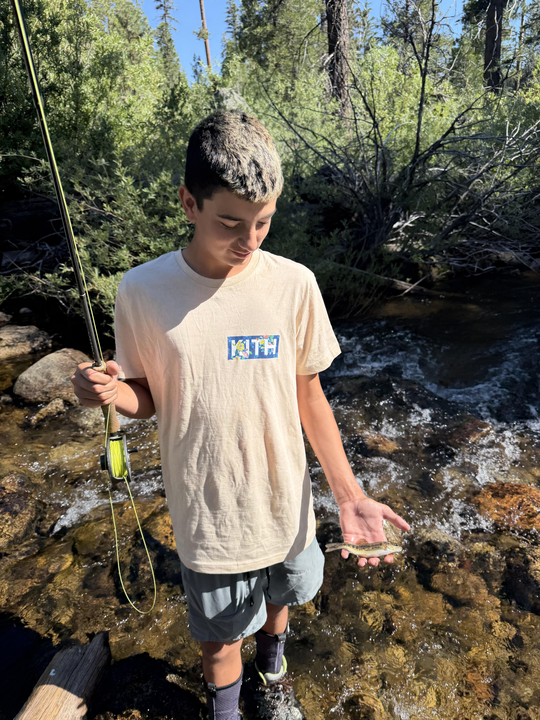
Rainbow Trout are the most common catch on these waters and they're absolutely gorgeous fish with bright pink stripes and that classic fighting spirit. These wild rainbows typically run 10-14 inches with some bigger fish mixed in, and they're most active during morning and evening periods when insects are hatching. They love holding in current seams and feeding lanes where they can pick off drifting food without burning too much energy. What makes rainbow fishing so exciting here is their willingness to take both nymphs and dry flies, plus they put up a great fight with some serious acrobatics when hooked.
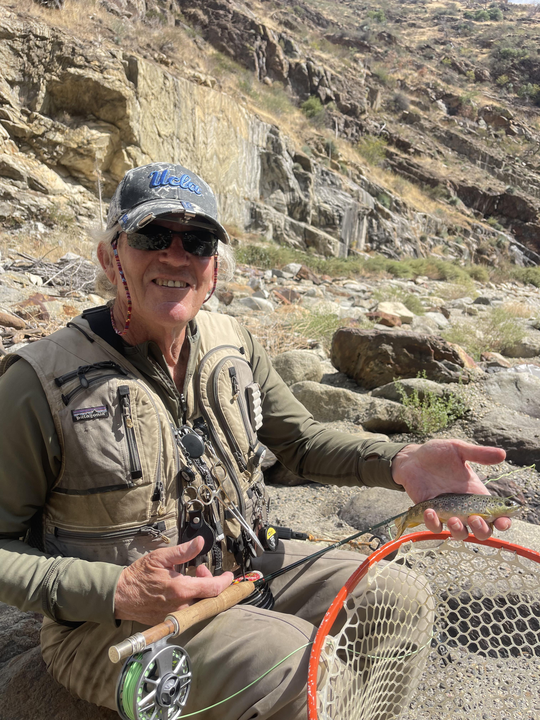
Brown Trout are the craftiest fish in the system and definitely the most challenging to catch consistently. These fish can get big – we're talking 16+ inch browns that have been around the block and seen every fly in the book. They prefer deeper pools and undercut banks, especially during daylight hours, and they're notorious for being selective about what they'll eat. Browns are most active during low-light periods and can be incredibly rewarding to catch because they require patience and precise presentations. When you hook into a good brown, you know it immediately – they make powerful runs and use every piece of structure in the pool to try to break you off.
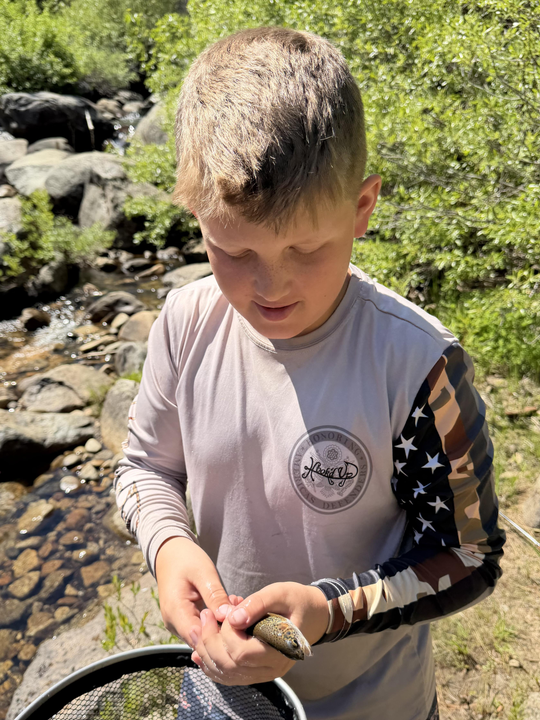
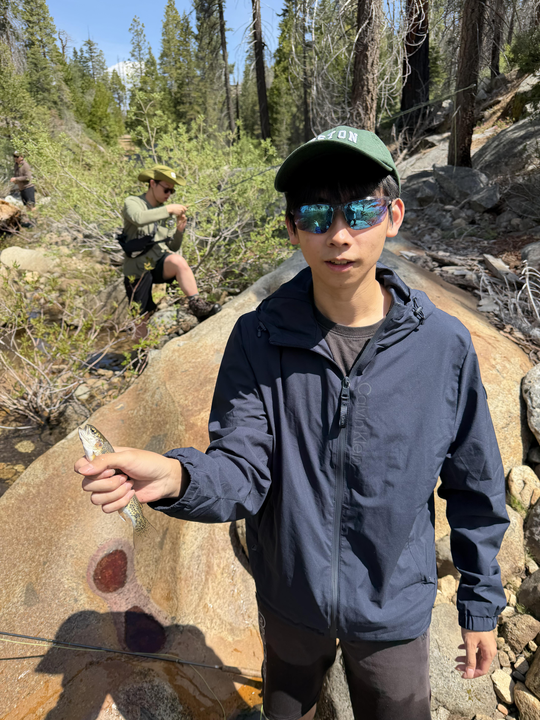
Brook Trout are the most beautiful fish you'll encounter on this trip, with their olive backs, red spots with blue halos, and bright orange fins. These are actually char, not true trout, and they prefer the coldest, most oxygenated water in the system. Brookies are typically smaller than the rainbows and browns, usually running 8-12 inches, but they make up for size with their eagerness to feed and their stunning colors. They're most active during cooler parts of the day and love small streams and spring-fed areas where the water stays consistently cold. Brook trout are often the most cooperative fish for beginners because they're aggressive feeders and less spooky than browns.
Time to Book Your Spot
Scott's half-day trips fill up fast, especially during prime season when conditions are perfect and the fishing is at its best. The combination of expert local knowledge, top-notch instruction, and access to remote water that produces consistent results makes
 4.9(22 Reviews)
 Private Trip
 River Fishing
 Top Rated
 Hume, California


 Half-day guided fly fishing on Kings River and Hume Lake