Half Day Fishing Trip on Lake Champlain
Lake Champlain is hands down one of the Northeast's best-kept secrets for serious fishing action. This top-rated 4-hour charter puts you right in the middle of some of the most productive waters you'll find anywhere in the region. I've been guiding these waters for years, and I can tell you that Lake Champlain delivers the kind of consistent action that keeps anglers coming back season after season. Whether you're looking to land your first salmon or add another trophy lake trout to your collection, this trip covers all the prime spots where the big fish hang out. The scenery doesn't hurt either – with the Adirondacks rising up on one side and Vermont's Green Mountains on the other, you're fishing in postcard country while targeting world-class gamefish.
What to Expect on the Water
This isn't your typical lazy afternoon of casting from shore. We're talking about a fast-paced, action-packed half-day that maximizes your time on the fish. Lake Champlain Trout Scout Charters knows exactly where to find the hottest bite, and Captain's local knowledge means we're not wasting time searching empty water. The trip accommodates up to 3 anglers, which is the perfect size for personalized attention whether you're a first-timer who needs some coaching or an experienced angler looking to dial in new techniques. You'll be targeting multiple species during the trip, so expect to switch up tactics as we move between different structures and depths. The beauty of Champlain fishing is the variety – one minute you might be battling a hard-fighting salmon in open water, the next you could be working the shallows for aggressive northern pike. Pack light on the food front since meals aren't included, but trust me, you'll be too busy reeling in fish to think much about eating.
Trolling Tactics & Gear Setup
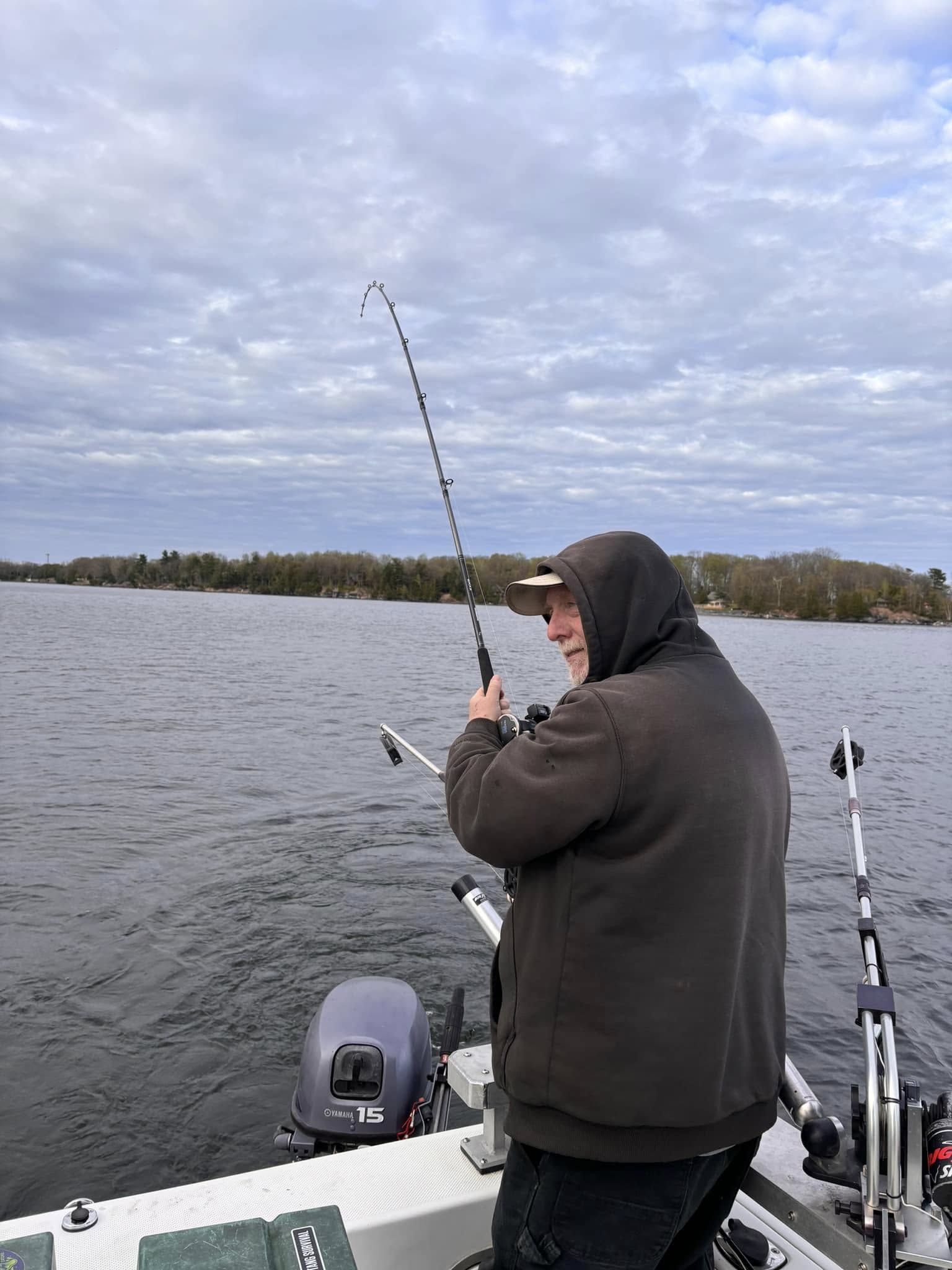
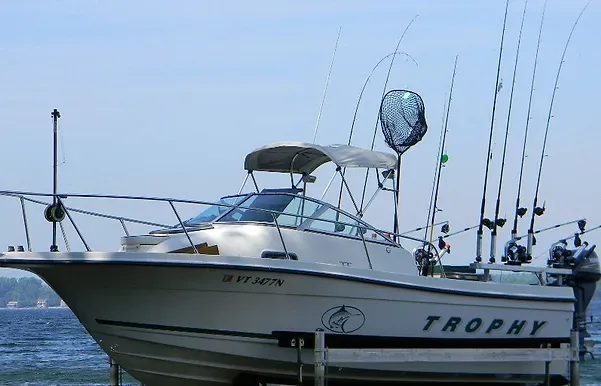
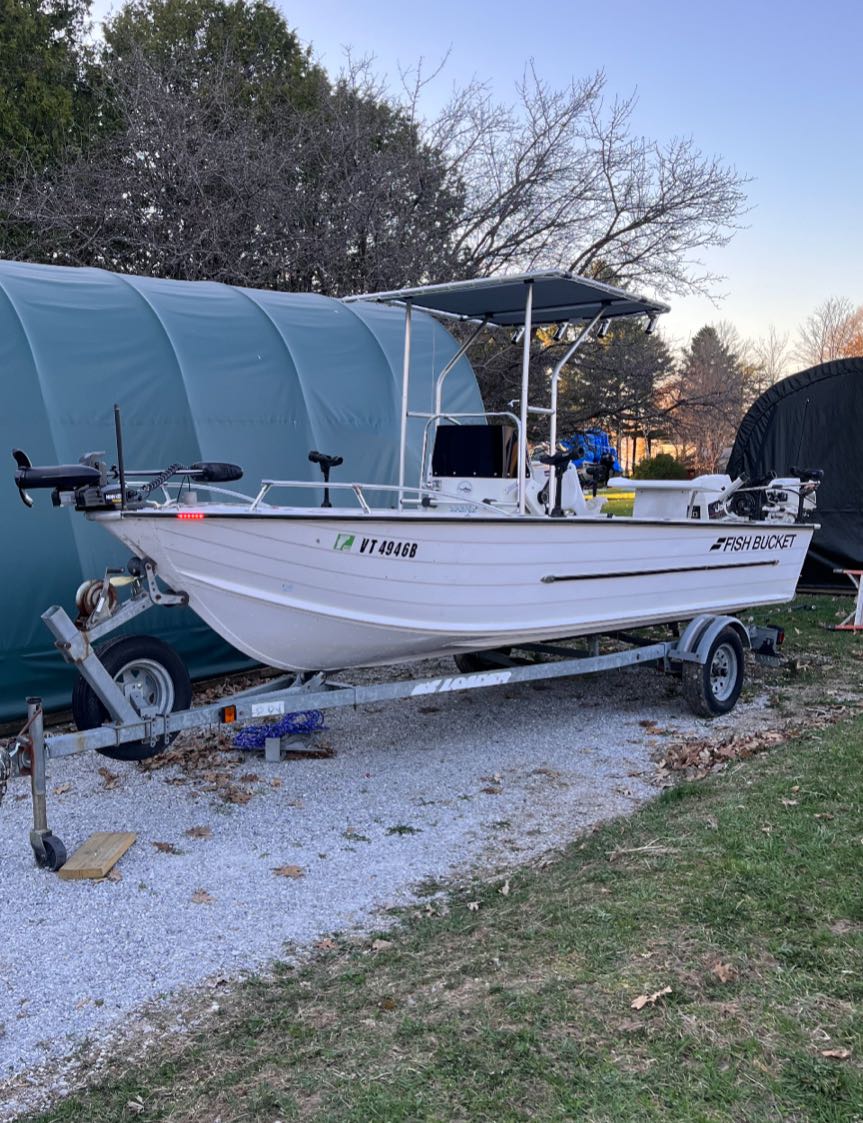
Lake Champlain fishing is all about covering water efficiently, and that means trolling is your bread and butter technique. We'll be running multiple lines at different depths using downriggers and planer boards to spread our presentation across the water column. The captain provides all the rods, reels, and terminal tackle, but understanding the setup helps you become a better angler. For the deeper species like lake trout and salmon, we're getting down 30 to 80 feet where the water stays cool and the baitfish concentrate. Spoons, flasher-and-fly combinations, and diving plugs are the go-to lures, with specific colors and sizes depending on water clarity and what the fish are feeding on. When we're targeting pike and walleye in shallower areas, we might switch to casting tactics around weed edges and rocky points. The boat is equipped with quality fish finders and GPS, so we can mark productive spots and return to them if the action heats up. Don't worry if you've never used downrigger equipment before – part of the experience is learning these proven techniques that you can apply on future fishing trips.
Target Species You'll Hook
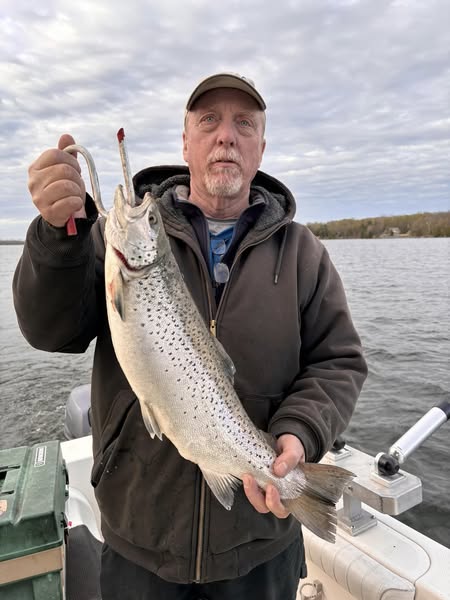
Atlantic Salmon are the crown jewel of Lake Champlain, and hooking one of these silver bullets will make your entire trip worthwhile. These fish are pure muscle and attitude, often launching themselves completely out of the water when hooked. They typically run 3 to 8 pounds in Champlain, though bigger fish are always possible. Spring and fall offer the best salmon action when they're actively feeding in the upper water column, but summer fishing can be phenomenal if you know where to find the cooler water. What makes salmon so special is their fighting ability – they'll test your drag, make long runs, and keep you guessing right up to the net.
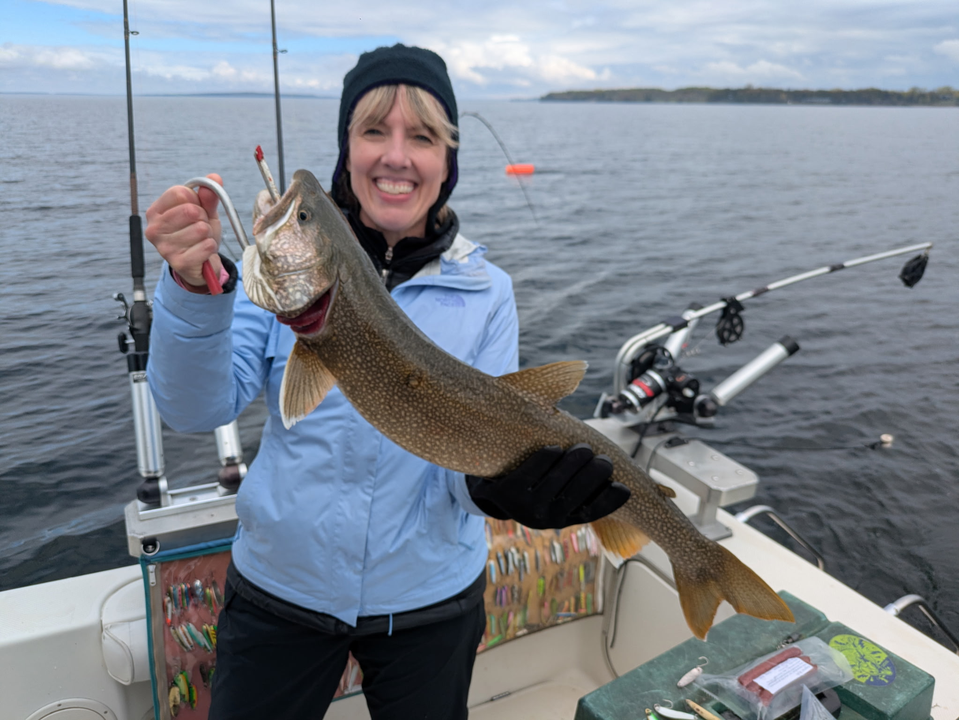
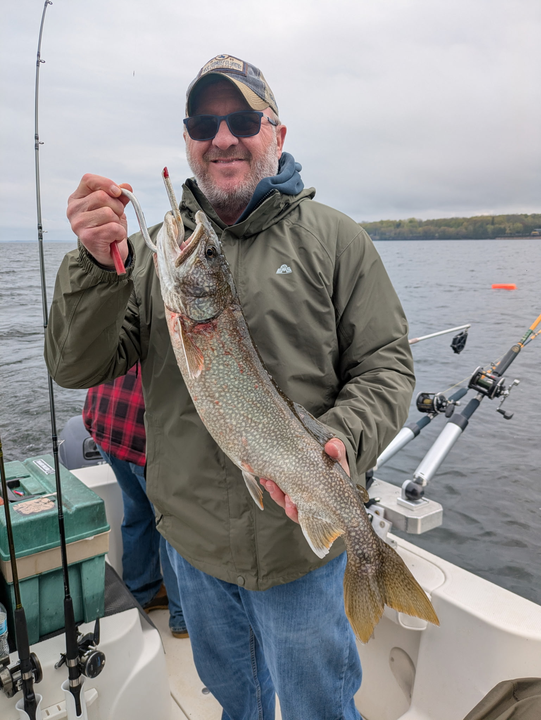
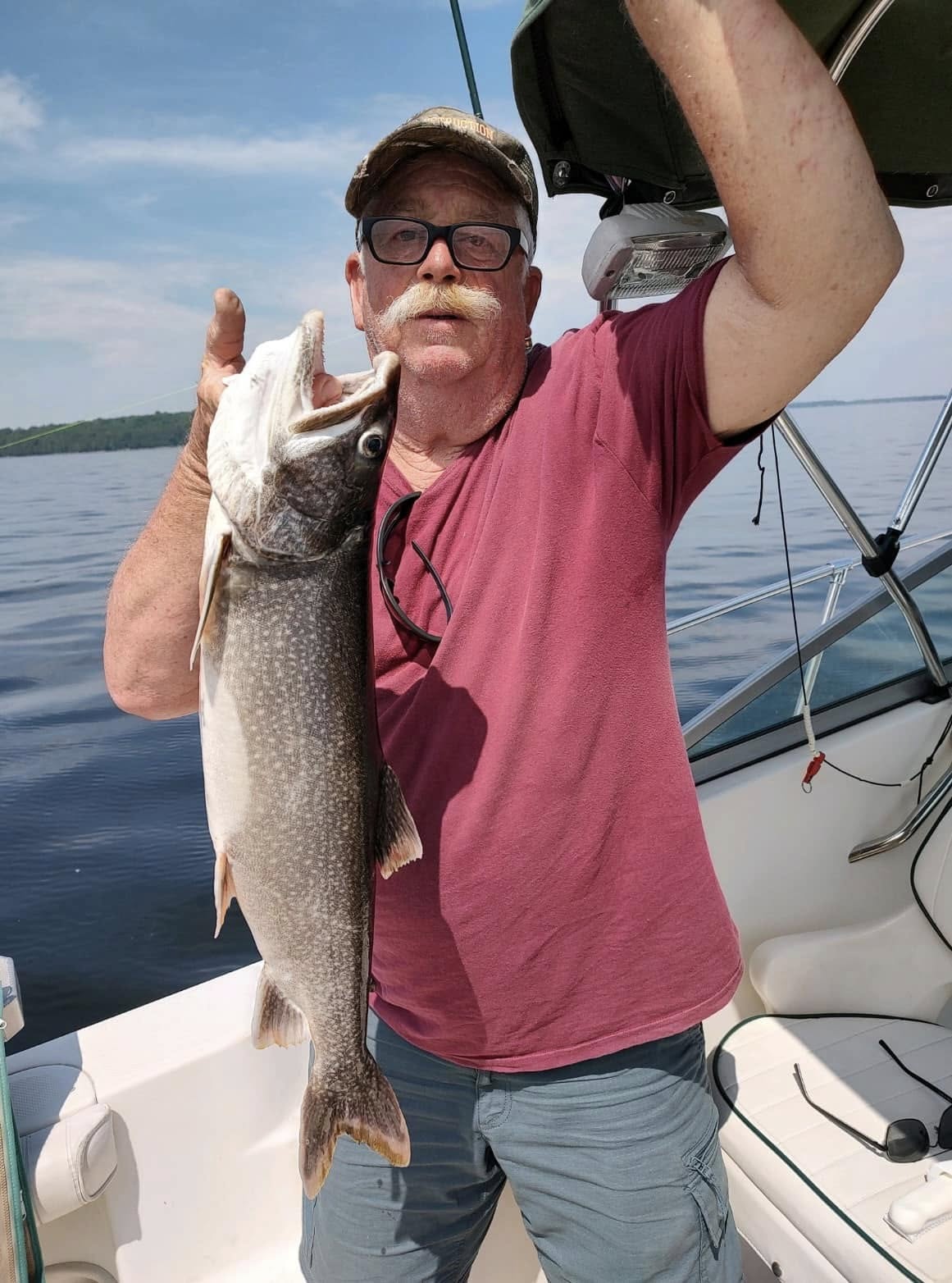
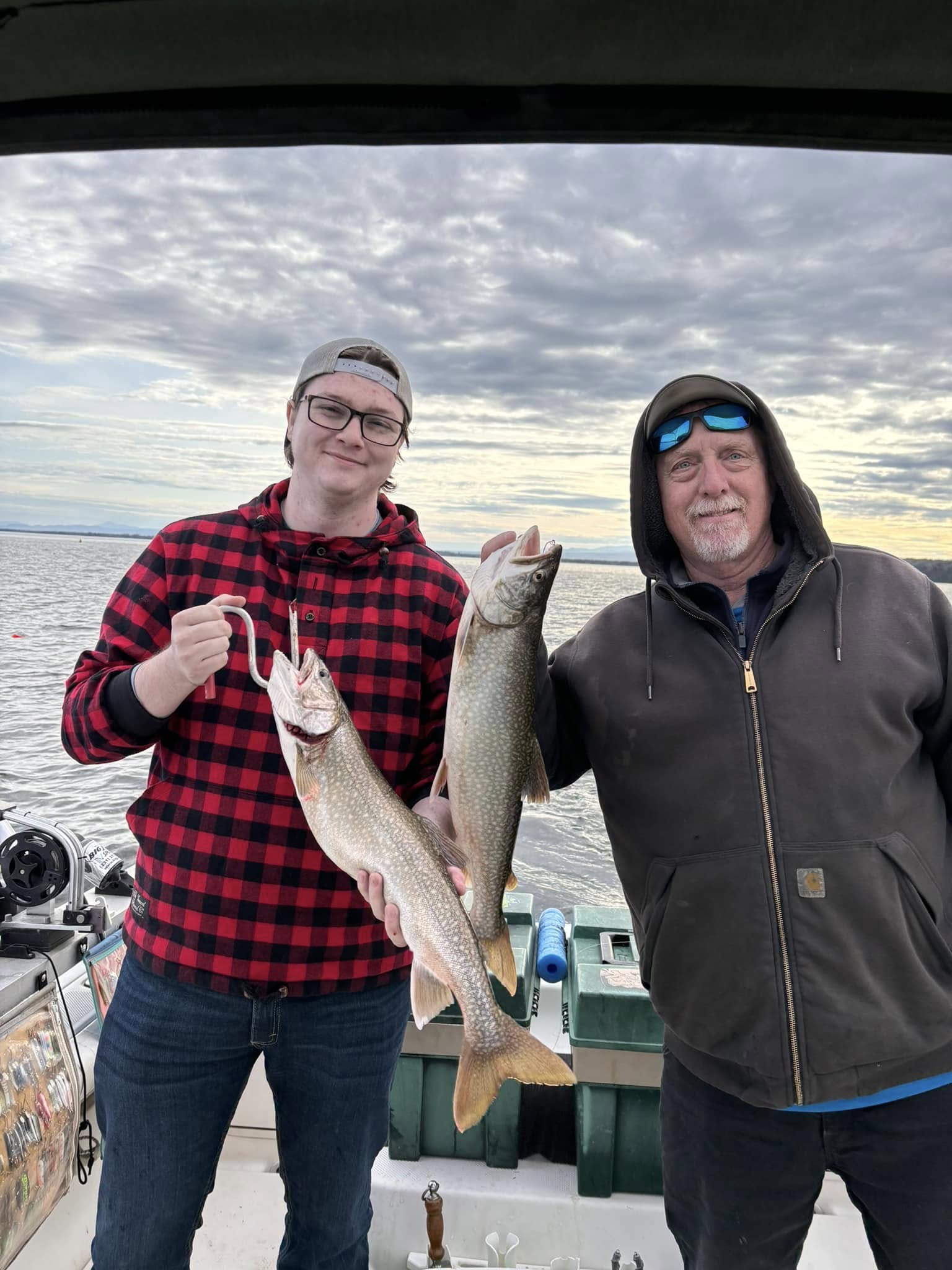
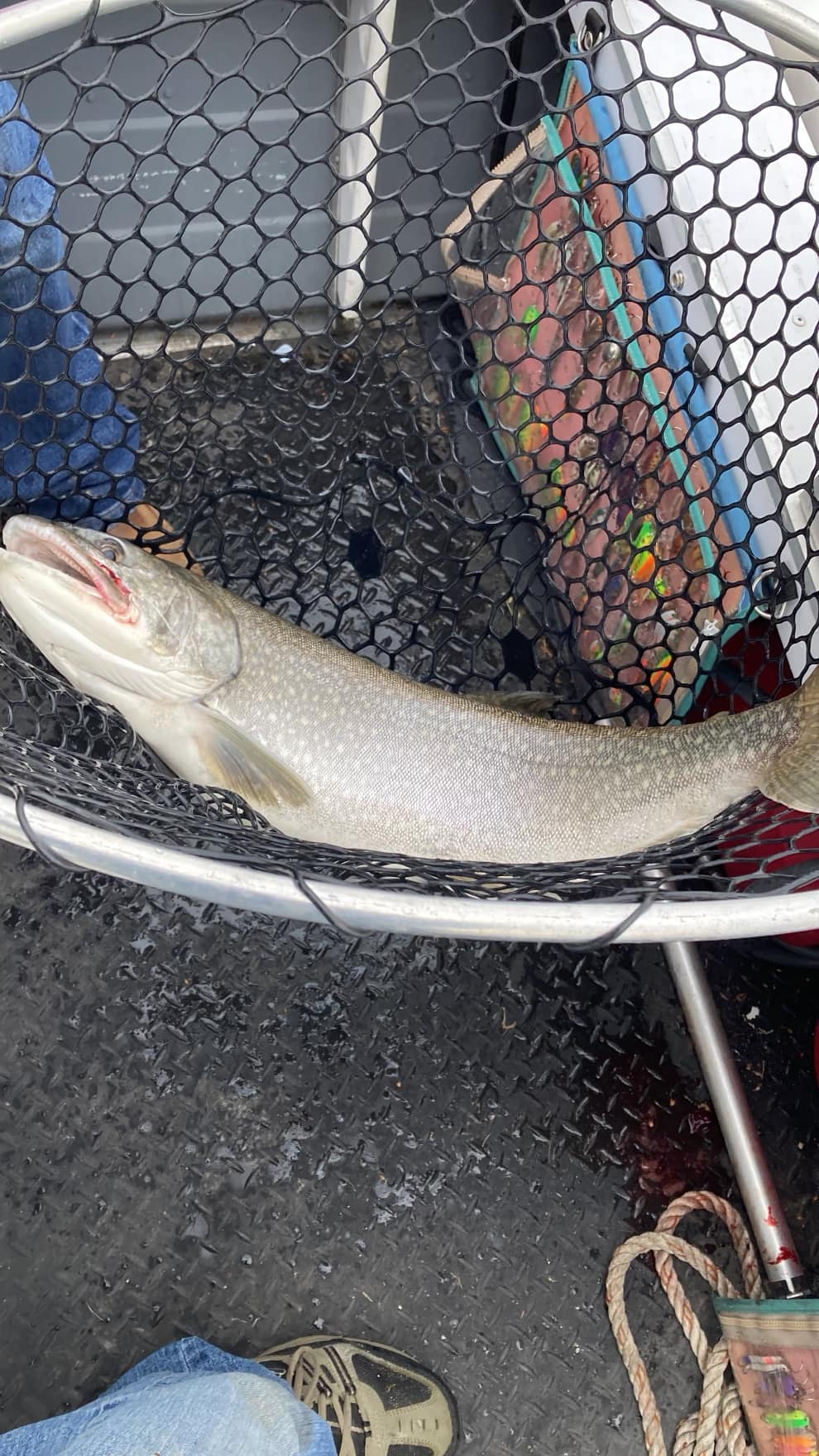
Lake Trout are the true giants of these waters, and landing a trophy laker is a bucket-list experience for any serious angler. These prehistoric-looking fish can live for decades and grow massive in Champlain's deep, cold water. Fish in the 5 to 15 pound range are common, with true monsters pushing 20 pounds or more lurking in the depths. Lakers are most active during the cooler months when they move up from the deepest holes, but they can be caught year-round if you're willing to get down to where they live. The fight isn't as flashy as a salmon, but the steady, powerful pull of a big lake trout will put a serious bend in your rod.
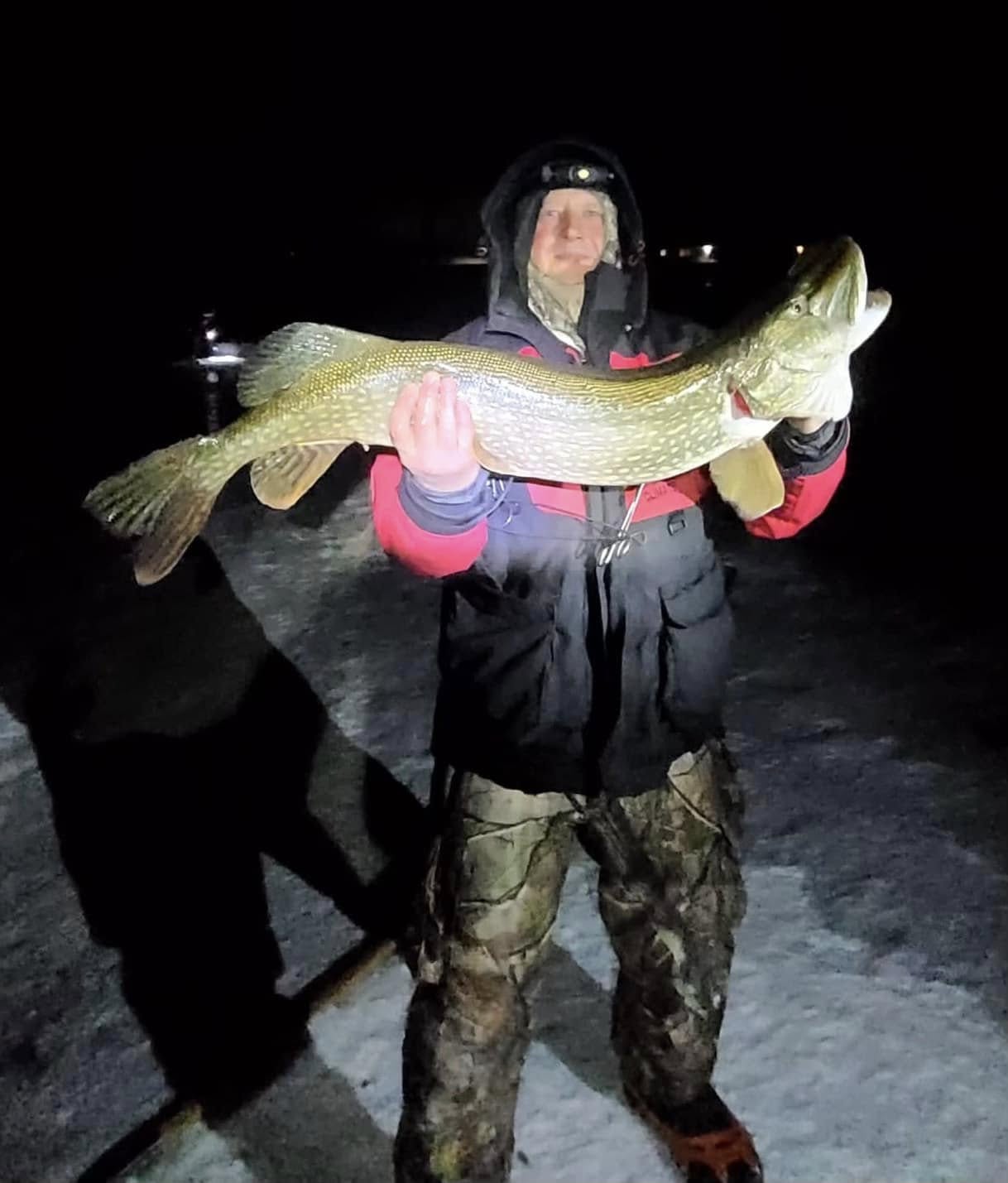
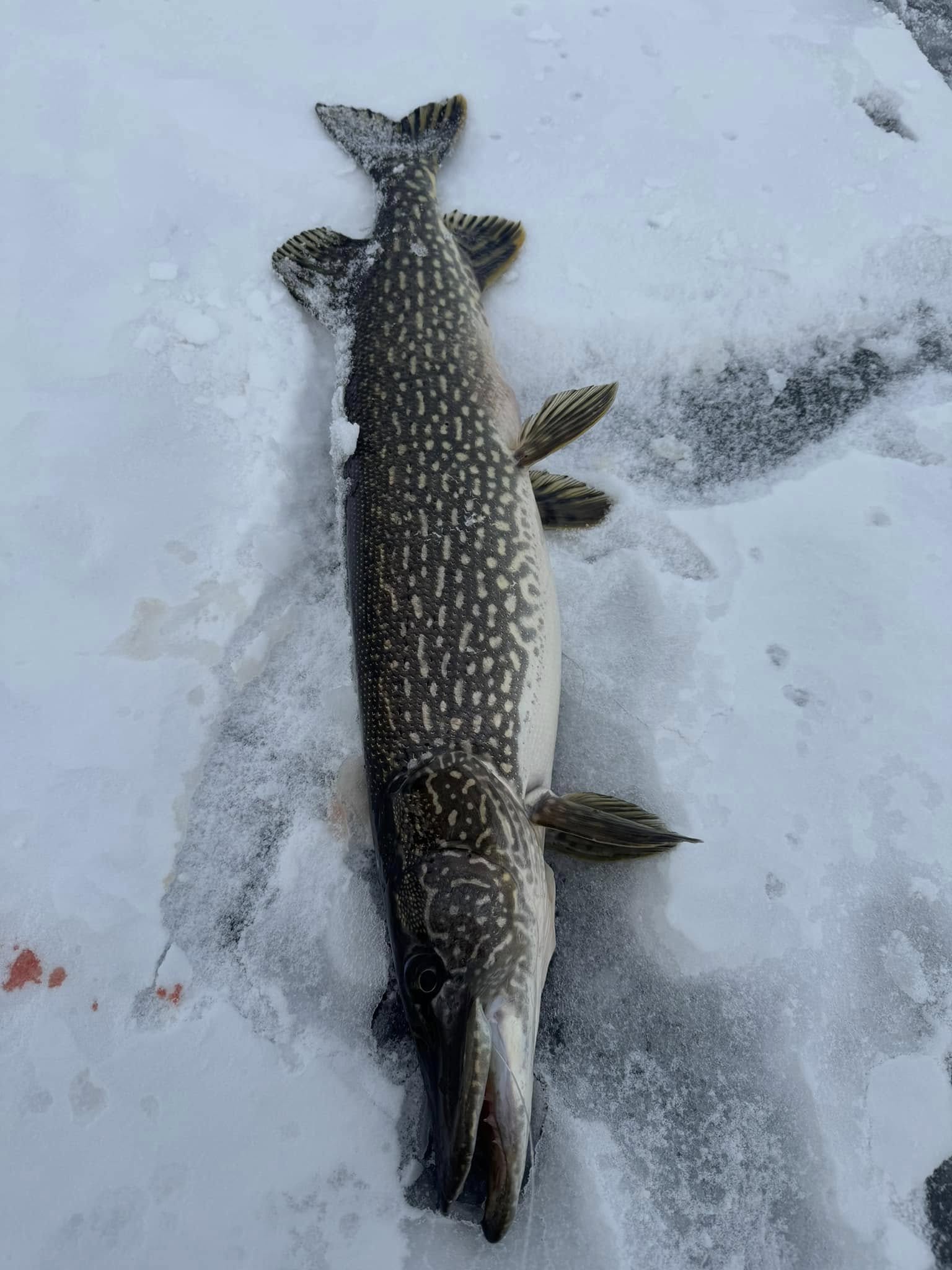
Northern Pike bring the aggression factor that every angler loves. These toothy predators are ambush hunters that explode on lures with violent strikes that will get your heart pumping. Champlain pike average 2 to 8 pounds, with bigger fish always possible around the best weed beds and drop-offs. Spring is prime time when they move shallow to spawn and feed heavily, but they provide consistent action throughout the open water season. Pike are visual feeders, so bright, flashy lures often trigger the most aggressive responses. Just be ready for their trademark headshakes and gill-rattling jumps.
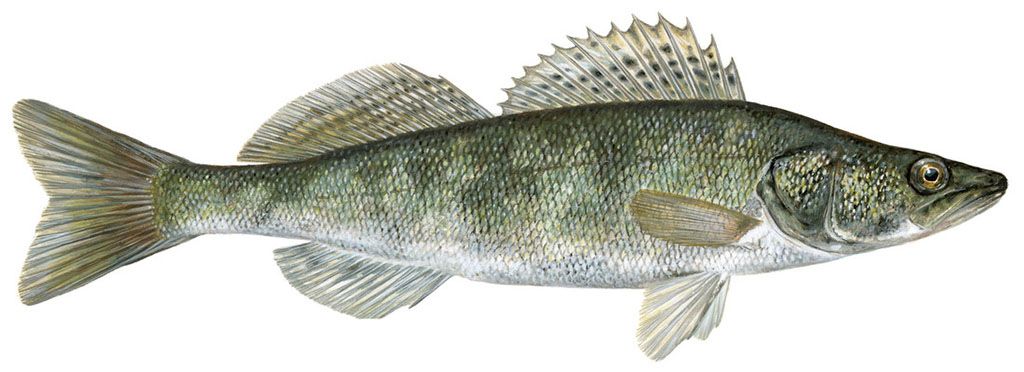
Walleye might not be the flashiest fighters, but they're hands down some of the best eating fish in the lake. These golden beauties are masters of structure, holding tight to rocky reefs, humps, and drop-offs where they feed on schools of baitfish. Champlain walleye typically run 1 to 4 pounds, with the occasional fish pushing 6 pounds or better. They can be finicky feeders, especially during bright conditions, but when you find a school of active walleye, the action can be steady and rewarding. Late evening and early morning are traditionally the hot times, though overcast days can provide all-day action.
Pike-Perch, also known as sauger in some areas, are the walleye's smaller cousin but equally tasty and fun to catch. These fish love the same structure as walleye but tend to be more tolerant of deeper, cooler water. They're typically smaller than walleye, running 1 to 3 pounds, but they make up for size
 Private Trip
 Lakes/Reservoirs/Ponds Fishing
 Lake Champlain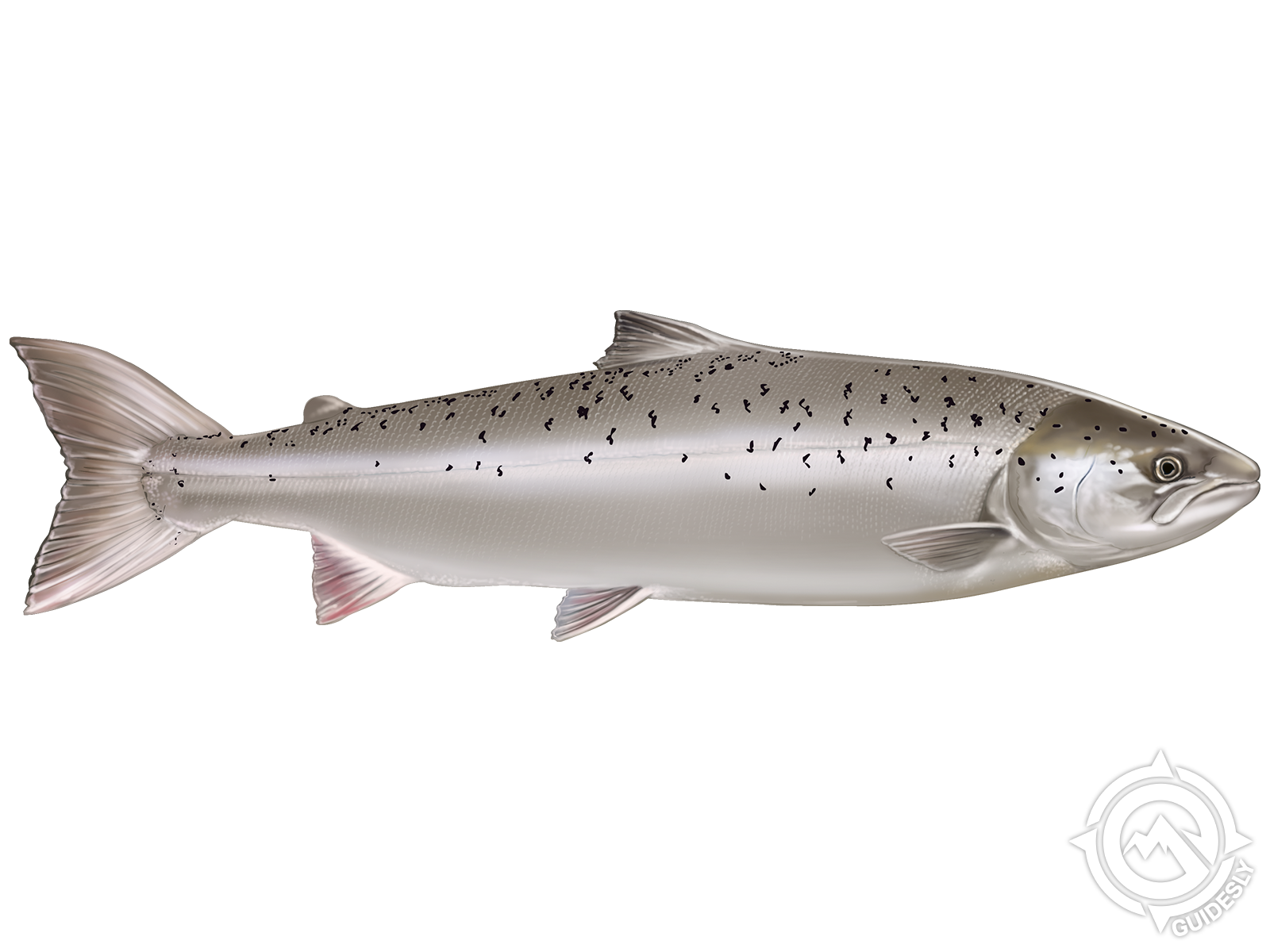



 Four-hour guided fishing experience on scenic Lake Champlain waters