Offshore Sportfishing Beyond Key Largo
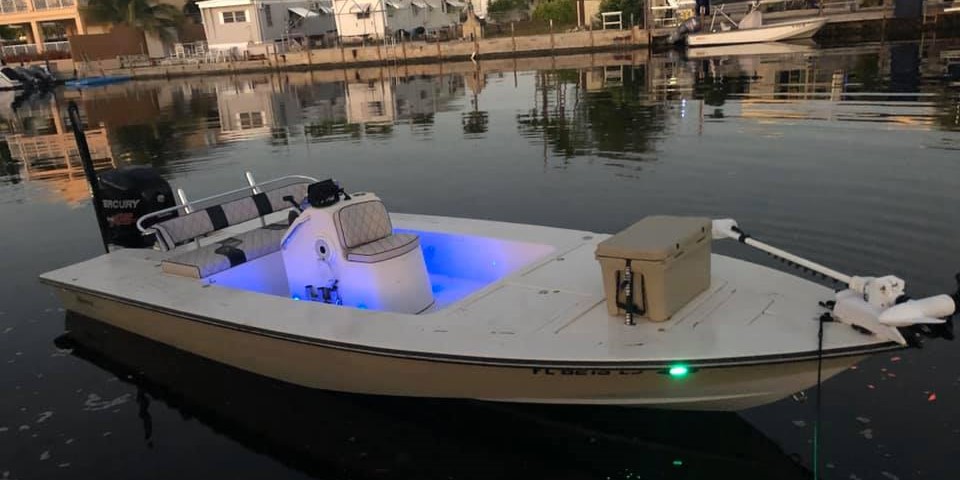
Picture this: you're 10 miles out in the deep blue Atlantic, the Florida Keys disappearing behind you as you scan the horizon for diving birds and color changes that signal where the big fish are feeding. That's exactly what you'll get with Local Grown Charters' offshore fishing adventure from Key Largo. Captain Andrew and his crew know these waters like the back of their hand, and they're going to put you on fish that'll make your arms burn and your heart race. Whether you choose the 6-hour trip for a solid day of action or go all-in with the 8-hour marathon, you're looking at some of the best big-game fishing the Atlantic has to offer.
What to Expect on the Water
This isn't your typical inshore fishing trip where you're casting at mangroves. We're talking about heading out to the edge where the continental shelf drops off and the real monsters live. Your day starts early – because that's when the fish bite best – and you'll be running out to depths of 120 to 600 feet where the water turns that deep cobalt blue that offshore anglers dream about. The boat handles up to four anglers comfortably, so you won't be fighting for rod space or elbow room. Captain Andrew keeps the atmosphere relaxed but focused, constantly reading the water and adjusting tactics based on what he's seeing on the fish finder and what's happening with the current. Don't worry about bringing anything except your fishing license and sunscreen – all the heavy-duty tackle, outriggers, and bait are provided.
Trolling the Blue Water Edge
Out here, trolling is king. You'll be running a spread of baits and lures behind the boat at speeds between 6 and 12 knots, covering serious ground to find where the fish are stacked up. The crew sets up a pattern with outriggers extending your lines wide, creating a natural-looking school of baitfish that predators can't resist. Live ballyhoo rigged on circle hooks, colorful skirted trolling lures, and sometimes live pilchards or goggle-eyes get the nod depending on what's working. When that outrigger clip pops and line starts screaming off the reel, that's when things get real. The captain will back down on the fish while you're fighting it, using boat positioning to help you gain line and keep pressure on. Circle hooks mean better hooksets and higher survival rates for any fish you release, which is standard practice for sailfish and often recommended for other species depending on size and regulations.
Customer Stories
"Our trip was so awesome two years ago. We came back to the Keys and knew Captain Andrew was a must. He did not disappoint! The weather was not on our side but we still caught a lot of fish and had fun. The captain is such a down to earth, nice guy. He does an excellent job explaining things. Constant moving to get fish off and new bait on. I highly recommend booking a trip on his boat - you will be very happy with your choice." - Tina Wojtalewicz
Species You'll Want to Hook
Atlantic Sailfish are the crown jewel of Key Largo offshore fishing, and for good reason. These acrobatic fighters average 6 to 8 feet long and put on aerial displays that'll leave you speechless when they come tight on your line. Peak season runs from December through April when they migrate through in massive schools, but you can find them year-round in smaller numbers. They're usually released, and watching one light up with those electric blues and purples as it jumps makes for photos you'll treasure forever. The strike often comes as a soft tap-tap-tap before the fish loads up and makes its first blistering run.
King Mackerel, or "smoker kings" as the locals call the big ones, are pure speed demons that'll test your drag system and your back muscles. These silver missiles can stretch over 4 feet and weigh 40-plus pounds, making screaming runs that can peel off 200 yards of line in seconds. They're most active from April through October, and they're excellent table fare when kept on ice. Kings typically hit hard and fast, often taking baits near the surface where you can sometimes see the strike happen. Fighting one is all about keeping steady pressure and being ready for their trademark head-shaking jumps near the boat.
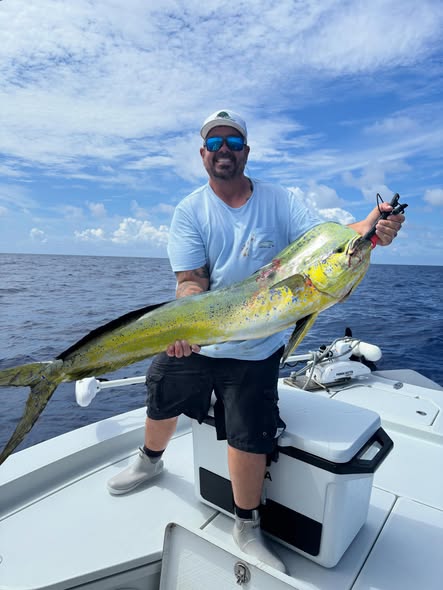
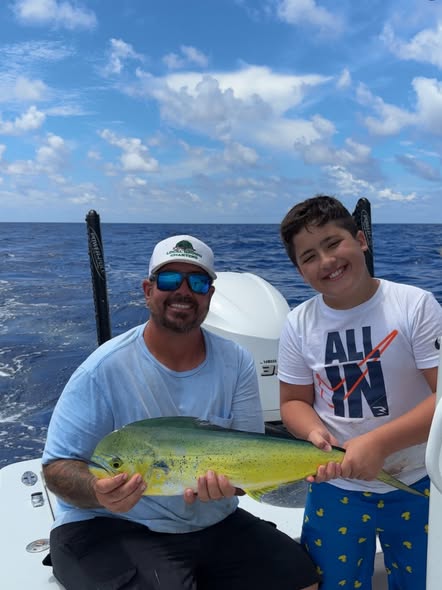
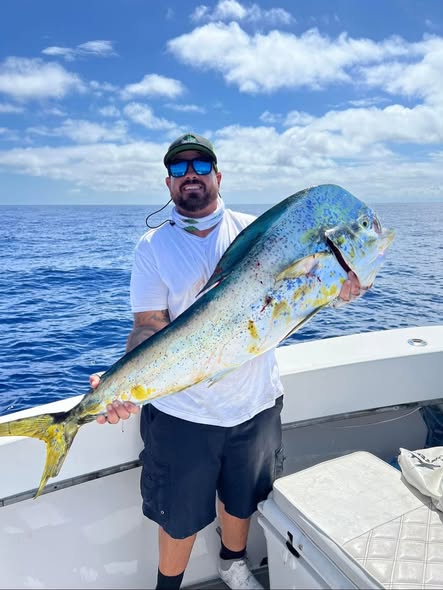
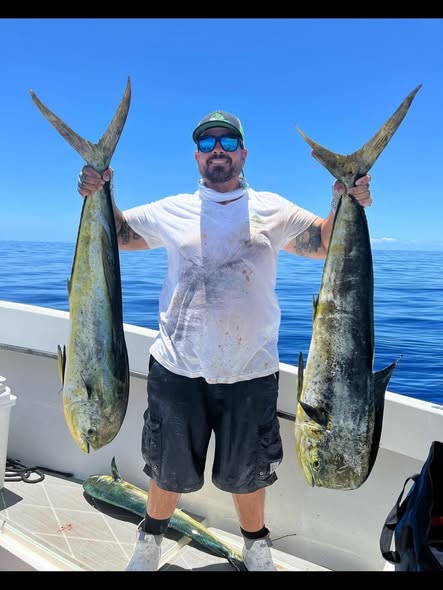
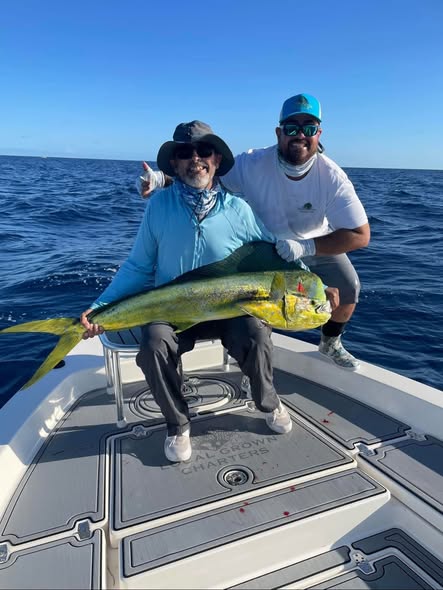
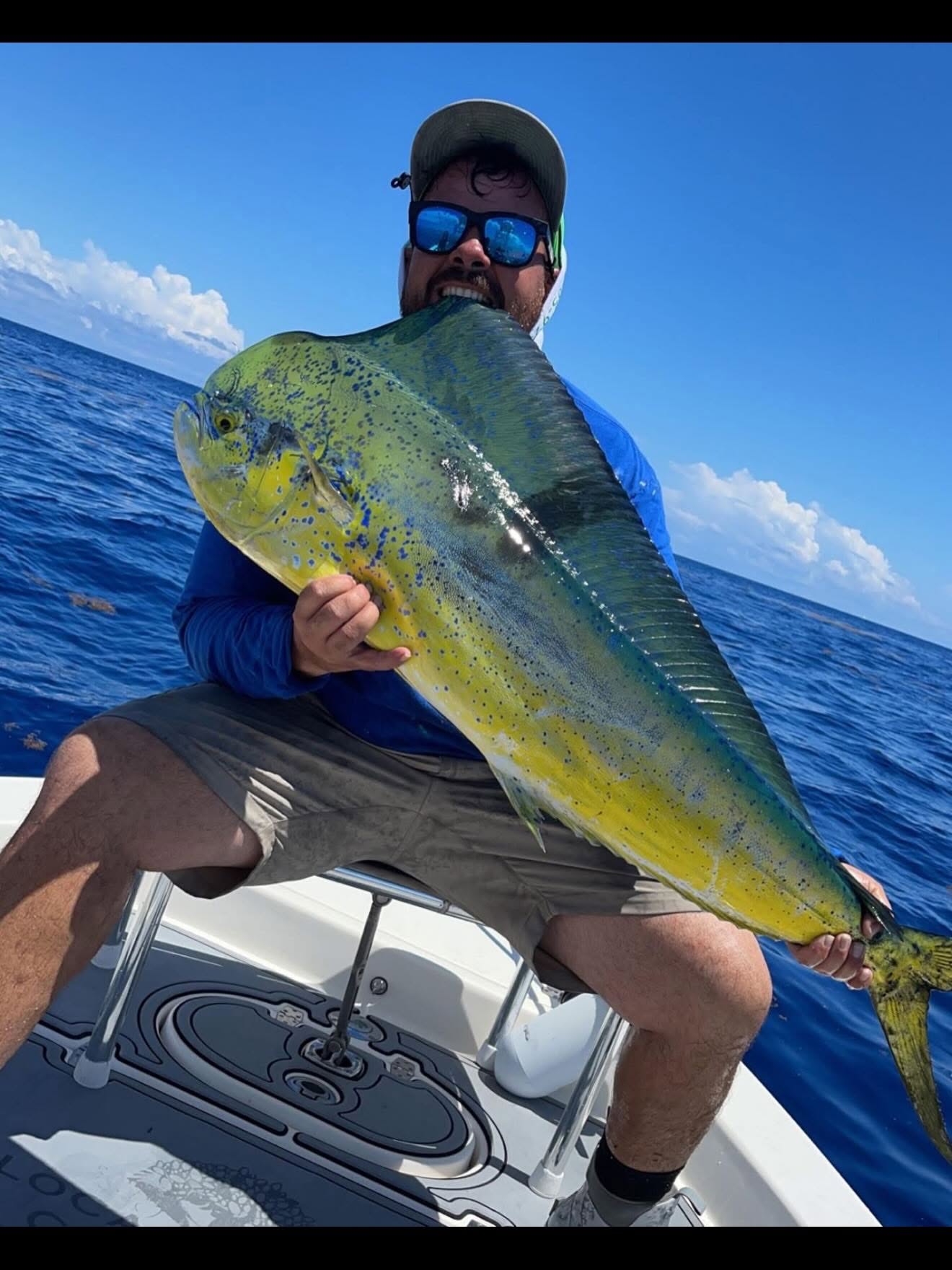
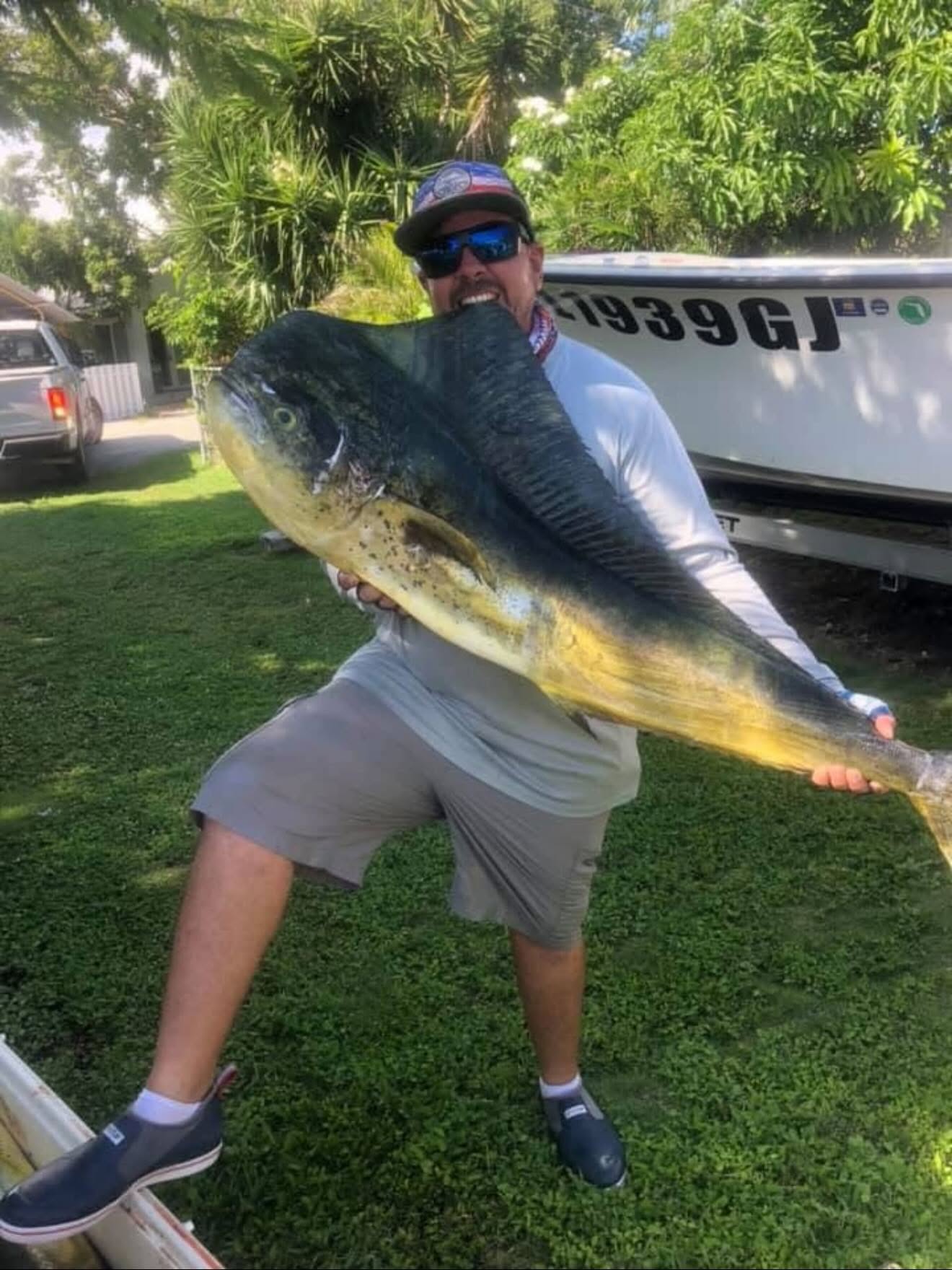
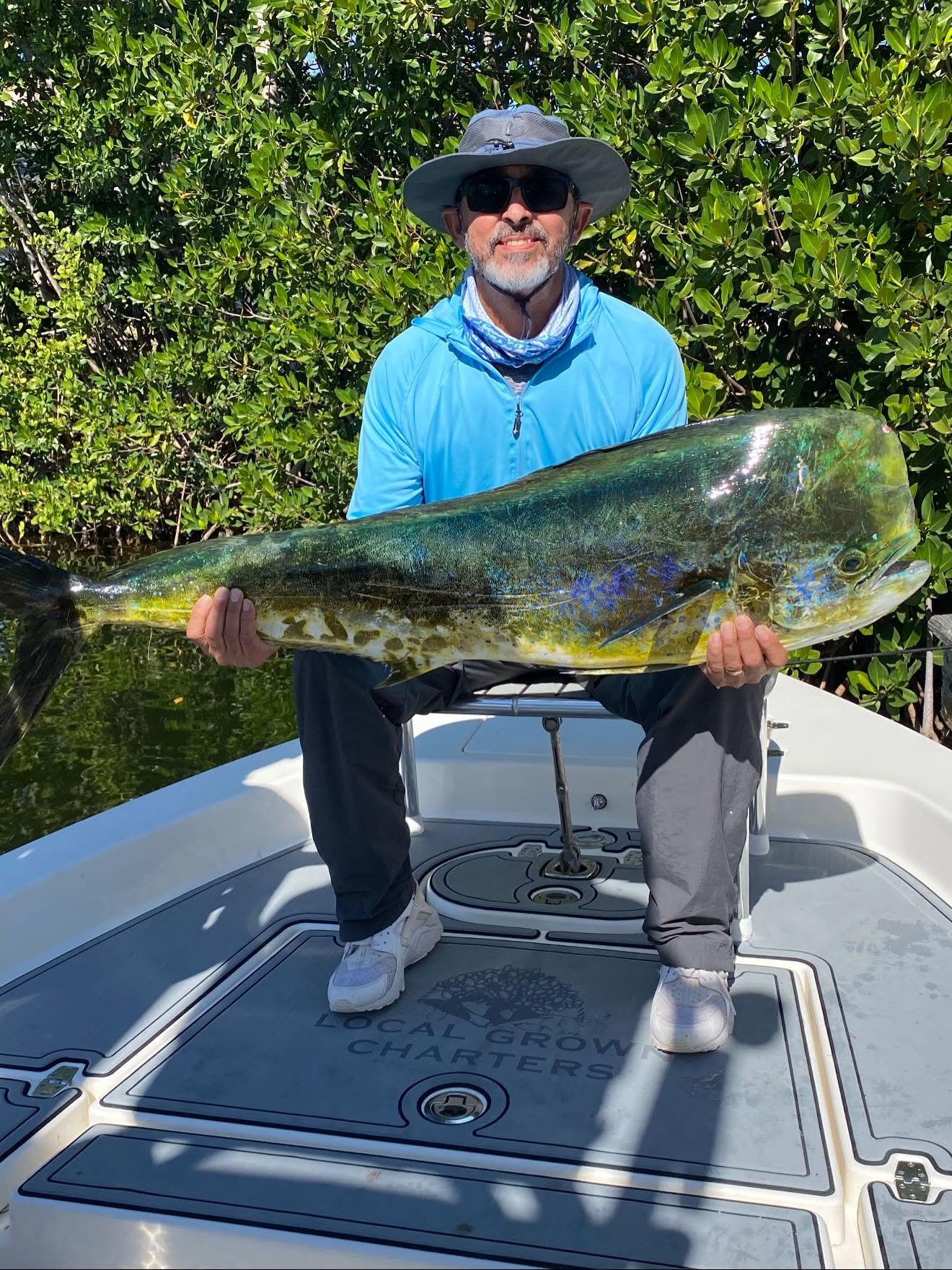
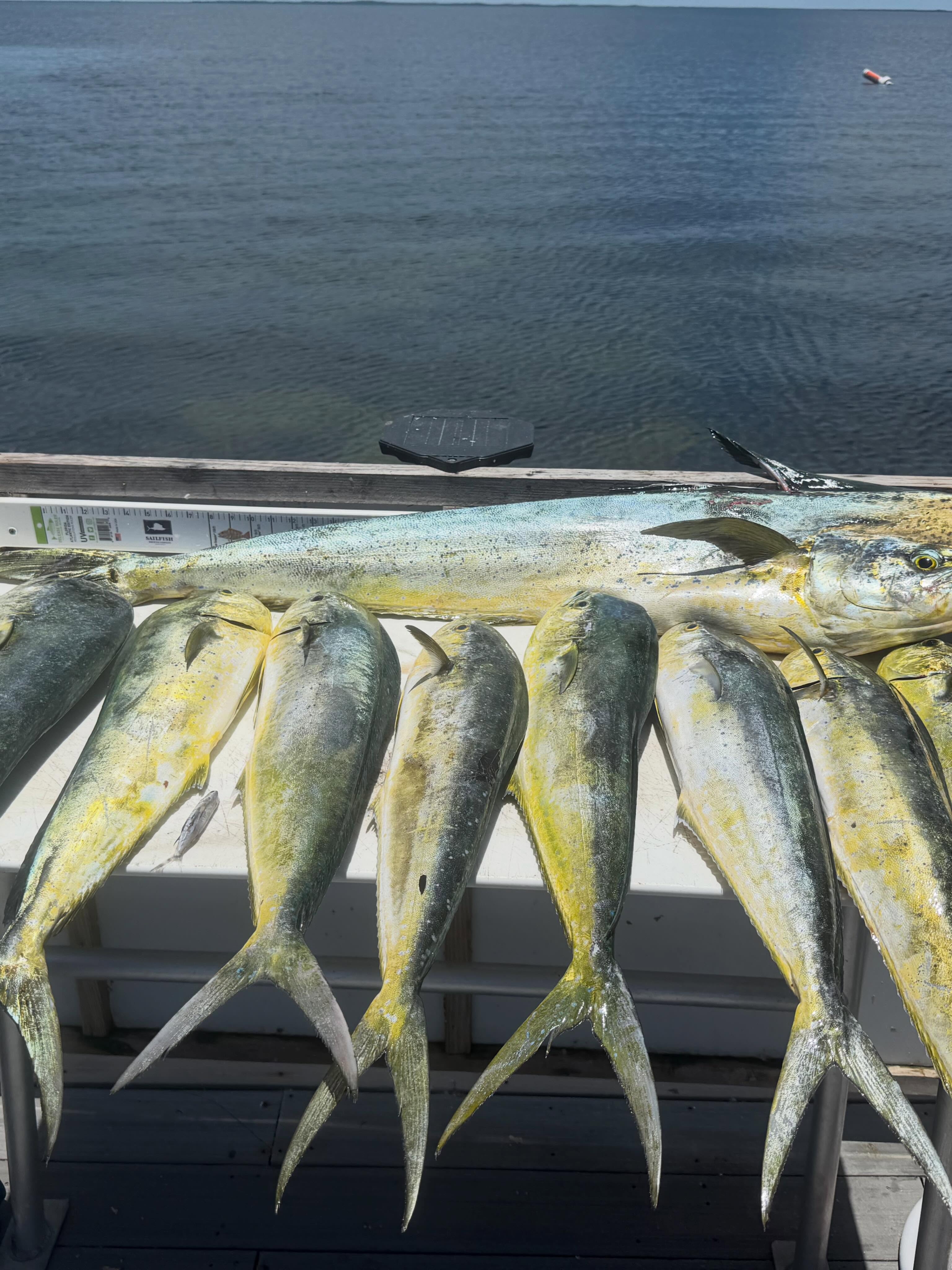
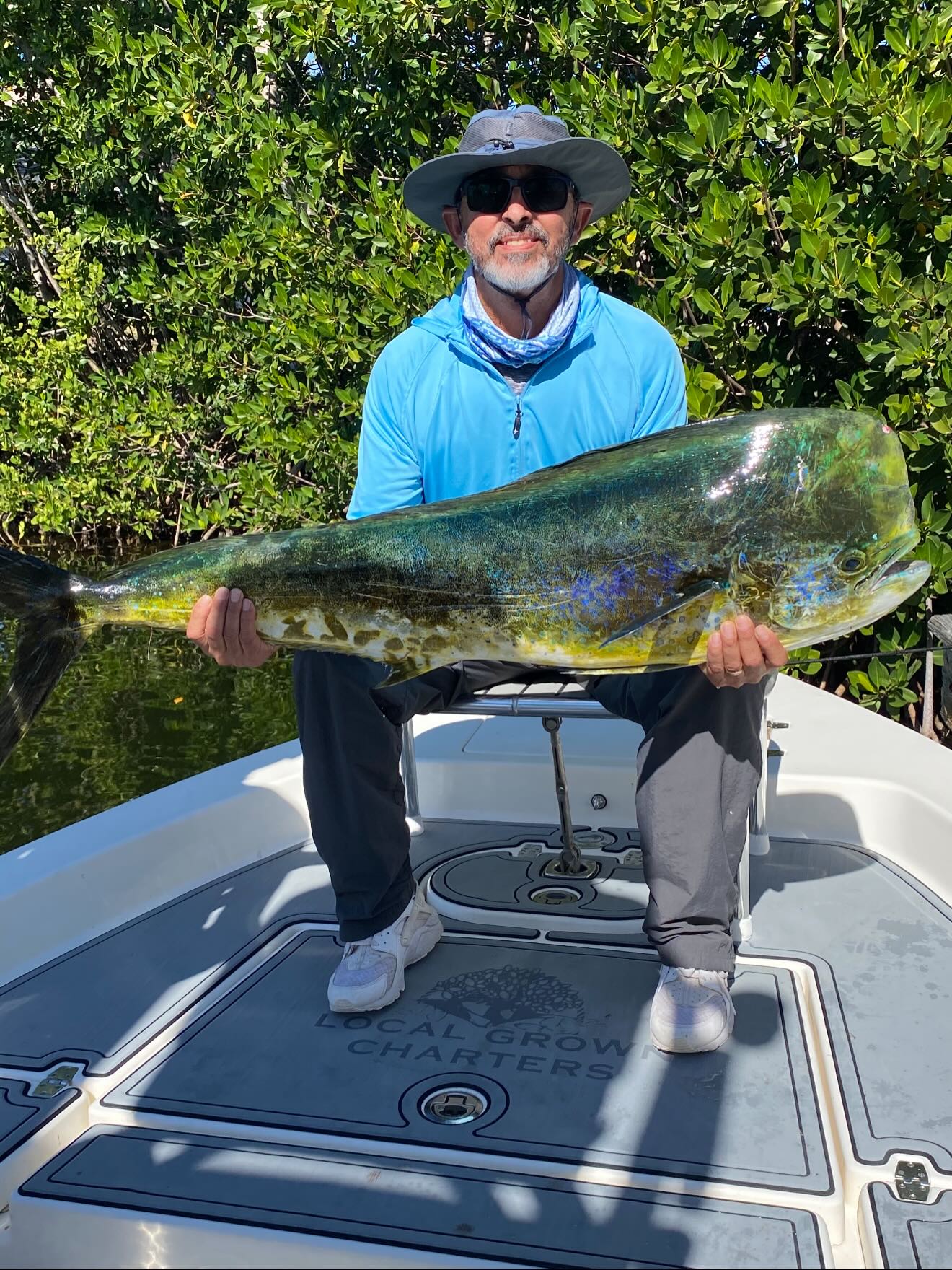
Mahi Mahi are what dreams are made of – gorgeous golden-green fish that fight hard, jump high, and taste even better. Also called dolphinfish or dorado, these beauties love floating debris, weed lines, and anything that creates structure in the open ocean. They're most abundant from April through September, often traveling in schools that can provide non-stop action once you find them. A nice bull mahi can push 30 pounds and will give you multiple long runs and aerial acrobatics. The colors are absolutely stunning when they're fresh out of the water, flashing gold, green, and electric blue.
Wahoo are the Formula One cars of the fish world, capable of speeds over 60 mph and armed with razor-sharp teeth that can slice through wire leaders. These silver torpedoes typically range from 20 to 60 pounds and are known for making one incredibly fast initial run that can empty your reel if your drag isn't set right. They're most common from October through March and are prized for their white, flaky meat that rivals any fish on the dinner table. Wahoo often strike high-speed lures trolled at 12-15 knots, hitting so hard they sometimes hook themselves.
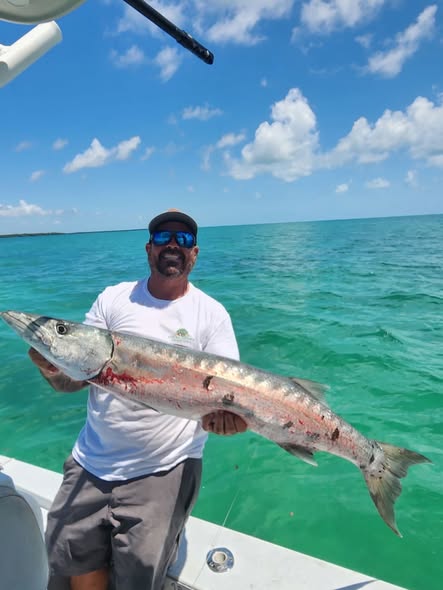
Great Barracuda might not win beauty contests, but these toothy predators are pure excitement to catch. They're ambush hunters that can exceed 4 feet in length and are known for spectacular jumps and lightning-fast runs. Found year-round in these waters, they're especially active around structure and color changes where baitfish concentrate. A big 'cuda will test your wire leader and your ner
 5.0(1 Reviews)
 Private Trip
 Offshore Fishing
 Key Largo, FL


 Target trophy fish like Mahi-Mahi, Tuna, Sailfish in deep waters