Half-Day Cedar Key Redfish & Trout Charter
Cedar Key's shallow water fishing scene is something special, and this 4-hour morning charter puts you right in the thick of it. You'll have the whole boat to yourselves – up to 6 anglers – which means no strangers hogging the best fishing spots or rushing you when you're battling that trophy red. The Nature Coast has this laid-back vibe that's perfect for serious fishing without all the crowds you'll find down south. Morning trips are money here because the water's calmer, the fish are more active, and you'll beat the afternoon winds that can make casting a real pain.
What to Expect on the Water
Your captain knows these backwaters like his own driveway, and he'll put you on fish using the flats, oyster bars, and grass lines that make Cedar Key famous among inshore anglers. This isn't some cattle boat operation – you're getting personalized attention and fishing spots that produce. The boat setup is dialed in for light tackle fishing, which means you'll feel every head shake and run these inshore species are known for. Depending on what's biting and where the bait's holding, you might find yourself sight fishing the flats for tailing reds or working structure for keeper trout. The variety keeps things interesting, and your guide adjusts the game plan based on conditions and what the fish are telling him.
Tackle and Techniques
Light tackle is the name of the game here, typically 15-20 pound setups that give these fish a fighting chance while still having enough backbone to turn them away from structure. You'll be drifting productive areas, working the bottom when the bite calls for it, and making precise casts to visible fish when the opportunity presents itself. Cedar Key's shallow water fishing means you're often in 2-6 feet of water where stealth and presentation matter more than heavy gear. Live bait, cut bait, and artificials all have their place depending on conditions and target species. Your captain carries the tackle and knows what's working, but feel free to bring your own rods if you've got favorites – just keep them in the light tackle range.
Target Species
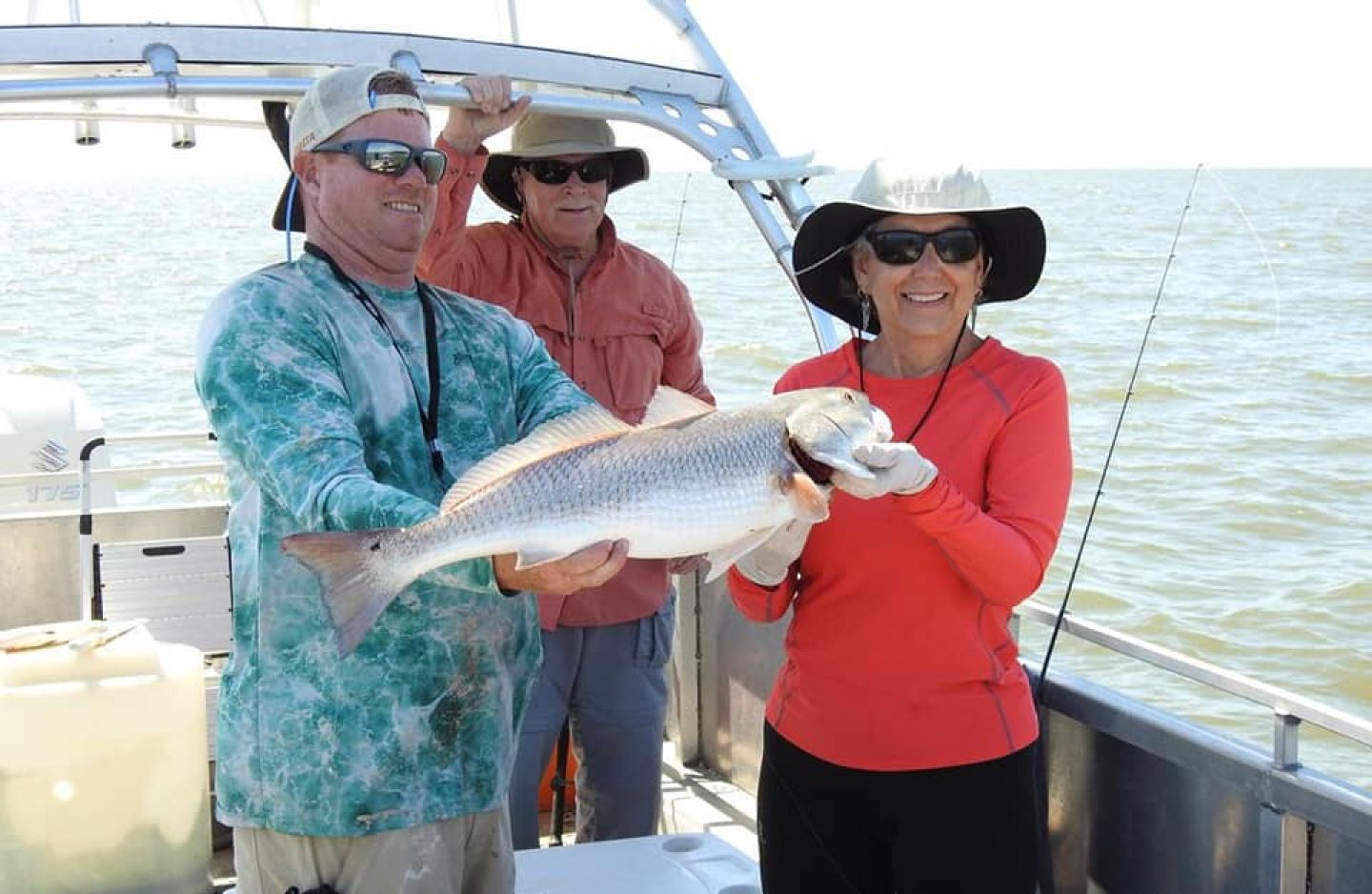
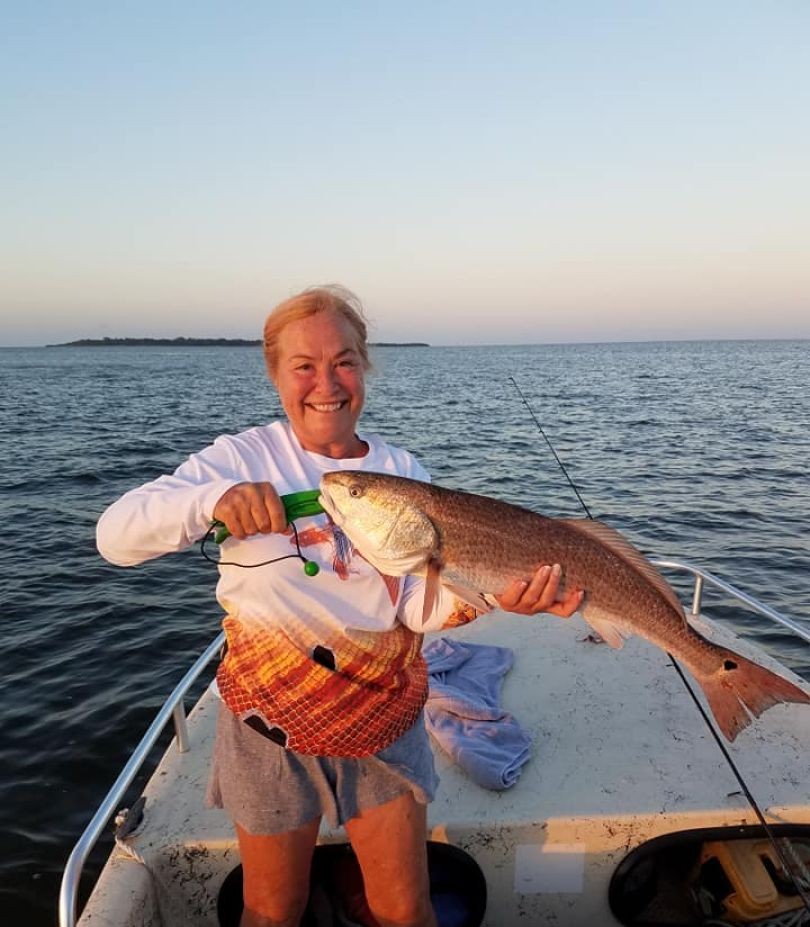
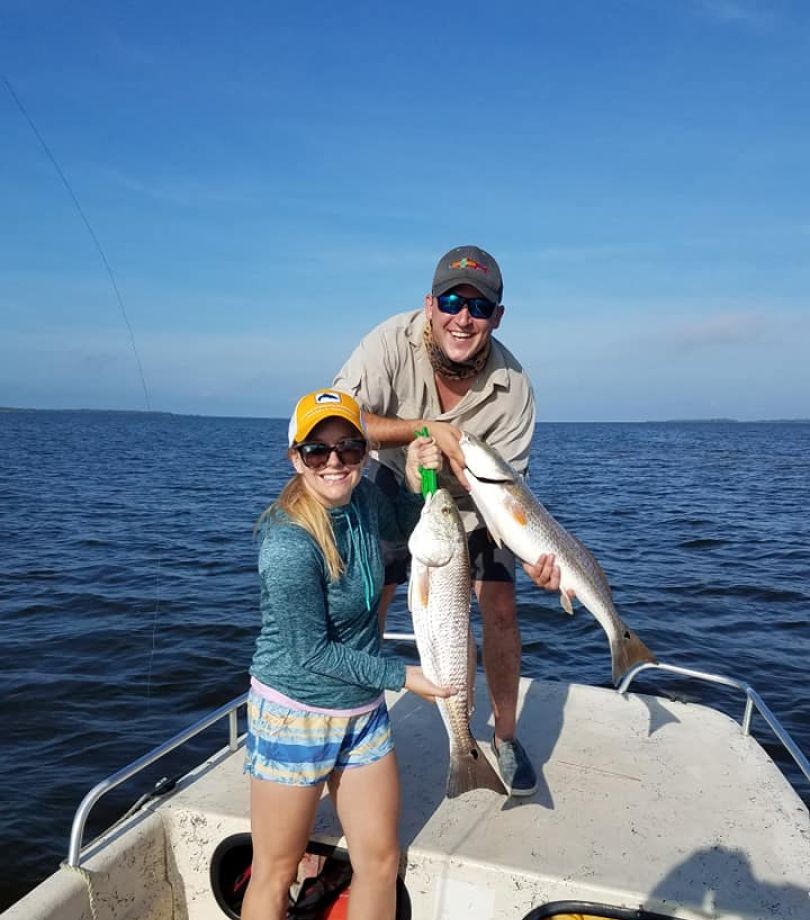
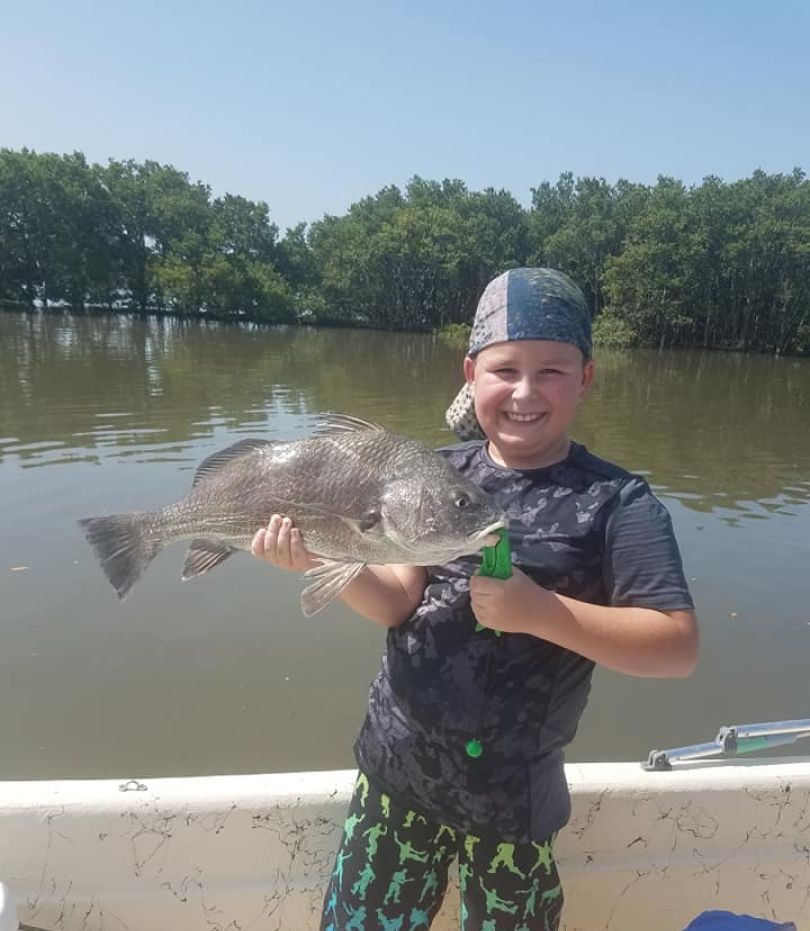
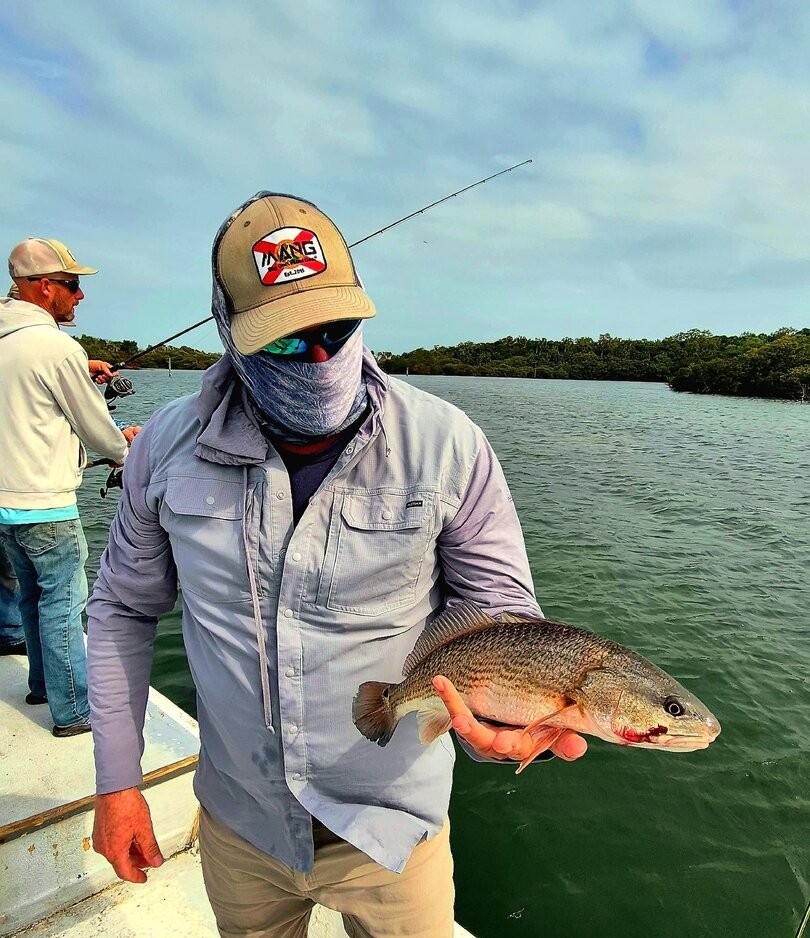
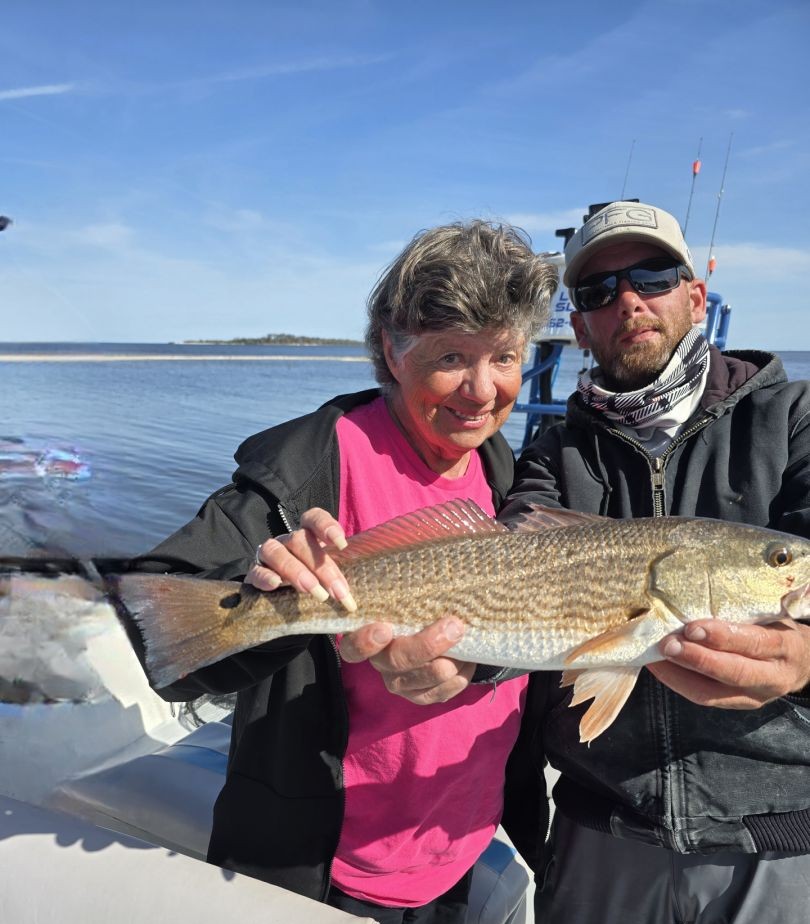
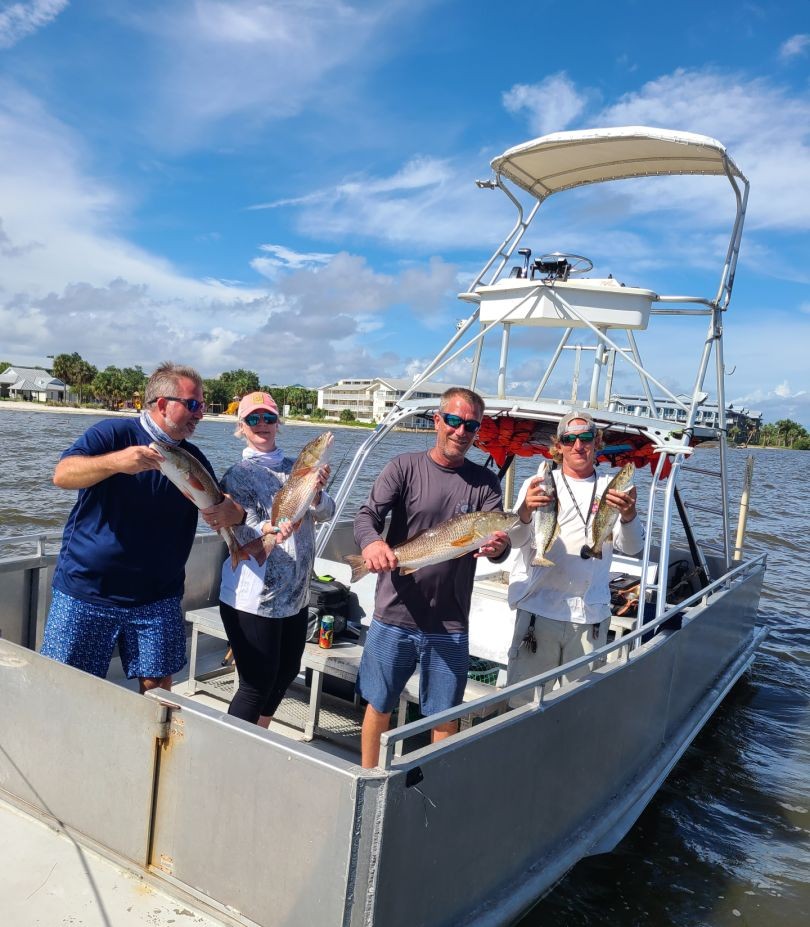
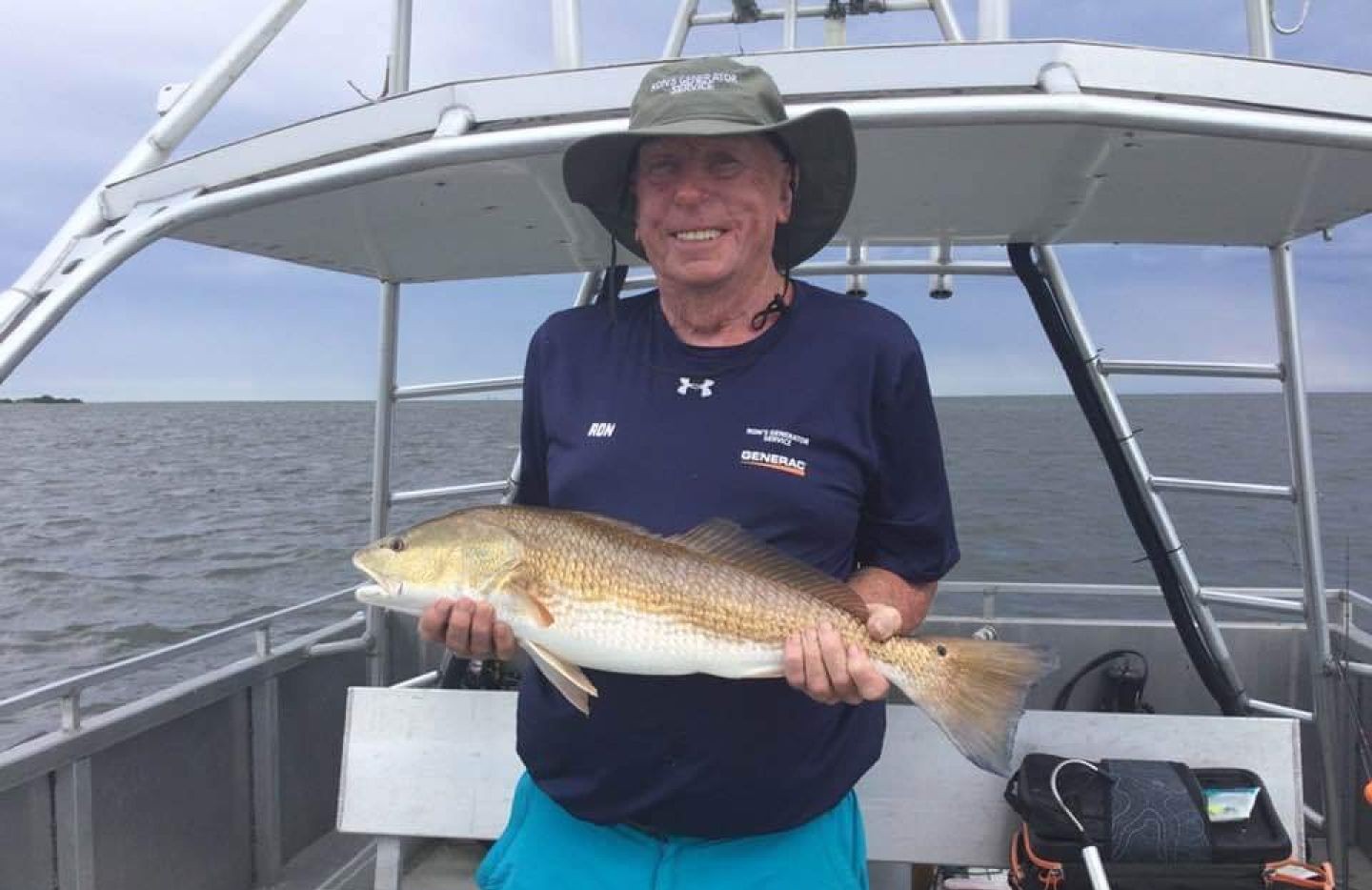
Redfish are the bread and butter of Cedar Key inshore fishing, and for good reason. These copper-colored bruisers love the shallow oyster bars and grass flats around here, often feeding in water so shallow their backs are out. Slot fish run 18-27 inches and put up a bulldogging fight that'll test your drag system. Fall through spring offers the most consistent action, but summer fish are here too if you know where to look. What makes reds special is their aggressive feeding behavior – they'll crush live shrimp, cut mullet, or a well-placed gold spoon with equal enthusiasm.
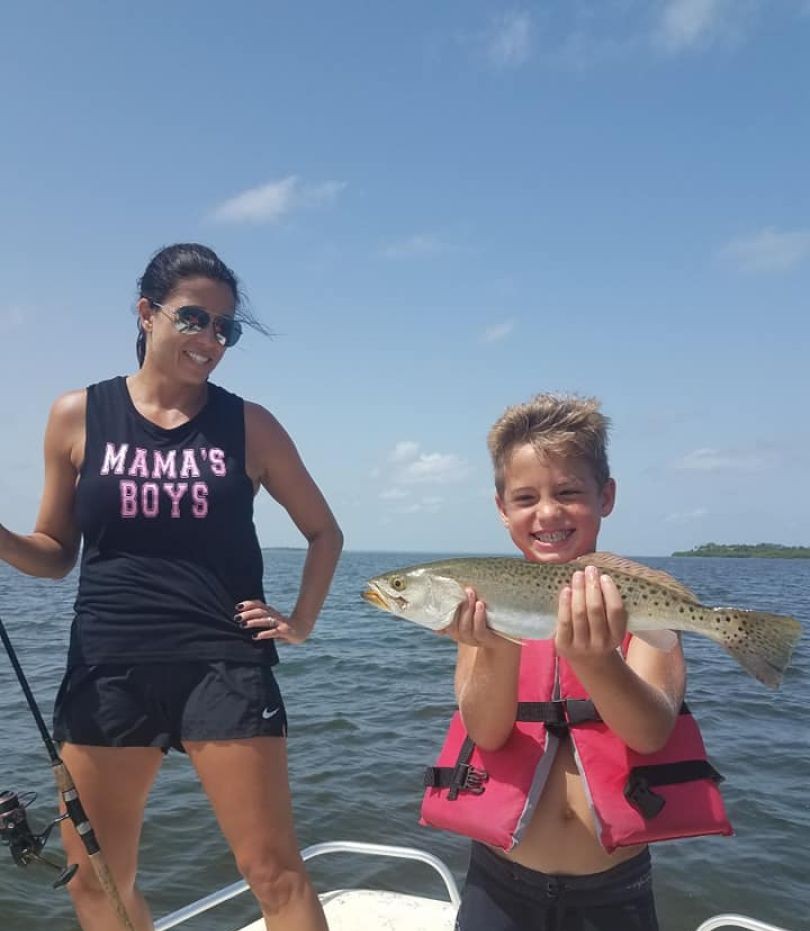
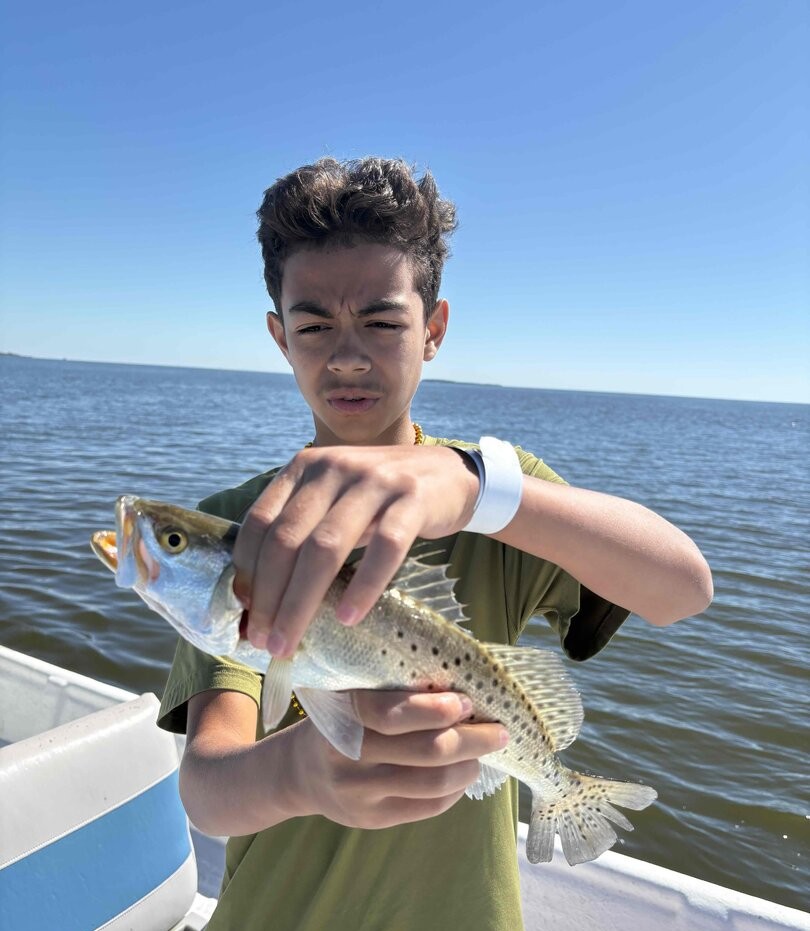
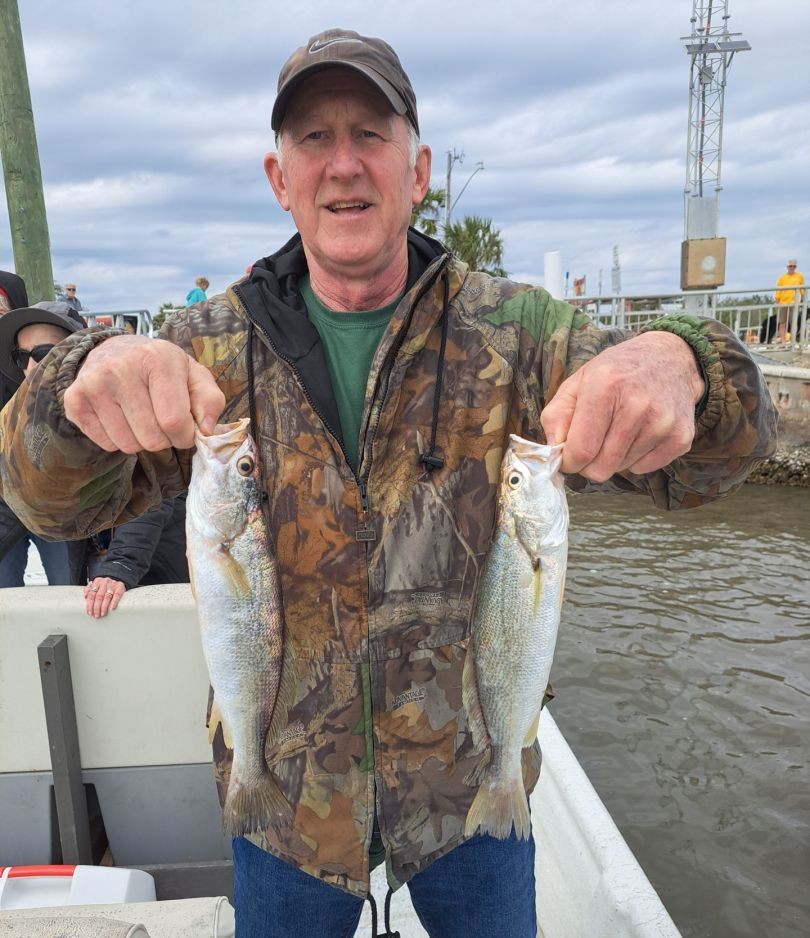
Speckled trout are the finesse fish that keep things technical and rewarding. These spotted beauties prefer grass flats and drop-offs where they ambush baitfish with lightning-fast strikes. A good Cedar Key trout runs 15-20 inches, though bigger fish definitely swim these waters. They're most active during cooler months when water temperatures drop into the 60s and 70s. Trout fishing requires a lighter touch – they'll spit the bait faster than you can set the hook if something feels off. Live shrimp under a popping cork or soft plastics worked slowly along the grass edges are proven producers.
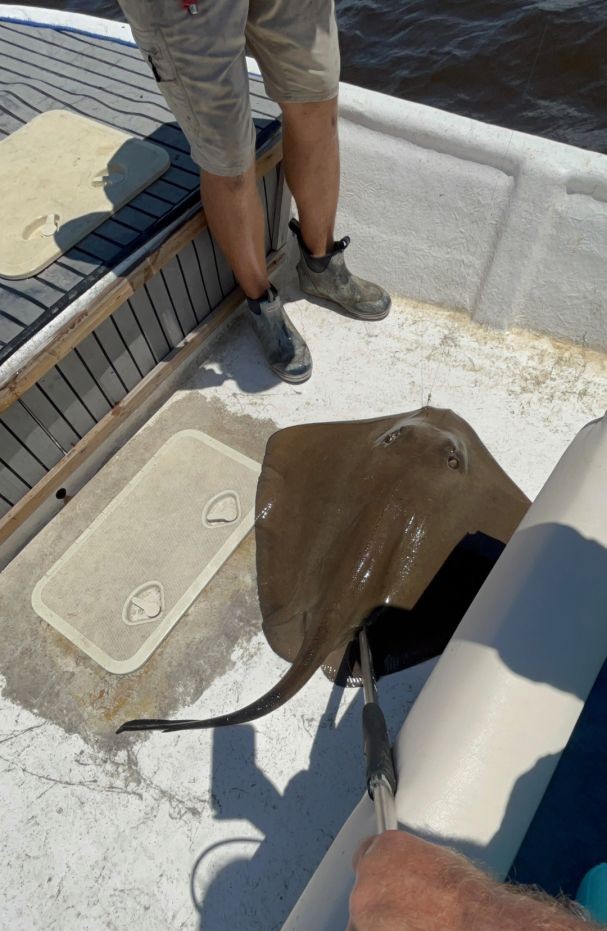
Cobia show up as bonus fish that can absolutely make your trip. These brown sharks look-alikes cruise the flats and around structure, often following rays and sharks while hunting for crabs and small fish. A typical Cedar Key cobia runs 20-40 pounds, which means serious pulling power on light tackle. Spring migration brings the best shots at cobia, usually March through May when they're moving north to spawn. Sight fishing for cobia is pure adrenaline – you'll see them coming from a distance and have one shot to make the right presentation.
African pompano are the wild cards that don't show up often, but when they do, you'll remember it forever. These deep-bodied fighters have long trailing fins and pull like freight trains. They're more common in warmer months and prefer deeper grass flats and channel edges. Most African pompano caught here run 10-25 pounds, which is plenty of fish on inshore tackle. They're curious and will often investigate baits, but getting them to commit requires patience and the right presentation.
Spanish mackerel bring speed and aggression to the mix, especially when they're schooled up and feeding aggressively. These toothy speedsters love small spoons, jigs, and live bait, hitting with savage strikes that'll surprise first-time anglers. They typically show up in spring and fall when baitfish are thick, and finding a school means non-stop action until they move on. Spanish mackerel aren't huge – most run 1-3 pounds – but they make up for size with attitude and numbers.
Time to Book Your Spot
Cedar Key's inshore fishing scene delivers consistent action in a setting that feels like old Florida, before the crowds and development changed everything. This private charter gives you the flexibility to fish your way – whether that's targeting specific species, teaching kids to fish, or just enjoying a morning on the water with your crew. The 4-hour timeframe hits the sweet spot between getting your money's worth and not wearing out your welcome with the fish. Morning trips book fast, especially during peak seasons, so don't wait around if you're serious about getting on the water. Your captain's local knowledge and dedication to putting you on fish makes this charter a solid investment in your fishing time.
 Private Trip
 Inshore Fishing
 undefined, undefined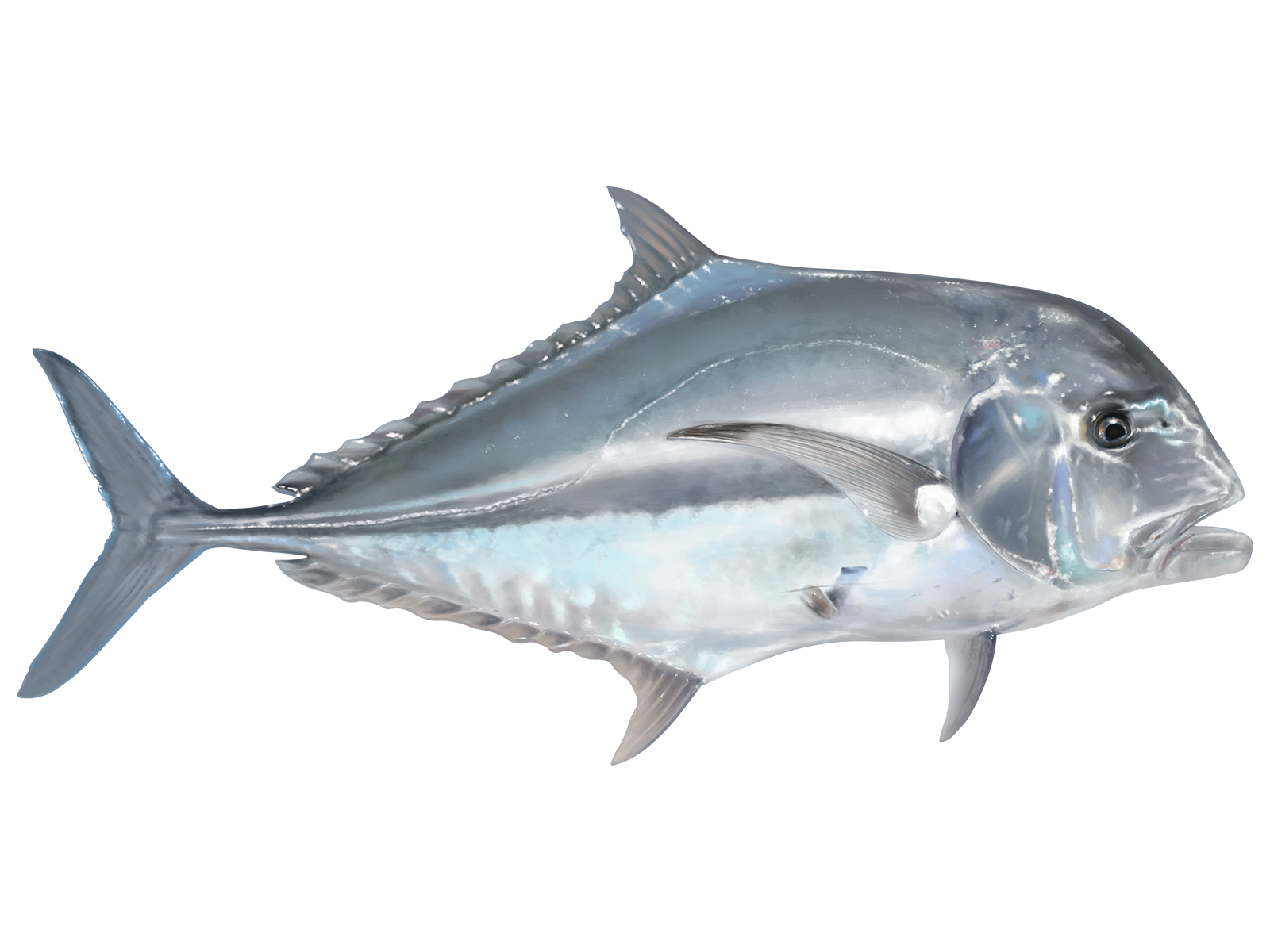


 Four-hour private charter targeting redfish and speckled trout