Smith River Full Day Float: Virginia Fly Fishing
The Smith River holds a special place in Virginia's fishing scene, and Lucky Strips Fly Co. knows exactly how to show it off. This 7-hour guided float trip puts you right in the heart of some of the state's best trout water, with just you and an experienced guide working prime pools and runs. At $375, you're getting personalized attention that bigger group trips simply can't match. Whether you're still learning to read water or you've been casting flies for years, having the entire boat to yourself means we can focus on exactly what you need to make this day count.
What to Expect on the Water
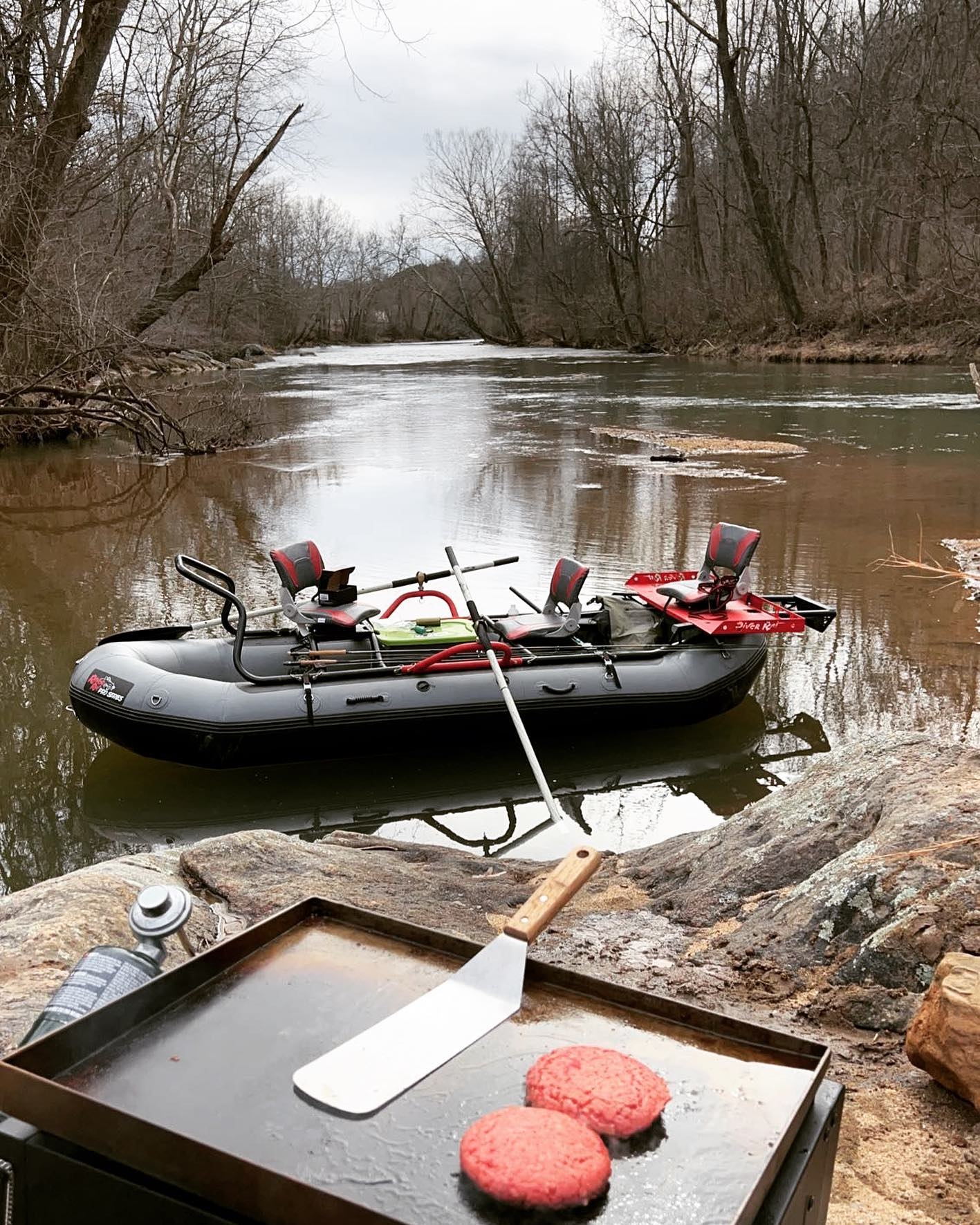
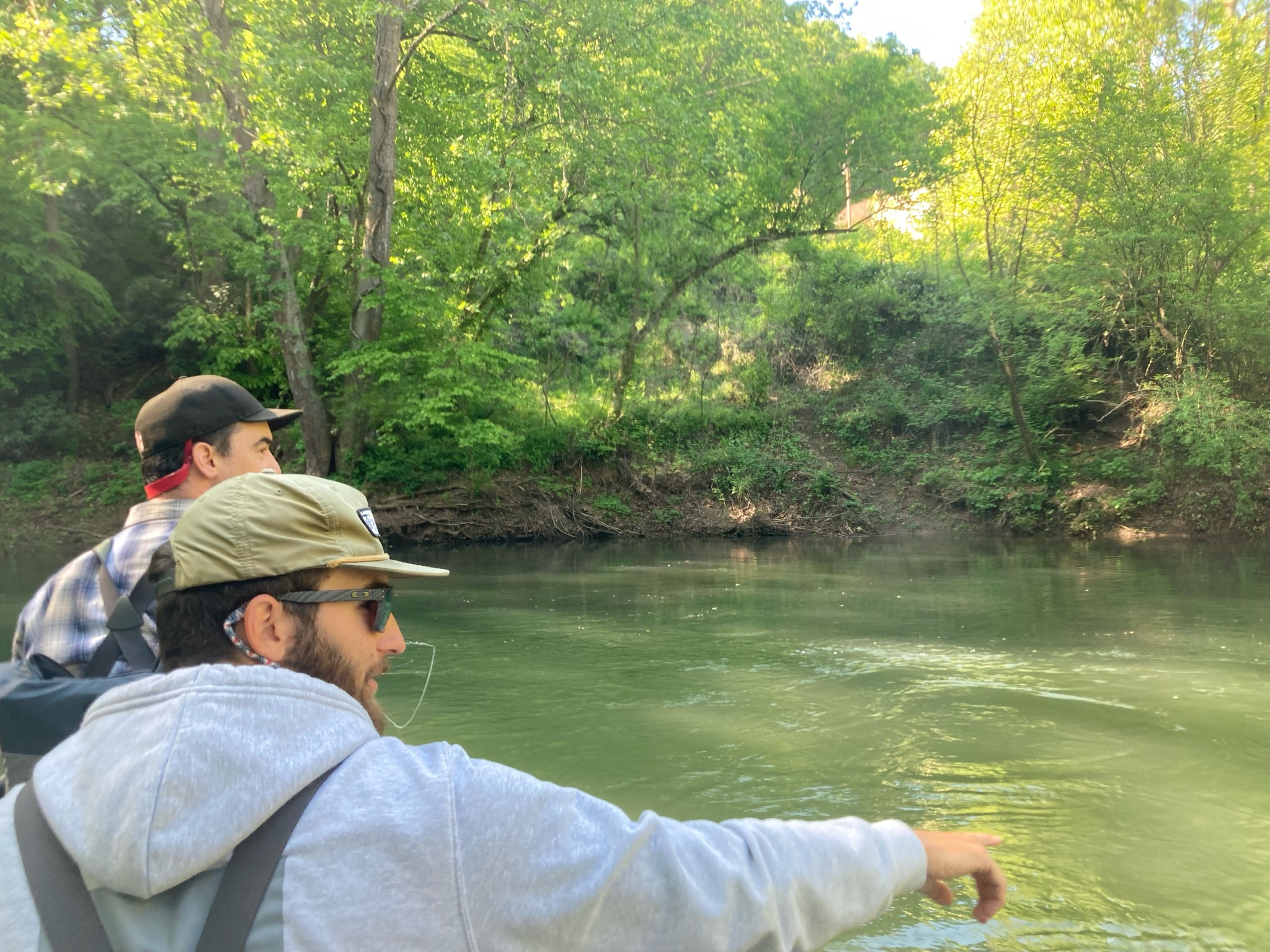
Your day starts early on the Smith River, one of Virginia's top-rated trout fisheries that flows crystal clear through the Blue Ridge foothills. We'll launch the drift boat while the morning mist is still lifting off the water – that's prime time when trout are actively feeding. The float covers roughly 8 miles of varied water, from deep pools holding mature browns to shallow riffles where rainbows love to stack up. Your guide will handle all the rowing and boat positioning, so you can concentrate on presentation and reading rises. We'll anchor up at the best spots, giving you time to work productive water thoroughly rather than just drifting past. The Smith's gradient creates perfect pocket water – those foam lines and current breaks where big fish like to hold. Since it's just you on board, we can spend extra time at spots where you're seeing action or move quickly past slower sections.
Fly Selection & Techniques
The Smith River responds well to classic Appalachian patterns, and your guide carries a selection proven on these waters. Dry fly fishing dominates during warmer months – think elk hair caddis, adams parachutes, and terrestrials like ants and beetles when they're dropping from overhanging trees. Nymphing becomes crucial during cooler periods and higher flows, with pheasant tails, hare's ears, and local favorites like the Virginia caddis larva getting deep in the runs. Your guide will rig your rod based on current conditions and what the fish are showing us. If you're newer to fly fishing, we'll start with easier presentations and build up your confidence. Experienced anglers can expect to work on advanced techniques like tight-line nymphing or presenting dries in tricky currents. All flies, tippet, and terminal tackle are included, plus backup rods if needed.
Species You'll Want to Hook
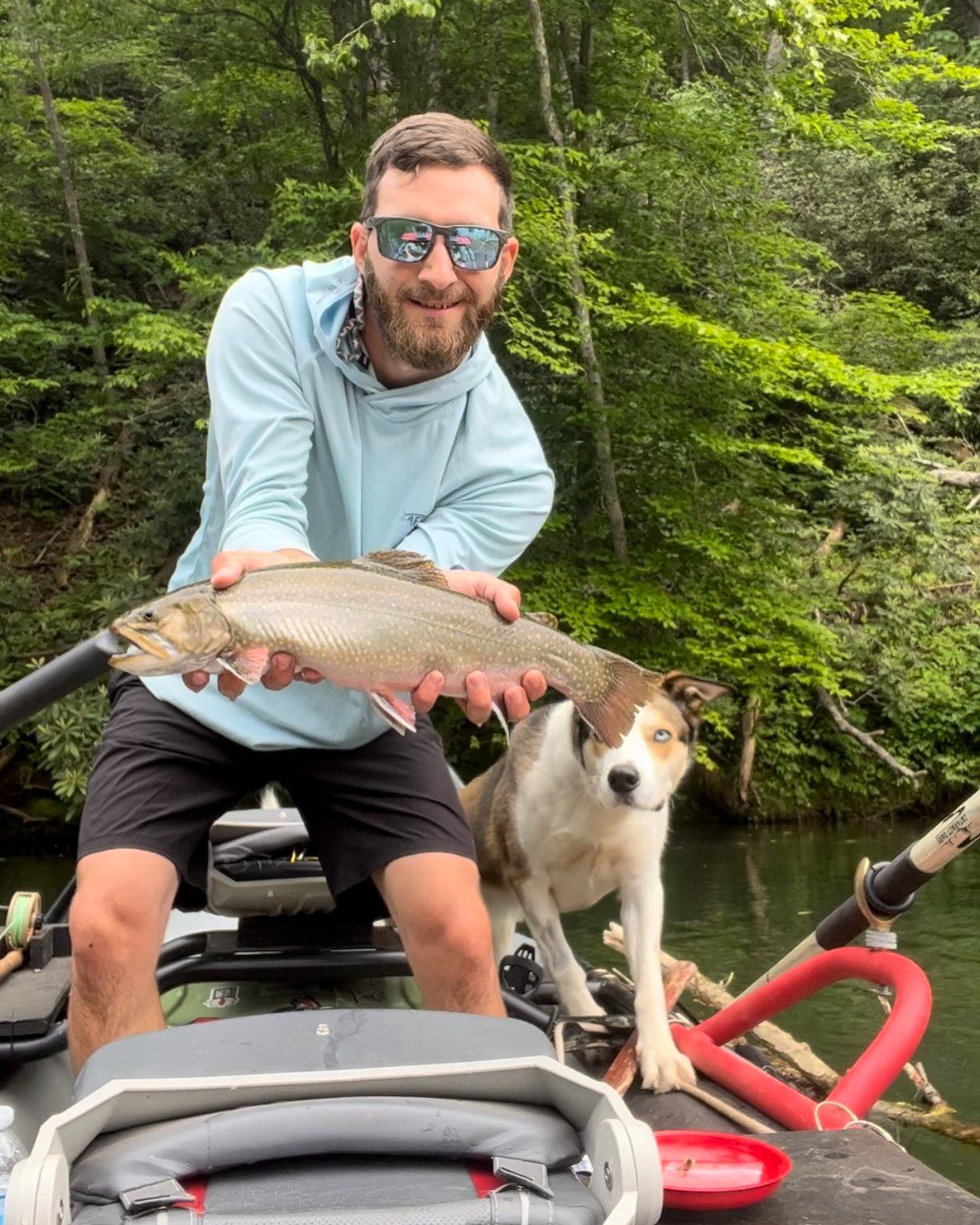
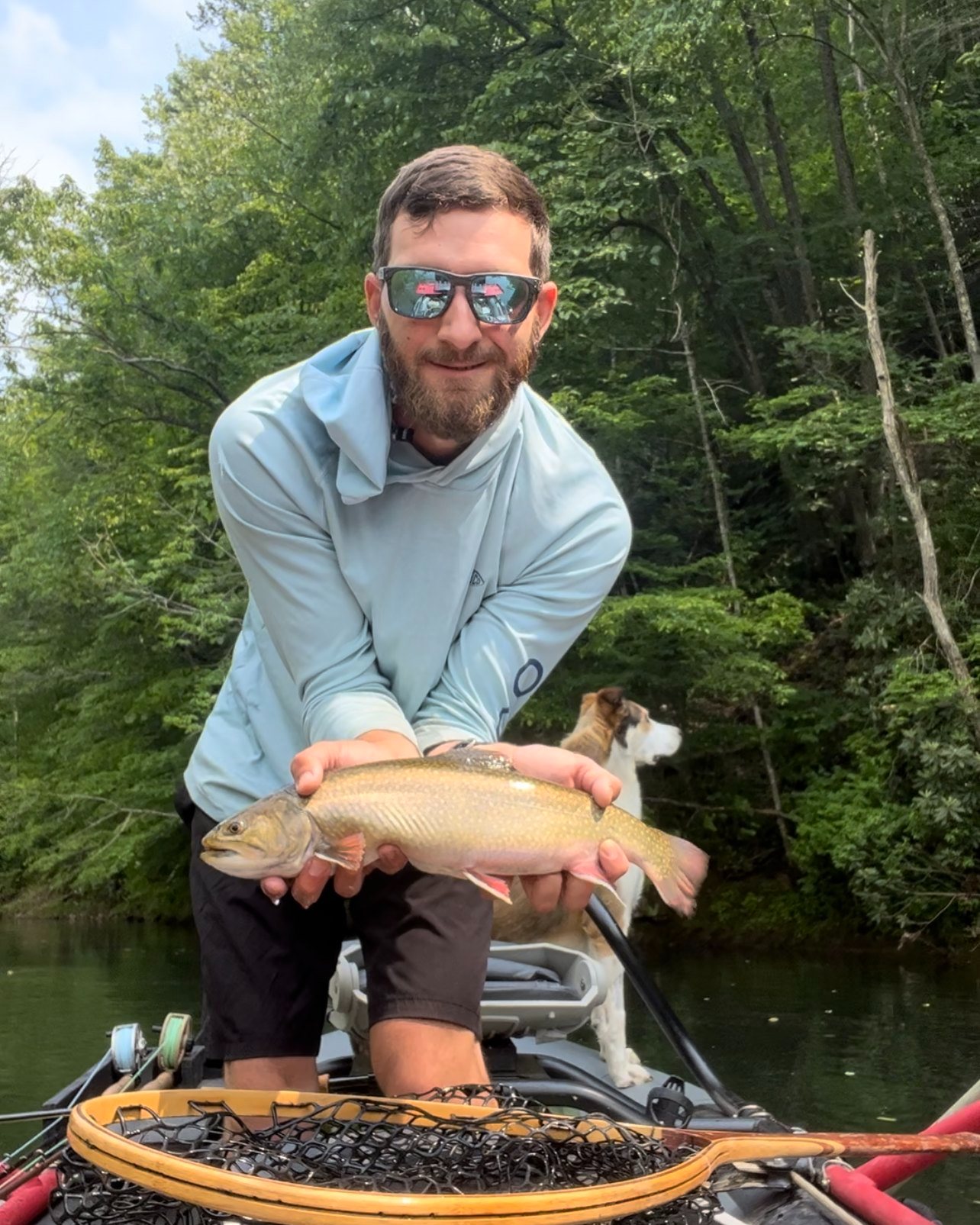
Brook Trout represent the Smith River's wild heritage – these native beauties with their white-edged fins and brilliant spawning colors are what Virginia trout fishing is all about. They average 8-12 inches but fight with surprising strength for their size. Fall brings out their most vibrant colors as they prepare to spawn in headwater tributaries. Brooks are opportunistic feeders, making them great targets for beginners, but they're also easily spooked in the clear water. Finding a good brook trout hole feels like discovering a secret, and your guide knows several spots where these natives still thrive in good numbers.
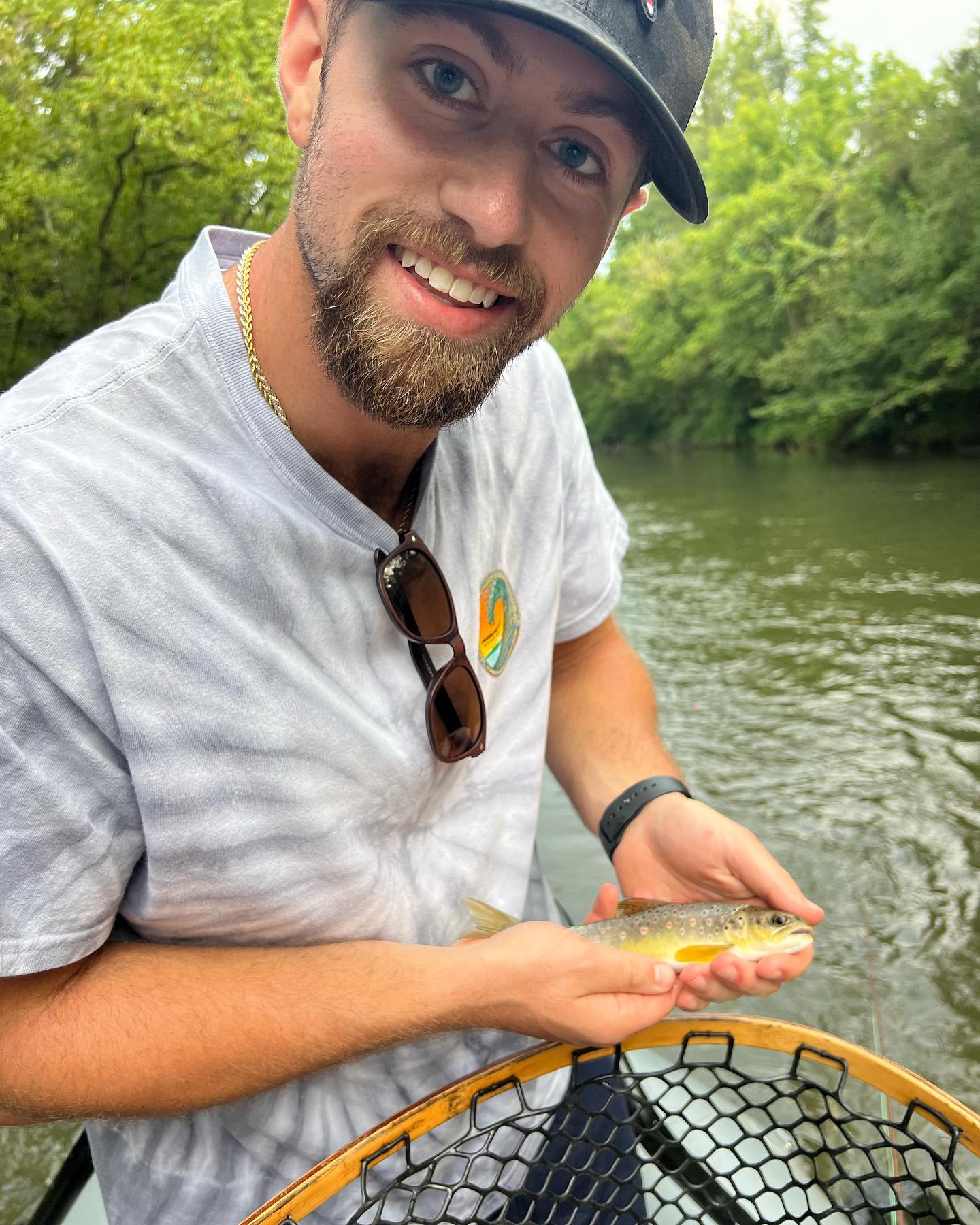
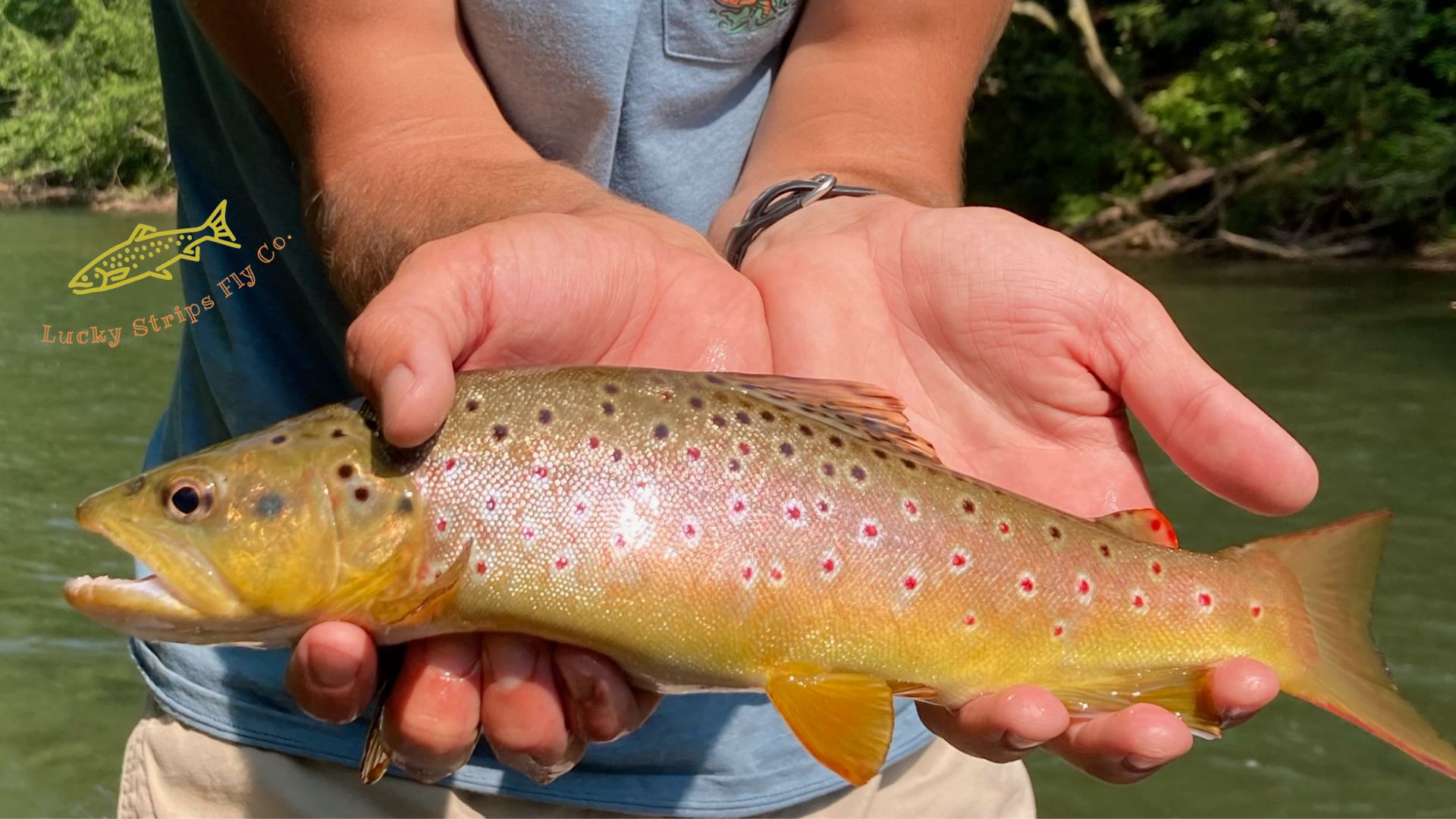
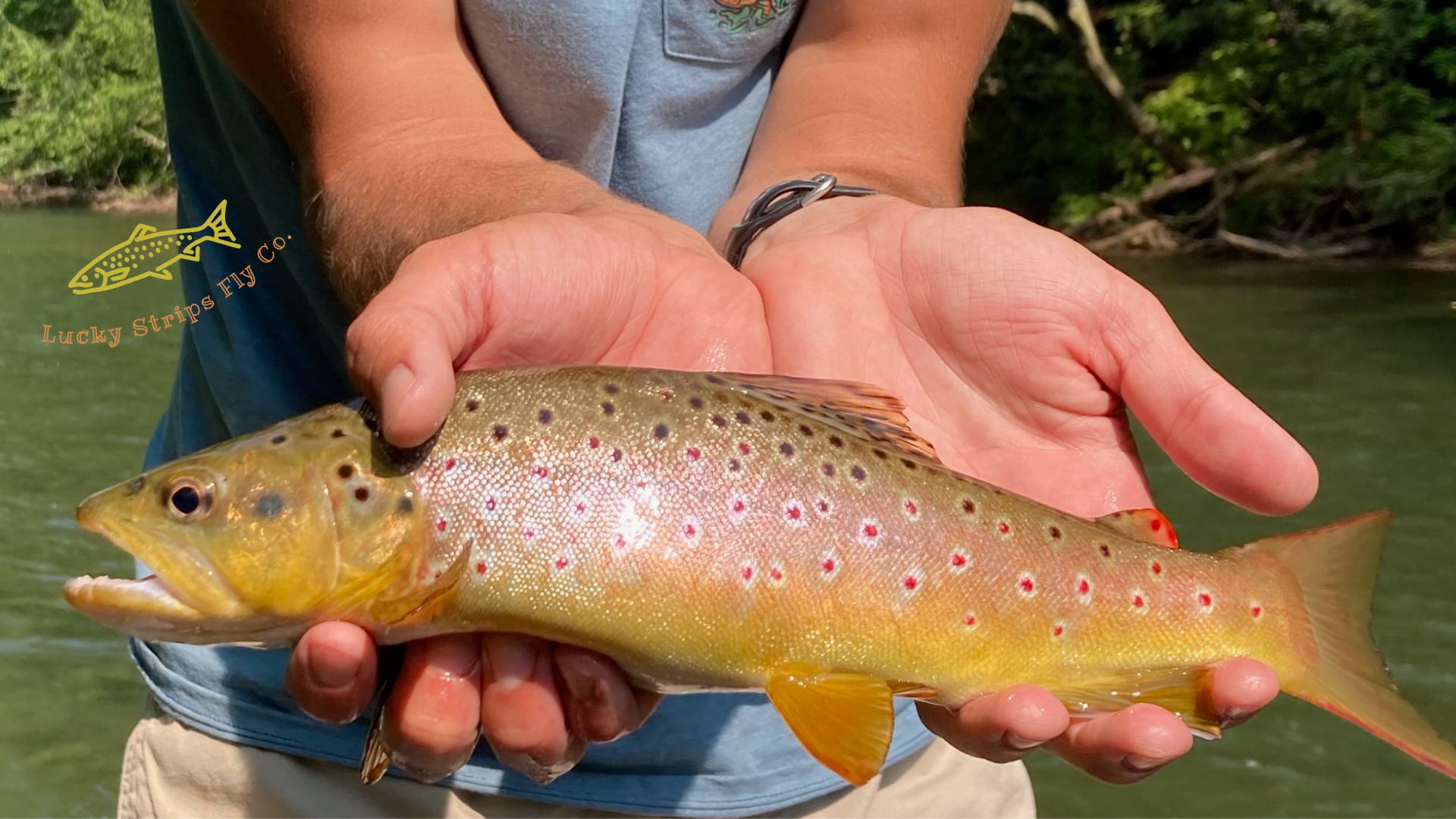
Brown Trout are the river's heavyweights and the fish that keep experienced anglers coming back. The Smith's browns commonly run 12-18 inches, with occasional fish pushing over 20. They're incredibly wary and prefer deeper pools with good cover – fallen trees, undercut banks, or boulder gardens. Browns feed heavily on terrestrials during summer months, making hopper fishing particularly productive. These fish have attitude and will test your drag system when hooked. They're most active during low-light periods, which is why early morning and late afternoon often produce the best action.
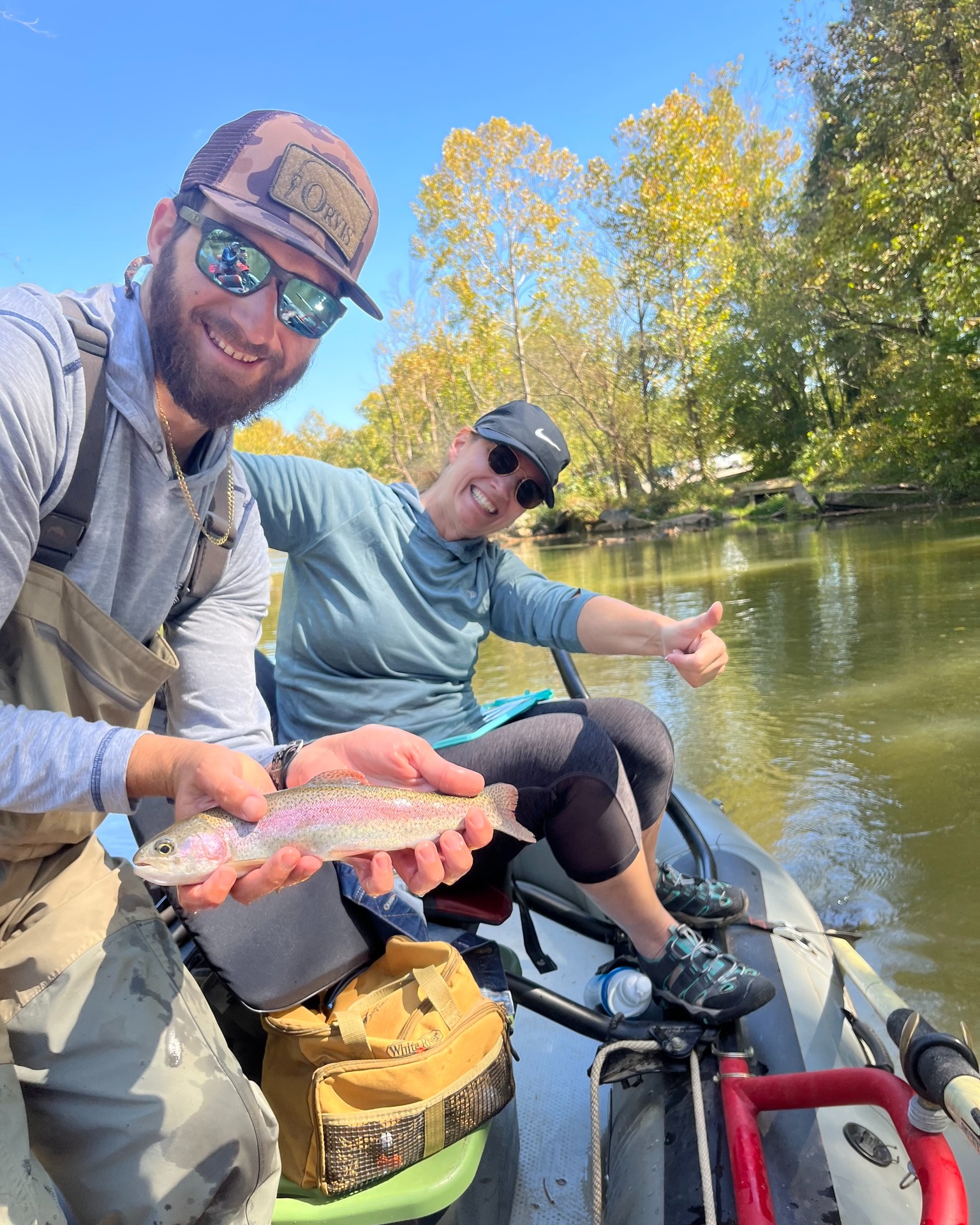
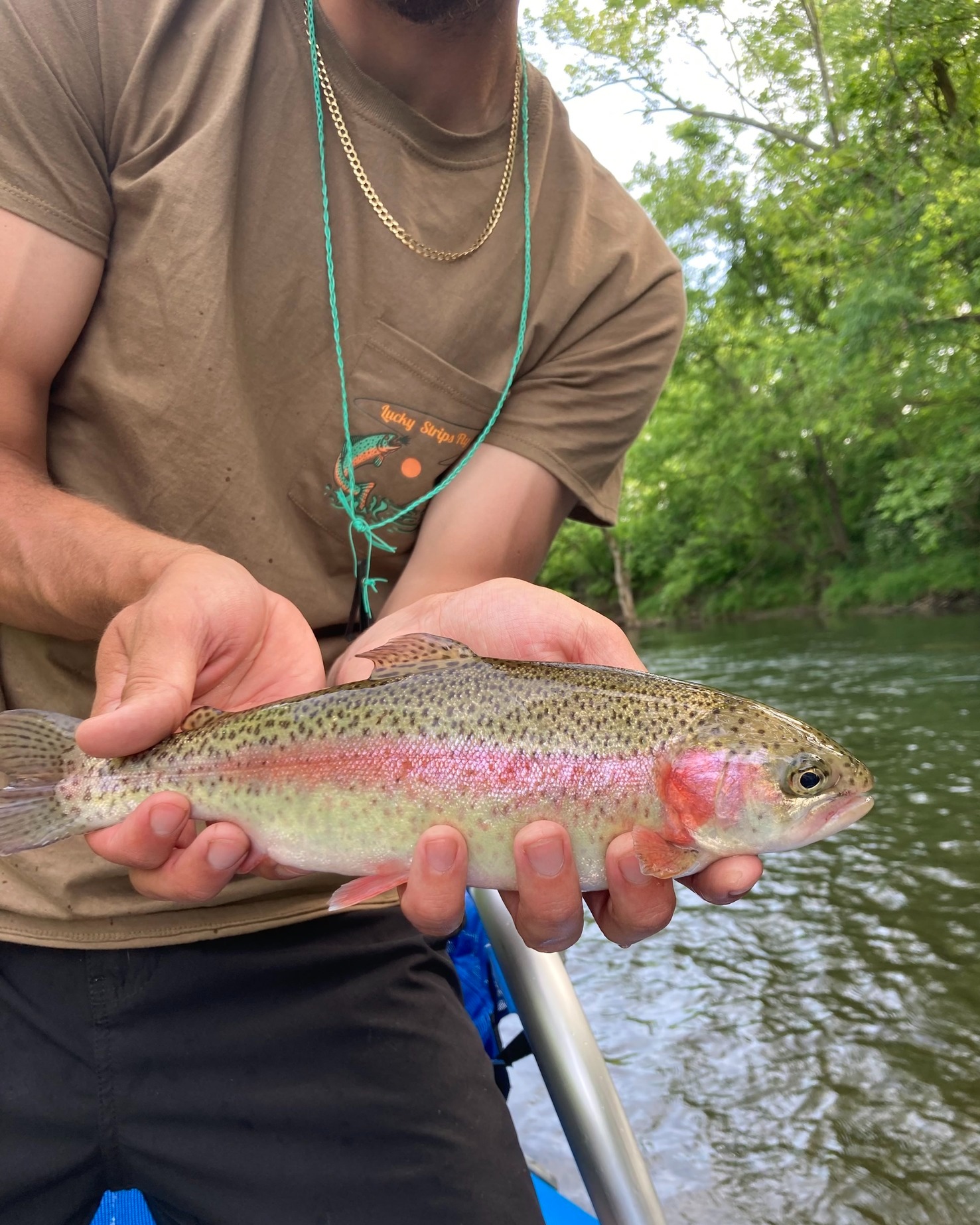
Rainbow Trout bring the aerial acrobatics that make fly fishing so addictive. The Smith's rainbows typically measure 10-16 inches and are known for their jumping ability once hooked. They prefer faster water than browns – look for them in riffles, runs, and the heads of pools where oxygen levels stay high. Rainbows are aggressive feeders, especially during insect hatches, making them excellent targets for dry fly fishing. Spring and early summer offer the most consistent rainbow action as water temperatures hit their preferred range.
Time to Book Your Spot
This single-person float trip fills up fast, especially during peak seasons when the Smith River fishing hits its stride. The personalized attention and flexibility you get with a private guide makes this experience a customer favorite among serious anglers. Your guide will adjust techniques, locations, and pace based entirely on your skill level and interests – something impossible on larger trips. At $375 for seven hours of world-class Virginia trout fishing, including all tackle and flies, you're investing in memories that'll last long after you've hung up your waders. The Smith River's combination of wild beauty and consistent fishing creates the perfect backdrop for either advancing your skills or simply enjoying some of the best fly fishing Virginia has to offer. Don't wait – prime dates book weeks in advance.
 Private Trip
 River Fishing
 Richmond


 Full-day guided fly fishing adventure on Smith River