Wrightsville Beach Fishing with MaTunaHoo
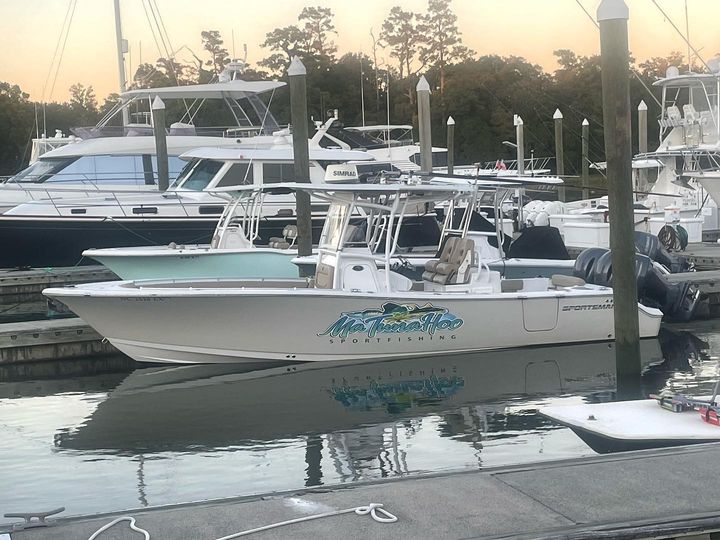
Ready to get your lines wet in some of North Carolina's most productive waters? This Wrightsville Beach fishing trip puts you right where the action is, targeting everything from feisty Spanish mackerel to trophy-sized grouper. Whether you're a weekend warrior or just getting your feet wet in saltwater fishing, Captain and crew at MaTunaHoo Sportfishing know exactly where to find the fish. You'll be fishing the nearshore waters where structure and current create perfect feeding zones, and trust me – these waters don't disappoint. Pack your cooler with snacks and drinks, because everything else is handled for you.
What to Expect on the Water
Your day starts early when you meet the crew at the dock, ready to head out into the productive waters off Wrightsville Beach. This isn't your typical pier fishing – we're talking about getting out to where the real action happens. The boat accommodates up to four anglers, so you'll have plenty of elbow room to work your rods without bumping into each other. The captain knows these waters like the back of his hand, reading the conditions and adjusting the game plan based on what's biting. Some days we'll be working the nearshore reefs for grouper, other times we're trolling the blue water edge for mahi and king mackerel. The beauty of this fishery is its diversity – you never know what's going to grab your bait next. The crew provides all the tackle, from heavy spinning gear for the big kings to lighter setups perfect for Spanish mackerel. They'll rig your lines, net your fish, and keep you in the action all day long.
Techniques and Tackle
The fishing here is all about reading the water and matching your approach to what's feeding. When we're targeting Spanish mackerel and bonito, we'll often troll small spoons and feathers at varying speeds, covering water until we find the schools. Once we mark fish, it's all hands on deck with live bait or jigs. For the bigger predators like king mackerel and mahi, we'll deploy a spread of trolling lures – diving plugs, skirted baits, and rigged ballyhoo that mimic the baitfish these gamefish can't resist. The grouper fishing is a whole different game, requiring precise bottom fishing techniques over structure. We're talking heavy sinkers, circle hooks, and the kind of drag-screaming fights that make your arms burn. The captain provides everything from 20-pound spinning outfits to heavy conventional reels capable of handling whatever decides to eat your bait. Expect to use a mix of live bait, cut bait, and artificial lures depending on conditions and target species. The key here is staying versatile – these waters can surprise you, and the fish don't always read the same playbook.
Top Catches This Season
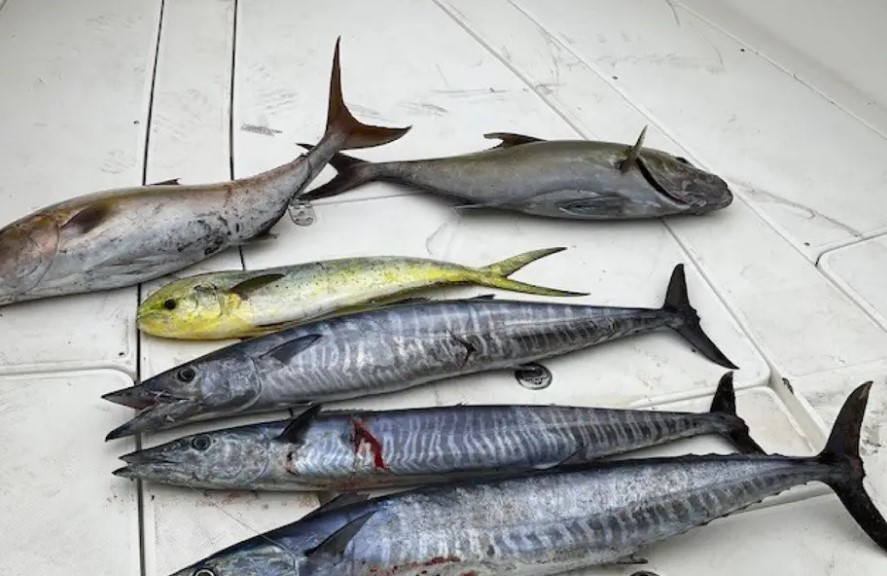
Spanish mackerel are the bread and butter of this fishery, especially during the warmer months when they school up in massive numbers. These aggressive feeders hit fast and fight hard for their size, making them perfect for anglers of all skill levels. They typically run 2-4 pounds, but don't let their size fool you – they'll peel line and put on a show. The best action usually happens from late spring through early fall when water temperatures climb and baitfish concentrate along the beaches and nearshore structure.
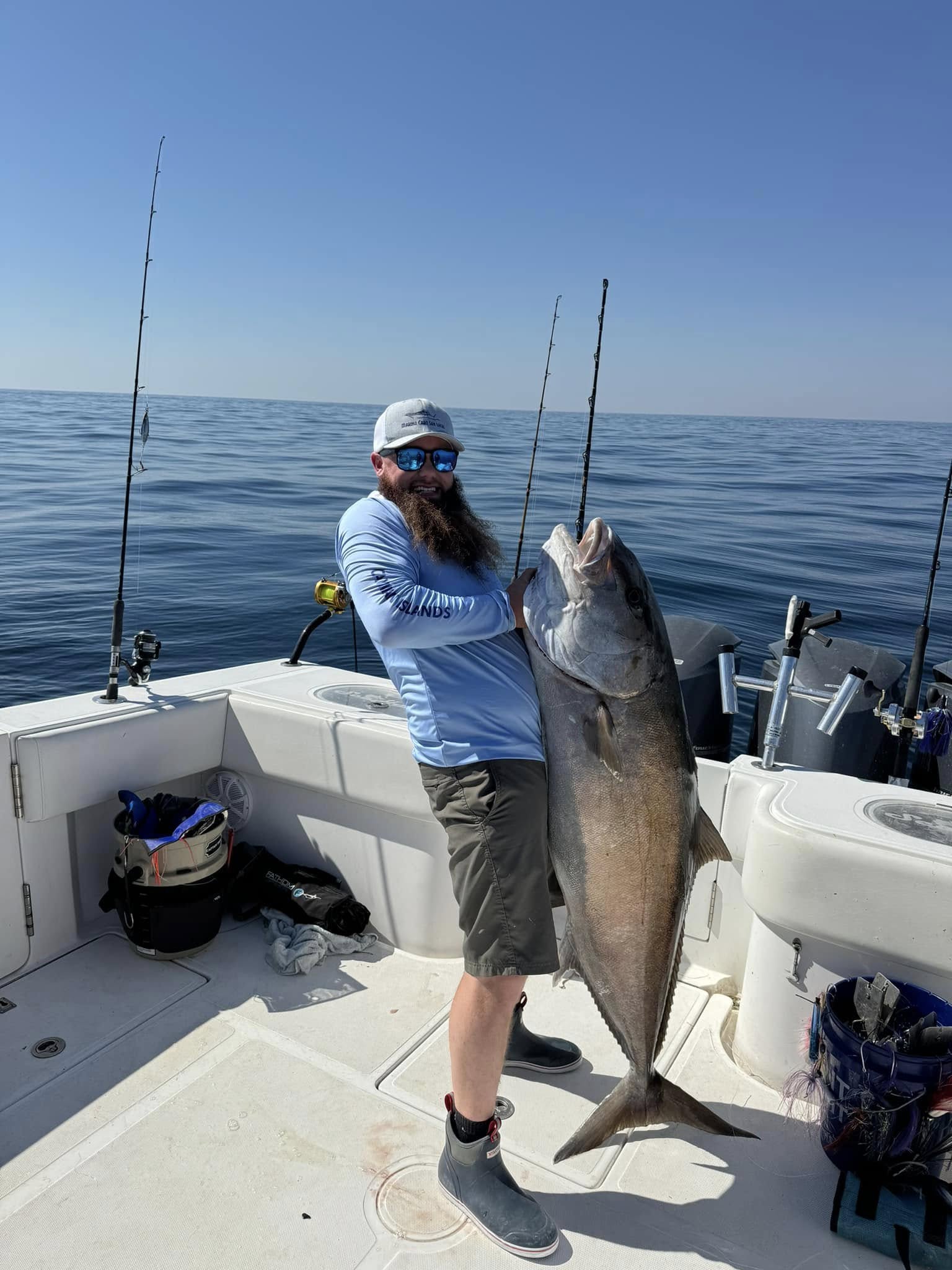
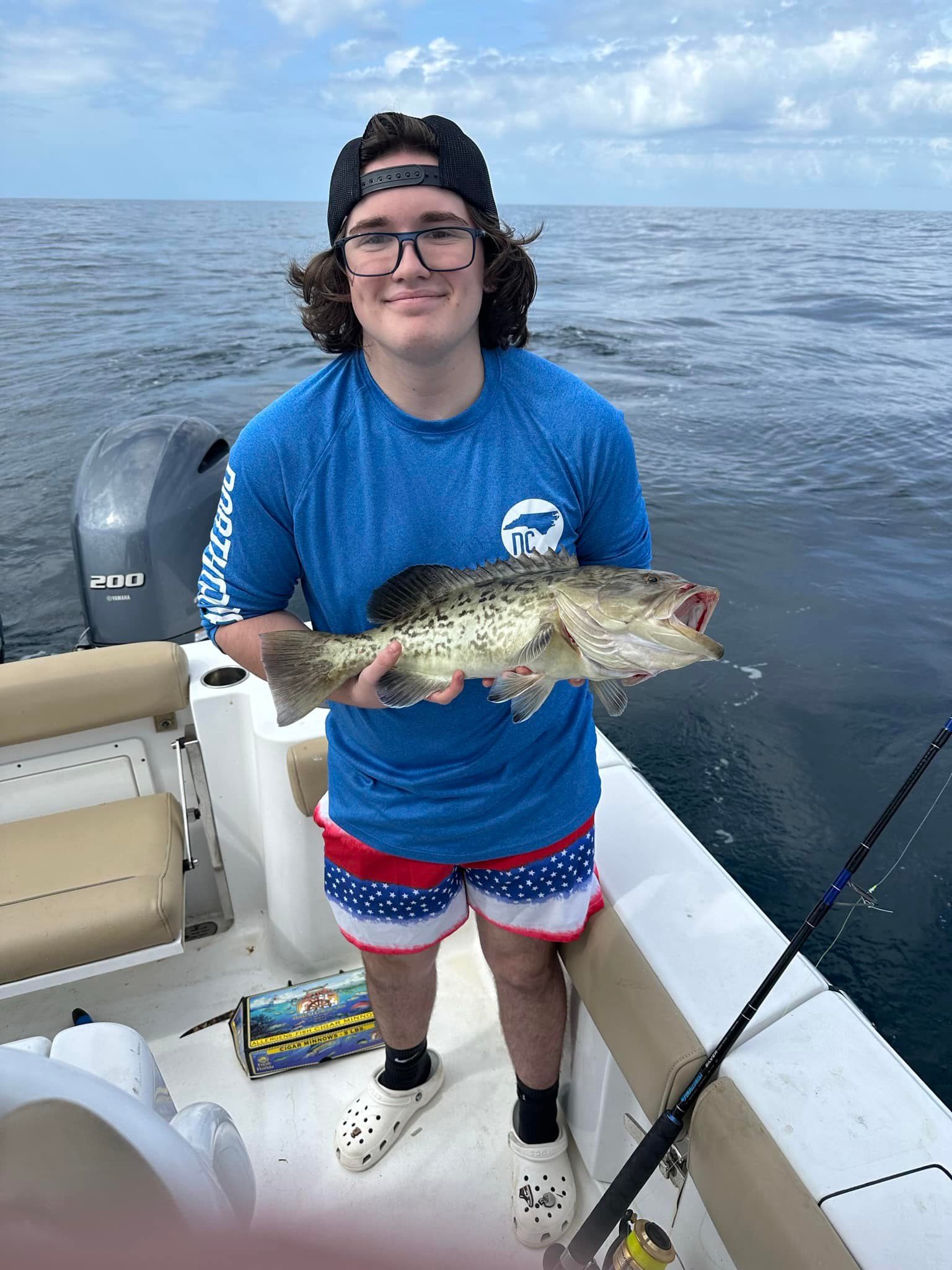
Gag grouper represent the heavyweight division of your potential catch. These bottom-dwelling bruisers can weigh anywhere from 10 to 30 pounds, with the occasional monster pushing even bigger numbers. They're ambush predators that live around hard bottom, artificial reefs, and natural ledges. What makes gag grouper so exciting is their initial run – they'll try to get back to their hole the second they feel the hook, testing your drag and your nerves. Peak season runs from late fall through early spring when they're most active and feeding heavily.
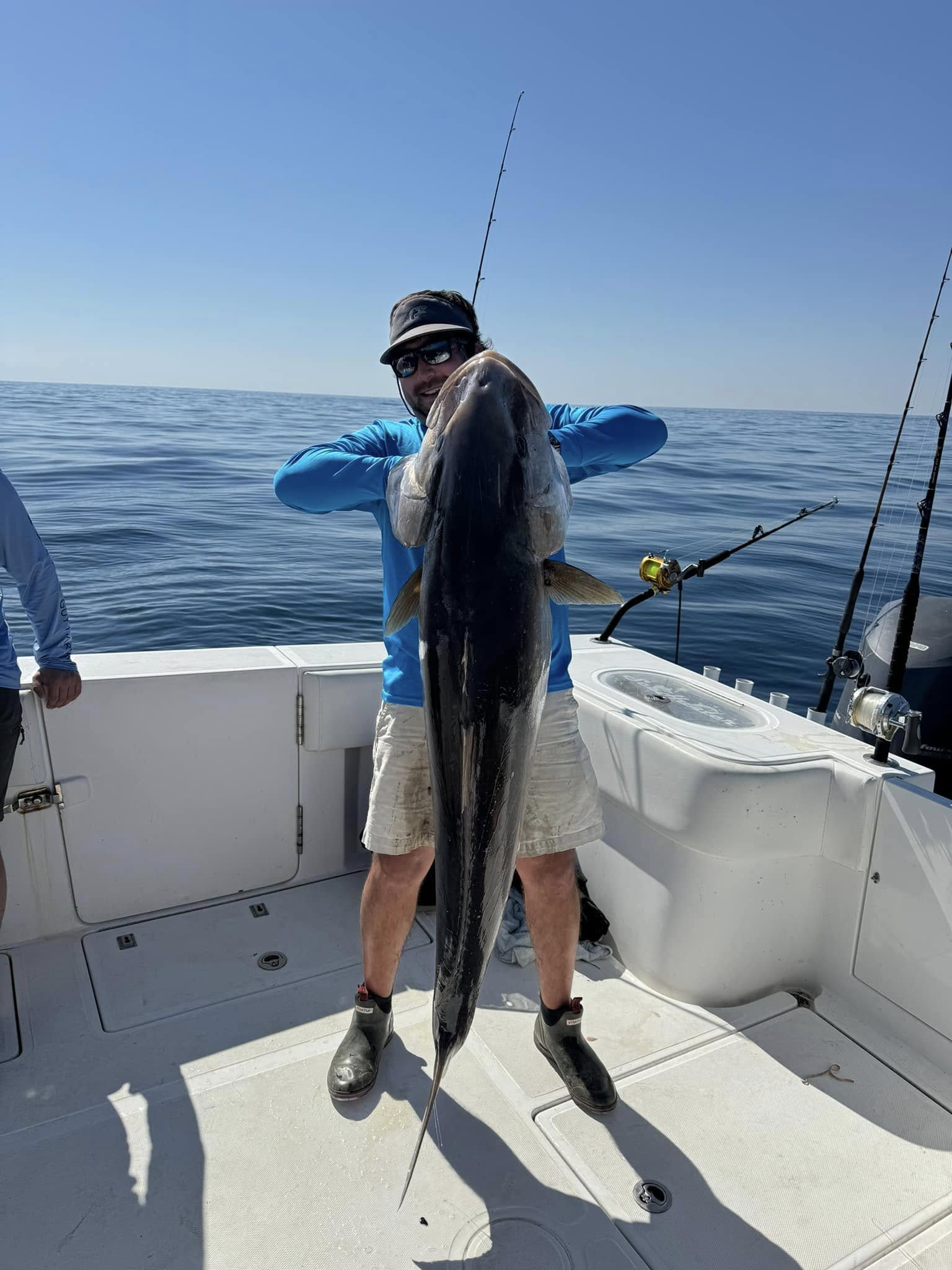
King mackerel are the speed demons of these waters, capable of blistering runs that can empty a reel in seconds. Also called "smoker kings" by locals, these pelagic predators patrol the blue water looking for schools of menhaden, Spanish sardines, and other baitfish. A typical king might weigh 15-25 pounds, but 40-pounders are always possible. They're most active during the summer months when bait is plentiful and water temperatures peak. The fight is pure adrenaline – long runs, jumps, and enough speed to make your reel smoke.
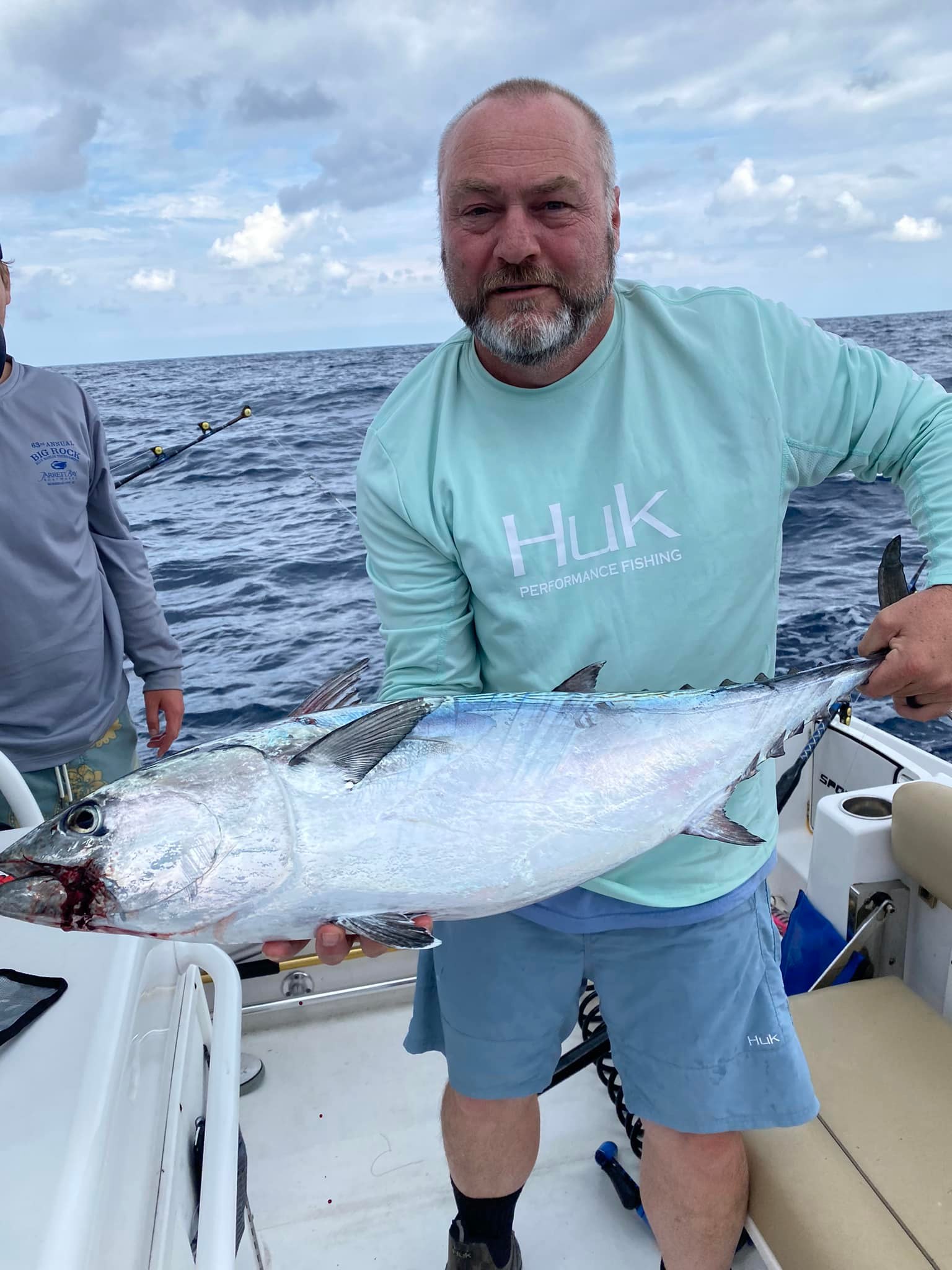
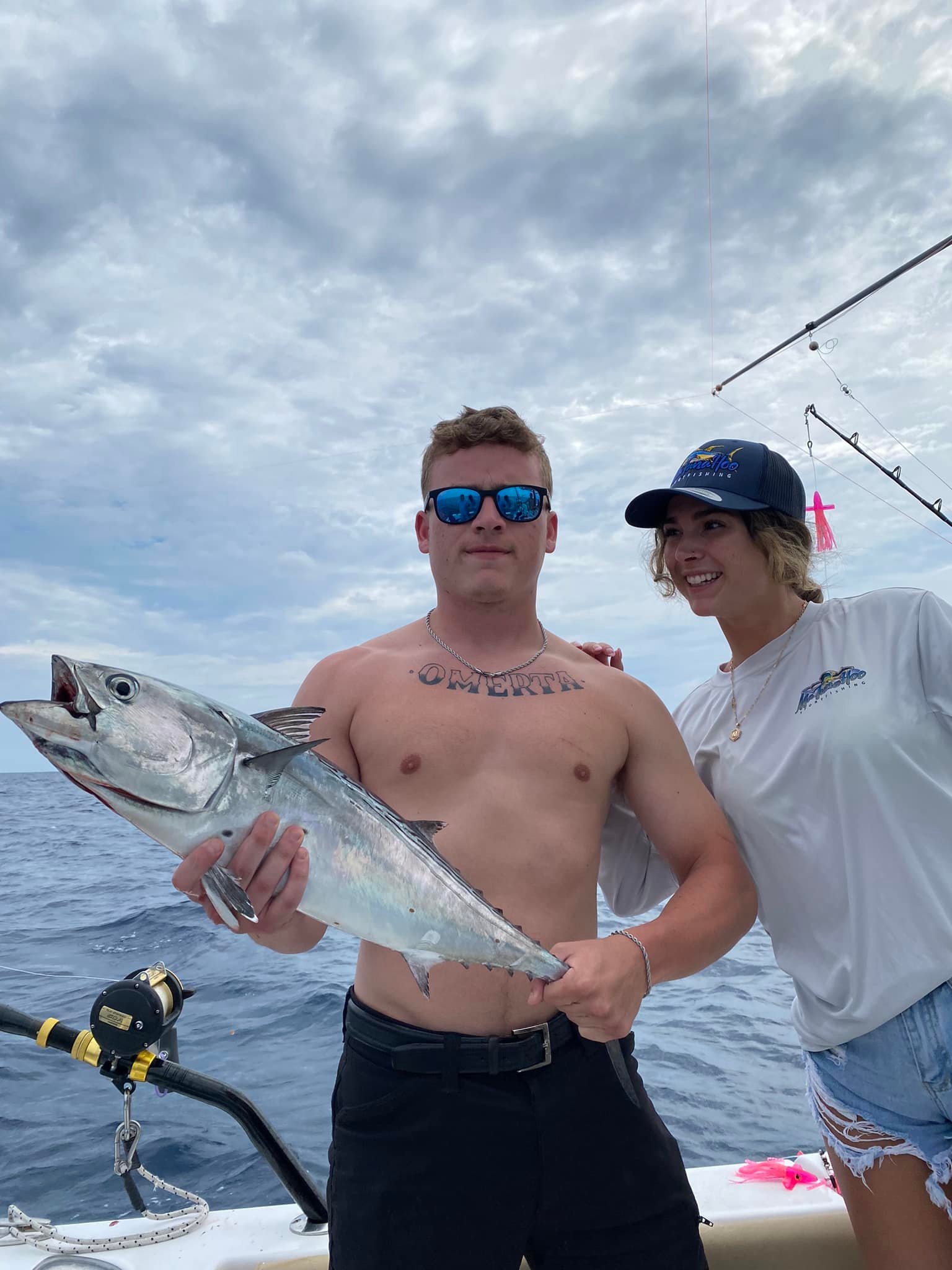
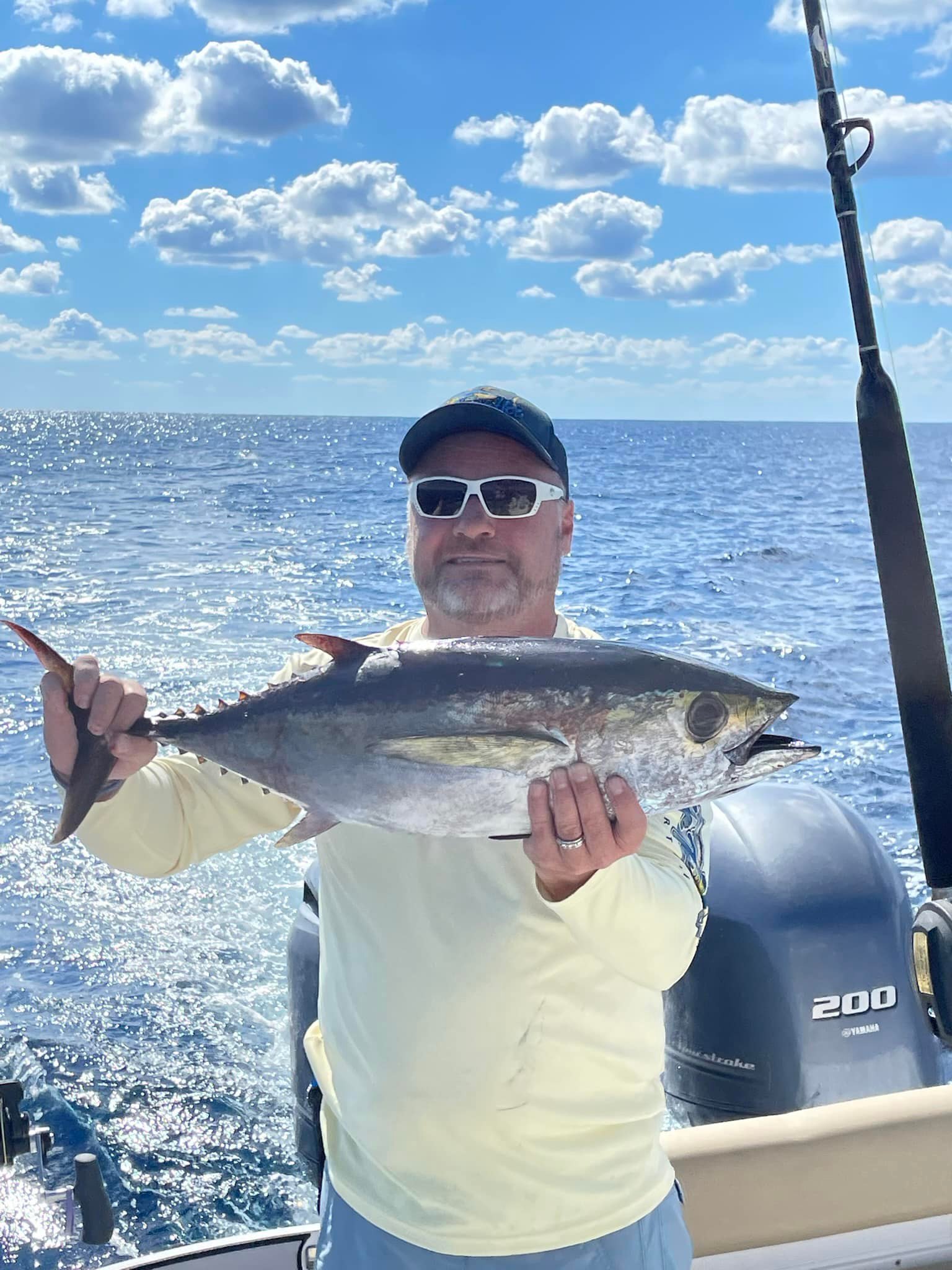
Atlantic bonito bring incredible speed and stamina to every hookup. These smaller tunas rarely exceed 10 pounds, but they fight like fish twice their size. They school heavily during their seasonal migrations, creating fast-paced action where multiple hookups are common. Bonito are perfect on light tackle, making screaming runs and testing your ability to manage a hot fish. They typically show up in spring and fall when water temperatures are transitional.
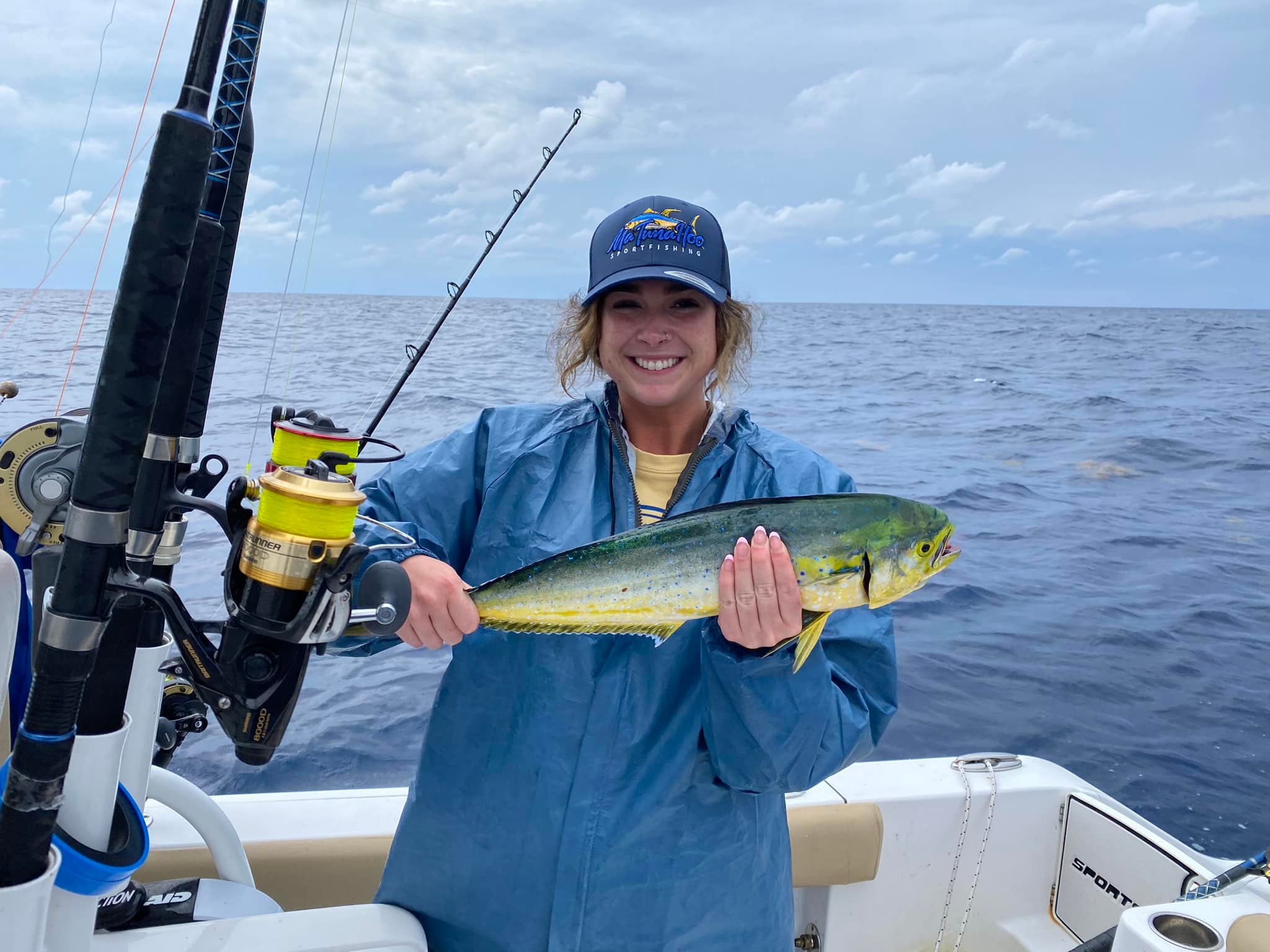
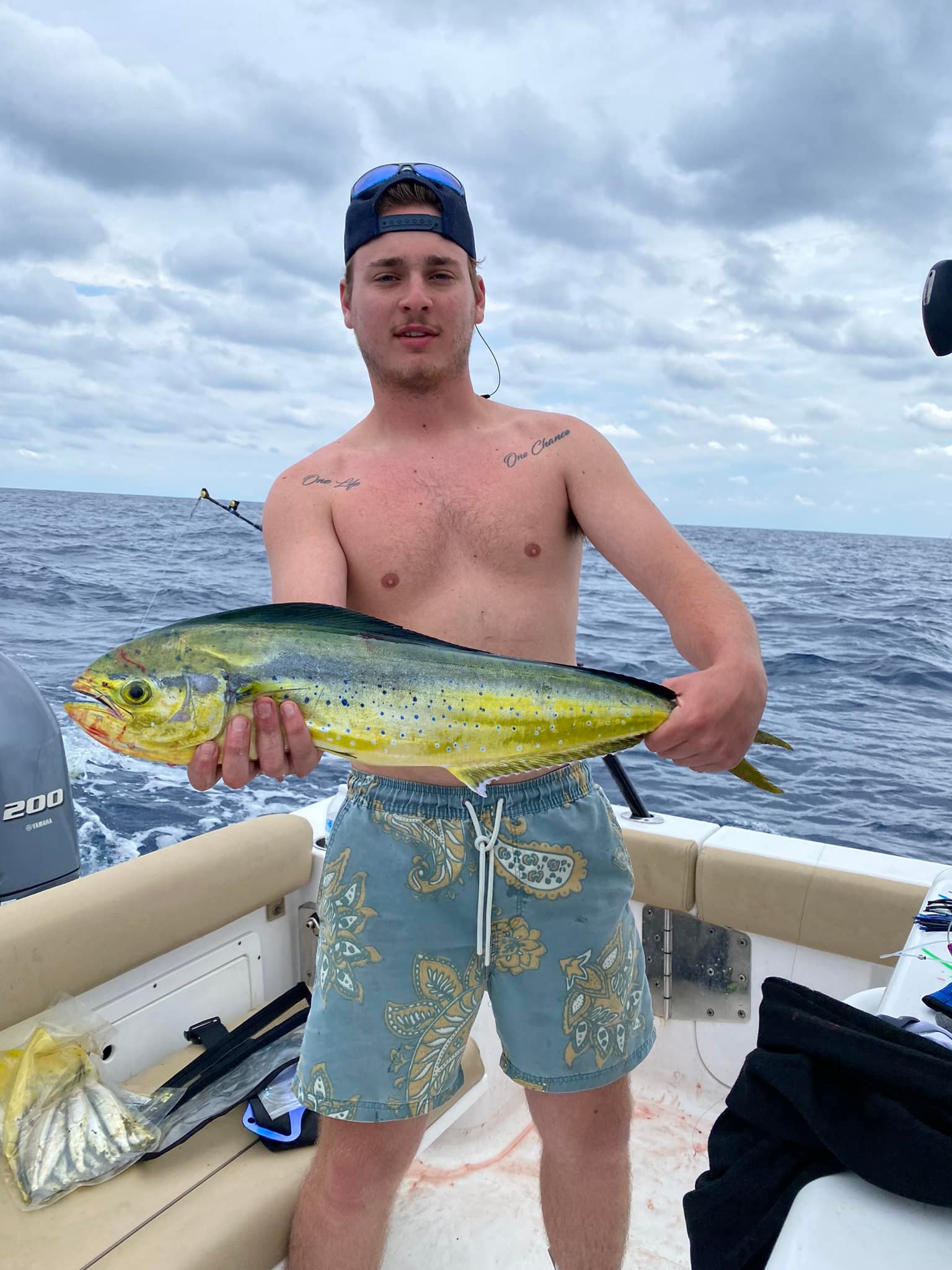
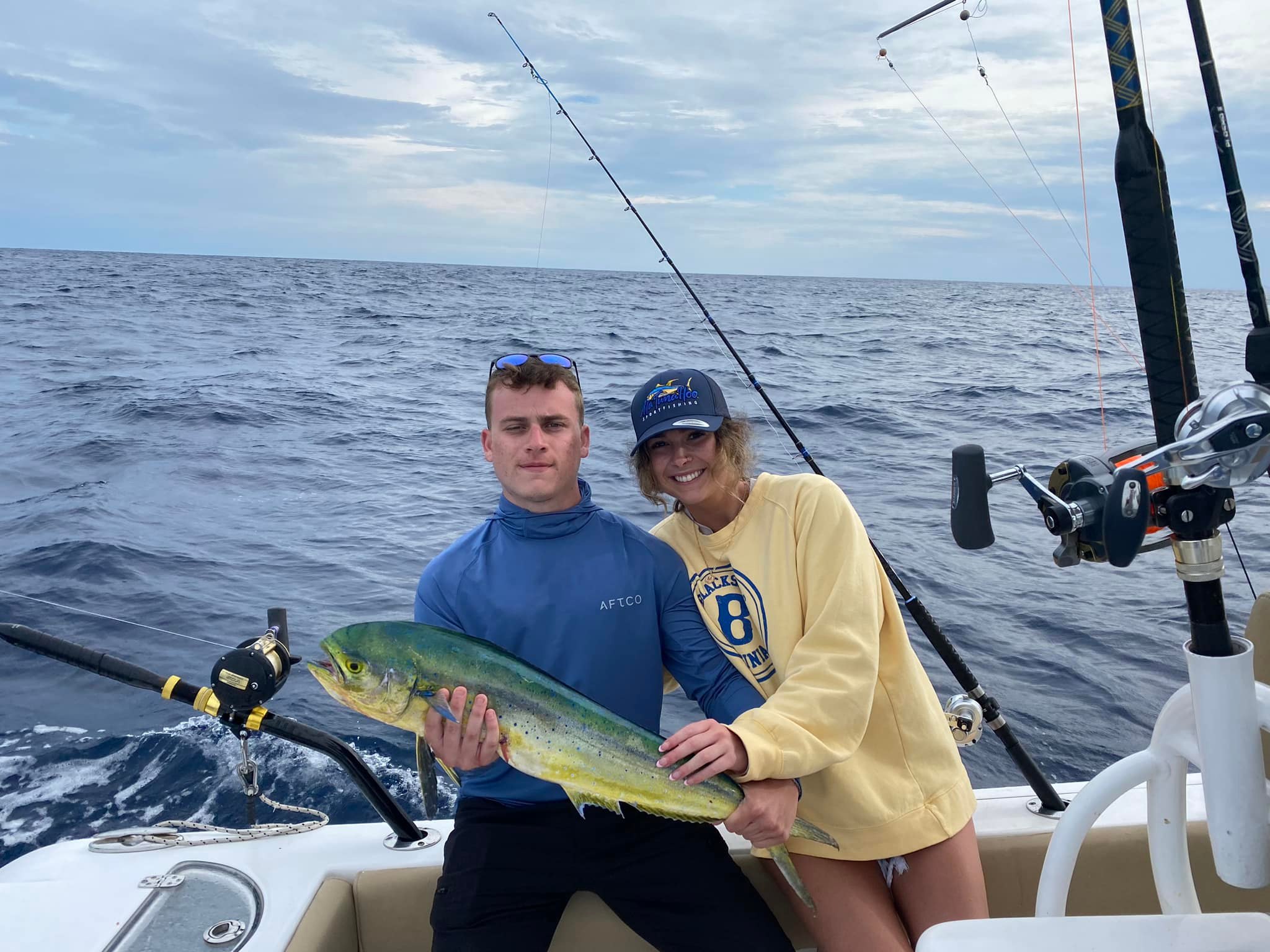
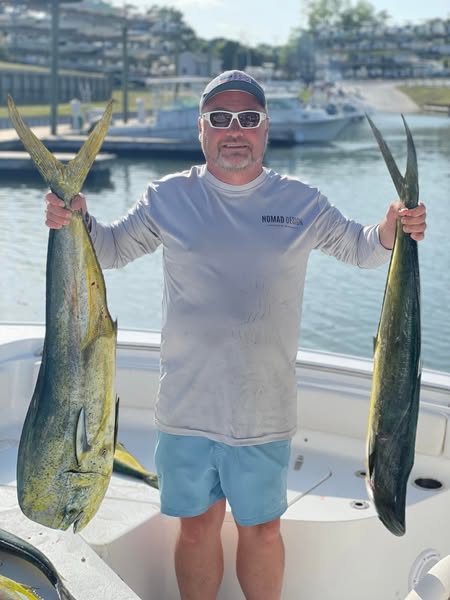
Mahi mahi, or common dolphinfish, are the wild cards that can make any trip memorable. These open-ocean speedsters are known for their incredible colors, acrobatic fights, and excellent table fare. When you find mahi, you've often found a whole school, leading to non-stop action. They're attracted to floating debris, weed lines, and temperature breaks where baitfish concentrate. A typical mahi runs 10-20 pounds, but bulls can push 30 pounds or more. Their fights combine speed, jumps, and stubborn pulling power that keeps you guessing until they're in the boat.
Time to Book Your Spot
The waters off Wrightsville Beach offer some of the most consistent and diverse fishing on the entire East Coast. With MaTunaHoo Sportfishing, you're getting local knowledge, quality equipment, and the kind of personal attention that makes the difference between a good day and a great day. The boat's four-angler capacity means you won't be crowde
 Private Trip
 Inshore Fishing
 Wilmington


 Beginner-friendly inshore fishing targeting seven popular species