Flamingo Everglades Fly & Light Tackle Fishing
When you're looking for world-class inshore fishing in South Florida, the Flamingo Everglades delivers everything you've heard about and more. This isn't your typical charter – you'll be working some of the most productive flats and mangrove shorelines in the country, where snook, tarpon, redfish, black drum, and sea trout cruise year-round. What makes this spot special is the variety of water you can fish in a single day. One minute you're sight-casting to tailing reds on crystal-clear flats, the next you're working darker water around mangrove cuts where big snook like to ambush baitfish. The scenery alone is worth the trip, but when you start hooking up with quality fish, you'll understand why so many anglers consider this area a must-fish destination.
What to Expect on the Water
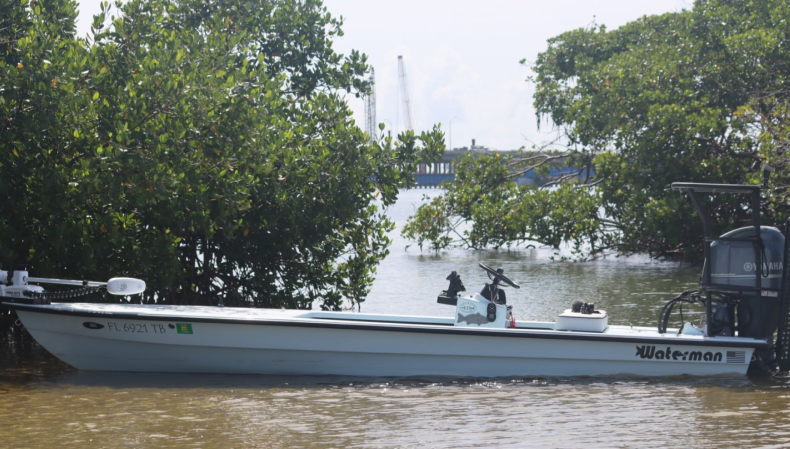
Your day kicks off at either the backcountry or Florida Bay boat ramp at Flamingo Everglades park, depending on wind conditions and what species we're targeting. The beauty of this fishery is having options – if the wind's howling from the southeast, we can duck into protected backcountry spots where snook and black drum hang out. If conditions are calm, we'll head to the expansive grass flats where redfish and sea trout feed. This is sight fishing at its finest, so bring your polarized sunglasses and be ready to make accurate casts when I call out targets. The water clarity here can be outstanding, especially on the bay side, giving you shots at fish you can actually see. We'll spend the day moving between different zones, reading water conditions, and adapting our approach based on what the fish are doing. Whether you choose the half-day or full-day option, expect to cover plenty of water and learn why this area has such a reputation among serious inshore anglers.
Fly Rods & Light Tackle Setup
We fish both fly and spinning gear depending on your preference and skill level. For fly fishing, I typically rig 8 and 9-weight rods with floating lines, though we'll have intermediate lines ready if we need to get flies down deeper around structure. Fly selection varies with conditions, but you can count on throwing plenty of Clouser minnows, shrimp patterns, and crab flies. The spinning tackle is equally dialed in – mostly 2500 and 3000 series reels spooled with 15-20lb braid and fluorocarbon leaders. Lure choice depends on what we're seeing, but soft plastics on jig heads, topwater plugs, and suspending twitch baits all have their moments here. The grass flats require weedless presentations, so we use a lot of paddle tails rigged on heavy jig heads or weighted hooks. Around the mangroves, we'll throw more traditional jigs and live bait when regulations allow. I provide all rods, reels, tackle, and flies – you just need to bring yourself and a cooler with drinks and snacks since meals aren't included on this trip.
Target Species Breakdown
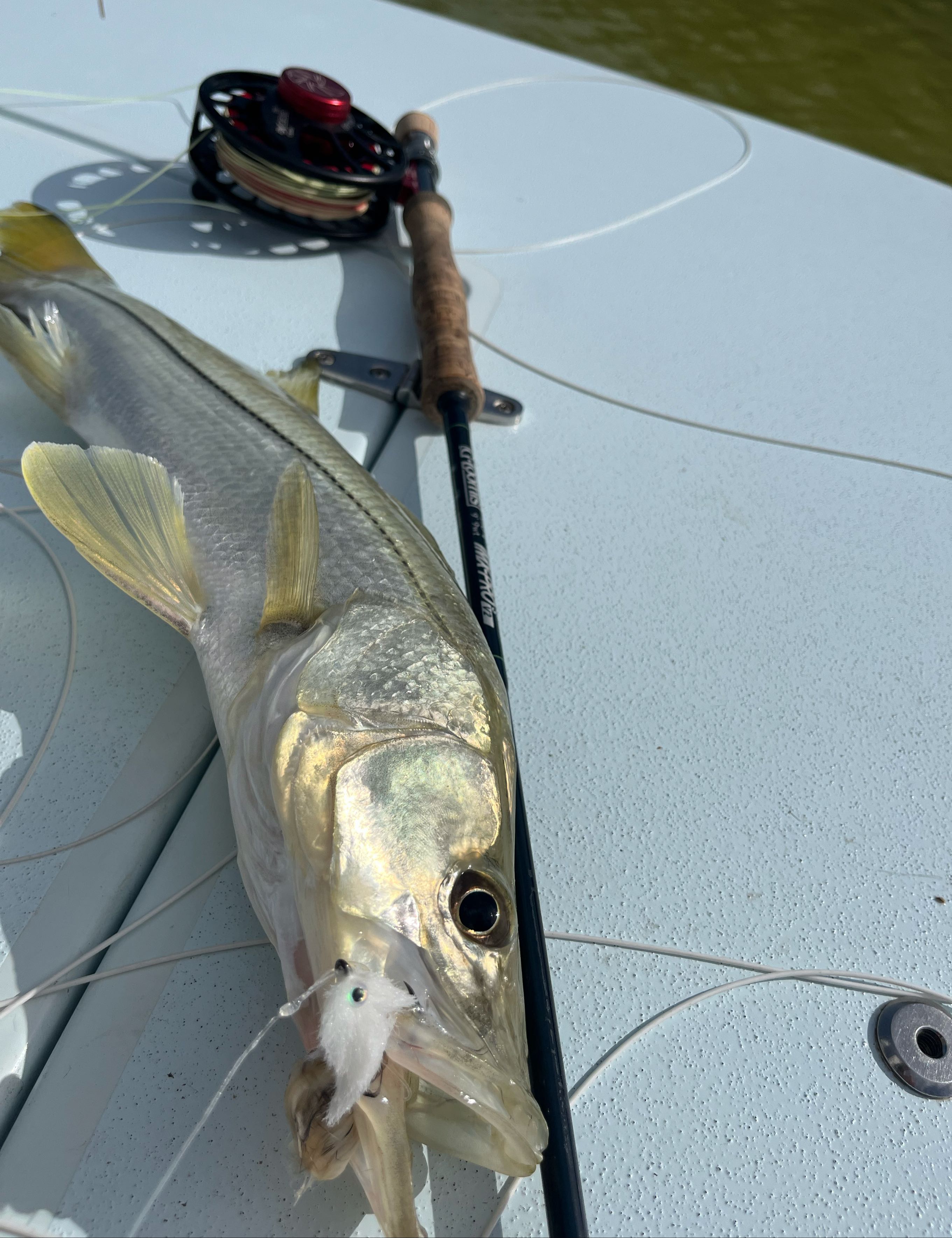
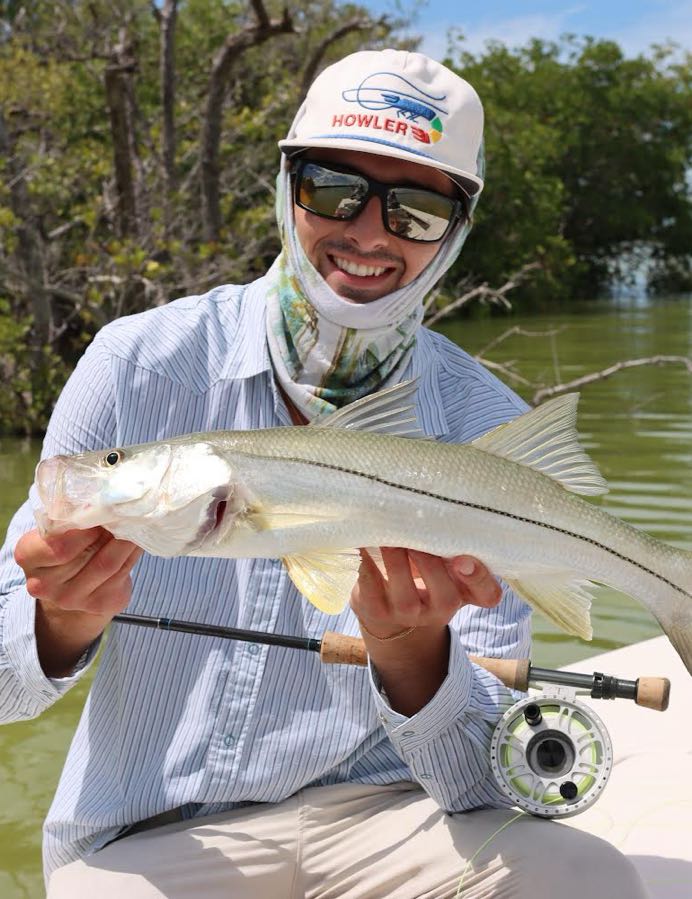
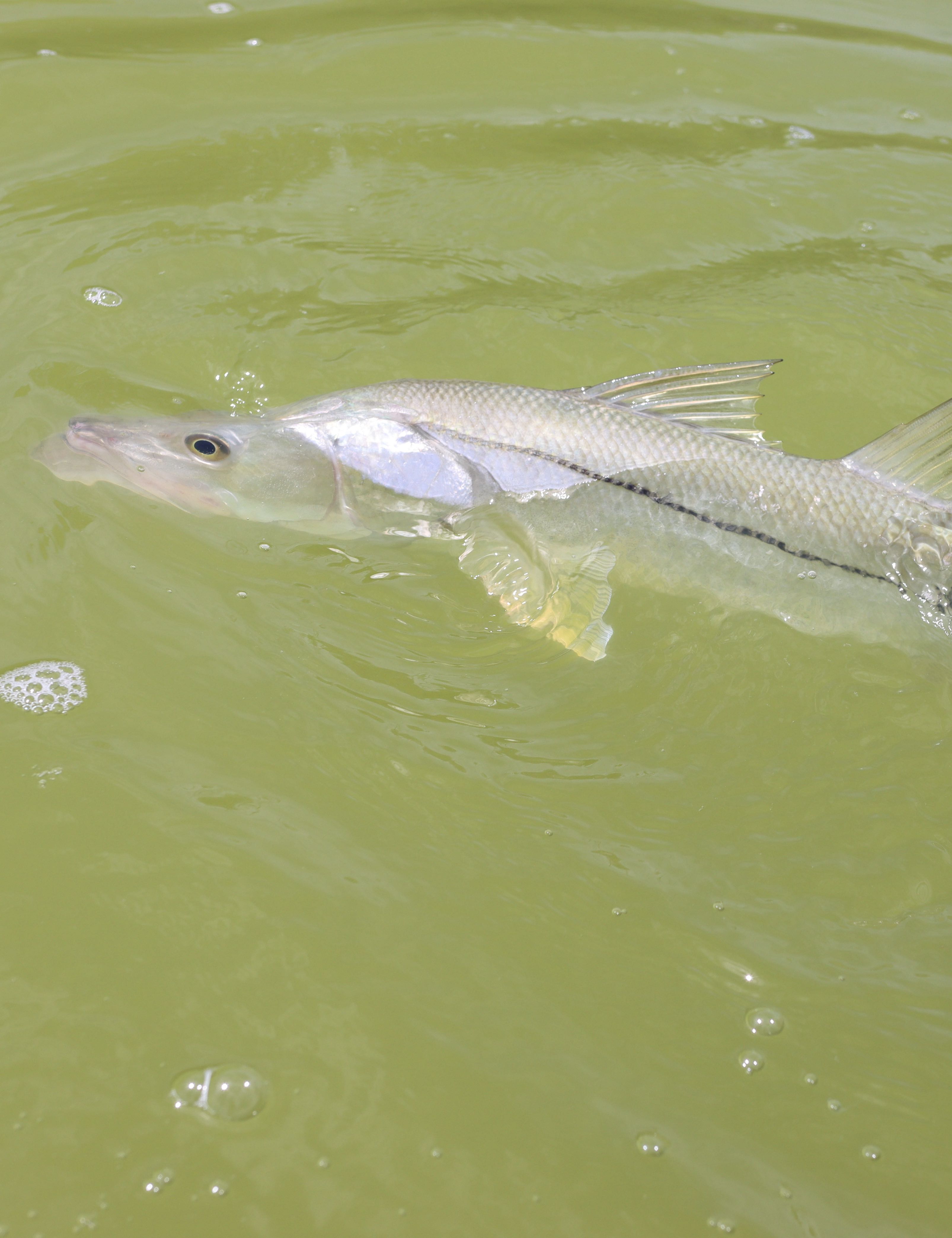
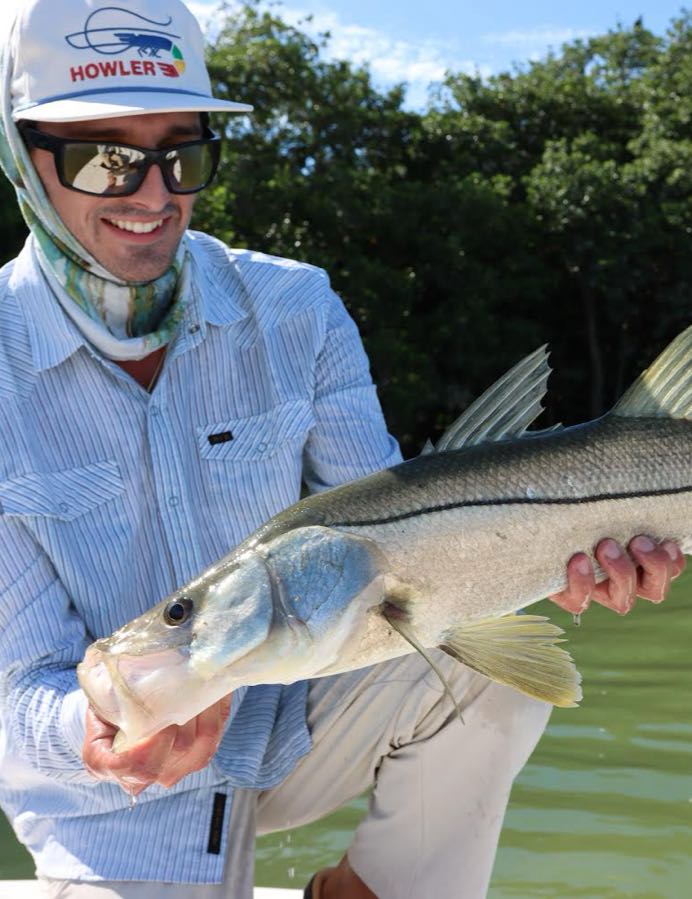
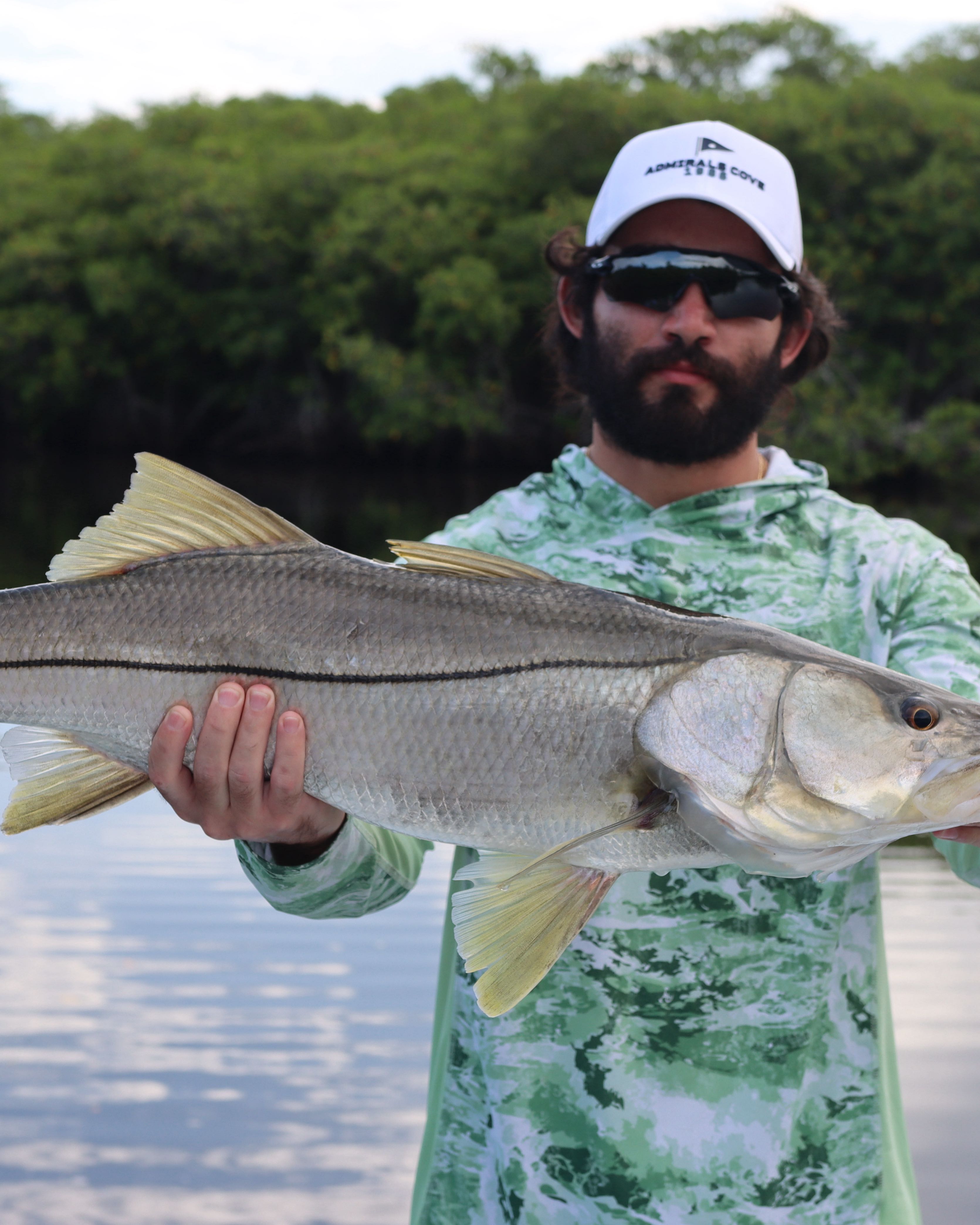
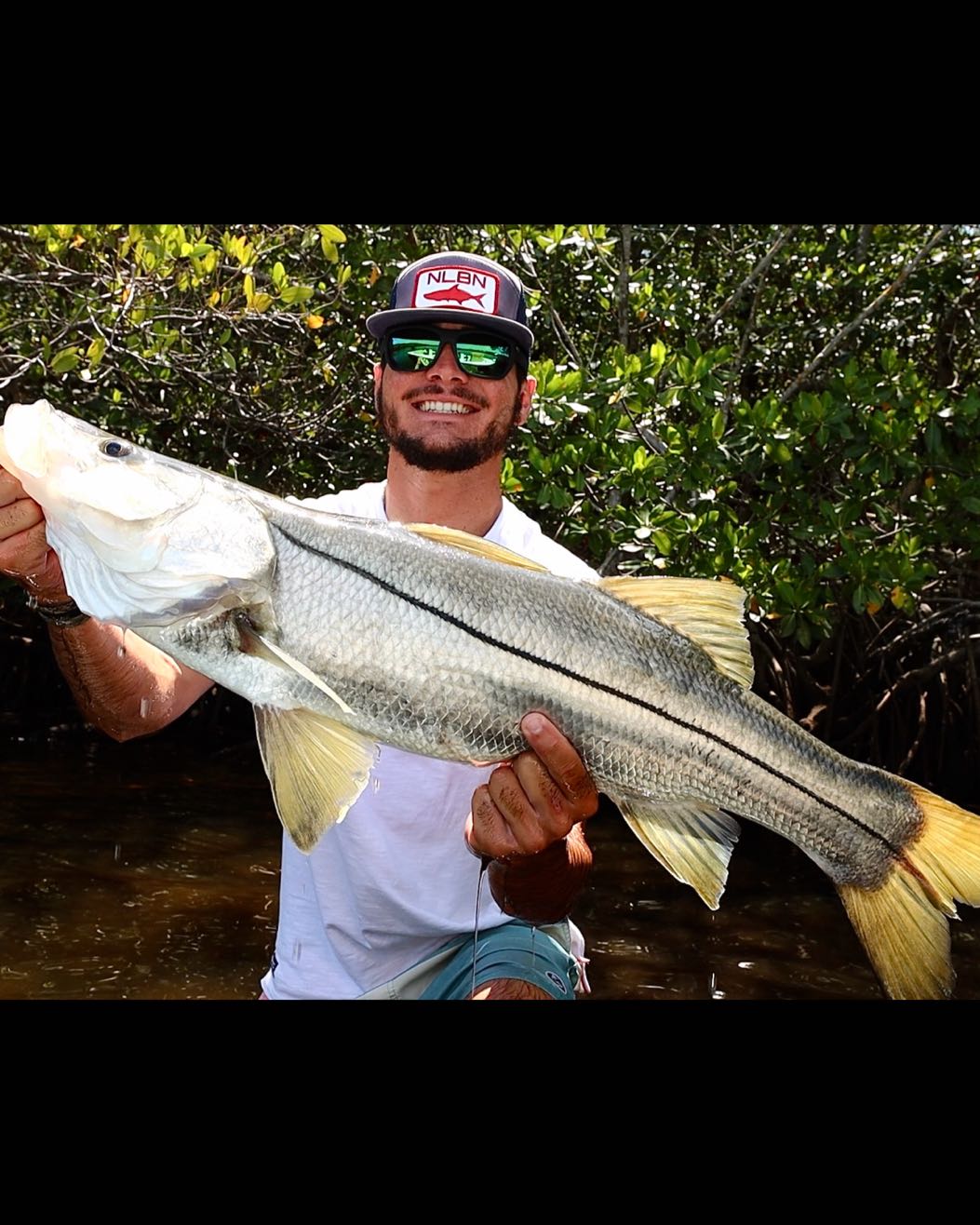
Snook are the crown jewel of this fishery and what most anglers dream about hooking. These fish love structure and ambush points, so we'll work mangrove shorelines, creek mouths, and oyster bars where they set up to feed. Snook are incredibly aggressive when they're feeding but can be finicky when they're not, making them a challenging and rewarding target. They hit hard and jump when hooked, plus they're beautiful fish with that distinctive black lateral line. Peak season runs from late spring through early fall, but you can catch them year-round if you know where to look.
Redfish might be the most reliable species we target, and for good reason – they're here in numbers and relatively predictable once you understand their patterns. These copper-colored fighters cruise the grass flats looking for crabs and small fish, often with their backs or tails showing above the surface. A properly presented crab fly or soft plastic can trigger explosive strikes from fish ranging from slot-size to oversized bulls. Reds fight differently than snook – they're bulldogs that use their broad sides to pull hard and stay deep. You'll find them most active during moving water, especially around the edges of flats where deeper water meets the shallows.
Tarpon fishing in the Everglades is legendary, and while we're targeting smaller resident fish rather than the massive migratory tarpon, these 20-80 pound fish still provide world-class action. They're here year-round but most active during warmer months when they're feeding heavily on glass minnows and crabs. What makes tarpon special is obvious the first time one clears the water – they're spectacular jumpers and incredibly strong for their size. Even a 30-pound tarpon can wear you out on light tackle, and they have a habit of throwing hooks during their aerial displays, keeping every fight interesting until the fish is released.
Black drum don't get the respect they deserve, but they're fantastic light tackle fish that can really test your drag system. These bottom feeders love oyster bars and muddy areas where they root around for crabs and mollusks. They're not the prettiest fish in the water, but what they lack in looks they make up for in pulling power. Larger drum can be tough to turn, especially around structure, and they're surprisingly good eating if you keep smaller ones. Look for them in slightly deeper water adjacent to the flats, particularly around hard bottom areas where shellfish concentrate.
Sea trout round out our target species list and they're perfect for anglers who want consistent action. These spotted fighters are aggressive feeders that hit a variety of lures and flies, making them ideal for beginners or anyone looking to stay busy between shots at larger species. They school up over grass beds and sandy potholes, often betraying their presence with surface activity when they're feeding on glass minnows. Trout fight well for their size and are excellent table fare, so
 Private Trip
 Inshore Fishing
 Jupiter


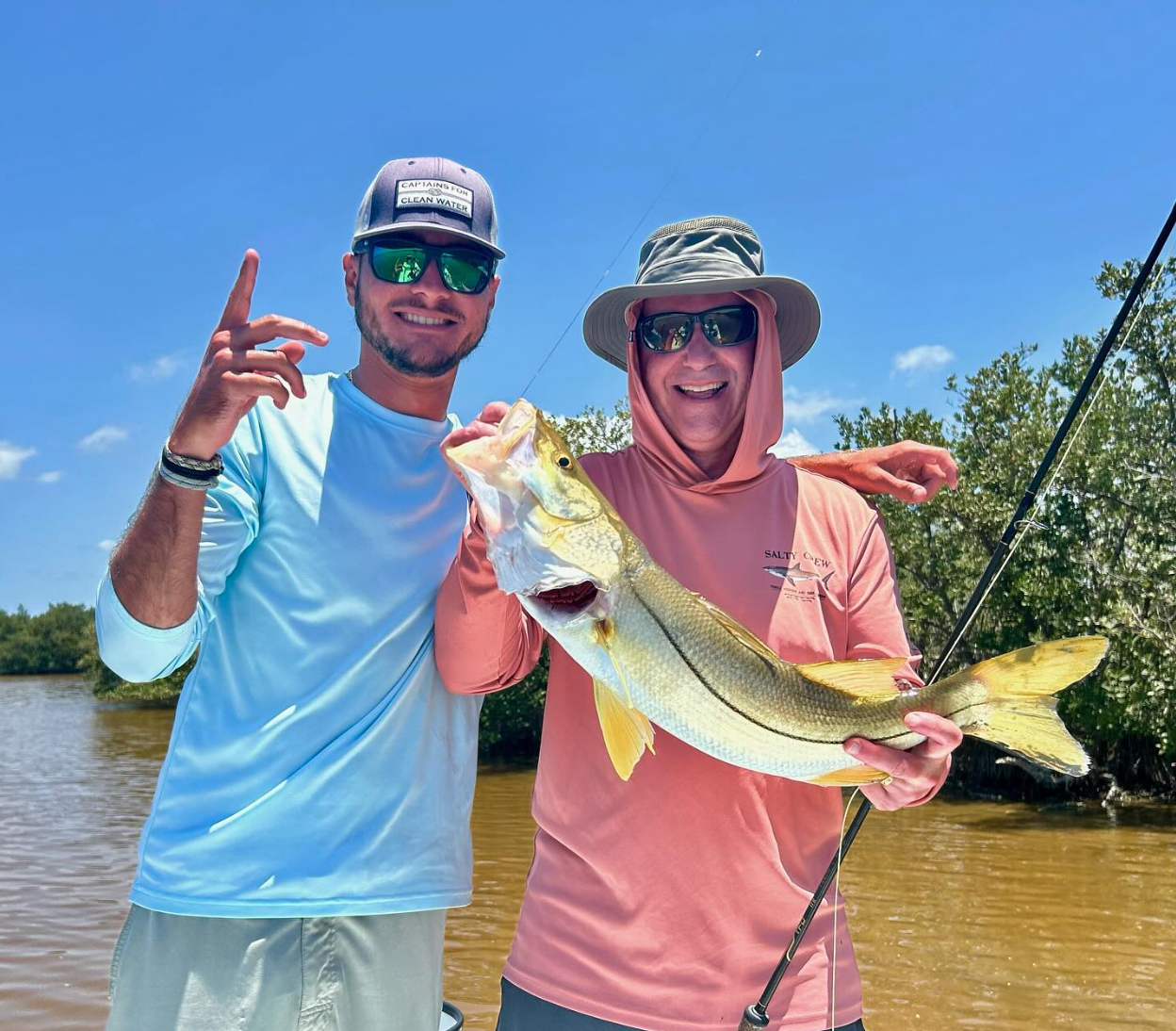
 Target snook, tarpon, redfish, and sea trout in pristine waters.