Half Day or Full Day Guided Fishing Trip in Long Island
When you're serious about targeting the big pelagics that cruise Long Island's offshore waters, Captain John Raguso's private charter puts you right where the action is. This isn't your typical party boat experience – you're looking at a focused 9-hour trip designed specifically for marlin, bluefin tuna, mahi mahi, and other top-tier gamefish that make these waters legendary among East Coast anglers. With space for up to three adults or a family setup of two adults and two kids, you get the personalized attention that makes all the difference when you're chasing fish of a lifetime. Whether you're a seasoned offshore veteran or stepping into blue water fishing for the first time, Captain John brings the local knowledge and gear to put you on fish.
What to Expect on the Water
Your day starts early, which is exactly how you want it when you're heading out to the canyons and drop-offs where the big fish hunt. Captain John knows these Long Island offshore grounds like the back of his hand – we're talking about productive waters that stretch from the continental shelf to the deep blue zones where temperature breaks and current lines concentrate baitfish. The boat is rigged and ready with everything you need, so you can focus on fishing instead of wondering if you packed the right tackle. You'll spend your time working proven techniques in prime locations, with your captain reading the water, watching the fish finder, and positioning you for the best shots at whatever's feeding that day. The beauty of a private charter is the flexibility – if the bite is hot in one spot, you stay put. If conditions call for a move, you're already heading to the next productive area.
Trolling Tactics & Gear Setup
Offshore fishing around Long Island means trolling is king, and Captain John has the spread dialed in for these waters. You'll be running a variety of lures – ballyhoo rigs, cedar plugs, spreader bars, and daisy chains – all positioned at different depths and distances to cover the water column where these pelagics feed. The tackle provided handles everything from the explosive runs of mahi mahi to the freight train power of a big bluefin. Circle hooks are standard for billfish, and the drag systems are set up properly for long fights in deep water. Your captain handles boat positioning and lure presentation, but you'll learn about reading water temperature, spotting bird activity, and recognizing the signs that indicate feeding fish below. When fish are marked on the sounder or you spot a temperature break, that's when the real excitement begins – lines tight, drags screaming, and everyone focused on getting that fish to the boat.
Top Catches This Season
Mahi mahi are the crowd-pleasers out here, and for good reason. These fish are pure adrenaline – they hit hard, jump repeatedly, and their golden colors are spectacular when they come boatside. Long Island's offshore waters see strong mahi runs typically from late spring through early fall, with fish ranging from schoolie dolphin around 10-15 pounds up to bull mahi pushing 40-50 pounds. They're often found around floating debris, weed lines, or temperature breaks, and once you find a school, the action can be non-stop. What makes mahi special is their willingness to bite and their acrobatic fights – perfect for anglers of any skill level.
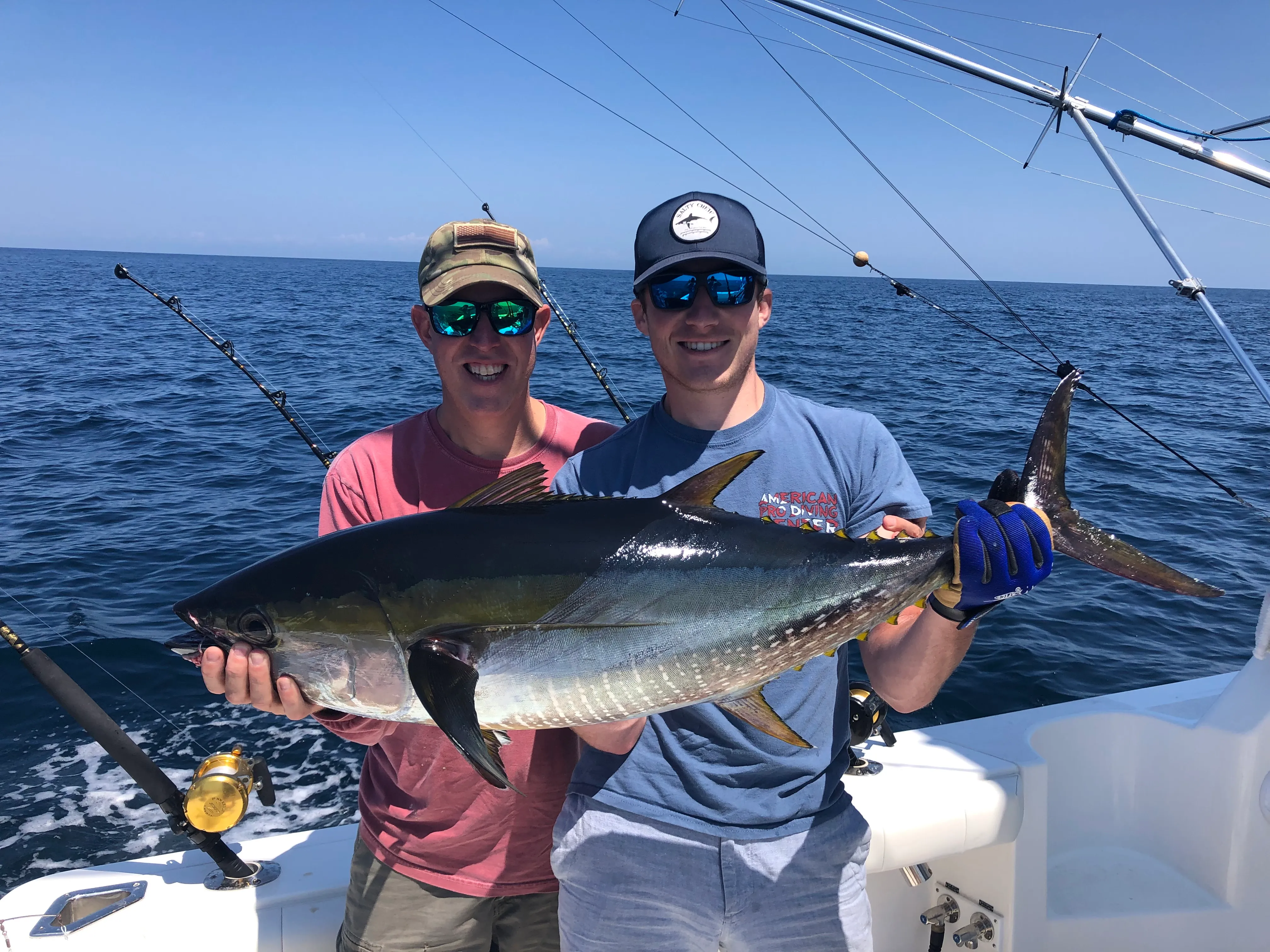
Yellowfin tuna represent the power fishing that keeps offshore enthusiasts coming back. These fish are built for speed and endurance, with the larger specimens – we're talking 50 to 100+ pounders – capable of runs that will test both your tackle and your technique. Yellowfin feed aggressively around Long Island's offshore structure during summer and fall months, often in mixed schools with other tuna species. They're particularly exciting because they fight deep, making long, powerful runs that can take you well into your backing. The key to yellowfin success is having your drag set correctly and being prepared for a sustained battle.
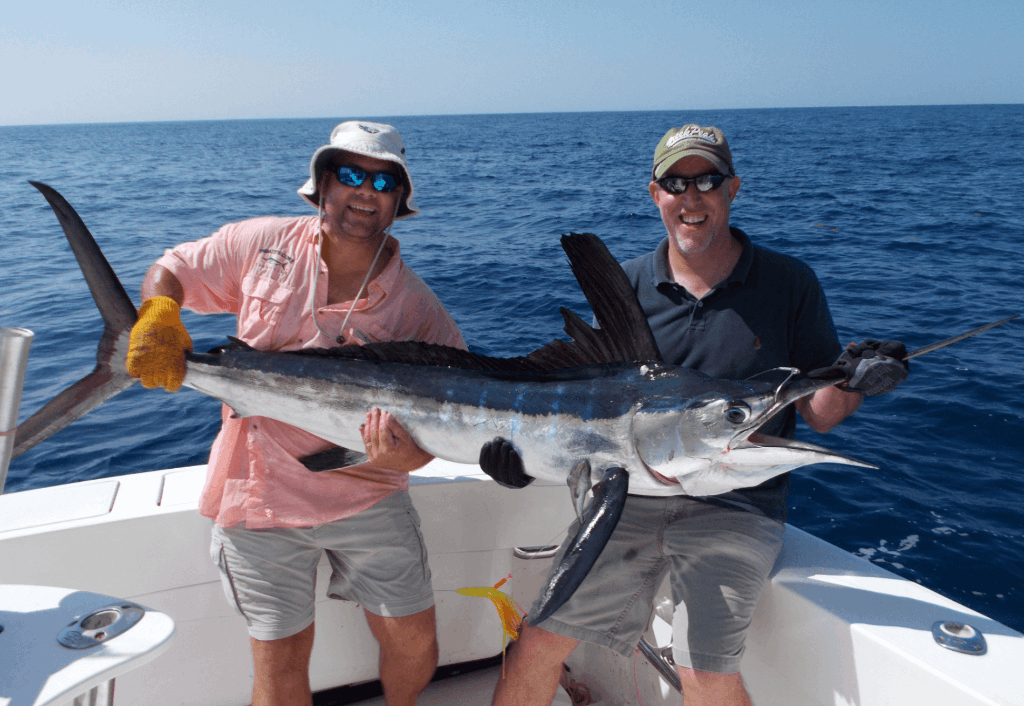
White marlin fishing represents the pinnacle of East Coast offshore angling, and Long Island's waters offer legitimate shots at these incredible billfish. White marlin are typically found in the 60-80 pound range, but don't let the "smaller" size fool you – these fish are pure athleticism, with jumping ability that has to be seen to be believed. They're most active during the warmer months when water temperatures reach the mid-70s and above, often feeding on the same bait schools that attract tuna. The white marlin bite can be subtle compared to other species, so having an experienced captain who can spot the signs and coach you through the fight makes all the difference.
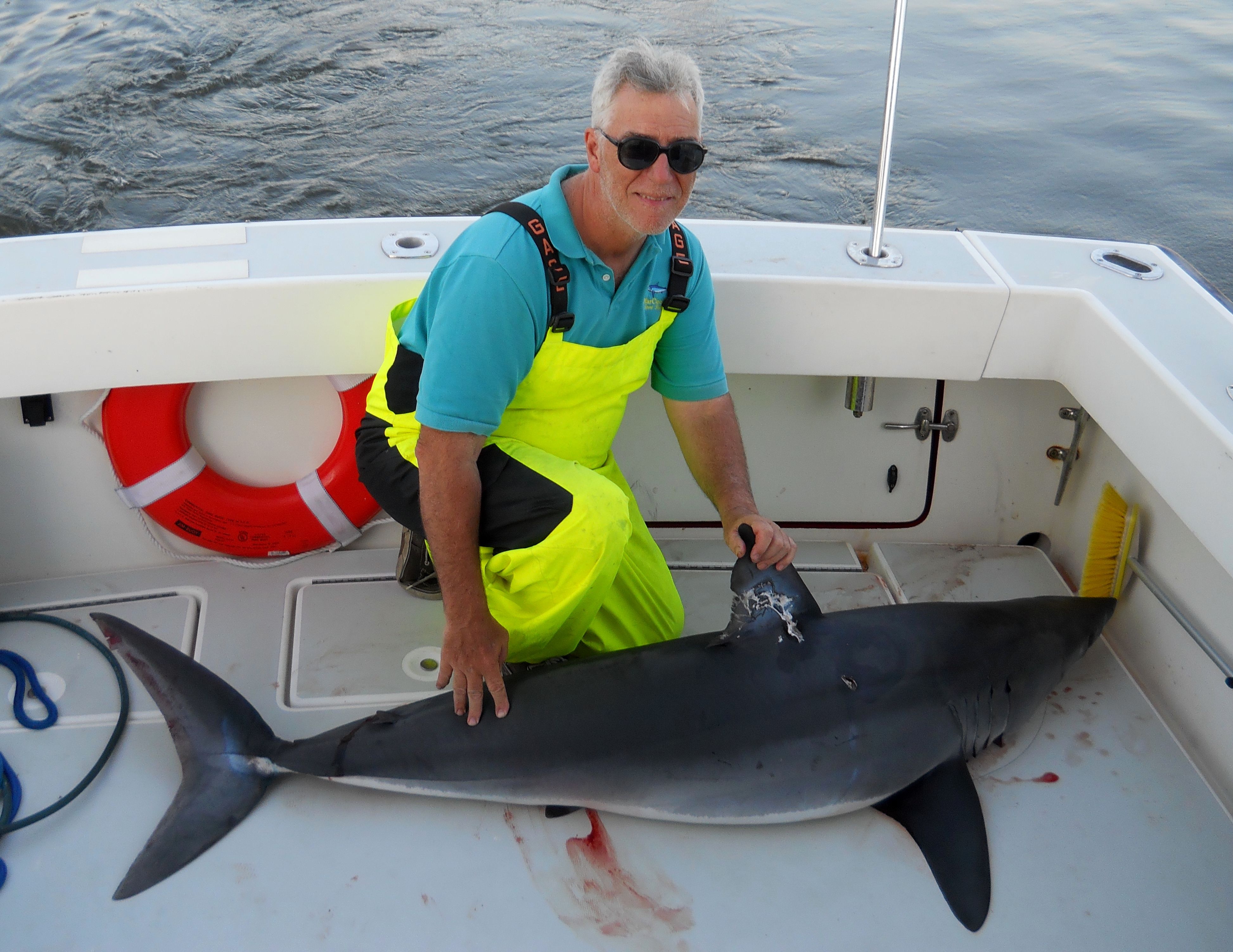
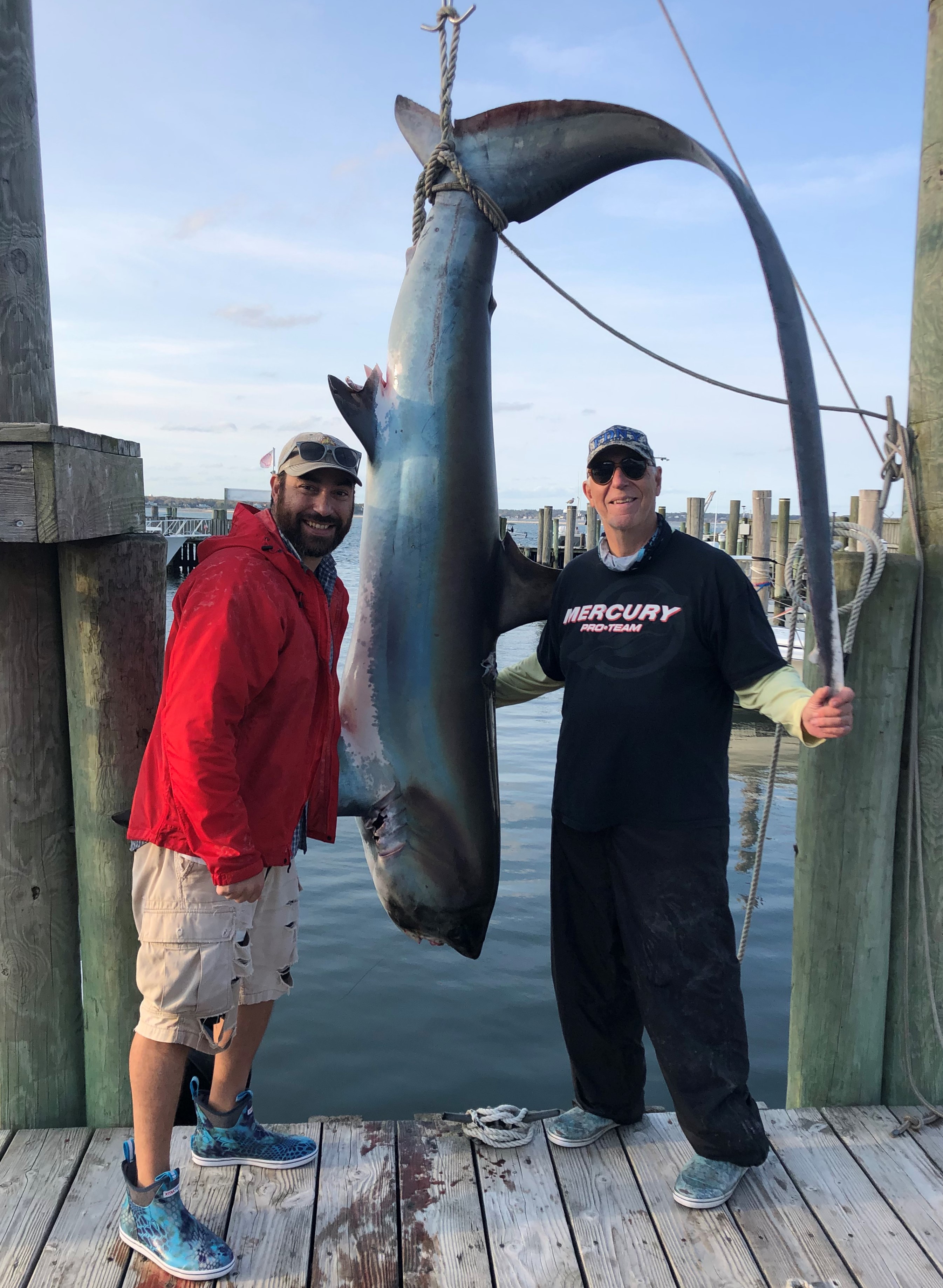
Bluefin tuna are the holy grail for many offshore anglers, and Long Island's position along the Atlantic migration route provides opportunities for both school-sized fish and true giants. School bluefin typically range from 20-40 pounds and provide fantastic sport on appropriate tackle, while the occasional giant bluefin over 200 pounds represents a fish of multiple lifetimes. These fish are incredibly strong and intelligent, often requiring specific techniques and presentations to get them to bite. Bluefin seasons vary based on regulations, but when they're here and legal to target, there's nothing quite like the experience of battling one of the ocean's apex predators.
Time to Book Your Spot
Long Island's offshore fishing scene delivers some of the East Coast's most consistent action for serious gamefish, and Captain John's private charter approach puts you in the best position to capitalize on it. With all gear provided and expert guidance throughout the day, you're getting the complete offshore experience without the crowds or compromises of larger boats. The intimate setting means personalized instruction, better fish-fighting opportunities, and the flexibility to adapt to conditions as they develop. Whether you're looking to introduce family members to offshore fishing or targeting a personal best pelagic species, this charter combines local expertise with proven techniques. These prime offshore dates fill up fast, especially during peak season, so securing your spot early ensures you don't miss out on what could be the fishing trip that defines your season.
 Private Trip
 Offshore Fishing
 Elwood, NY


 Private offshore charter targeting marlin, bluefin tuna, and mahi mahi