Half-day Lake Erie Walleye & Bass Charter
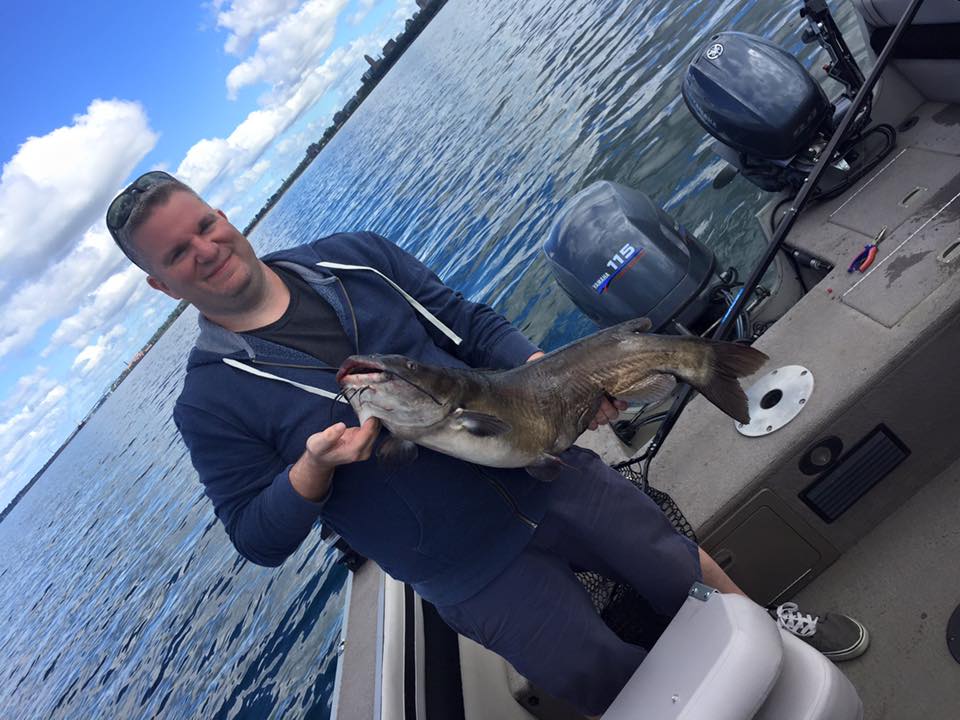
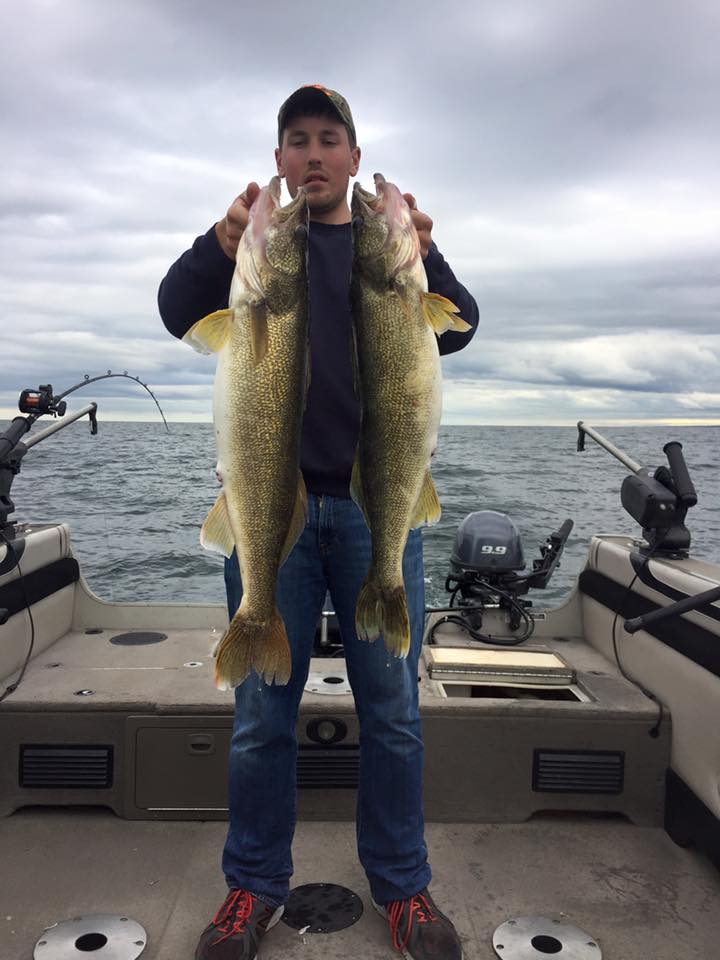
Captain Mark knows these Lake Erie waters like the back of his hand, and his half-day charters are perfect for anglers who want to maximize their time on the fish without burning a whole day. Departing from North Tonawanda, you'll be targeting some of the most sought-after species in the Great Lakes – walleye, bass, and trout – depending on what's running hot during your visit. This isn't your typical "let's see what happens" trip. Mark studies the patterns, follows the bait, and puts you on active fish from the moment you clear the harbor.
What to Expect on the Water
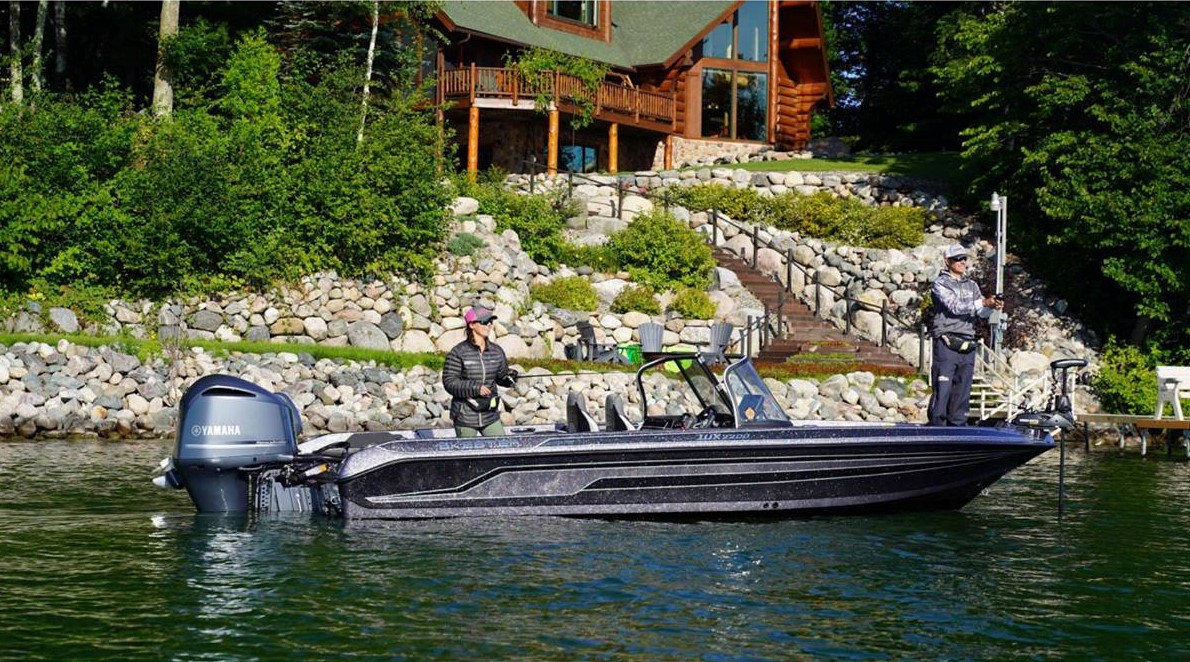
This top-rated charter runs about four to five hours, giving you solid fishing time without the commitment of a dawn-to-dusk grind. Mark keeps his boat capacity at just two anglers, so you're not fighting for rod space or waiting your turn to land fish. The intimate setup means more personalized instruction, better positioning, and frankly, more fish in the boat. You'll launch from North Tonawanda and head to wherever the fish are staging – could be structure along the shoreline for smallmouth, deeper water for lake trout, or those classic walleye haunts where the bottom transitions and baitfish stack up. Mark adjusts his game plan based on seasonal patterns, weather conditions, and what his network of fellow captains are reporting. Spring trips often focus on aggressive smallmouth in 15-25 feet of water, while summer means chasing suspended walleye and lake trout in the deeper columns.
Proven Techniques & Tactics
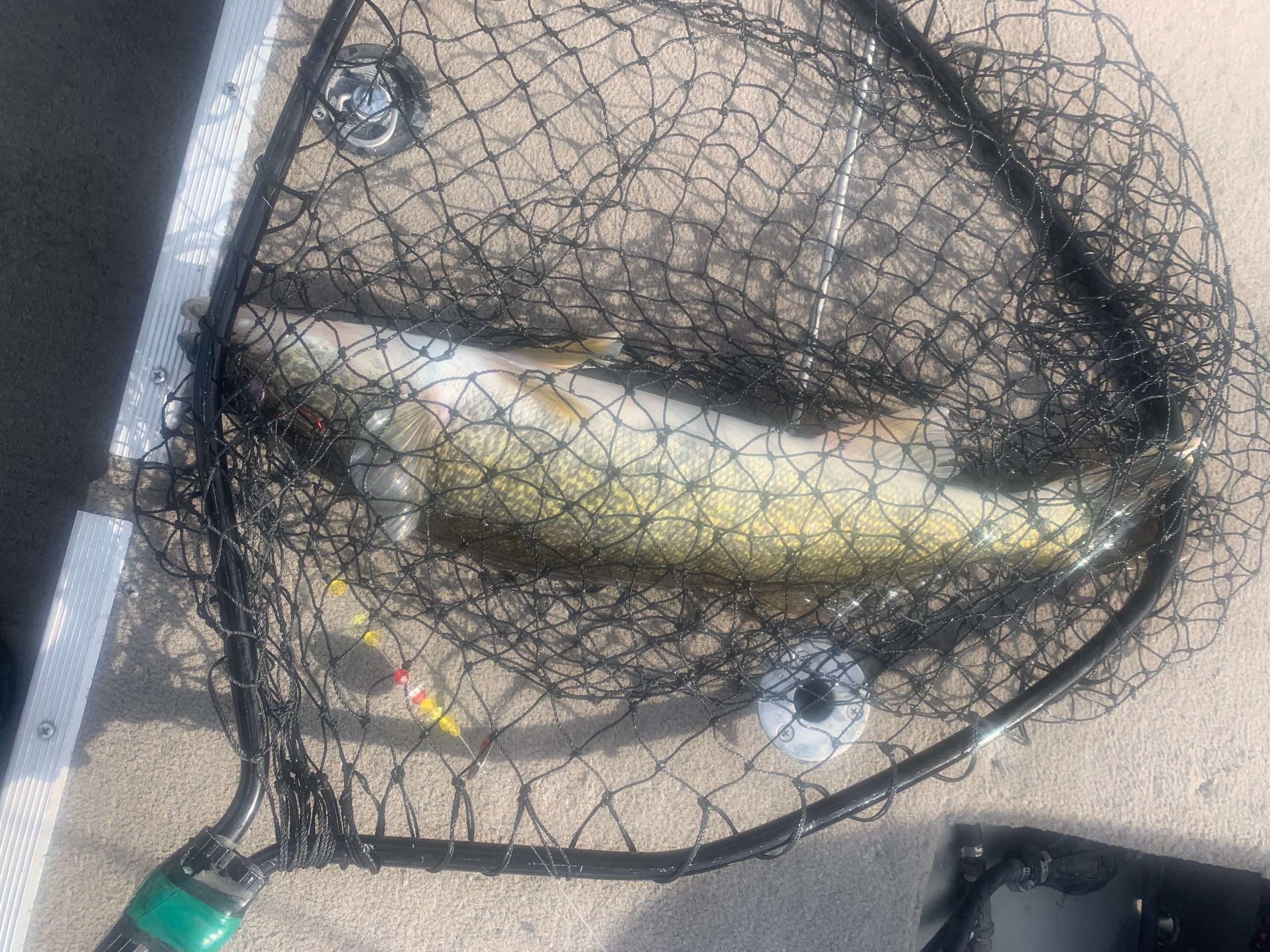
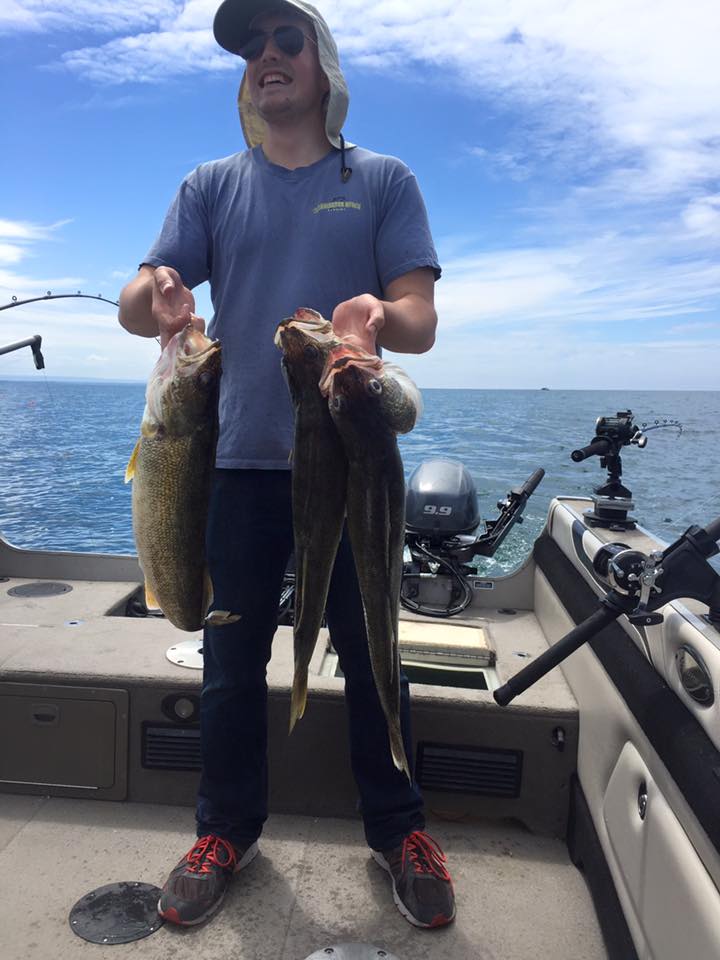
Mark runs a variety of presentations depending on target species and conditions. For walleye, expect to work bottom bouncers with crawler harnesses, pull planer boards with crankbaits, or vertical jig with live bait when fish are tight to structure. His tackle selection is dialed in – he knows which blade colors produce when the water's stained, what diving depths to target during different times of day, and how to adjust presentations when fish get finicky. Smallmouth fishing means working rocky areas with tubes, drop shots, and sometimes topwater when conditions are right. The lake trout program typically involves downriggers and spoons, targeting specific temperature breaks and bait concentrations that Mark locates with his electronics. All gear is provided, but if you have favorite rods or reels, feel free to bring them along. Mark appreciates anglers who are engaged in the process and he's always willing to explain why he's making specific tackle or location choices.
Target Species You'll Hook
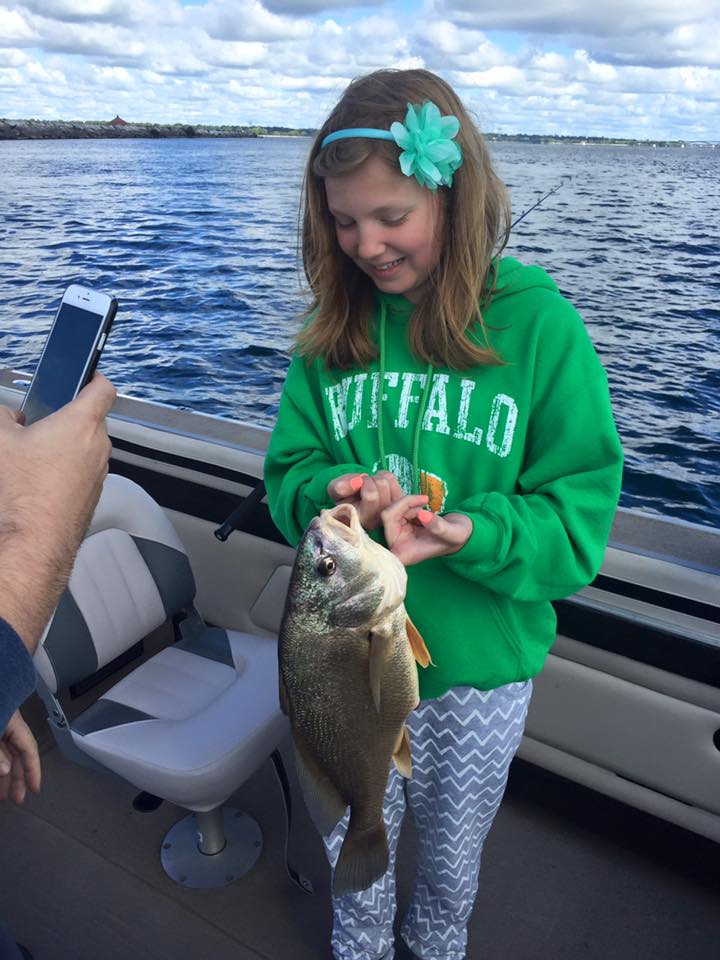
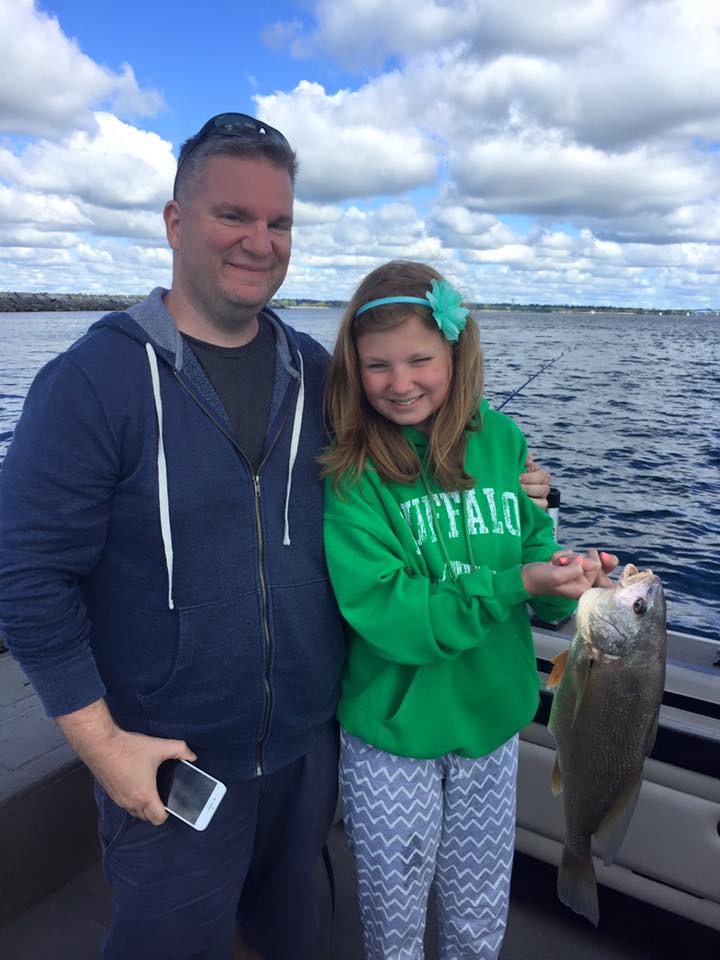
Smallmouth bass are the scrappy fighters that make Lake Erie famous among bass anglers. These bronze-backed bruisers average 2-4 pounds but can push 5-6 pounds when you connect with a true pig. They're most active from mid-April through mid-June when they're staging for the spawn and feeding heavily in shallow rocky areas. What makes them special is their fight – pound for pound, they're as tough as any freshwater fish, jumping and bulldogging all the way to the net. The clear, cool water of Lake Erie keeps them healthy and aggressive.
Steelhead trout bring that Pacific Northwest fighting spirit to the Great Lakes, and when you hook one, you'll know it immediately. These chrome-bright fish average 5-8 pounds and fight like they're twice that size. They're nomadic, following temperature breaks and baitfish, which means timing and location are everything. Spring and fall are prime time, but summer fish can be found if you know where to look. Their runs are legendary – expect screaming drags and acrobatic jumps that'll test your reflexes and your knots.
Brown trout are the smart, wary predators that keep anglers humble. These spotted beauties can reach impressive sizes in Lake Erie, with fish over 10 pounds caught regularly during peak season. They're ambush feeders that relate to structure and temperature breaks, making them challenging but rewarding targets. Browns are most cooperative during low-light periods and when baitfish are concentrated. Their coloration – golden flanks with distinctive spots – makes them one of the most beautiful fish you'll encounter.
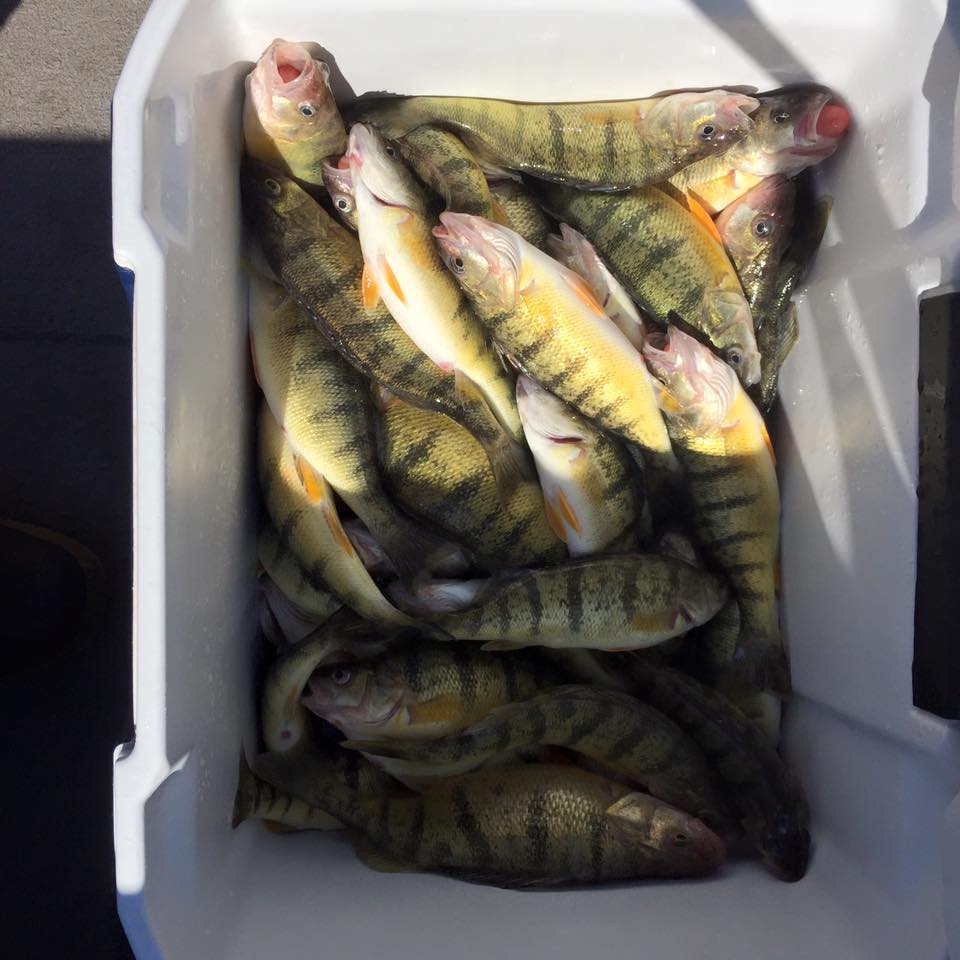
American yellow perch might not be the biggest fish in the lake, but they make up for size with numbers and table fare. These schooling fish are perfect for keeping kids engaged and providing steady action when larger species are moody. Lake Erie perch are jumbo-sized compared to inland populations, with many fish reaching 10-12 inches. They're excellent eating and fun to catch, often found in large schools over specific bottom types and depths.
Lake trout are the deep-water giants that represent the true wilderness character of the Great Lakes. These native fish can live for decades and reach impressive sizes, with 15-20 pound fish possible during peak season from mid-July through mid-September. They prefer cold, deep water and are typically caught using downriggers and heavy spoons. Landing a big lake trout is a bucket-list experience – their size, strength, and the pristine environment they represent make them special catches for any angler.
Time to Book Your Spot
Mark's half-day charters fill up fast, especially during peak walleye and smallmouth seasons. Whether you're a local angler looking to learn new water or a visiting fisherman who wants to experience world-class Lake Erie fishing without the full-day commitment, this trip delivers. The personalized attention, productive fishing locations, and Mark's expertise make this a customer favorite among charter options. Don't wait until the last minute – the best fishing windows book early, and you'll want to secure your dates when conditions and fish activity align perfectly.
 Private Trip
 Lakes/Reservoirs/Ponds Fishing
 North Tonawanda, NY


 Half-day charter targets walleye, bass, and lake trout on Lake Erie