Full Day Pro Fishing Trip in Chokoloskee
If you're serious about fishing the legendary waters of Chokoloskee and Everglades National Park, Captain Ward Michaels has got you covered. This isn't your typical half-day charter – we're talking eight solid hours targeting the big four: Tarpon, Snook, Redfish, and Sea Trout. At $850 for two anglers, this top-rated fishing experience puts you in premium boats with a captain who knows every oyster bar, creek mouth, and backcountry honey hole from Flamingo to the Ten Thousand Islands.
What to Expect on the Water
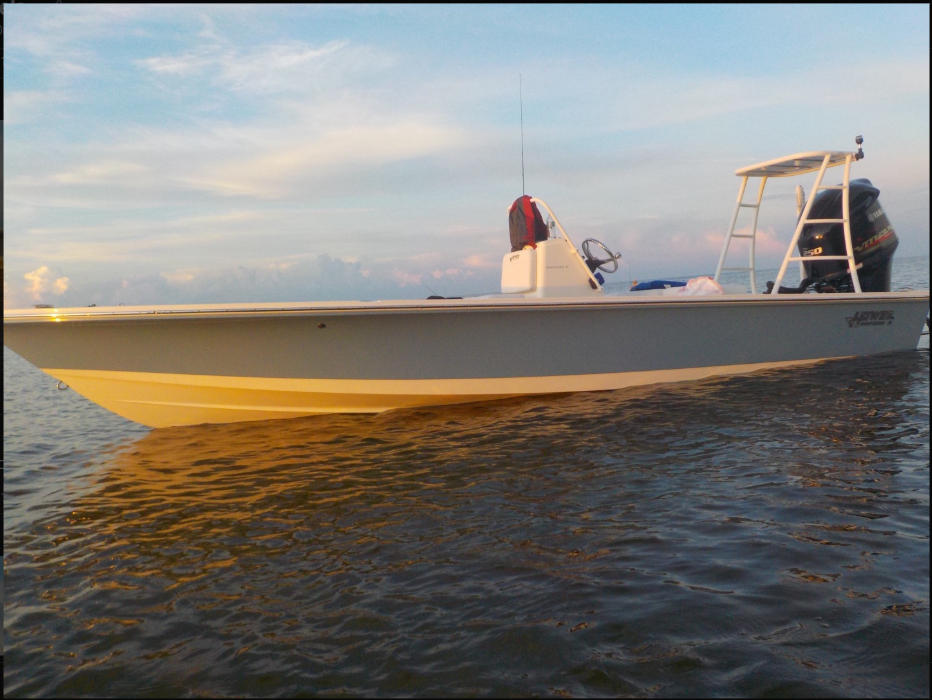
Captain Ward runs this operation like clockwork, maximizing every minute of your day with strategic moves based on tides, weather, and seasonal patterns. You'll fish from world-class shallow water boats – either a 21-foot Hewes Redfisher, 17.8-foot Hells Bay, or 16-foot Lowe Roughneck – all rigged specifically for the skinny water challenges of Southwest Florida. These aren't tourist boats; they're serious fishing machines built to get you into places other captains can't reach. The trip accommodates up to four anglers total, but two is the sweet spot for maximum fishing time and personalized instruction. Don't expect any fancy meals – this is about putting fish in the boat, not dining. Pack your own snacks and drinks because we'll be moving water all day long, following the bite wherever it takes us.
Tactics and Shallow Water Tech
The Everglades backcountry demands specialized techniques, and Captain Ward has them dialed in. We're talking sight fishing with live bait, precision casting to structure, and reading water like a roadmap. The Hewes Redfisher gives us the platform for poling skinny flats where big reds cruise, while the Hells Bay lets us slip into mangrove creeks where snook ambush prey. All boats come equipped with top-shelf tackle, from spinning gear for trout to heavy baitcasters for tarpon battles. You'll learn to work the tide changes, target specific structure like dock pilings and oyster bars, and master the art of presenting baits in current. The captain provides everything from circle hooks to wire leaders, but serious anglers often bring their favorite rods. Live bait is the name of the game here – pilchards, pinfish, and shrimp sourced fresh and kept lively in aerated wells. Artificial lures have their place too, especially topwater plugs at dawn and dusk when the action gets hot.
Species You'll Want to Hook
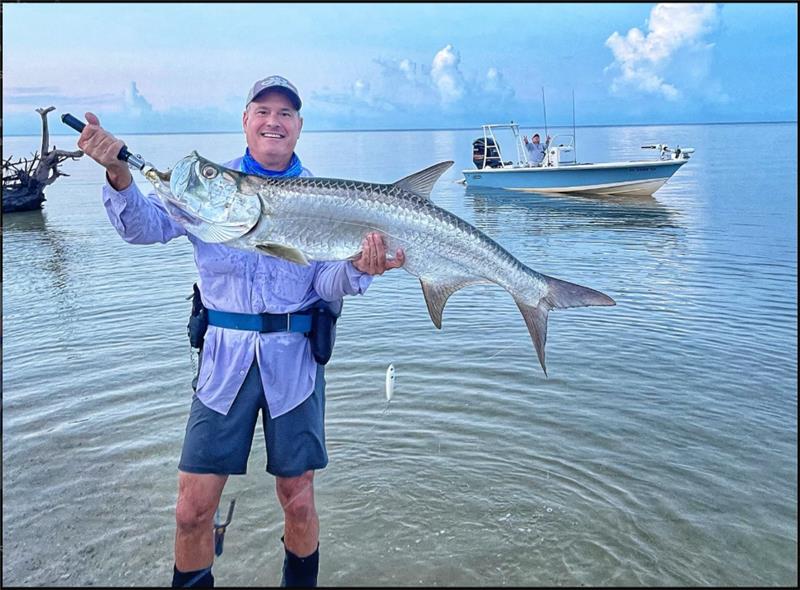
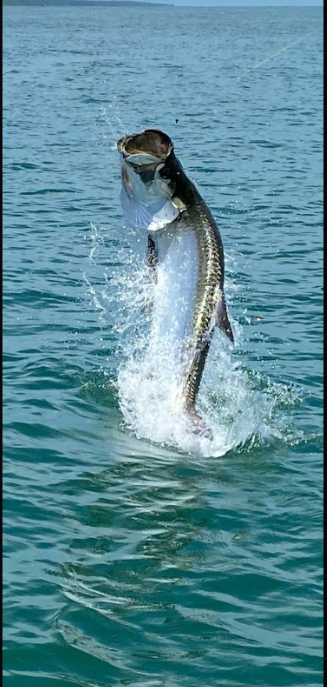
Tarpon are the undisputed kings of these waters, and Chokoloskee sits right in their migration highway. From March through July, silver kings stack up in the backcountry, with fish ranging from 40-pound juveniles to 150-pound giants that'll test every knot and drag setting. What makes tarpon special isn't just their size – it's their aerial acrobatics. These fish launch themselves completely out of the water, gill plates flaring, trying to throw your hook with violent head shakes. The fights are legendary, often lasting 30 minutes or more, and the photo opportunities are world-class.
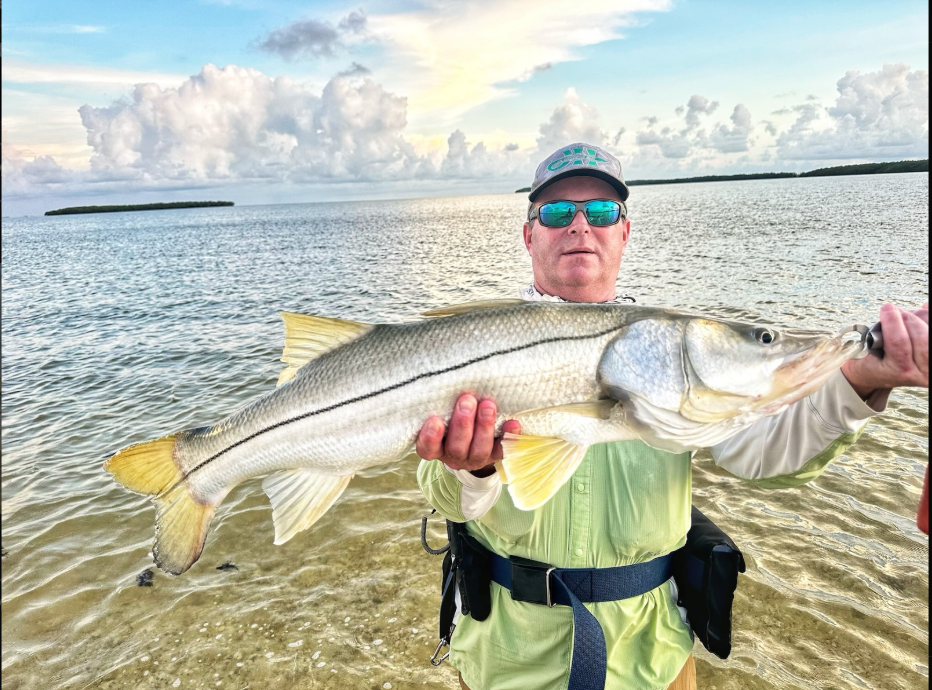
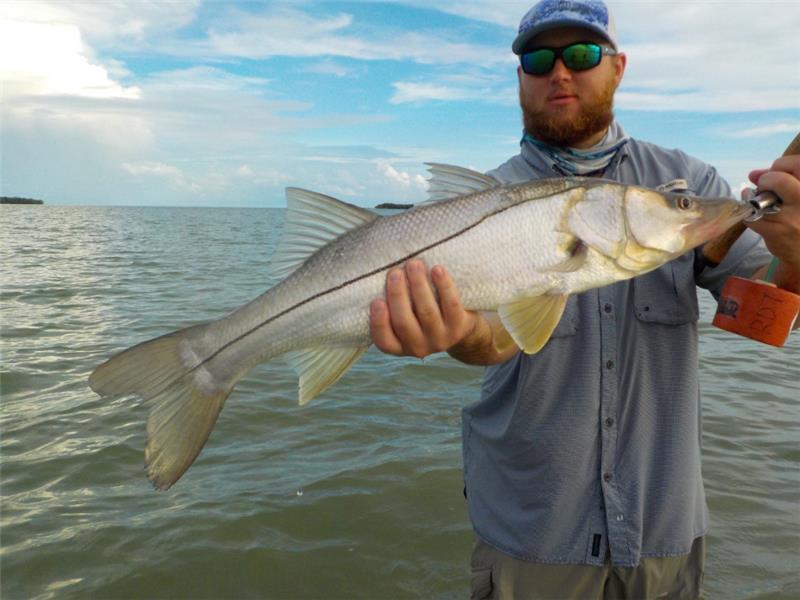
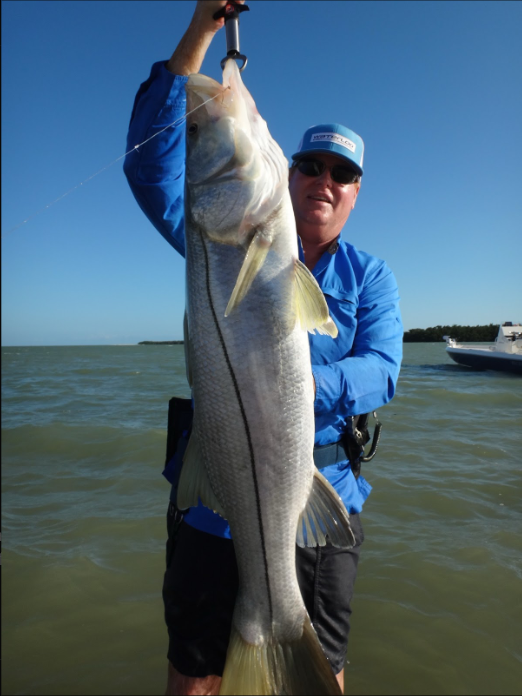
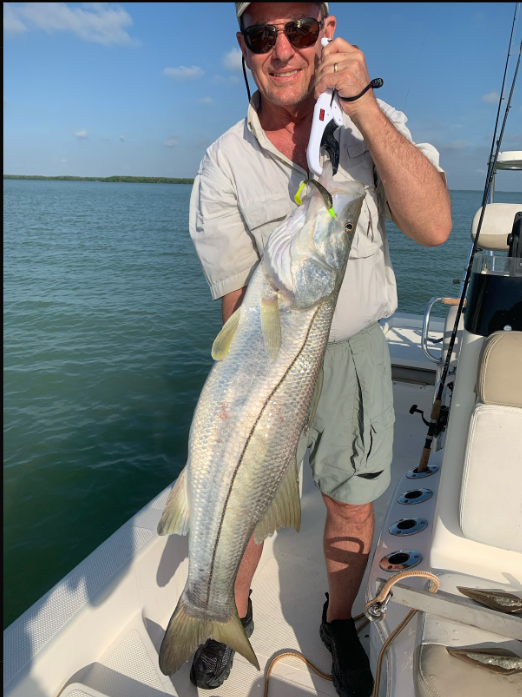
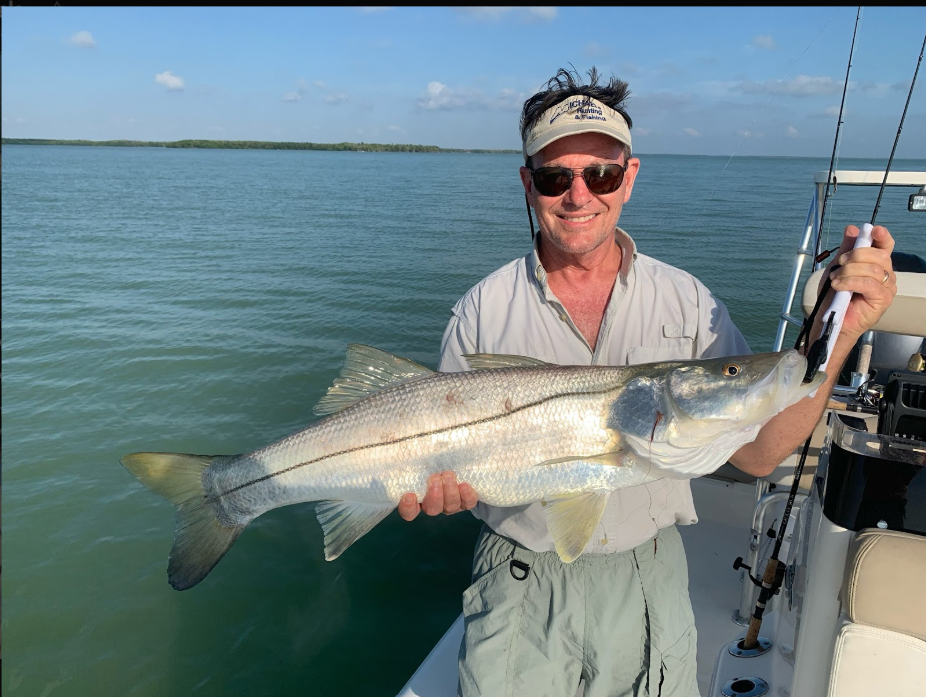
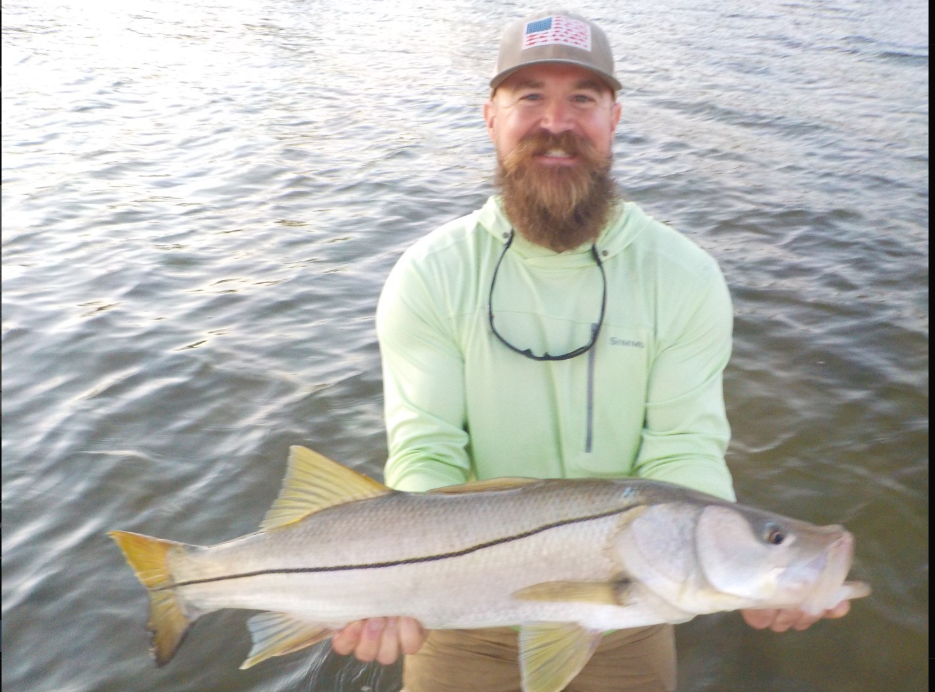
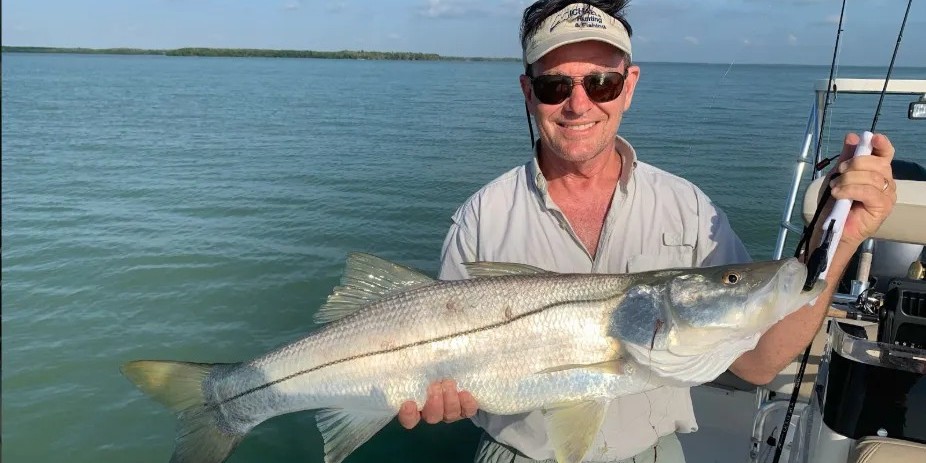
Snook are the ultimate ambush predators, lurking around mangrove shorelines, dock pilings, and creek mouths throughout the year. These fish have serious attitude and the shoulders to back it up, with slot-sized fish averaging 24 to 28 inches and heavyweight specimens pushing 35 inches or better. Peak season runs from spring through fall, when they're actively feeding and more aggressive. What hooks anglers on snook is their explosive strike – they'll crush a live pilchard or slam a topwater plug with zero hesitation, then immediately head for the nearest structure to cut you off.
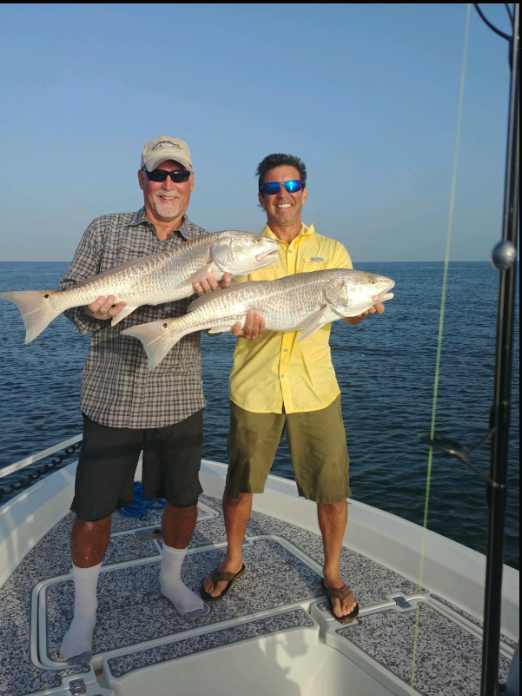
Redfish patrol these flats year-round, and sight fishing for them is pure addiction. Picture copper-colored backs cruising turtle grass beds in two feet of water, tails waving as they root for crabs and shrimp. Reds in the 18 to 27-inch slot are common, but the real prizes are those bull reds over 30 inches that'll strip line against a locked drag. Fall and winter months are prime time when big schools push into the backcountry. These fish are bulldogs – no fancy jumps, just raw power and determination to reach deep water.
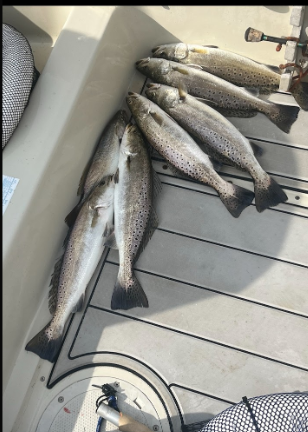
Sea Trout might not have the glamour of tarpon, but they're customer favorites for good reason. These spotted beauties are excellent table fare and willing biters, especially during cooler months from October through March. Most fish run 14 to 20 inches, perfect for the dinner table, but gator trout over 25 inches show up regularly in deeper grass beds. They're also great confidence builders for newer anglers – trout will eat live shrimp under a popping cork all day long, and their soft mouths mean you need to keep steady pressure during the fight.
Time to Book Your Spot
Captain Ward's reputation speaks for itself – this is exactly the kind of fishing experience that separates the serious anglers from the weekend warriors. Eight hours on the water with premium gear, local expertise, and access to some of Florida's most productive fishing grounds doesn't come around every day. The $850 investment gets you two spots on a world-class charter that consistently puts clients on fish. Whether you're looking to check tarpon off your bucket list, photograph a giant redfish, or just enjoy a day of steady action with multiple species, this trip delivers. The boats book up fast, especially during peak seasons, so don't wait around thinking about it. Get your dates locked in and start planning what's going to be one of the best fishing days of your year.
 Private Trip
 Inshore Fishing
 Chokoloskee, FL


 Eight-hour guided trip targeting tarpon, snook, redfish, and trout