4 Hour Lake of the Ozarks Fishing Adventure
Mike Doll knows Lake of the Ozarks like the back of his hand, and after decades of fishing these waters, he's ready to share all his best-kept secrets with you. This top-rated 4-hour fishing experience is perfect for anyone looking to hook into some serious fish while learning from one of the lake's most respected guides. Whether you're bringing the whole family or planning a guys' trip, Mike's got the skills and patience to make sure everyone gets their line wet and hopefully brings home some bragging rights.
What to Expect on the Water
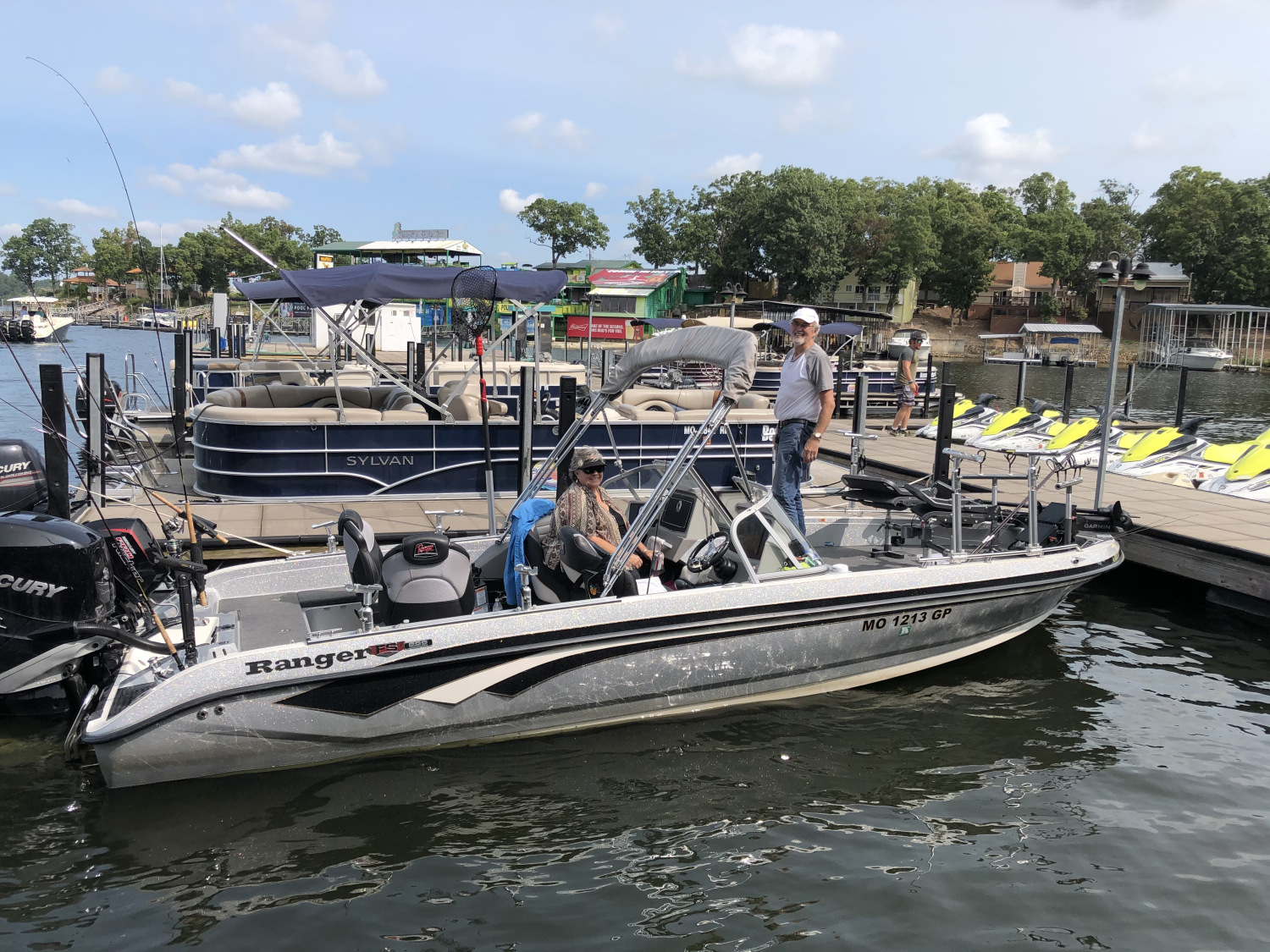
When you step aboard Mike's boat, you're not just getting a fishing trip – you're getting a masterclass from someone who's been working these waters since he was knee-high to a grasshopper. This customer favorite experience accommodates up to 6 people, making it perfect for families, friend groups, or corporate outings. Mike's got a special soft spot for kids and knows exactly how to keep them engaged and excited about fishing, even if they've never held a rod before. The 4-hour timeframe gives you plenty of opportunity to hit multiple spots around the lake without feeling rushed. You'll start early to take advantage of those prime feeding times, and Mike will adjust the game plan based on what's biting that day. Don't worry about bringing anything – Mike provides all the tackle, bait, and expertise you need. Just bring yourself, some snacks if you want them, and get ready to learn why Lake of the Ozarks has such a reputation among serious anglers.
Fishing Techniques & Tactics
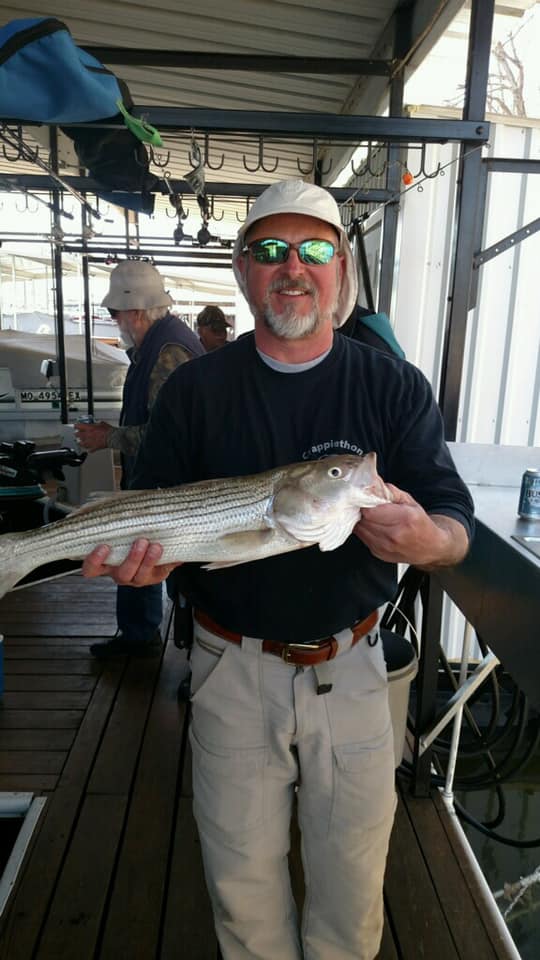
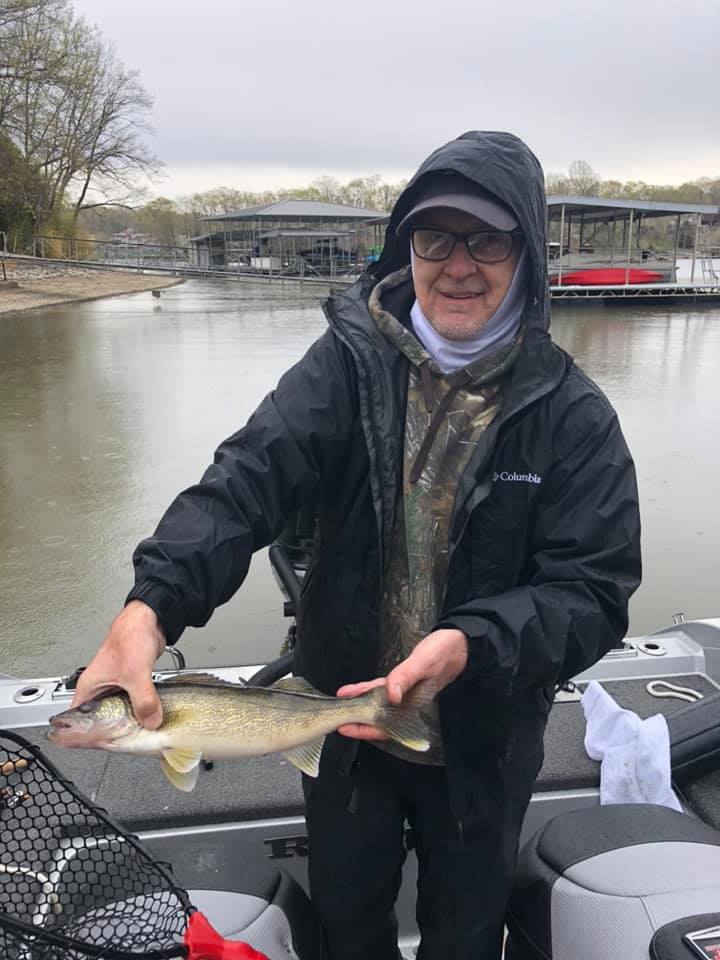
Mike's approach to fishing Lake of the Ozarks is all about reading the water and adapting to conditions. Depending on the season and what species you're targeting, you might find yourself trolling the deeper channels for stripers, working the brush piles for crappie, or casting into shallow coves where bass like to ambush their prey. He's a master at multiple techniques – from finesse fishing with light tackle to throwing bigger baits for those trophy-sized catfish. You'll learn how to read your fish finder, understand water temperature patterns, and pick up on the subtle signs that separate good anglers from great ones. Mike's boat is equipped with quality rods and reels suited for different fishing styles, and he'll match your gear to the technique and target species. If you're a beginner, don't sweat it – Mike breaks everything down in simple terms and will have you casting like a pro by the end of the trip. More experienced anglers appreciate his willingness to share advanced techniques and local knowledge that you simply can't get from YouTube videos or fishing forums.
Target Species You'll Hook
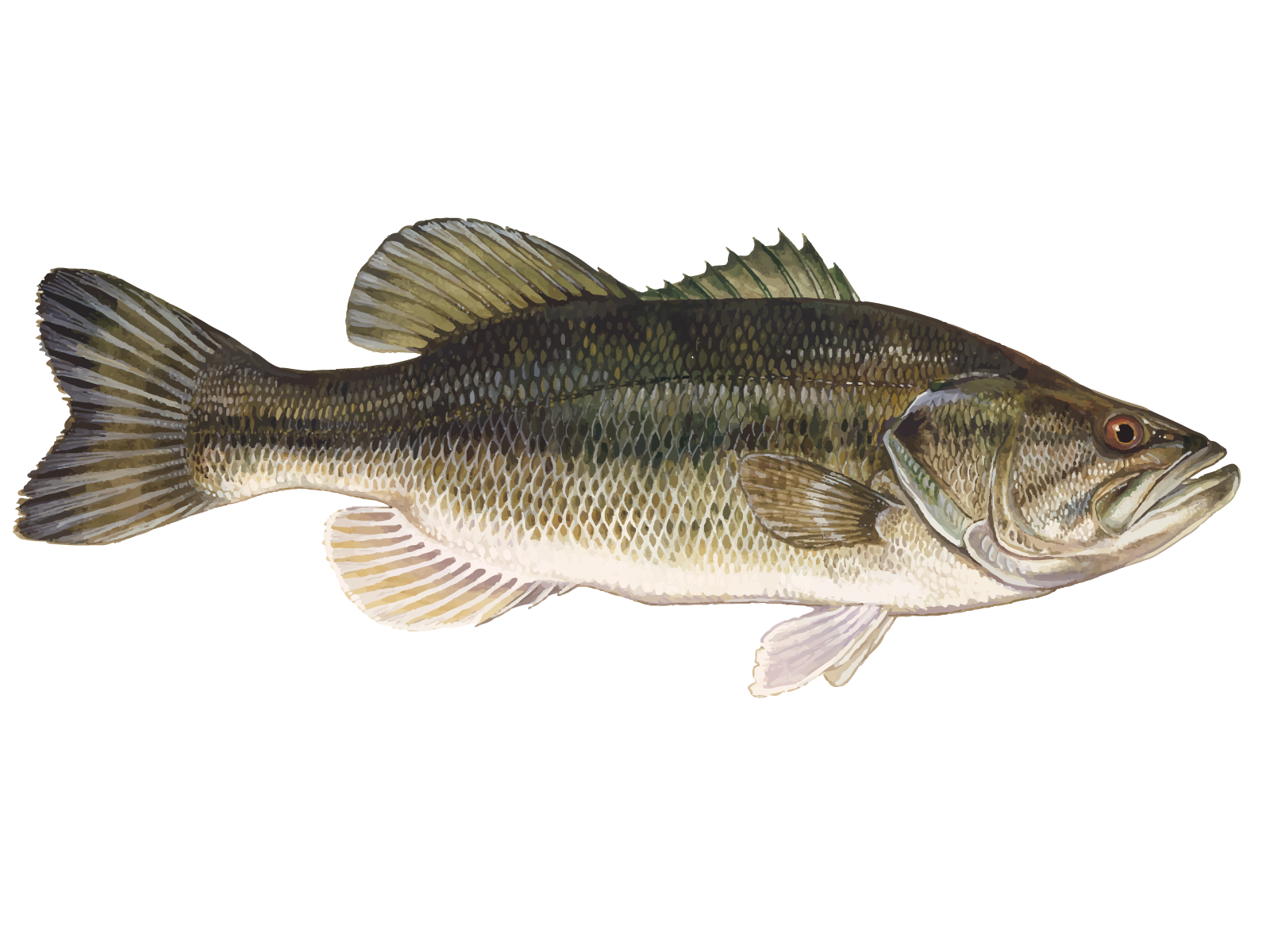
Largemouth bass are the crown jewel of Lake of the Ozarks, and Mike knows exactly where to find them throughout the year. These fighters typically range from 2-6 pounds, with the occasional lunker pushing into double digits. Spring and fall are prime time when they're feeding heavily in the shallows, but Mike's got summer and winter patterns dialed in too. What makes bass fishing so addictive is their aggressive strikes and acrobatic fights – there's nothing quite like watching a big bass clear the water trying to throw your hook. The lake's clear water and abundant structure make it perfect bass habitat, and Mike's got decades of experience reading the seasonal movements.
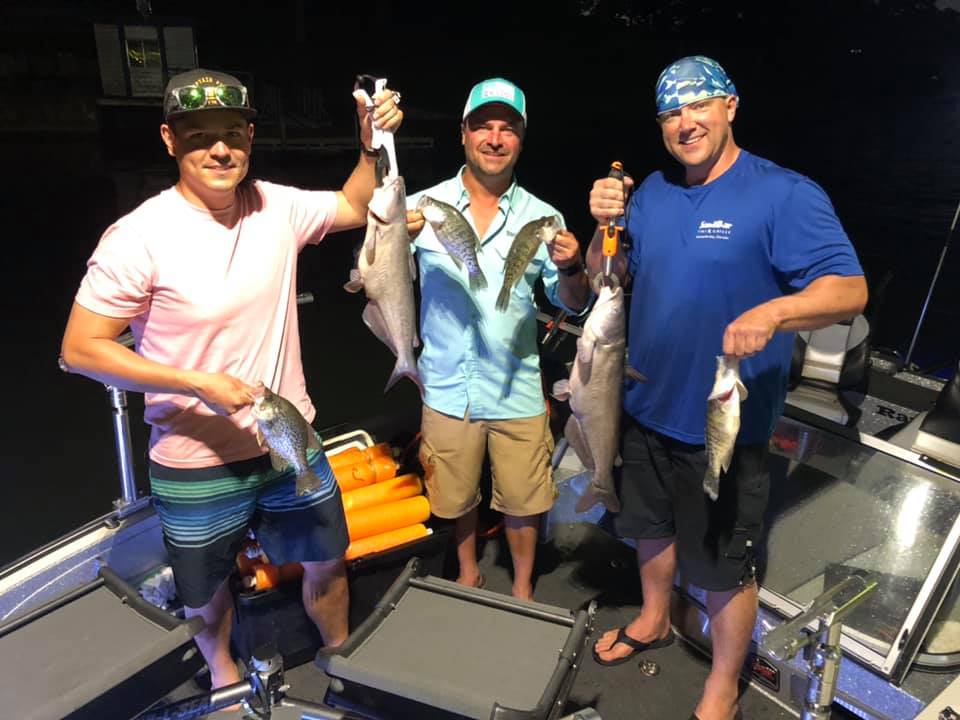
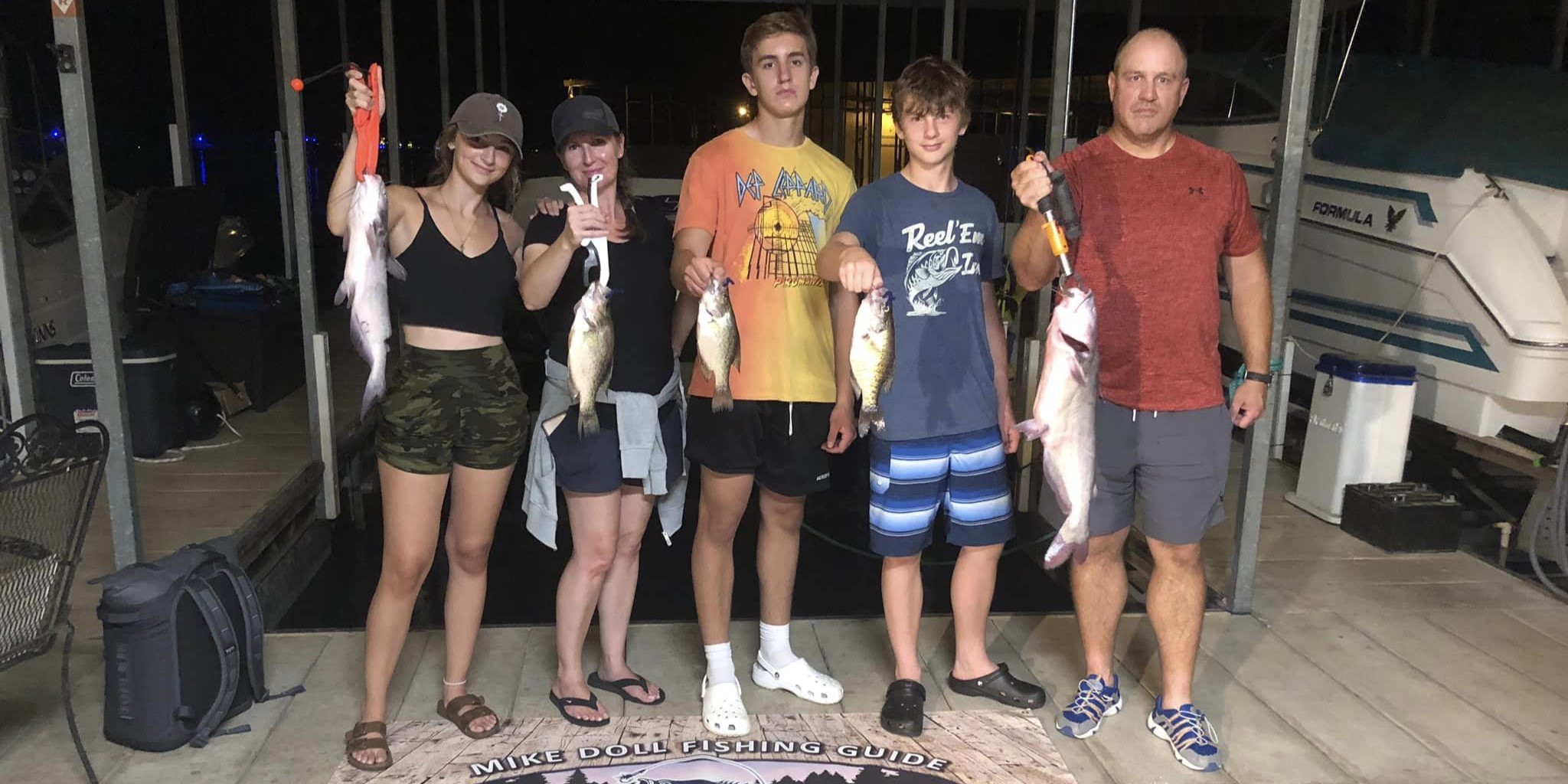
Crappie fishing on Lake of the Ozarks is world-class, especially during their spring spawning runs when they stack up in the shallows. These tasty panfish typically run 10-14 inches, and when you find a school, the action can be non-stop. Mike knows all the best brush piles and creek channels where crappie hold throughout the year. They're perfect for kids and beginners because they bite readily and don't require heavy tackle, but don't let their size fool you – a slab crappie on light tackle is a blast to catch and even better on the dinner table.
White bass provide some of the most exciting action on Lake of the Ozarks when they're running in spring and fall. These scrappy fighters travel in schools and will hammer anything that looks like a shad. Mike can put you on schools of white bass that will have your arms sore from reeling in fish. They typically run 1-3 pounds and fight way above their weight class. The best part about white bass fishing is the fast action – when you find them, everyone in the boat stays busy.
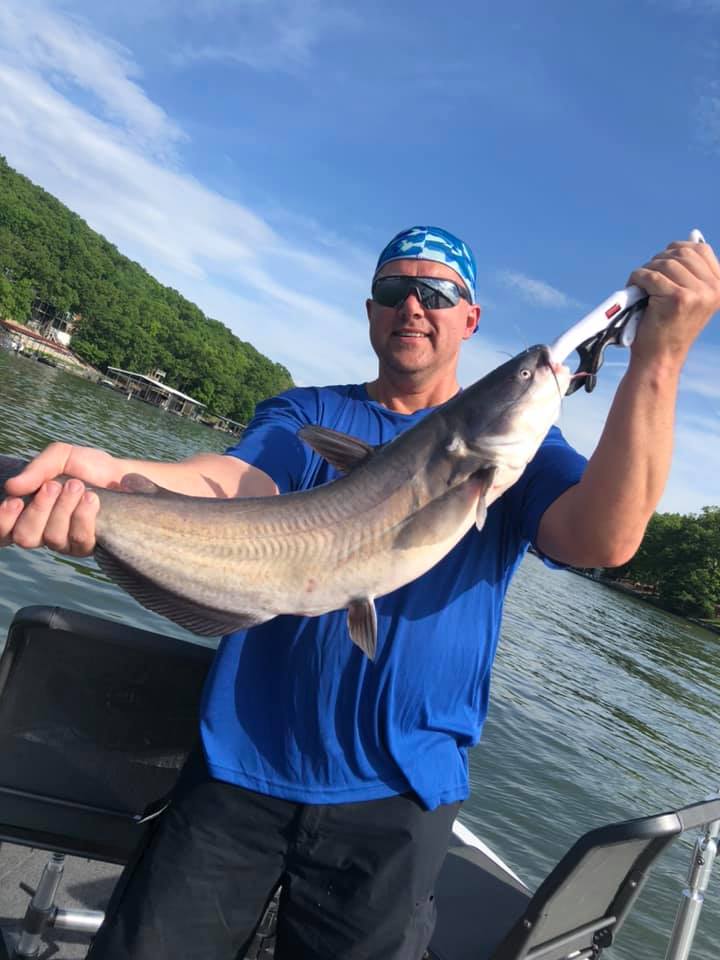
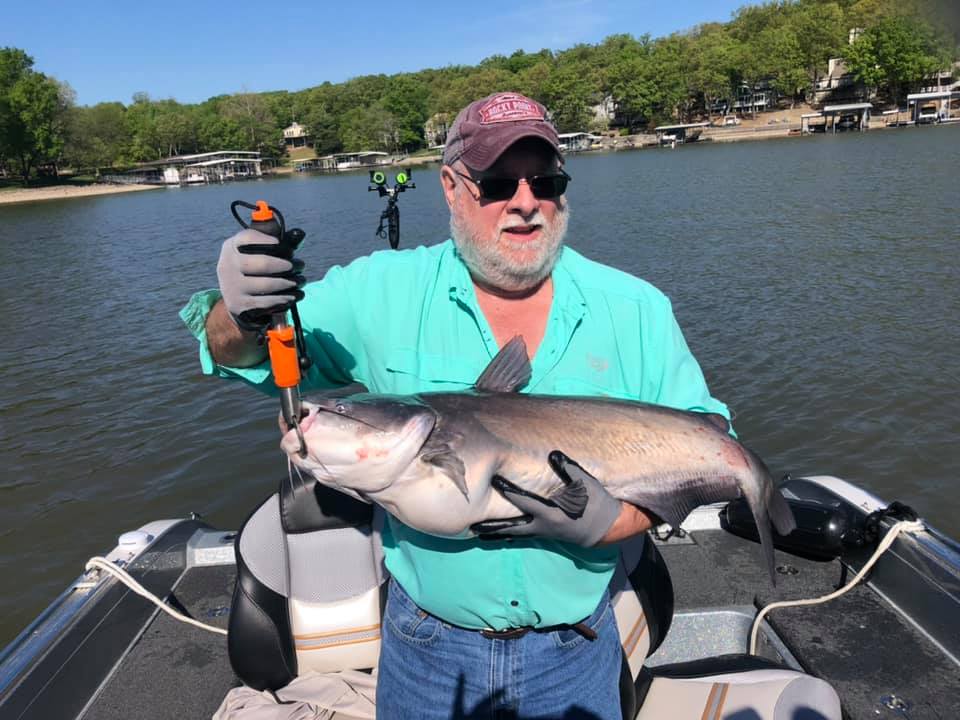
Channel catfish are the bread and butter of Lake of the Ozarks fishing, available year-round and always willing to bite. Mike knows the best holes and channels where these whisker fish congregate, and he's got the stink baits and techniques to make them bite. They're perfect for kids because they bite well and don't require perfect technique. Most channel cats run 2-8 pounds, providing steady action and excellent table fare.
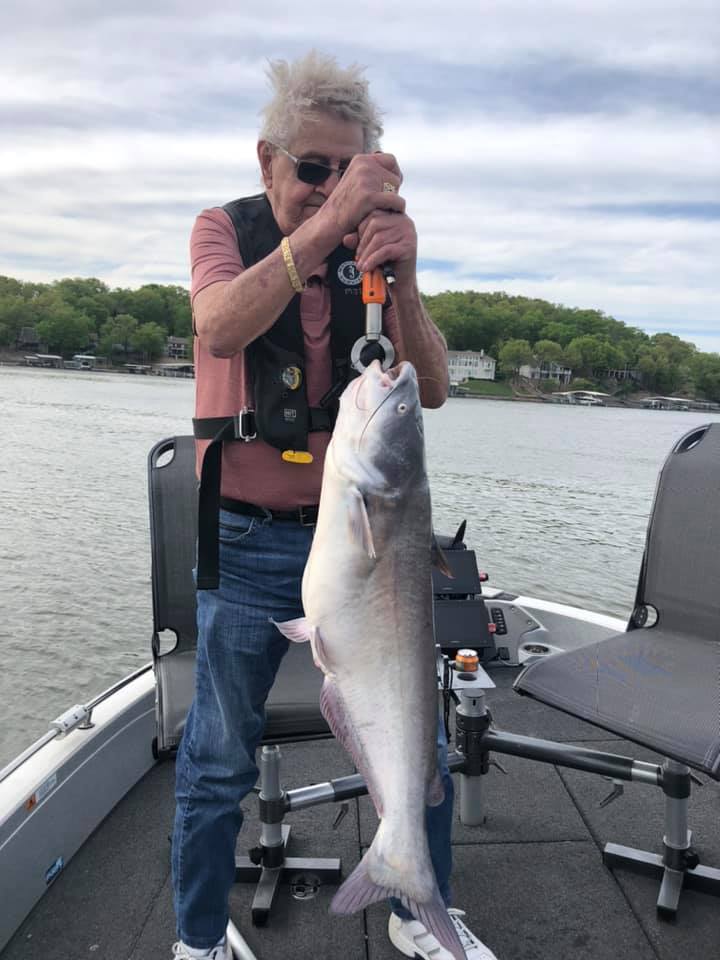
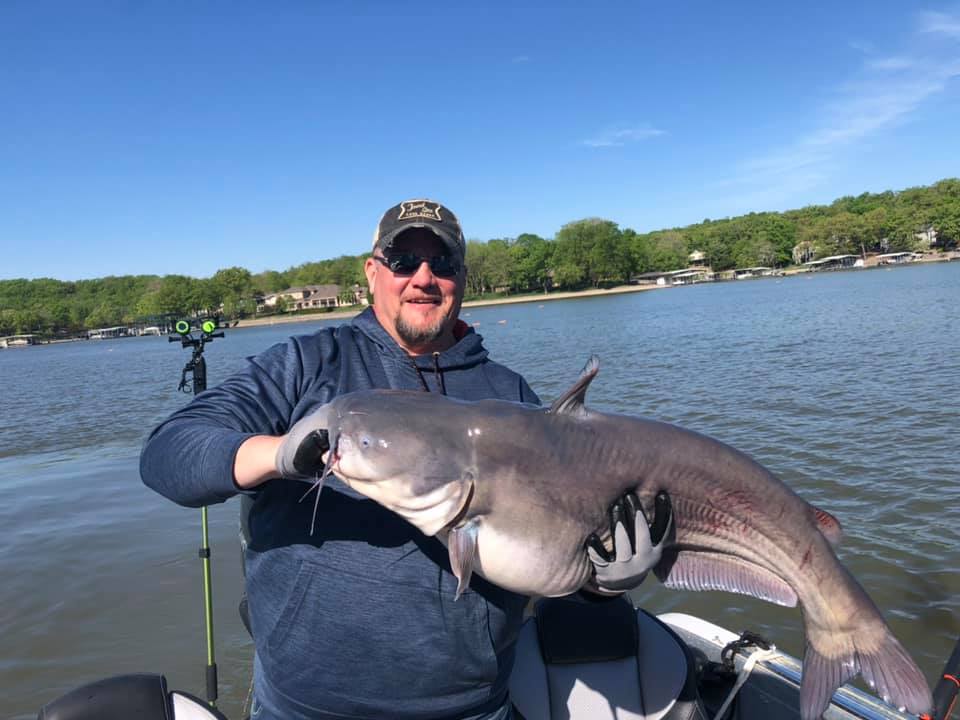
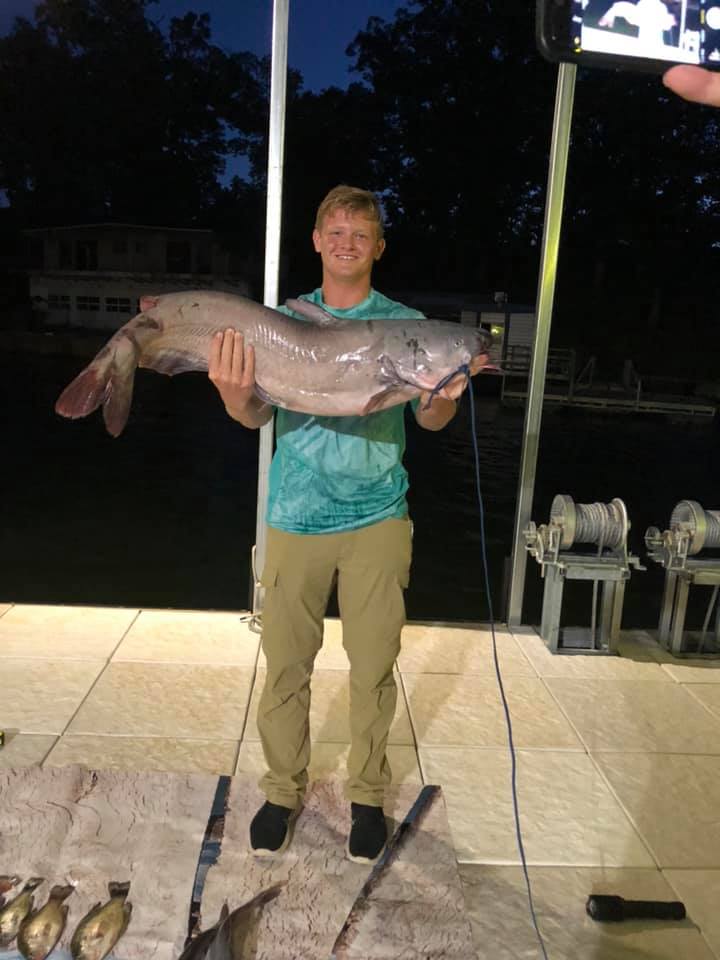
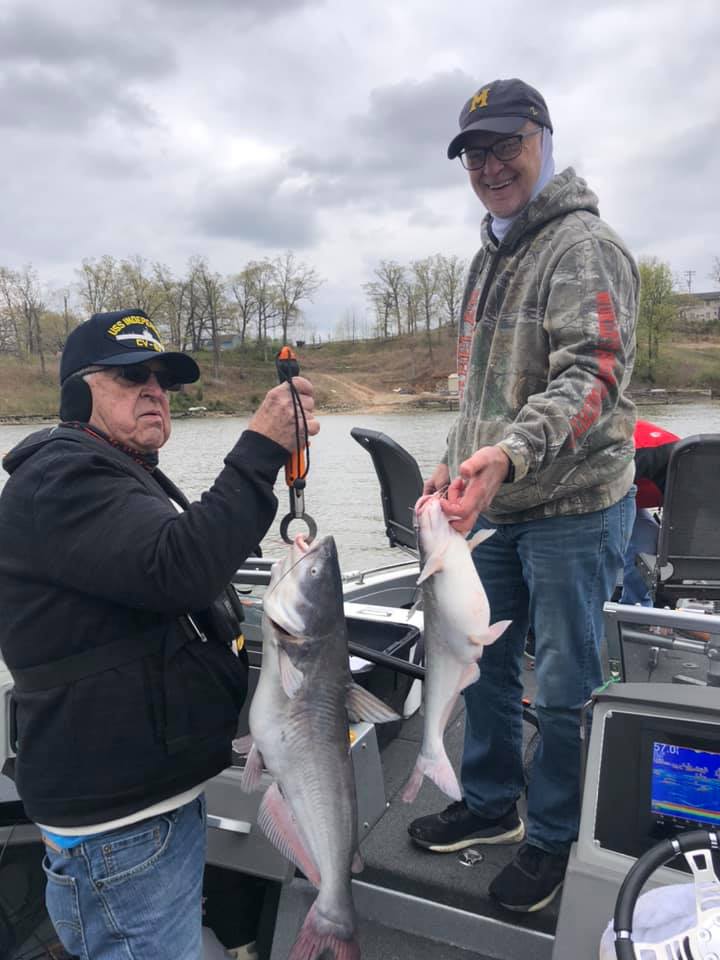
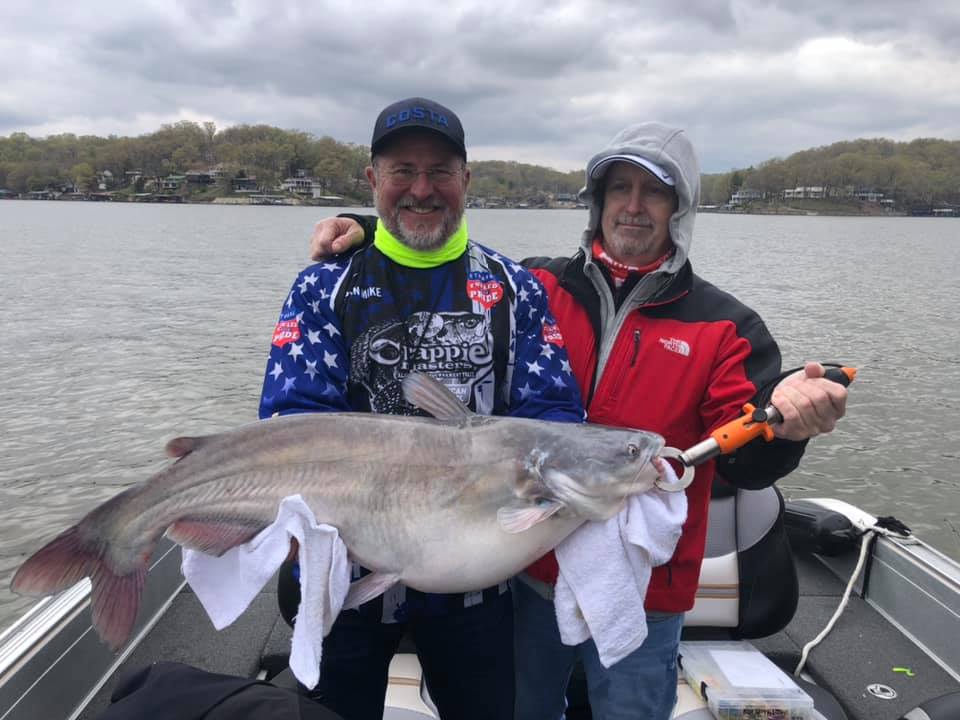
Blue catfish are the giants of Lake of the Ozarks, with fish over 20 pounds not uncommon in these fertile waters. Mike's got the heavy tackle and know-how to put you on these monsters, which require patience and proper technique to land. Blues are most active during warmer months and provide the kind of drag-screaming fights that create lifelong fishing memories. Landing a big blue catfish is something you'll be talking about for years.
Time to Book Your Spot
Mike Doll's 4-hour Lake of the Ozarks fishing experience delivers everything a renowned guide service should – expert instruction, local knowledge, and the kind of personal attention that keeps customers coming back season after season. Whether you're looking to introduce kids to fishing, improve your own skills, or just spend a morning doing what you love with friends and family, this trip hits all the marks. The combination of Mike's expertise, Lake of the Ozarks' incredible fishing, and a relaxed 4-hour format makes this a best trip choice for anglers of all skill levels. Don't wait for the perfect weather or the perfect time – the best day to go
 Private Trip
 Lakes/Reservoirs/Ponds Fishing
 Eldon, MO



 Four-hour guided fishing trip accommodating up to six guests