Everglades Fishing Charters with Mike Merritt
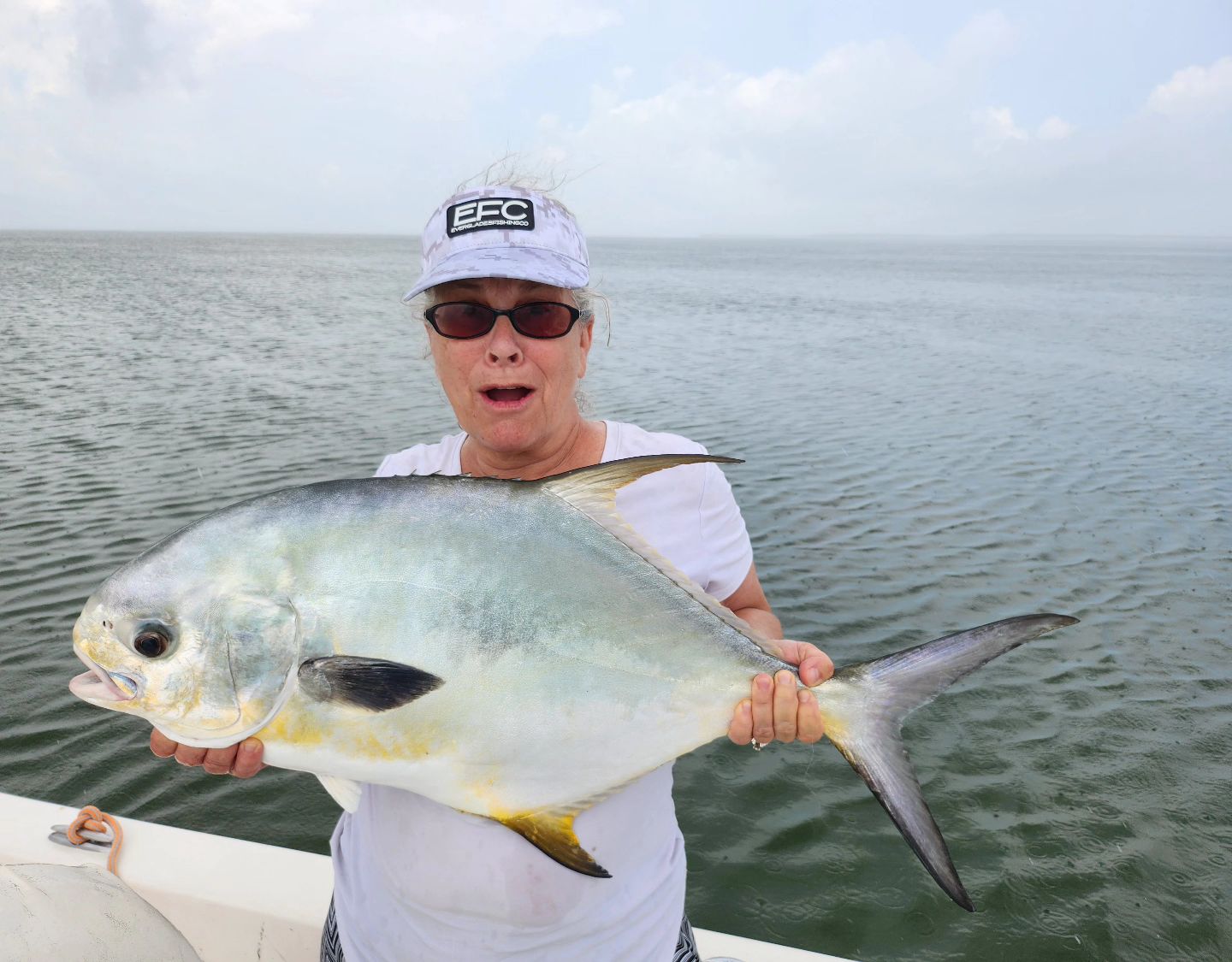
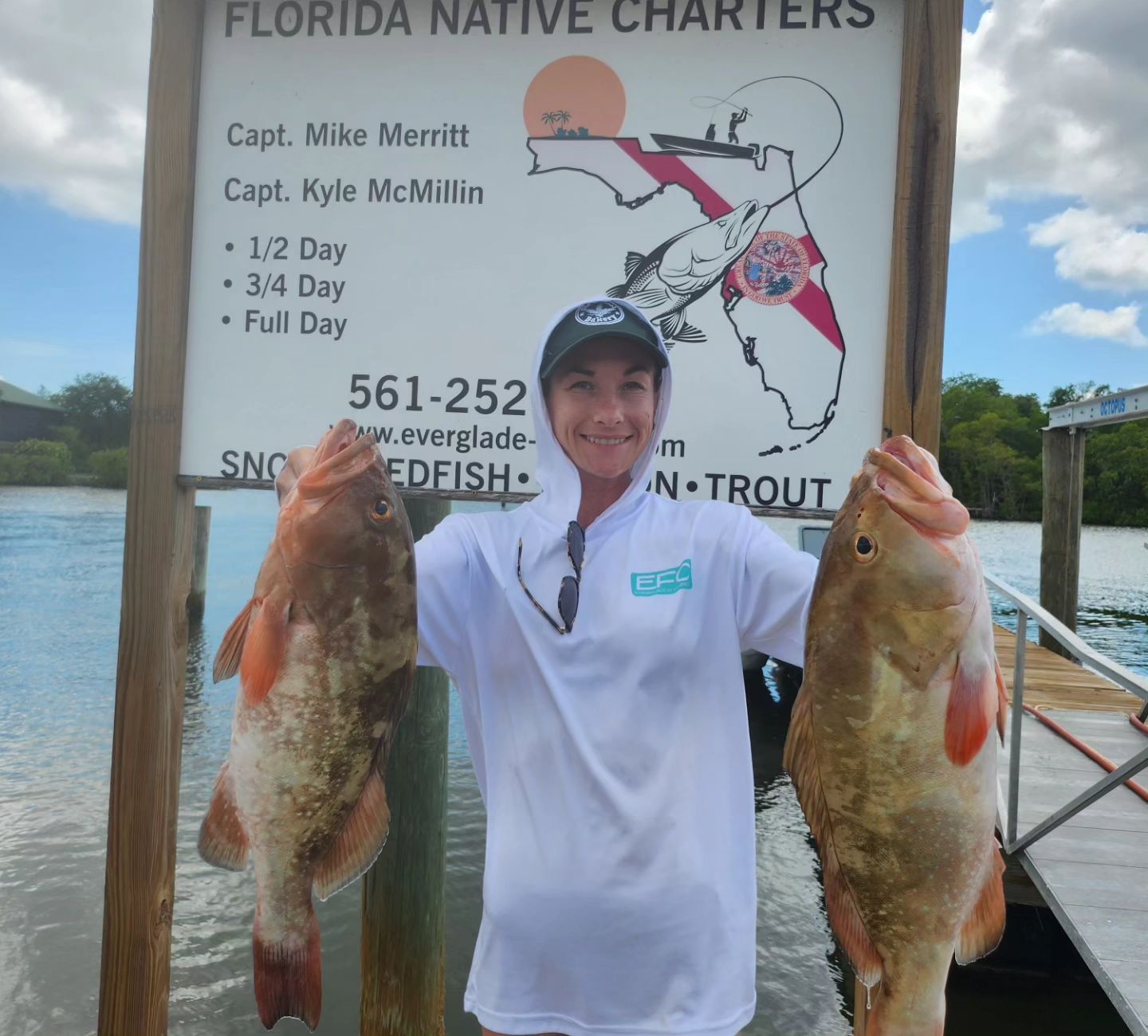
When you're looking for world-class fishing in one of Florida's most legendary waters, Mike Merritt's Native Guide Service delivers exactly what serious anglers crave. Our full-day Everglades fishing charters put you right in the heart of where trophy fish live, feed, and fight. This isn't your typical tourist fishing trip – we're talking about an 8-hour adventure that targets four of South Florida's most prized species in their prime habitat. With over two decades guiding these waters, I know exactly where to find the fish when conditions are right, and I'll share every trick I've learned along the way.
What to Expect on the Water
Your day starts early – and trust me, that's when the magic happens. We'll launch from Everglades City and head into the maze of mangrove creeks, grass flats, and backcountry waters that make this fishery so special. The beauty of fishing here is the variety – one cast you're working a topwater plug along a mangrove shoreline for snook, the next you're sight-casting to a laid-up tarpon in crystal clear water. The scenery alone is worth the trip, but when you add world-class fishing to pristine wilderness, you've got something really special. Our boats are equipped with everything you need, from Penn reels to a cooler full of ice. Just bring yourself, some snacks, and plenty of sunscreen – January through June can still serve up some serious Florida sun. With a maximum of three anglers, you'll get personalized attention and plenty of room to cast without crowding each other.
Techniques & Tackle Setup
We fish smart in the Everglades, adapting our approach based on tides, weather, and what the fish are telling us. Some days we're throwing live pilchards under docks for snook, other times we're working DOA shrimp on the grass flats for redfish and trout. Artificial lures shine here too – spoons, jigs, and topwater plugs all have their moments when conditions line up right. I keep a variety of tackle rigged and ready, from 15-pound spinning setups for trout and reds to 30-pound gear when we're chasing tarpon. The key in these waters is reading the signs – bird activity, bait movement, tide flow, and structure. I'll show you how to spot productive water and explain why certain techniques work better in different situations. Whether you're a fly angler wanting to throw streamers at rolling tarpon or a conventional tackle enthusiast looking to perfect your jig presentation, we'll dial in the right approach for the conditions we're facing.
Target Species You'll Want to Hook
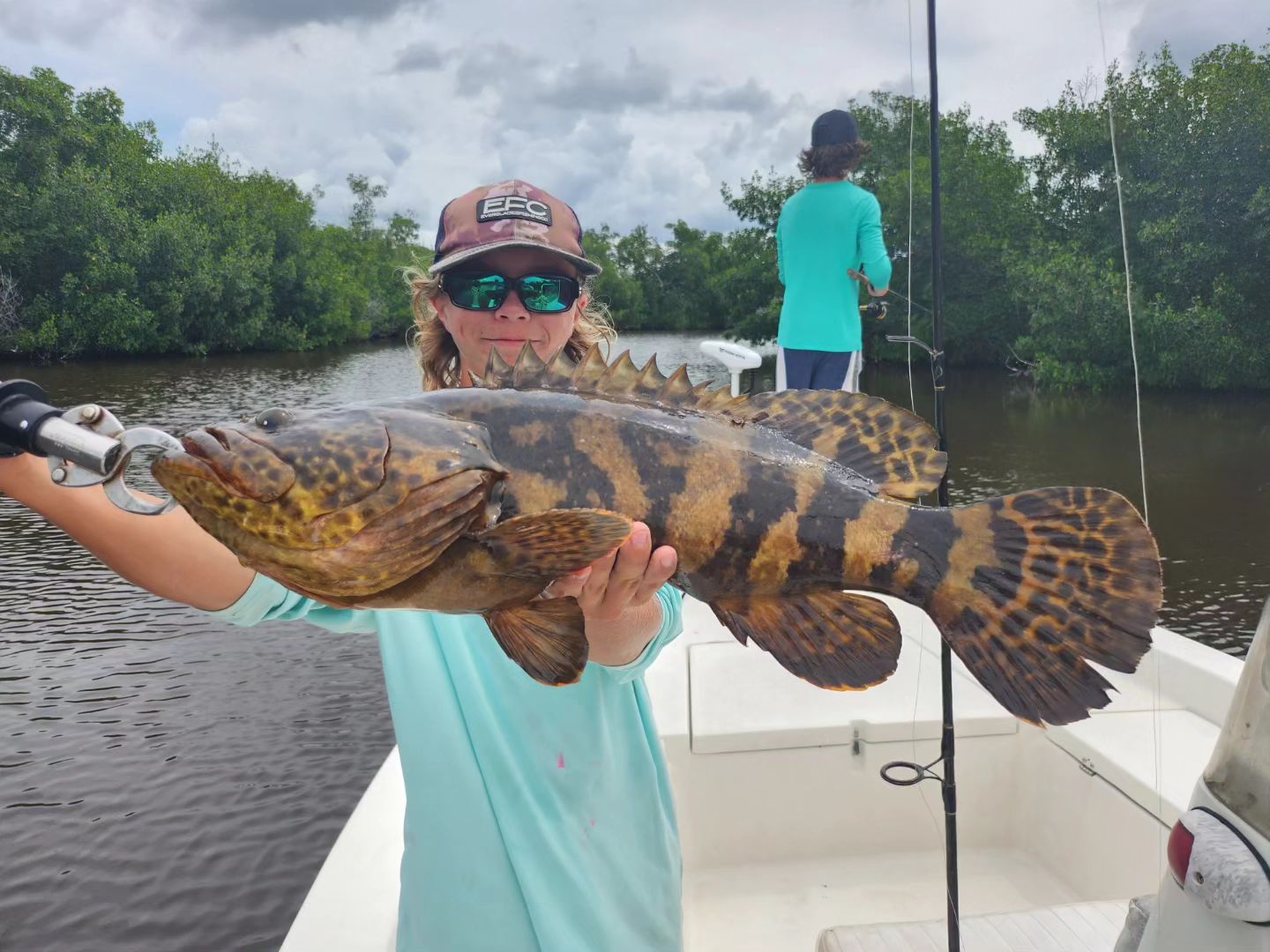
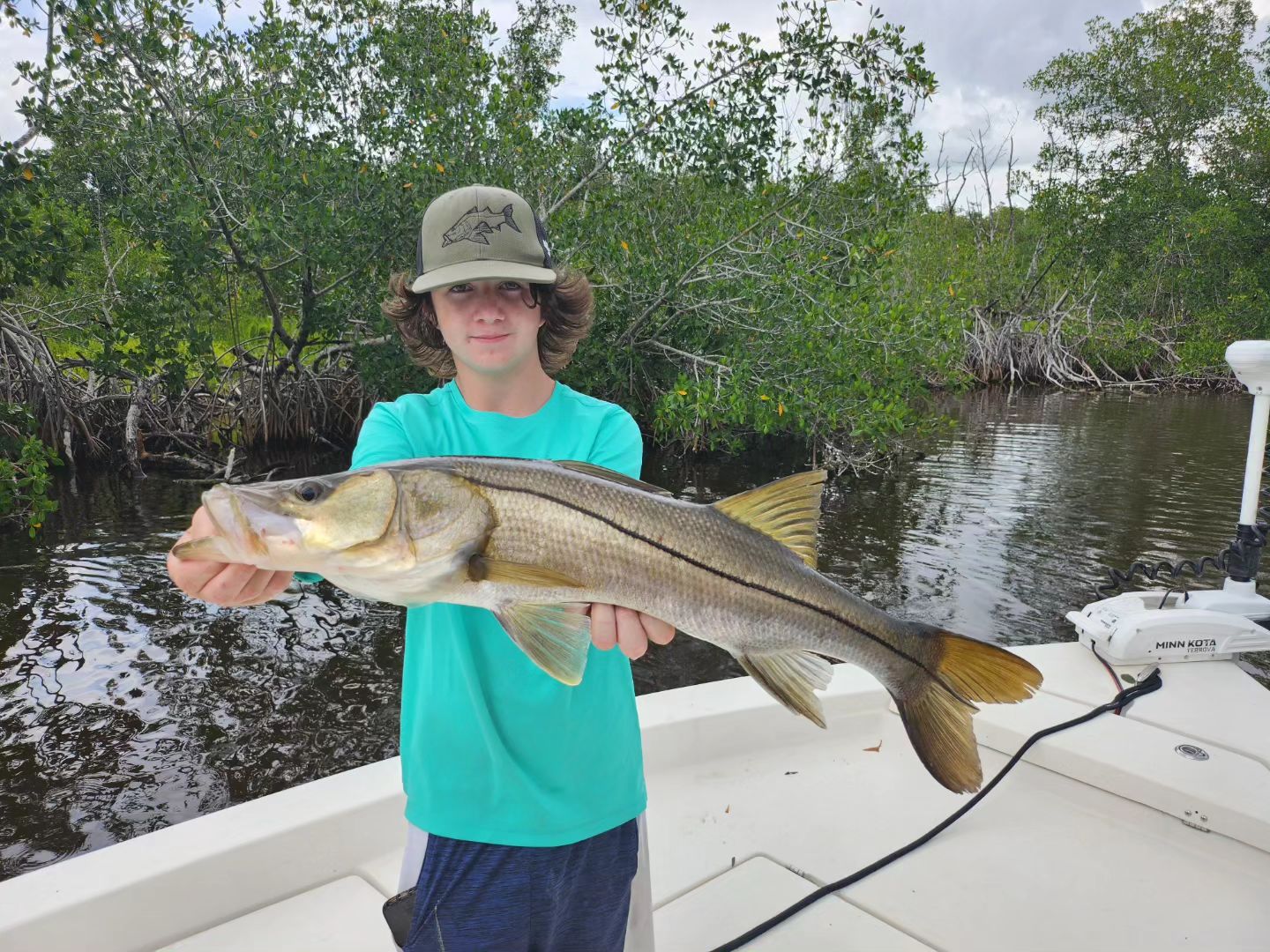
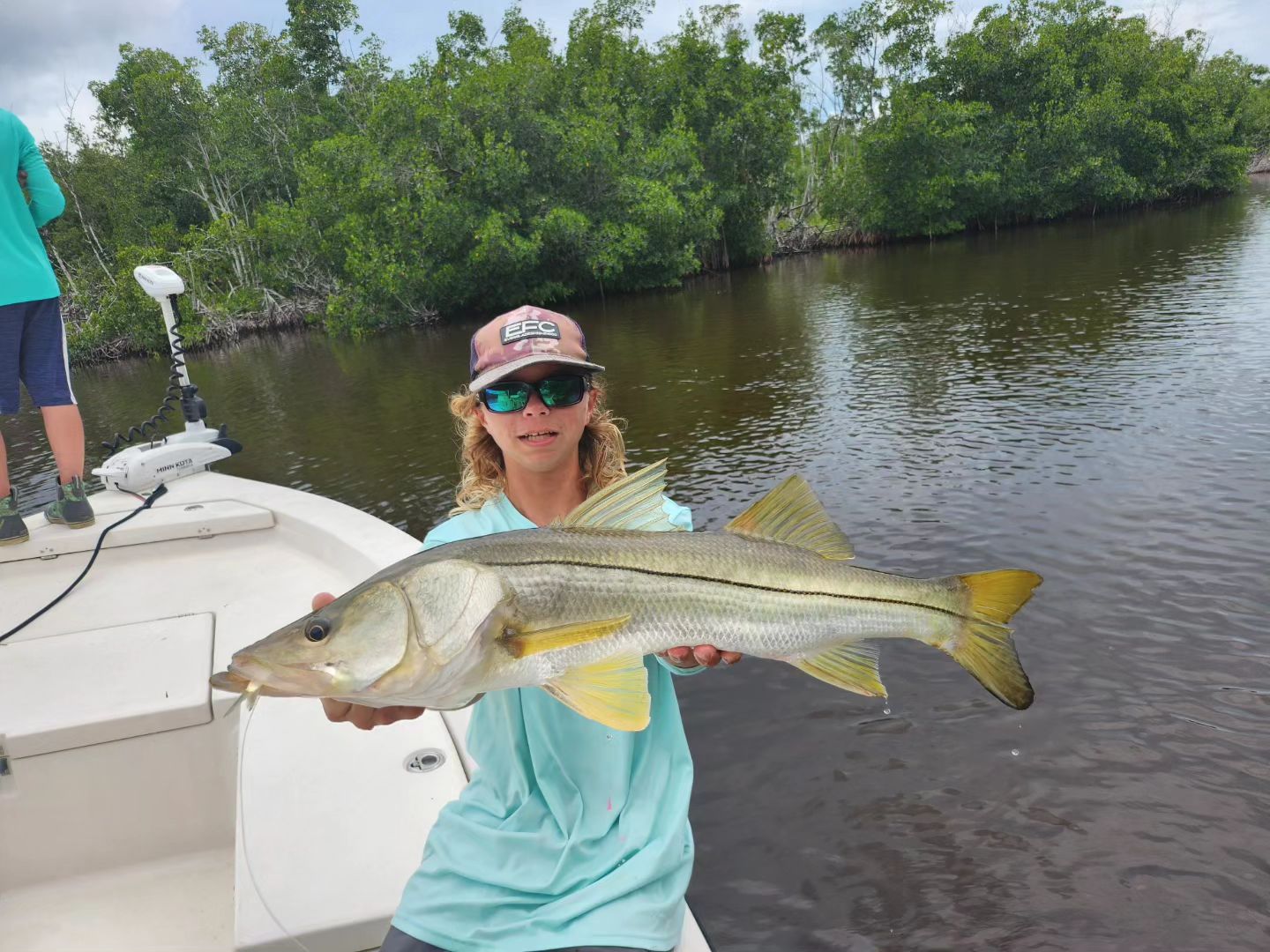
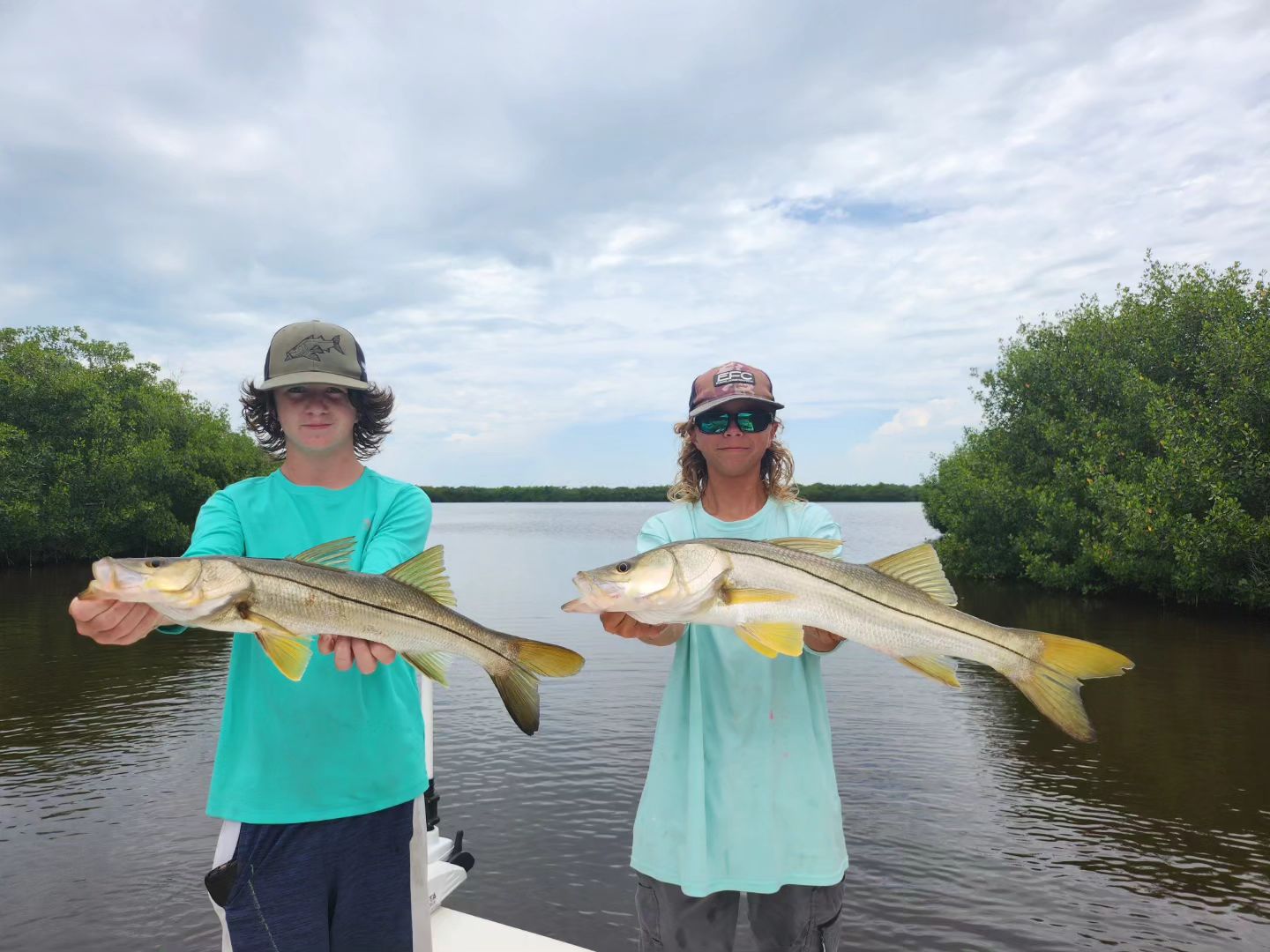
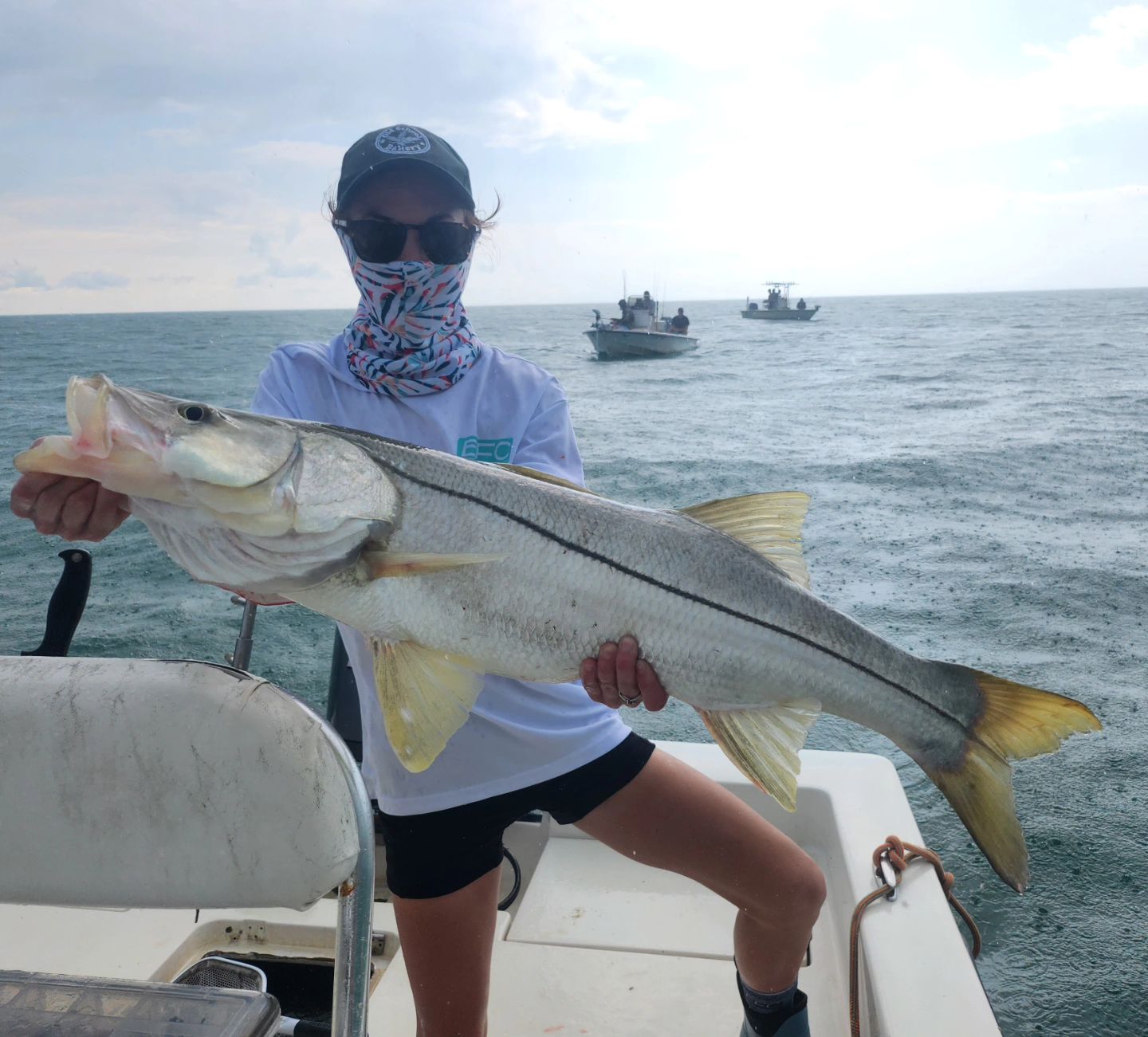
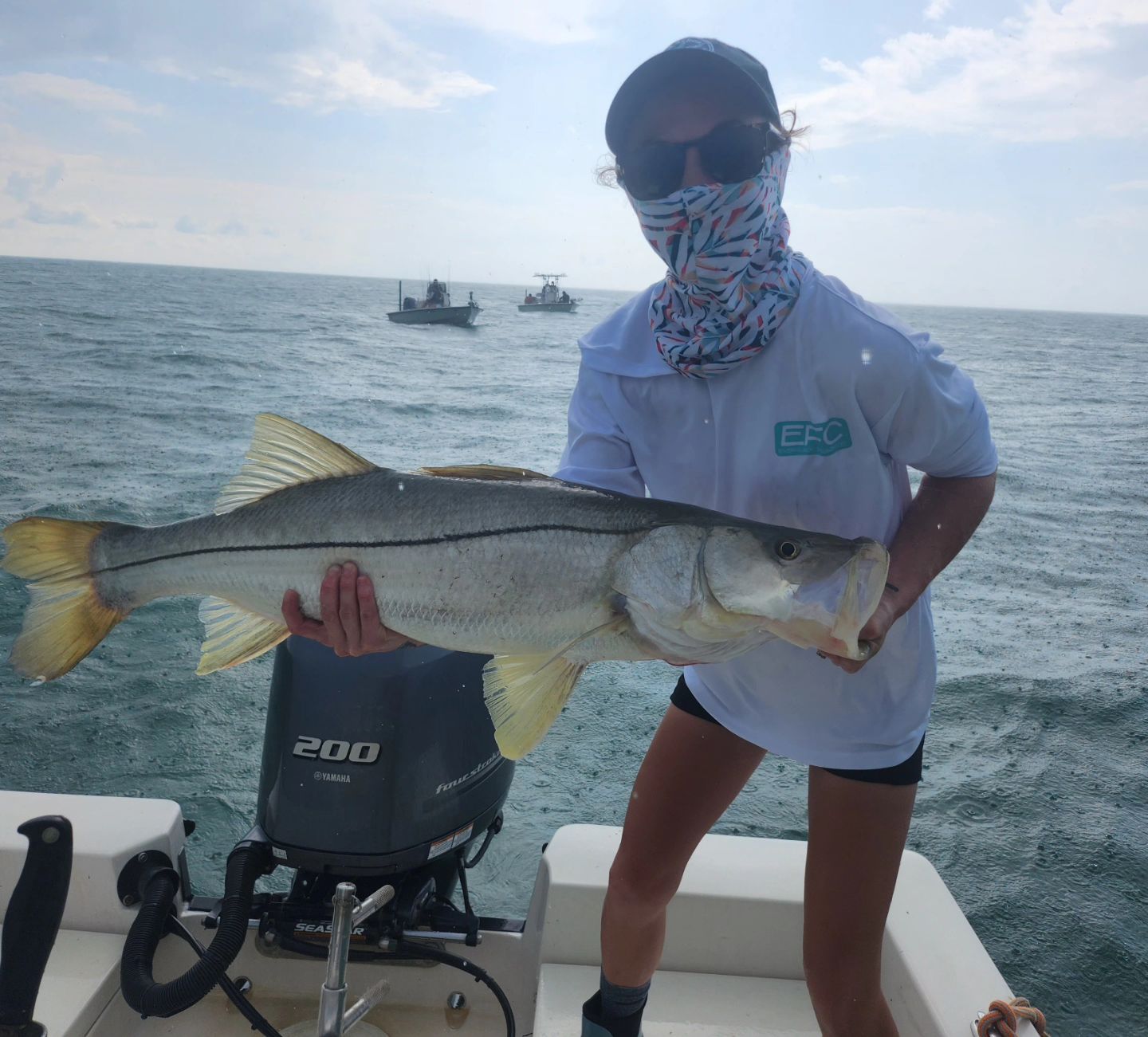
Snook are the crown jewel of Everglades fishing, and for good reason. These ambush predators love structure – docks, mangrove overhangs, creek mouths where current meets calm water. They're notorious for their explosive strikes and gill-rattling jumps, plus they're just beautiful fish with that distinctive black lateral line. January through March is prime time when they're fattening up after the spawn, often hanging in deeper holes during cooler mornings before moving shallow to feed. A 28-inch snook will give you a fight you won't forget, and slots over 30 inches become the stuff of fishing stories for years.
Tarpon fishing in the Everglades is as good as it gets anywhere in Florida. From February through May, these silver kings move through our waters in impressive numbers, ranging from juvenile fish in the 20-40 pound class to mature adults pushing triple digits. What makes tarpon special isn't just their size – it's their aerial show. When a 60-pound tarpon goes airborne six feet from your boat, shaking its head and rattling its gills, you understand why anglers travel from around the world for this experience. They're also incredibly strong, capable of long powerful runs that'll test your drag system and your patience.
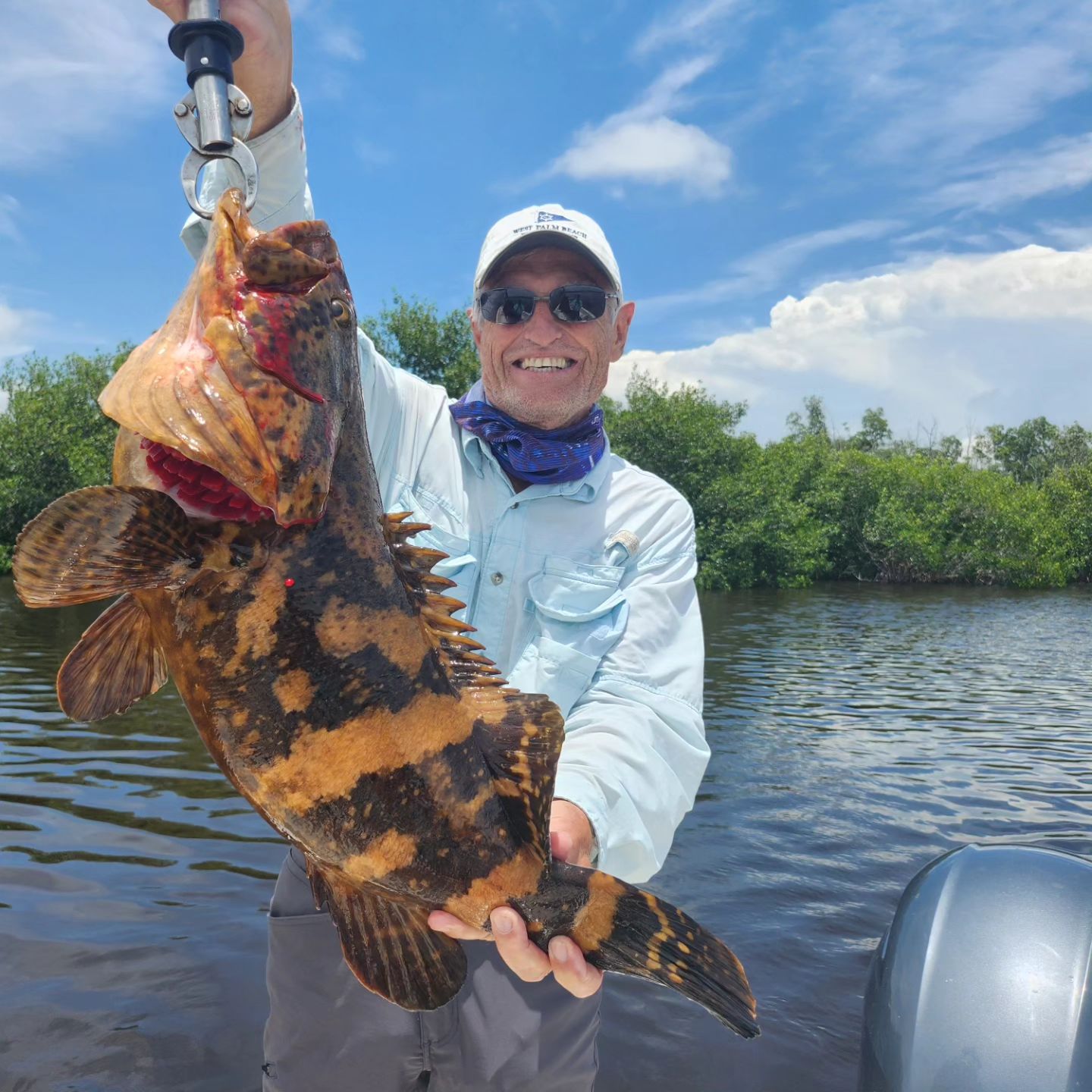
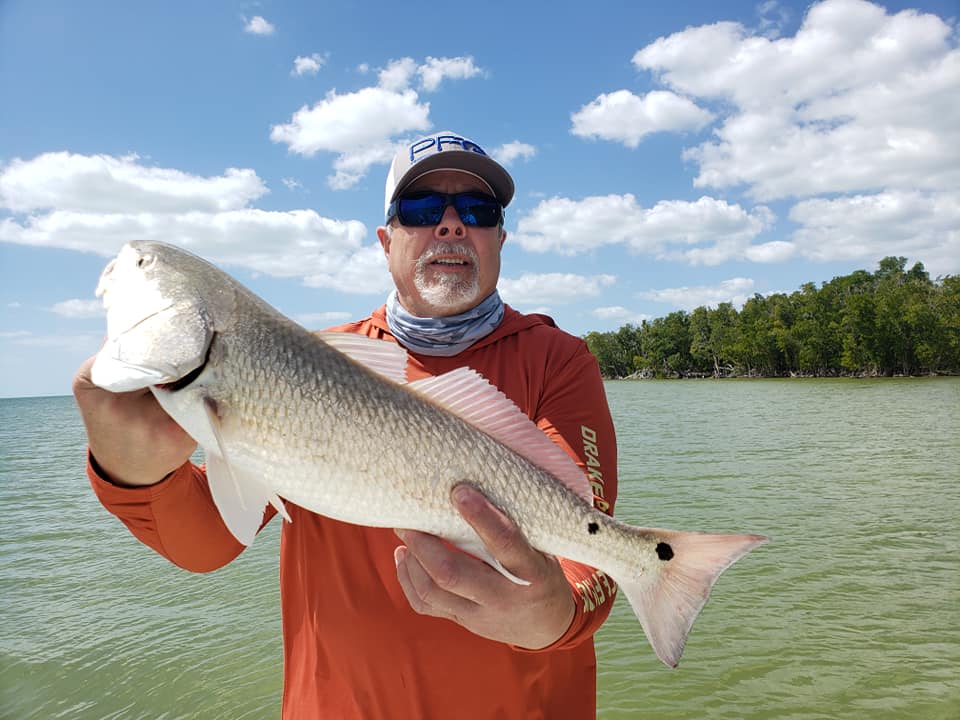
Redfish are the workhorses of our fishery – reliable, aggressive, and always ready to eat. These copper-colored bruisers love shallow grass flats, mangrove shorelines, and oyster bars where they root around for crabs and shrimp. What makes reds so appealing is their willingness to eat both live bait and artificials, plus they fight with bulldog determination once hooked. During our January to June season, you'll find them in schools on the flats during incoming tides, often with their backs out of the water as they feed. A 25-inch red will peel drag and make several strong runs before coming to the net.
Sea trout complete our Grand Slam possibilities and they're often the most cooperative species we target. These spotted beauties love grass flats, especially areas with good current flow and clean water. They're primarily sight feeders, making them perfect for light tackle fishing with live shrimp or small jigs. Trout are also excellent table fare if you decide to keep a few within the slot limits. The best part about trout fishing is the numbers – when you find a school of quality fish, you can often catch several before they move on. A 20-inch speckled trout on light tackle provides excellent sport and some of the best eating you'll find in saltwater.
Time to Book Your Spot
This top-rated charter books up quickly, especially during our prime season from January through June when all four species are most active. At $1000 for a full day accommodating up to three anglers, you're getting exceptional value for eight hours of guided fishing in one of America's most renowned fisheries. Mike Merritt's Native Guide Service has been putting clients on fish in these waters for over 20 years, and that experience shows in every aspect of your trip. From reading water conditions to knowing exactly which baits work best on any given day, you're fishing with someone who truly knows these waters. Don't wait until the last minute – the best dates fill up fast, and you don't
 Private Trip
 River Fishing
 Everglades City, FL


 Full-day Everglades fishing charter targets four premier species