4 Hour Galveston Inshore Fishing Charter
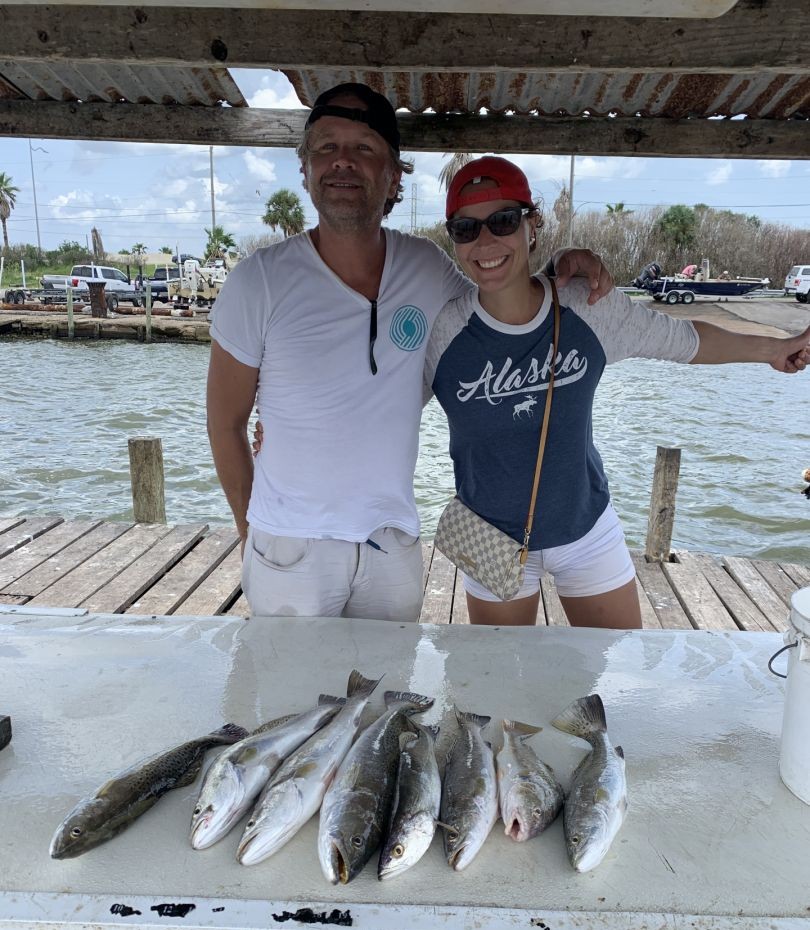
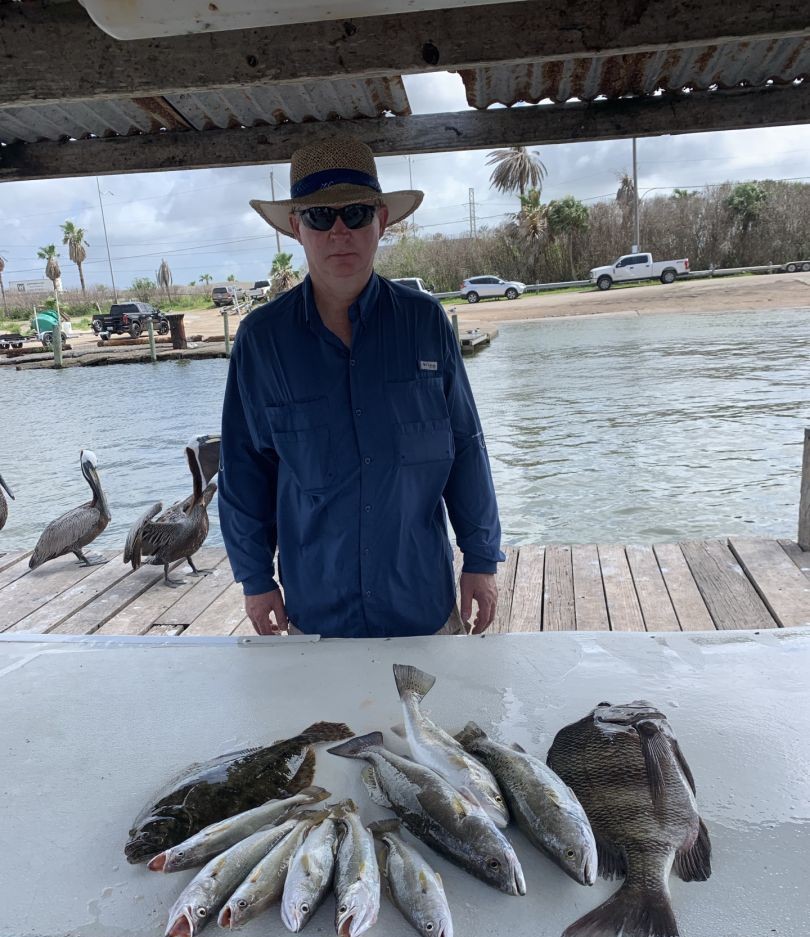
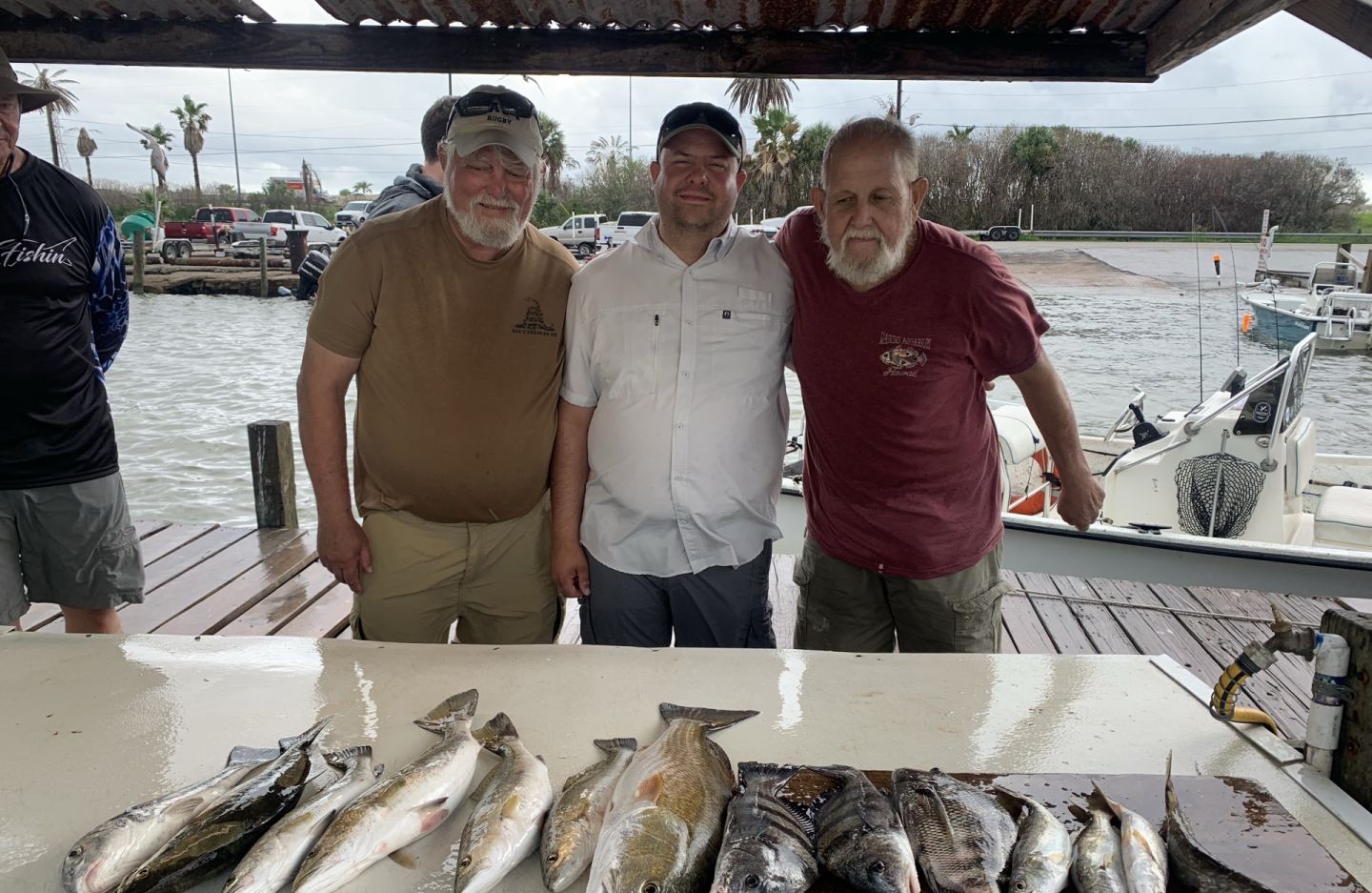
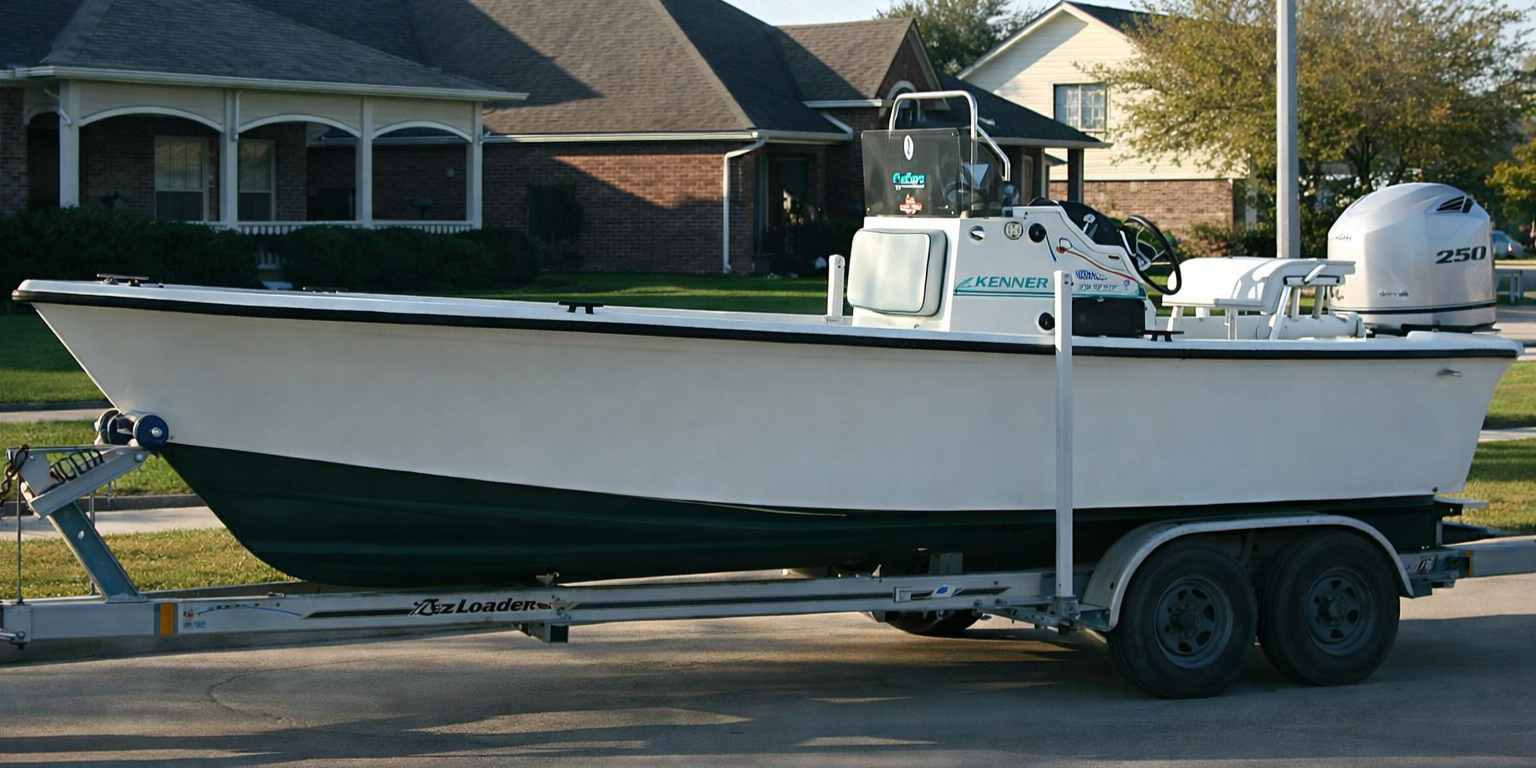
Looking for a solid day on the water without breaking the bank? This 4-hour private charter puts you right in the heart of Galveston Bay's best inshore fishing spots. Perfect for couples, small families, or anyone wanting to learn the ropes without crowds getting in the way. We'll be targeting redfish, speckled trout, black drum, flounder, and sheepshead – basically whatever's biting that day. At $450 for up to two anglers, you're getting your own captain, all the gear you need, and plenty of one-on-one guidance to make sure you're actually catching fish instead of just casting all day.
What to Expect on the Water
Your day kicks off at 8:00 AM when you'll meet your captain at the dock. We keep these trips small – just you and one other angler to start, though you can bring up to four people total if you want to add more folks for $100 each. That's the sweet spot for learning proper techniques without feeling rushed or crowded. Your captain knows these waters like the back of their hand and will adjust the game plan based on tides, weather, and what's been biting lately. Some days we'll work the grass flats for reds, other times we're bouncing bottom baits for drum near the jetties. The beauty of Galveston Bay is there's always something to target, and your guide will make sure you're fishing the right spots with the right approach. All your rods, reels, tackle, and bait come included, so you can focus on learning and having fun instead of worrying about gear.
Techniques & Hot Spots
Galveston Bay inshore fishing is all about reading the water and adapting your approach. We'll be using live and cut bait most of the time – shrimp, croaker, and mullet are the go-to options depending on what we're targeting. For redfish, expect to work shallow flats and drop-offs with live shrimp under popping corks or free-lined baits. Speckled trout love working grass beds and shell reefs, especially when we can find some current movement. Black drum fishing means getting down to structure with heavier tackle and fresh cut bait – these fish don't mess around when they hit. Your captain will handle all the rigging and show you proper techniques for each species, from setting the hook to fighting fish without losing them at the boat. The key areas we fish include East Bay flats, the back lakes behind Galveston Island, and productive spots around the Interstate 45 bridge. Water depth ranges from 3 to 12 feet most of the time, so you'll see plenty of action in relatively shallow, fishable conditions.
Top Catches This Season
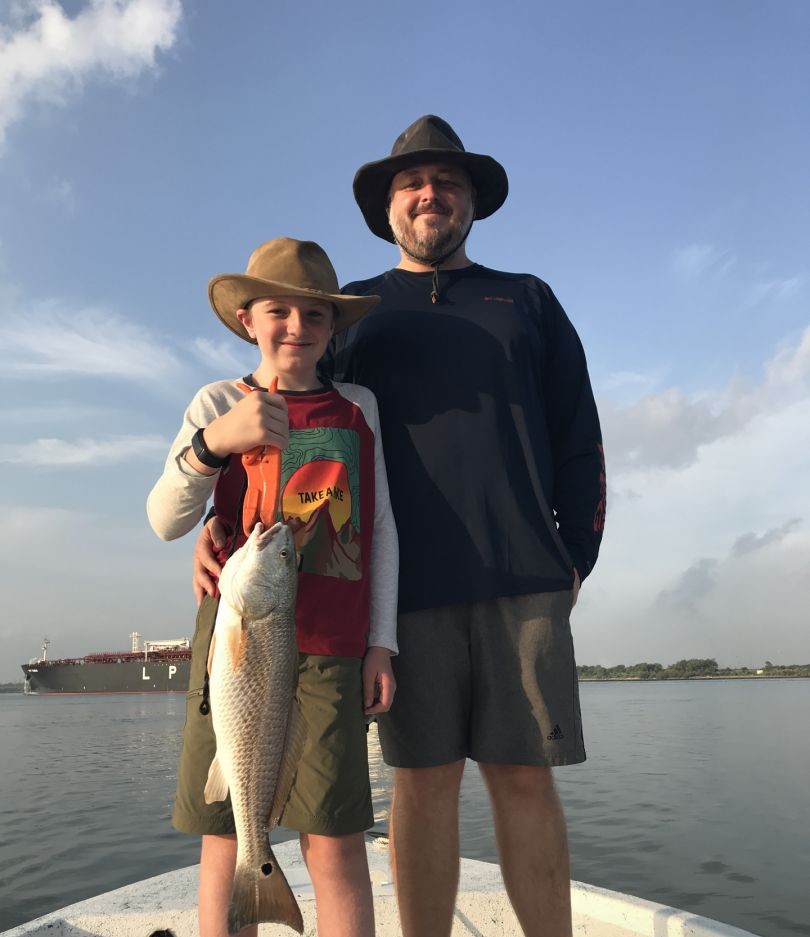
Redfish: These copper-colored fighters are the backbone of Galveston Bay fishing and for good reason. Reds typically run 18 to 28 inches in these waters, with the occasional bull red pushing 30-plus inches showing up to test your drag system. They're most active during moving tides and love working shallow flats where they can corner baitfish. Fall and spring offer the most consistent action, but summer mornings and winter warm spells can produce fantastic fishing. What makes reds special is their aggressive strike and bulldogging fight – they'll use their broad shoulders to pull drag and test your patience. Plus, they're excellent table fare when kept within slot limits.
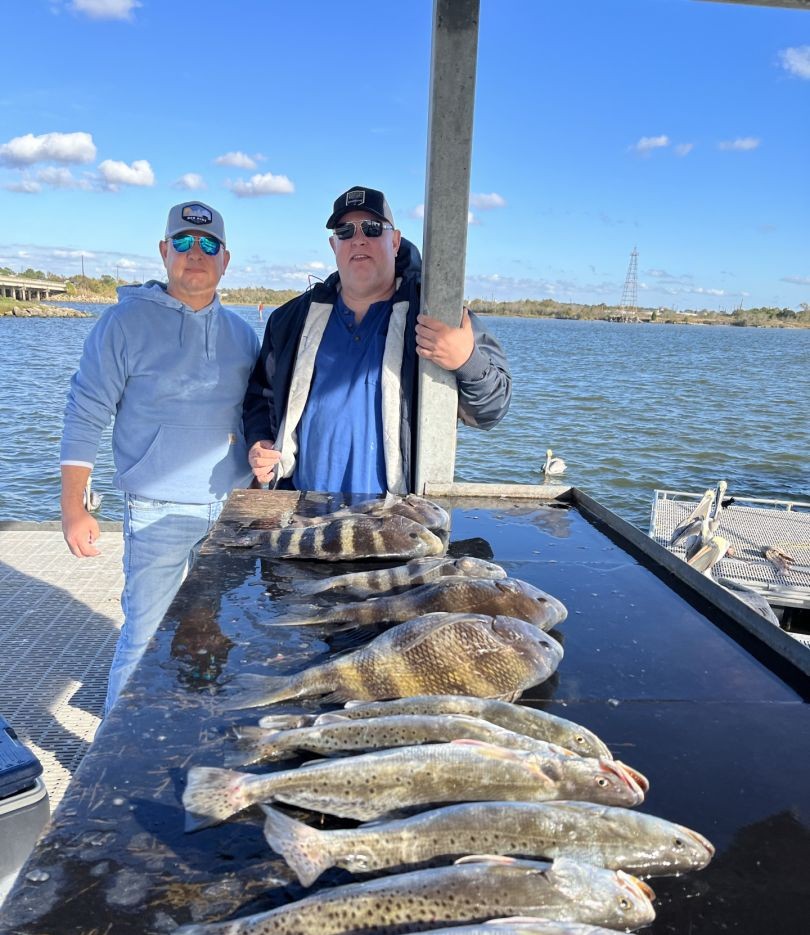
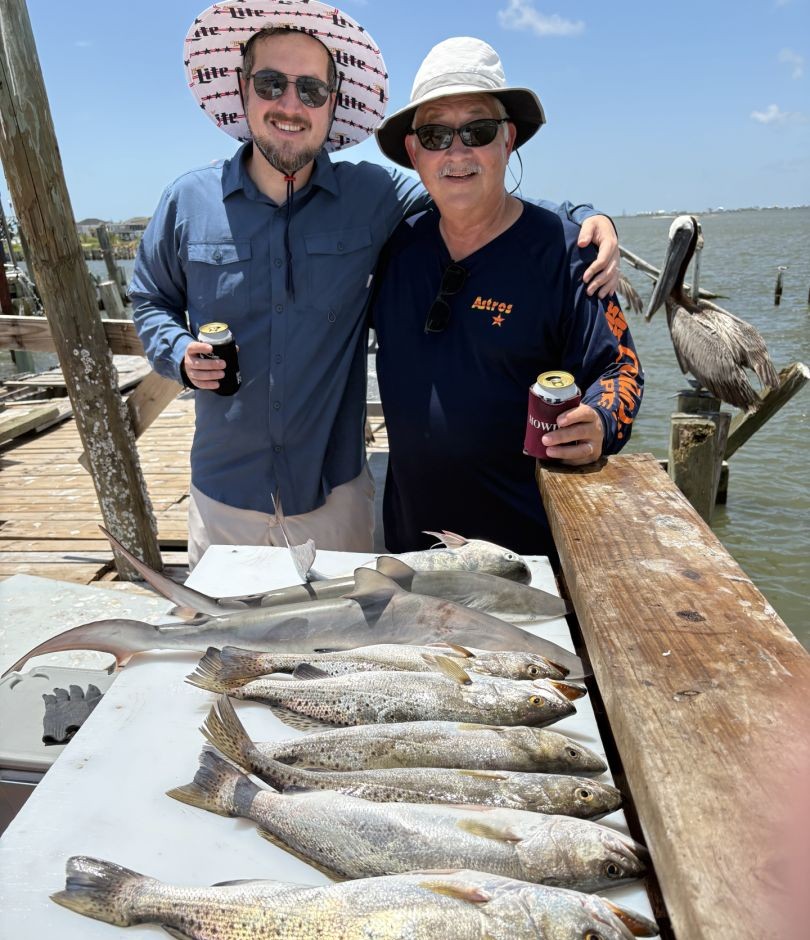
Speckled Trout: The most popular sport fish in Texas for a reason, specks are both challenging to catch and delicious to eat. Most of our trout range from 14 to 20 inches, with the occasional gator trout over 25 inches making an appearance during cooler months. They're structure-oriented fish that love grass beds, oyster reefs, and drop-offs where they can ambush prey. Spring and fall provide the most reliable action, though early morning summer trips can be outstanding. Specks have a relatively soft mouth, so they require finesse when fighting – too much pressure and they'll throw the hook. Their diet consists mainly of shrimp and small baitfish, making them perfect targets for live bait fishing.
Black Drum: These bottom-dwelling bruisers are the heavyweights of the bay system. Black drum in Galveston waters typically range from 14 to 30 inches, with larger fish providing serious battles on medium tackle. They're year-round residents but fish best during cooler months when they move into shallower feeding areas. Drum are primarily bottom feeders with a diet heavy on crabs, shrimp, and oysters, so cut bait fished on or near the bottom produces the most consistent results. What anglers love about black drum is their powerful, sustained runs and the way they use structure to try breaking you off. They're also underrated table fare when prepared properly.
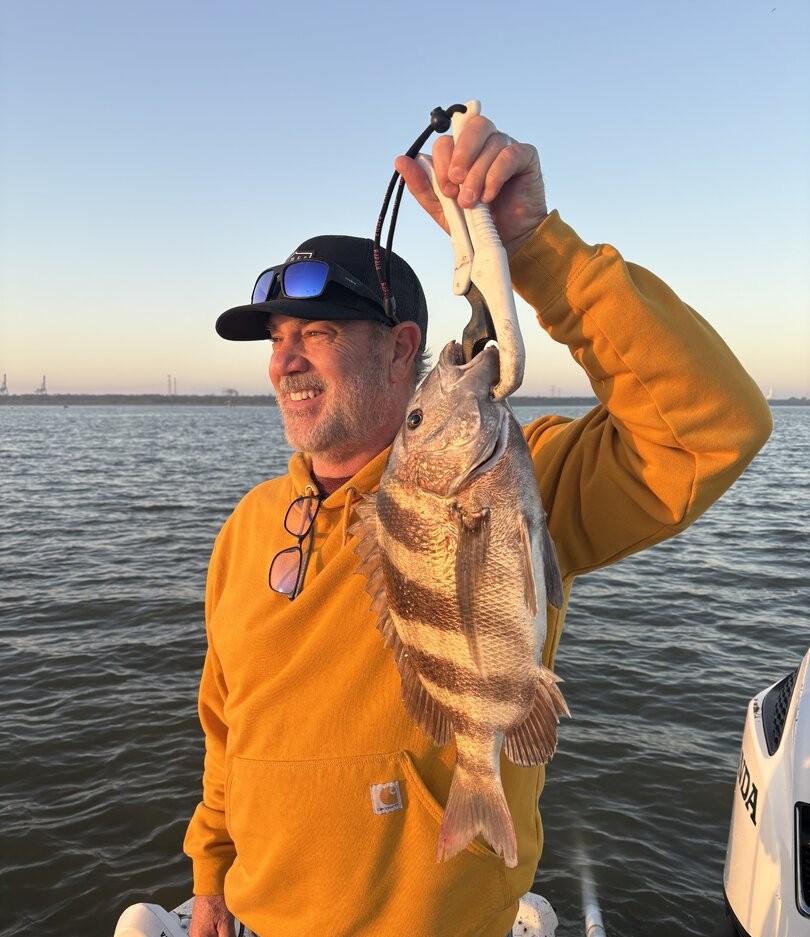
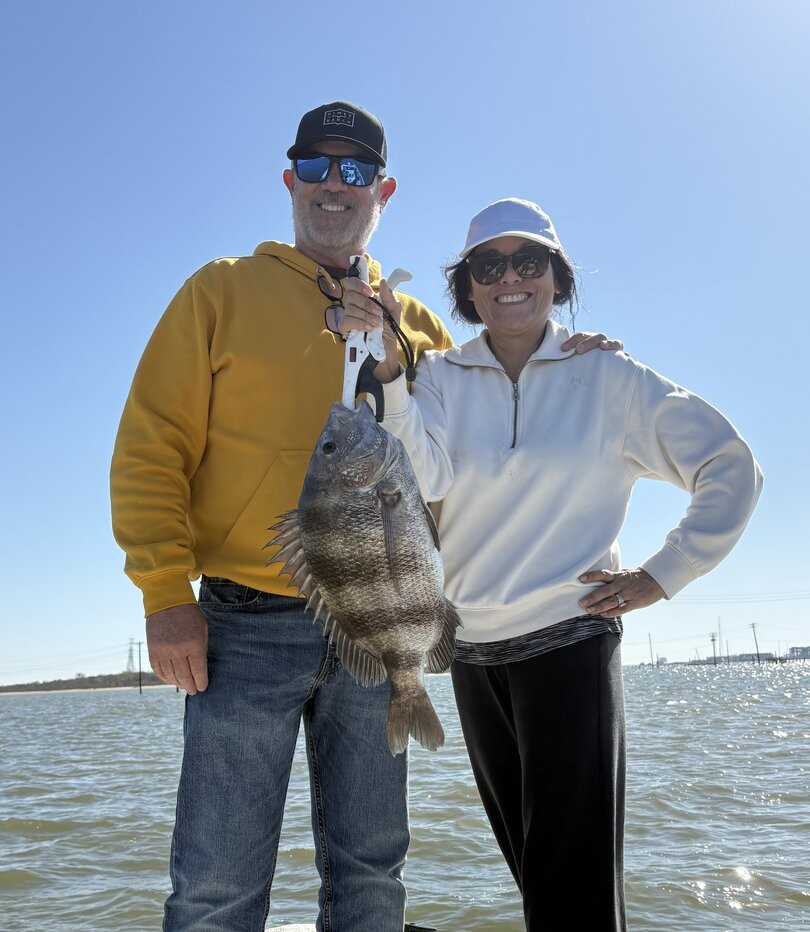
Sheepshead: Often called the "convict fish" for their black and white stripes, sheepshead are some of the most challenging and rewarding fish in the bay. They average 12 to 18 inches but can reach 20-plus inches in deeper waters. These fish have human-like teeth designed for crushing shellfish, making them notorious bait stealers that require quick reflexes and sensitive tackle. Peak season runs from late fall through early spring when they move into shallow waters to feed on barnacles and oysters around structure. Catching sheepshead consistently requires patience and skill – they're notorious for nibbling bait without getting hooked. But once you figure them out, they provide excellent sport and some of the best eating fish in the Gulf.
Time to Book Your Spot
This top-rated Galveston Bay charter delivers exactly what most anglers want – personal attention, productive fishing, and fair pricing without any surprises. At $450 for a private 4-hour trip, you're getting exceptional value compared to larger boats where you
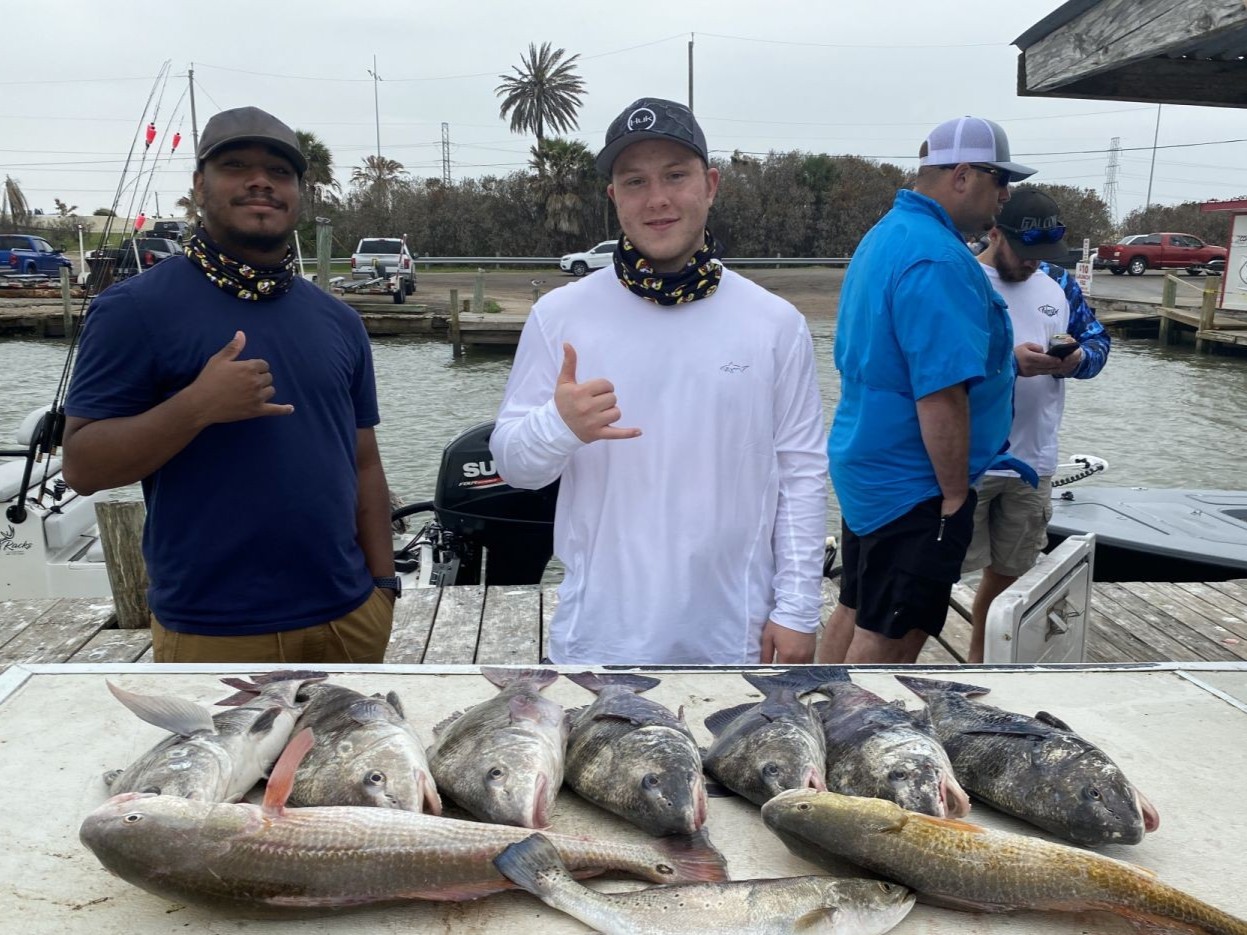
 Private Trip
 Lakes/Reservoirs/Ponds Fishing
 Galveston


 Private 4-hour inshore fishing charter for up to 4 guests