6 Hour Fishing Trip - Brainerd Lakes Area
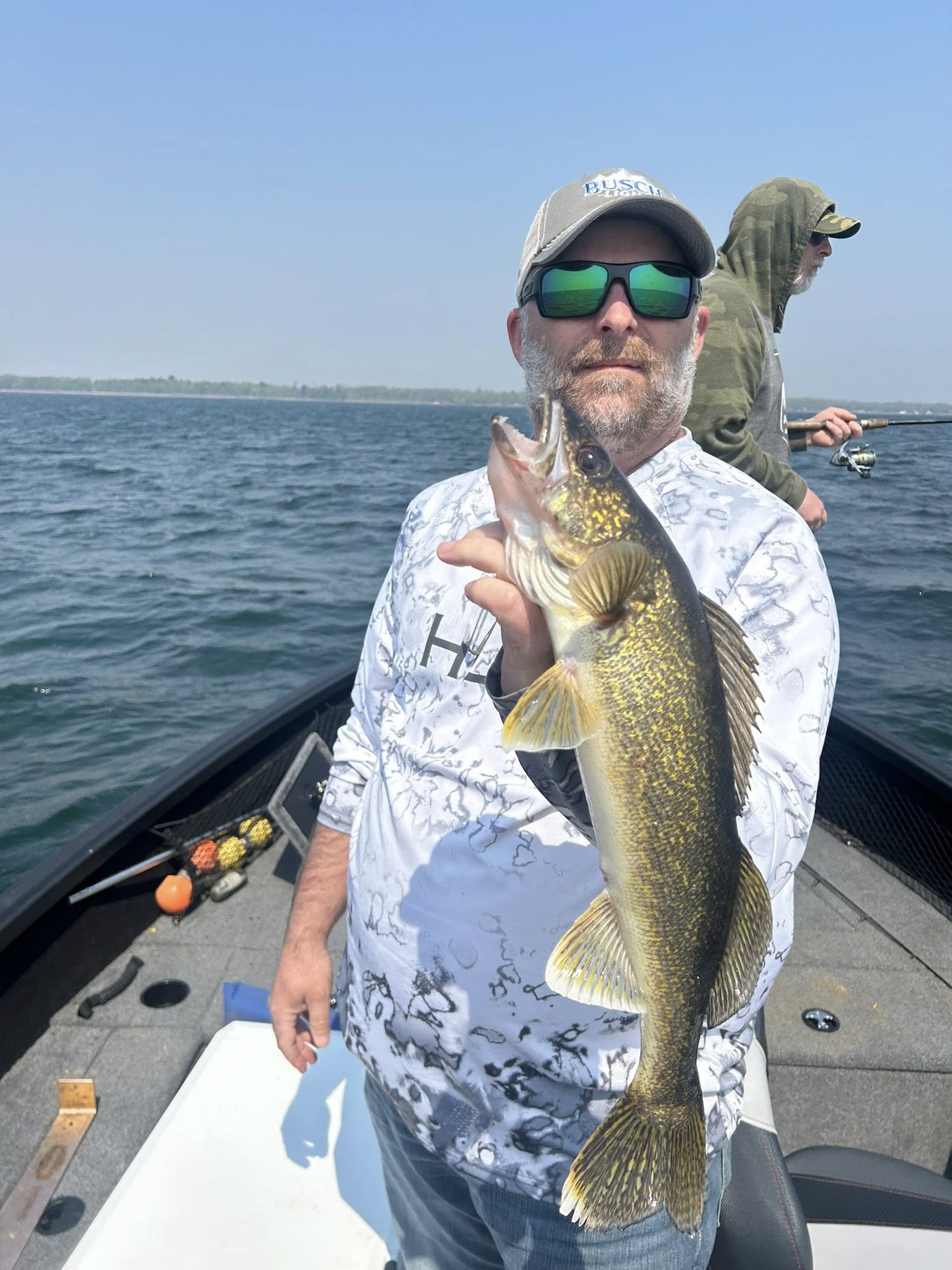
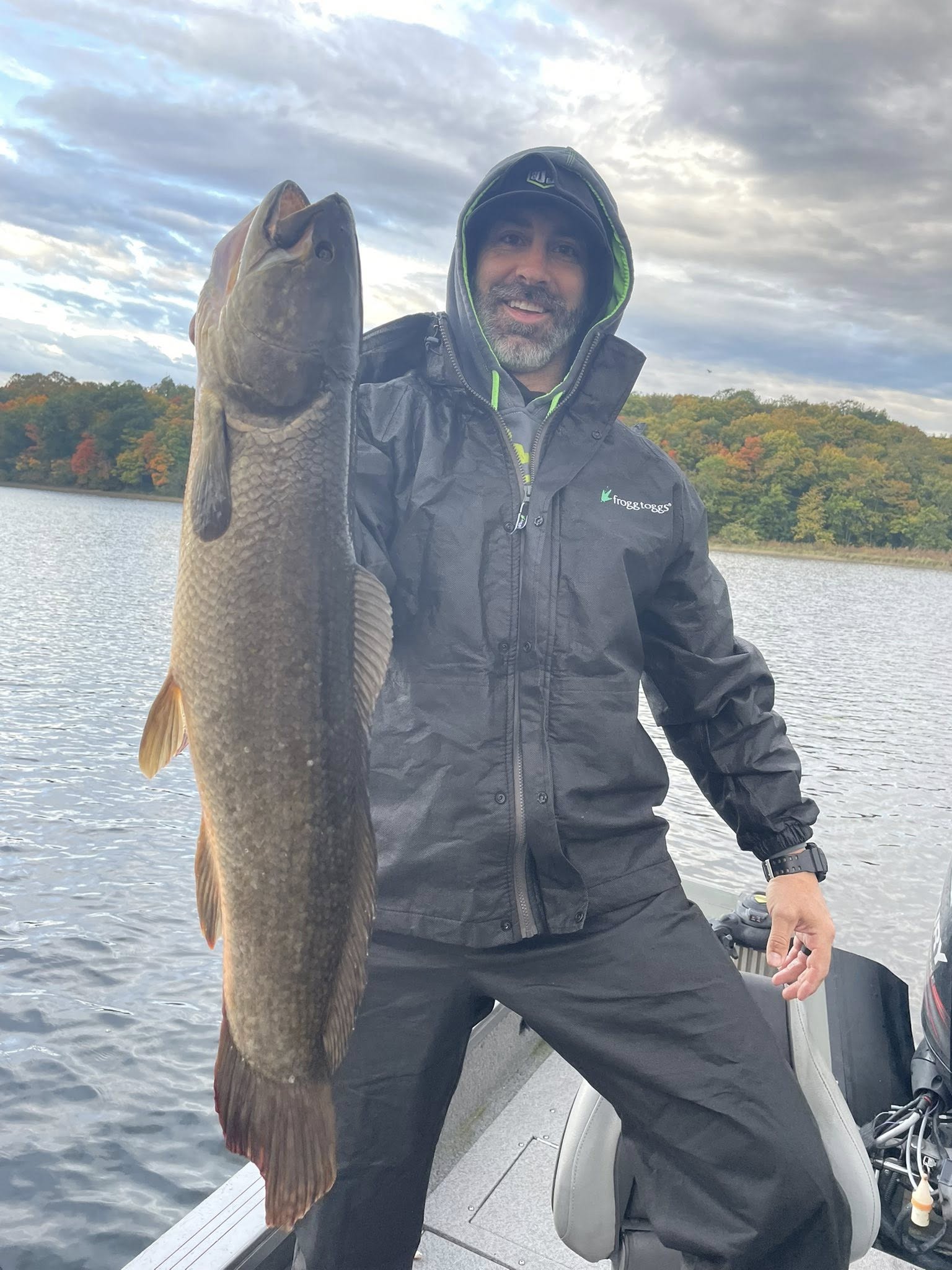
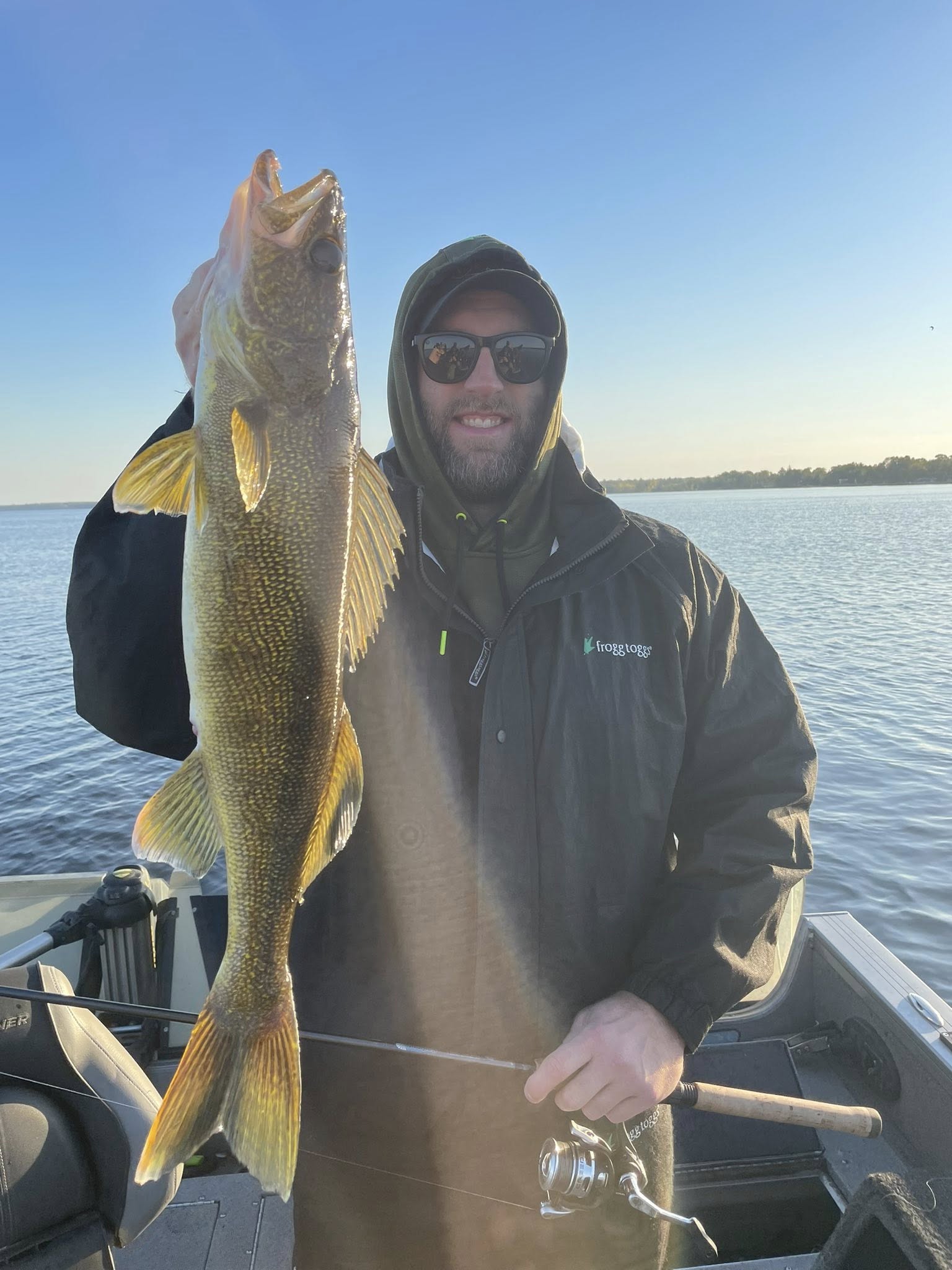
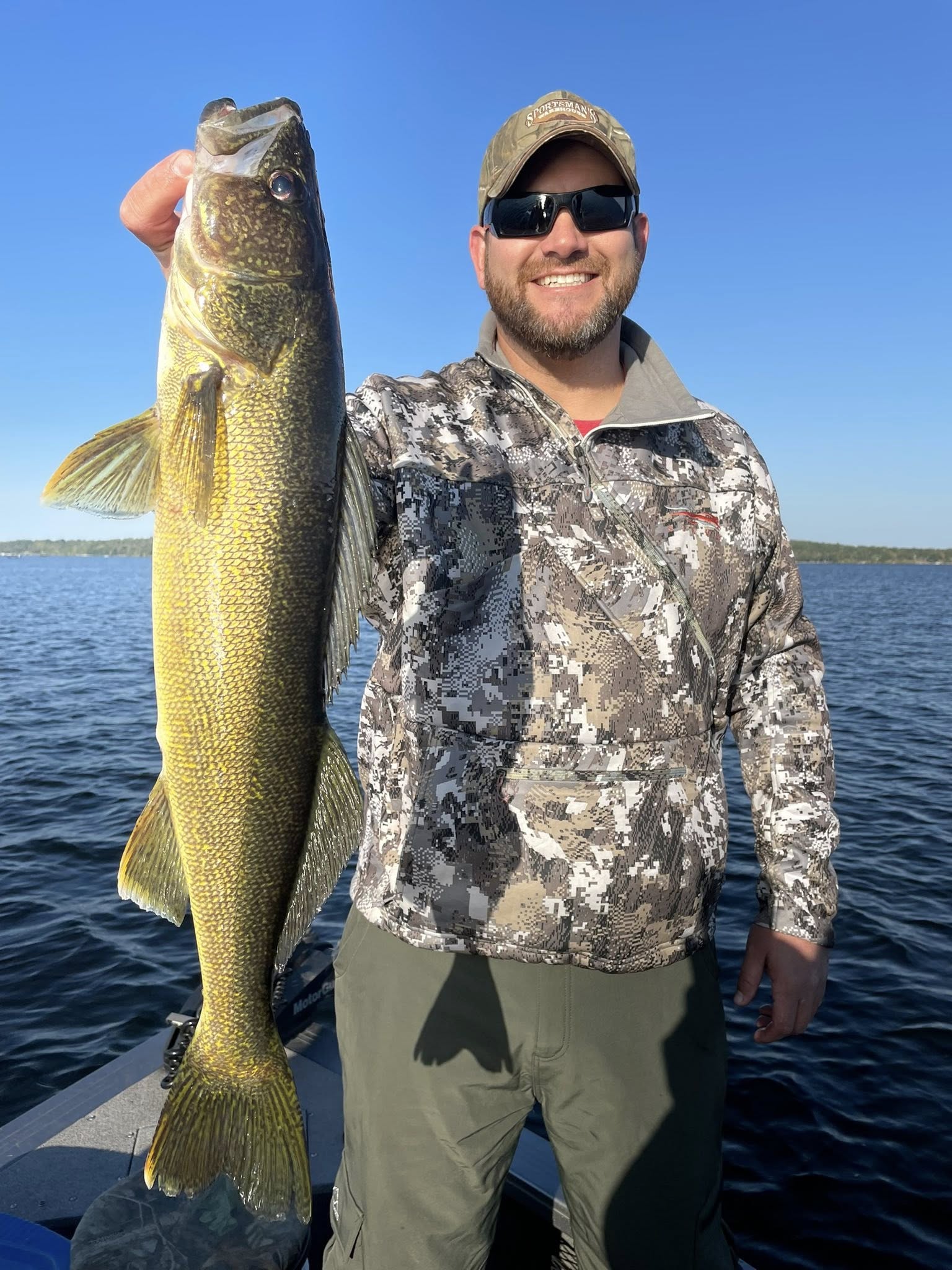
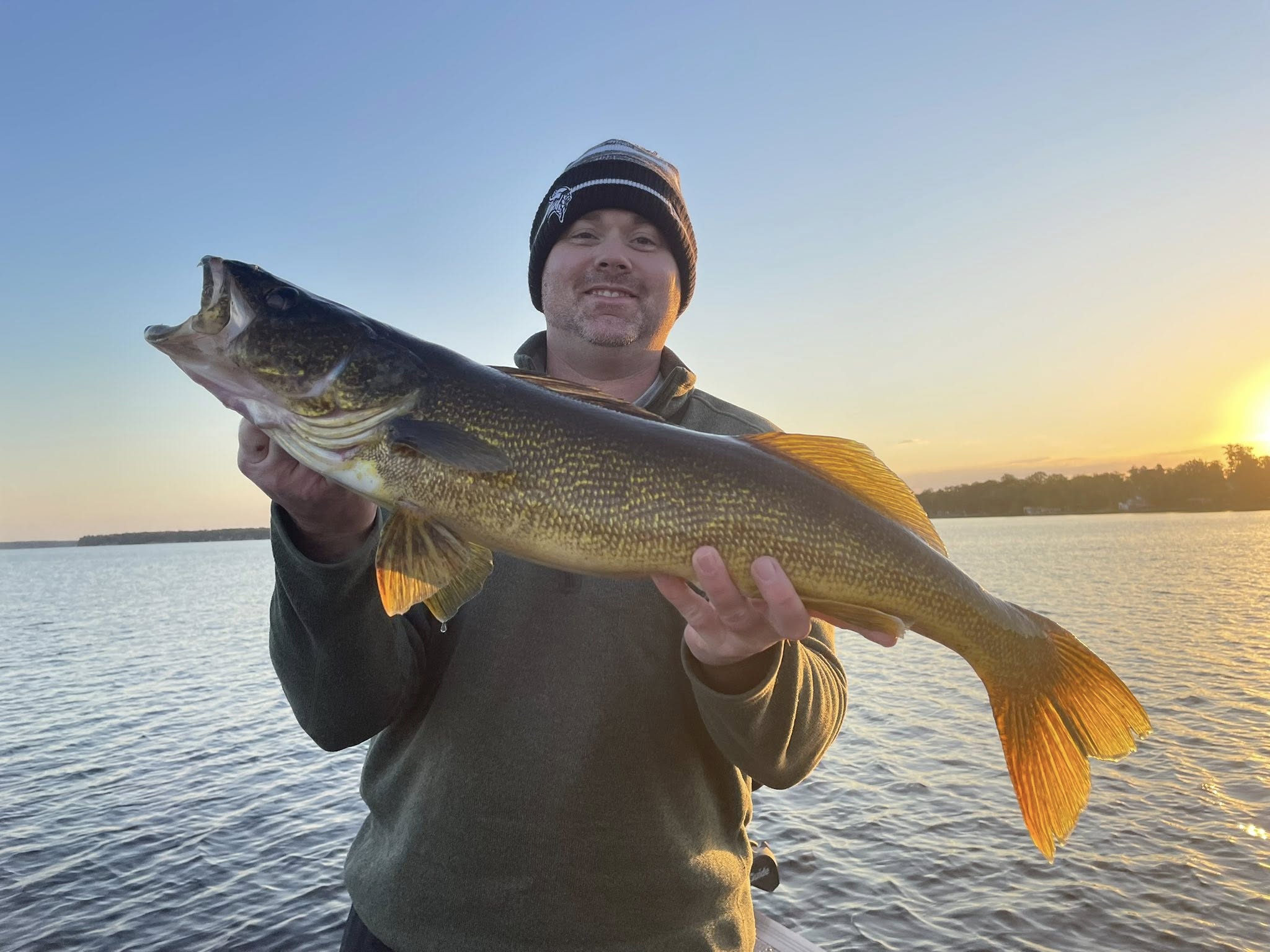
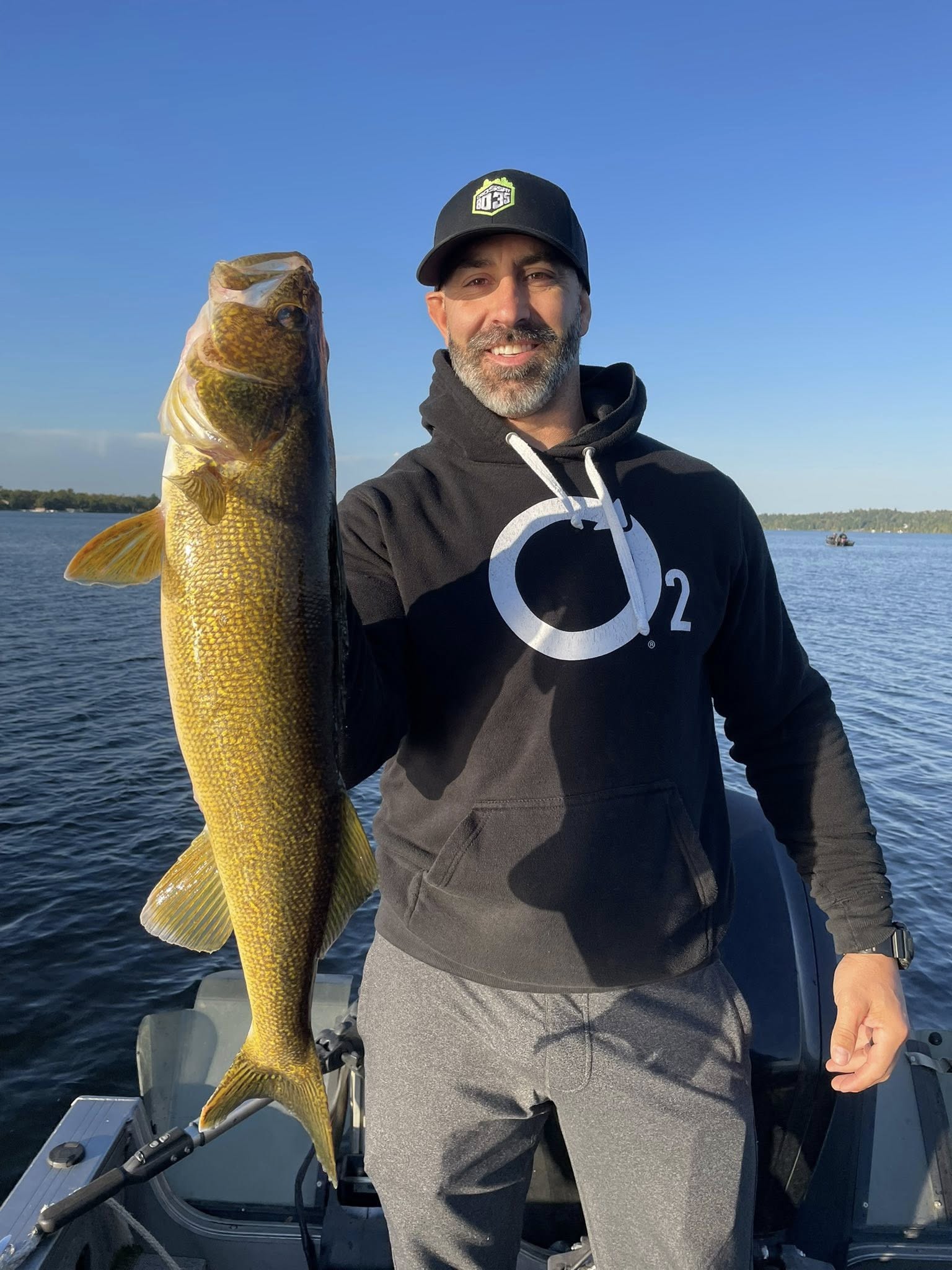
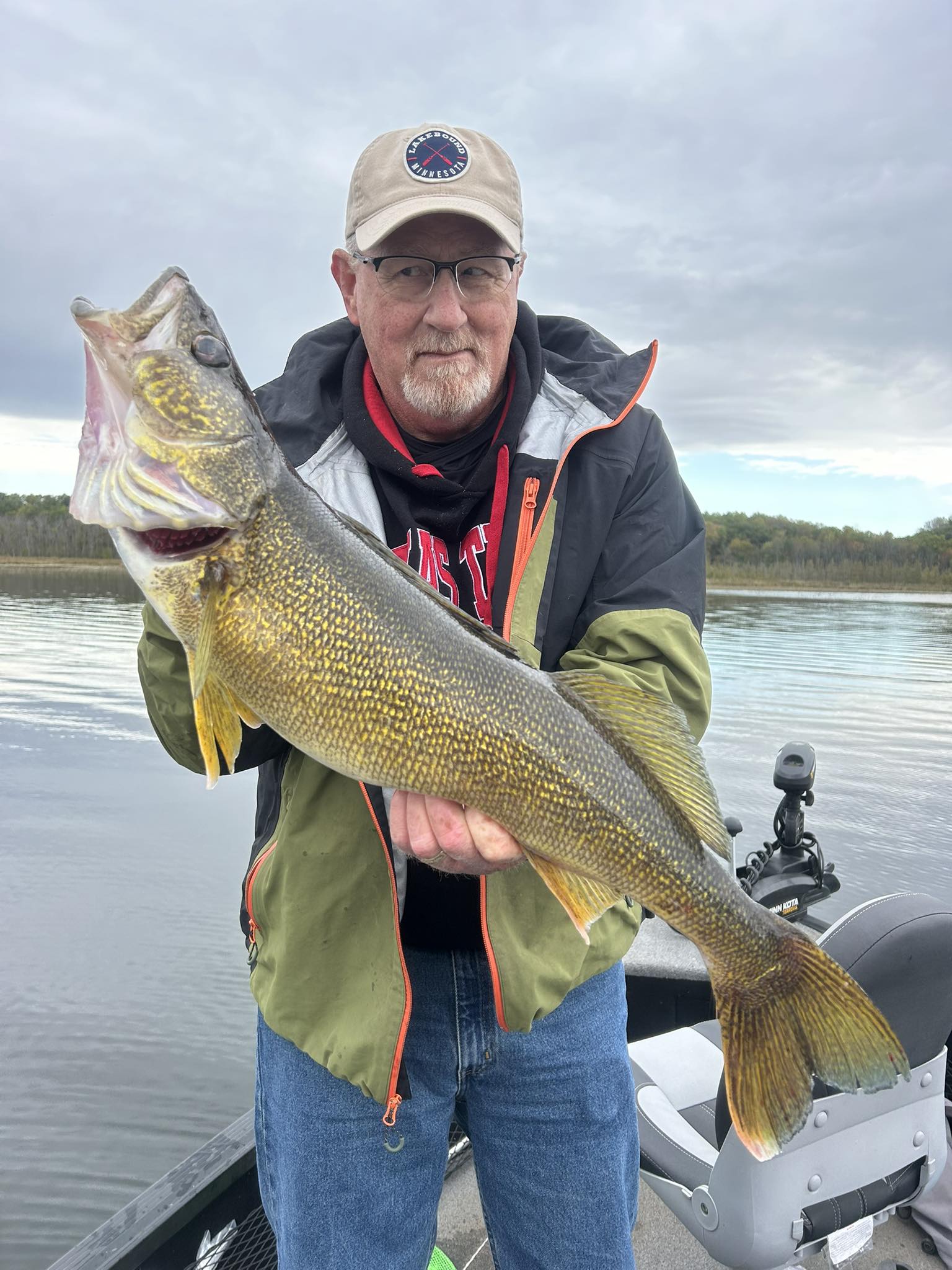
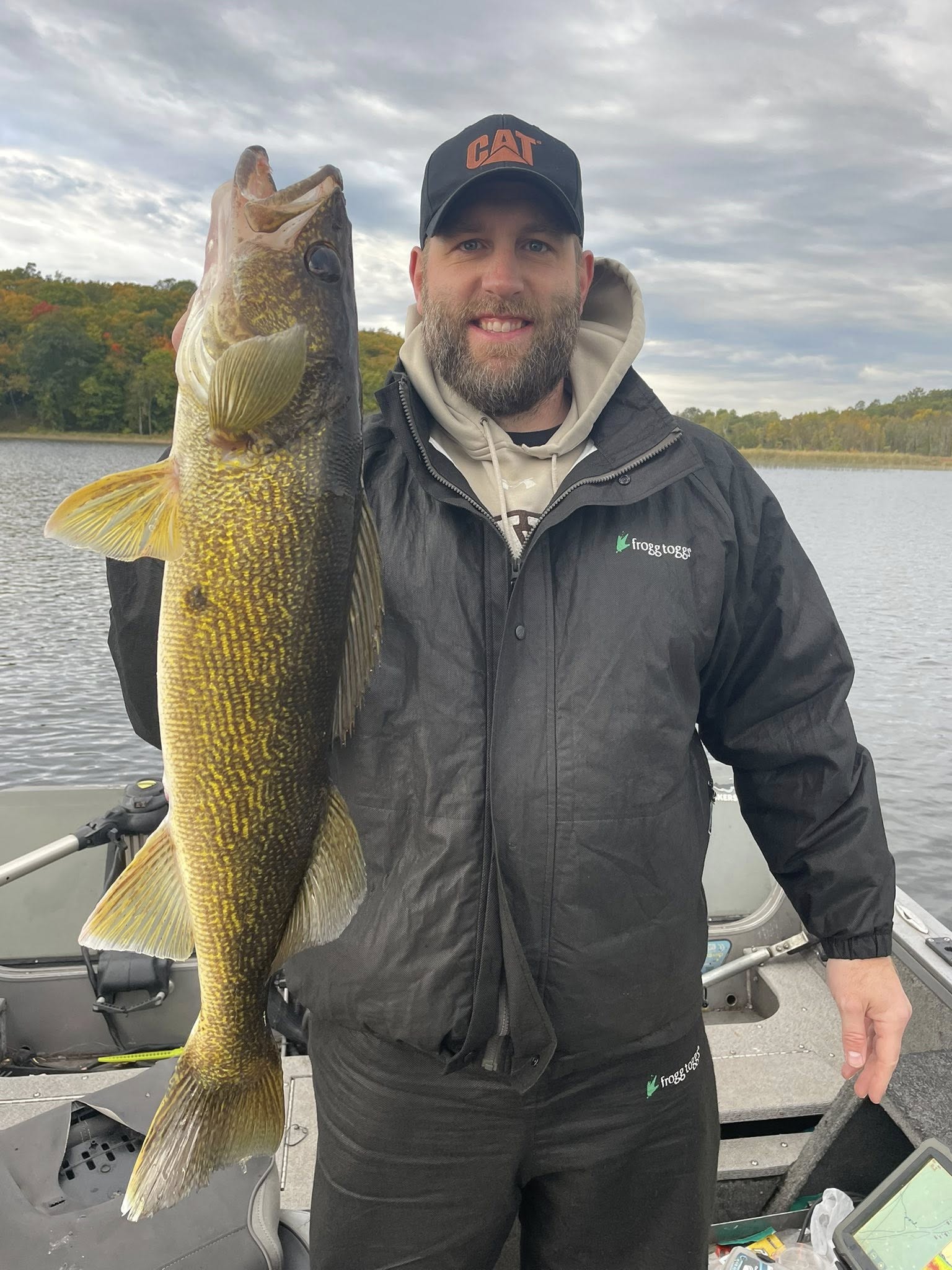
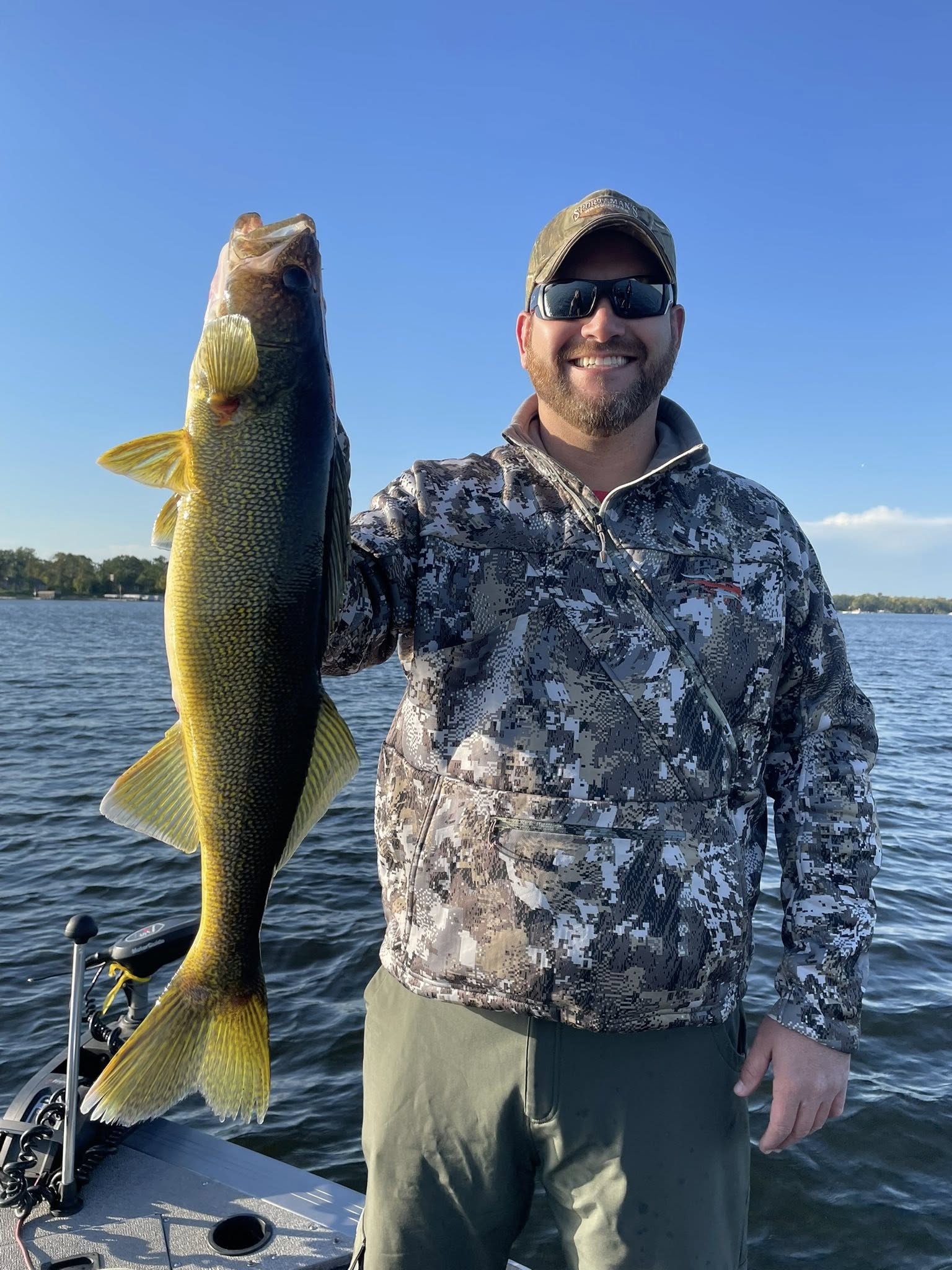
When you're looking for a solid day on the water in Minnesota's legendary fishing country, this 6-hour guided trip delivers exactly what you came for. The Brainerd Lakes Area isn't just another fishing destination – it's where local anglers have been chasing trophy fish for generations, and where visiting anglers discover why Minnesota earned its reputation as the Land of 10,000 Lakes. With morning and afternoon departure options, you'll spend quality time fishing productive waters known for holding healthy populations of Crappie, Lake Trout, Largemouth Bass, Muskellunge, and Northern Pike. Your guide knows these lakes like the back of their hand and will put you on fish using current conditions and seasonal patterns to keep your rod bent throughout the trip.
What to Expect on the Water
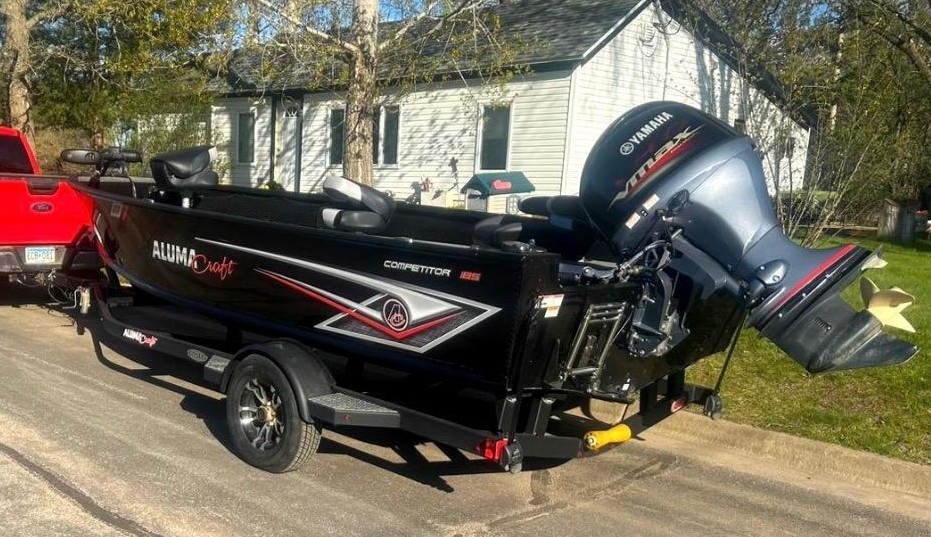
You'll be fishing from a spacious 19-foot Alumacraft that's built for Minnesota's lakes and equipped with everything you need for a successful day. The boat comfortably handles up to three anglers, making it perfect for family trips or small groups of friends who want personalized attention from their guide. Don't worry about bringing gear – everything's provided and matched to the techniques you'll be using. Your guide tailors the approach based on what's biting and your experience level, whether you're a complete beginner learning to set the hook or a seasoned angler looking to dial in new techniques. The only thing you need to bring is a valid Minnesota fishing license, which every angler on board must have. The Brainerd Lakes Area offers diverse fishing opportunities, and your guide will select the best spots based on weather, water conditions, and what species are most active during your trip.
Proven Techniques & Tackle
The beauty of fishing the Brainerd Lakes Area lies in the variety of techniques that work throughout the season. Your guide will switch between presentations based on what's working best – from casting spinnerbaits and crankbaits for bass and pike to vertical jigging for crappie in deeper structure. When targeting lake trout, expect to use downriggers or lead core lines to reach the thermocline where these cold-water fish hold. For muskie fishing, you'll likely throw large bucktails, jerkbaits, or topwater lures that can trigger follows and strikes from these apex predators. The boat's fish finder helps locate schools of baitfish and structure where game fish concentrate. Your guide reads the water constantly, adjusting techniques as conditions change throughout the day. Spring brings shallow-water action as fish move up to spawn, summer means working deeper structure and thermoclines, fall triggers aggressive feeding patterns, and winter ice fishing opens up entirely different opportunities on these same productive waters.
Top Catches This Season
Northern Pike in the Brainerd Lakes Area are aggressive predators that provide heart-pounding action throughout the fishing season. These toothy predators typically range from 20 to 35 inches, with occasional fish pushing over 40 inches. Spring finds them in shallow bays spawning, making them accessible to casting spinnerbaits and spoons along weedlines and drop-offs. Summer pike move to deeper weedlines and structure where they ambush baitfish. What makes pike fishing so exciting here is their explosive strikes and aerial displays – they'll often jump multiple times during the fight. The abundance of northern pike in these lakes means consistent action, and your guide knows exactly where to find them based on seasonal patterns and current conditions.
Muskellunge represent the ultimate trophy fish in Minnesota's Brainerd Lakes Area, and these waters hold some true giants. Muskie typically range from 36 to 50 inches, with fish over 50 inches caught regularly by anglers who know how to target them. These apex predators require patience and persistence, but the payoff is worth every cast. Fall is prime time for muskie as they feed aggressively before winter, often following lures multiple times before committing to a strike. What makes muskie fishing so addictive is their intelligence – they study your lure, follow it to the boat, and make split-second decisions that keep you guessing. Your guide understands muskie behavior and will work figure-eights at the boat and vary retrieve speeds to trigger strikes from these legendary fish.
Lake Trout thrive in the deeper, colder waters of select Brainerd area lakes, providing a unique cold-water fishing opportunity. These fish typically range from 18 to 28 inches and are known for their strong, sustained fights in deep water. Lake trout fishing requires specific techniques like downrigging or using lead core lines to reach depths of 40 to 80 feet where they hold in summer months. Spring and fall offer shallow-water opportunities when lake trout move up to feed. What makes lake trout special is their pristine fight – they don't jump like other species, but they pull hard and steady, testing your drag system. The meat is excellent table fare, making them a favorite among anglers who enjoy eating their catch.
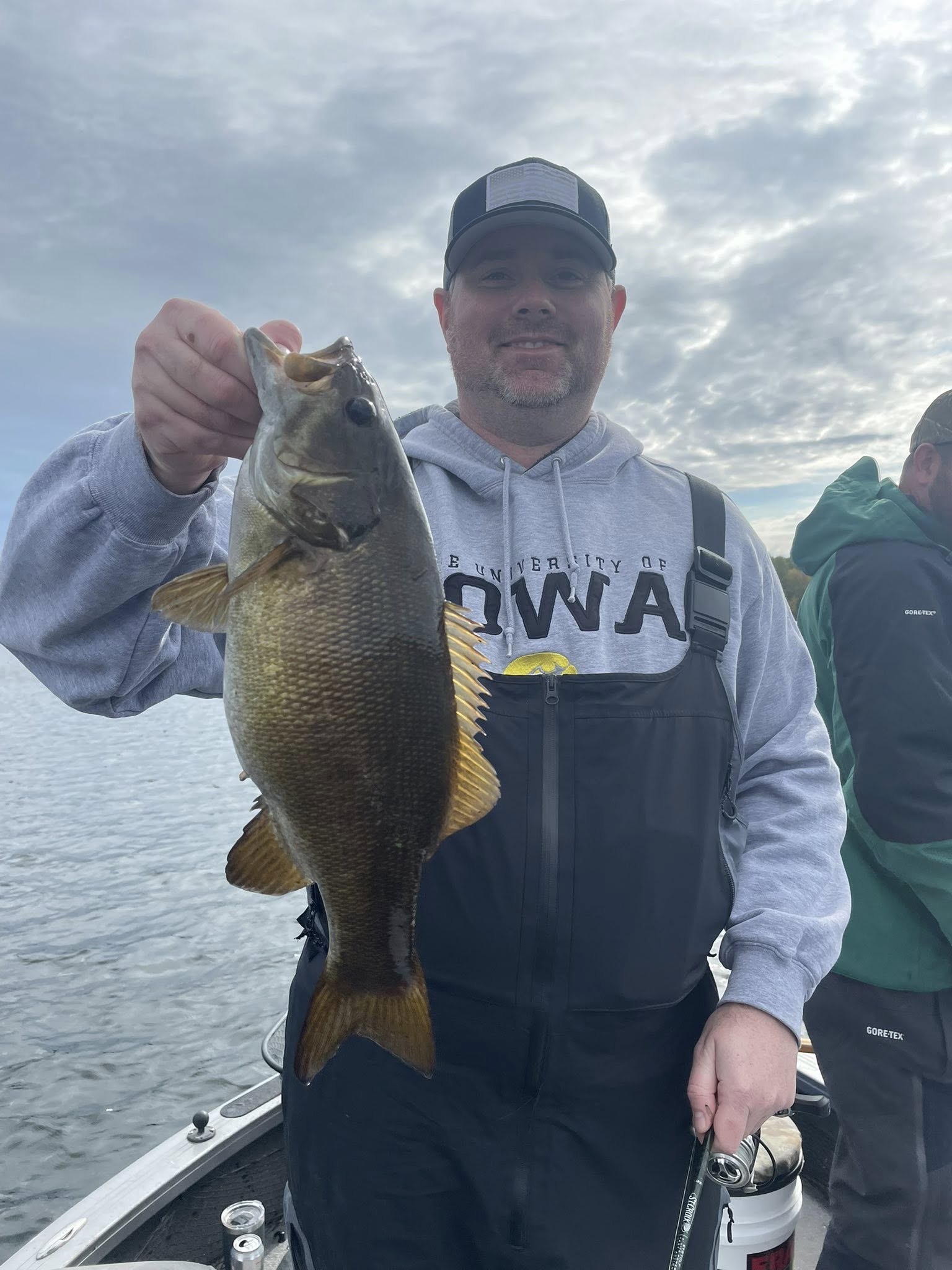
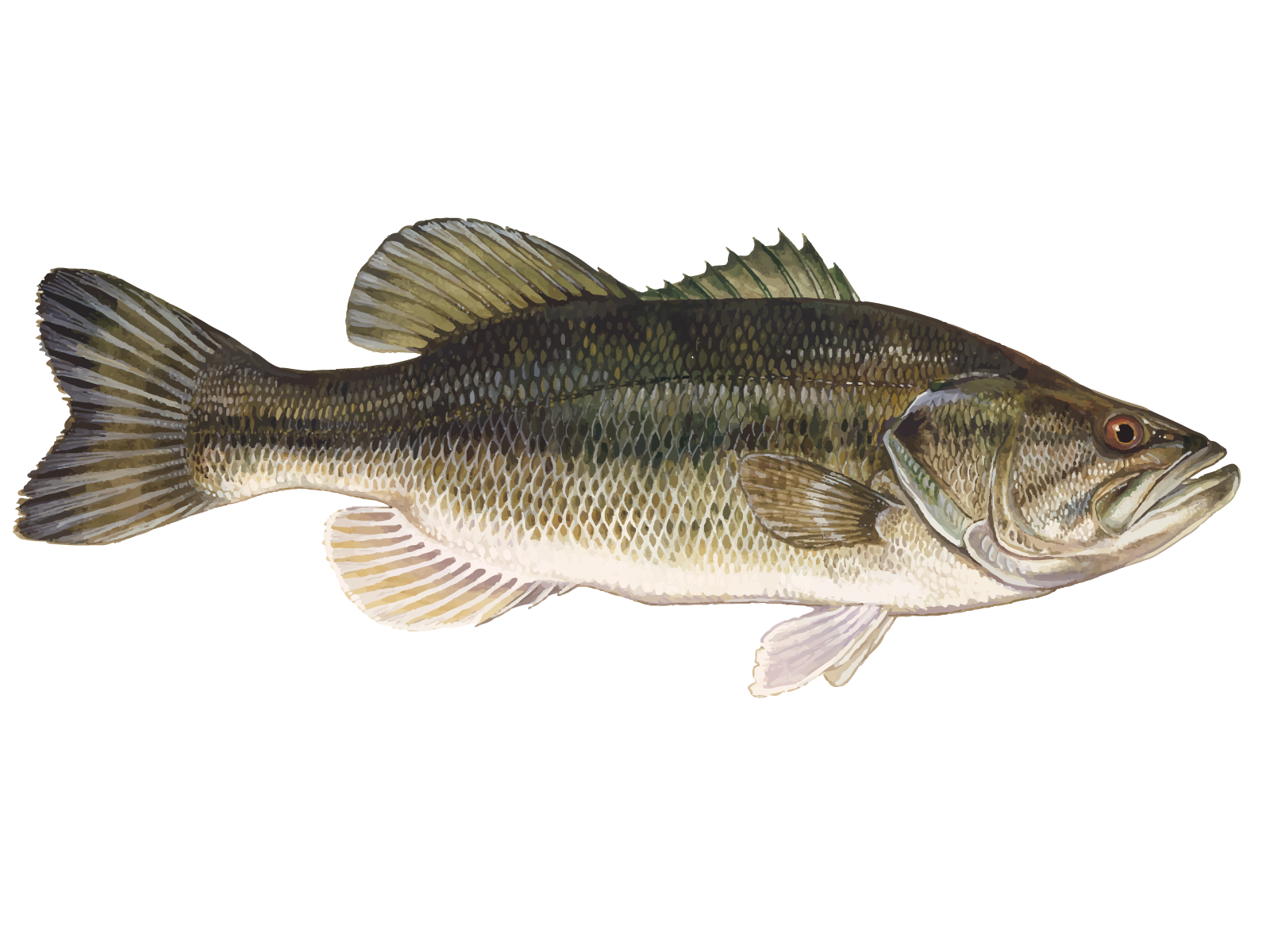
Largemouth Bass in these waters provide classic freshwater fishing action that appeals to anglers of all skill levels. Fish typically range from 12 to 18 inches, with plenty of 3 to 5-pound bass available for those who know where to look. Spring bass fishing is phenomenal as they move shallow to spawn, making them accessible to topwater lures, jigs, and soft plastics worked around spawning areas. Summer finds them relating to structure like fallen trees, weedlines, and drop-offs where they ambush prey. What makes largemouth bass so popular is their willingness to hit a variety of lures and their spectacular fighting ability – they jump, run, and use every trick to throw your hook.
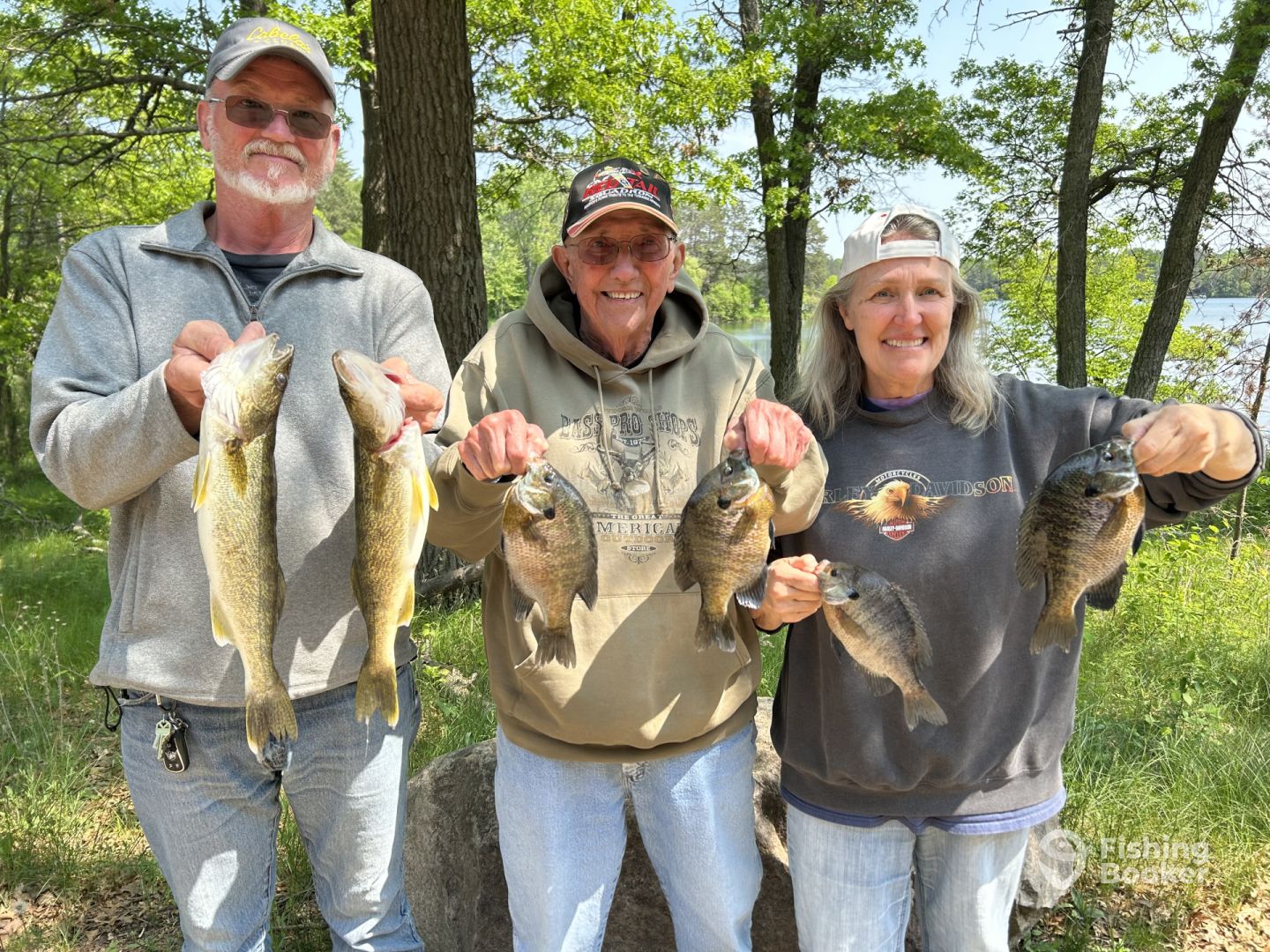
Crappie fishing in the Brainerd Lakes Area offers some of the most consistent panfish action you'll find anywhere in Minnesota. These fish typically range from 9 to 13 inches, with occasional slabs pushing 14 inches or better. Spring crappie fishing is legendary when they move shallow to spawn, often schooling in large numbers around brush piles,
 Private Trip
 Lakes/Reservoirs/Ponds Fishing
 Brainerd Lakes Area



 Full-day guided fishing across productive Brainerd area lakes