Half Day Advanced Fishing Trip In Goodland, Florida
Captain Kodie Fridley knows these waters like the back of his hand, and his half-day advanced fishing trips are where serious anglers separate themselves from the weekend crowd. This isn't your typical tourist charter – we're talking precision fishing in some of Southwest Florida's most productive inshore waters. The 10,000 Islands region around Goodland offers structure, current breaks, and backcountry access that most guides can only dream about. You'll spend four focused hours targeting premium species using techniques that require skill, patience, and the kind of local knowledge that only comes from growing up on these waters.
What to Expect on the Water
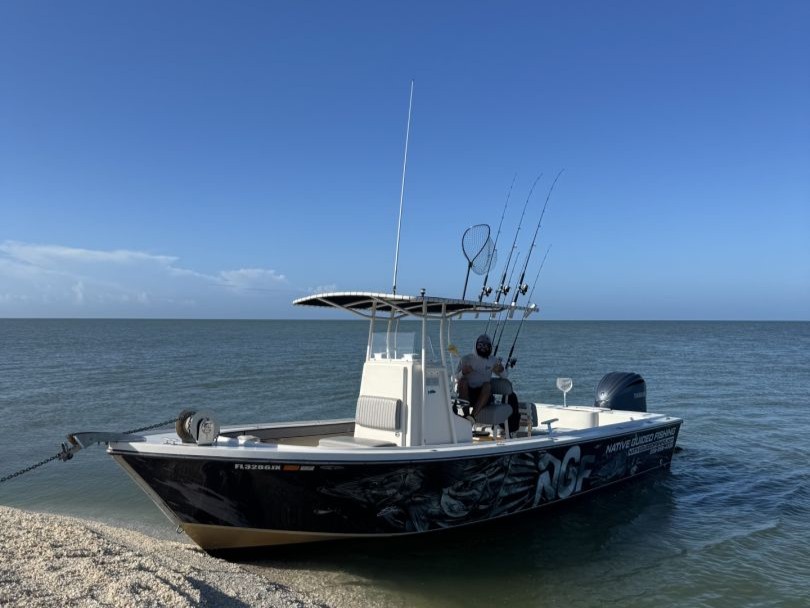
Your day starts aboard Captain Kodie's 25-foot Parker, a boat built for serious inshore work. This isn't some flashy center console – it's a fishing machine equipped with top-shelf tackle, GPS electronics, and a live well system that keeps bait frisky all day. The advanced nature of this trip means we're matching techniques to conditions, not just throwing lines in the water and hoping for the best. Depending on the tide, wind, and seasonal patterns, you might find yourself sight-casting to cruising redfish in skinny water, working structure for snook with pinpoint accuracy, or intercepting Spanish mackerel schools as they move through passes. Captain Kodie reads water like a book, positioning the boat where fish want to be, not just where they were yesterday. The four-angler capacity keeps things manageable while allowing everyone quality time on the rod.
Advanced Techniques & Tactics
This trip focuses on precision over volume, technique over luck. We're talking about matching bait presentation to structure, reading subtle current changes, and understanding how fish relate to cover throughout different tidal stages. Live bait plays a huge role – properly rigged pilchards, pinfish, and shrimp presented at the right depth and drift speed. Captain Kodie brings years of tournament experience to every trip, teaching clients how to work jigs through mangrove cuts, present topwater baits to feeding fish, and handle the technical aspects of fishing around structure without hanging up constantly. The 10,000 Islands provide endless opportunities for sight fishing, blind casting to productive points, and intercepting fish as they move between feeding areas. You'll learn to read water color changes, identify feeding birds, and position baits where fish expect to find them naturally.
Top Catches This Season
Spanish Mackerel are absolute rockets when they hit, often launching themselves completely out of the water on the hookset. These chrome-sided speedsters show up in good numbers around Goodland from spring through fall, typically running 2-4 pounds with occasional fish pushing 6 pounds. They school heavily around structure and moving water, making them perfect targets for this precision-style fishing. What makes them special is their aggressive nature – they'll absolutely crush a well-presented spoon or jig, giving you that heart-stopping strike that serious anglers live for.
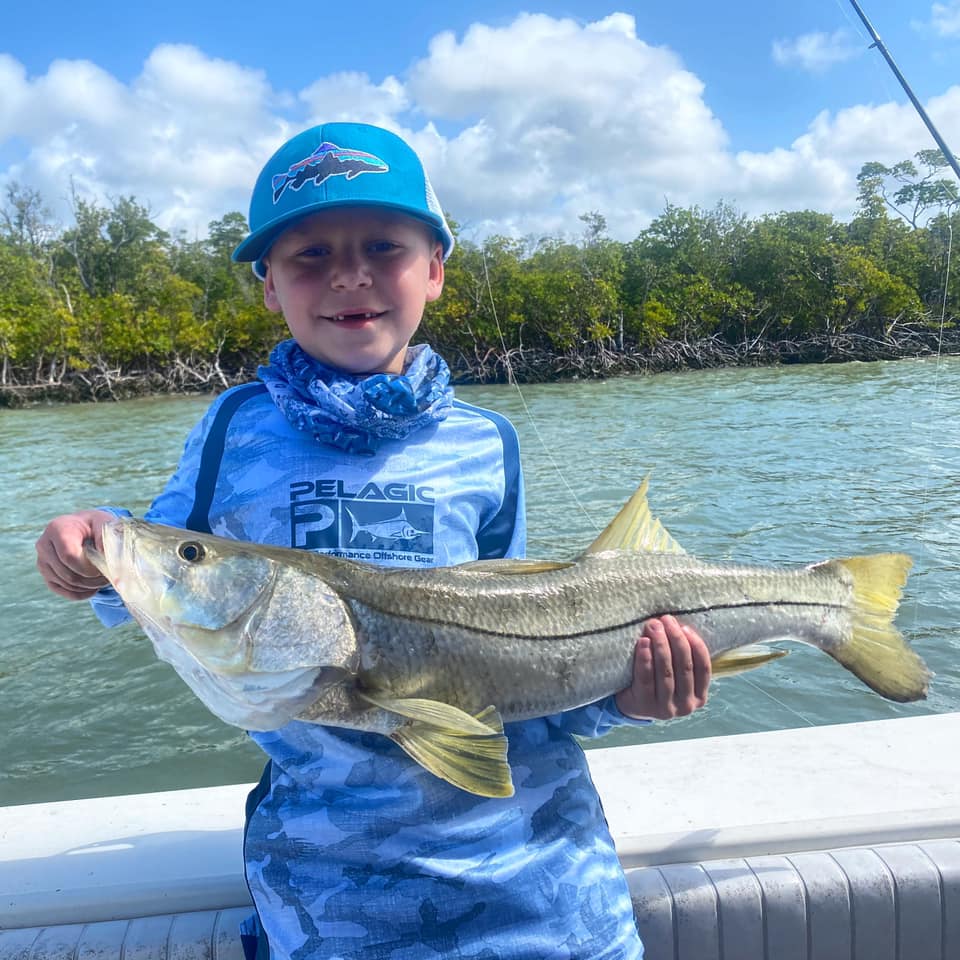
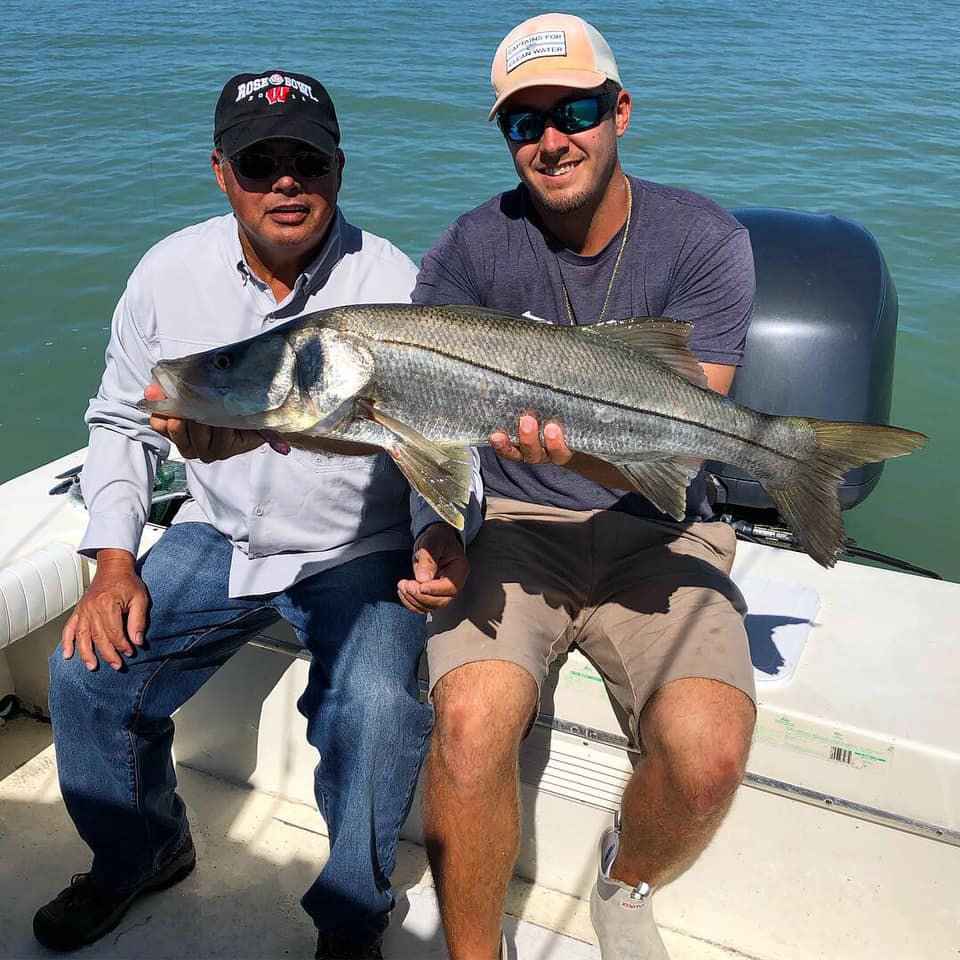
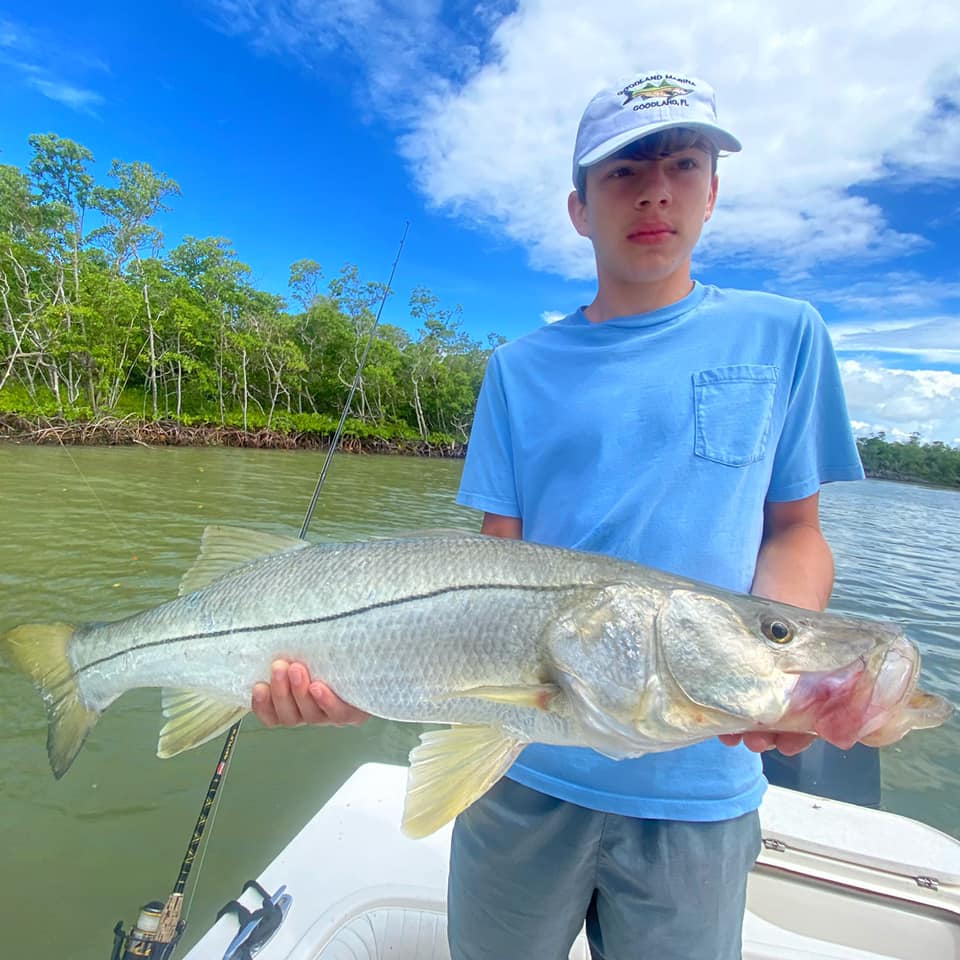
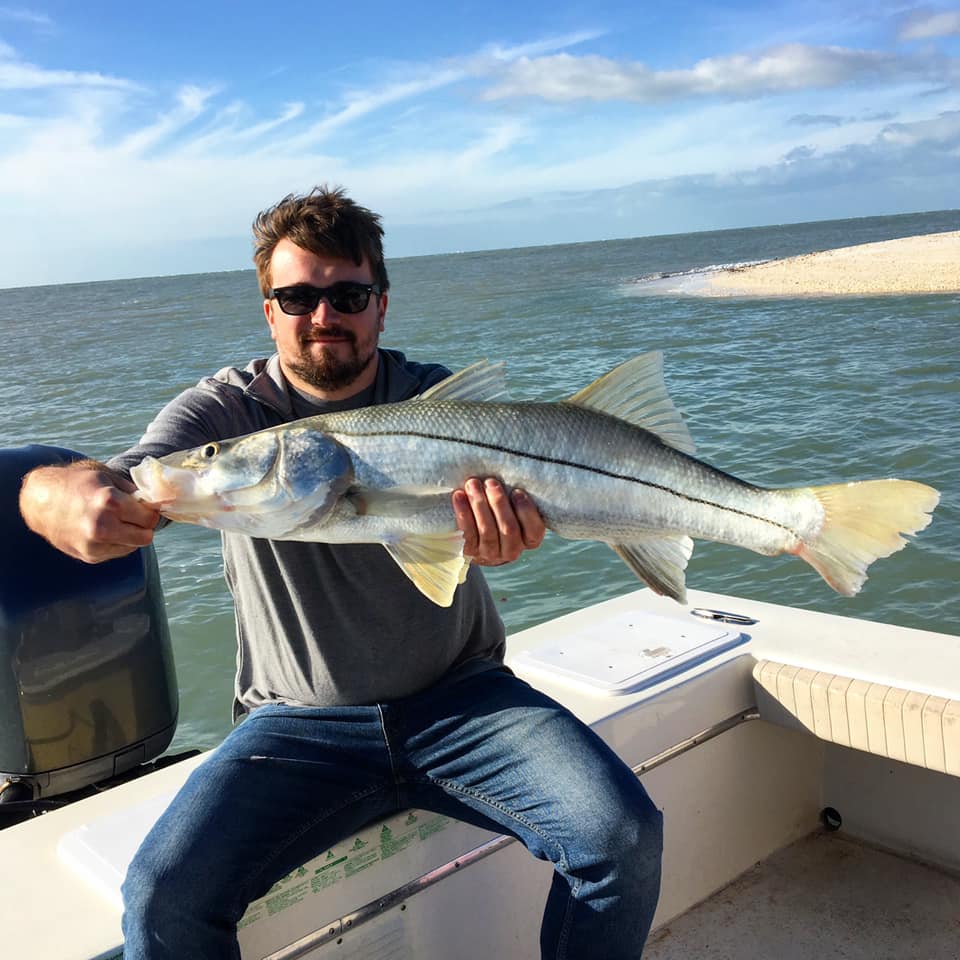
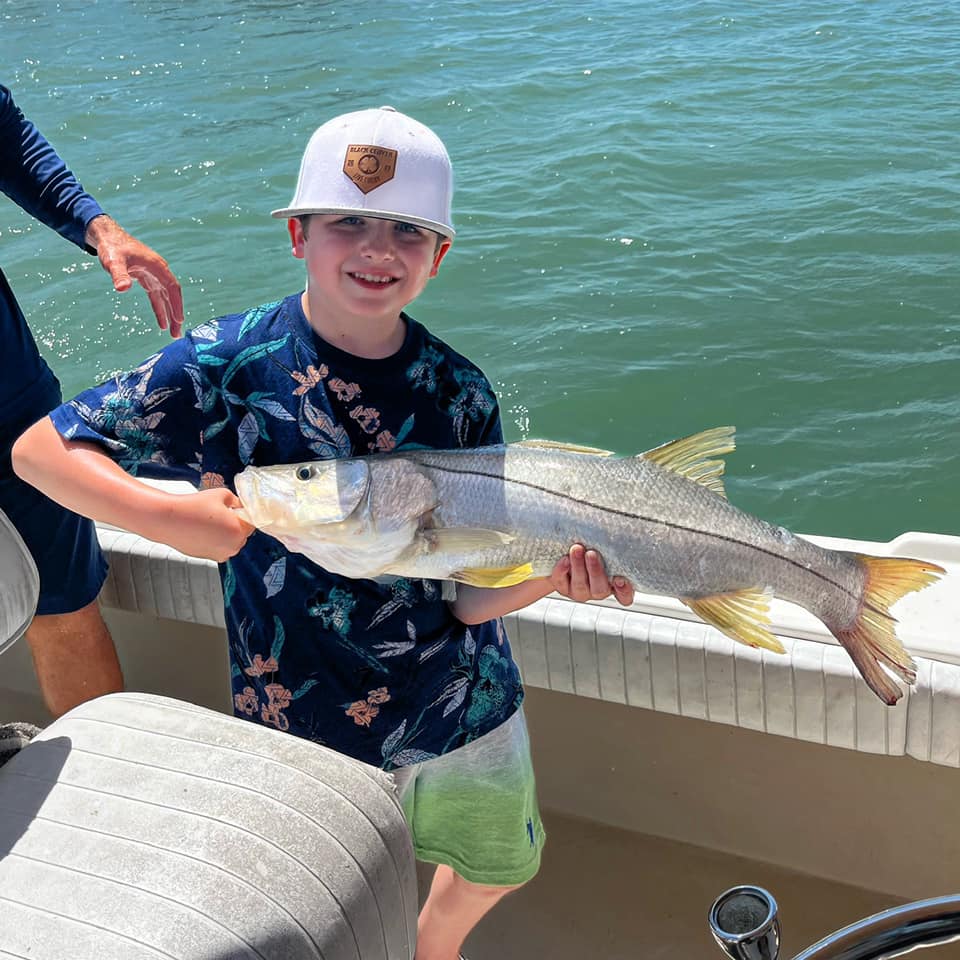
Snook are the holy grail of Southwest Florida inshore fishing, and the mangrove-lined waters around Goodland hold some legitimate trophy fish. These ambush predators stage around structure – docks, mangrove points, creek mouths – waiting to crush unsuspecting baitfish. Slot-size snook run 28-33 inches and fight like fish twice their size, using their gill plates and powerful runs to test every knot in your setup. The best action typically happens during moving water, especially around dawn and dusk when these fish become aggressive feeders.
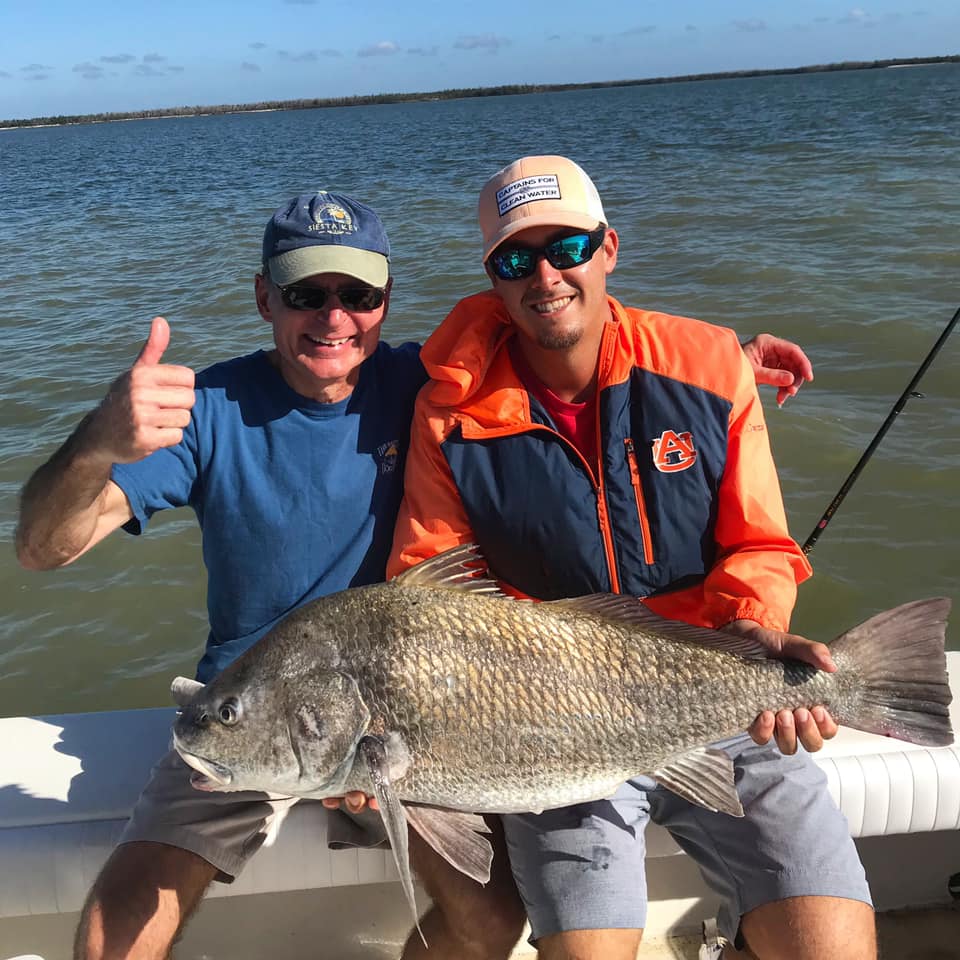
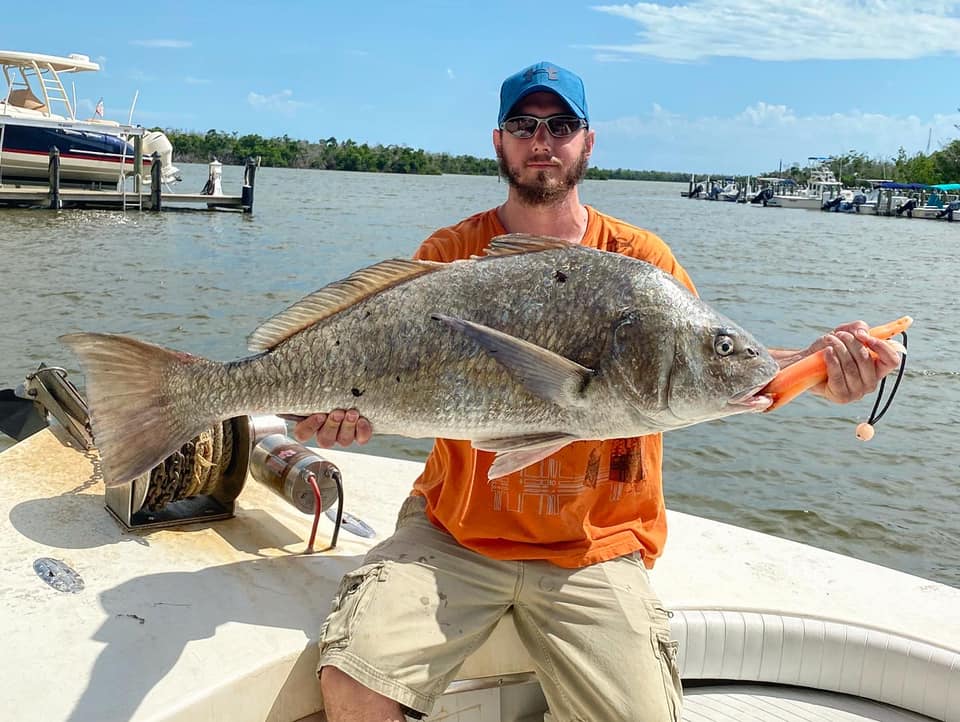
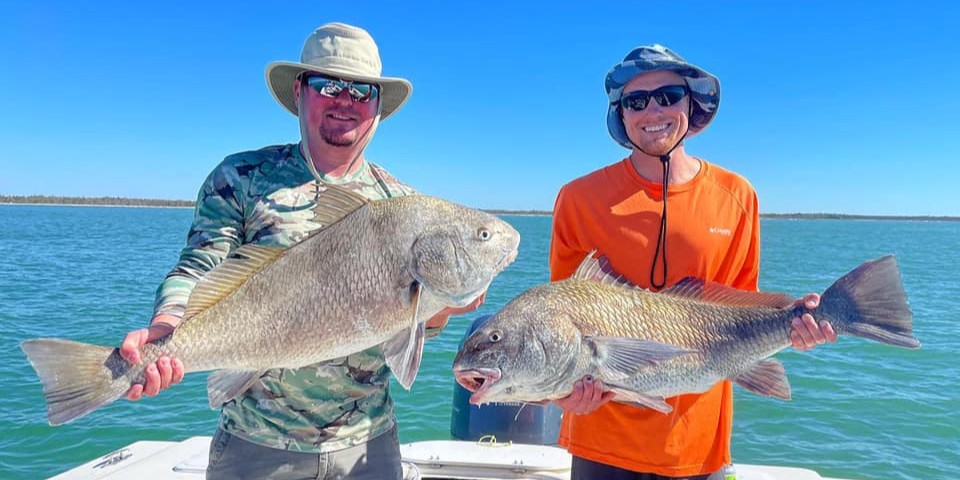
Black Drum don't get the respect they deserve, but these bottom-hugging bruisers provide some of the strongest fights in shallow water. Around Goodland, they congregate near oyster bars and grass flats, using their powerful pharyngeal teeth to crush crabs and shellfish. Fish in the 5-15 pound range are common, with occasional monsters exceeding 30 pounds. They're incredibly structure-oriented, making them perfect targets for the technical fishing style this trip emphasizes.
Summer Flounder are masters of camouflage and ambush, lying buried in sand and grass waiting for prey to drift within striking distance. These flatfish can be tricky to locate, but once you dial in the pattern, they provide consistent action and excellent table fare. The key is understanding their relationship to current flow and bottom structure – something Captain Kodie has mastered through years of targeting them specifically.
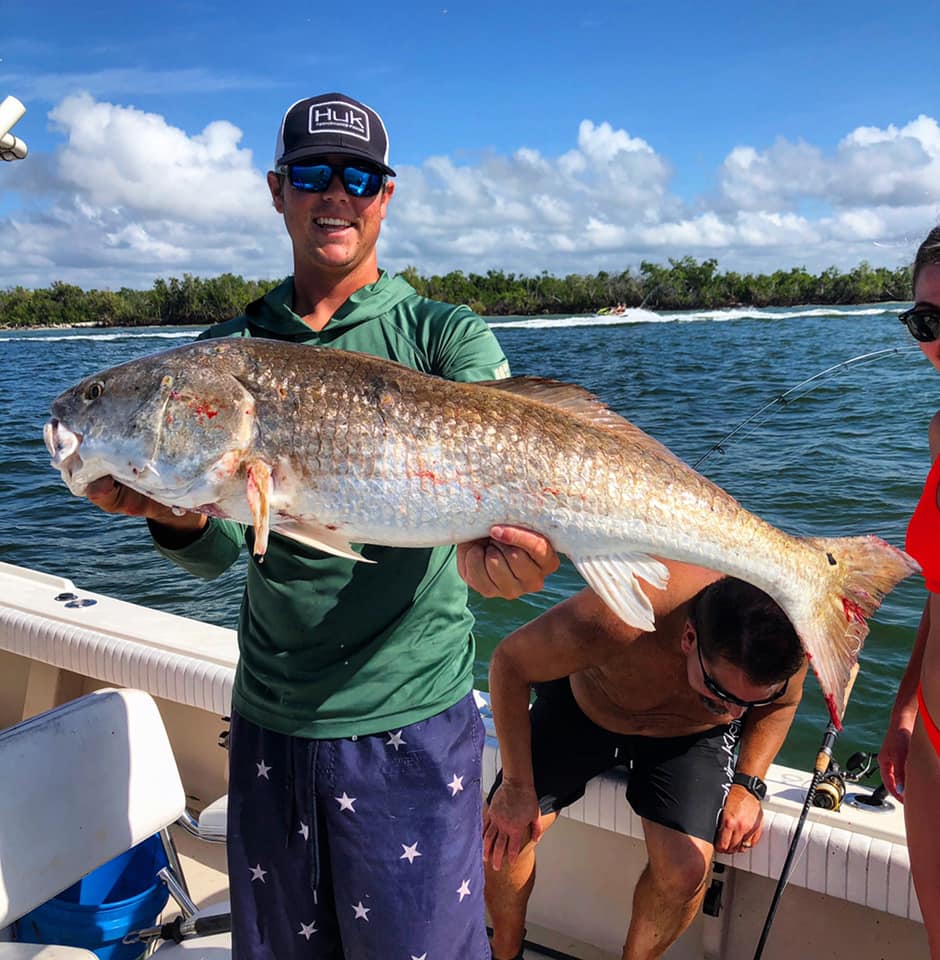
Redfish are the backbone species of Southwest Florida inshore fishing, and the waters around Goodland consistently produce quality fish. These copper-colored fighters use shallow water, grass flats, and mangrove shorelines as both feeding and staging areas. Slot reds typically run 18-27 inches and 3-8 pounds, providing powerful runs and head-shaking battles that test tackle and technique. They're incredibly structure-oriented and respond well to precise bait placement and patient fishing approaches.
Time to Book Your Spot
Captain Kodie's advanced fishing trips fill up fast, especially during prime fishing months when conditions align perfectly. This isn't a trip for beginners – it's designed for anglers who understand that quality fishing requires skill, patience, and the right approach. The combination of productive waters, advanced techniques, and genuine local expertise creates fishing experiences that keep serious anglers coming back season after season. The 10,000 Islands region around Goodland offers year-round opportunities, but the best trips book weeks in advance. Whether you're looking to fine-tune your technique, target specific species, or simply fish with someone who knows these waters intimately, this half-day advanced trip delivers the kind of fishing that separates real anglers from the crowd.
 Private Trip
 Inshore Fishing
 undefined, undefined


 Advanced 4-hour inshore fishing targeting snook and redfish