Islamorada Fishing Charter with Native Son Charters
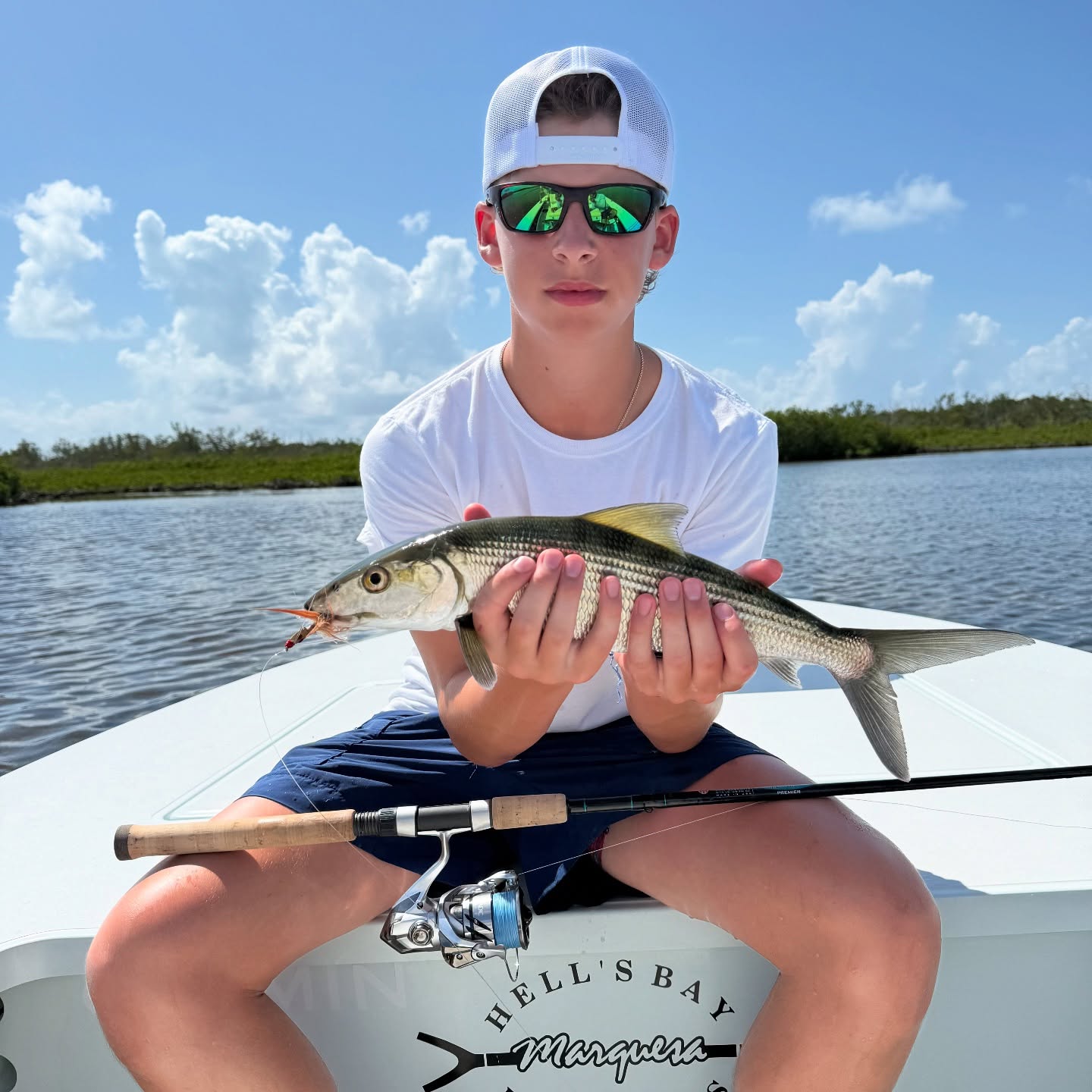
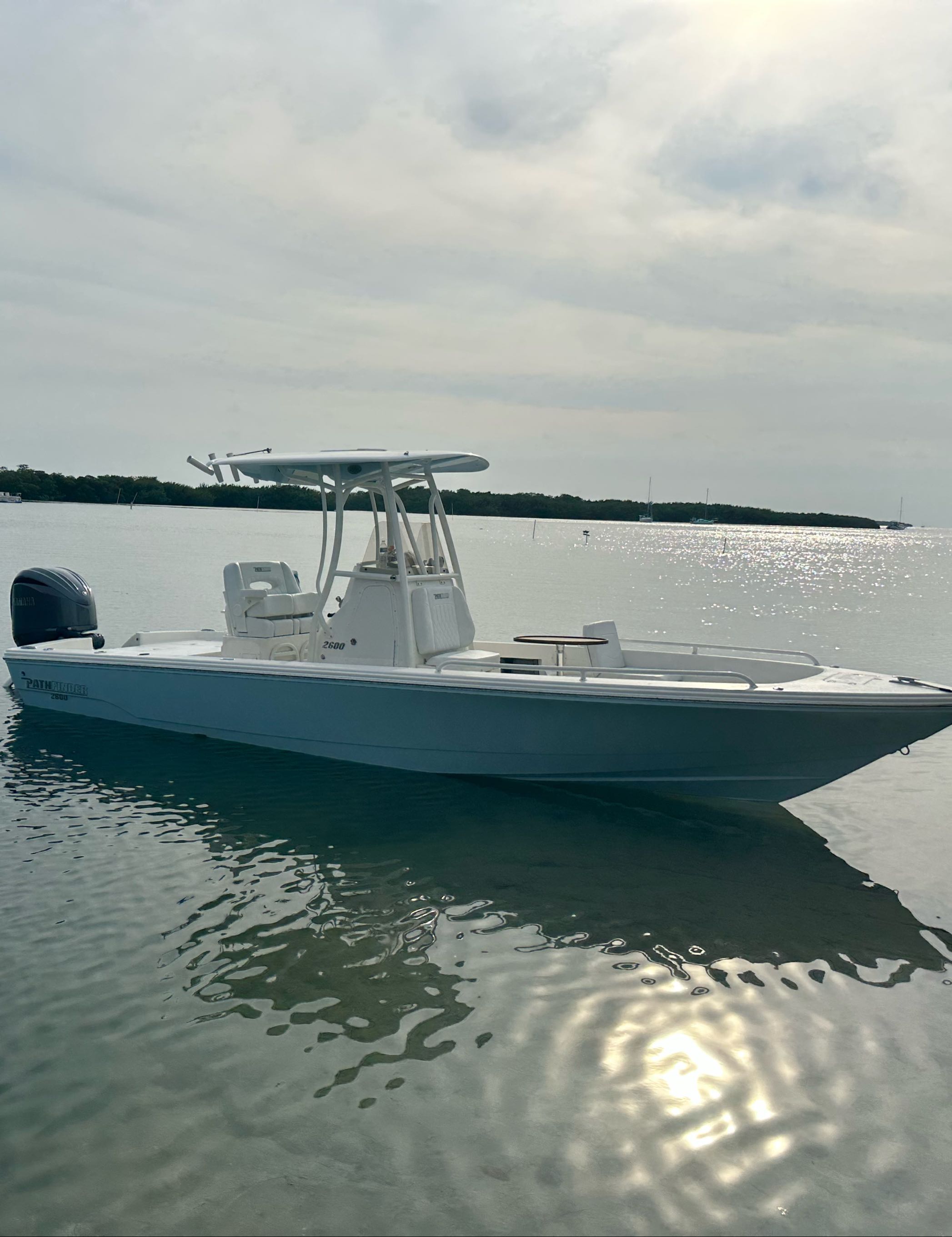
Captain Cory Nelson knows these Islamorada waters like the back of his hand, and when you step aboard his 26' Pathfinder TRS, you're getting a front-row seat to some of the best fishing Florida has to offer. This isn't your typical half-day trip – we're talking eight solid hours of fishing that covers everything from skinny-water flats to blue water offshore action. Whether you're chasing the ghost of the flats or looking to tangle with something that'll test your drag, this charter delivers the goods. The boat's rigged for both shallow and deep water work, so you're covered no matter what Mother Nature throws at us.
What to Expect on the Water
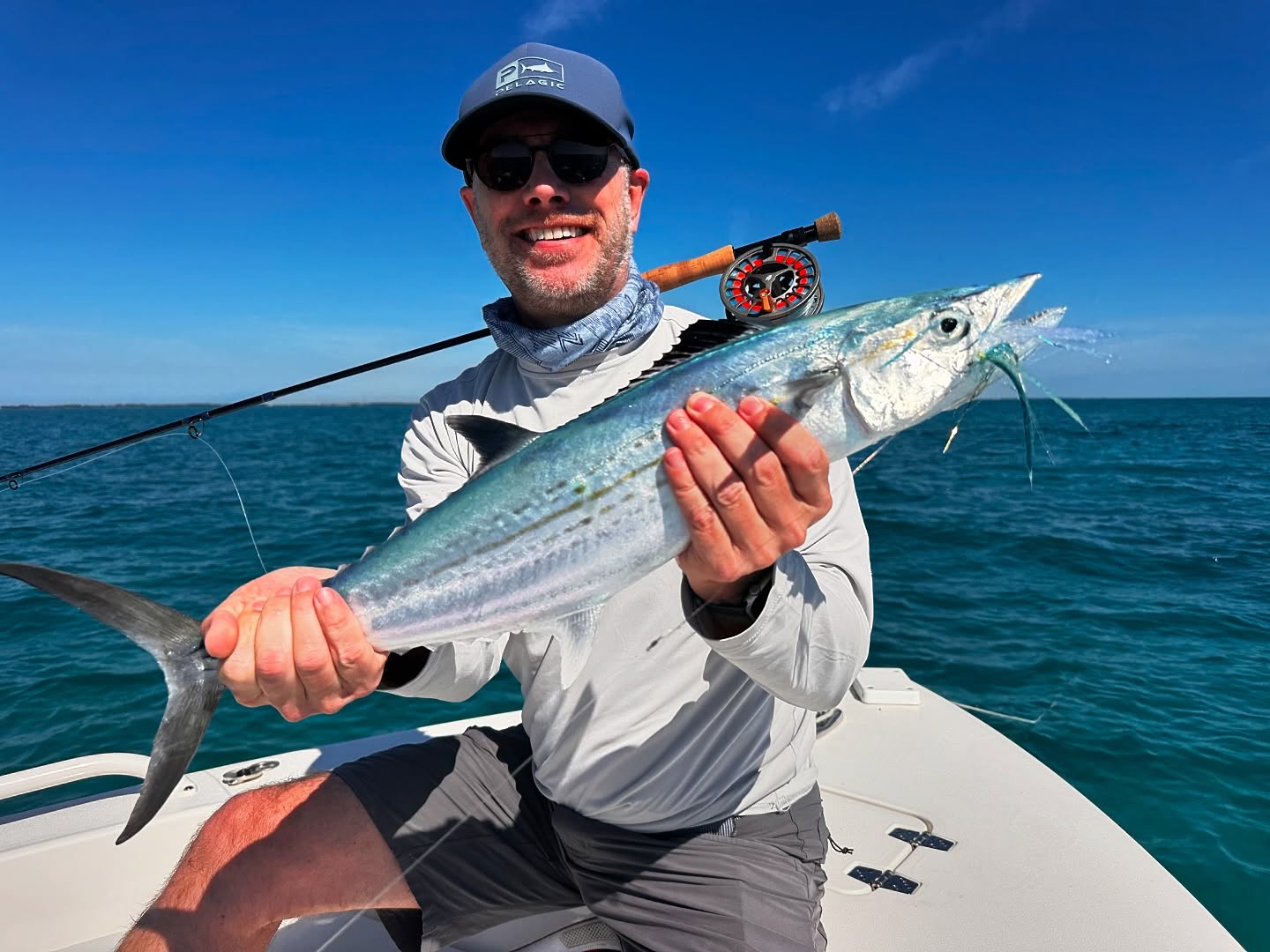
Your day starts early because that's when the fish are most active, especially during those prime feeding windows. Captain Cory's got this trip dialed in – he'll read the conditions and adjust the game plan accordingly. If the flats are firing, we'll pole around looking for tailing fish and nervous water. When the offshore bite is on, we'll make the run to blue water where the pelagics are prowling. The beauty of this eight-hour window is flexibility – we're not rushed, and we can really work an area when the fish are cooperative. All your gear, tackle, bait, and licenses are handled, so you just need to show up ready to fish. The Pathfinder's layout gives everyone room to work, and with a max of four anglers, you're not fighting for space or casting room.
Techniques & Tactics
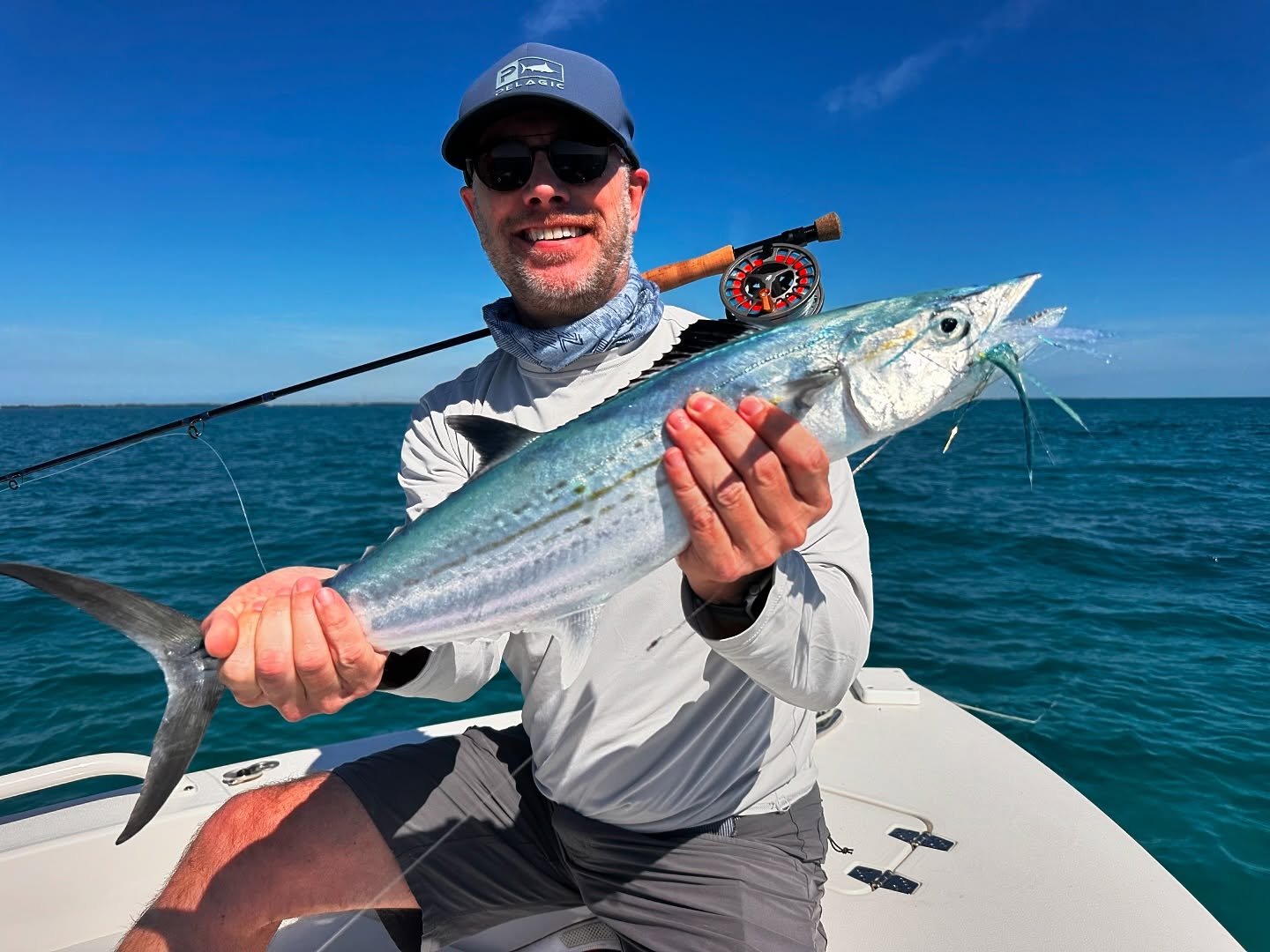
This charter's all about adapting to what's working. On the flats, we're talking sight fishing with light tackle – watching for fish, making precise casts, and working the water column where these species feed. Captain Cory's got the push pole skills to get you in position without spooking anything, and he knows when to fire up the trolling motor for those longer moves between spots. When we head offshore, the game changes completely. We're trolling spreads, working structure, and covering water to find active fish. The boat's rigged with quality rods and reels that can handle everything from finicky flats species to hard-pulling offshore fish. Live bait, artificials, flies – whatever's producing, that's what we're throwing. The key is having a captain who knows when to switch tactics and where to find fish when Plan A isn't working.
Customer Stories
"Cory is great! My son and I had a great time. Highly recommended guide." - Rick
Species You'll Want to Hook
Snook are the kings of structure fishing around Islamorada, and they're aggressive predators that'll absolutely hammer a well-presented bait. These fish love mangrove shorelines, dock pilings, and bridge shadows where they ambush prey. Spring through fall is prime time, especially during moving water around dawn and dusk. What makes snook so special is their fight – they'll jump, make blistering runs, and try every trick to throw your hook. Plus, they're beautiful fish with that distinctive black lateral line and golden coloration.
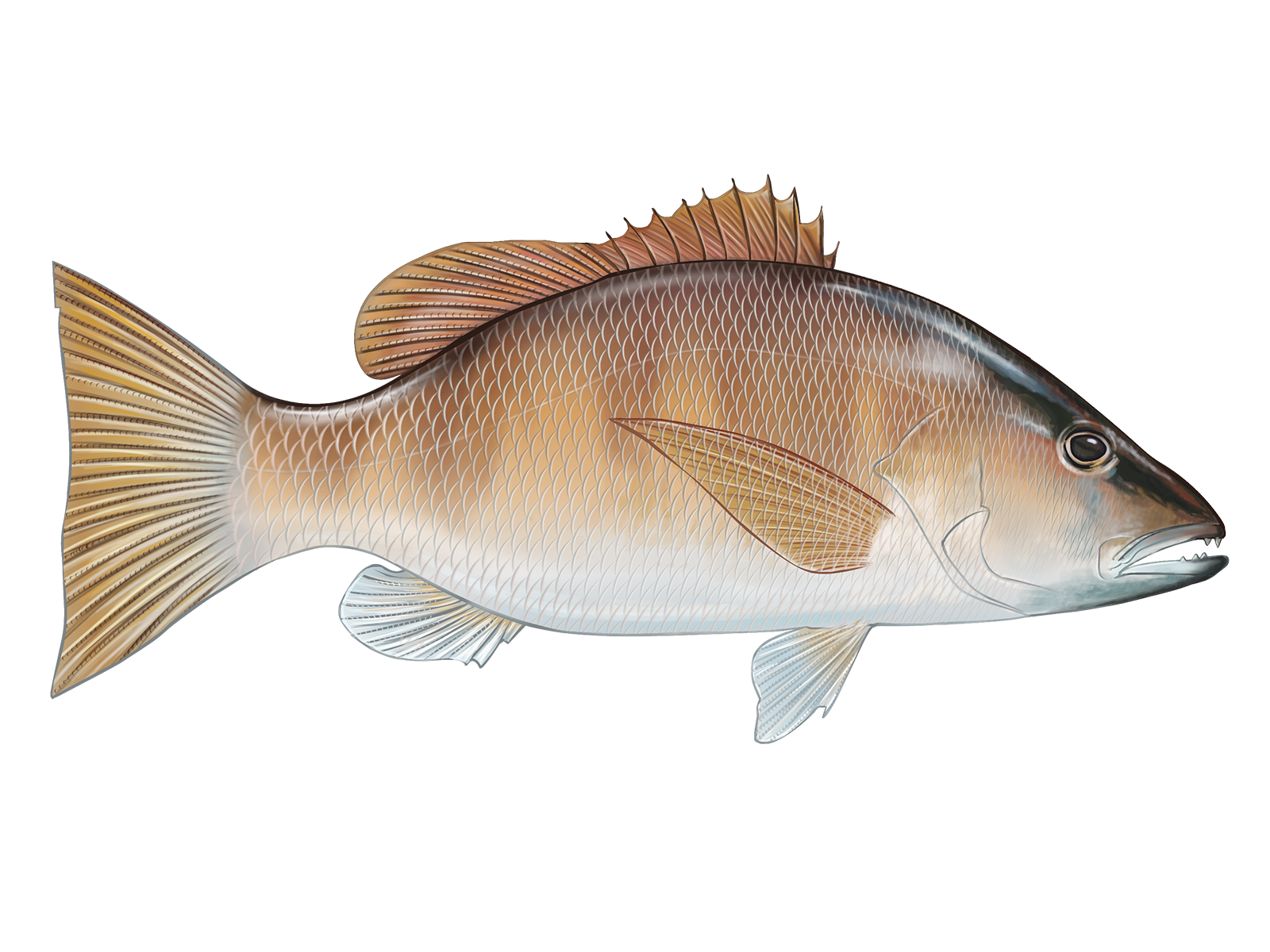
Grey Snapper might not be the flashiest species, but they're consistent biters and excellent table fare when kept within regulations. These fish school up around structure and are perfect for introducing new anglers to bottom fishing techniques. They're year-round residents that respond well to live bait and small jigs worked near the bottom. Don't let their size fool you – a good mangrove snapper will test your drag and put up a solid scrap.
Goliath Grouper encounters are something special – these massive fish can exceed 400 pounds and provide a true test of angling skill and tackle. They're catch-and-release only in Florida, but hooking into one of these giants near structure is a memory that'll last forever. Summer months bring the best opportunities, and when you hook one, get ready for a power struggle that'll have your arms burning. The experience of seeing one of these prehistoric-looking fish boatside is worth the trip alone.
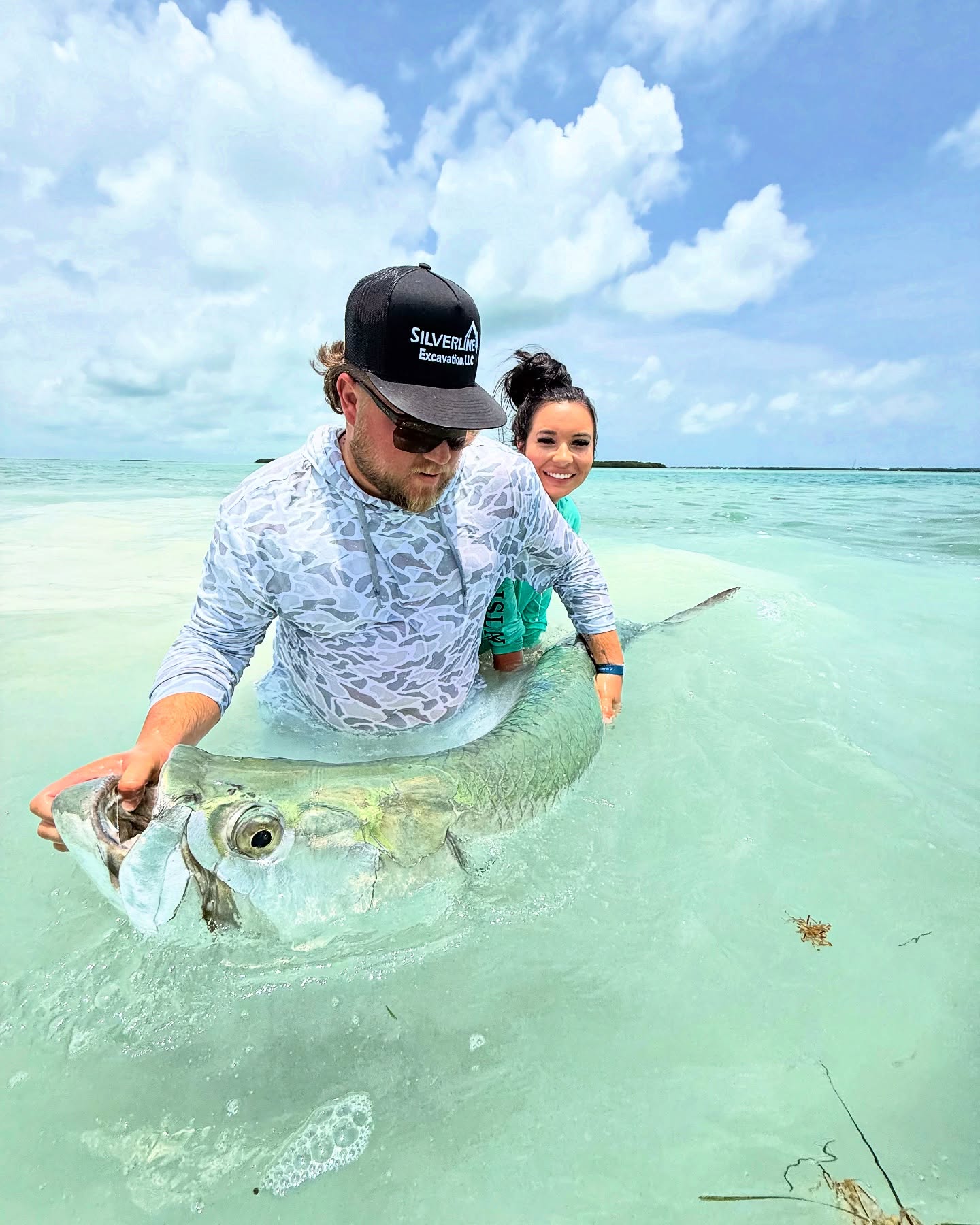
Tarpon are the silver kings of the flats, and Islamorada sits right in the heart of their migration route. These acrobatic fighters can reach over 100 pounds and are famous for their aerial displays when hooked. Peak season runs from April through July, but fish are around much of the year. What sets tarpon apart is their intelligence – they're educated fish that require precise presentations and quality tackle. When you finally connect with one, the jumping, head-shaking fight is unlike anything else in fishing.
Permit are the holy grail for many flats anglers – they're spooky, selective, and incredibly challenging to hook consistently. These disc-shaped fish cruise the flats and wrecks, feeding on crabs and small baitfish. They're year-round residents but can be maddeningly difficult to fool. What makes permit so sought-after is their reputation as one of the toughest fish to catch on light tackle. When you do connect, they make powerful runs and use their broad sides to fight the current. Landing a permit on fly or light spinning gear is a legitimate trophy accomplishment.
Time to Book Your Spot
Captain Cory Nelson's reputation speaks for itself, and spots on quality charters like this fill up fast, especially during peak season. Eight hours on the water with a top-rated guide who knows these fisheries inside and out is exactly what serious anglers are looking for. Whether you're a first-timer wanting to learn the ropes or an experienced angler chasing personal bests, this Islamorada charter delivers the complete package. The boat's equipped, the captain's experienced, and the fishing grounds are world-class – all you need to bring is sunscreen and enthusiasm. Don't wait until the last minute to book; the best fishing trips get reserved early by anglers who know quality when they see it.
 5.0(1 Reviews)
 Private Trip
 Inshore Fishing
 Bud N' Mary's Marina, Overseas Highway, Islamorada, FL, USA


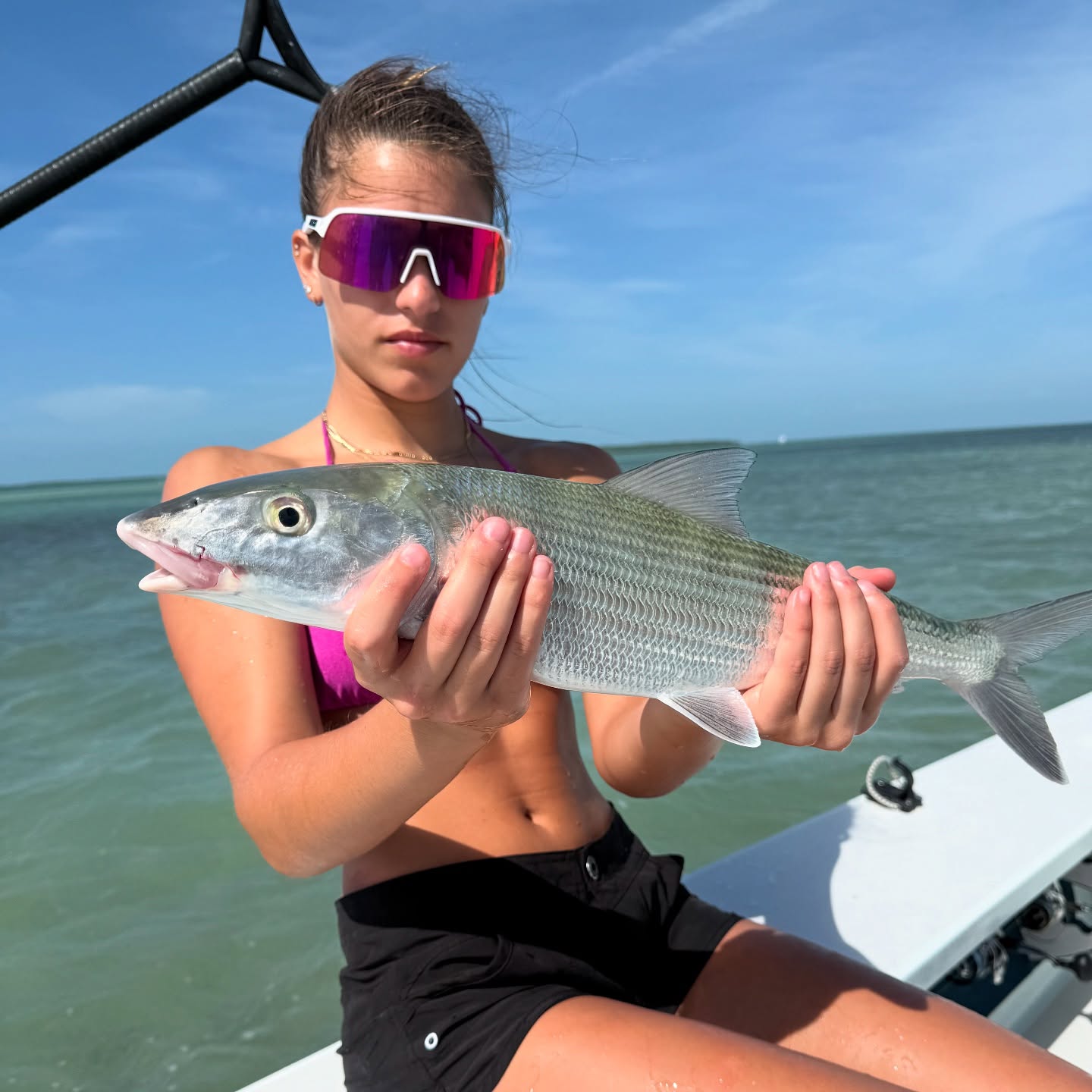
 Eight-hour charter targets bonefish, tarpon, and offshore species