Belmar, NJ Wreck Fishing Trip
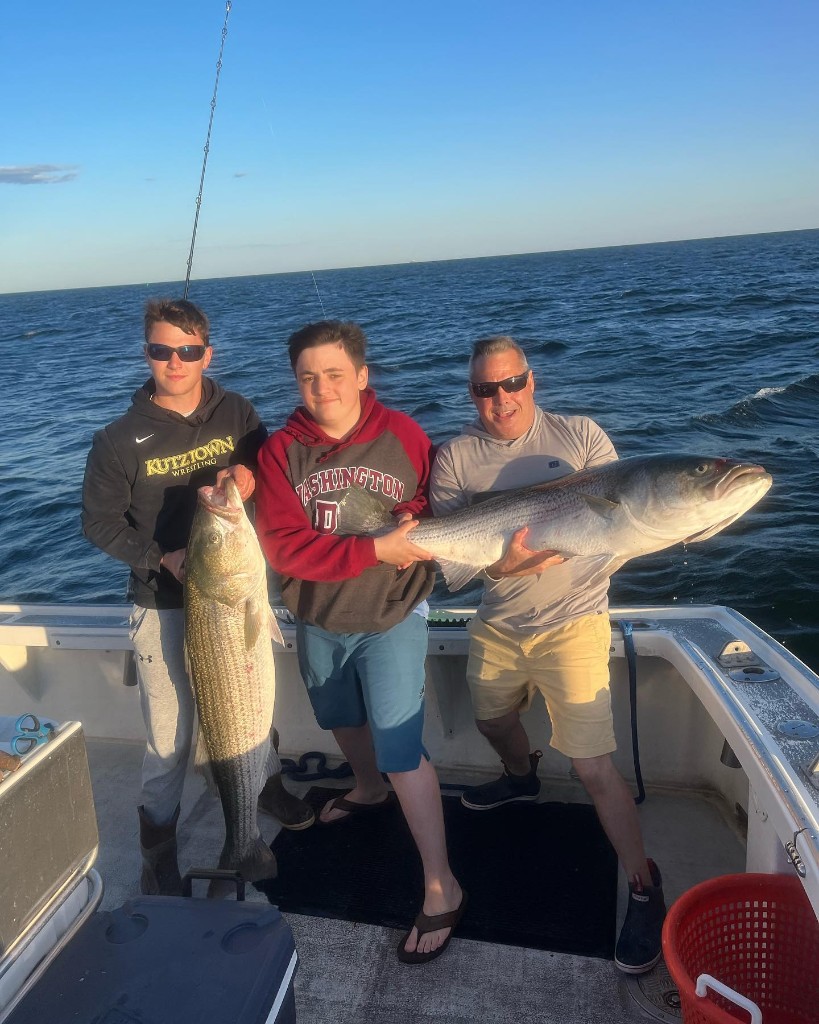
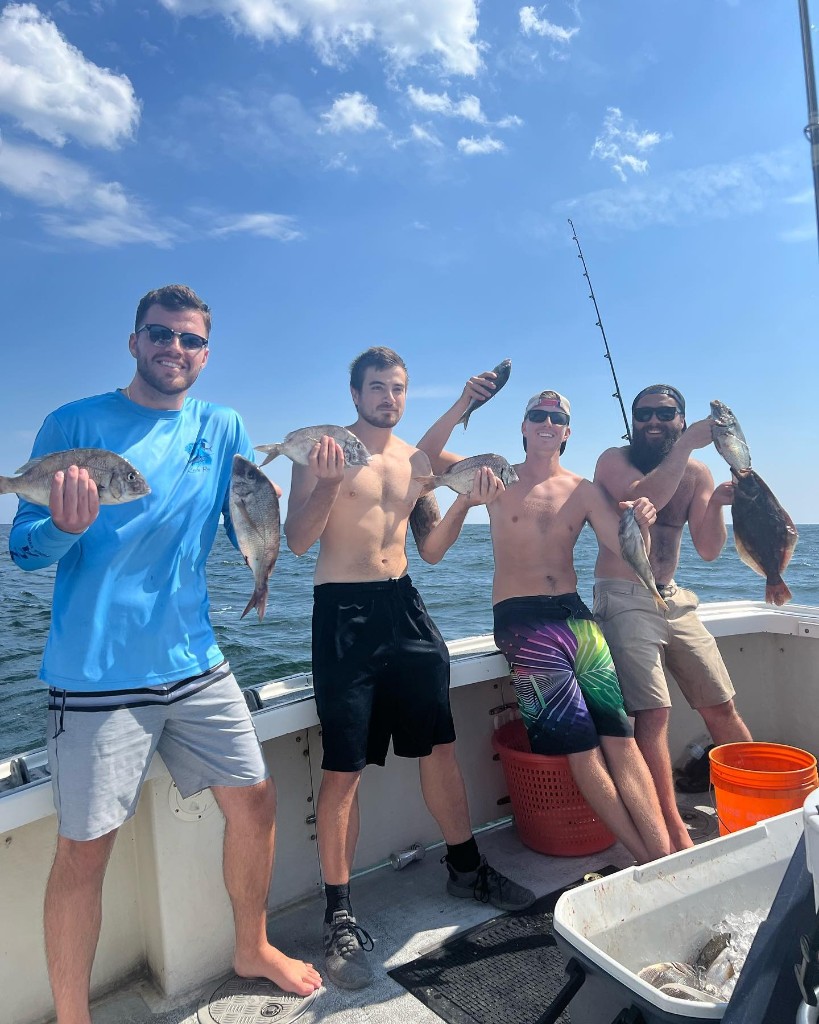
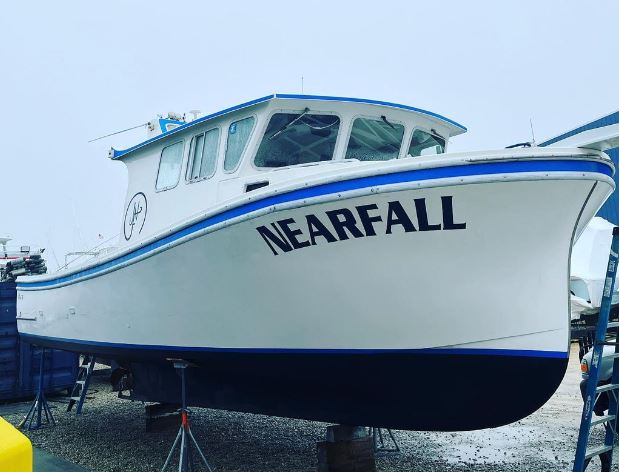
Looking for some serious bottom fishing action off the Jersey Shore? This Belmar wreck fishing charter puts you right where the fish are holding. We're talking about dropping lines on productive structure where Ling, Flounder, Cod, Pollock, Seabass, Porgies, and Blackfish call home. With Nearfall Fishing Charters, you'll get quality tackle, fresh bait, and all the licenses covered - just bring yourself and get ready to bend some rods. Our six-person max keeps things comfortable and gives everyone plenty of elbow room to work their spots.
What to Expect on the Water
We're heading out to some of the most productive wrecks along the New Jersey coast, where years of experience have shown us exactly where these fish like to hang. The bottom structure around Belmar holds everything from keeper-sized fluke to chunky blackfish, and our captain knows which wrecks are firing on any given day. You'll be fishing in water depths that range from moderate to deep, depending on conditions and what's biting best. The boat's equipped with quality fish finders and GPS, so we're not wasting time searching - we're going straight to where the action is. Expect a laid-back atmosphere where both seasoned anglers and newcomers can learn something new. Our crew keeps things moving with fresh bait, untangled lines, and plenty of local knowledge about what these fish want to eat.
Bottom Fishing Techniques
This is classic wreck fishing at its finest - we're talking high-low rigs, sinkers heavy enough to get down and stay down, and circle hooks that'll stick fish properly. You'll be dropping bucktails, strips of squid, clams, and whatever else is working that day. The key to productive wreck fishing is getting your bait right to the structure without hanging up constantly, and our crew knows exactly how to work these spots. We've got rods rated for the depths we're fishing, reels with smooth drags that can handle a good fight, and terminal tackle that's been tested on these same fish. When you hook up on structure like this, fish have somewhere to run, so expect some real battles. The bottom composition around these wrecks creates perfect habitat - rocky areas, sandy patches, and drop-offs that concentrate baitfish and attract predators.
Species You'll Want to Hook
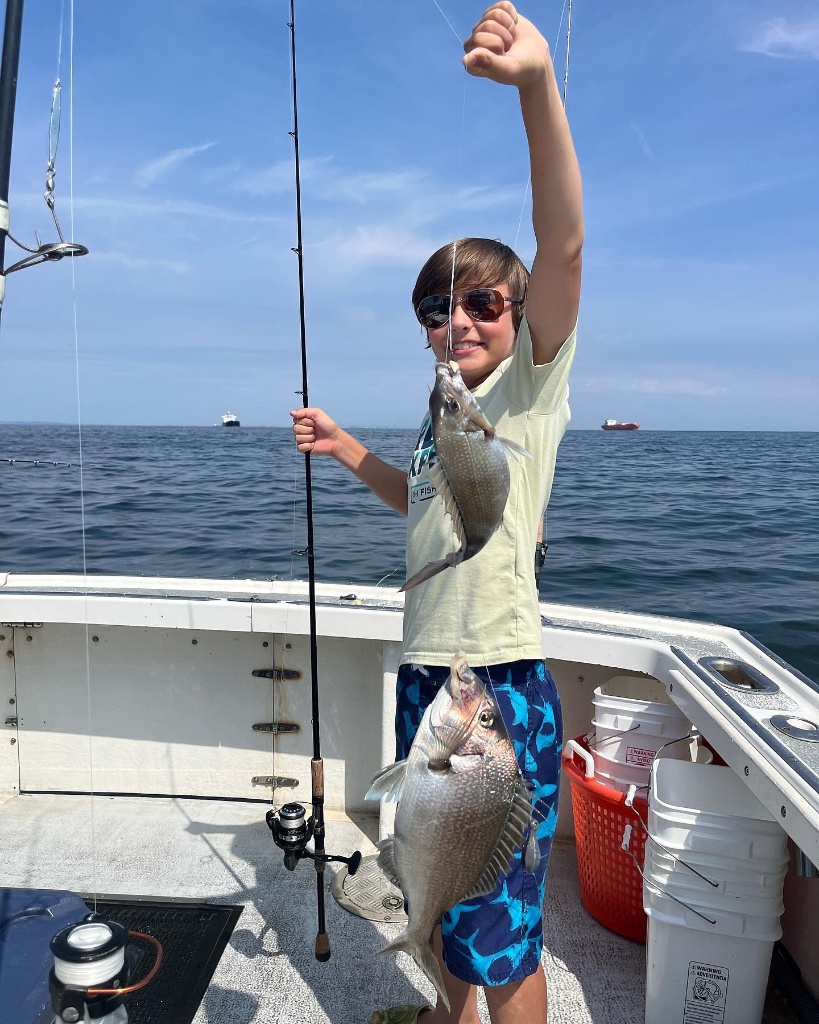
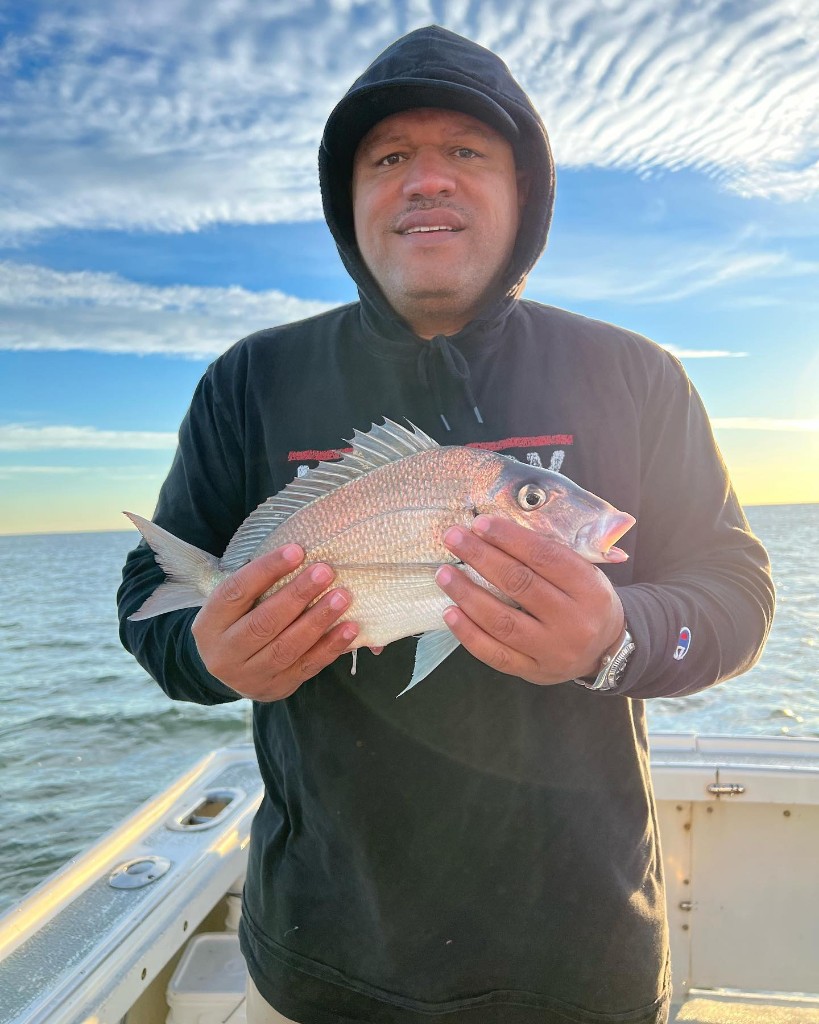
South American Silver Porgy might sound exotic, but these scrappy fighters are regular residents around Jersey wrecks. They average 1-3 pounds but fight way above their weight class, making fast runs and using their broad sides to put serious pressure on your drag. Best fishing for porgies runs from late spring through early fall, and they love small pieces of clam or squid fished right on the bottom. What makes them exciting is their aggressive feeding behavior - when you find a school, you can often catch several before they wise up.
Atlantic Cod are the heavyweight champions of this trip, with fish ranging from keeper-sized 22-inchers up to 20-pound doormat specimens that'll test your tackle. These fish are structure-oriented and love the cover that wrecks provide. Cod fishing peaks during cooler months, roughly October through April, when they move inshore to feed. They're opportunistic feeders that'll hit everything from cut bait to jigs, and landing a nice cod gives you both a great fight and excellent table fare.
Tautog, or blackfish as locals call them, are the bulldogs of the wreck fishing world. These fish average 2-4 pounds but can push 8-10 pounds or more around the right structure. They've got crushing jaws designed for eating crabs and mussels, so they'll test your knots and drag settings. Peak tautog season runs fall through early winter, and they're notorious for short, powerful runs straight back to the wreck. Green crabs and Asian shore crabs are top baits, and the satisfaction of pulling a nice tog off structure never gets old.
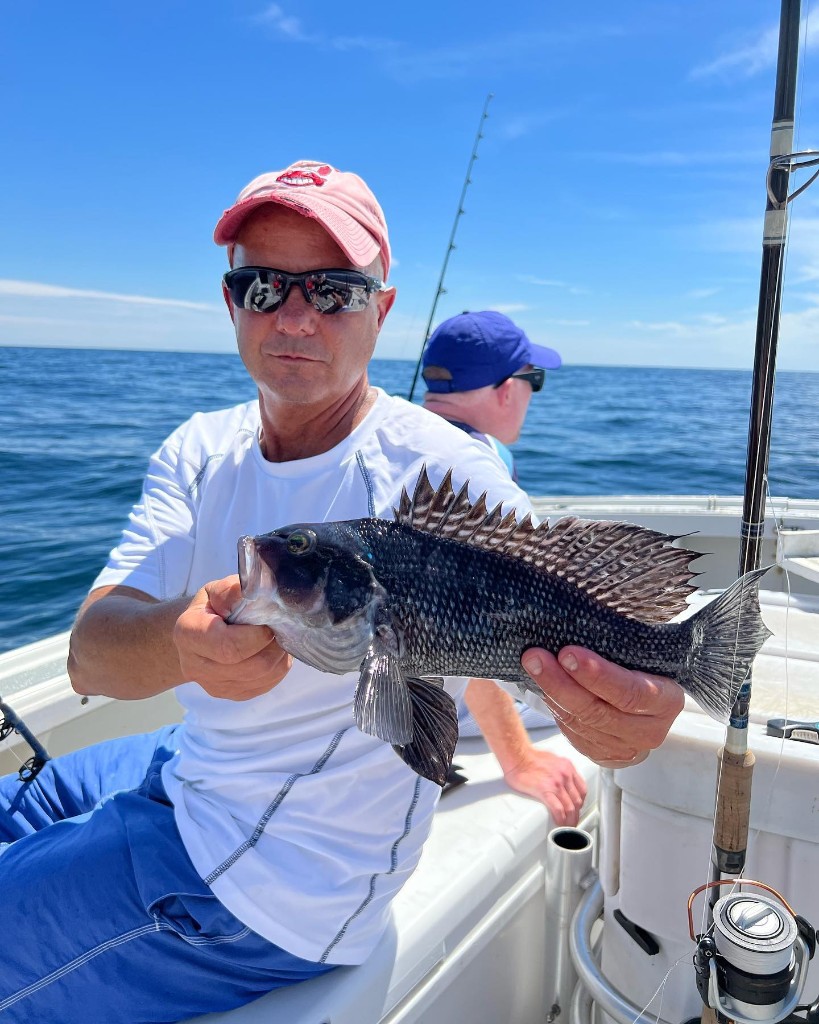
Black Sea Bass are year-round residents that provide consistent action when other species are finicky. They range from small keeper-sized fish up to 4-5 pound chunks that'll surprise you with their strength. Sea bass are aggressive feeders that'll hit both bait and artificials, making them perfect for anglers who want steady action. They're also excellent eating, with firm white meat that's perfect for everything from fish tacos to traditional preparations.
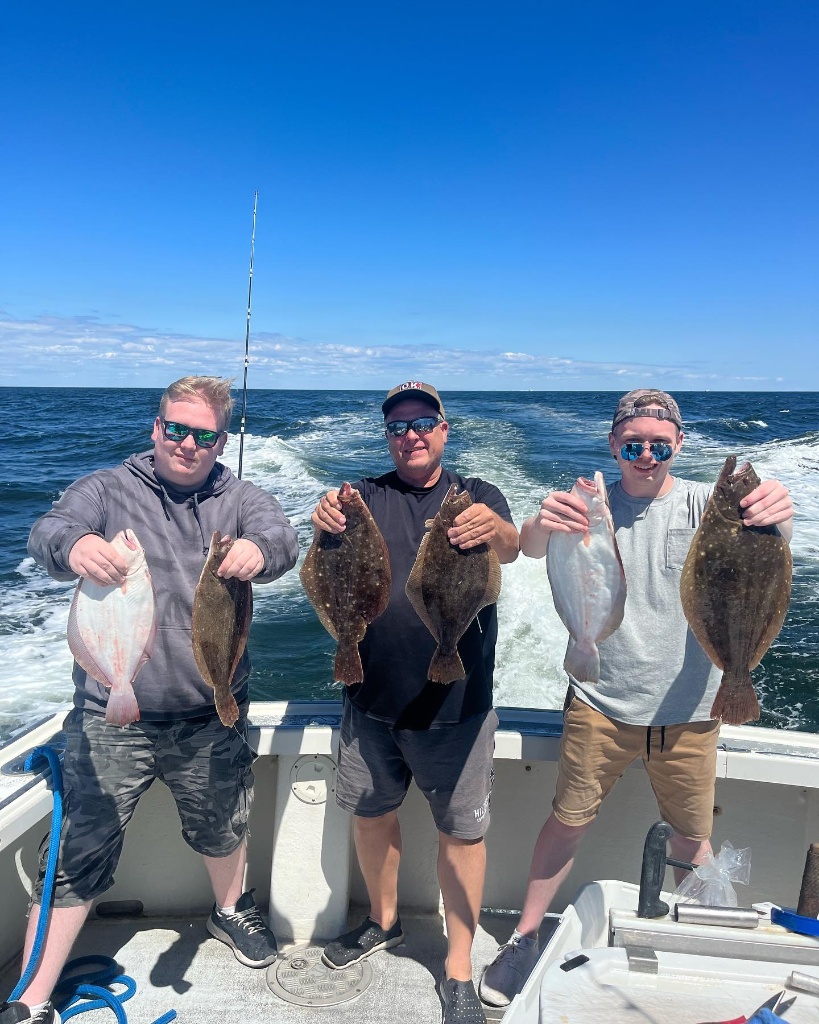
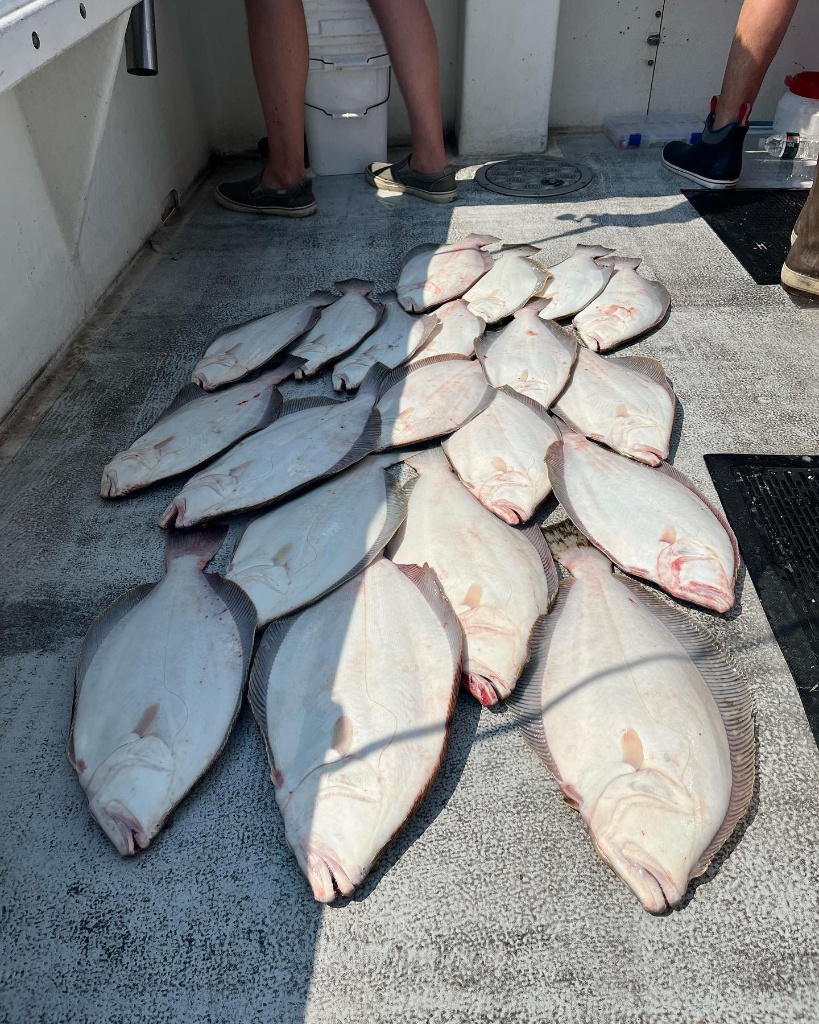
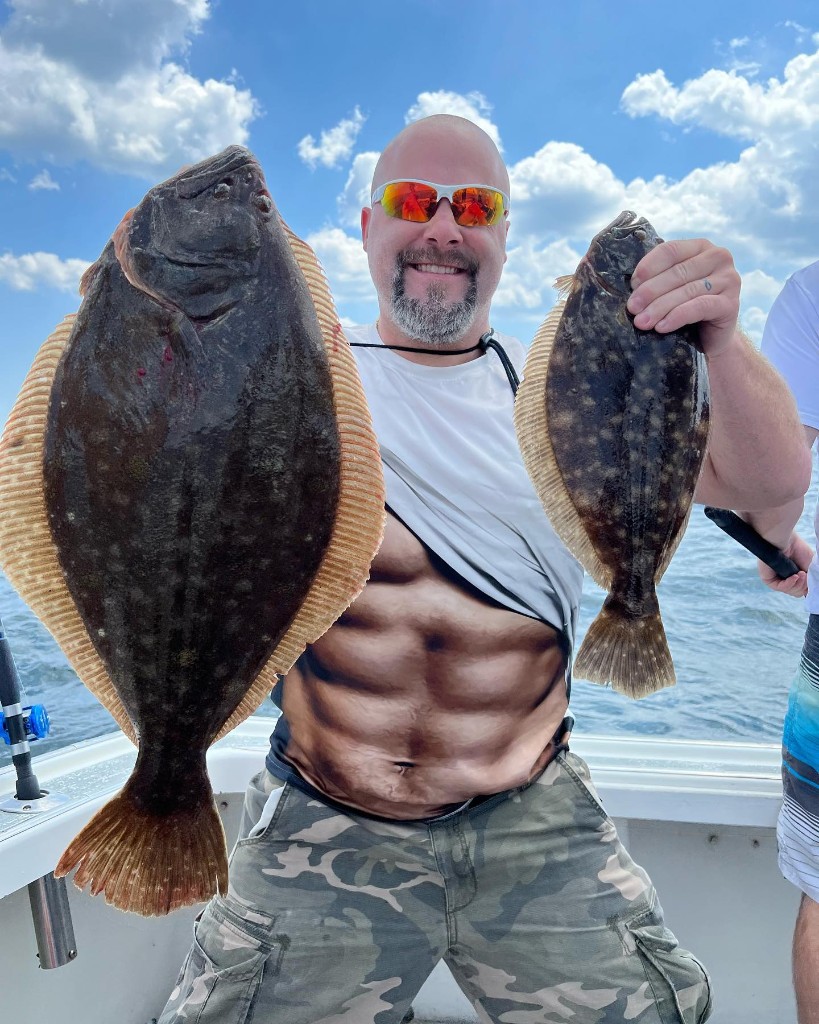
Winter Flounder, despite their name, can be caught outside the winter months around productive structure. These flatfish are masters of camouflage and feed by lying on sandy bottom areas adjacent to wrecks. They're typically smaller than summer fluke but make up for size with delicate, sweet meat that's considered premium table fare. Flounder fishing requires patience and a gentle touch - they'll often mouth bait before committing to a full bite, so feeling for that subtle tap is crucial.
Time to Book Your Spot
This top-rated Belmar wreck fishing experience delivers exactly what Jersey Shore anglers are looking for - productive fishing on proven structure with everything you need included. With only six spots available, you're getting personalized attention and prime fishing real estate without dealing with crowded party boats. The combination of species diversity, quality equipment, and local expertise makes this a customer favorite for both residents and visitors. Whether you're looking to put some fresh fillets in the cooler or just enjoy a day of solid fishing action, this trip delivers the goods. Book now and get ready to experience why Belmar's wreck fishing has built such a strong reputation among serious anglers.
 Private Trip
 Offshore Fishing
 Belmar, NJ
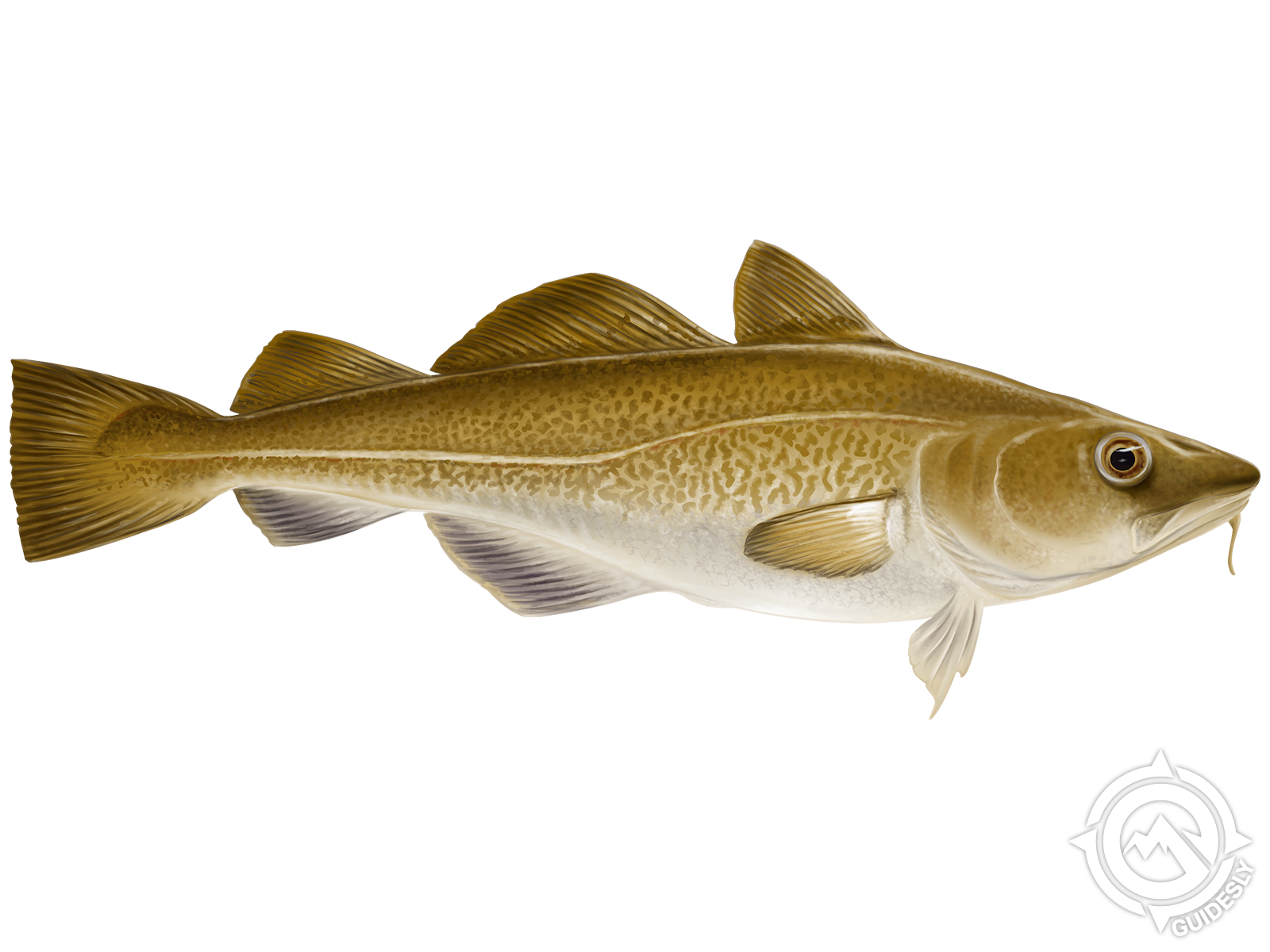
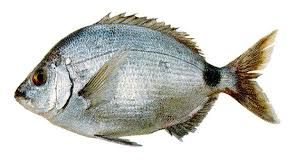

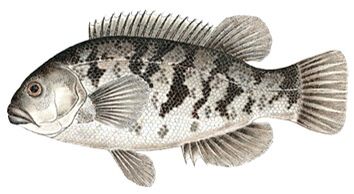
 Target Ling, Flounder, Cod, Pollock, Seabass, Porgies, and Blackfish species