Full Day Offshore Fishing - Wrightsville Beach
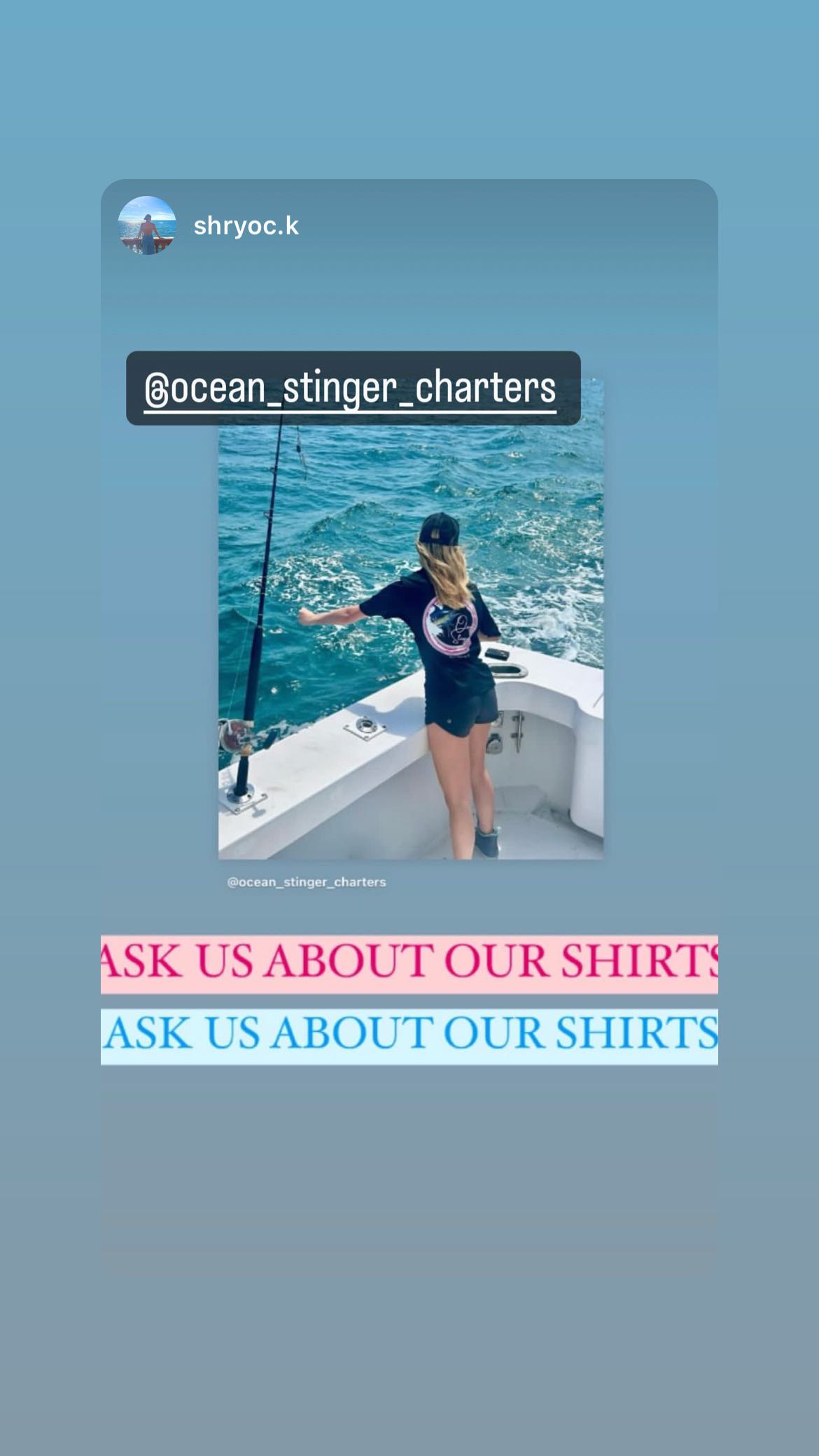
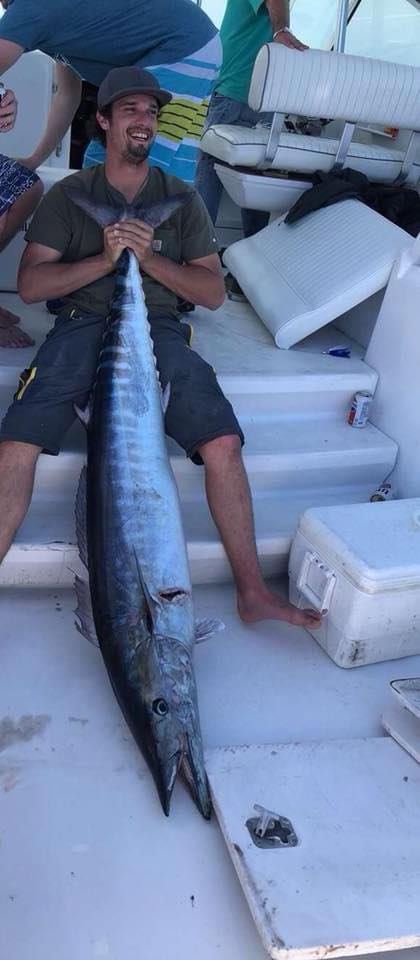
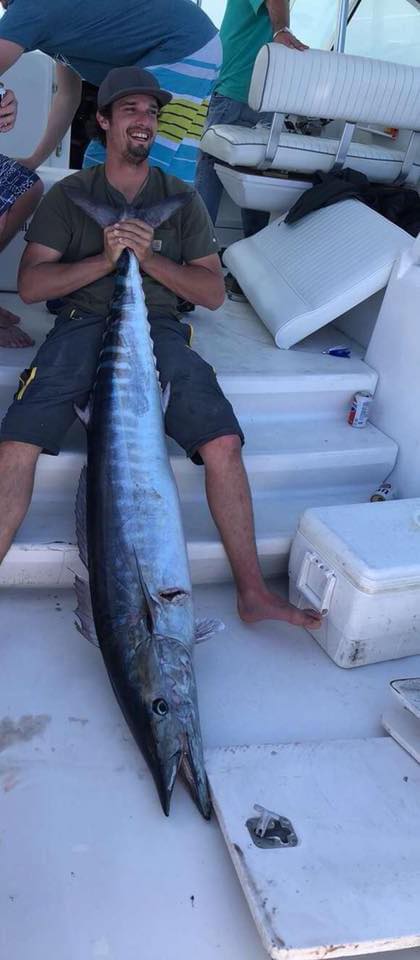
Ready to leave the crowds behind and hit the open water? This full-day charter with Ocean Stinger Charters takes you up to 20 miles offshore from Wrightsville Beach, where the real action happens. You'll be targeting some of North Carolina's most sought-after species including Spanish Mackerel, King Mackerel, Bluefish, and False Albacore, with solid chances at Mahi and even Sailfish when conditions align. Whether you're a weekend warrior or just getting your feet wet in saltwater fishing, this trip delivers the kind of offshore experience that keeps anglers coming back season after season.
What to Expect on the Water
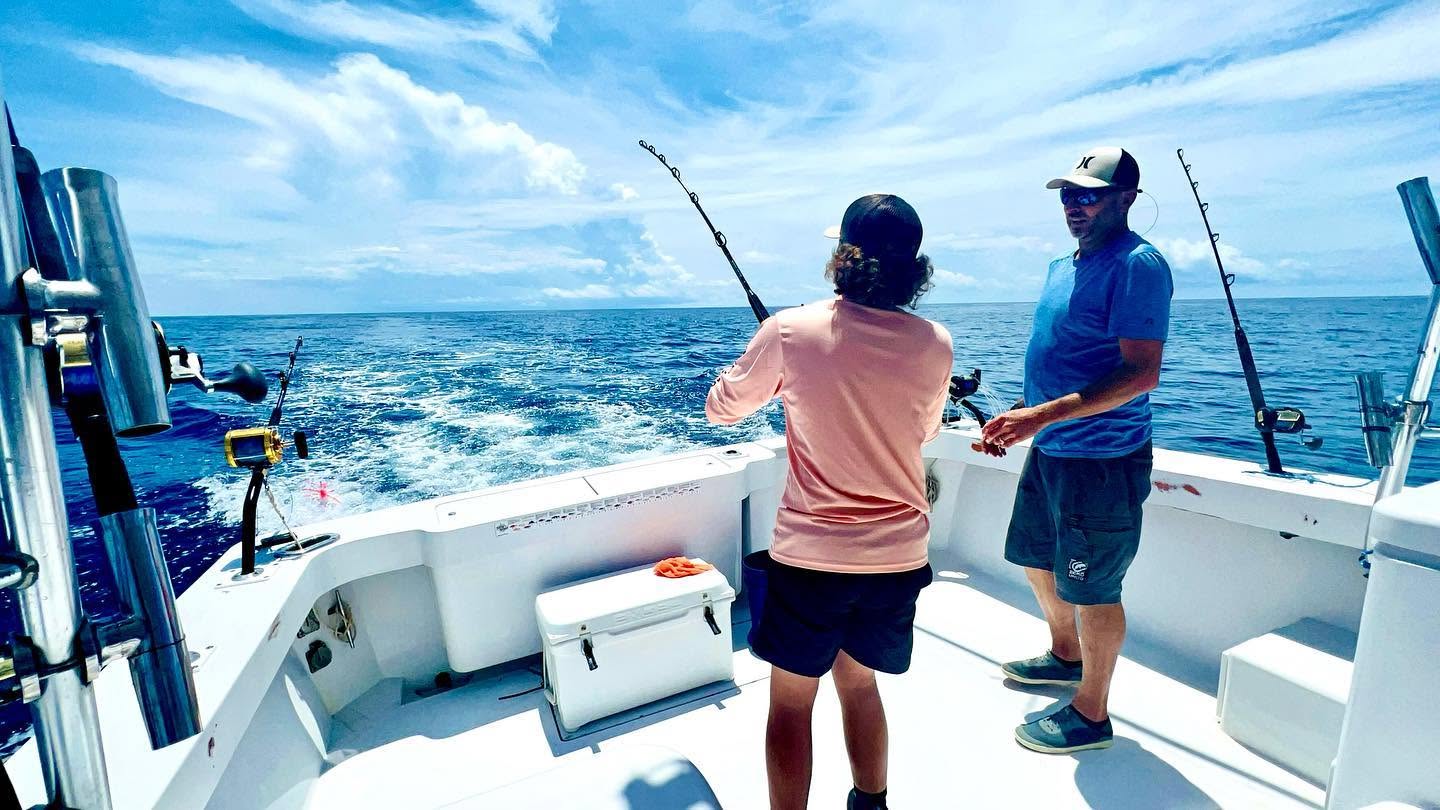
Your day starts early as you meet the crew at Wrightsville Beach for a full day of offshore fishing. The boat heads out into the Atlantic, leaving the inshore waters behind as you make your way to productive fishing grounds 10-20 miles from shore. This isn't your typical near-shore trip – you're getting into the blue water where pelagic species roam and the action can be non-stop. The crew provides all the tackle and gear you'll need, from heavy spinning rods for the kings to lighter setups perfect for Spanish mackerel. With space for up to 6 anglers, there's plenty of room to spread out and fish comfortably without feeling crowded. The captain knows these waters like the back of his hand, reading conditions and adjusting tactics throughout the day to put you on fish. Expect to cover some serious ground as you chase temperature breaks, weed lines, and structure that hold gamefish.
Trolling Tactics & Gear Setup
This offshore charter runs primarily on trolling techniques, which is hands-down the most effective way to cover water and locate active fish in the open ocean. The crew rigs a spread of baits and lures designed to attract everything from Spanish mackerel to big kings. You'll see a mix of spoons, diving plugs, and rigged ballyhoo working behind the boat at different depths and distances. When the action heats up, expect to switch to live bait or chunk bait fishing, especially when targeting larger king mackerel or hoping for that surprise mahi bite. The boat carries quality Penn and Shimano reels paired with sturdy rods that can handle the power of offshore species. Braided line and fluorocarbon leaders are standard, giving you the sensitivity to feel strikes while providing the strength needed for big fish. The crew handles all the rigging and can teach you the finer points of offshore fishing if you're interested in learning the techniques.
Top Catches This Season
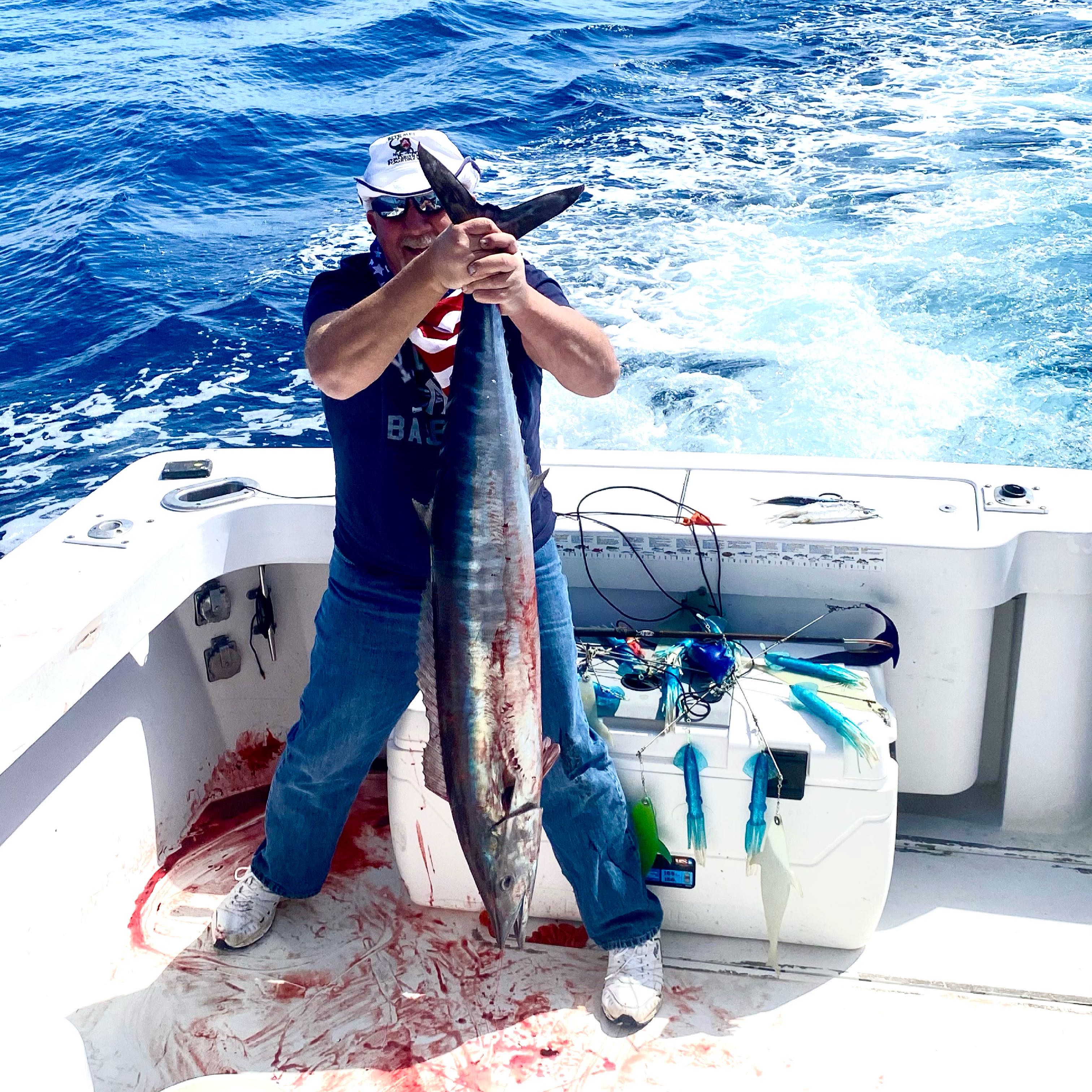
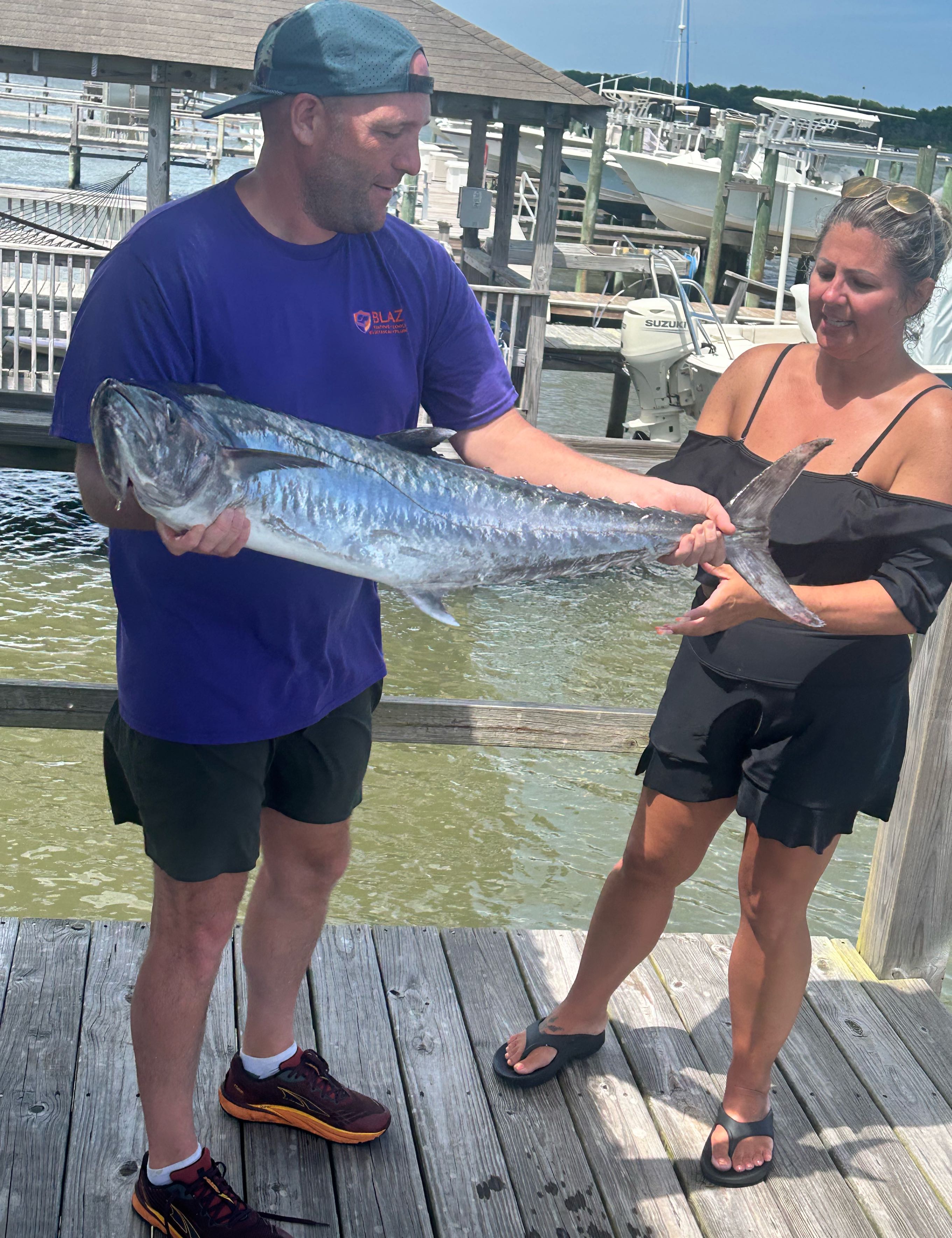
King Mackerel: The kings are the crown jewel of this fishery, and Wrightsville Beach waters produce some beauties. These aggressive predators typically range from 15-40 pounds, with the occasional smoker pushing 50 pounds or more. Peak season runs from late spring through early fall, with the best action often happening during the warmer months when baitfish are abundant. Kings are notorious for their blistering runs and acrobatic jumps, making them a favorite among experienced anglers who appreciate a fish that fights as hard as it bites.
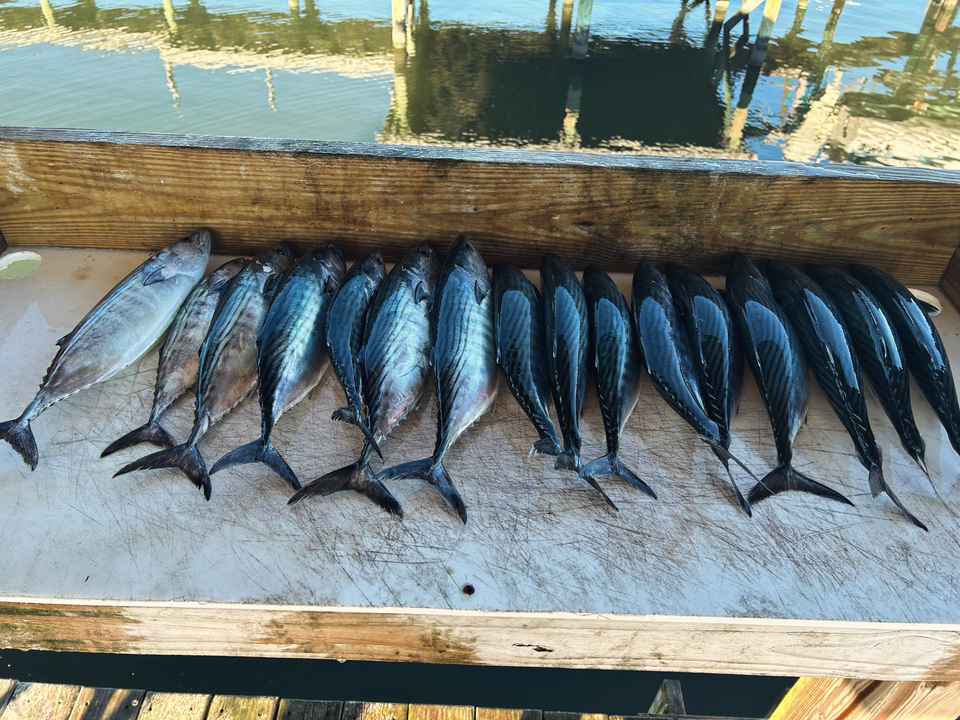
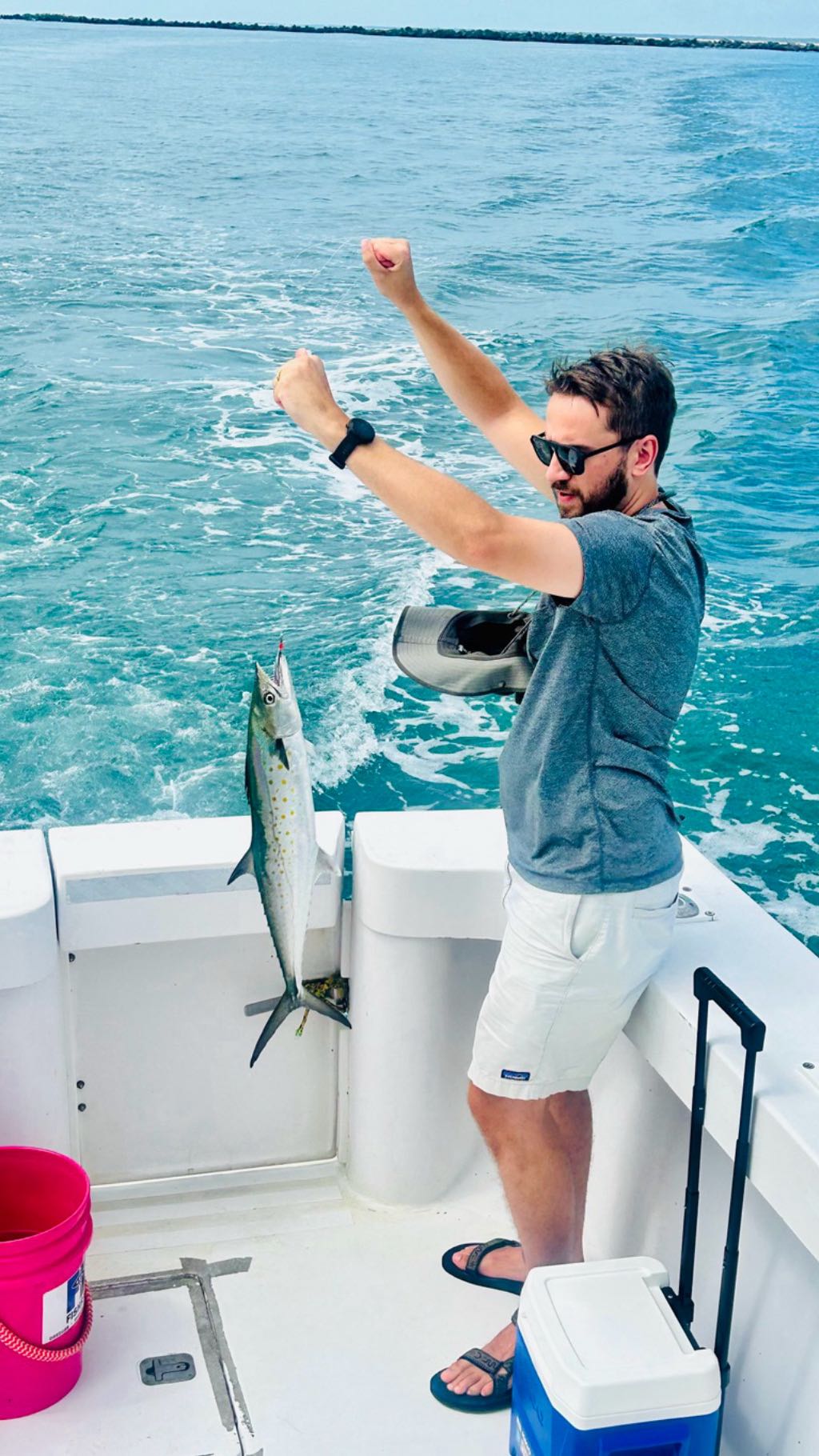
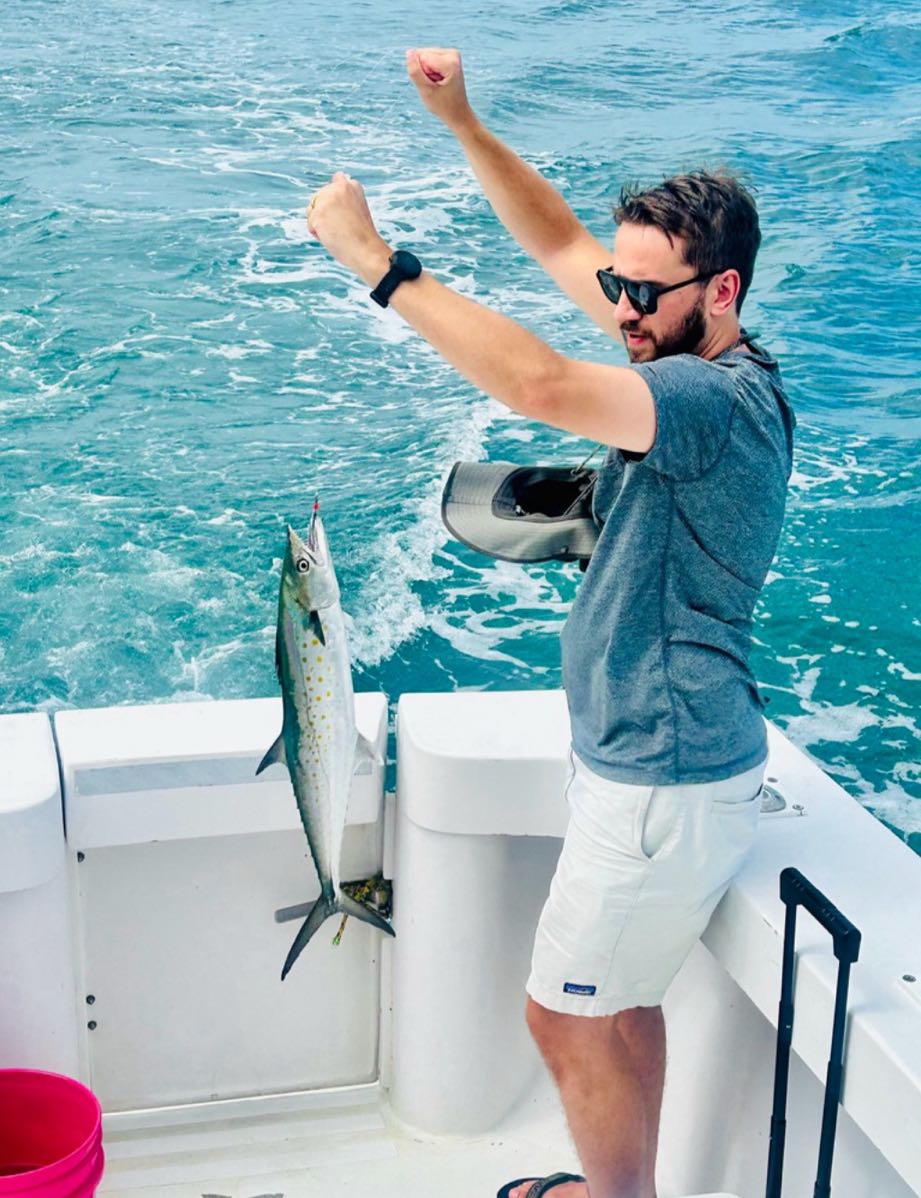
Spanish Mackerel: Don't let their smaller size fool you – Spanish mackerel are pure fun on appropriate tackle. These speedsters typically weigh 2-5 pounds but make up for size with sheer numbers and aggressive strikes. They're excellent table fare and perfect for anglers looking to put some meat in the cooler. Spanish mackerel show up in good numbers from spring through fall, often traveling in large schools that can provide non-stop action when you find them.
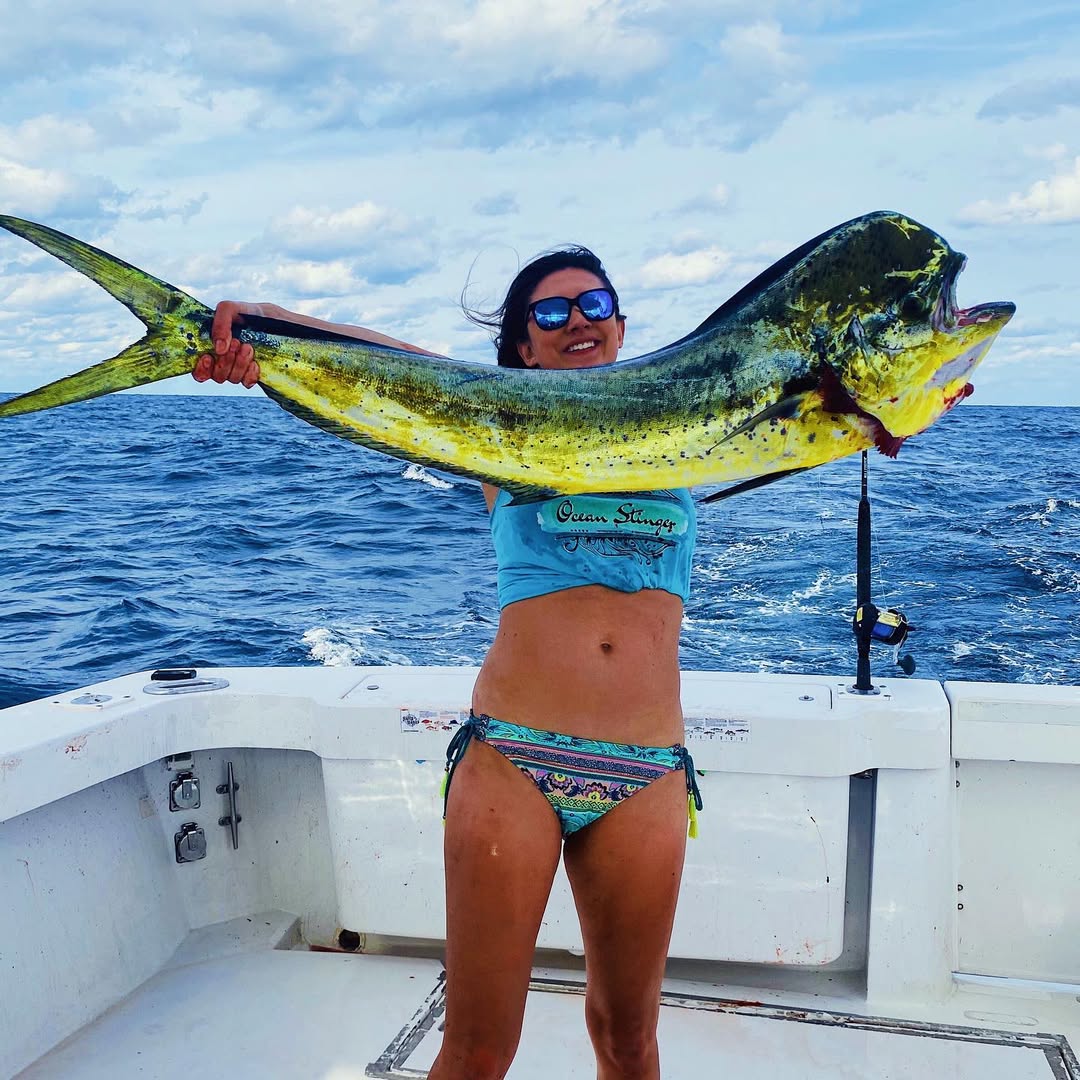
Mahi Mahi: When the conditions are right, mahi can be the highlight of your trip. These golden beauties are known for their spectacular colors and aerial displays when hooked. Most mahi in these waters range from 10-25 pounds, though larger bulls occasionally show up. They're strongly tied to structure and temperature breaks, making them somewhat seasonal and weather-dependent. Late spring through early fall offers the best opportunities, especially around floating debris or weed lines.
Bluefish: Blues are the workhorses of the offshore scene – aggressive, hard-fighting, and usually willing to bite when other species are finicky. They range from small "snapper" blues perfect for light tackle fun to larger choppers that can reach 10-15 pounds. These toothy predators are excellent for beginners since they're not shy about hitting lures and provide steady action throughout most of the season.
Little Tunny (False Albacore): Pound for pound, few fish fight harder than a false albacore. These small tunas are built for speed and endurance, often making multiple long runs that test both your drag system and your arms. They typically weigh 5-15 pounds but fish much larger due to their incredible stamina. Albies are especially active during fall months when they follow baitfish migrations close to shore.
Time to Book Your Spot
This full-day offshore adventure gives you the best shot at experiencing world-class fishing just off the North Carolina coast. With expert guidance, top-quality gear, and access to prime fishing grounds, you're set up for success whether you're chasing your first king mackerel or looking to add another species to your list. The 6-person capacity means you can bring along friends or family for a shared experience, and the crew's knowledge ensures you'll learn something new regardless of your skill level. Remember that deposits are non-refundable, so plan accordingly, but also know that you're booking with a top-rated charter service that delivers consistent results. Don't wait until the peak season books up – secure your spot now and get ready for the kind of offshore fishing day that creates lasting memories.
 Private Trip
 Offshore Fishing
 Wrightsville Beach


 Full day offshore charter targeting mackerel, mahi, and sailfish