Red Grouper
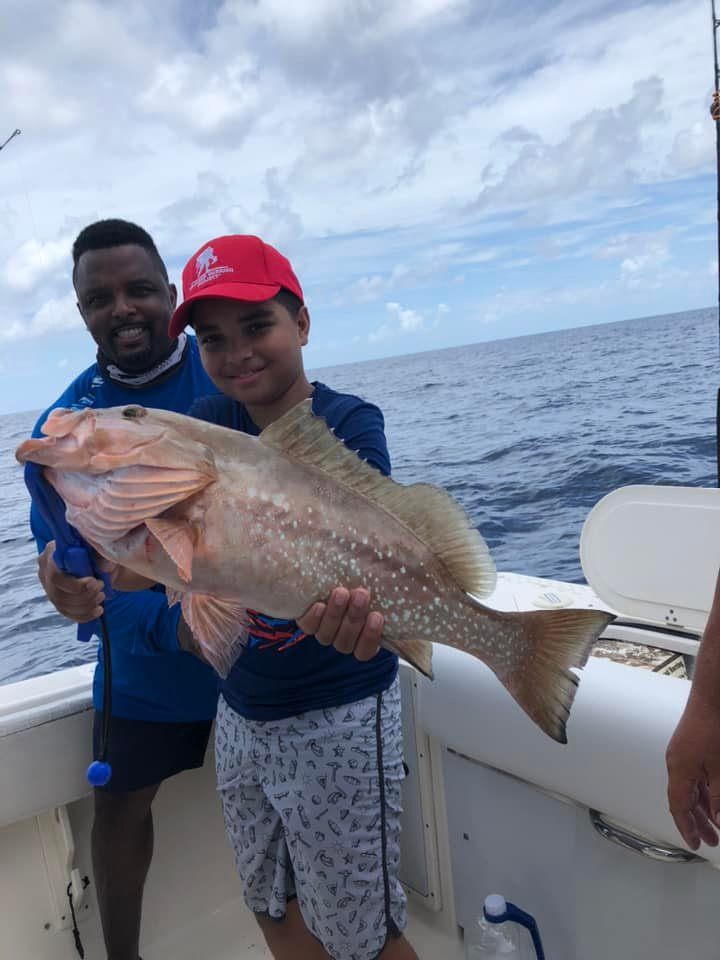
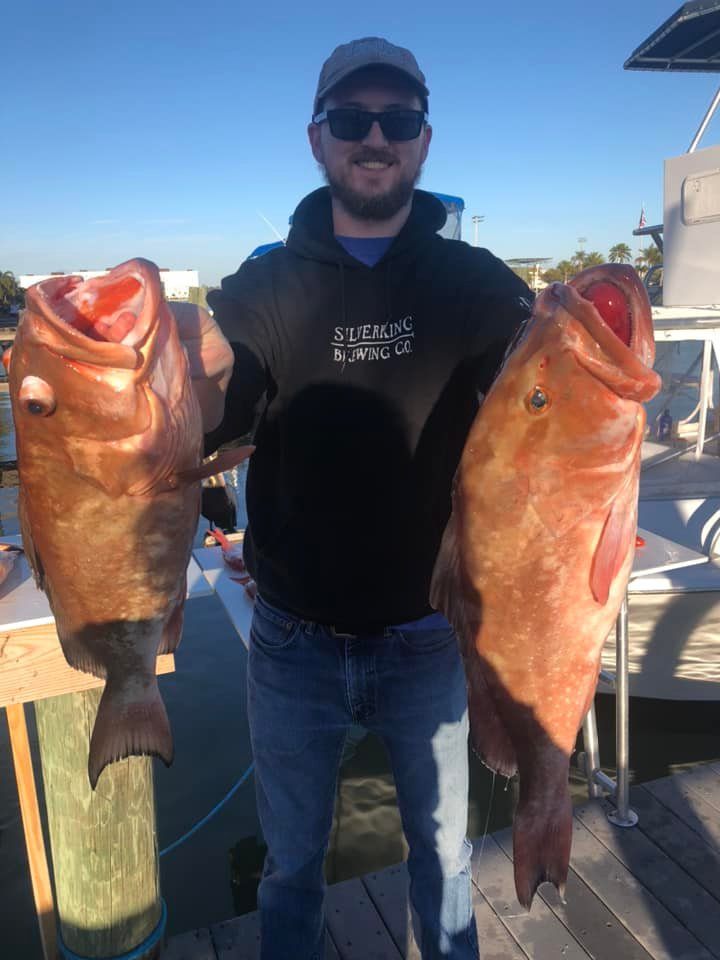
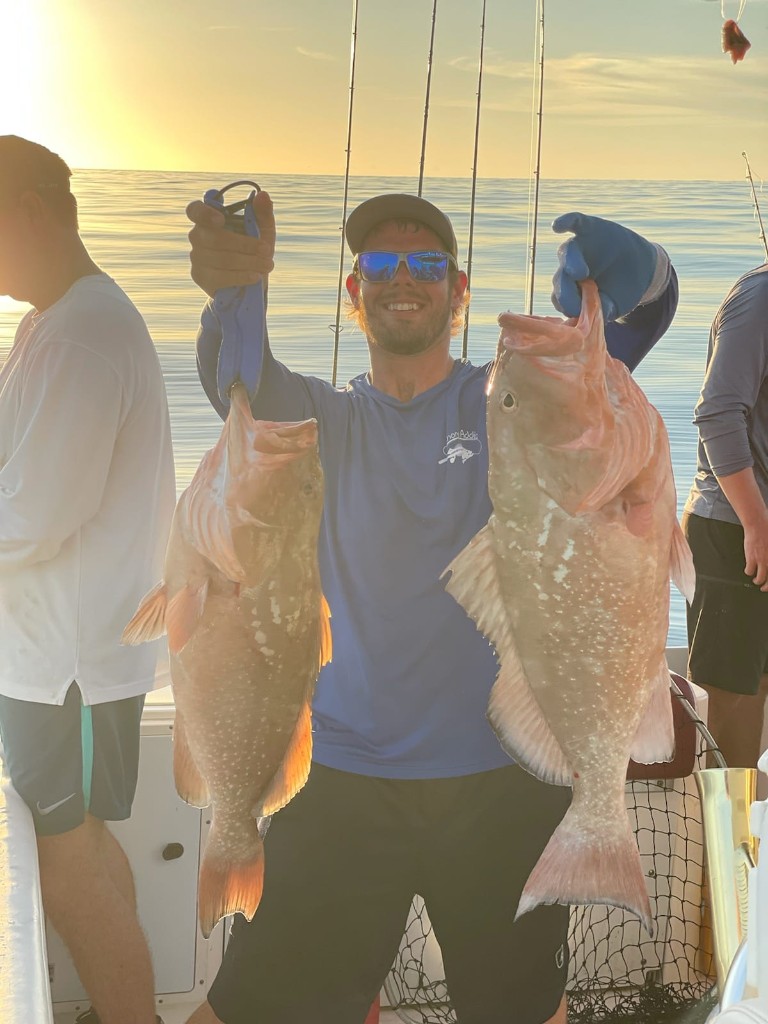
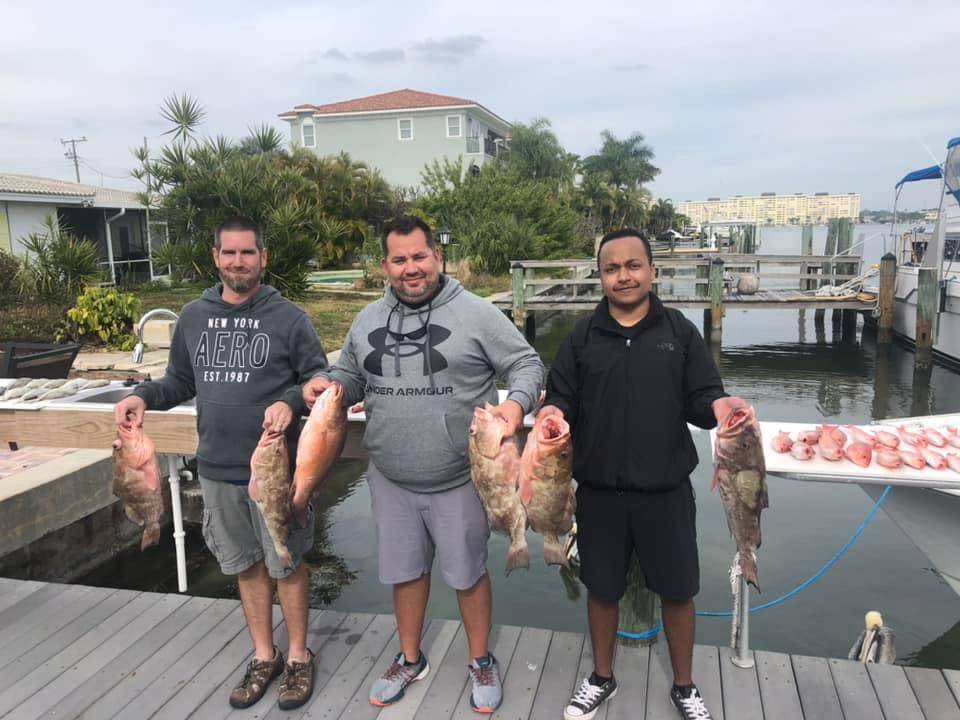
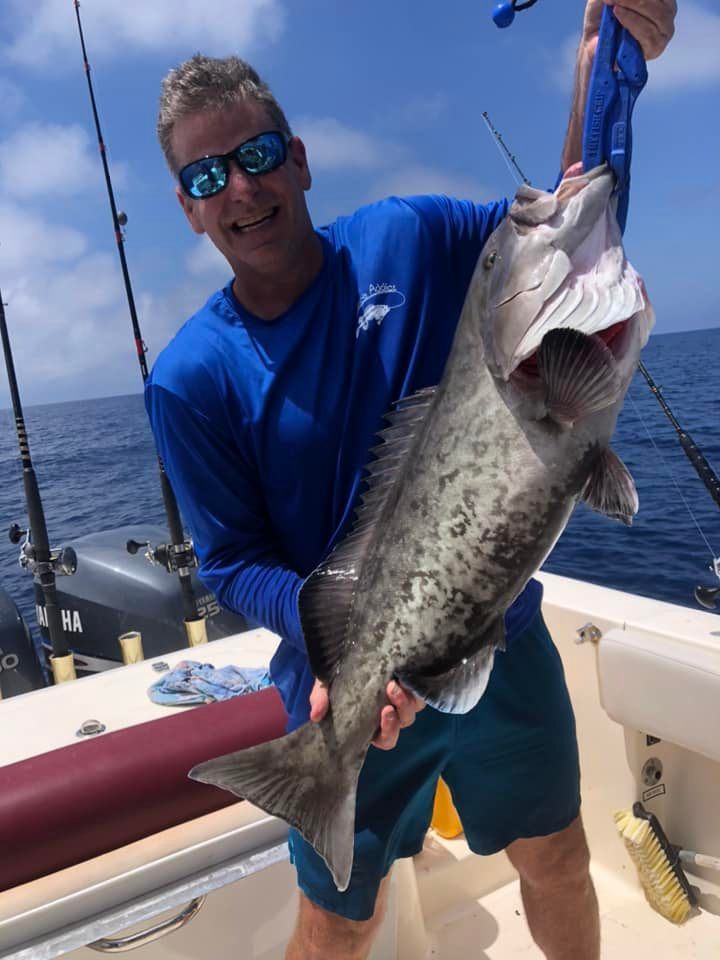
<h2><span style="color:rgb(14,16,26);"><strong>Red Grouper (Epinephelus morio) Fish Description</strong></span></h2><p><span style="color:rgb(14,16,26);">As the name suggests, the Red Grouper (Epinephelus morio) can easily be distinguished from other groupers by the mostly rusty red coloration of its body. While its head and upper parts tend to be darker, the color gradually lightens until it reaches the rather light red to pinkish hue of the belly. It also has some sort of blotches on its side and some distinctive white spots on its body—from the head right across to the base of its tail. And although the fins sometimes have the same coloration as its body, they usually have some sort of a black margin that runs right around the edges.</span></p><p><span style="color:rgb(14,16,26);">The body of the Red Grouper is known to be robust and meaty even though it’s mostly moderate in size. It has a large mouth which allows them to eat its prey whole. Its lower jaw protrudes a little bit beyond the upper jaw, both of which are equipped with several sets of razor sharp teeth that the fish uses to prevent its prey from escaping, not to rip its flesh apart. Its prey mostly consists of marine invertebrates including octopi, shrimps, and crabs, but from time to time will also eat smaller fishes.</span></p><p><span style="color:rgb(14,16,26);">The Red Grouper is a protogynous hermaphrodite fish. This means that all of them are females at the very beginning of their life. Many would, however, change to males as soon as they hit their sexual maturity, which is between seven and fourteen years of age. When the spawning season comes which usually occurs between January and April, both the males and the females would release their sperms and eggs in the water. The fertilized eggs would just drift with the currents until they hatch into larvae in about thirty hours. The larvae would just then live among the zooplanktons near the surface of the water. As they reach their juvenile stage, they would swim down to the bottom of the water and settle within seagrass beds where they would prey on smaller fishers and different marine invertebrates until they reach their full maturity.</span></p><p> </p><h2><span style="color:rgb(14,16,26);"><strong>Interesting Facts About Red Groupers</strong></span></h2><ul><li><span style="color:rgb(14,16,26);">The Red Grouper can grow up to four feet long and can weigh around a little more than fifty pounds.</span></li><li><span style="color:rgb(14,16,26);">The biggest Red Grouper caught on record was a forty-two pounder caught off the coast of </span><a href="https://guidesly.com/fishing/places/st-augustine-florida"><span style="color:rgb(74,110,224);">St. Augustine, Florida</span></a><span style="color:rgb(14,16,26);"> in 1997.</span></li><li><span style="color:rgb(14,16,26);">Red Groupers have long lifespans with some reaching up to twenty-nine years of age.</span></li><li><span style="color:rgb(14,16,26);">It is a protogynous hermaphrodite, which means they are all born females.</span></li><li><span style="color:rgb(14,16,26);">Many would change to male as they hit sexual maturity.</span></li><li><span style="color:rgb(14,16,26);">About 70% of groupers harvested in U.S. waters are Red Groupers.</span></li><li><span style="color:rgb(14,16,26);">Its meat is highly regarded for its moist, firm, and flaky consistency.</span></li><li><span style="color:rgb(14,16,26);">It is said to be one of the best tasting groupers because of its shellfish-like taste.</span></li><li><span style="color:rgb(14,16,26);">Red Grouper meat is sold either fresh or frozen as a whole a fish, as steaks, or filleted.</span></li><li><span style="color:rgb(14,16,26);">Red Grouper meat is susceptible to red tide due to its shellfish diet.</span></li><li><span style="color:rgb(14,16,26);">Red Groupers are known to be one of the top predators in reefs, making them an essential part of the reef’s ecological balance.</span></li><li><span style="color:rgb(14,16,26);">Red Groupers are often preyed upon by other known reef apex predators, including barracudas, moray eels, and different species of sharks.</span></li><li><span style="color:rgb(14,16,26);">They are targeted by both commercial and recreational fishers.</span></li><li><span style="color:rgb(14,16,26);">Although their population status hasn’t reached the “critical” levels yet, there were recorded declines in their populations in some parts of the Gulf of Mexico due to overfishing.</span></li><li><span style="color:rgb(14,16,26);">Another reason for the decline is the huge number of juveniles that are accidentally caught by shrimp trawlers.</span></li><li><span style="color:rgb(14,16,26);">Catch limitations for commercial and recreational fishers are placed by the authorities to help with the fish species’ population recovery.</span></li><li><span style="color:rgb(14,16,26);">Commercial and recreational fishing seasons are also closed from January to April—the Red Grouper’s spawning season.</span></li></ul><p> </p><h2><span style="color:rgb(14,16,26);"><strong>Red Grouper Average Size and Swimming Speed</strong></span></h2><p><span style="color:rgb(14,16,26);">Although there were some reported sightings of a Red Grouper reaching a whopping fifty pounds in weight, average weights tend to be a lot smaller of about five to ten pounds. Most also don’t grow too long as average length rarely hits the two feet mark. As for the speed, Red Groupers don’t swim that fast although they can swim much faster in short bursts to help them escape predators. </span></p><p> </p><h2><span style="color:rgb(14,16,26);"><strong>Red Grouper Habitat and Distribution</strong></span></h2><p><span style="color:rgb(14,16,26);">The Red Grouper is not a migratory fish and can often be found near our eastern seaboard—from as far north as Massachusetts down to Florida and into the Gulf of Mexico. It can also be found abroad as far south as the Caribbean Sea up to southern Brazil.</span></p><p><span style="color:rgb(14,16,26);">This fish primarily prefers muddy and rocky bottom underwater habitats at depths of 16 to 1,083 feet. It can also be seen swimming or resting close inshore, especially in reefs, ledges, and wrecks of up to 300 deep, with many anglers catching these tasty fish in about 10 to 100 feet.</span></p><p> </p><h2><span style="color:rgb(14,16,26);"><strong>Red Grouper Fishing Tips</strong></span></h2><p><span style="color:rgb(14,16,26);">Although you can pretty much catch a Red Grouper using a light tackle, you better be ready for a somewhat long battle with this fish as it’s known to be one of the toughest fighters out there. Hooking one wouldn’t be much of a problem as it’s a pretty aggressive predator that is always ready to strike on every opportunity of a meal, especially if you use its favorite diet as baits such as shrimp and crab.</span></p>
 Private Trip
 Offshore Fishing
 Clearwater


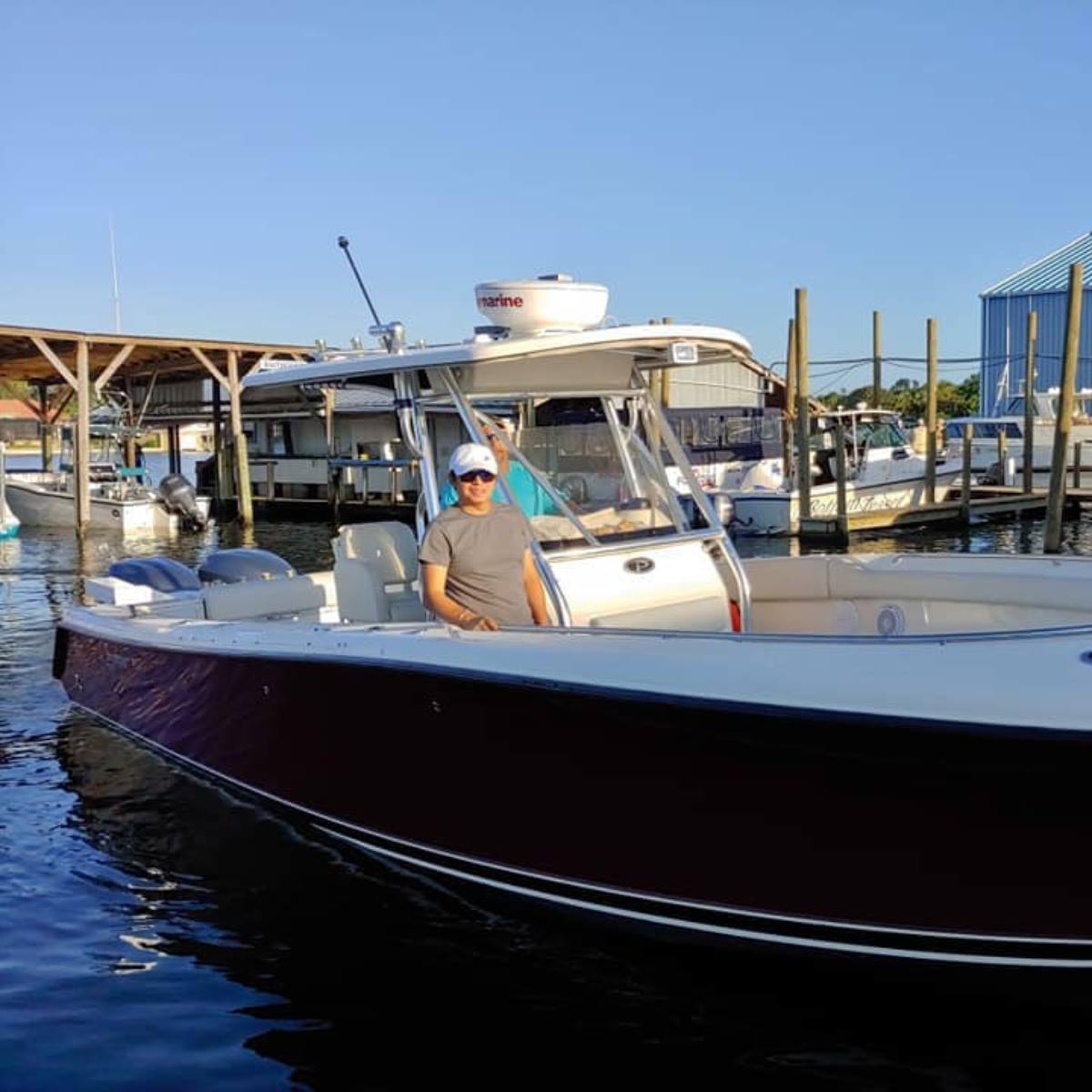
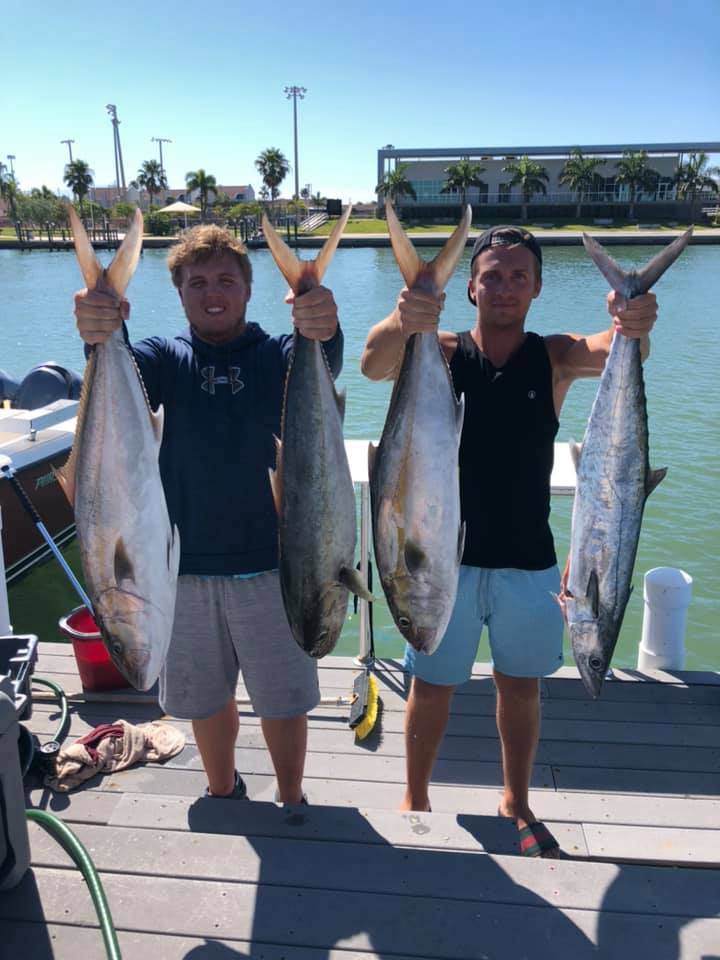
 Full-day offshore fishing targeting grouper, sharks, and snapper