Full Day Outer Banks Inshore Fishing Charter
Ready to spend a solid day chasing some of the Outer Banks' best inshore species? This 6-hour fishing charter with Old North State Fishing gives you the perfect amount of time to really get into the rhythm of the water. Captain Andy knows these waters like the back of his hand, and he'll put you on fish whether you're just getting started or you've been wetting lines for years. The Outer Banks offers some of the most productive inshore fishing on the East Coast, with protected sounds, grass flats, and structure that hold everything from keeper flounder to bull reds. Six hours means we can hit multiple spots, adjust tactics when fish get finicky, and give everyone on board plenty of shots at different species.
What to Expect on the Water
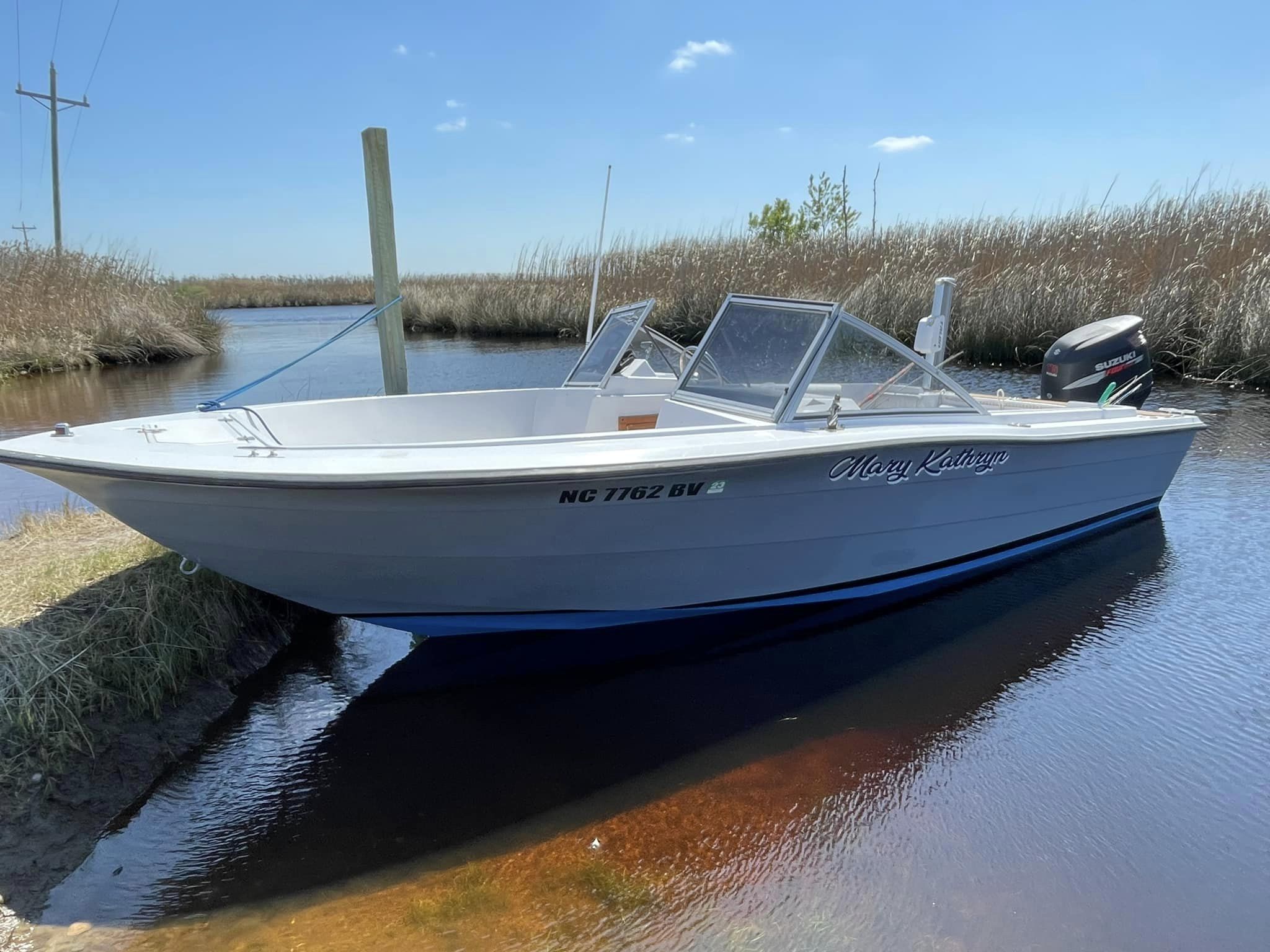
This charter strikes the sweet spot between a quick morning trip and an all-day grind. We'll launch early and spend the day working the best spots based on tide, wind, and what's been biting lately. The Outer Banks inshore waters are perfect for this kind of fishing – you've got miles of grass beds, oyster bars, and channels that create the ideal habitat for our target species. Captain Andy runs a top-rated operation that focuses on putting fish in the boat while making sure everyone learns something along the way. Whether you're bringing the family or a group of fishing buddies, this trip accommodates up to 4 anglers comfortably. The boat's rigged with quality gear, but feel free to bring your own rods if you've got favorites. We'll cover everything from basic bottom fishing to sight casting, depending on conditions and what's showing up on the fish finder.
Techniques & Tackle
Inshore fishing in the Outer Banks means adapting your approach throughout the day. We'll start with live bait when targeting flounder and sea trout around structure, then switch to artificial lures when working the grass flats for redfish. Captain Andy keeps the boat stocked with circle hooks, pyramid sinkers, and a variety of jigs and soft plastics that work well in these waters. The key to success here is reading the water – understanding how tides move bait through the system and where predator fish set up to ambush their next meal. We'll work everything from 2 feet of water up to 15 feet, using light tackle that lets you feel every bump and nibble. Popping cork rigs are deadly here when sea trout are active, and we'll have plenty rigged and ready. If the bite gets tough, we're not afraid to move spots and try different presentations until we find what's working.
Customer Stories
"This was our (my wife , 16 and 18 yr old sons)second year in a row with Captain Andy. He is a fantastic. We all caught fish, learned a lot, and laughed the whole time. Definitely our families favorite fishing trip." - mark
"Even though the fish weren't biting much today we really had a great time and Captain Andy pulled out all the stops to make this a great experience! We will be back for another charter soon." - Sara
Top Catches This Season
Bluefish are the workhorses of Outer Banks inshore fishing, and they're almost always willing to bite when other species get finicky. These aggressive feeders show up in schools and will hit everything from live bait to shiny spoons. Spring and fall bring the best bluefish action, with fish ranging from snapper-sized up to 5-pound choppers that'll give you a real fight on light tackle. They're perfect for getting kids excited about fishing since they hit hard and don't quit until they're in the boat.
Summer flounder, or fluke as many folks call them, are the prize catch for many anglers visiting the Outer Banks. These flatfish are masters of camouflage, lying in wait on sandy bottoms near structure to ambush passing baitfish. The best flounder fishing happens from late spring through early fall, with keeper-sized fish (over 15 inches) providing excellent table fare. They're tricky to hook since they often grab bait and run with it before committing, so patience and the right technique are key to consistent success.
Sheepshead are the technical challenge that experienced anglers love to target around docks, pilings, and oyster bars. These black-and-white striped fish have human-like teeth and a habit of stealing bait without getting hooked. They're most active during cooler months and require small hooks, light line, and a delicate touch. Landing a nice sheepshead feels like solving a puzzle, and they make excellent eating for those willing to work for their dinner.
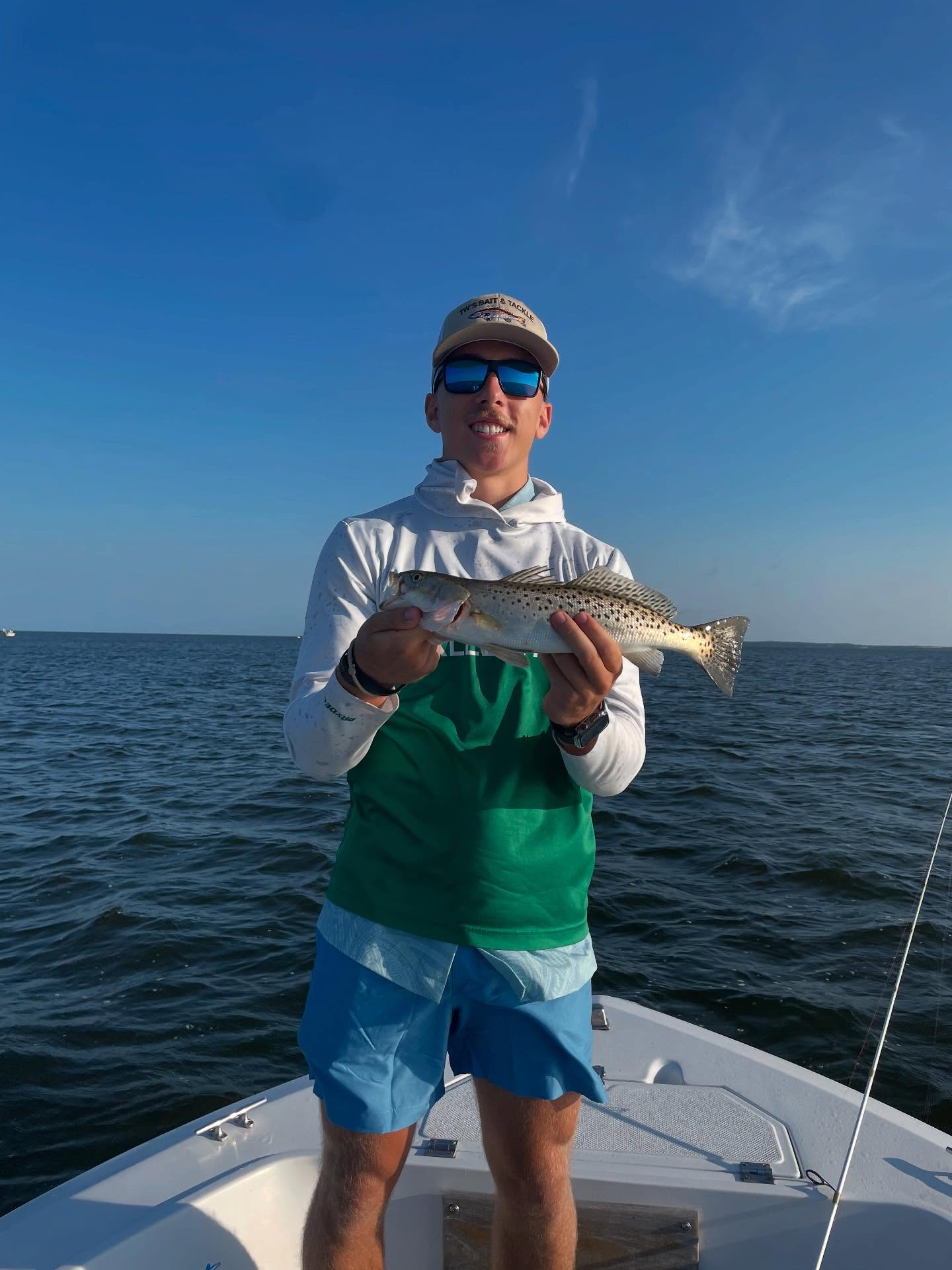
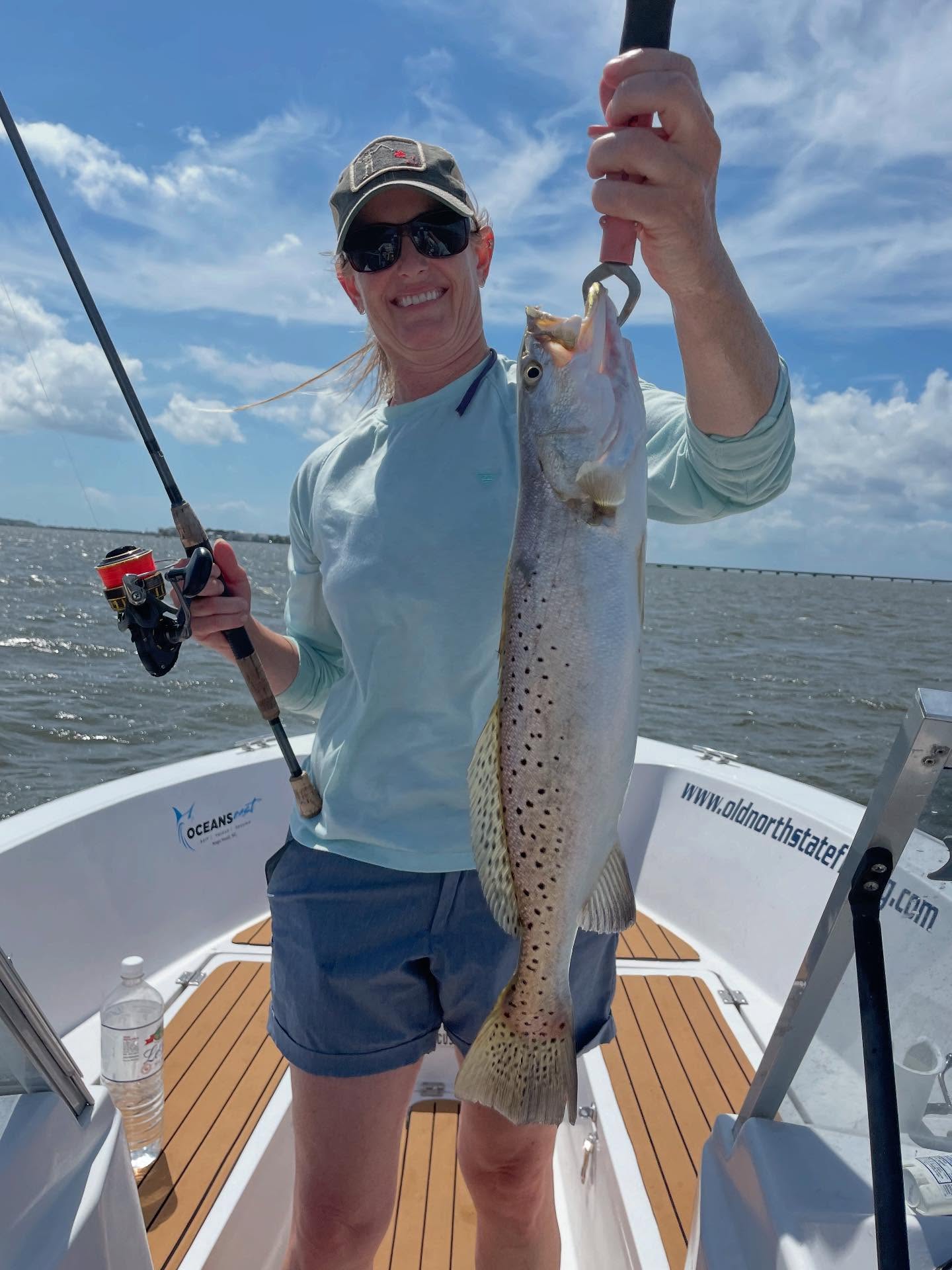
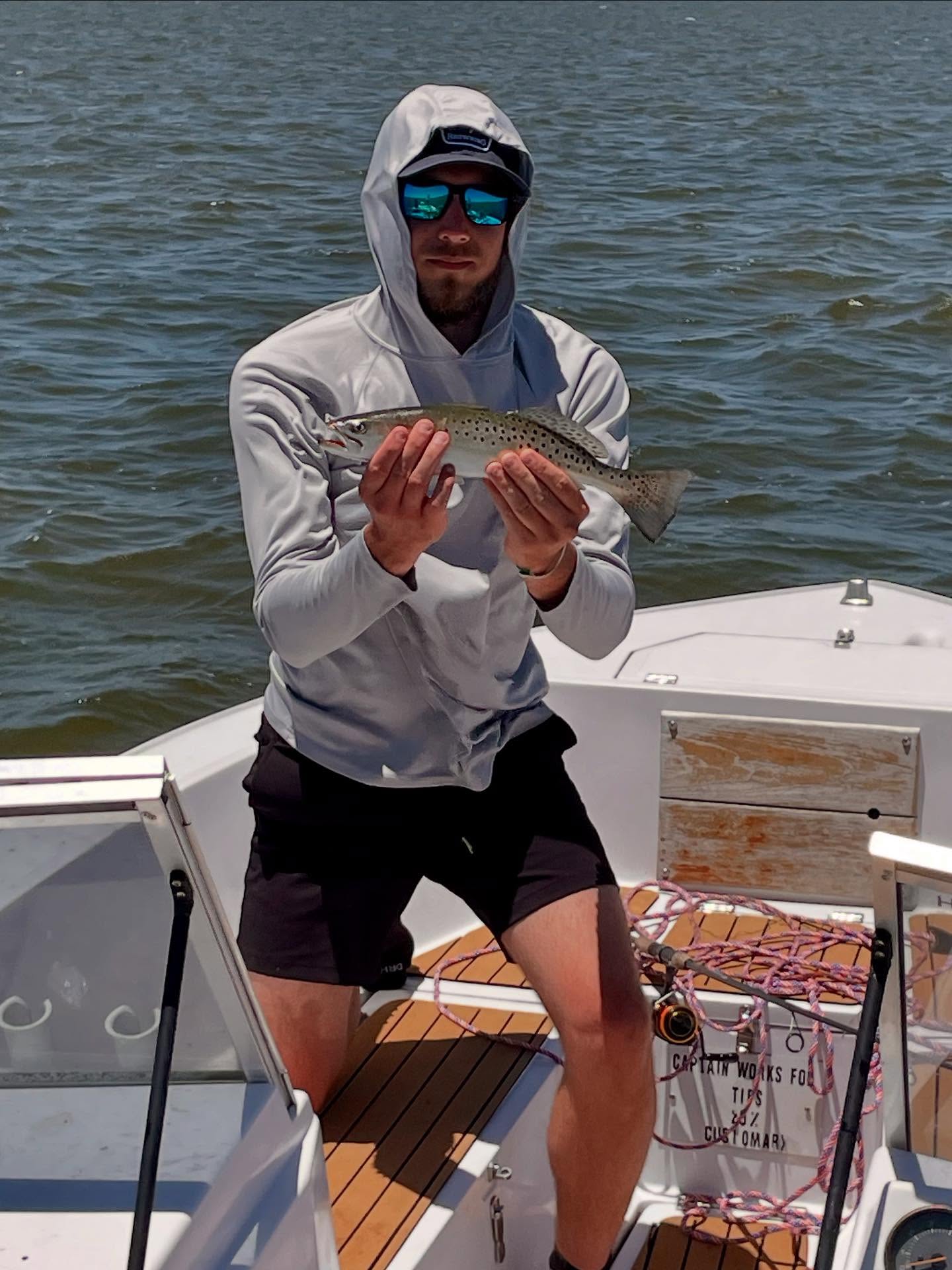
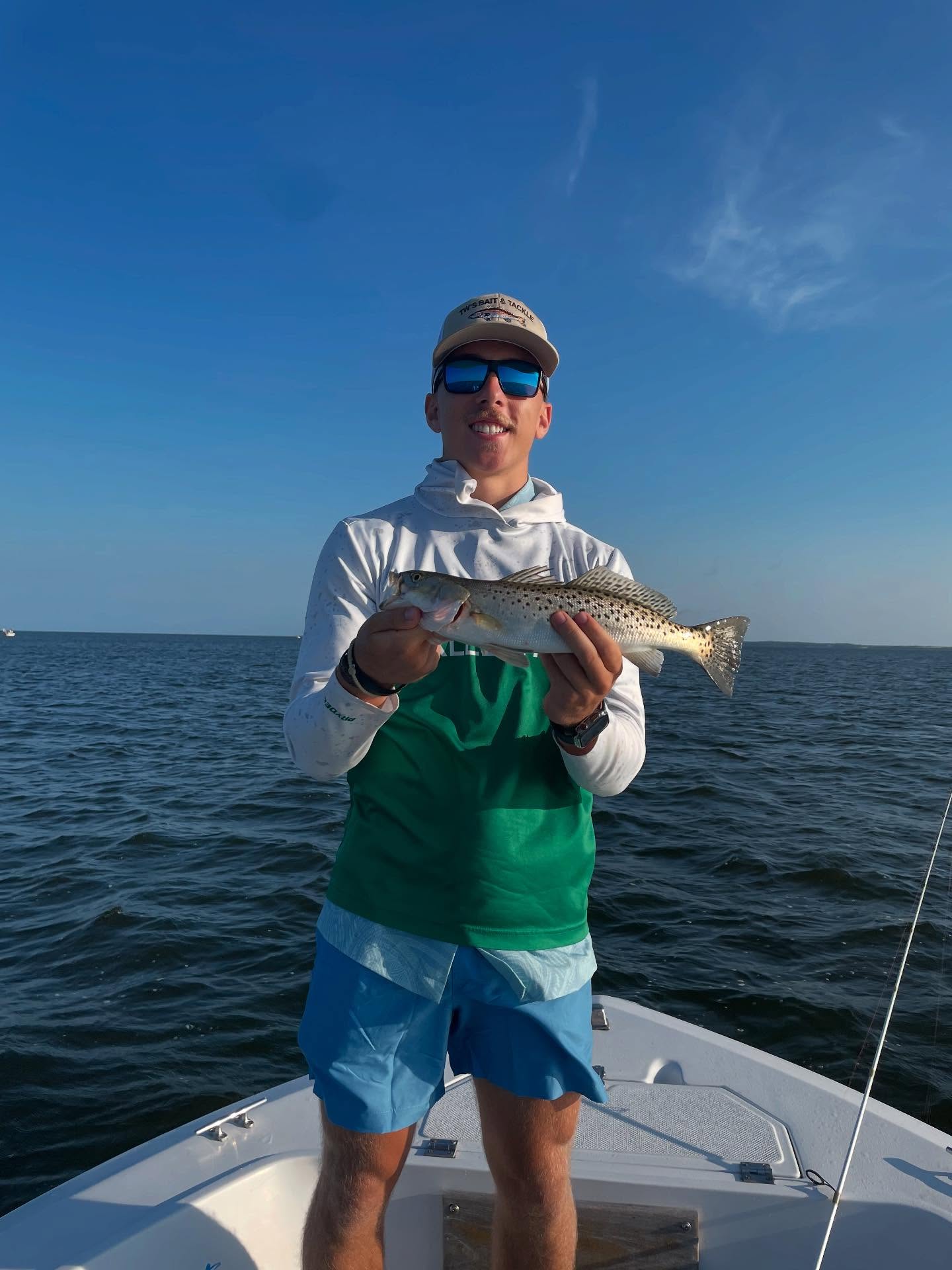
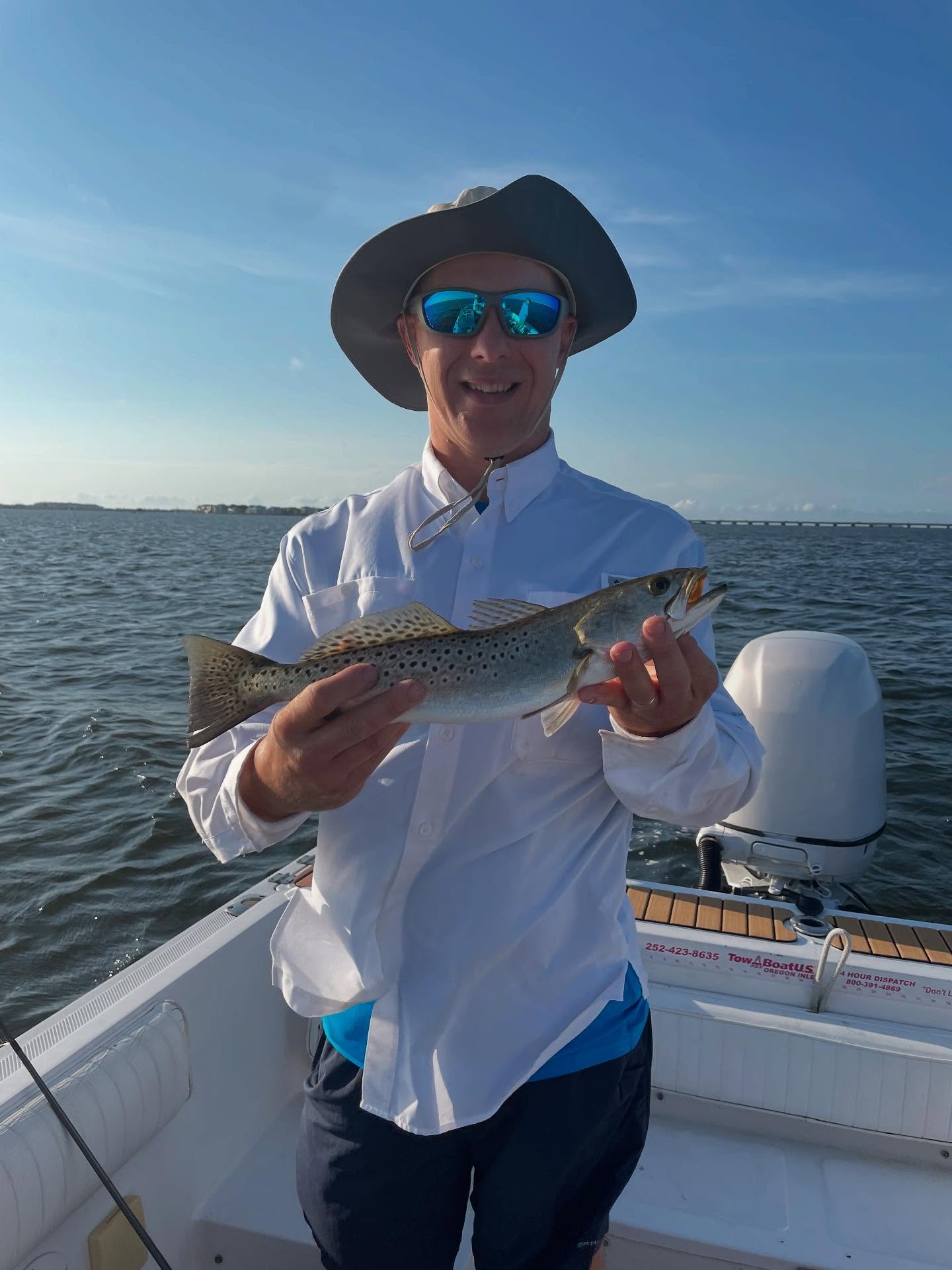
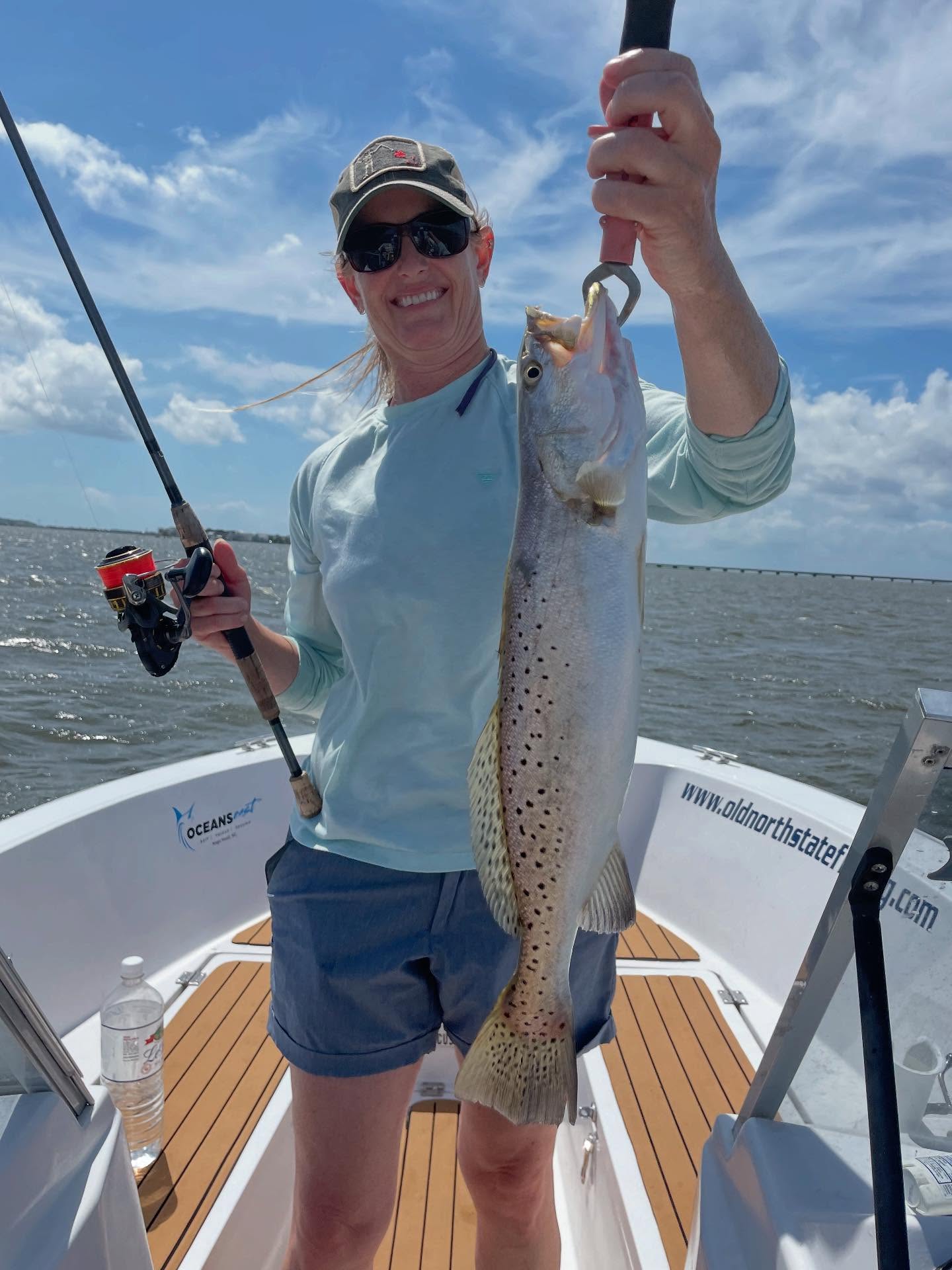
Sea trout, particularly speckled trout, are a customer favorite because they're beautiful fish that fight well and taste even better. They love grass flats and drop-offs where they can ambush shrimp and small fish. Specks are most active during moving tides and low-light periods, making them perfect targets for our morning and evening fishing. A good speckled trout will make multiple runs and jump several times, providing the kind of action that makes for great photos and better memories.
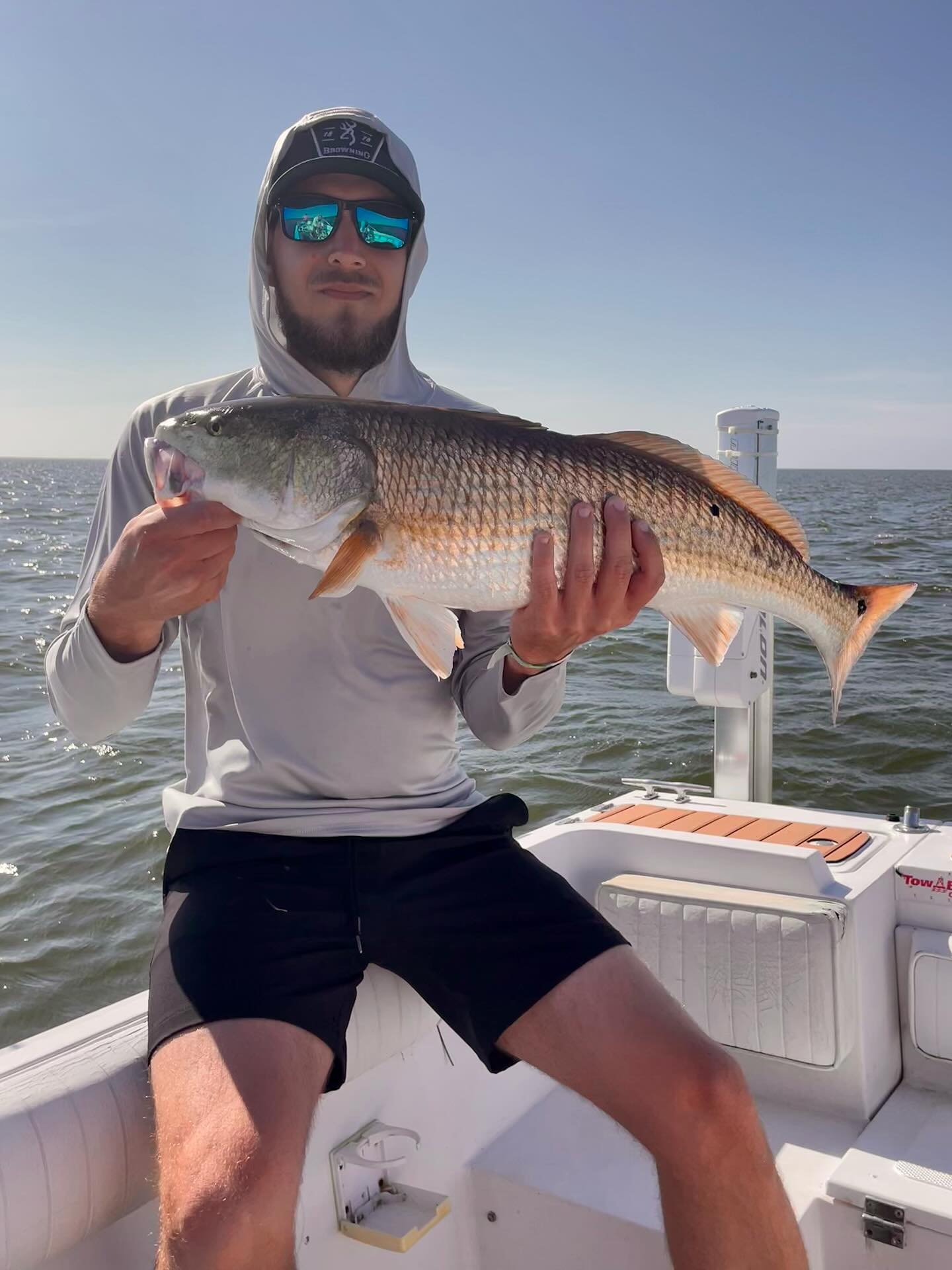
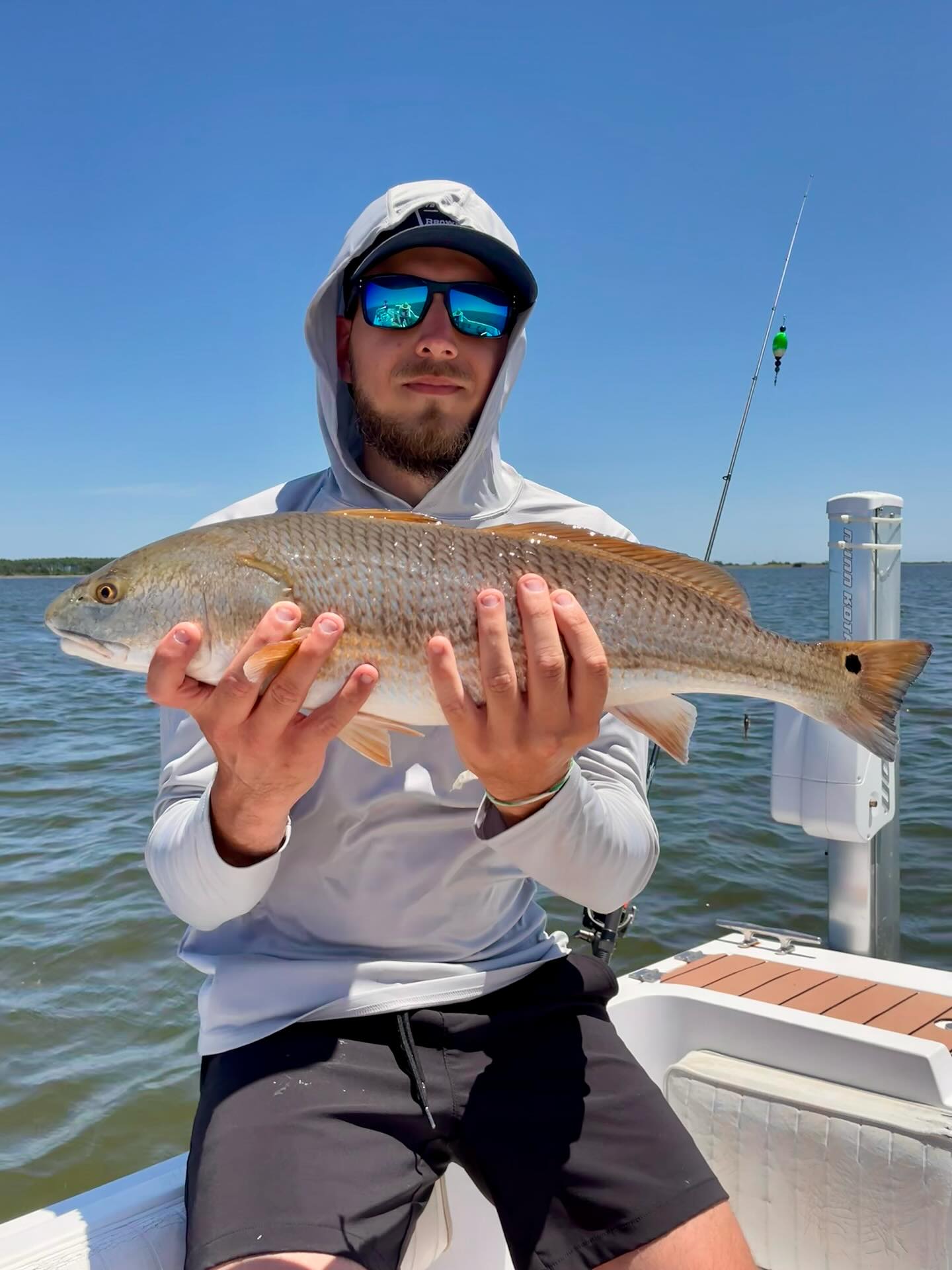
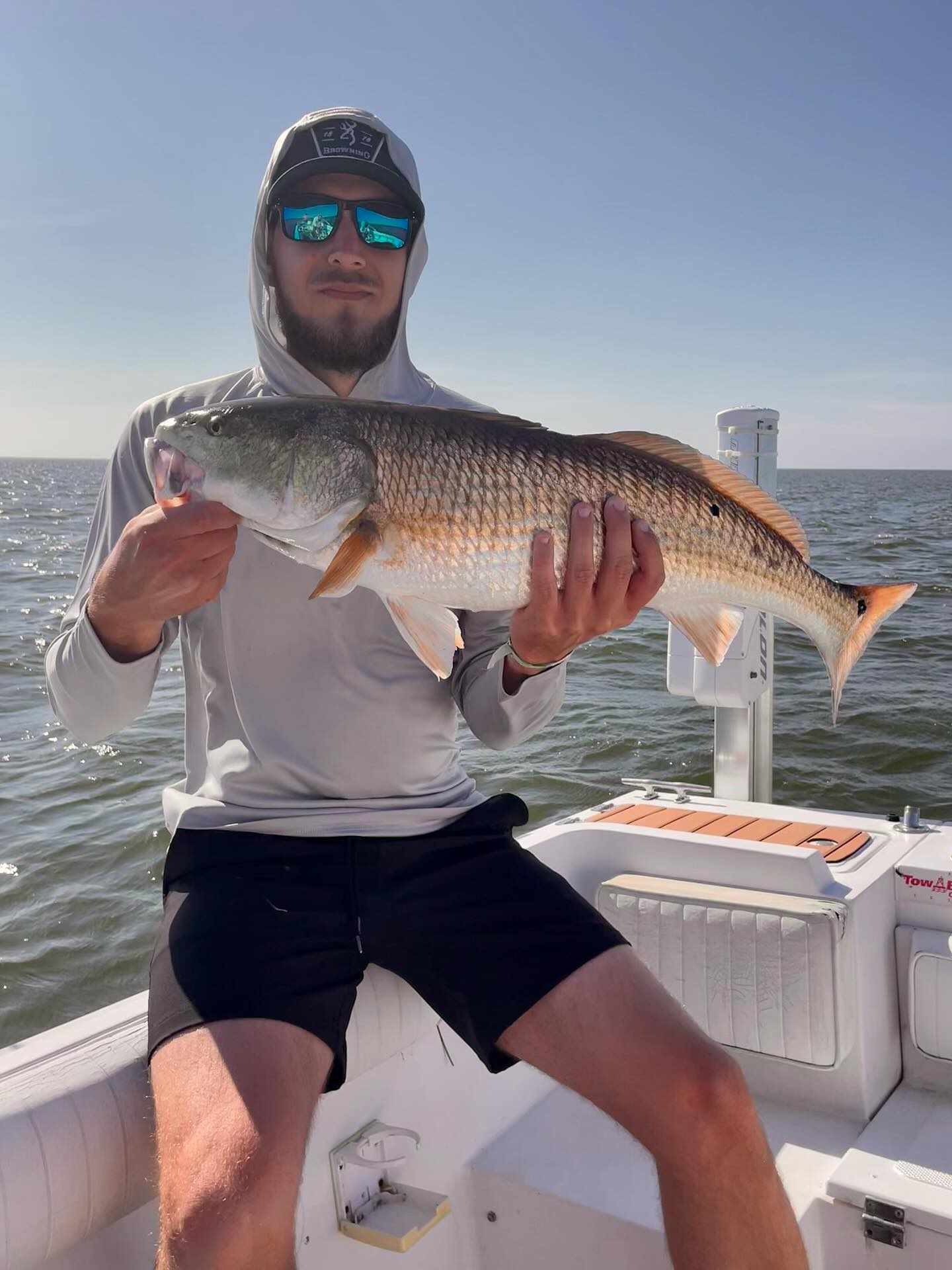
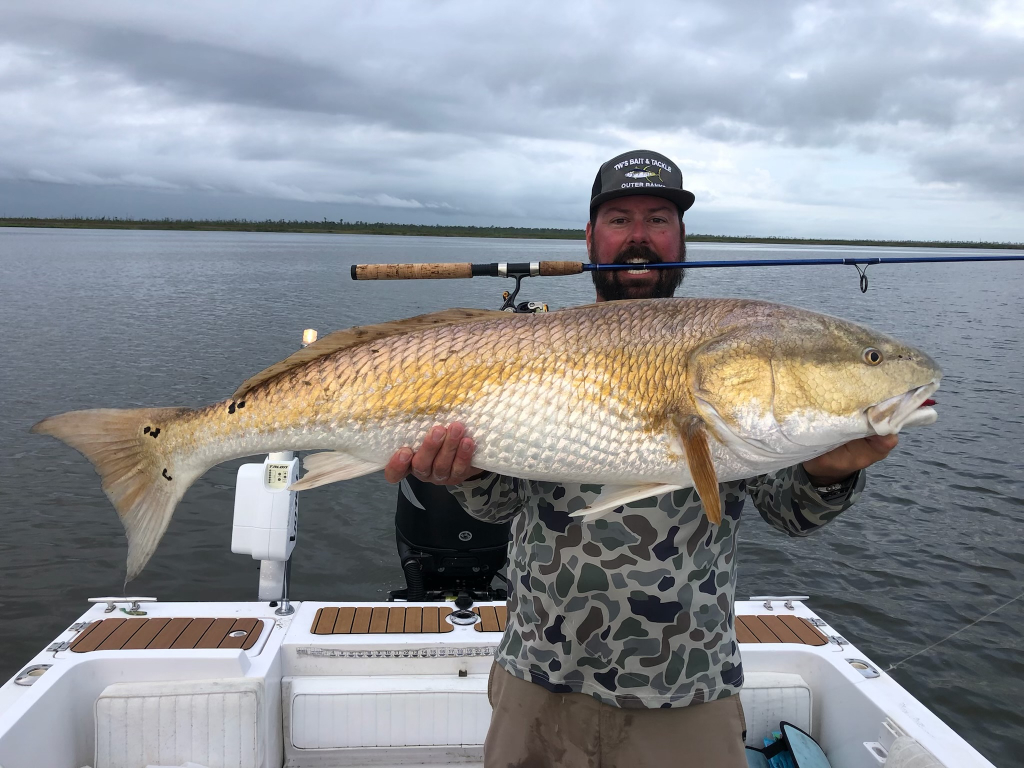
Redfish, or red drum, are the apex predator of the inshore flats and the fish that most anglers dream about hooking. These copper-colored bruisers can range from slot-sized fish around 20 inches up to massive bulls over 40 inches long. Reds are sight-fishing targets when conditions are right, cruising shallow flats with their backs out of the water. They're incredibly strong fighters that will test your drag and your patience, making them the perfect fish to cap off a successful day on the water.
Time to Book Your Spot
Six hours gives you the time to really experience what makes Outer Banks inshore fishing so special. You'll have chances at multiple species, learn techniques that work in these waters, and come away with stories worth telling. Captain Andy's
 5.0(2 Reviews)
 Private Trip
 Inshore Fishing
 Outer Banks


 Six-hour inshore fishing charter accommodates up to four guests