Fishing Charters Galveston
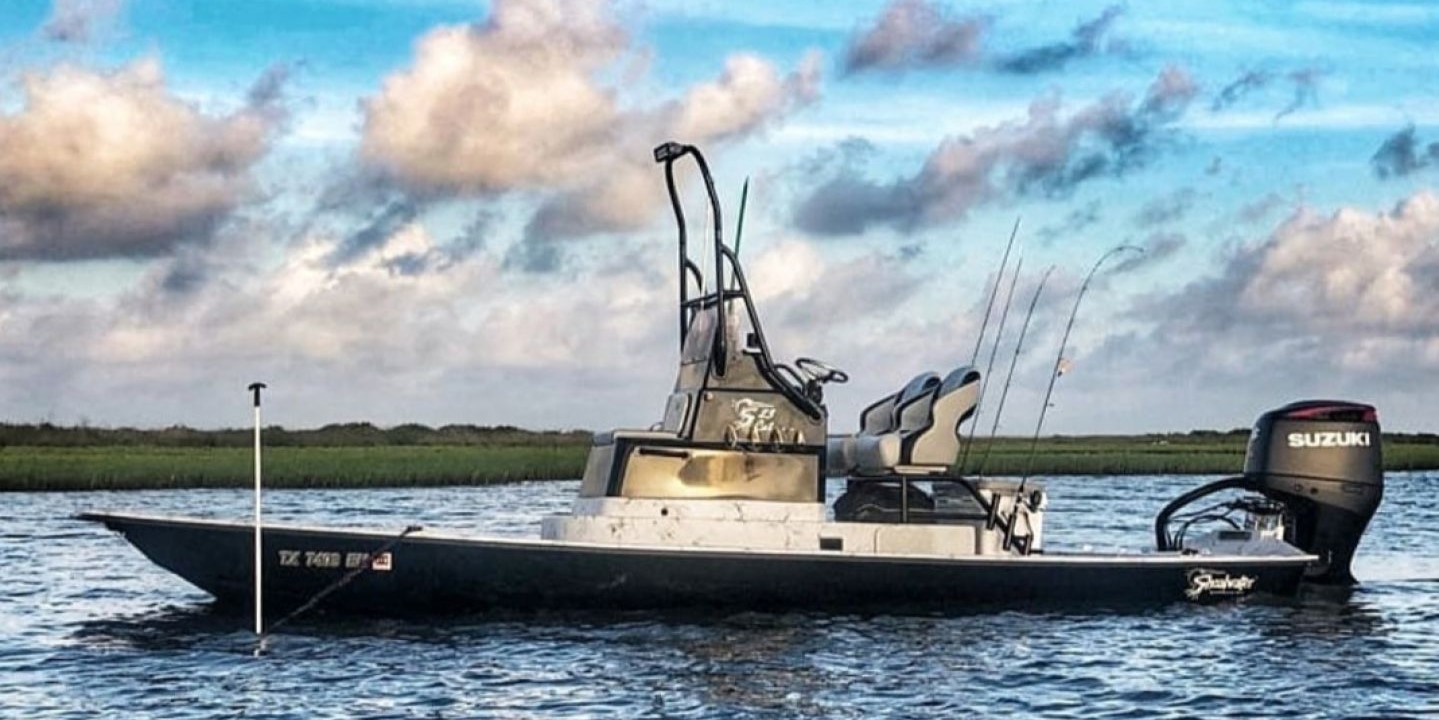
When you're looking for solid inshore action without the hassle of offshore runs, Galveston Bay Complex delivers every single time. Our fishing charters put you right where the fish are feeding – in the shallow flats, around the reefs, and along those productive drop-offs that hold everything from keeper trout to bull reds. You'll be fishing with a captain who knows these waters like the back of his hand, using quality gear that's ready to handle whatever pulls back. We've got four spots on the boat, so bring your fishing buddies or make it a family trip. The bay's got enough variety to keep everyone hooked, whether you're a weekend warrior or someone who's been working these waters for years.
What to Expect on the Water
Your day starts early when the bite is hot and the water's still calm. We'll pick productive spots based on tides, weather, and what's been biting lately – could be working the grass flats for trout, hitting structure for drum, or targeting those shallow oyster reefs where reds love to cruise. The Galveston Bay Complex covers a lot of water, from East Bay's grass beds to the jetties near the Gulf, so there's always a Plan B when conditions change. You'll be using live bait or artificials depending on what's working, and we'll adjust tactics as the day goes on. The boat's equipped with everything you need – rods, reels, tackle box full of proven lures, plus ice and water to keep you comfortable. We handle all the messy stuff too, cleaning your catch and bagging it up so you can head home with dinner ready for the freezer.
Techniques and Tackle
Inshore fishing here is all about reading the water and adapting your approach. We'll be throwing everything from soft plastics on jig heads to topwater plugs when fish are busting on the surface. Depending on conditions, you might be working a Carolina rig along the bottom for flounder or pitching spoons into feeding schools. The water depth ranges from two feet on the flats to fifteen feet in the deeper channels, so we're constantly adjusting weight and presentation. When the tide's moving, we'll drift the edges where baitfish get pushed around. During slack tide, we might anchor up and work structure more methodically. The gear we provide is tournament-quality stuff that can handle a twenty-pound red or a solid gator trout without breaking your back. You'll learn to feel the difference between a trout's headshake and a red's bulldogging run, plus how to work different lure types to trigger strikes when fish are being picky.
Species You'll Want to Hook
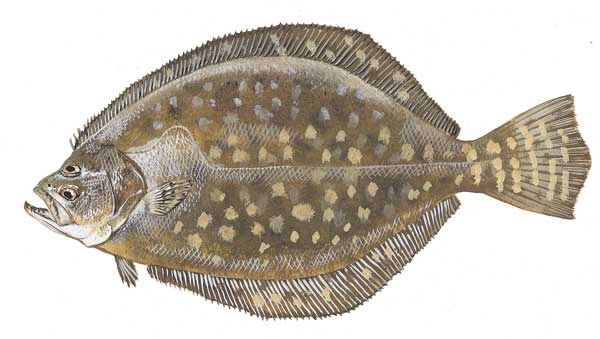
Southern Flounder are the bay's ultimate ambush predators, lying flat on sandy bottoms waiting for prey to swim overhead. These flatfish can reach impressive sizes – a keeper at 15 inches is solid, but we regularly see fish pushing 20+ inches that'll give you a real fight. Fall months are prime time when flounder are staging for their offshore spawning run, making them more aggressive and easier to target. They hit live mud minnows like they're starving, but also can't resist a well-presented gulp shrimp bounced along the bottom. What makes them exciting is that sudden strike when you think you're hung up, then realizing it's actually a big flat pulling drag.
Black Drum are the bay's bulldozers, using their powerful bodies and crushing jaws to work oyster reefs and muddy flats for crabs and worms. These fish grow huge – we've landed drum over 40 inches that took serious muscle to bring to the boat. They're year-round residents, but spring brings the best action when they move shallow to spawn. You'll hear them drumming under the boat, making that characteristic croaking sound that gives them their name. They're not flashy fighters, but they're pure power, making long steady runs that test your drag system. Blue crab is candy to these fish, though cut bait and live shrimp work great too.
Sheepshead are the bay's most notorious bait stealers, using their human-like teeth to nibble offerings right off your hook. These black-and-white striped fish are abundant around any structure – docks, jetties, oil platforms – where barnacles and oysters provide their favorite food. They're year-round residents, but winter and early spring offer the best shots at bigger fish when they school up for spawning. A keeper sheepshead at 15 inches is excellent eating, with firm white meat that rivals any offshore fish. The challenge is detecting their subtle bite before they steal your bait and disappear. Fresh shrimp on a small hook is the go-to setup, fished tight to structure.
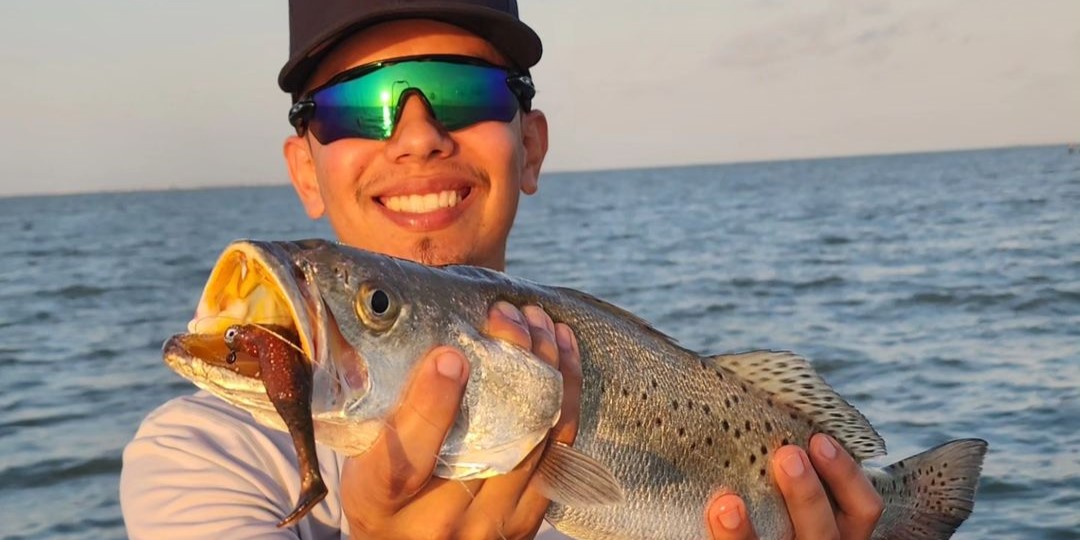
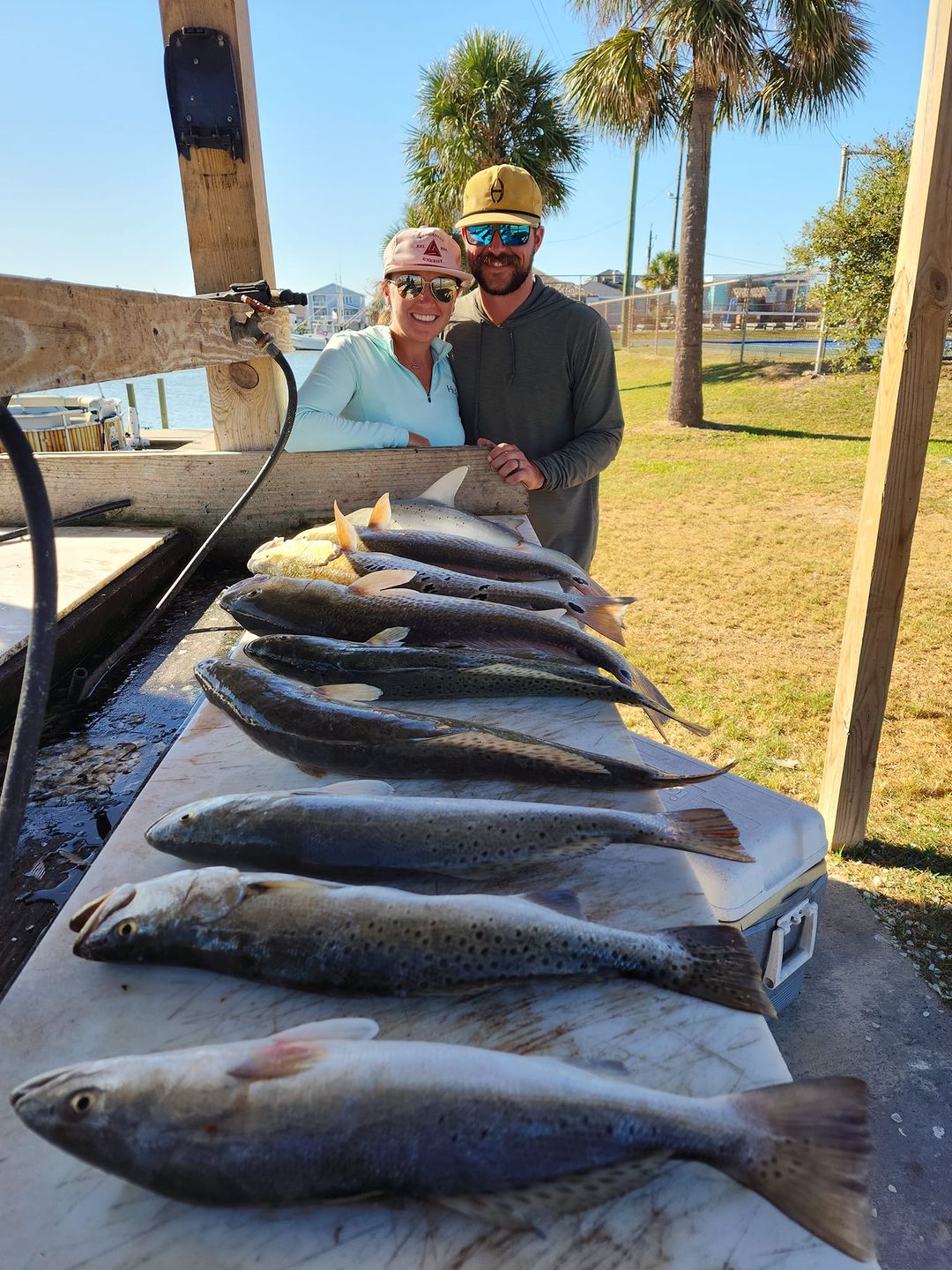
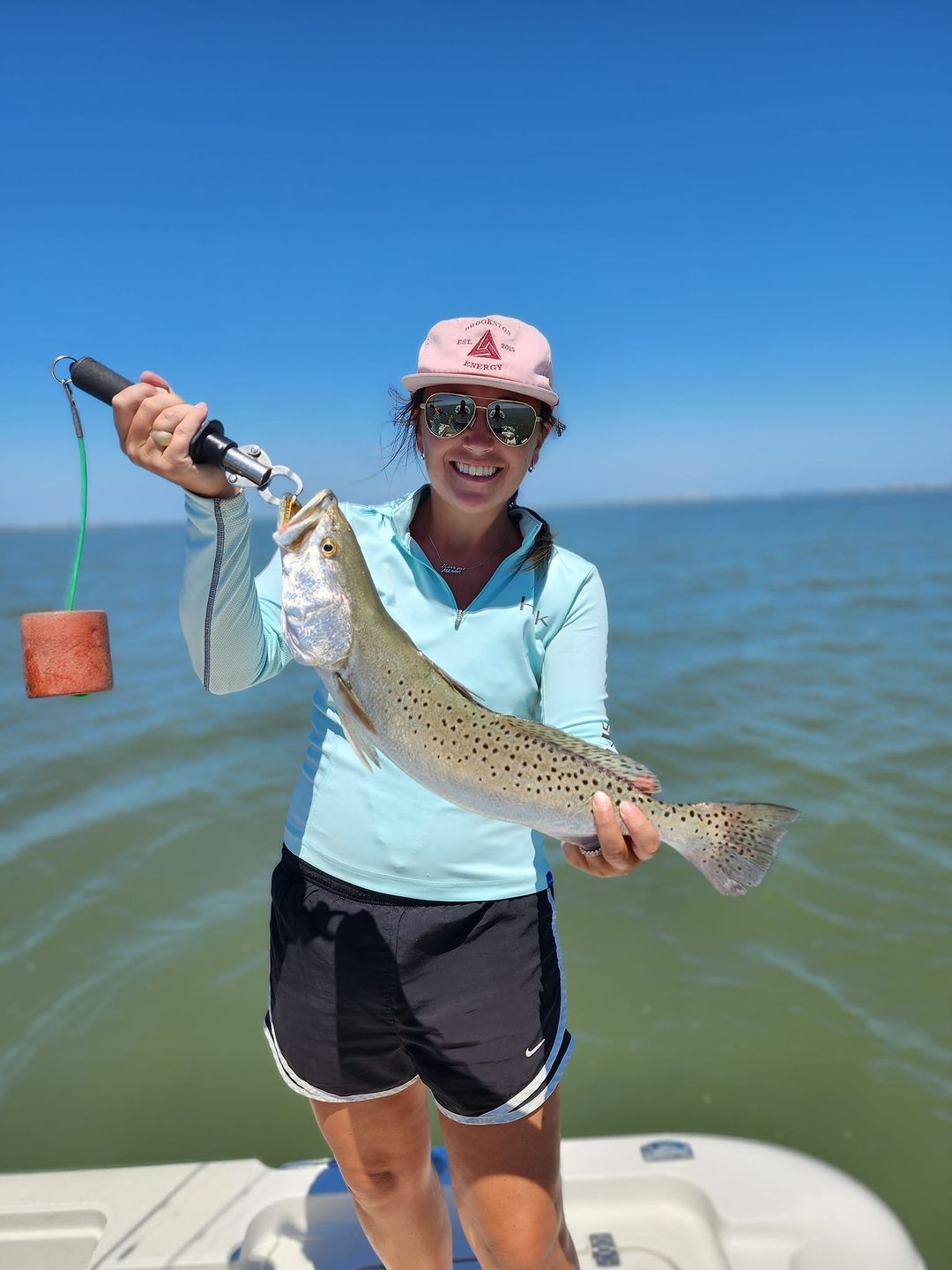
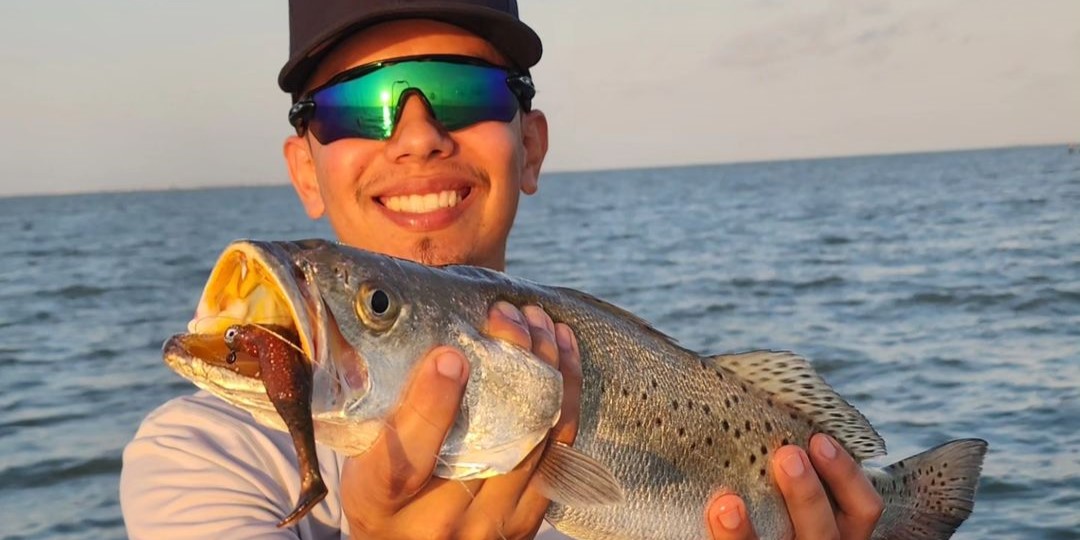
Sea Trout are the bay's bread and butter species, providing consistent action and excellent table fare. These spotted beauties love grass flats and sandy potholes, especially during spring and fall when water temperatures are ideal. A good trout will run 18-20 inches, with occasional wall-hangers pushing 25+ inches that locals call "gator trout." They're structure-oriented fish that relate to drop-offs, shell beds, and grass lines where they can ambush prey. Trout have excellent eyesight and can be line-shy in clear water, but they're also aggressive feeders when conditions are right. Soft plastics, live shrimp, and topwater plugs all produce, with early morning and late evening being prime feeding times.
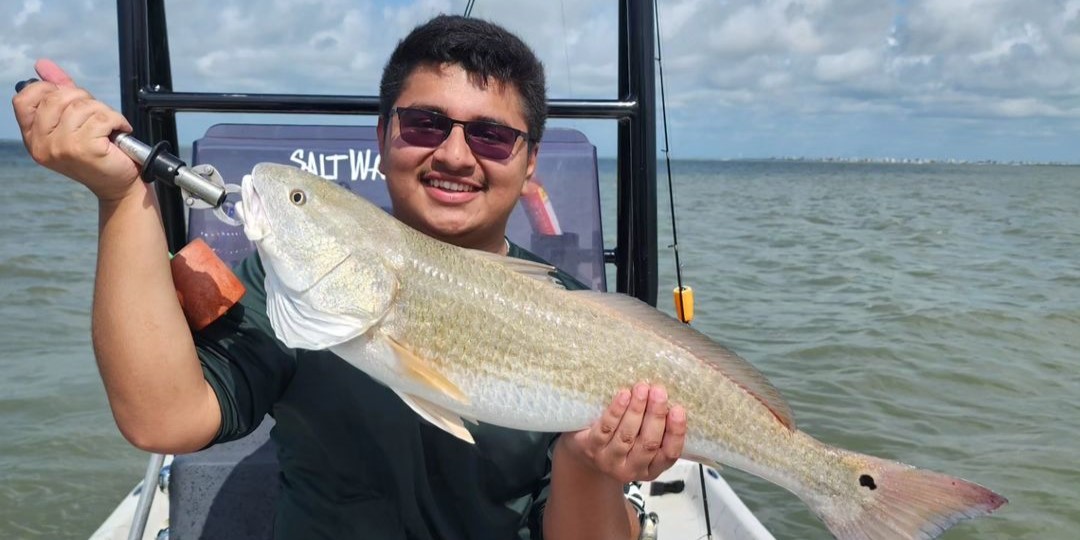
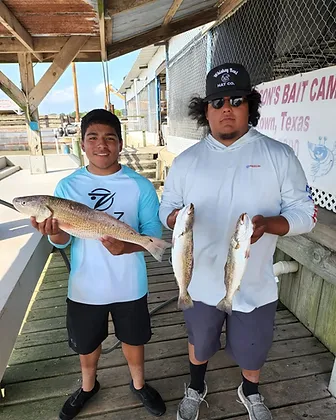
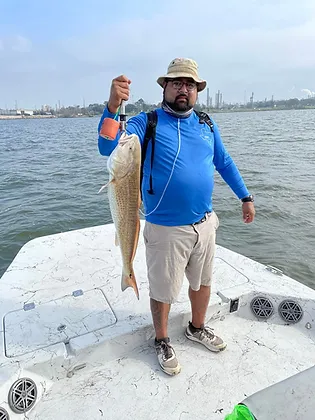
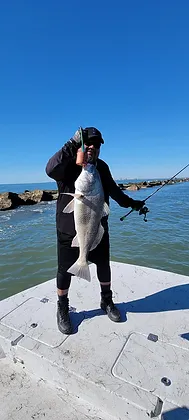
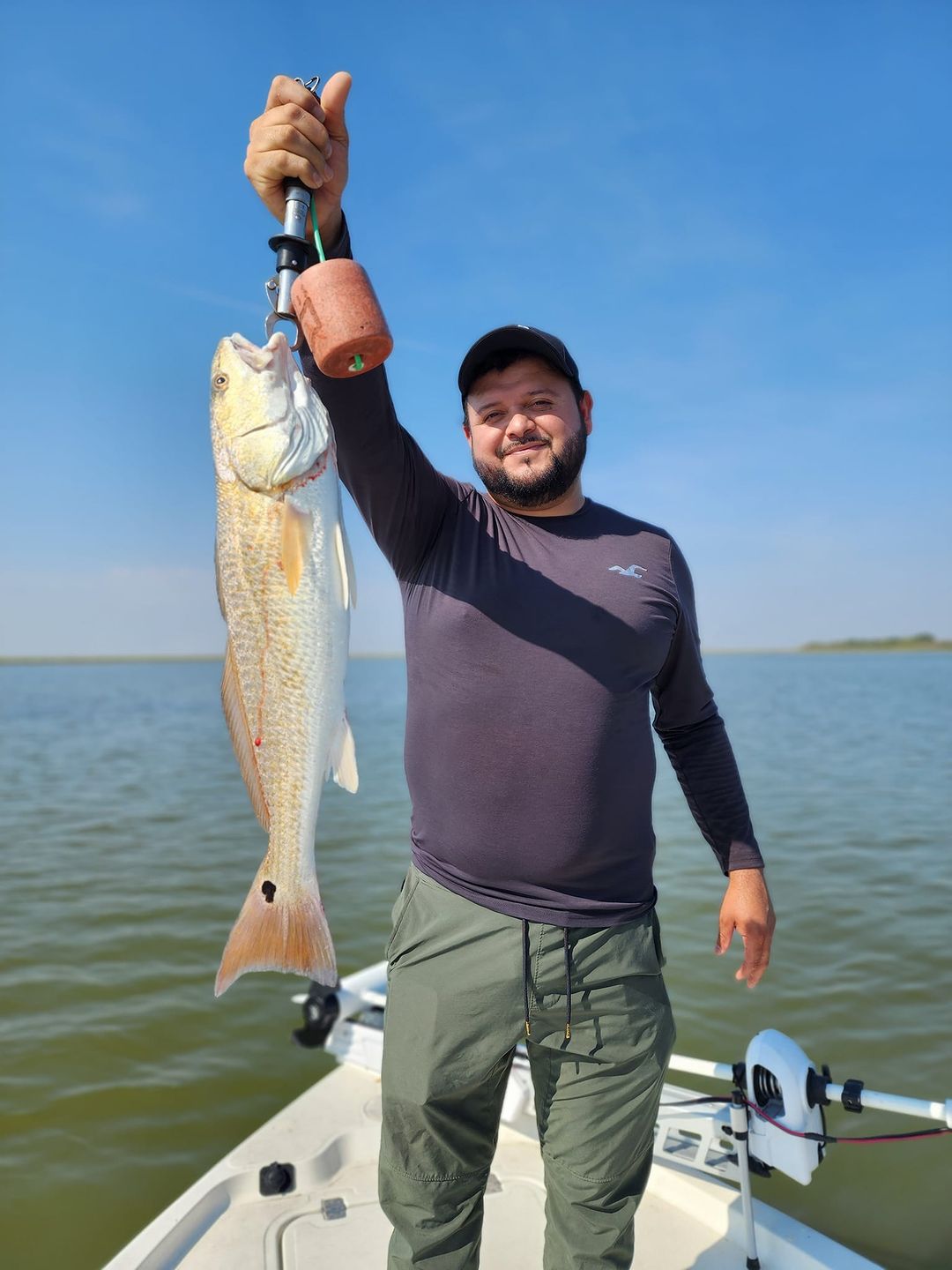
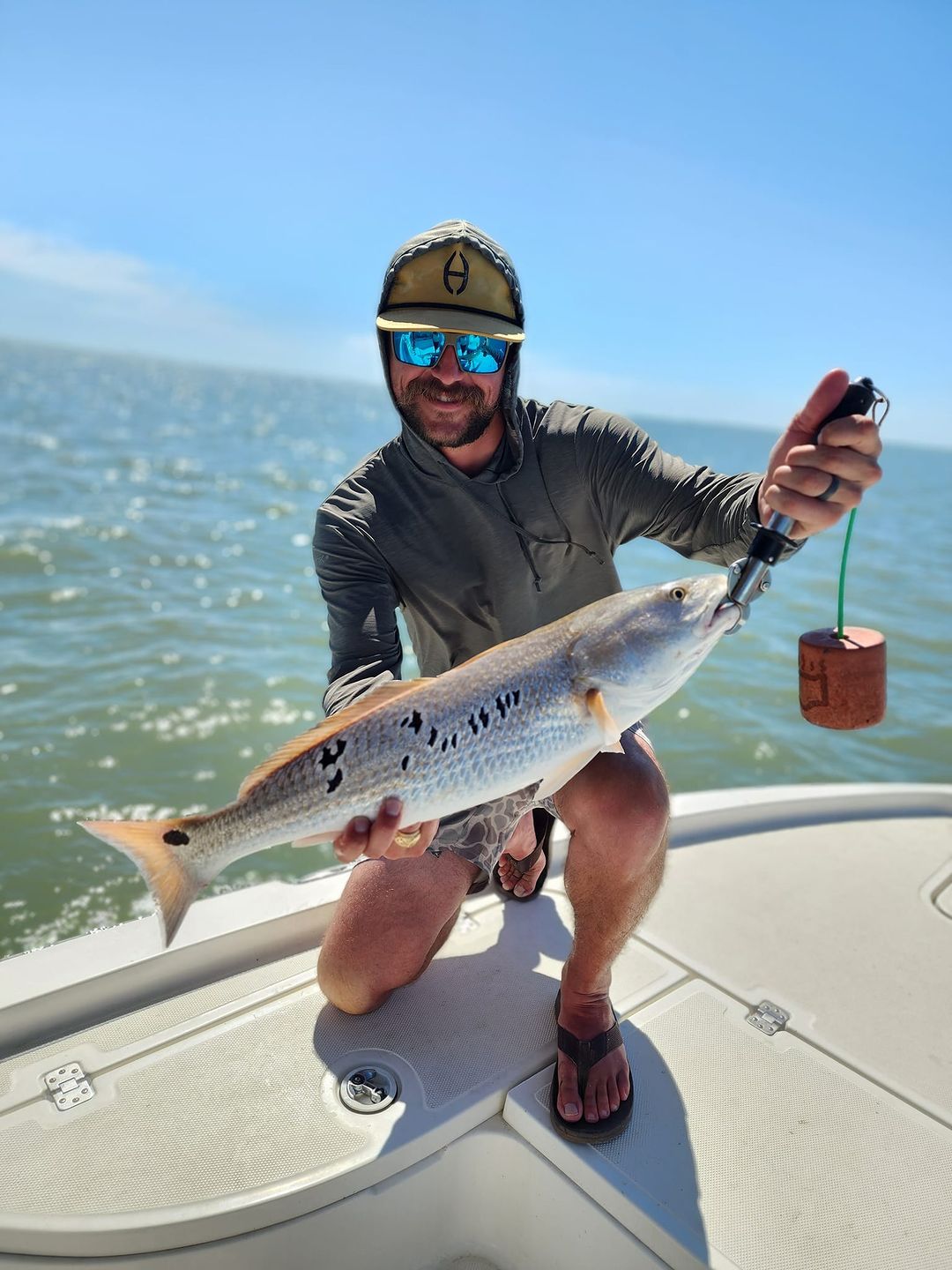
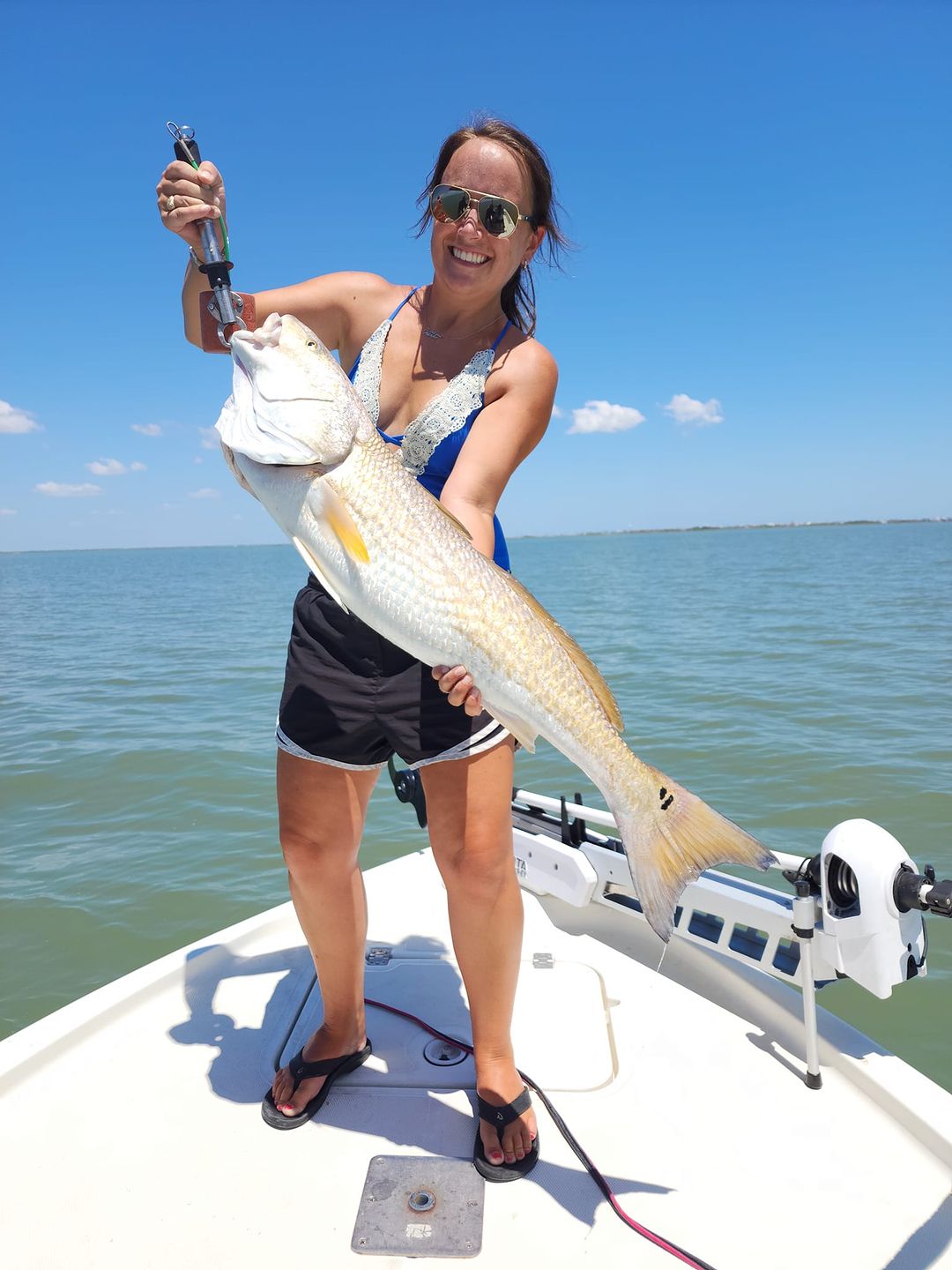
Redfish are the bay's signature species and the fish that keeps anglers coming back for more. These bronze-backed fighters are built for shallow water, using their broad tails and powerful bodies to cruise flats and work shorelines. Reds feed aggressively in water so shallow their backs are out, creating some of the most visual fishing you'll find anywhere. They're available year-round, but fall brings the best action when they school up in massive groups called "bull tides." A slot red between 20-28 inches is perfect for the dinner table, while the over-
 Private Trip
 Inshore Fishing
 Galveston


 Target Speckled Trout, Flounder, and Redfish in productive bay waters