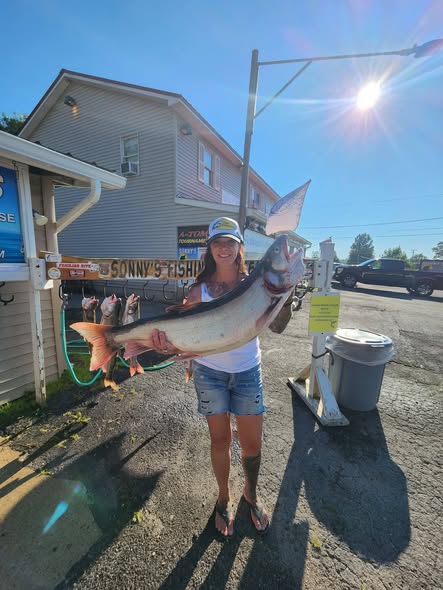
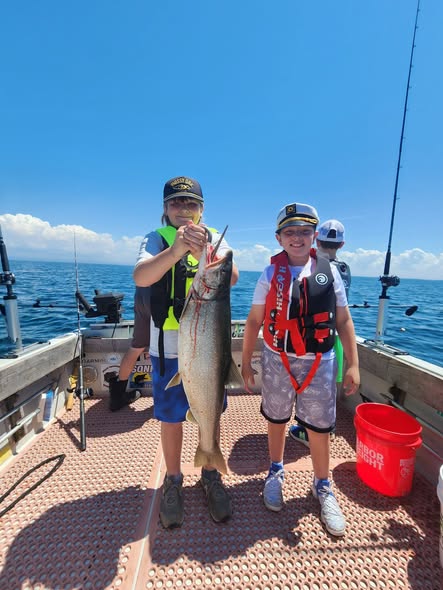
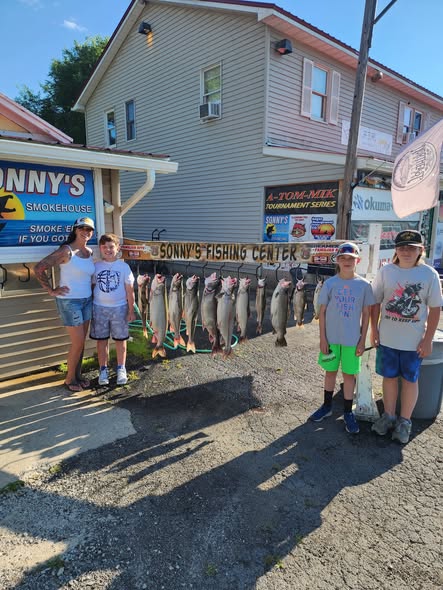
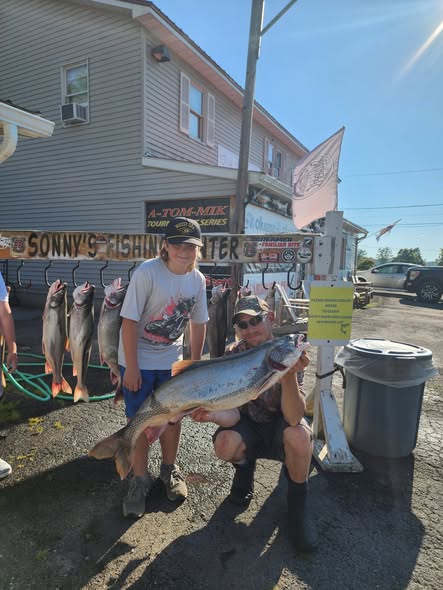
Lake Ontario Fishing Charters | 6 Hours Morning Trip
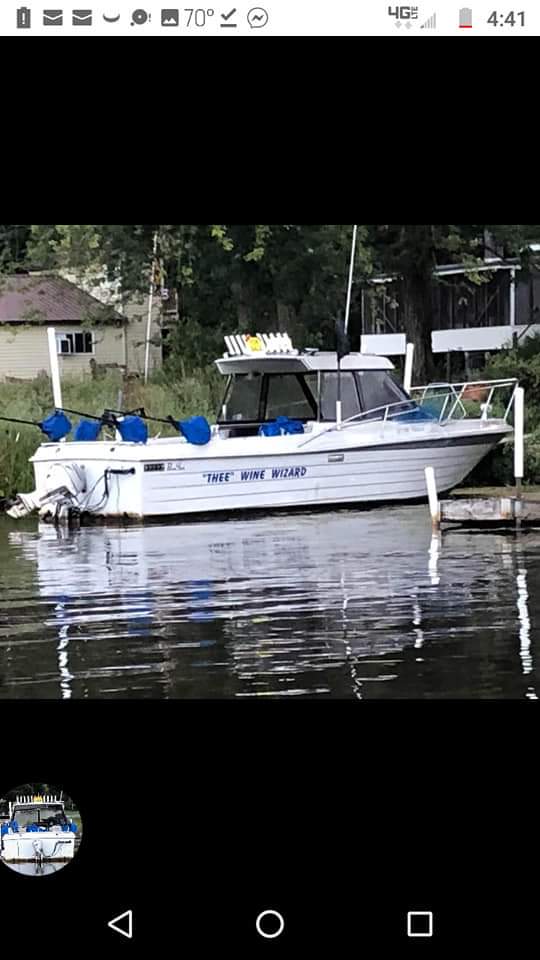
Ready to experience some of the best salmon and trout fishing in the Great Lakes? This 6-hour morning charter with Over The Rail Sportfishing puts you right where the action is on Lake Ontario. Captain Justin Irving knows these waters like the back of his hand, and he'll have you on the lake at 5:30 AM sharp – right when the fish are feeding hard. You'll be targeting some serious trophy fish including Coho and Chinook salmon, plus steelhead, brown trout, and lake trout. With all your gear provided and room for up to 4 anglers, this trip is perfect whether you're a weekend warrior or someone who's never held a fishing rod before.
What to Expect on the Water
Starting before dawn might sound rough, but trust me – this is when Lake Ontario comes alive. The early morning hours are pure gold for fishing, especially during the warmer months when fish move deeper as the sun climbs higher. Captain Justin runs a tight ship and knows exactly where to find the schools of salmon and trout that cruise these waters. The boat is equipped with everything you need – quality rods, reels, tackle, and fresh bait. You won't need to bring anything except maybe a thermos of coffee and your fishing license. The morning bite is typically the strongest, and you'll often see other charter boats heading out at the same time, all chasing that perfect fishing window. Lake Ontario's vast open waters give you plenty of room to work, and the scenery isn't bad either – watching the sunrise over the lake while you're waiting for that first strike is something special.
Trolling Techniques & Gear Setup
Lake Ontario fishing is all about trolling, and Captain Justin has this technique dialed in perfectly. You'll be pulling lures and spoons at different depths and speeds to mimic the baitfish that salmon and trout are actively hunting. The boat runs multiple downriggers and planer boards to spread your lines out and cover more water effectively. Don't worry if you've never trolled before – it's actually more relaxing than casting all day, and when a fish hits, you'll know it immediately. The rods are set in holders, and when a salmon or trout takes your lure, that rod tip will start dancing like crazy. Captain Justin will coach you through the fight, helping you work the fish to the boat without losing it. The key is keeping steady pressure and letting the fish tire itself out. These Great Lakes fish are strong and will make serious runs, especially the big Chinook salmon that can top 20 pounds.
Species You'll Want to Hook
Coho salmon are absolute rockets when they hit your line. These silver bullets typically run 8-15 pounds and are famous for their acrobatic fights – they'll jump clear out of the water multiple times trying to shake your hook. Cohos are most active in the upper water column during cooler months and early mornings, making them perfect targets for this charter. They're also excellent table fare with firm, flaky meat that's not too fishy.
Steelhead trout are the marathon runners of Lake Ontario, known for their stamina and ability to strip line off your reel in long, powerful runs. These chrome-bright fish average 6-12 pounds but can push much larger. They're incredibly strong for their size and will test your drag system. Steelhead are active year-round but really turn on during spring and fall migrations. They're also fantastic eating, with pink meat similar to salmon.
Chinook salmon are the kings of the Great Lakes for good reason – they're the biggest and strongest fish you'll encounter. These bruisers commonly reach 15-25 pounds, with monsters pushing 30-plus. When a big king hits, you'll know it immediately. They make deep, powerful runs and can fight for 15-20 minutes or more. Late summer and early fall are prime time for big Chinooks as they stage near river mouths before their spawning runs.
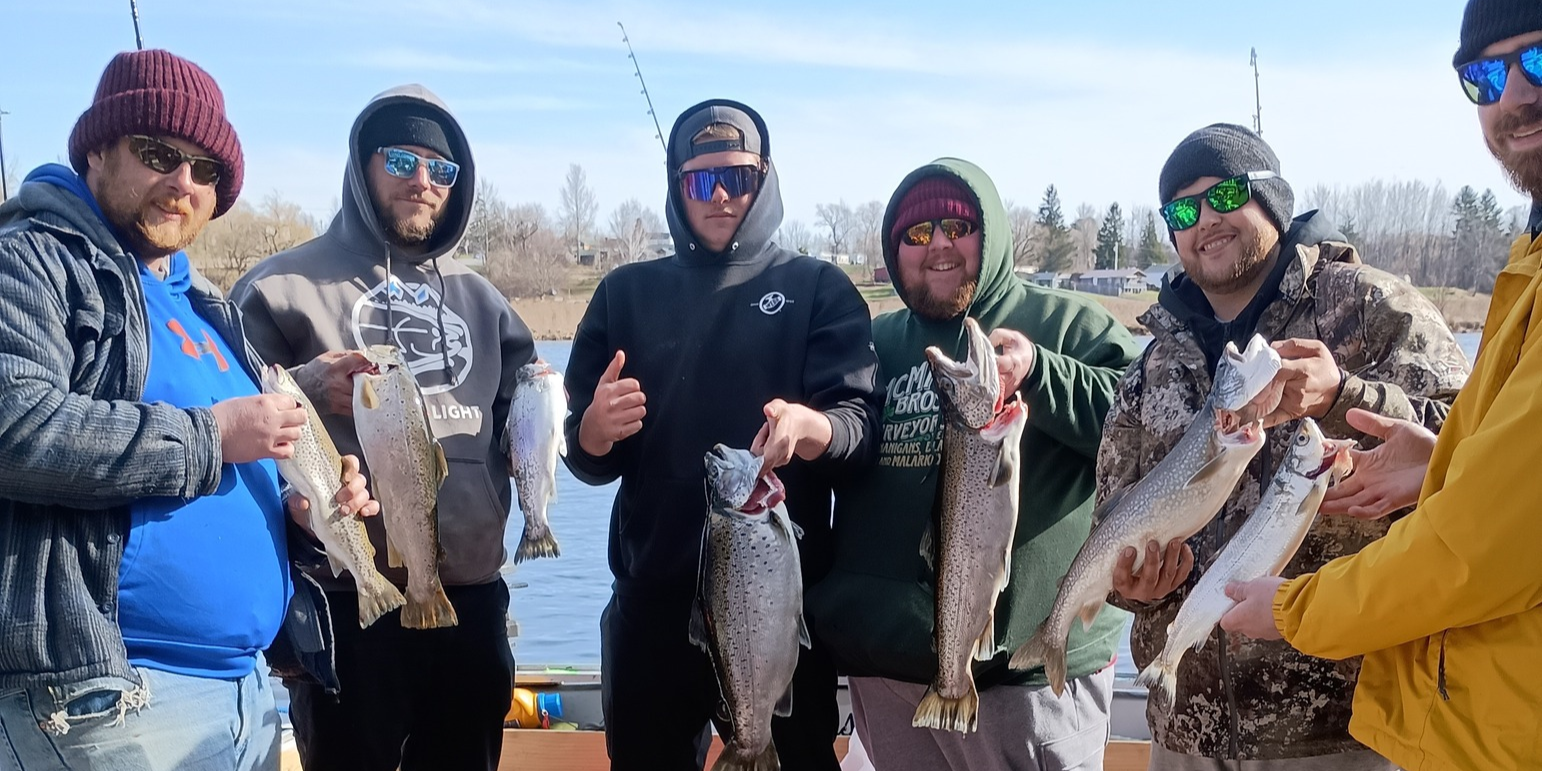
Brown trout are the craftiest fish in the lake and often the hardest to fool. They're extremely line-shy and typically hold in deeper water during daylight hours. Browns can grow huge in Lake Ontario – fish over 15 pounds aren't uncommon. They're absolutely beautiful fish with golden-brown sides covered in black and red spots. Many consider brown trout the best eating fish in the lake, with delicate white meat that's perfect for the dinner table.
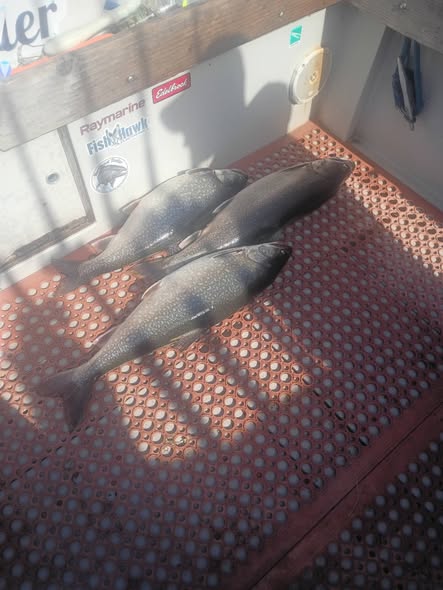
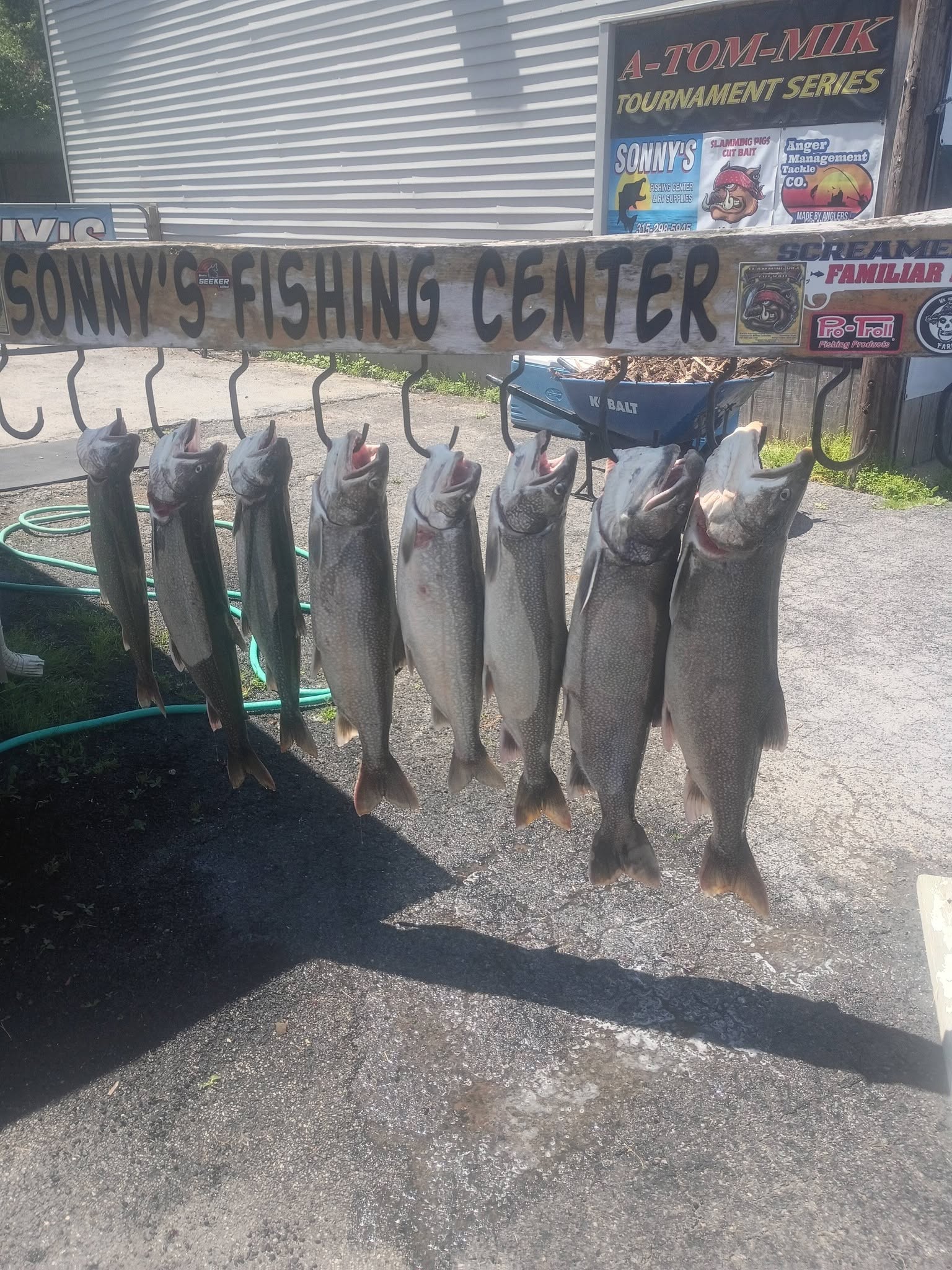
Lake trout are the natives here and can live for decades, growing to impressive sizes. These deep-water specialists often exceed 20 pounds and provide a steady, powerful fight rather than the flashy runs of salmon. Lakers are most active in cooler water temperatures, making early morning an ideal time to target them. They're found in the deepest parts of the lake and require heavy tackle and deep presentations to reach them consistently.
Time to Book Your Spot
This 6-hour morning charter offers the perfect balance of serious fishing time without eating up your entire day. You'll be back at the dock by late morning with hopefully a cooler full of fish and plenty of time left to explore Pulaski or just relax. Captain Justin's local knowledge and quality equipment give you the best shot at success, whether you're after a trophy for the wall or fresh fish for dinner. Lake Ontario's world-class fishery produces consistent action throughout the season, and this early morning departure time puts you in prime position to capitalize on the best bite of the day. Don't wait too long to book – the best fishing dates fill up fast, especially during peak salmon season. Ready to experience why Lake Ontario is considered one of the top fishing destinations in the Northeast? Grab your spot on this top-rated morning charter and get ready to battle some serious fish.
 Private Trip
 Lakes/Reservoirs/Ponds Fishing
 New York

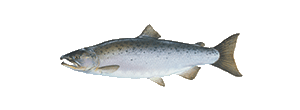


 Early 5:30 AM departure targets prime salmon and trout feeding hours