Half-Day Fishing Trip in South Texas Coast
Looking for a solid half-day on the water without the full commitment? Owen Gayler's got you covered with this top-rated 4-hour fishing adventure along the South Texas Coast. This isn't some rushed tourist trap – it's a proper inshore experience where you'll actually have time to dial in your technique and put some quality fish in the boat. We're talking prime shallow water fishing for trout, redfish, flounder, and sheepshead in some of the most productive waters Texas has to offer. Show up ready to fish, and we'll handle everything else from tackle to bait. Just don't forget your sunscreen because shade is pretty scarce out there.
What to Expect on the Water
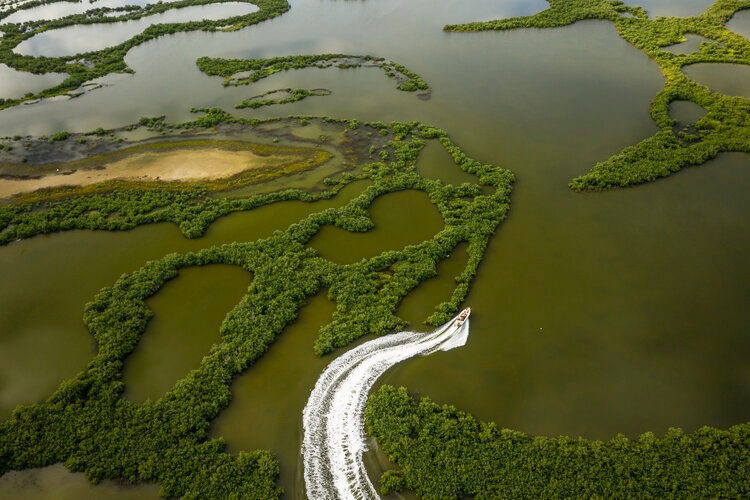
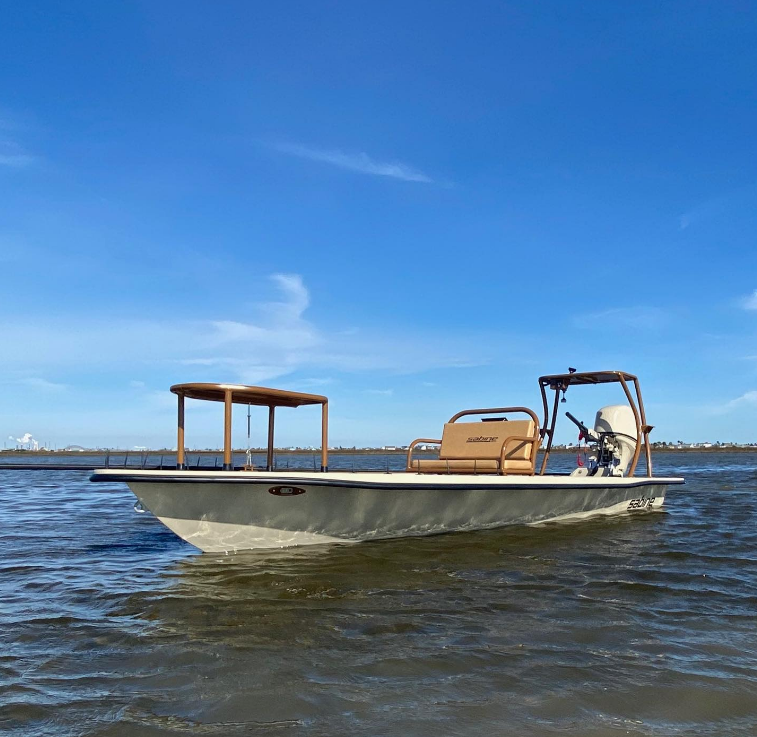
This half-day trip hits the sweet spot for anglers who want quality fishing without burning the whole day. You'll launch early when the fish are most active, spend four solid hours working the flats and structure, then be back at the dock with plenty of time to grab a cold one and swap stories. The South Texas Coast serves up some of the most consistent inshore fishing in the Gulf, with endless grass flats, oyster reefs, and drop-offs that hold fish year-round. Captain Owen knows these waters like the back of his hand – every shell bar, every grass edge, every little depression that holds fish when the conditions are right. The boat handles up to 4 anglers comfortably, so you're not fighting for space or getting your lines tangled with a crowd. Everything you need is provided onboard, from rods and reels to terminal tackle and bait, so you can focus on what matters – putting fish in the box.
Techniques and Tackle
We're fishing proper inshore techniques here – no deep sea trolling or sitting around waiting for something to happen. You'll be working live bait under popping corks, throwing soft plastics along grass lines, and maybe dropping some cut bait around structure when the bite calls for it. The captain sets you up with medium-action spinning gear that can handle everything from speckled trout to bull reds, paired with leaders and terminal tackle matched to the conditions and target species. Depending on the tide and weather, we might be sight fishing the skinny water for tailing reds, working deeper grass flats for trout, or bouncing bottom around shell beds for flounder and sheepshead. The beauty of South Texas inshore fishing is the variety – you're never locked into just one technique or one type of fish. Water depth ranges from knee-deep flats to channels pushing 15 feet, giving you plenty of options to stay on the bite no matter what Mother Nature throws at you.
Target Species Breakdown
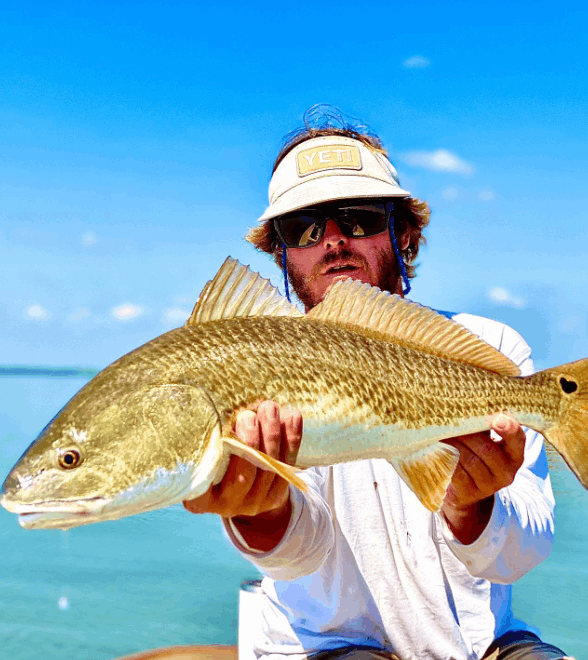
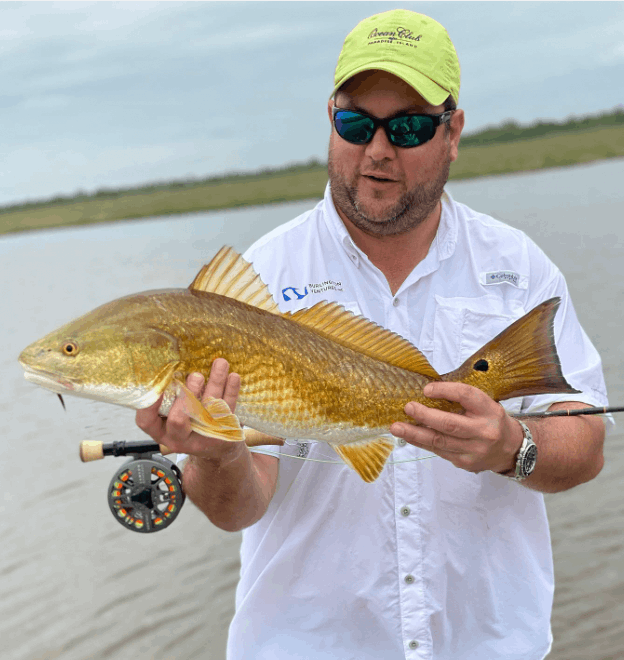
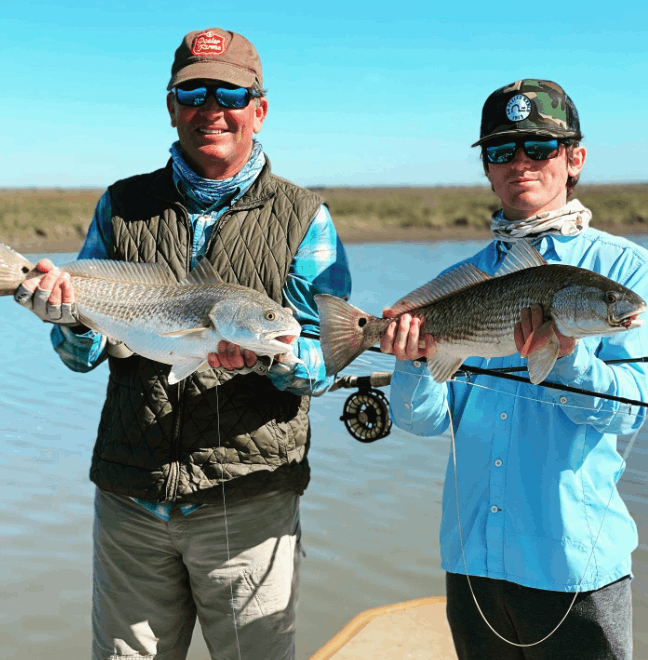
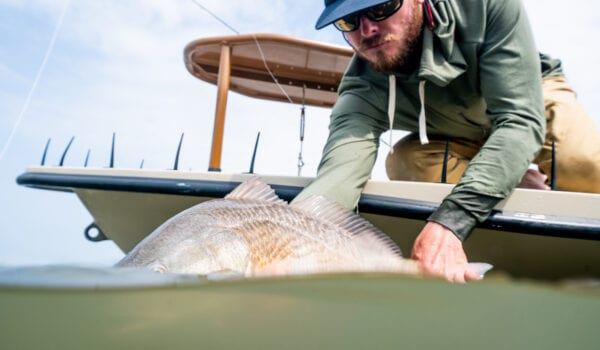
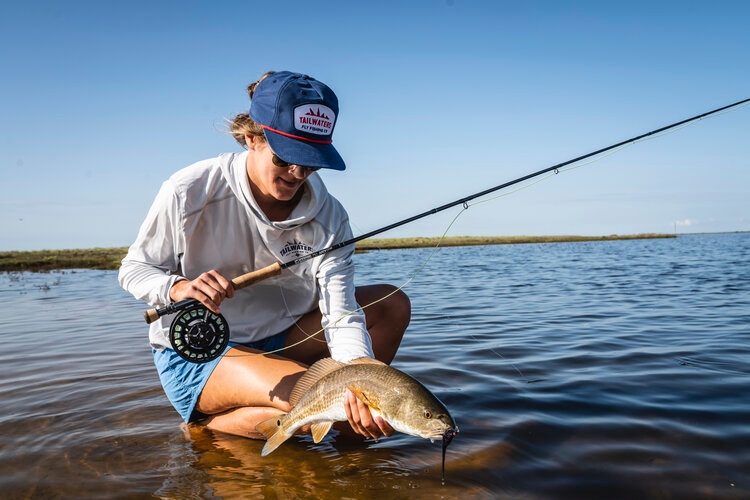
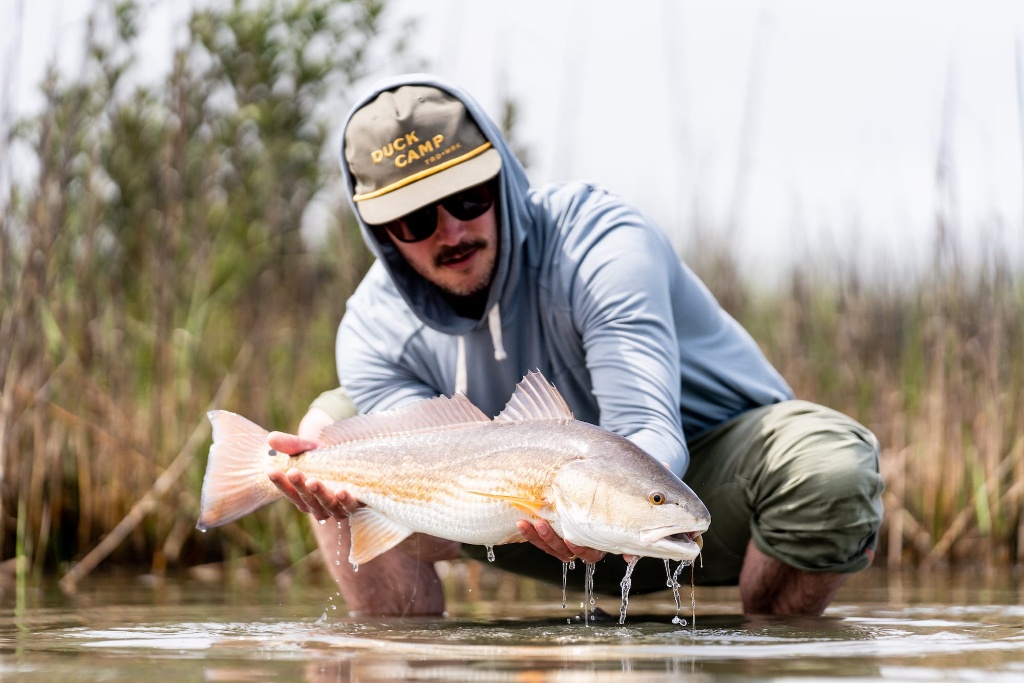
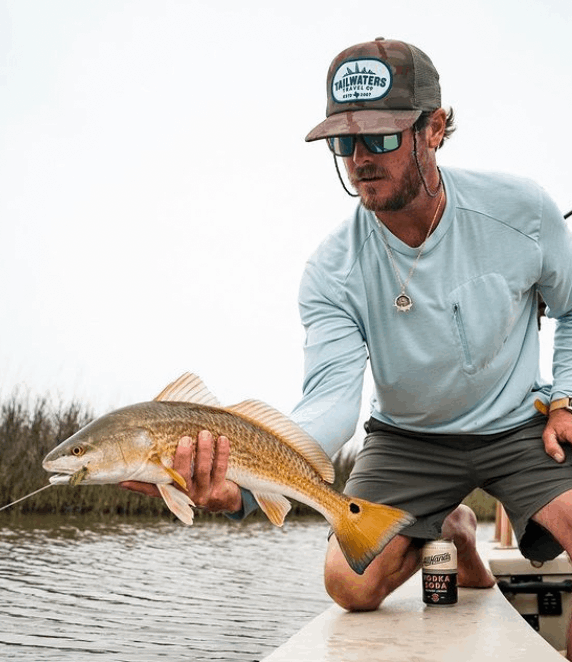
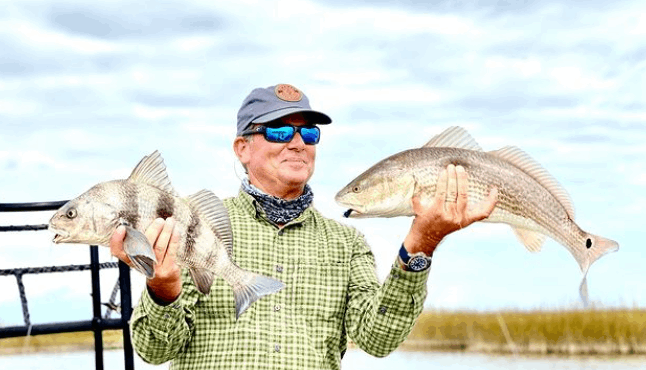
Redfish are the bread and butter of South Texas inshore fishing, and for good reason. These copper-colored fighters run anywhere from slot-size 20-inchers up to bull reds pushing 40 pounds or more. They're most active during moving tides, especially around dawn and dusk, and they'll eat everything from live shrimp to cut mullet to soft plastic paddle tails. What makes reds so special is their fight – they make long, bulldogging runs that'll test your drag system and your patience. Plus, they're beautiful fish with that distinctive copper coloring and prominent black spot near the tail.
Speckled trout might not fight as hard as reds, but they make up for it in numbers and eating quality. These spotted beauties love grass flats and drop-offs, especially when there's some current moving bait around. They typically run 14 to 20 inches in these waters, with the occasional gator trout pushing 25 inches or better. Spring and fall are prime time for specks, but you can catch them year-round if you know where to look. They're structure-oriented fish that love to ambush prey from grass beds and oyster bars, making them perfect targets for topwater plugs and suspending baits.
Flounder are the sneaky assassins of the flats – perfectly camouflaged bottom dwellers that can disappear right in front of your eyes. These flatfish love sandy bottoms near structure, especially around creek mouths and channel edges where the current sweeps bait past their hiding spots. They're most active during cooler months, typically running 16 to 20 inches with some doormat-sized fish pushing 24 inches or better. What makes flounder special is they're arguably the best eating fish in the bay, with white, flaky meat that's perfect for the dinner table.
Sheepshead are the convict fish of the inshore world, with their distinctive black and white stripes and human-like teeth. These bait thieves are notorious for their light bites and ability to steal your bait without getting hooked, but once you figure them out, they're a blast to catch. They love structure – piers, pilings, oyster reefs, anywhere they can pick crustaceans and barnacles off the hard bottom. Most sheepshead run 12 to 16 inches, but the big ones can push 20 inches and several pounds. They're excellent table fare and provide a fun challenge for anglers who like finesse fishing.
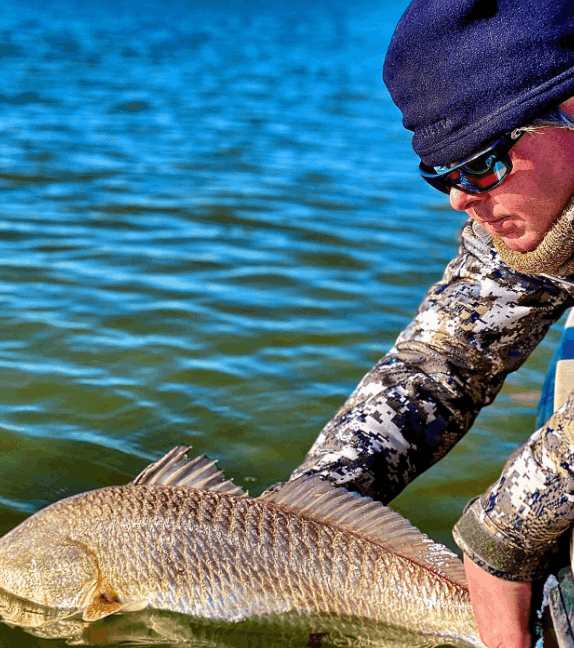
Black drum round out the target species list as the heavyweight bruisers of the bunch. These barrel-chested fighters can range from puppy drum around 14 inches up to massive bulls pushing 50 pounds or more. They're bottom feeders that love crab and cut bait, typically found around oyster reefs and shell beds where they can crush shellfish with their powerful pharyngeal teeth. The slot-size fish are great eating, while the big bulls provide world-class fights that'll have you questioning your tackle choices.
Time to Book Your Spot
This half-day trip delivers everything you want in an inshore fishing experience – variety, action, and the chance to put some quality fish in the cooler without dedicating your entire day to it. Captain Owen's local knowledge and well-equipped boat give you the best shot at success, whether
 Private Trip
 Inshore Fishing
 Port Lavaca


 Four-hour inshore fishing targeting trout, redfish, flounder, and sheepshead