Palmetto FL Inshore Fishing Charter (AM)
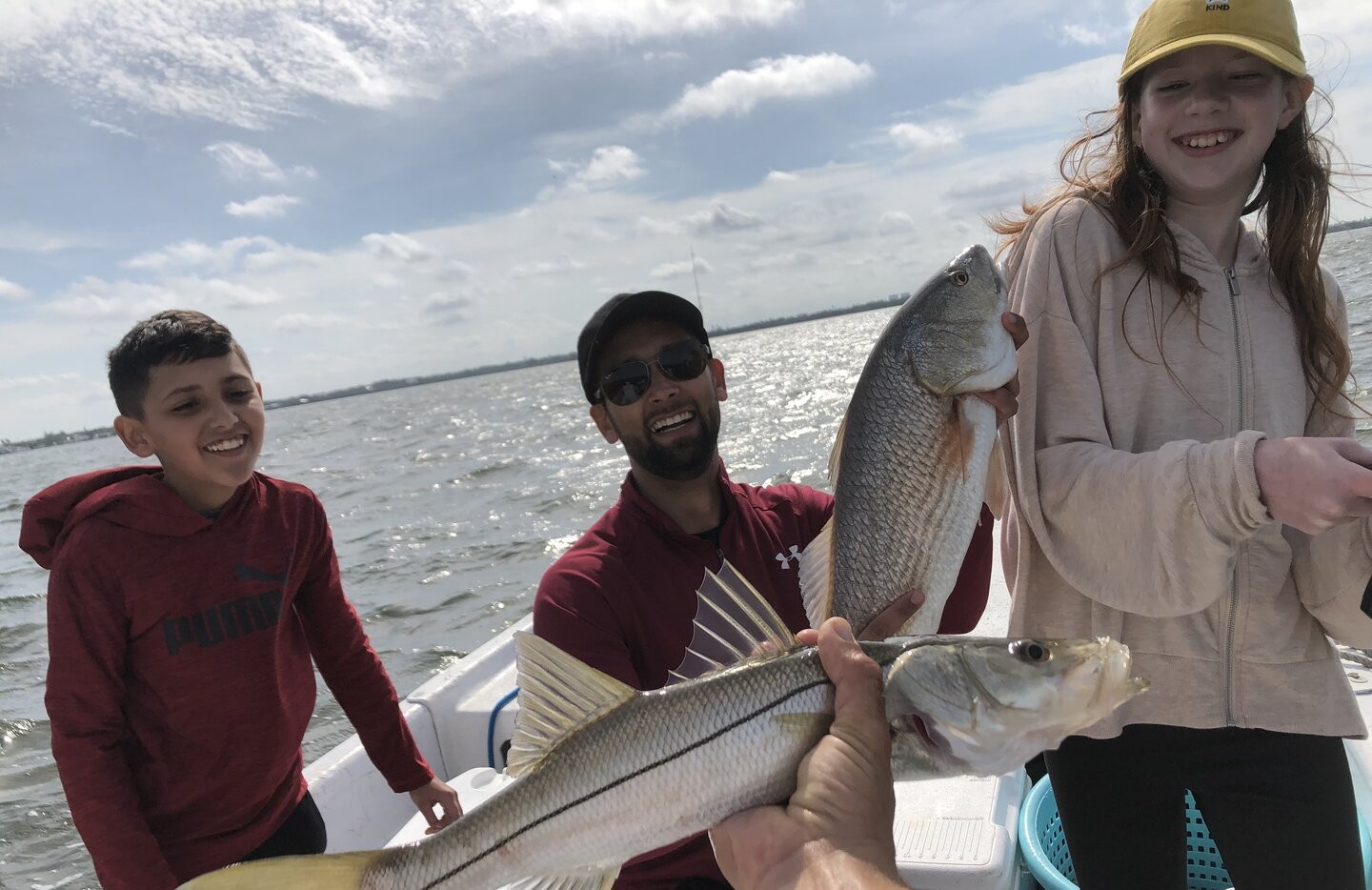
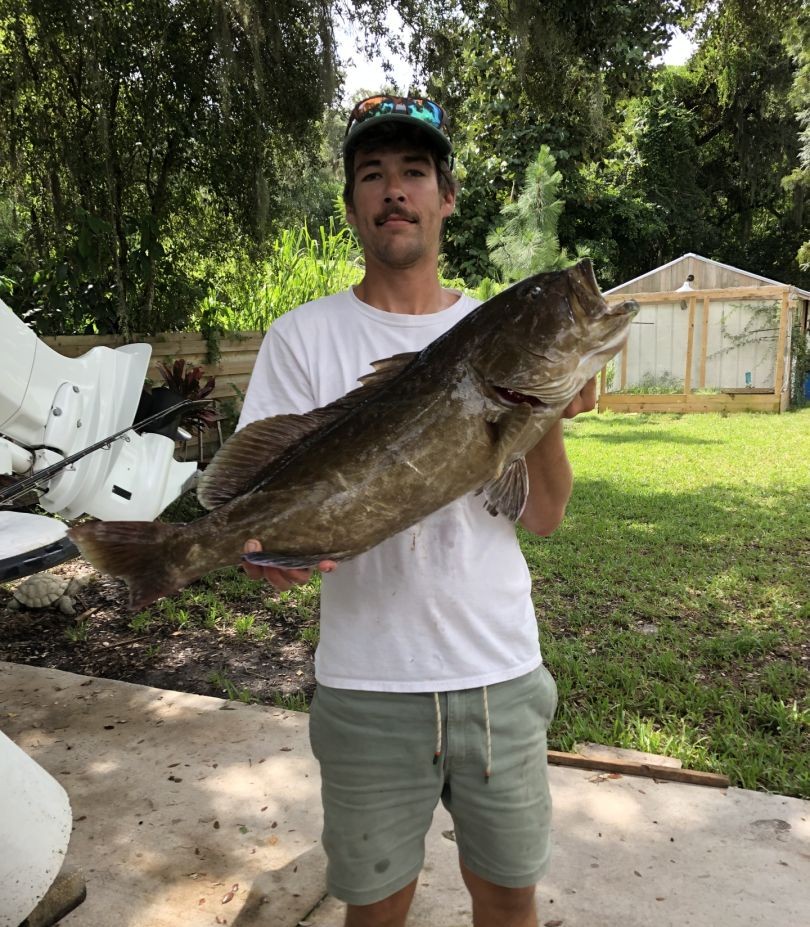
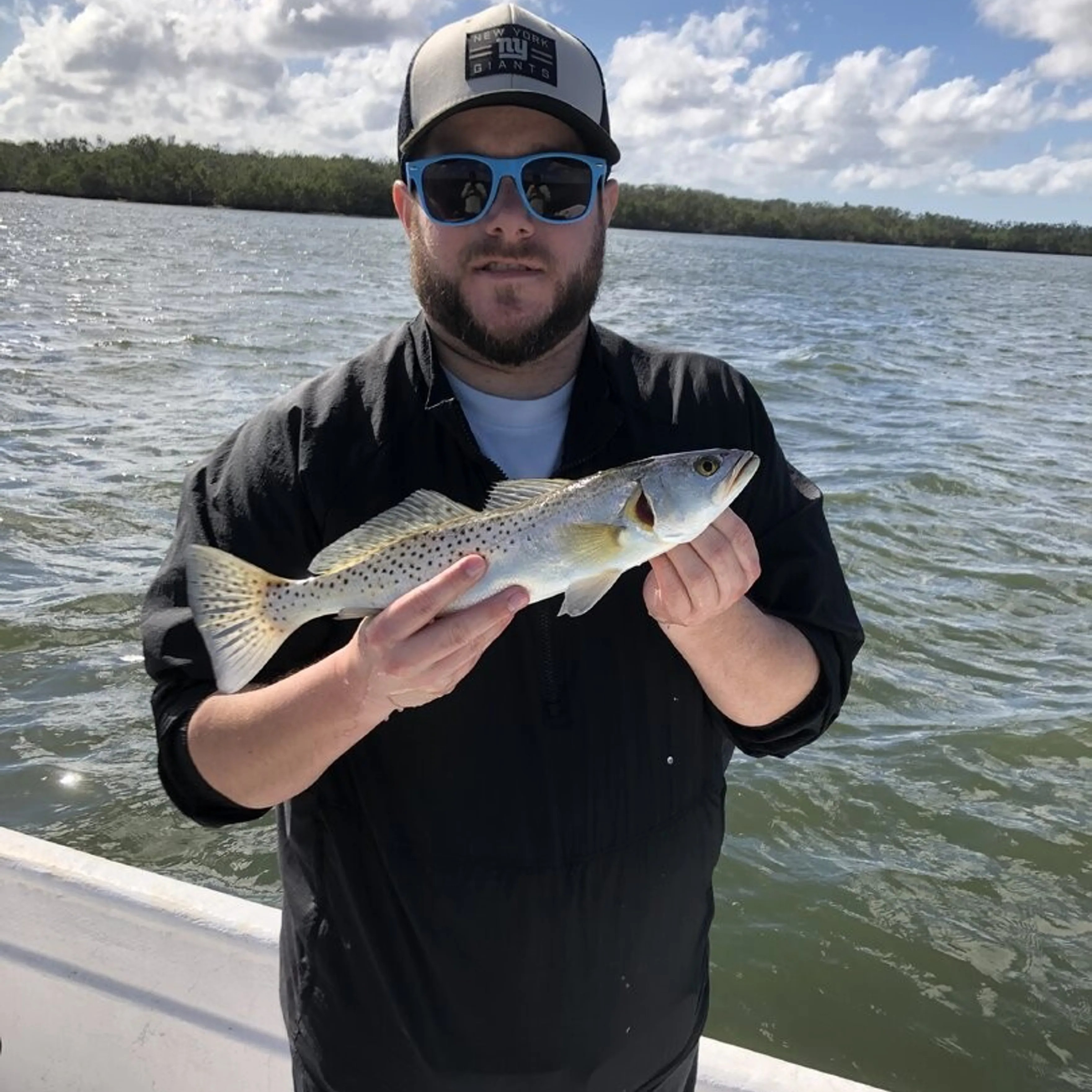
Looking for a solid morning bite in some of Florida's most productive inshore waters? This Palmetto FL fishing charter puts you right in the heart of Tampa Bay's legendary grass flats and mangrove shorelines where the fish actually live. Captain Patrick knows these waters like the back of his hand, and he's not just going to take you to the usual tourist spots. We're talking about hitting the real honey holes where snook ambush bait in the shadows, redfish cruise the flats with their backs out of the water, and speckled trout stack up on the grass beds. This isn't a cattle boat operation either – with just three anglers max, you'll get the personal attention and prime fishing spots that make the difference between a good day and a great day on the water.
What to Expect on the Water
Your morning starts early when the fish are most active and the water's still calm from the night. We'll be working the productive shallows around Palmetto where Tampa Bay's ecosystem creates perfect ambush points for hungry gamefish. The captain uses his local knowledge to read the water conditions, tides, and seasonal patterns to put you on fish that are actually feeding. You might find yourself sight-casting to tailing redfish on a grass flat one minute, then working live bait around mangrove roots the next. The beauty of inshore fishing here is the variety – each spot offers different opportunities based on what the fish are doing that day. Whether you're a seasoned angler or just getting your feet wet, the captain adjusts the approach to match your skill level while keeping everyone engaged and learning something new.
Techniques and Tactics
This charter focuses on the bread-and-butter techniques that consistently produce fish in Tampa Bay's inshore waters. You'll work with both artificial lures and live bait depending on what's working best. Soft plastics rigged weedless are perfect for working over the grass flats without hanging up, while topwater plugs create explosive strikes during the early morning bite. When the fish want live bait, we're talking about using shrimp, pinfish, and other local favorites that match what's naturally swimming around. The captain provides all the tackle and knows how to rig everything properly for these specific waters. You'll learn about reading water depth, structure, and current flow – the fundamentals that separate successful anglers from those who just cast and hope. The shallow nature of inshore fishing means you're often sight-fishing, which adds a whole different level of excitement when you can actually see your target before making the cast.
What Anglers Are Saying
"Had a perfect time on the water with Patrick. Caught a lot of fish at dfifferent locations. Patrick shared his knowledge about fishing with us. We really recommend him as a fishing guide." - Robert
Top Catches This Season
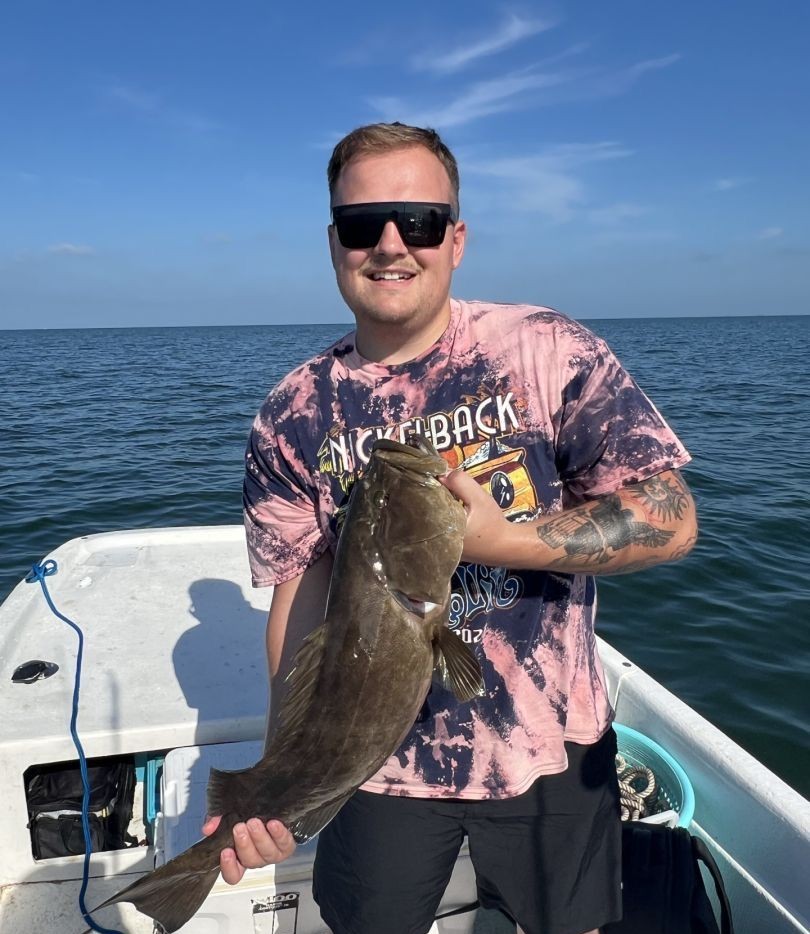
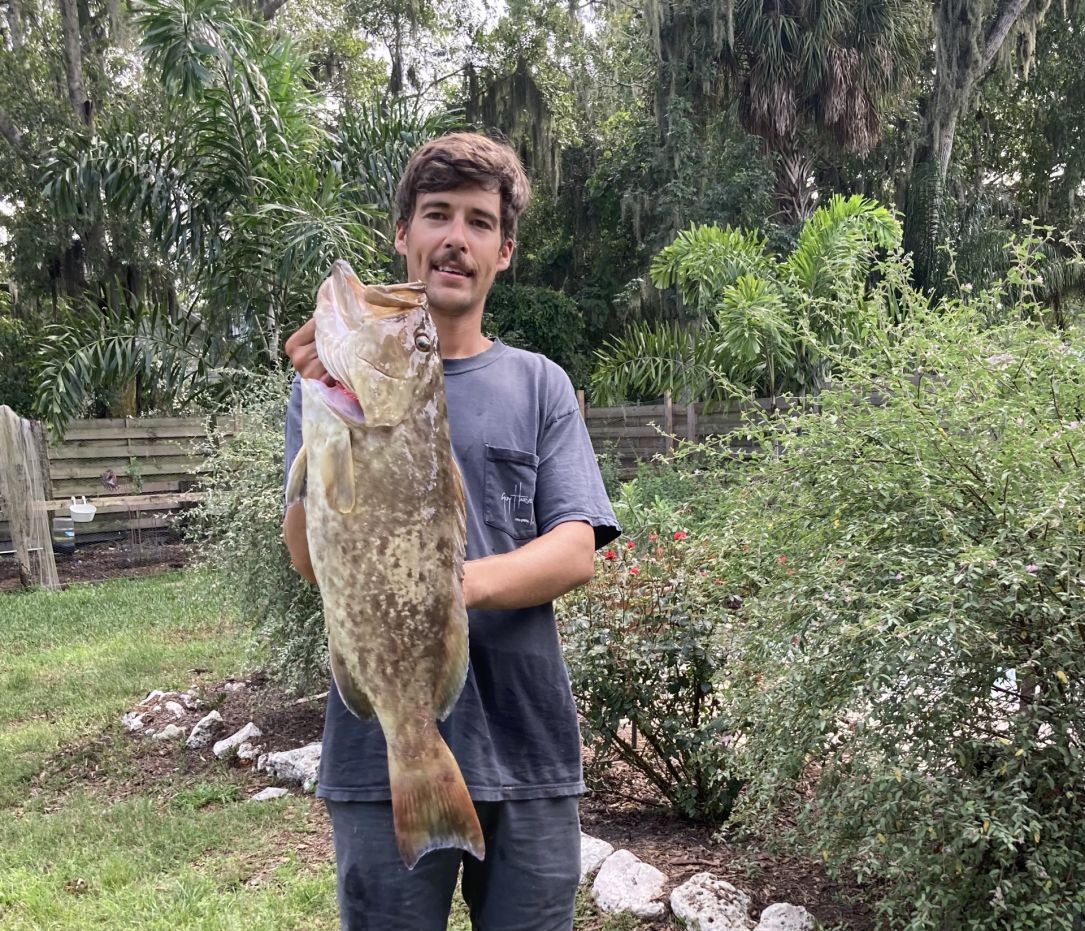
Redfish are the backbone of Tampa Bay inshore fishing, and for good reason. These copper-colored bruisers love the grass flats and oyster bars around Palmetto, especially during the warmer months when they're actively feeding in shallow water. Most reds you'll encounter range from 18 to 27 inches – perfect slot-size fish that fight like they're twice their size. They're notorious for making long, powerful runs that'll test your drag system. The best part about targeting redfish here is that they're often visible in the shallow water, creating opportunities for sight-fishing that gets your heart pumping before you even make the cast.
Tripletail might be the most unique catch you'll encounter on this charter. These oddball fish hang around structure like channel markers, crab traps, and floating debris, often lying on their sides at the surface looking like floating leaves. They're ambush predators with incredible acceleration, and when hooked, they jump and thrash like a miniature tarpon. Tripletail fishing requires patience and stealth – you're essentially sight-fishing to individual fish, making precise casts to spook-prone targets. When you connect with one, you'll understand why seasoned anglers get so excited about these weird-looking fighters.
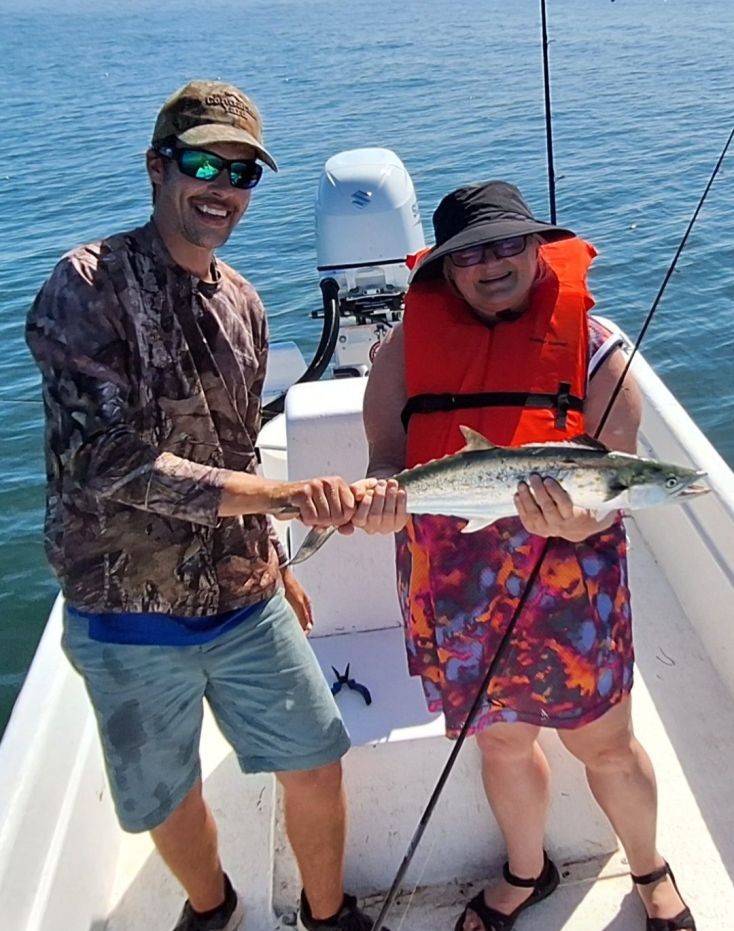
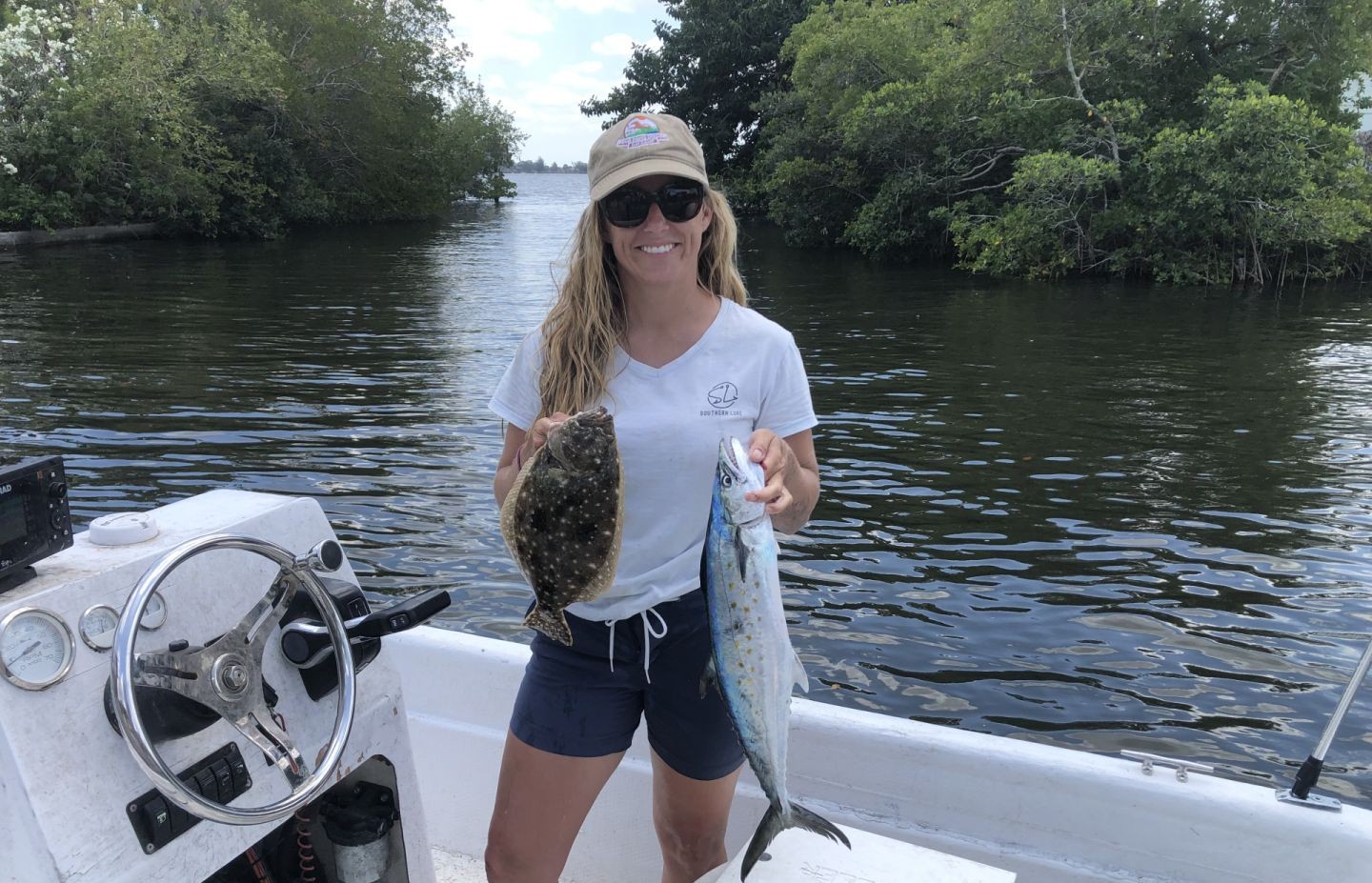
Spanish Mackerel bring non-stop action when they're running through Tampa Bay. These silver bullets travel in schools and attack anything that moves, making them perfect for keeping the rods bent and the action hot. They typically show up during the warmer months and provide excellent light-tackle fishing. Their razor-sharp teeth and blistering runs make them a blast on spinning gear, and they're actually pretty tasty if you're looking to take a few home for dinner. The key is finding the schools, and an experienced captain knows where to look based on bait activity and water conditions.
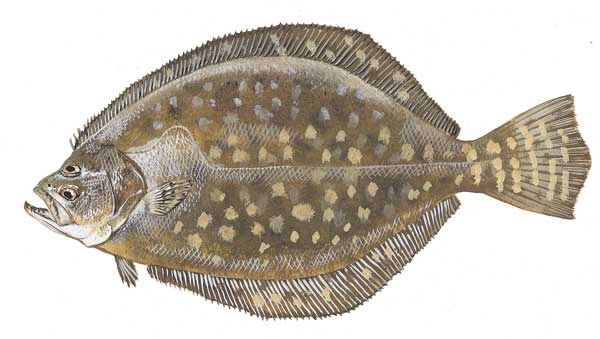
Southern Flounder are the ultimate ambush predators in these waters, lying camouflaged on sandy bottoms waiting for unsuspecting prey to swim by. These flatfish require a different approach – slow presentations along the bottom with soft plastics or live bait. They're masters of disguise and can be surprisingly strong fighters once hooked. Finding flounder is all about knowing the right structure and depth changes where they like to set up shop. The reward is some of the best eating fish in the bay, with firm white meat that's perfect for the dinner table.
Snook are the premier gamefish of Southwest Florida's inshore waters, and the areas around Palmetto hold some beautiful fish. These line-siders are structure-oriented, hanging around mangroves, docks, and bridge pilings where they can ambush baitfish. They're known for their gill-rattling jumps and their ability to wrap you up in structure if you're not careful. Snook are also highly seasonal and slot-regulated, making them a prized catch-and-release target. The thrill of watching a snook explode on a topwater lure in the early morning is something every angler should experience.
Time to Book Your Spot
This top-rated Palmetto FL inshore fishing charter offers everything you need for a successful morning on Tampa Bay's most
 5.0(1 Reviews)
 Private Trip
 Inshore Fishing
 undefined, undefined



 Morning inshore charter targeting snook, redfish, and speckled trout