Multi-Species Fishing on North Carolina's Neuse River
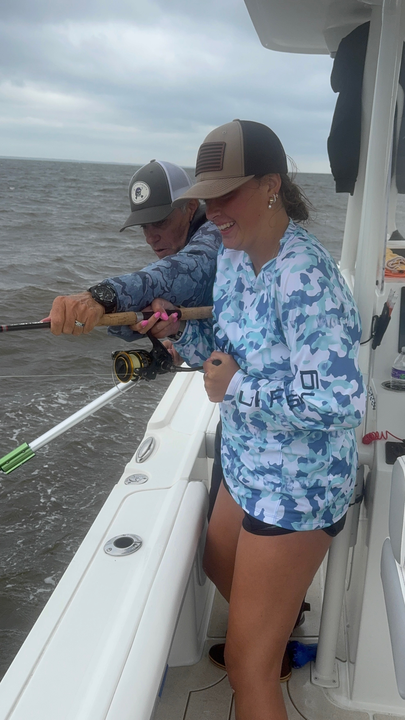
When you're looking for consistent action and variety on the water, Captain Dave Hegel's multi-species fishing charters on the Neuse River deliver exactly what serious anglers want. Running a brand new 2025 Parker SE as part of the Parker Offshore Prostaff, Dave's got the perfect setup to chase whatever's biting hardest that day. Whether you're after bull reds in the shallows, schooling blues, or keeper stripers, this top-rated charter adapts to the conditions and puts you on the hottest bite of the season.
What to Expect on the Water
Captain Dave runs his operation with one simple philosophy: "catching fish" is the goal, and he'll work his tail off to make it happen. Your group of up to three anglers gets the full attention of a captain who genuinely gets fired up hearing "FISH ON!" echo across the water. The Neuse River's year-round fishing means Dave's always dialed into seasonal patterns, whether that's targeting slot reds around structure, finding bluefish schools, or working deeper holes for stripers. His Parker SE is designed specifically for shallow water work, letting him sneak into spots bigger boats can't reach while keeping everyone comfortable during long days on the water. Don't worry about bringing tackle or bait – Dave's got everything rigged and ready, so you can focus on what you came for: putting fish in the boat.
Techniques and Tackle Setup
Dave's approach changes with the conditions and the bite, but he's always working live bait when the fish want it natural. Depending on what's hot, you might be sight-fishing shallow flats for tailing reds, working cut bait around pilings for drum, or casting into bluefish schools when they're busting bait on the surface. The Parker SE's shallow draft lets him work skinny water where big fish feel safe, while the stable platform gives everyone room to fight fish without getting tangled up. Dave handles all the rigging, keeps your lines clear, and positions the boat perfectly – he's constantly adjusting to wind, current, and fish movement so you stay on productive water. When the bite gets tough, he's got backup plans and backup spots, always searching for that next school or structure that's holding fish.
Customer Stories
"My young son and I had a great fishing trip with Captain Dave. We will be back!" - Eric
"We had an awesome experience with Captain David Hegel. Caught a bunch of large red drum, black drum, trout and blues so you can't ask for more than that for a day on the water. He kept us focused but was super cool at the same time so we could relax and enjoy the day. Great guy but knows his stuff. You can't go wrong with Captain David for a great day of fishing!" - Daryl
"We had an epic day, Capt Dave fought thru a windy and rough morning, tried 3 spots that were too choppy and said 'plan D' and we killed it, limit on Reds, released 3 over the limit back, lots of bluefish, an incredible trout we released after lots of pics and an amazing day...all because he cared to help me make a memory withy 2 sons!" - Denis
Species You'll Want to Hook
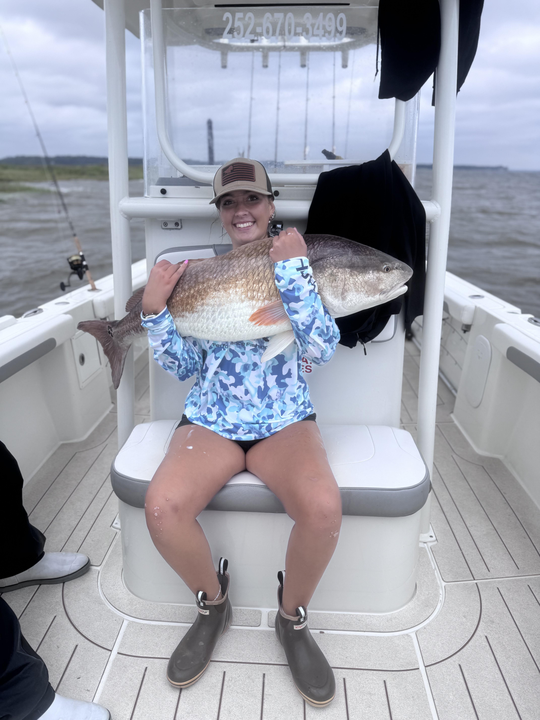
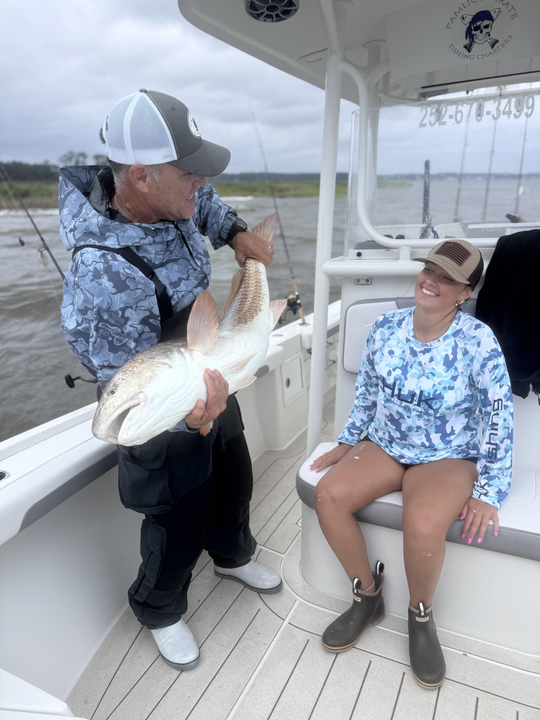
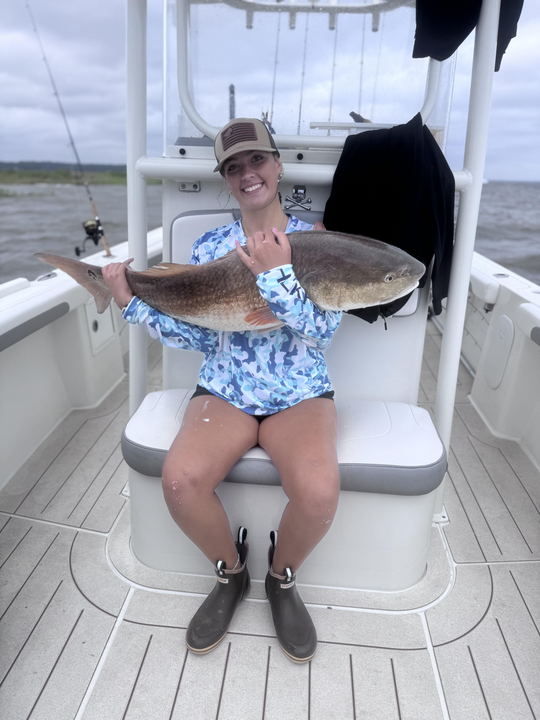
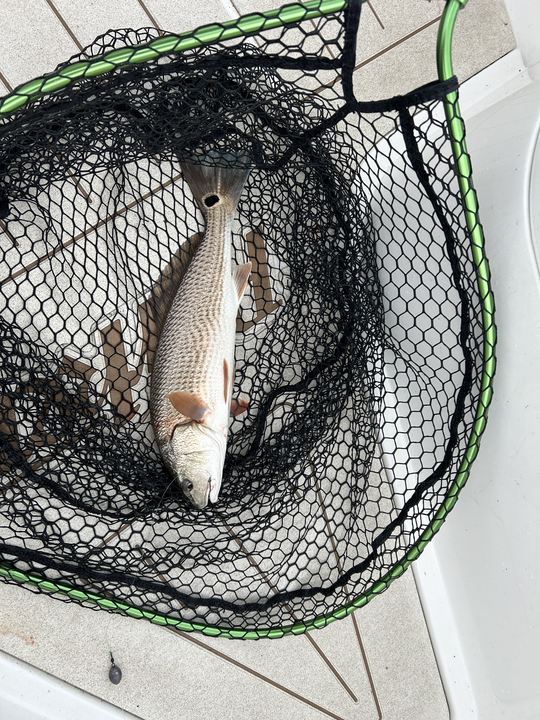
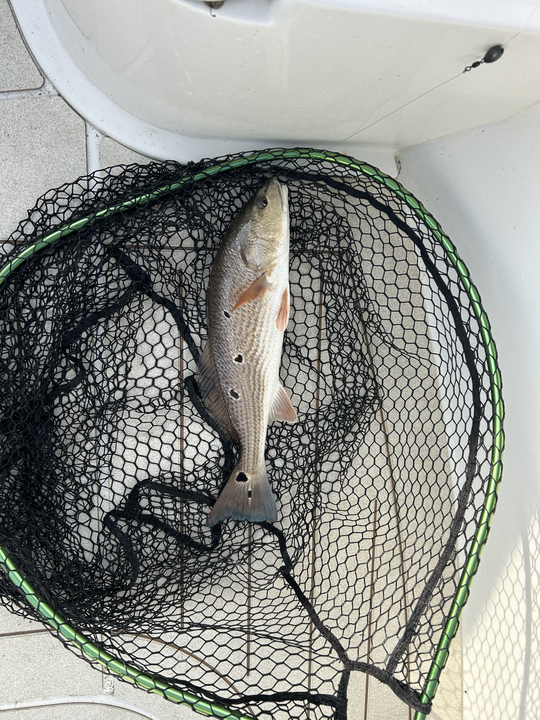
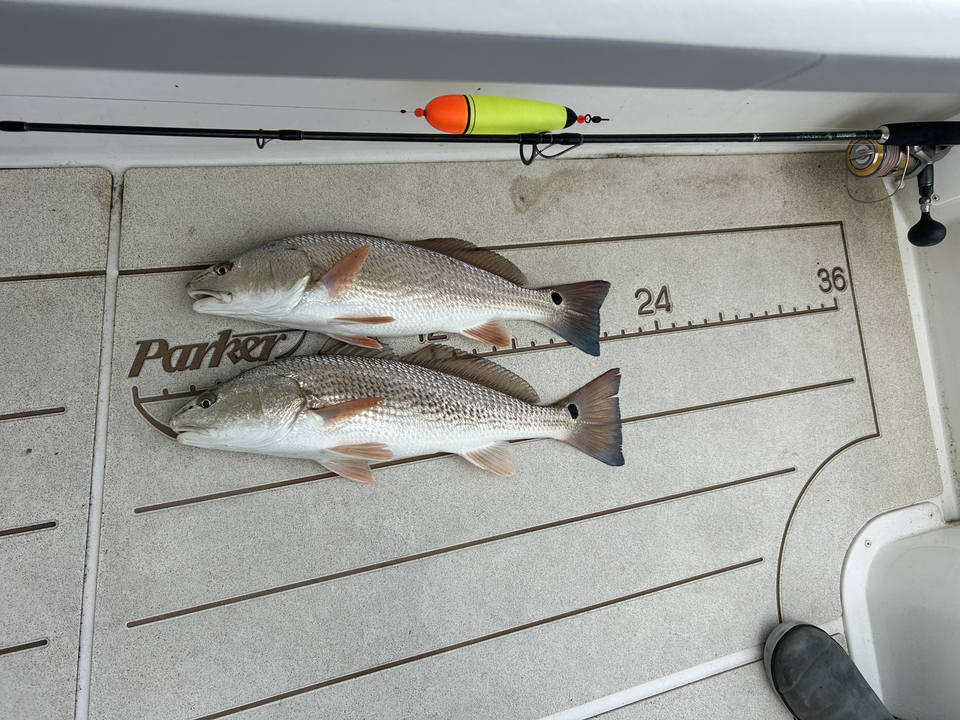
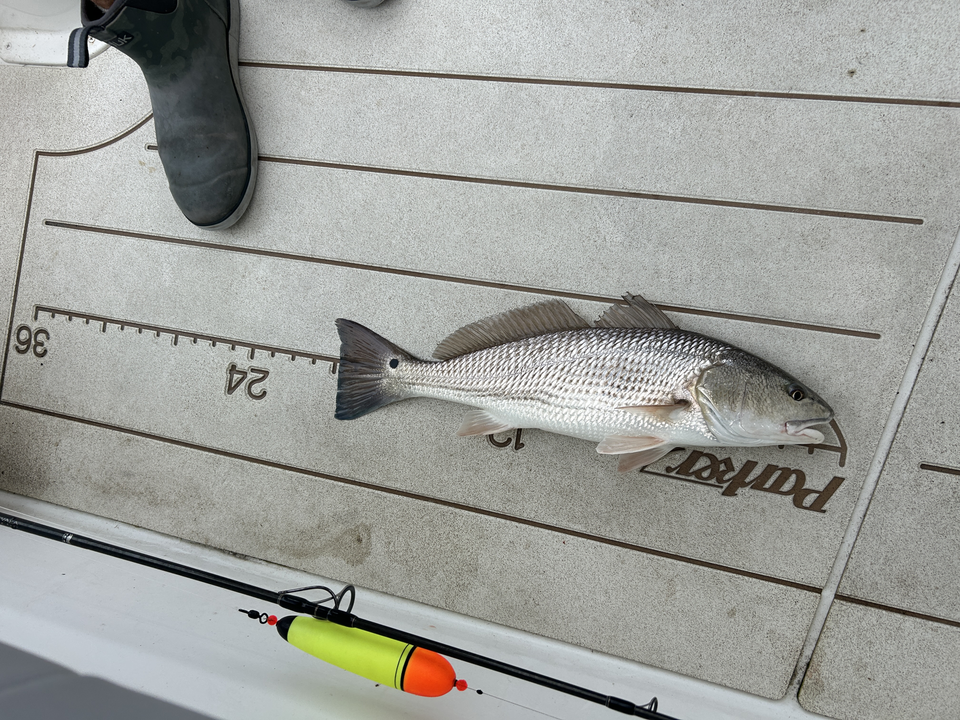
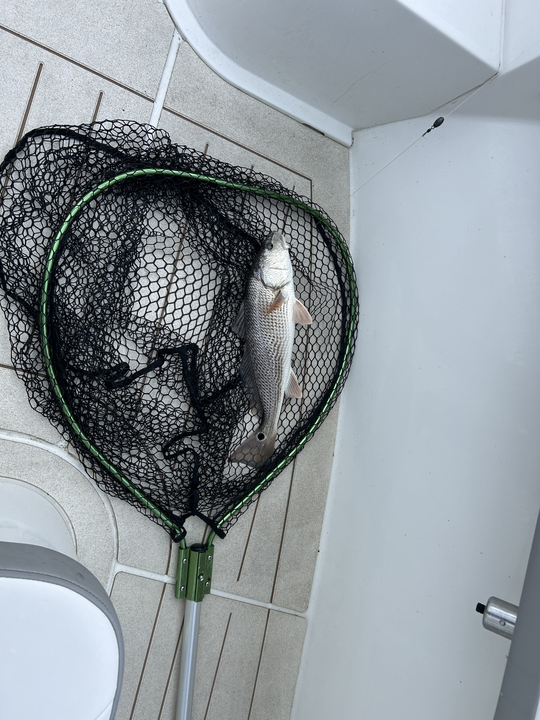
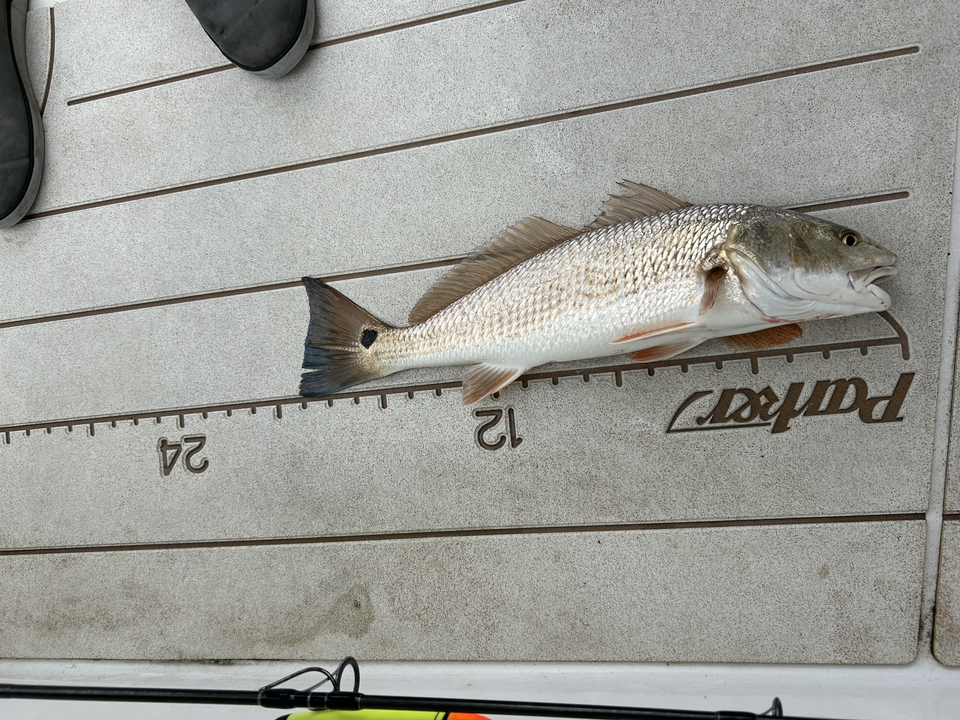
Redfish are the bread and butter of Neuse River fishing, and for good reason. These copper-colored bruisers range from slot-sized fish perfect for the dinner table to massive bull reds that'll test your drag and your arms. Spring through fall, you'll find them cruising shallow grass flats and around oyster bars, often with their backs out of the water as they root for crabs. Winter pushes them into deeper holes, but they're still catchable year-round. What makes reds so popular is their fight – they're strong, stubborn fish that make long runs and dig hard toward structure. Plus, they're not too picky about bait when they're feeding.
Bluefish bring the fast action when schools move through the river system. These aggressive predators travel in packs and absolutely destroy baitfish schools, creating surface explosions that get your heart racing. Peak season runs from late spring through early fall, though you can find them scattered throughout the cooler months. Blues hit hard and fight dirty, making screaming runs and jumping when they're hooked. They're perfect for kids and new anglers because they're eager biters, but big blues in the 5-10 pound range will give experienced fishermen a real workout on appropriate tackle.
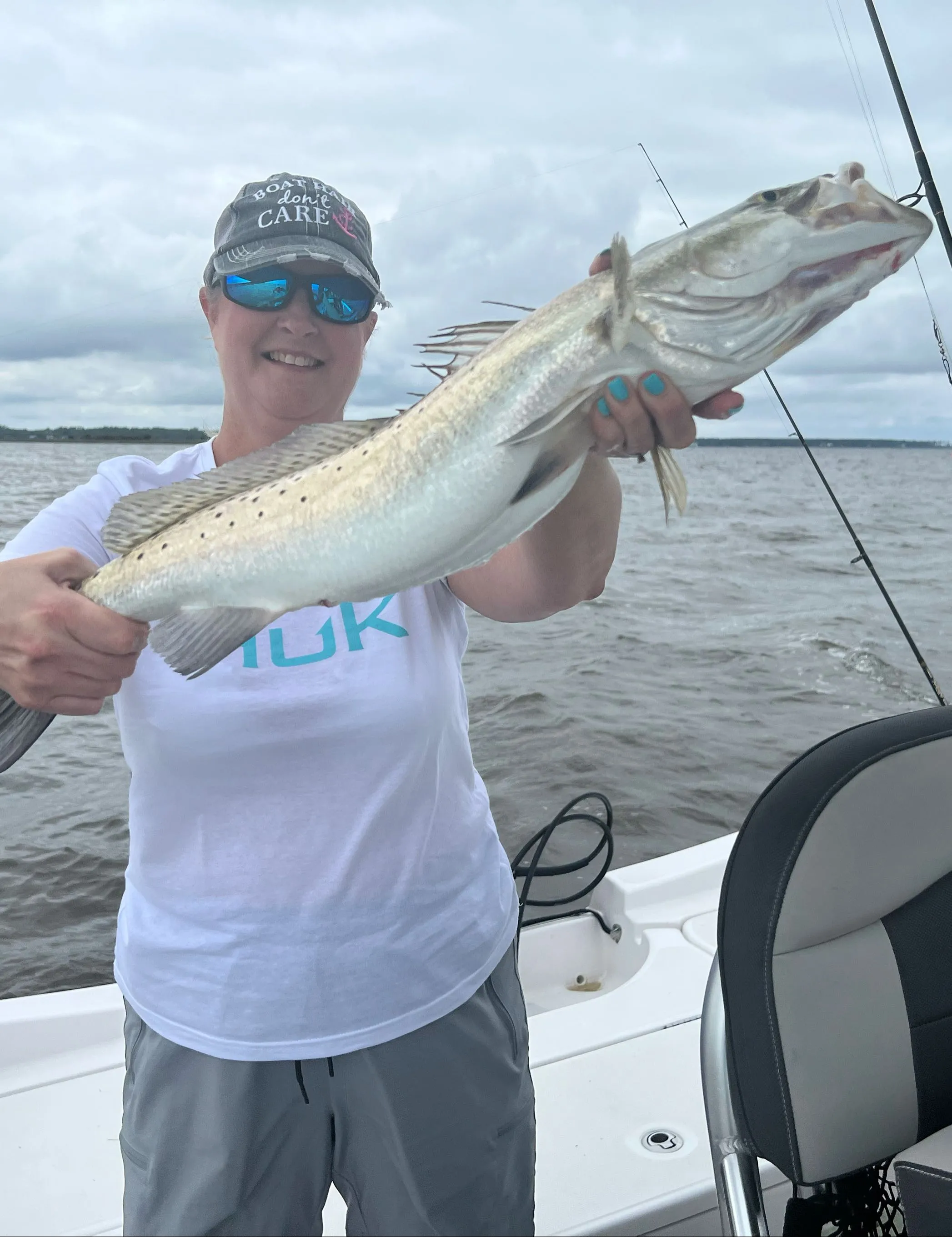
Speckled trout, or "specks," are the finicky cousins that reward patience and skill. These beautiful fish love grass beds and drop-offs where they ambush shrimp and small baitfish. Cold fronts can shut them down, but when conditions are right, they feed aggressively on live shrimp and soft plastics. Fall and spring offer the best trout fishing, though summer early morning and late evening bites can be fantastic. Specks are prized for their delicate flavor and the technical challenge they present – they have soft mouths and require a gentle touch to land consistently.
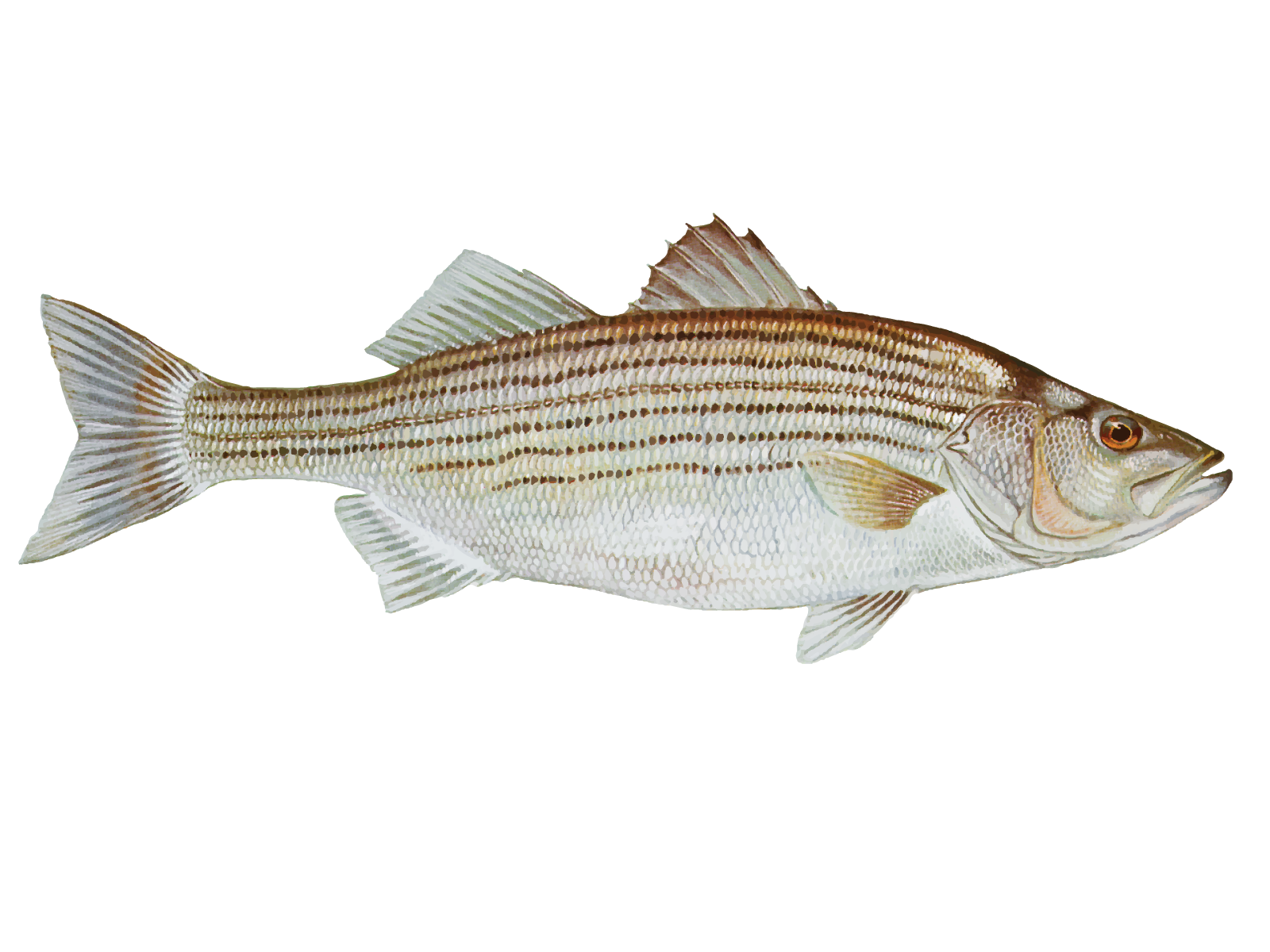
Striped bass bring the power game to the Neuse River, especially during their spring and fall migrations. These silver bullets can show up anywhere from shallow flats to deep channels, often following bait schools or working current breaks. Stripers are notorious for their strength and endurance, making long runs that test your equipment and technique. The best fishing typically happens during moving water, whether that's incoming or outgoing tide, and they often feed most actively in low-light conditions. Landing a quality striper is always a highlight of any trip.
Time to Book Your Spot
The Neuse River's diverse fishery means there's always something biting, but the best dates fill up fast with repeat customers who know what Captain Dave delivers. His commitment to putting you on fish,
 4.9(17 Reviews)
 Private Trip
 Inshore Fishing
 Top Rated
 North Carolina


 Target redfish, bluefish, striped bass, trout, and flounder year-round