NC Coastal Fly Fishing: The Ultimate Challenge
If you've been thinking about testing your skills with a fly rod in North Carolina's world-class inshore waters, this trip with Pamlico Pirate Fishing Charters is your ticket to some of the best action on the coast. We're talking about sight fishing for trophy redfish and tarpon in crystal-clear shallows, where every cast counts and the strikes will get your heart pumping. This isn't your typical bait-and-wait fishing – it's active, challenging, and downright addictive once you get the hang of it.
What to Expect on the Water
Captain David knows these North Carolina inshore waters like the back of his hand, and he'll put you on fish that'll make your day. We're targeting everything from slot-sized redfish tailing in knee-deep grass flats to massive bull drums cruising the channels. The beauty of fly fishing here is the variety – one minute you're stripping streamers for striped bass, the next you're presenting a perfectly placed crab pattern to a laid-up red drum. The boat holds up to three guests, so you'll have plenty of room to work without bumping elbows. Don't worry about your North Carolina fishing license either – we've got that covered. Just bring your A-game and your favorite fly rod, because these fish don't make it easy.
Fly Fishing Gear & Techniques
You'll want to pack your 8 or 9-weight fly rod for this adventure – something with enough backbone to turn a bull redfish but sensitive enough to feel those subtle takes. We'll be using a mix of techniques depending on conditions and target species. Sight fishing is the name of the game when we're stalking reds in the shallows, so having your casting dialed in makes all the difference. Bring a variety of flies in your box: clouser minnows, spoon flies, crab patterns, and some topwater poppers for when things get really exciting. The key here is being ready to adapt – these inshore species can be picky one day and aggressive the next. We'll position the boat to give you the best shots, but it's up to you to make those casts count when a 30-pound red drum swims within range.
Customer Stories
"David is fantastic guide and mentor. I learned so much from him." - Jeff
Species You'll Want to Hook
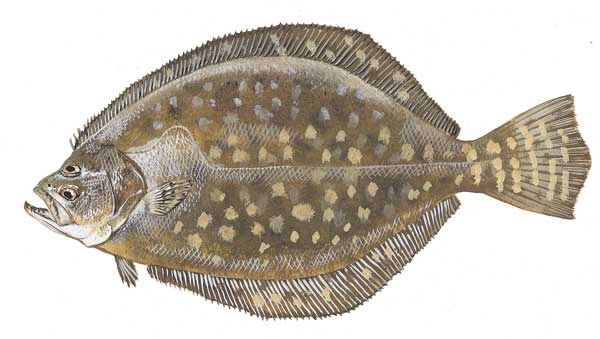
Southern flounder are one of the more technical targets you'll encounter on fly. These ambush predators bury themselves in sandy bottoms and strike fast when baitfish pass overhead. Spring through fall offers the best action, with bigger fish moving through during their spawning migrations. What makes them special is their explosive take – one second you're stripping line, the next your rod is bent double. They're notorious for their acrobatic jumps once hooked, making for some memorable photo opportunities.
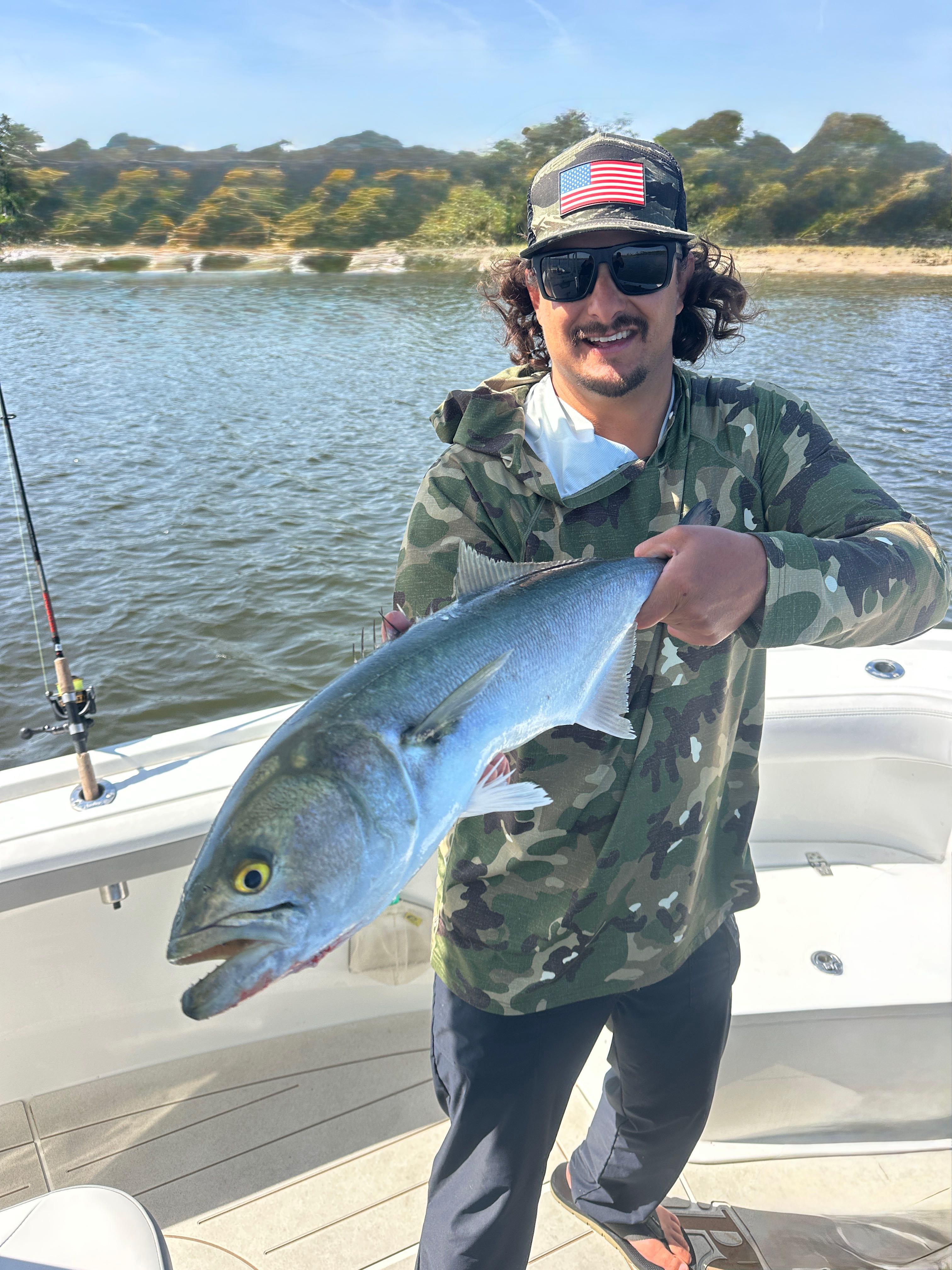
Bluefish are the perfect species for building confidence with your fly casting. These aggressive feeders school up in impressive numbers and aren't shy about crushing a well-presented streamer. Summer months bring the best bluefish action to North Carolina's inshore waters, and when you find a feeding school, the action can be non-stop. Their razor-sharp teeth and hard fighting style make every hookup exciting, plus they're excellent table fare if you decide to keep a few for dinner.
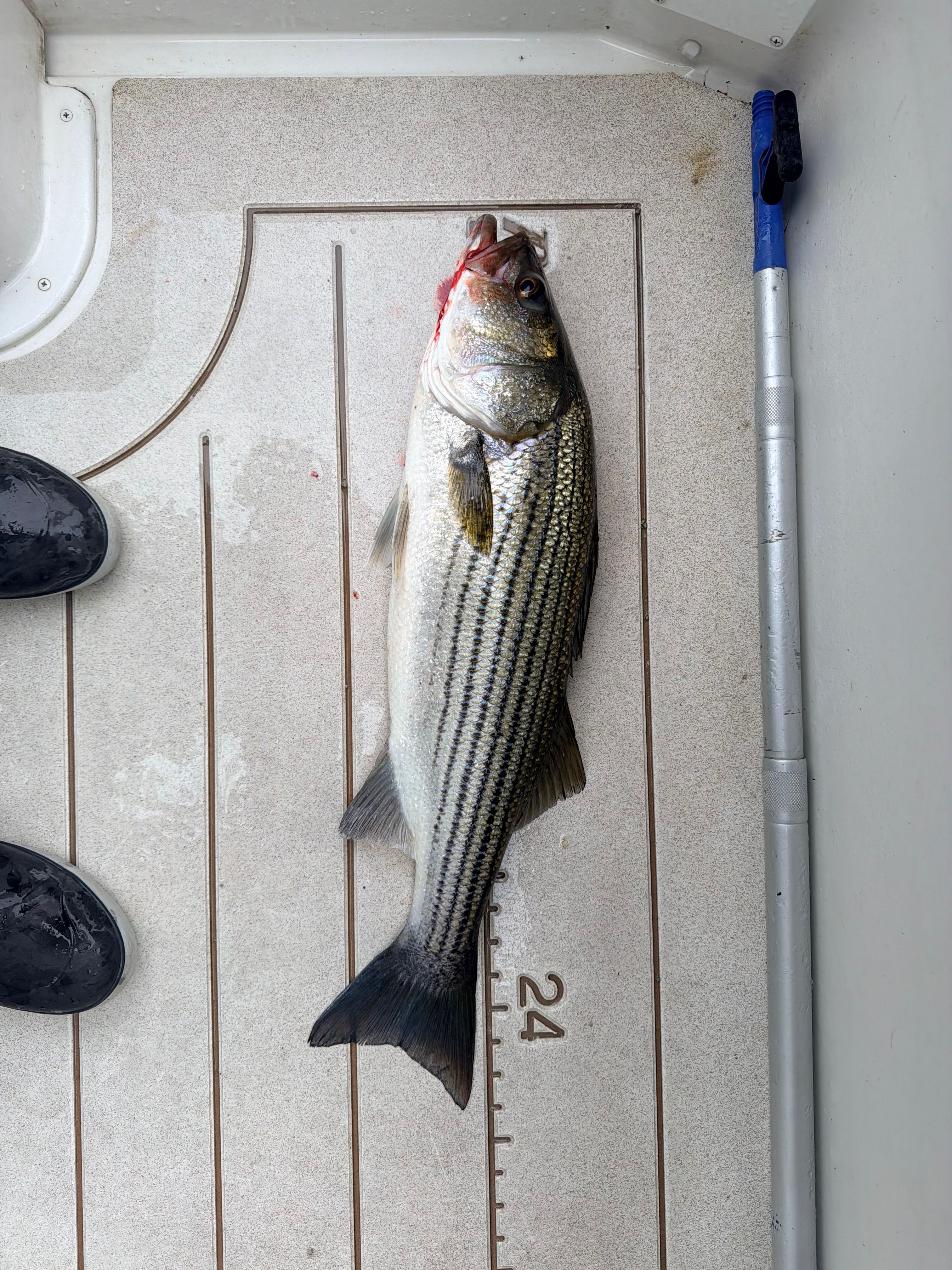
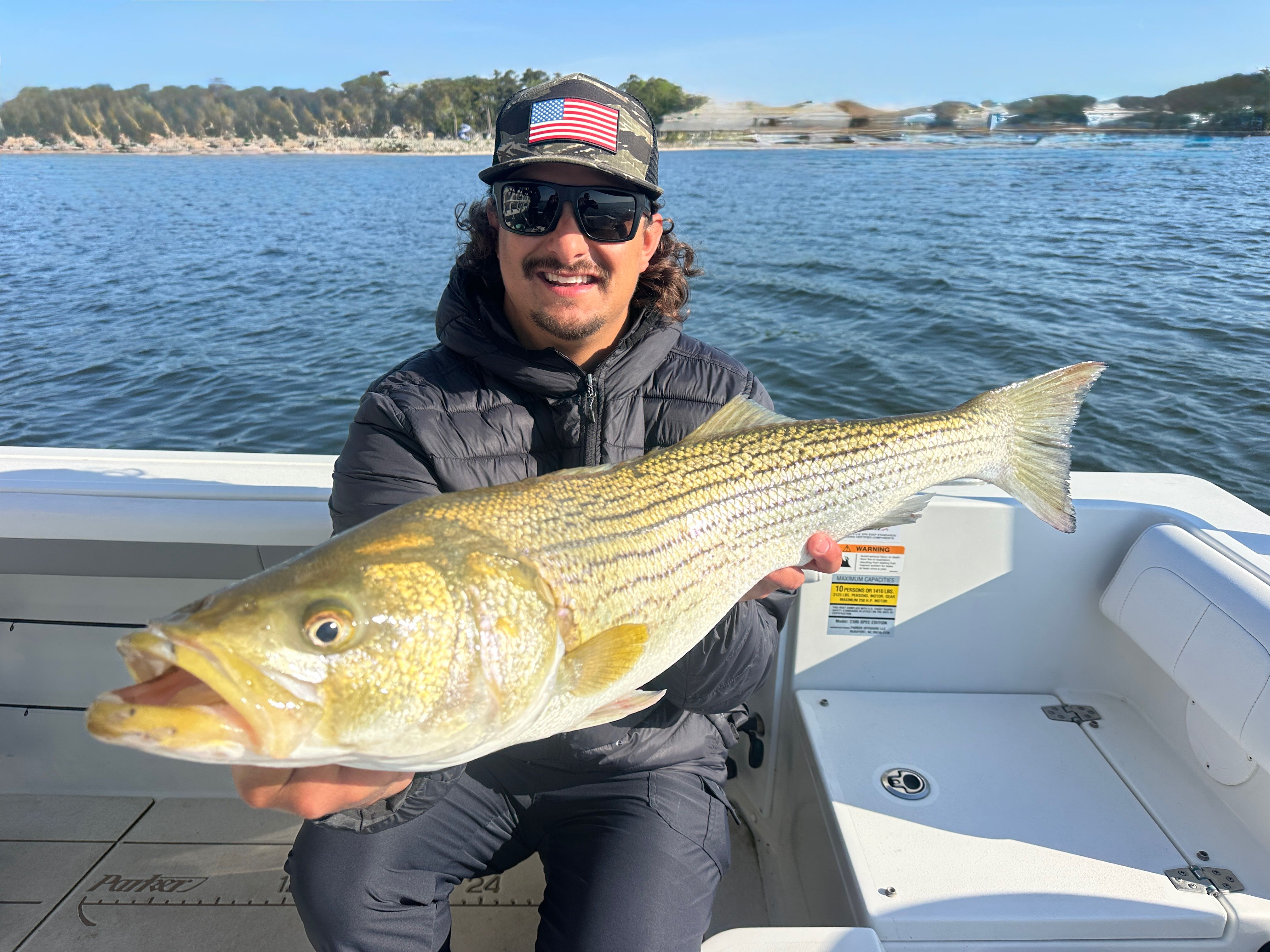
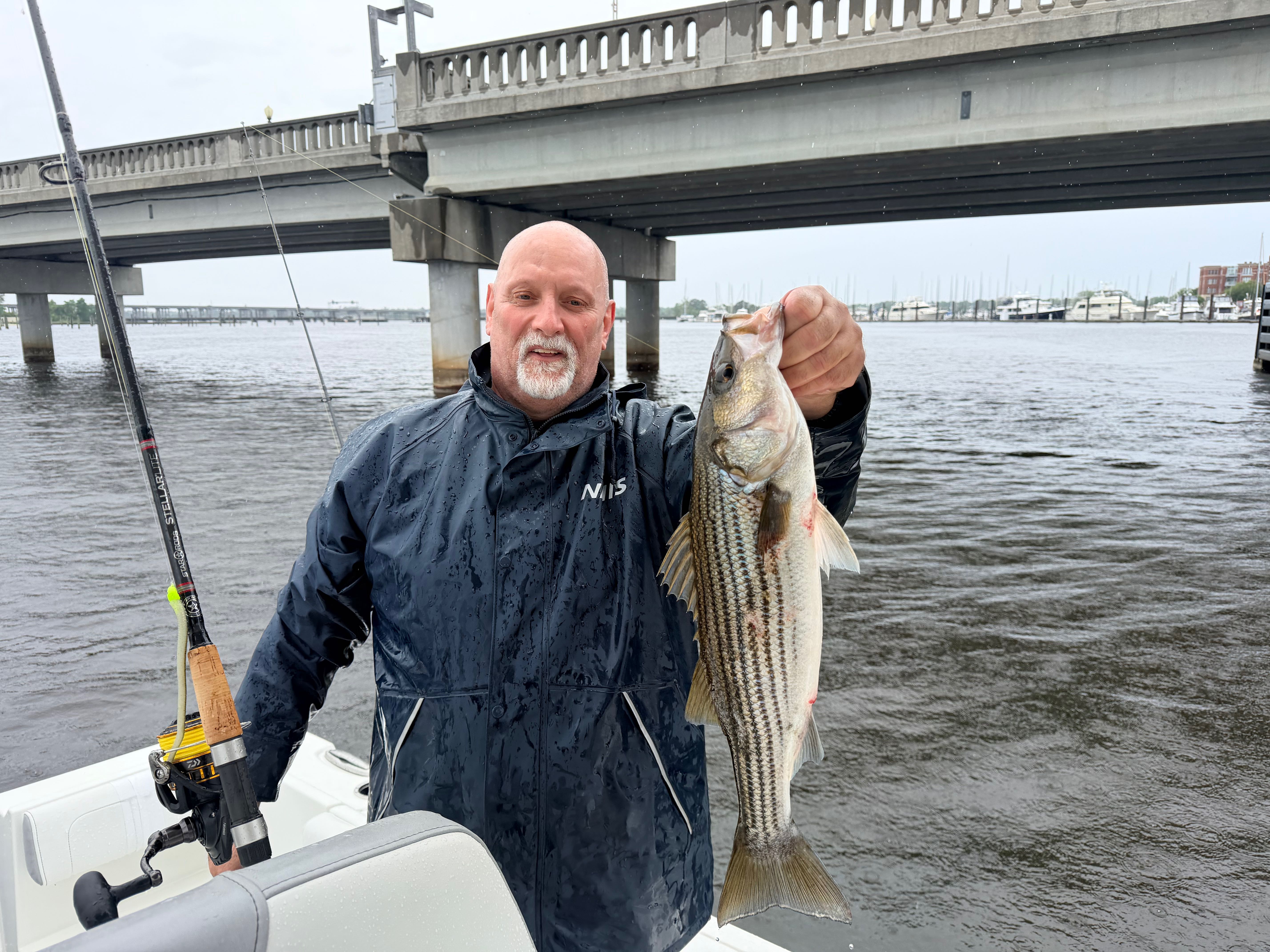
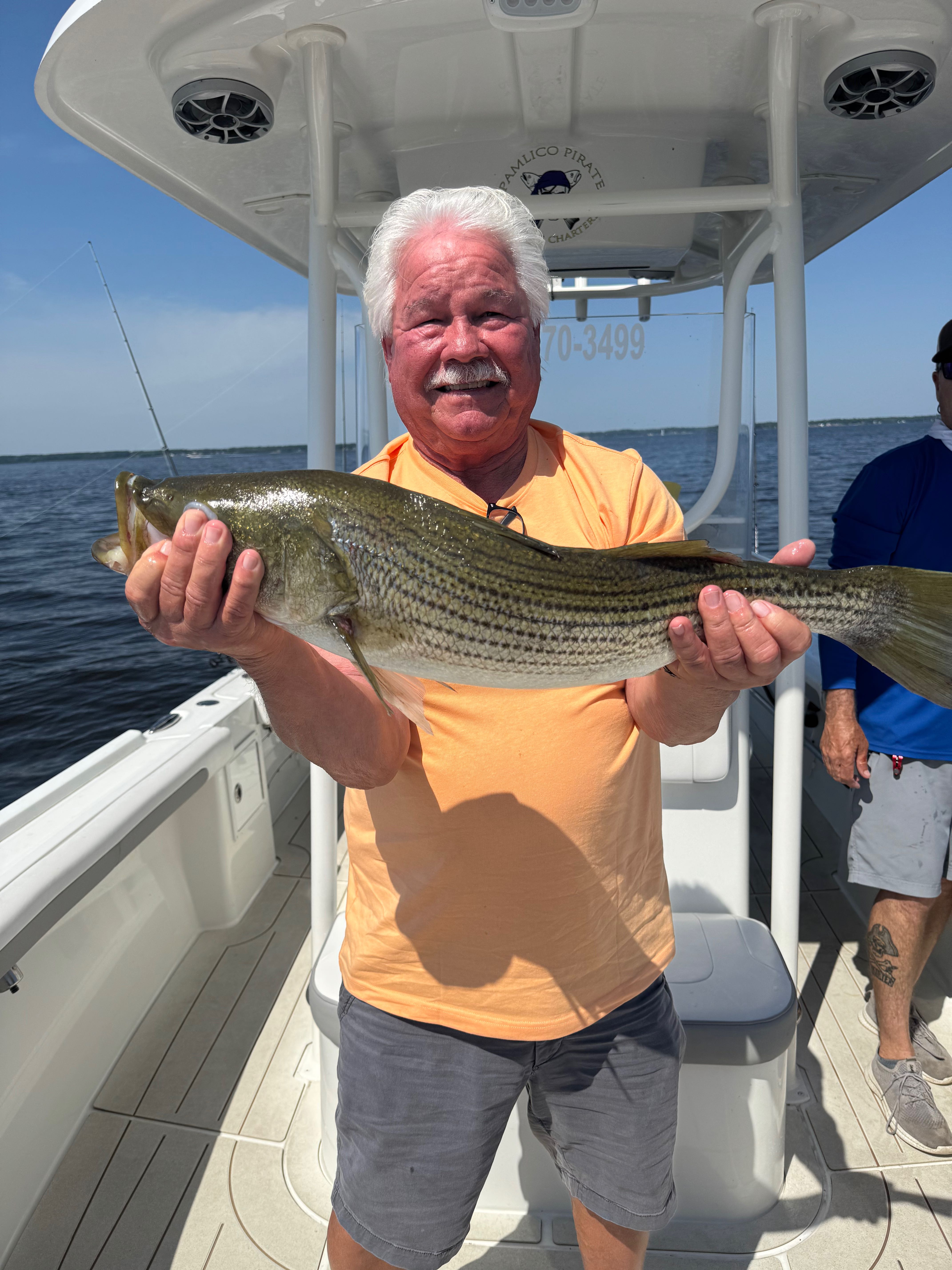
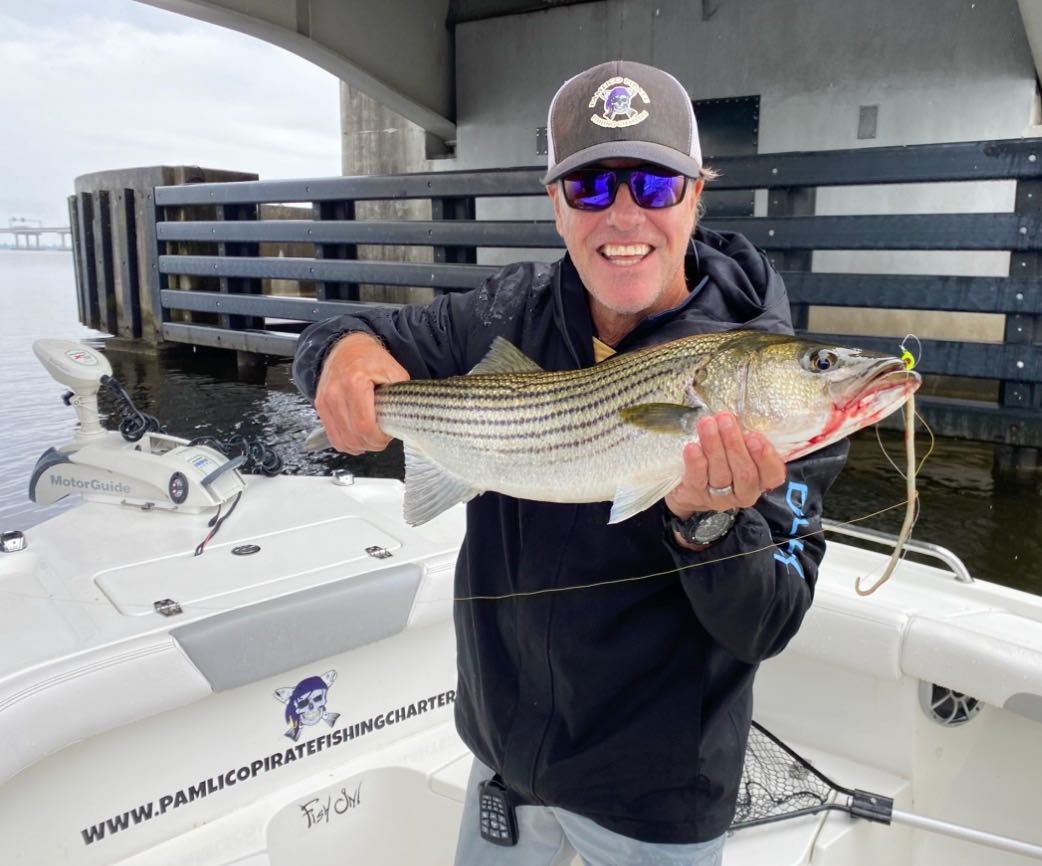
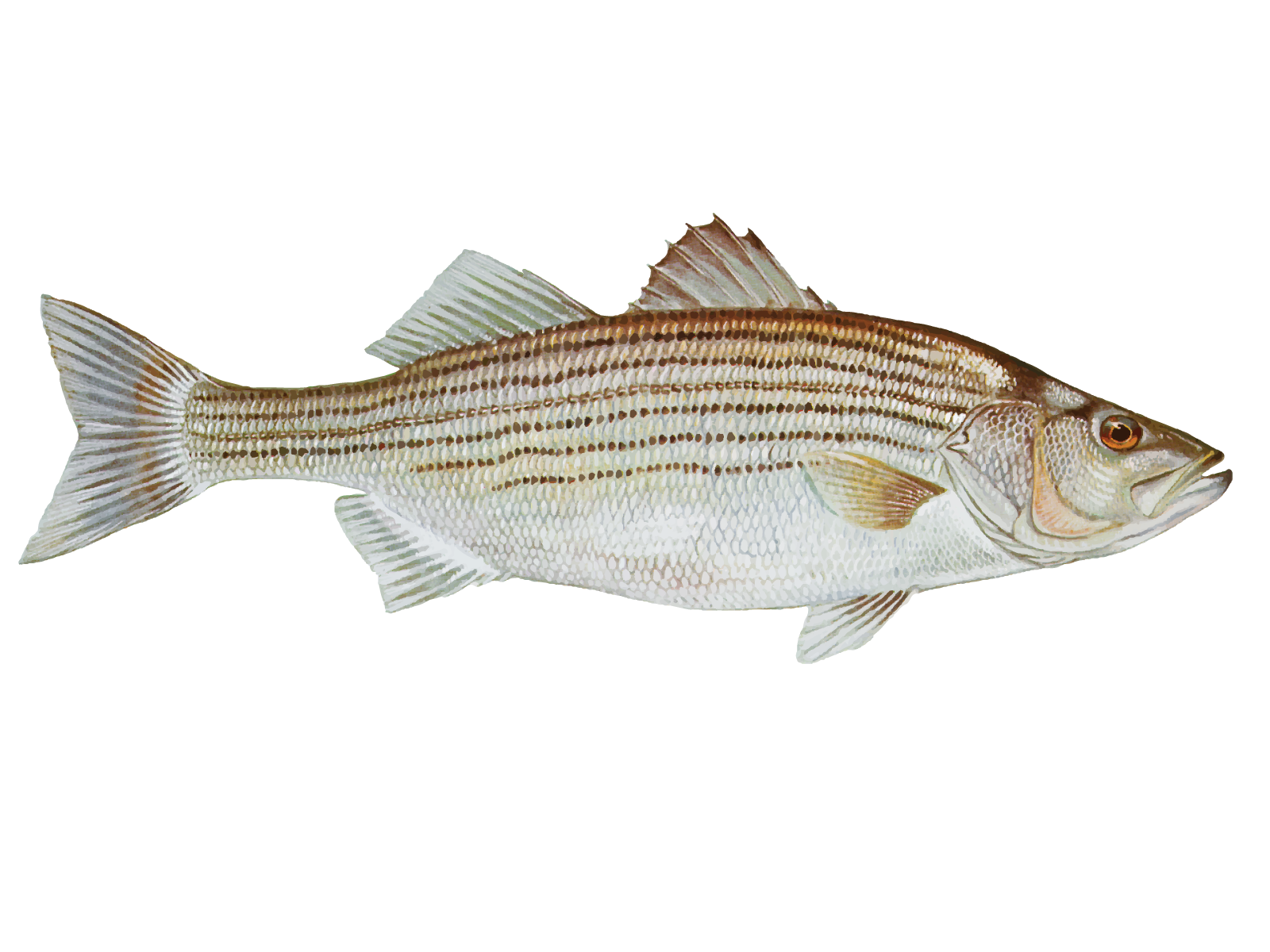
Striped bass, or "stripers" as locals call them, are the crown jewel of North Carolina fly fishing. These powerful fish migrate through our waters in spring and fall, offering world-class opportunities for fly anglers. A 20-pound striper on an 8-weight fly rod is a test of skill and endurance that few fish can match. They're smart, strong, and absolutely beautiful – the silver sides and distinctive horizontal stripes make them one of the most recognizable catches on the East Coast.
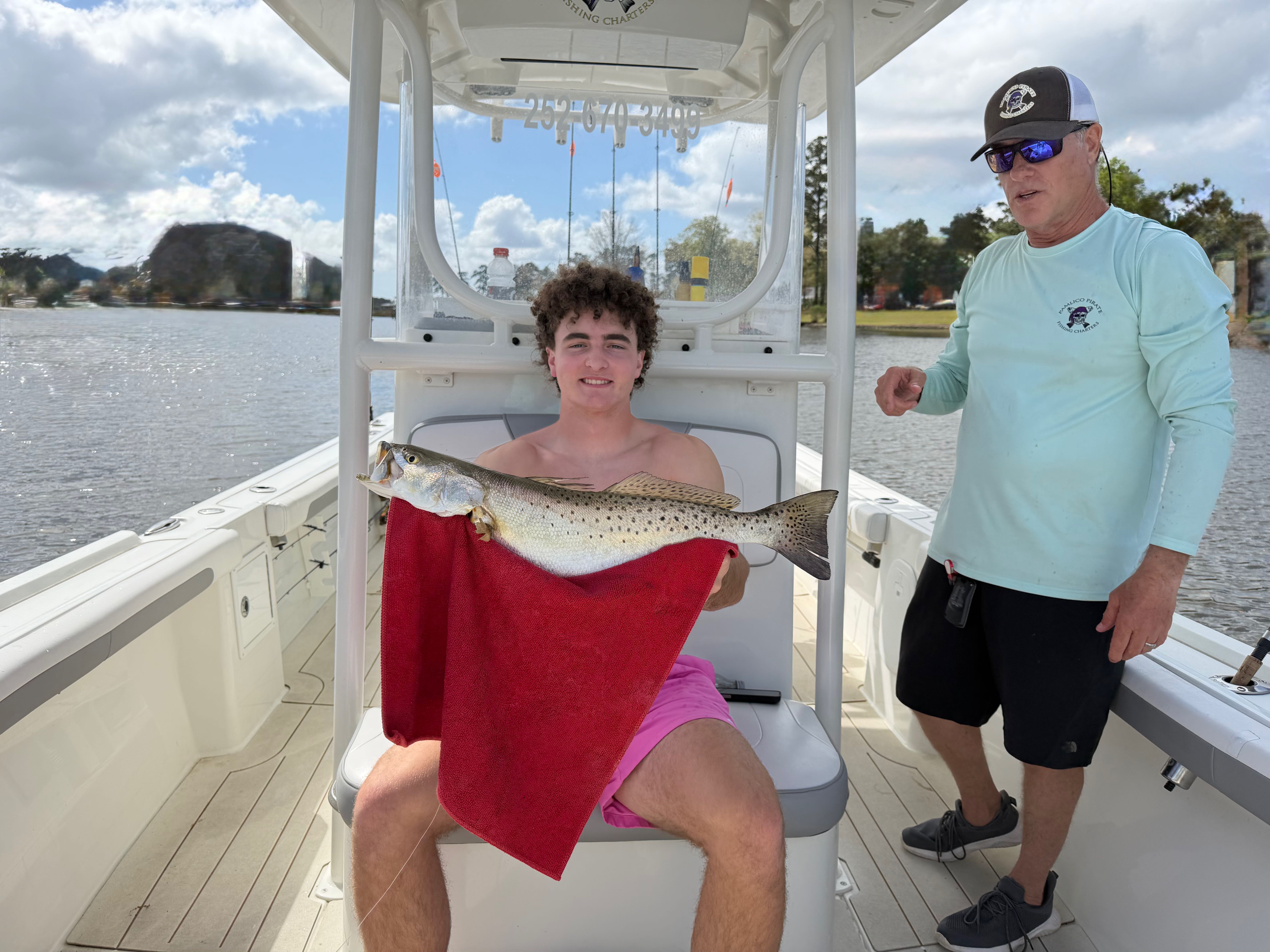
Sea trout, also known as speckled trout or "specks," are year-round residents that provide consistent action when other species are scarce. These spotted beauties love grass flats and oyster bars, making them perfect targets for sight fishing. They're not the biggest fish in our waters, but they make up for size with numbers and fighting spirit. A good speck will test your drag and give you several long runs before coming to the net.
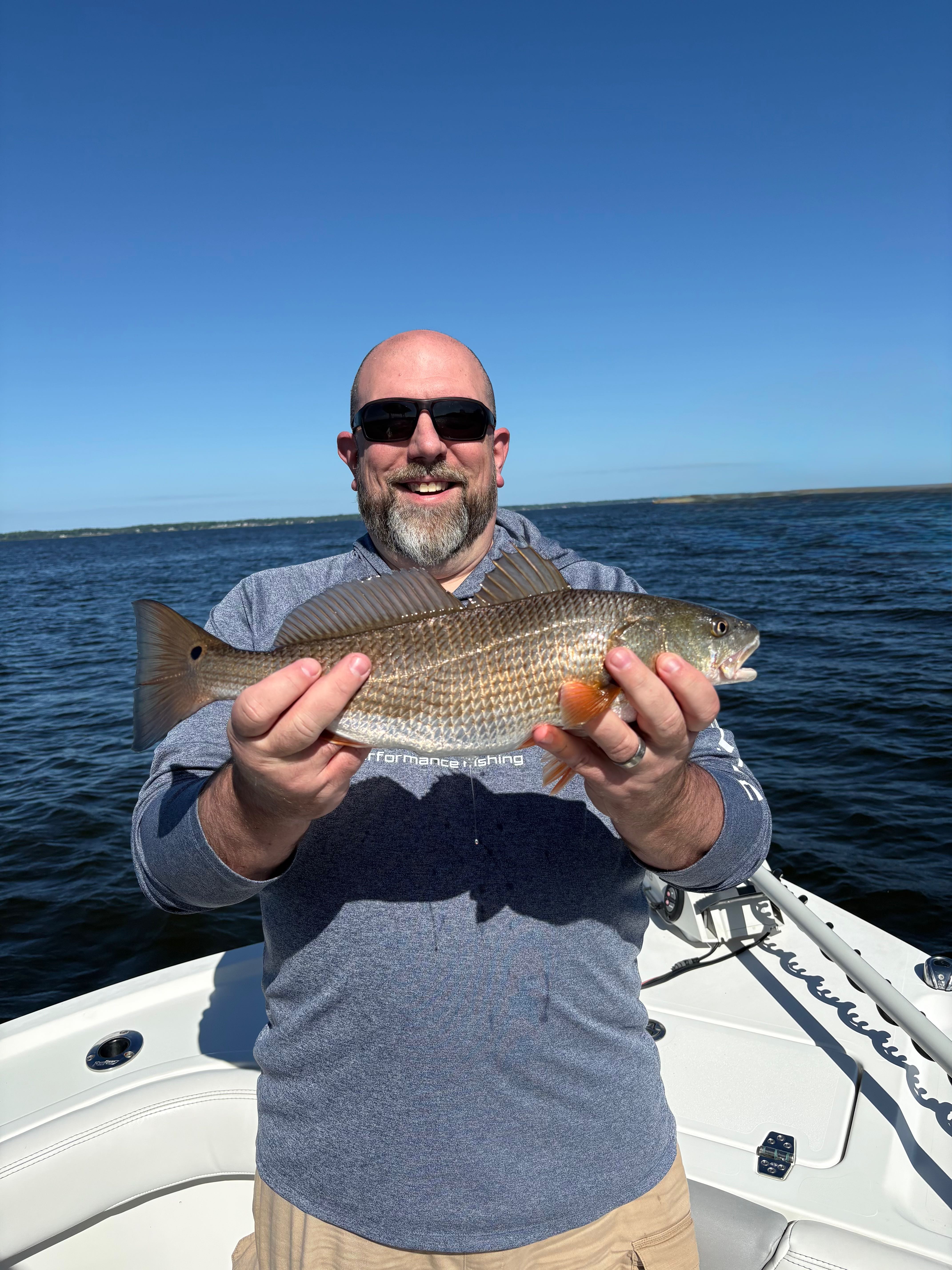
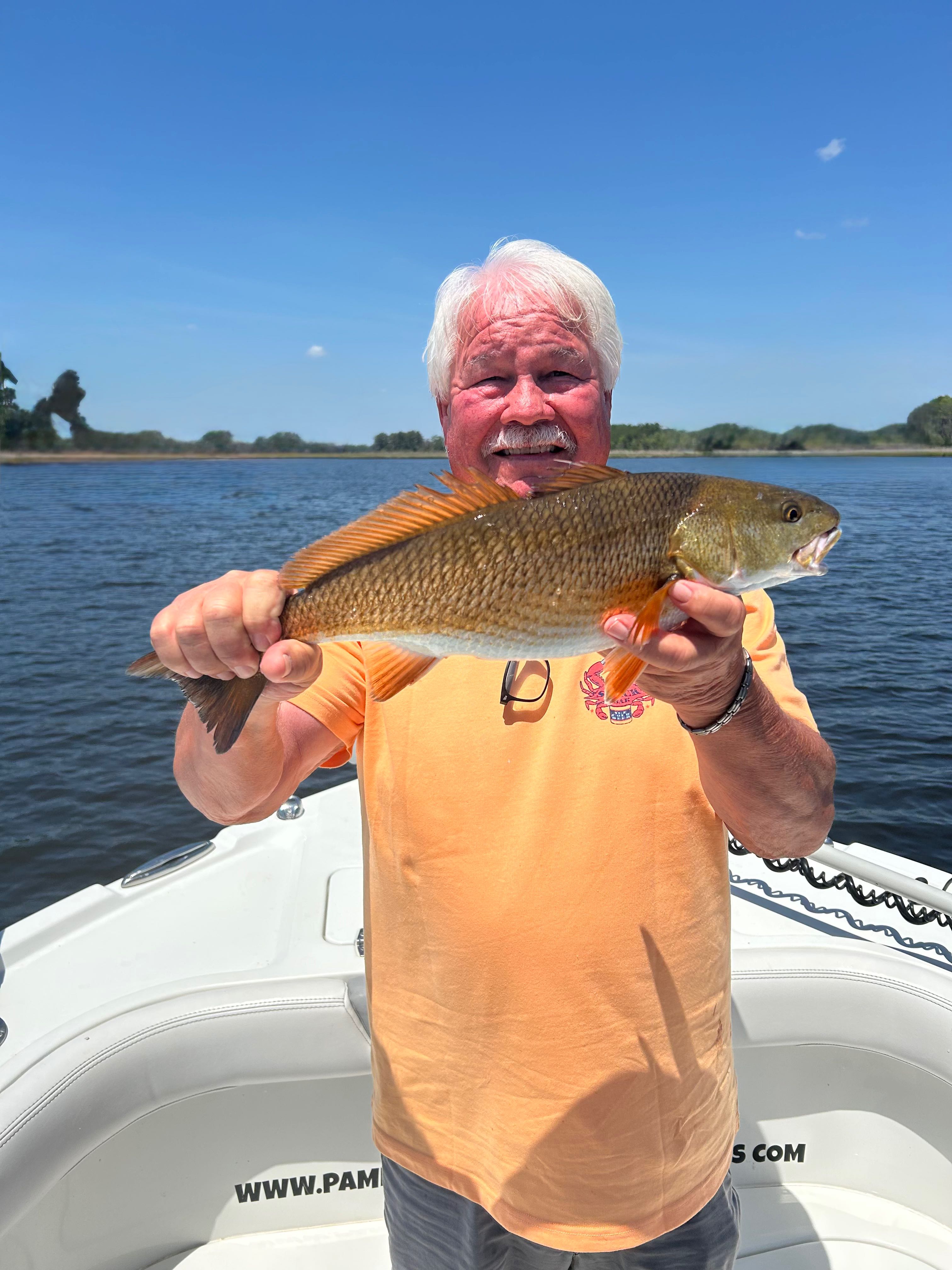
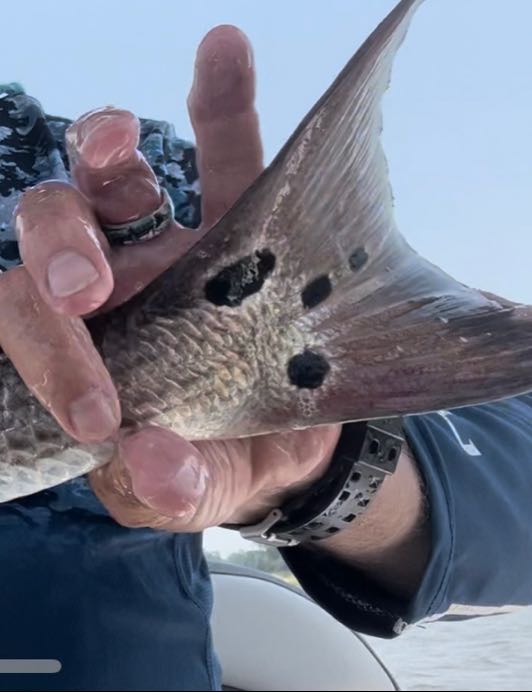
Redfish are the ultimate fly fishing challenge in North Carolina waters. These copper-colored bruisers can weigh anywhere from 5 to 50 pounds, and the bigger ones will put your tackle to the test. Summer and fall provide the best opportunities for sight fishing tailing reds in shallow water – there's nothing quite like watching a bull redfish slowly cruise within casting distance while you try to keep your nerves steady. Their powerful runs and bulldogging fight style make them a customer favorite, and catching one on fly is something you'll be talking about for years.
Time to Book Your Spot
This top-rated NC coastal fly fishing experience fills up fast, especially during prime season when the redfish and tarpon action heats up. With Captain David's expert guidance and these renowned inshore waters, you're looking at the kind of fishing day that creates lifelong memories. Whether you're new to fly fishing or a seasoned angler looking for your next challenge, this trip delivers the goods. The price includes up to three guests, so grab your fishing buddies and get ready for some of the best inshore fly fishing the East Coast has to offer. Book your trip today and find out why anglers keep coming back to Pamlico Pirate Fishing Charters year after year.
 5.0(1 Reviews)
 Private Trip
 Inshore Fishing
 North Carolina


 Target redfish and tarpon using fly fishing techniques in NC waters