Fort Lauderdale Shark Fishing Charter
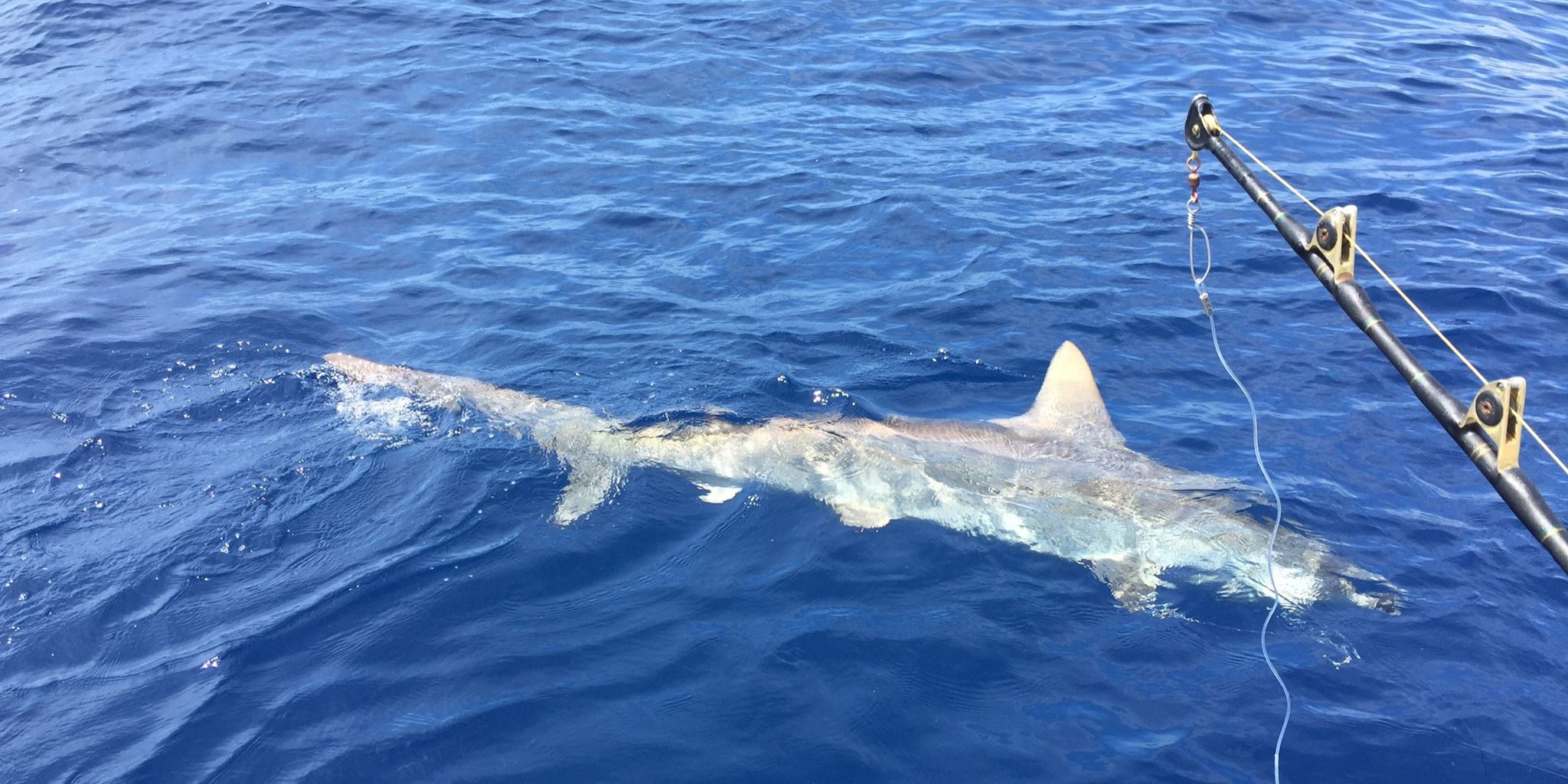
You want to test your strength against some of the ocean's most powerful predators? This 3-hour shark fishing charter off Fort Lauderdale puts you face-to-face with monsters that'll make your arms burn and your heart race. Running seasonally from March through August, we take up to six anglers into the deep blue where hammerheads, bulls, and makos cruise the edges looking for their next meal. Every shark we hook gets tagged for research before release – you're not just fishing, you're contributing to marine science while getting the fight of your life.
What to Expect on the Water
This isn't your typical inshore fishing trip where you're casting for snook in the shallows. We're heading offshore into 100 to 400 feet of water, depending on what Mother Nature's serving up that day. The Gulf Stream pushes close to Fort Lauderdale's coast, creating upwellings and temperature breaks where baitfish stack up – and where sharks come to feed. You'll be fishing with heavy tackle and circle hooks, using fresh chunks of bonito, mackerel, or whatever we've caught for bait. The rods are loaded with 80-pound test because when a 300-pound bull shark decides it doesn't want to come to the boat, you need every advantage you can get. Most of our target species are serious fighters that'll take long runs and test your endurance. Be ready to work as a team – shark fishing isn't a solo sport, and everyone on board plays a role in landing these apex predators safely.
Tackle and Techniques
We're running circle hooks exclusively for this fishery – it's better for the sharks and gives us cleaner releases for our tagging program. The captain will set up a spread of baits at different depths using downriggers and weighted lines, creating a chum slick that draws sharks from miles away. You'll be fishing with 50 to 80-pound class tackle, depending on conditions and what's been biting. The technique is all about patience and timing – sharks often mouth the bait before committing, so knowing when to set the hook makes the difference between a hookup and a missed opportunity. Wire leaders are a must with these toothy predators, and we use heavy-duty swivels and hardware that can handle the torque when a big mako goes airborne. The fighting chair gets a workout on this trip, and you'll learn why serious shark anglers develop such respect for these fish. When we get a fish to the boat, it's all hands on deck for a quick photo, tagging, and release.
Species You'll Want to Hook
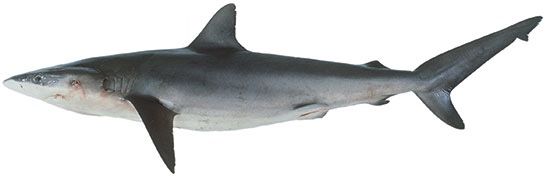
Blacktip sharks are often the most active species we encounter, especially during their spring migration through South Florida waters. These athletic sharks average 40 to 80 pounds and are known for their spectacular jumps when hooked. They're aggressive feeders that hit baits hard and fast, making them perfect for anglers who want consistent action. Peak season runs from March through May when schools move through our waters in massive numbers. What makes blacktips special is their willingness to fight in the upper water column – you'll see them cartwheeling across the surface in displays that rival any tarpon jump.
Tiger sharks are the heavyweight champions of this fishery, with mature females reaching weights over 500 pounds in our local waters. These apex predators are most active during the warmer months from May through August, when they move into shallower waters to hunt. Tigers are known for their incredibly powerful runs and their ability to change direction instantly, testing both angler skill and tackle limits. They're opportunistic feeders that will eat almost anything, making them one of the more reliable species to target. The distinctive tiger stripes on younger fish fade with age, but their reputation as one of the ocean's most formidable predators never diminishes.
Lemon sharks offer a different kind of challenge, known for their intelligence and wariness around boats. These golden-colored sharks are year-round residents in South Florida, but fishing is best from April through July when they're most active in our target depths. Lemons are strong, steady fighters that prefer to stay deep and use their weight against you rather than making flashy surface runs. They can live over 25 years and grow to impressive sizes, with big females exceeding 200 pounds. Anglers love them for their predictable fight and the challenge they present – hooking a smart lemon shark requires patience and finesse.
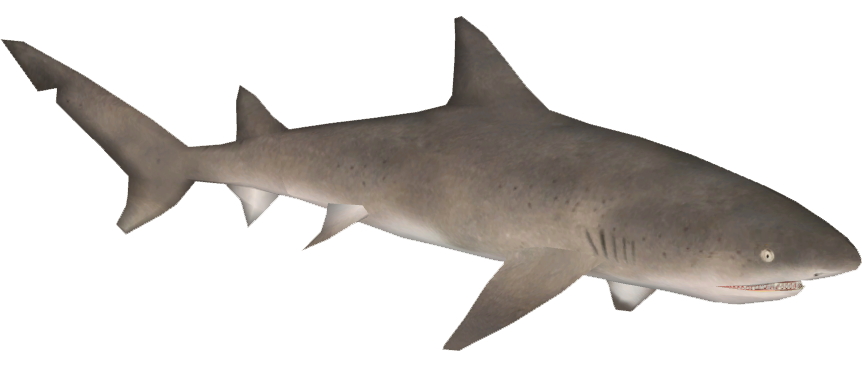
Bull sharks are the bruisers of the bunch, built like underwater bulldozers with attitudes to match. These stocky sharks are incredibly strong for their size, with mature bulls averaging 200 to 300 pounds but fighting like fish twice their weight. They're most active in our waters from March through June, when warming temperatures bring them closer to shore. Bulls are known for their initial explosive runs followed by bulldogging fights in the deep water. What makes them special is their ability to tolerate different salinities – they're equally comfortable in saltwater or brackish environments, making them one of the most adaptable shark species we target.
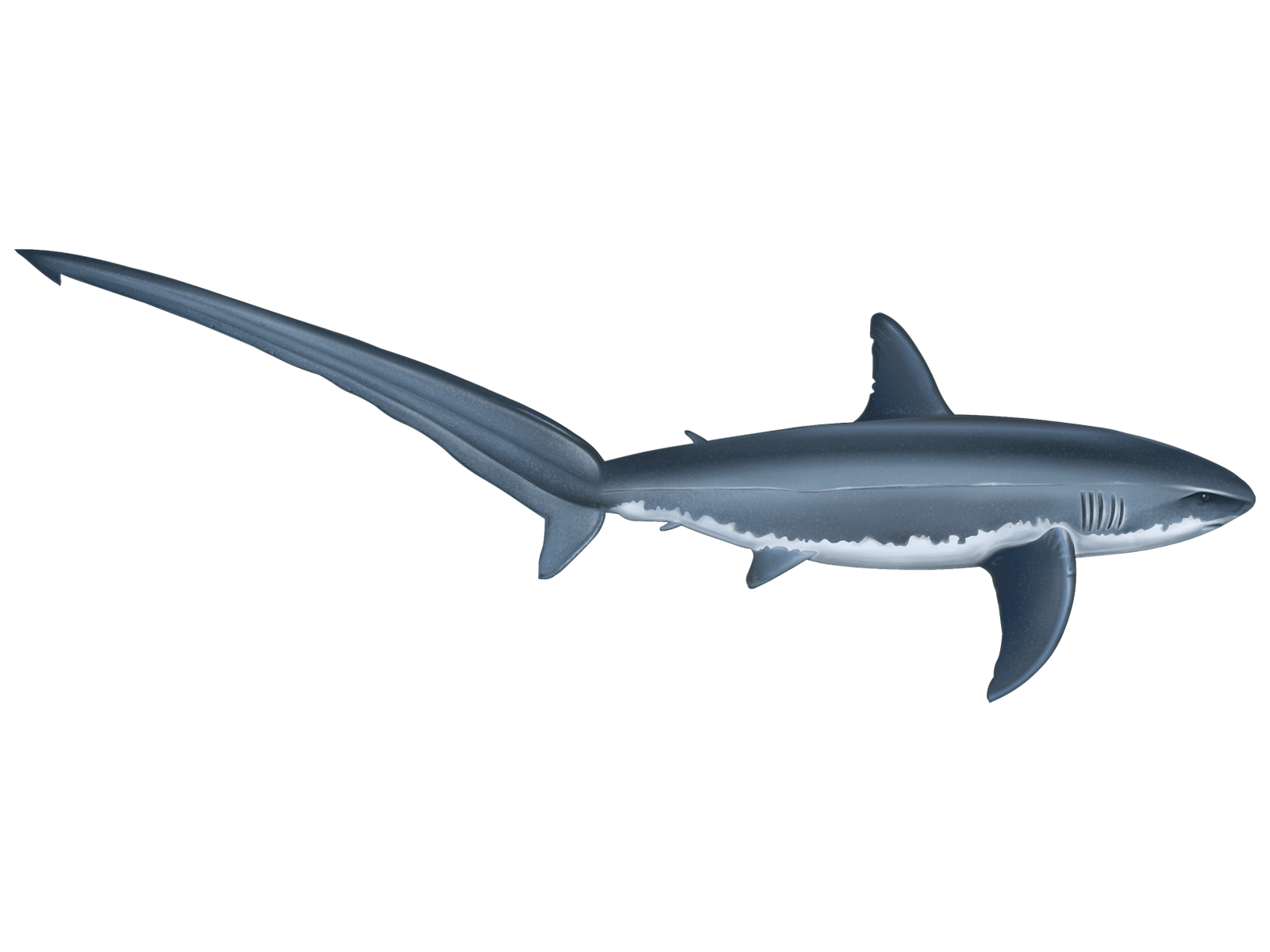
Thresher sharks are the acrobats of the deep water, famous for their elongated tail fins that can equal their body length. These unique sharks are most common in our waters from April through July, typically found in the deeper parts of our fishing grounds. Threshers use their whip-like tails to stun schools of baitfish, creating a spectacular feeding display when conditions are right. They're fast swimmers and strong fighters that often jump when hooked, making them a favorite among experienced shark anglers. Mature threshers can exceed 300 pounds, with most of that weight packed into their muscular body rather than their distinctive tail.
Time to Book Your Spot
Fort Lauderdale's shark fishing season is relatively short, running from March through August, so prime dates fill up fast. This top-rated charter accommodates up to six anglers, making it perfect for groups who want to share the experience of battling these apex predators. Every fish we catch
 Private Trip
 Offshore Fishing
 undefined, undefined

 Target hammerhead, bull, blacktip, and mako sharks offshore