5 Hour Inshore Fishing in the Atlantic Ocean
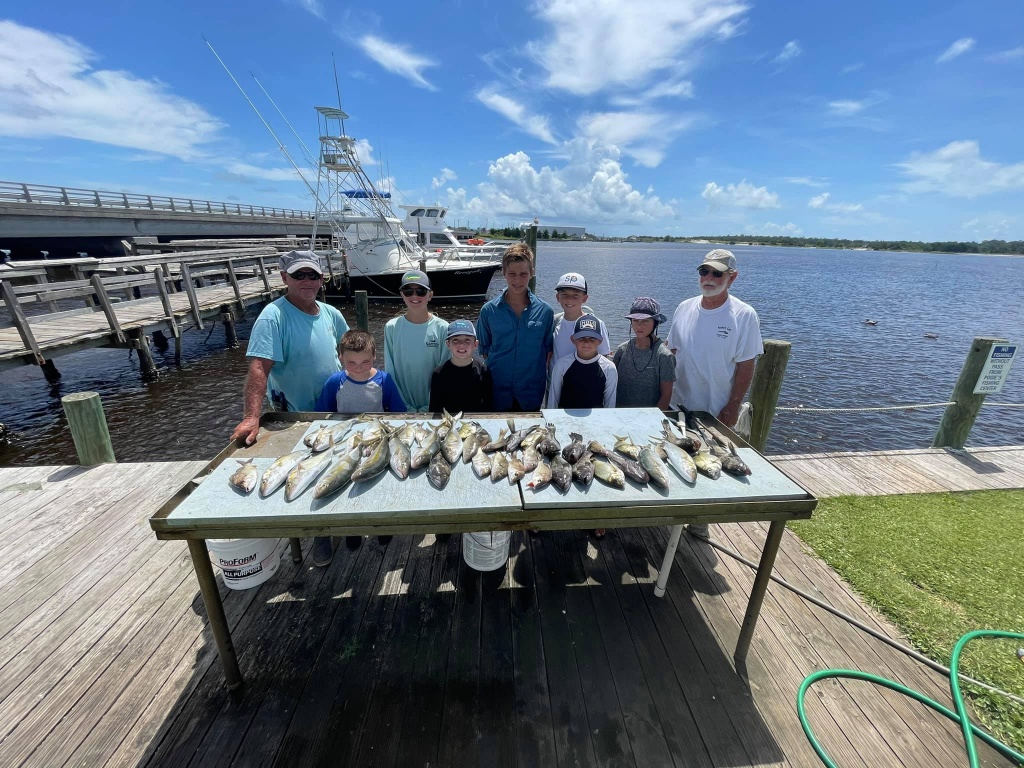
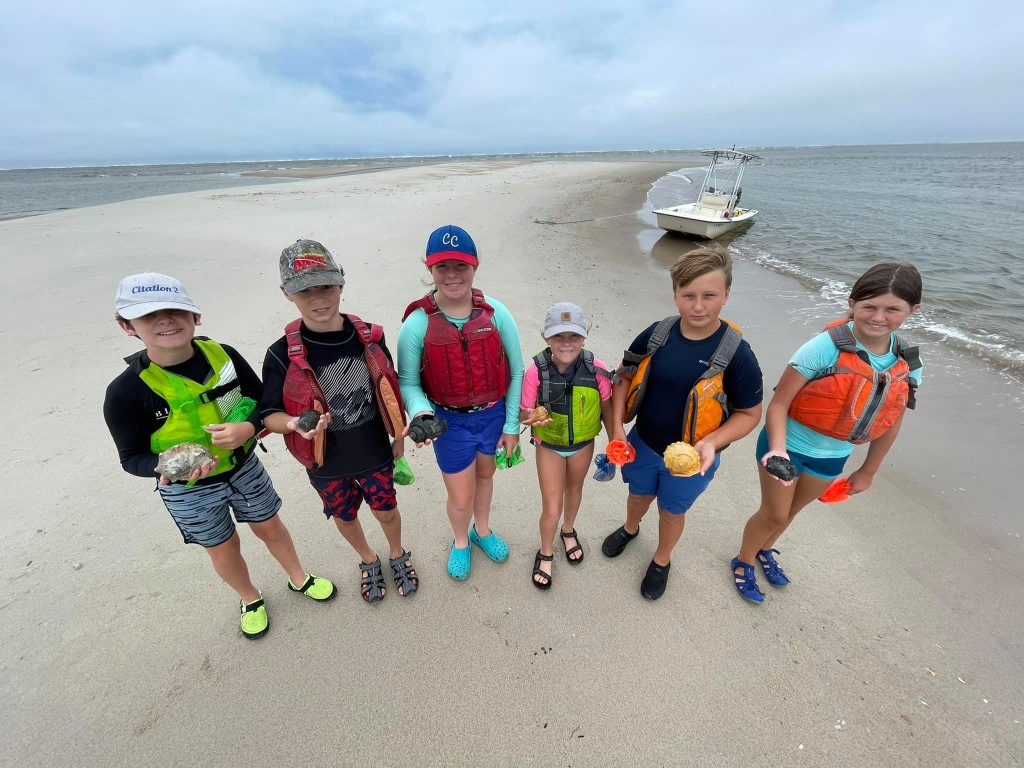
Picture this: you're drifting through protected marshes and shallow channels where the Atlantic Ocean meets the coast, casting lines with experienced captains who know every productive spot like the back of their hand. This five-hour inshore adventure with Pogie's Fishing Center puts you right in the heart of some of the East Coast's most productive shallow water fishing grounds. You'll work the grass flats, oyster bars, and creek mouths where redfish cruise in packs and spotted sea trout stack up during feeding times. With space for up to six anglers, this trip strikes the perfect balance between having enough room to fish comfortably and keeping the group small enough for personalized attention from your guide.
What to Expect on the Water
Your day starts with experienced captains who've been reading these waters for years – they know where the fish are holding based on tide, weather, and seasonal patterns. You'll cover a variety of inshore structure from shallow grass beds where redfish tail in the mornings to deeper channel edges where black drum congregate around oyster bars. The beauty of inshore fishing is the constant movement and adaptability – if one spot isn't producing, your captain will quickly relocate to creek mouths, dock pilings, or sandy potholes where flounder like to ambush baitfish. These aren't just fishing guides; they're local veterans who live and breathe these waters, sharing stories and techniques while positioning you for the best shots at quality fish. The intimate setting with a maximum of six guests means you'll get hands-on instruction whether you're a seasoned angler or picking up a rod for the first time.
Techniques & Tackle
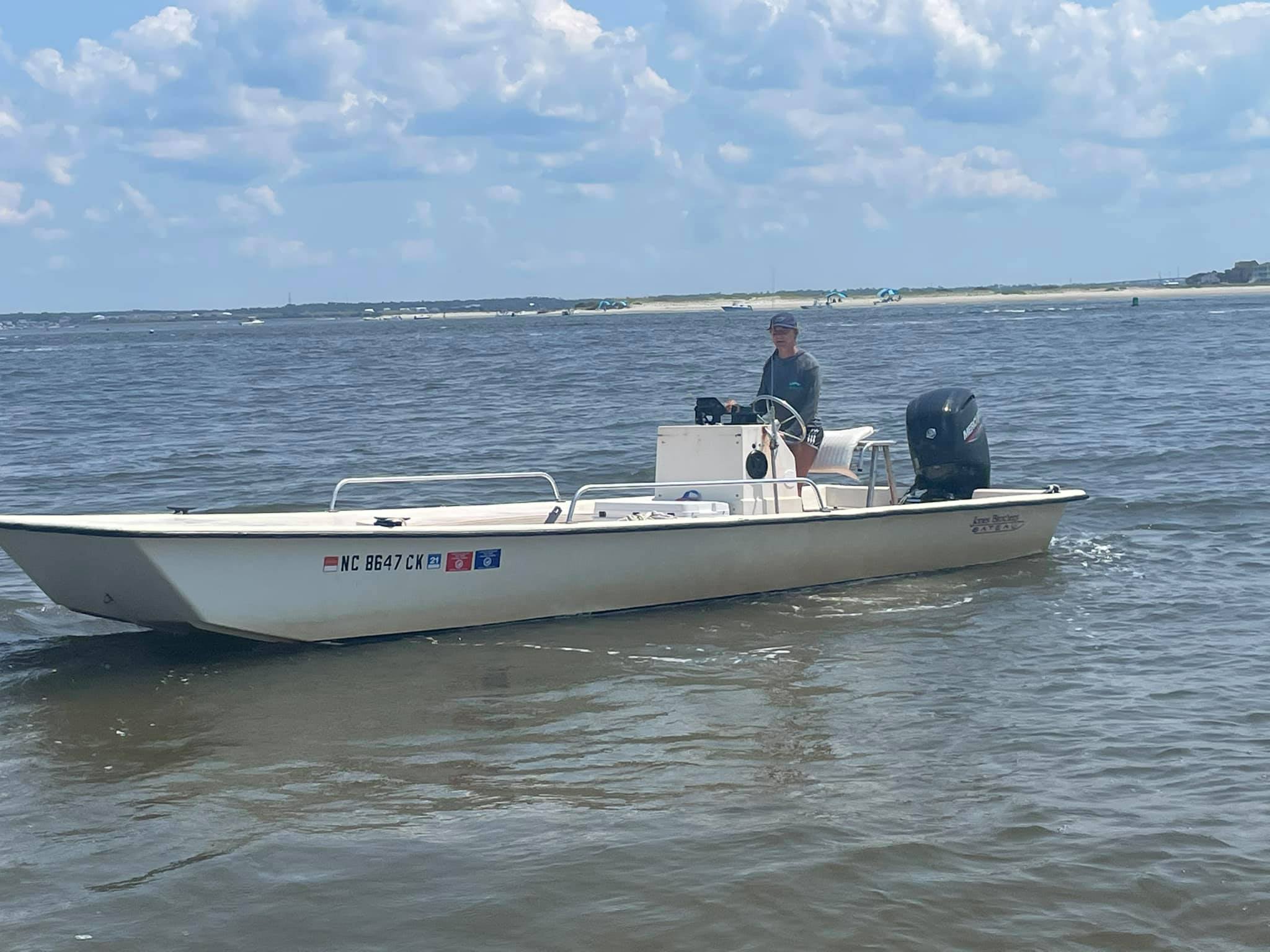
Inshore fishing is all about versatility and reading the conditions. Your guides will have you working everything from live shrimp under popping corks in the shallows to bouncing jigs along oyster bars for sheepshead. You'll learn to sight-cast to tailing redfish in skinny water – one of the most exciting ways to catch these bronze bruisers. When targeting flounder, expect to drift sand flats with bucktails or work structure with live finger mullet. For black drum around oyster beds, your captain will set you up with heavier tackle and fresh crab or shrimp on the bottom. The gear is provided, but these guides love when anglers ask questions about technique – they'll show you how to work soft plastics for sea trout, explain why certain baits work better on specific tides, and teach you to recognize productive water. The shallow draft boats used for inshore work let you access areas where bigger offshore boats can't go, putting you right in the fish's living room.
Top Catches This Season
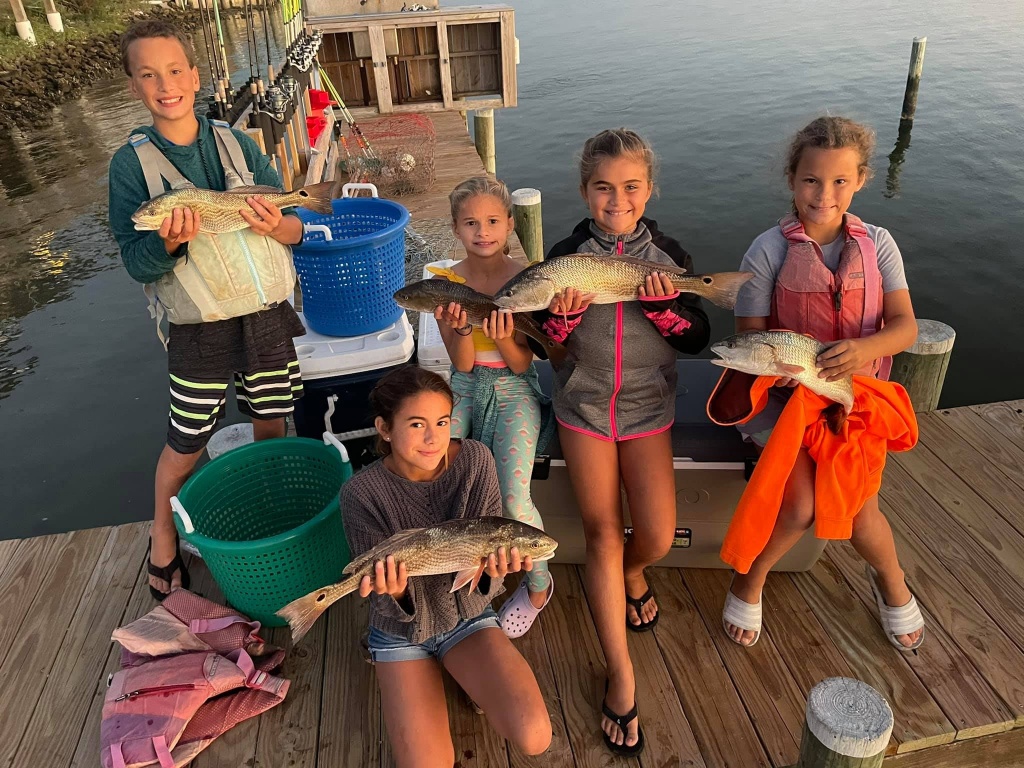
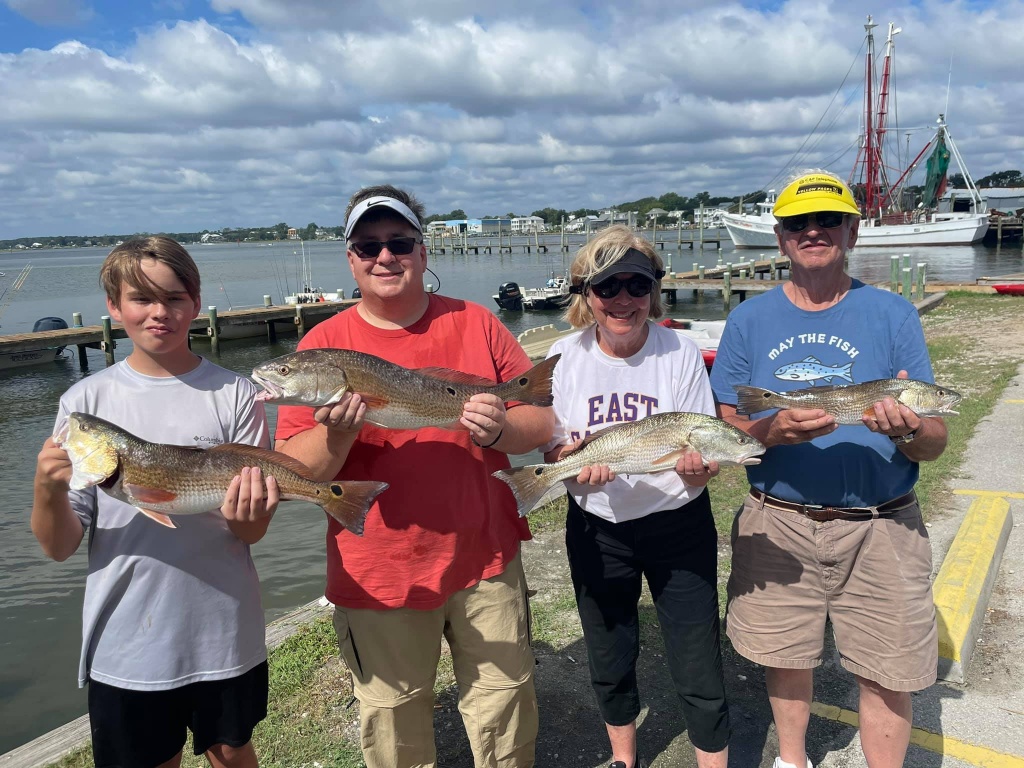
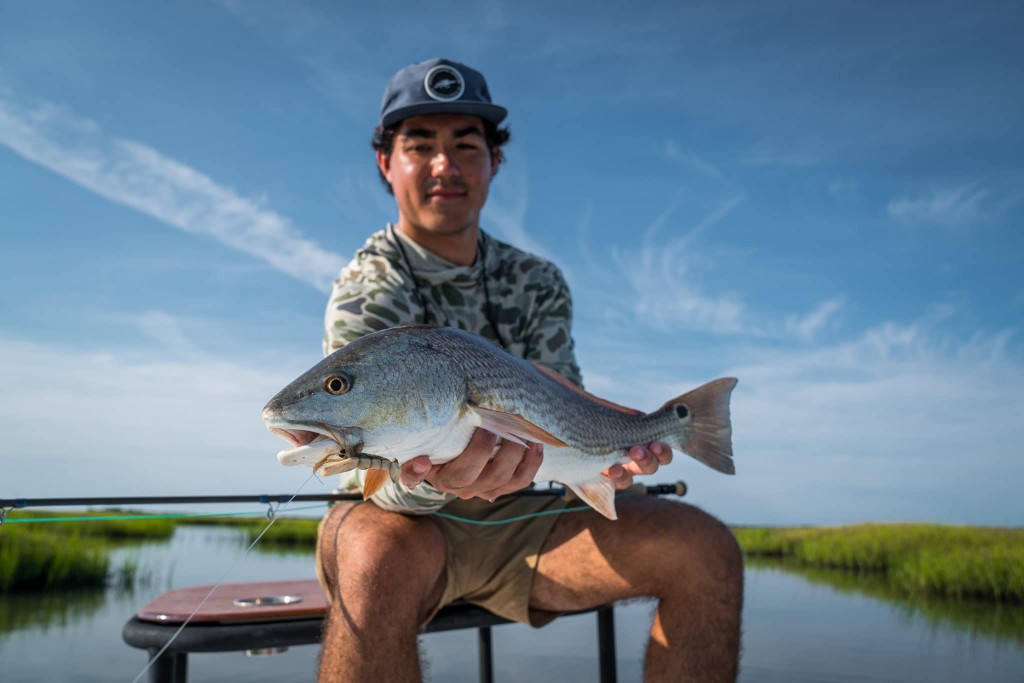
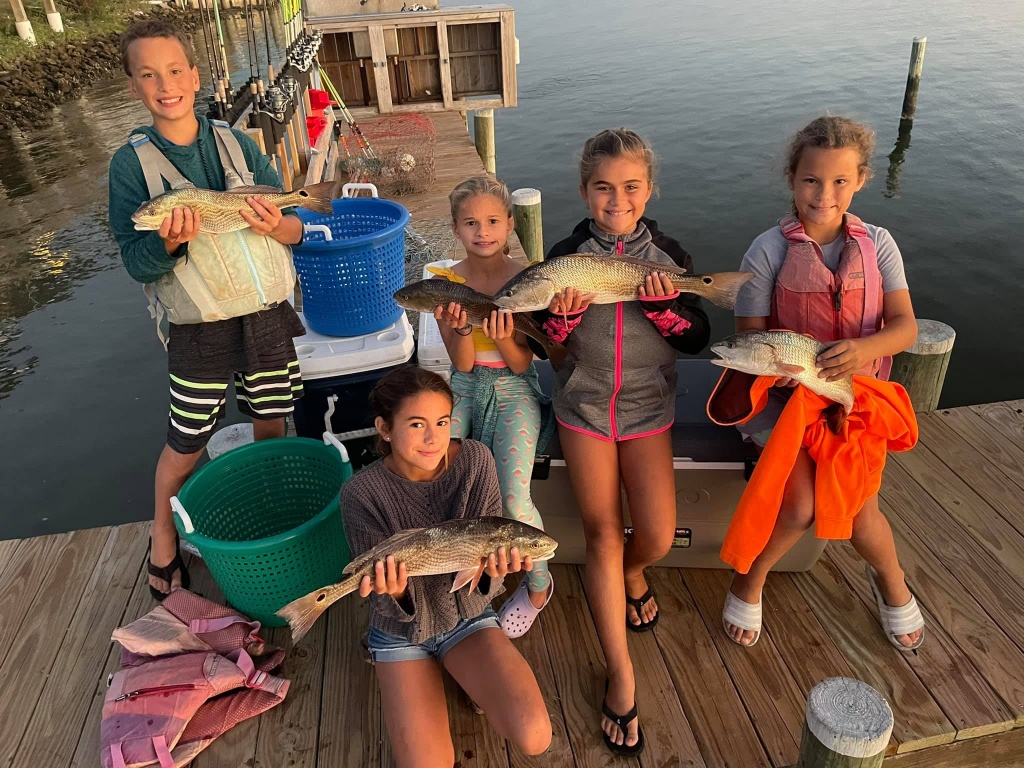
Redfish are the crown jewel of inshore fishing here, and for good reason. These copper-colored fighters typically run 18 to 30 inches in these waters, with the occasional bull red over the slot limit providing heart-stopping runs. Fall and spring offer the best action when schools of reds move through the marshes feeding heavily. They're aggressive eaters and spectacular fighters – when you hook into a slot red in shallow water, get ready for drag-screaming runs and stubborn battles right to the boat. Sea trout are another favorite, especially during warmer months when they school up over grass flats and around creek mouths. These spotted beauties average 14 to 20 inches and are known for their delicate mouths and acrobatic fights. The key is working them early morning or late afternoon when they're actively feeding on shrimp and small baitfish.
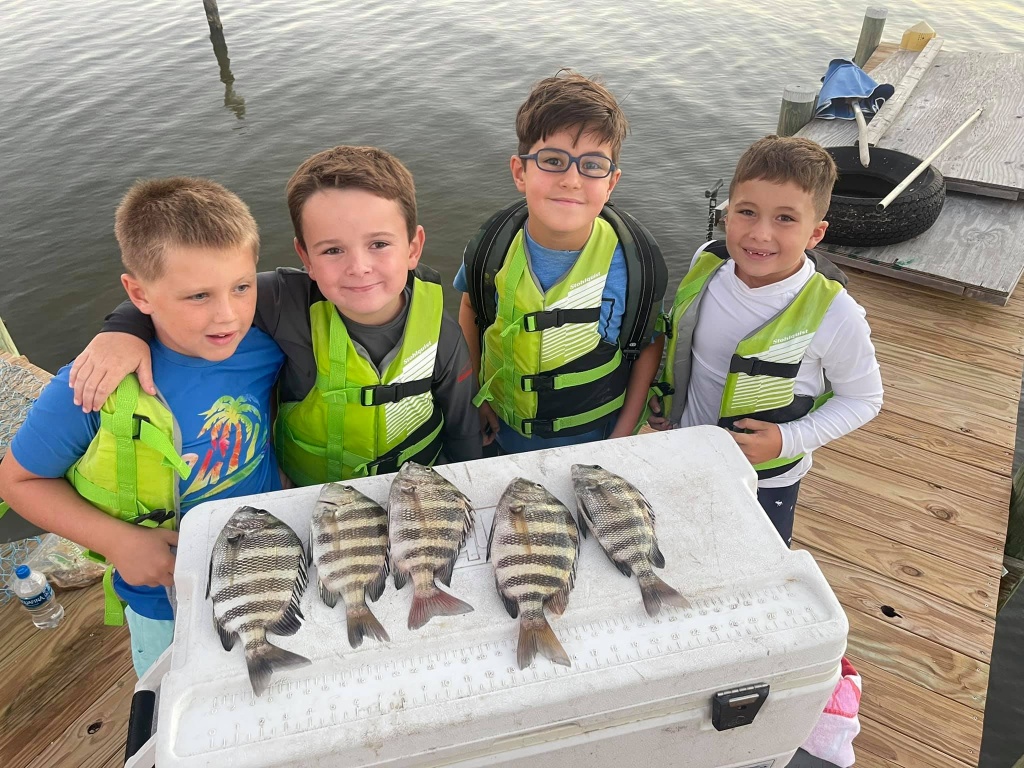
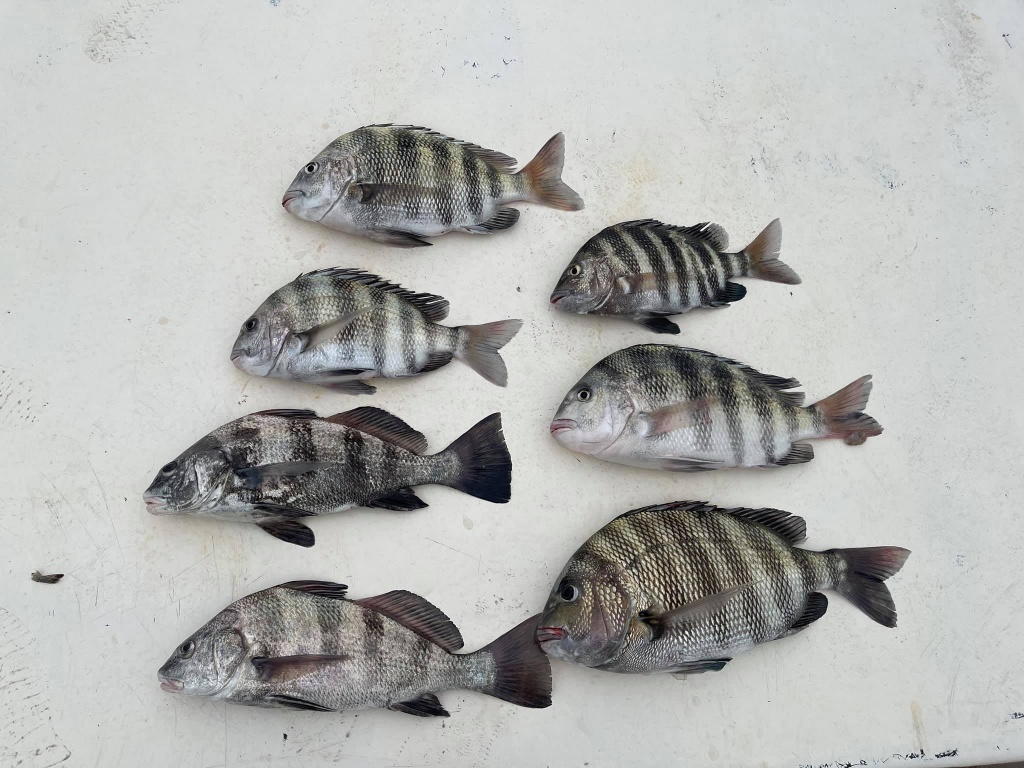
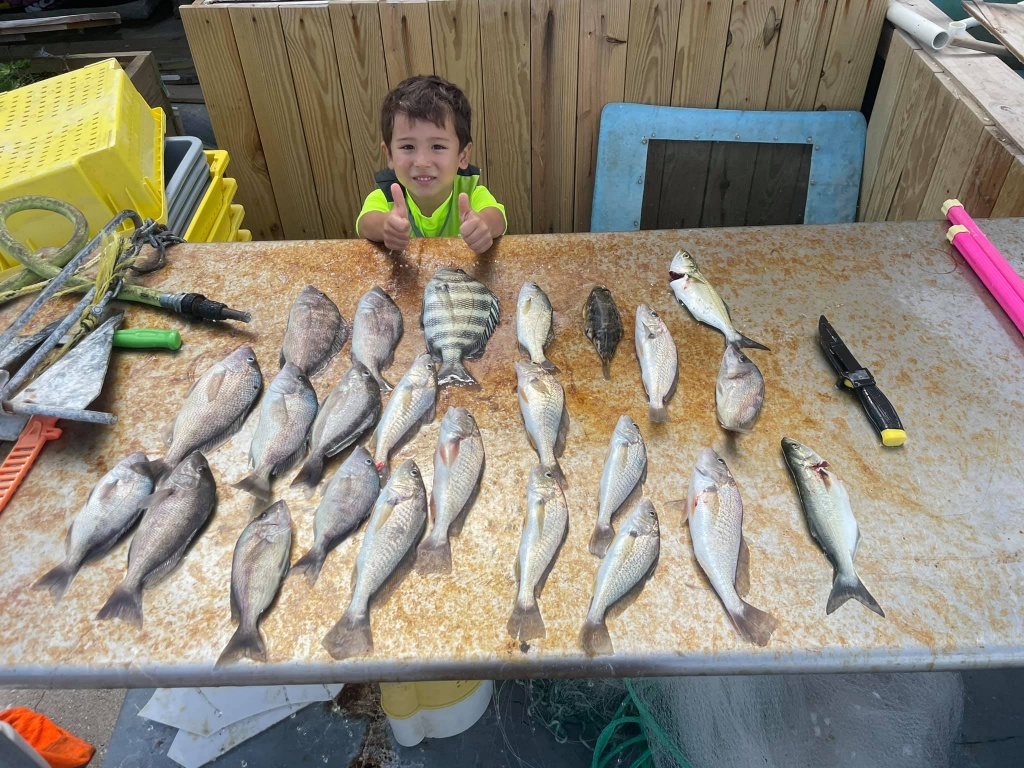
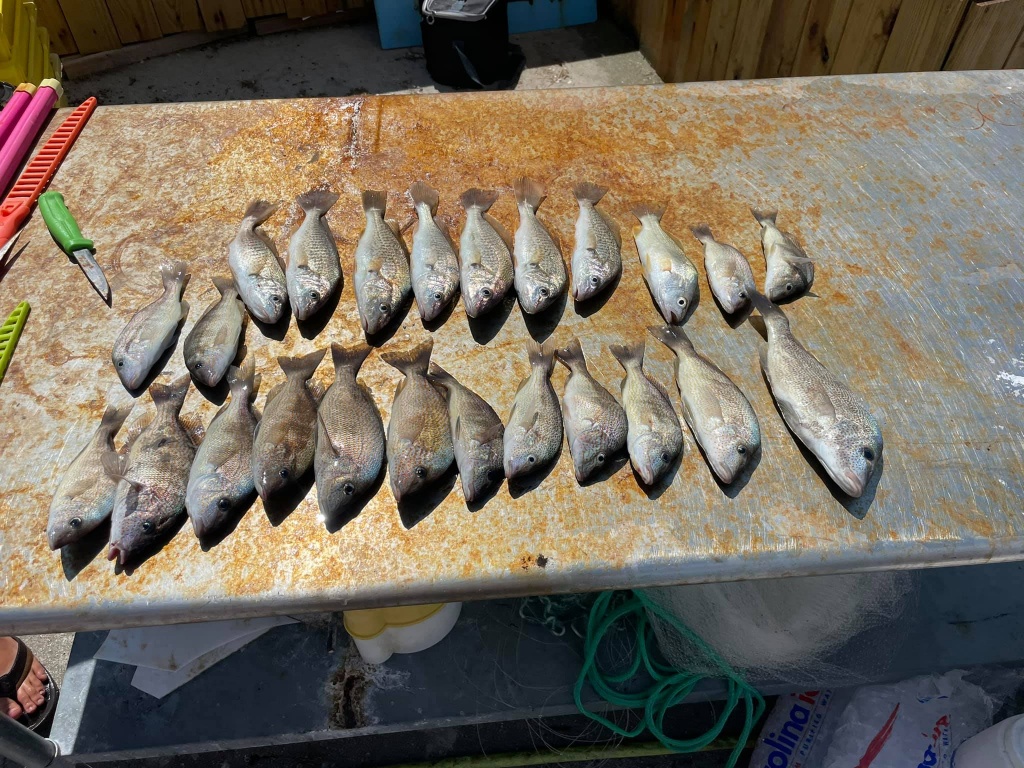
Sheepshead fishing peaks during cooler months when these black-and-white striped convict fish gather around structure. Don't let their size fool you – a 3 to 5 pound sheepshead will test your skills with their powerful runs and tendency to head straight for barnacle-covered pilings. They're notorious bait stealers with human-like teeth designed for crushing crustaceans, making them one of the most challenging and rewarding inshore species. Black drum offer the chance at the biggest fish of the day, with mature fish often weighing 20 to 40 pounds. These bottom-dwellers love oyster bars and are suckers for fresh crab or shrimp. Summer flounder round out the slam opportunities – these flatfish are masters of camouflage and ambush predation, typically found around sandy bottoms and channel edges where they can dart out to grab unsuspecting baitfish.
Time to Book Your Spot
This five-hour inshore trip delivers exactly what serious anglers and newcomers alike are looking for – productive fishing with knowledgeable guides in some of the Atlantic's best shallow water habitat. The combination of diverse species, beautiful scenery, and hands-on instruction makes every trip different and memorable. Whether you're hoping to cross a redfish off your bucket list, learn new techniques from seasoned captains, or simply enjoy a day away from the crowds, Pogie's Fishing Center has the local expertise to make it happen. Don't wait for the perfect conditions – experienced inshore guides know how to adjust tactics and find fish regardless of weather. Book your spot today and get ready to experience why inshore fishing keeps anglers coming back season after season.
 Private Trip
 Inshore Fishing
 Swansboro, NC


 5-hour inshore fishing adventure in Atlantic Ocean waters