Quick Cast Guided Fishing In Port Canaveral
If you're looking for some serious inshore action without burning your whole day, this quick cast trip out of Port Canaveral is exactly what you need. We're talking about hitting the water early when the fish are hungry and active, working the jetties and productive spots where Cape Canaveral's best inshore species like to hang out. This isn't some tourist boat ride – it's a focused fishing trip designed to put you on fish fast. Whether you're a seasoned angler who knows how to work a lure or someone just getting their feet wet in the saltwater game, you'll find plenty to love about these productive waters. Port Canaveral sits in one of Florida's most fish-rich areas, and we know exactly where to find them.
What to Expect on the Water
Your morning kicks off with a dynamic tour around the famous Cape Canaveral jetties – these rock structures are absolute fish magnets that hold everything from aggressive snook to schooling Spanish mackerel. The beauty of this trip is the variety you'll encounter. One cast might bring in a feisty redfish, while the next could hook you up with a hard-fighting bluefish or even a tripletail hanging around the structure. The jetties create perfect ambush spots where predator fish wait for baitfish to get swept through by the current. We'll move around to different spots based on what's biting, keeping the action fresh and your rod bent. Don't worry about experience level – our guides know how to put everyone on fish, whether you're casting like a pro or need some pointers on technique. The early morning bite is typically the most productive time, so we make the most of those prime feeding windows when fish are actively hunting.
Techniques & Tackle Setup
We'll be using a mix of live bait and artificial lures depending on what the fish are showing us that day. Around the jetties, we often work with live shrimp under popping corks for redfish and sea trout, while also throwing paddle tail soft plastics and spoons for the more aggressive species. Spanish mackerel love fast-moving spoons and small jigs, while snook can't resist a well-presented live bait near structure. The key is reading the water and adjusting your approach – sometimes the fish want something moving fast, other times they prefer a slow, subtle presentation. We'll have you rigged up with medium-action spinning gear that's perfect for these inshore species, giving you enough backbone to pull fish away from structure but still letting you feel every head shake and run. The guides will show you how to work different lures and baits effectively, plus share local tricks that consistently produce fish in these waters. Expect to do some sight fishing when conditions allow, which adds a whole new level of excitement to the experience.
Customer Stories
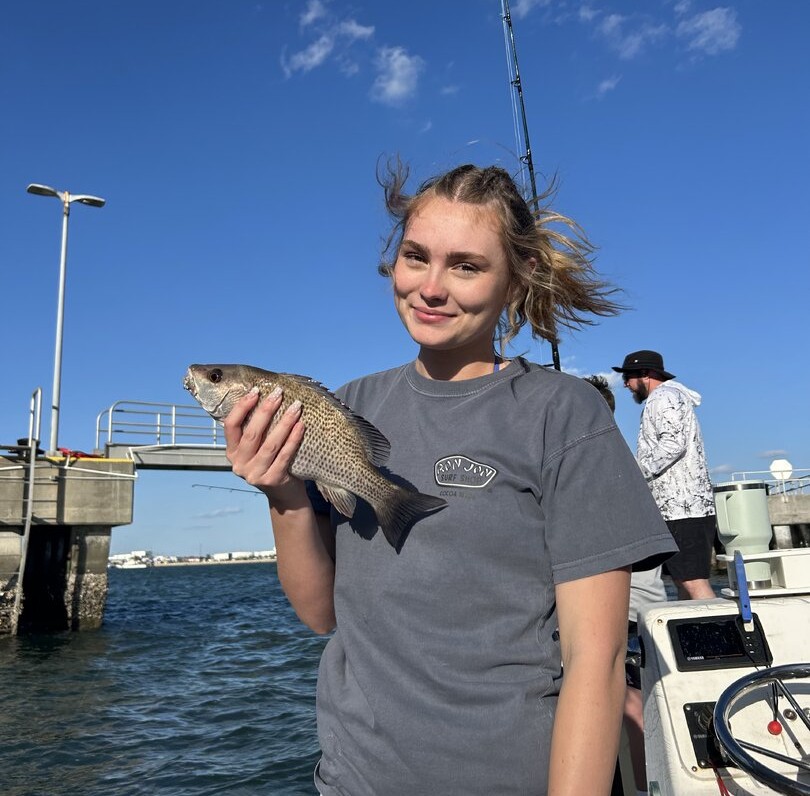
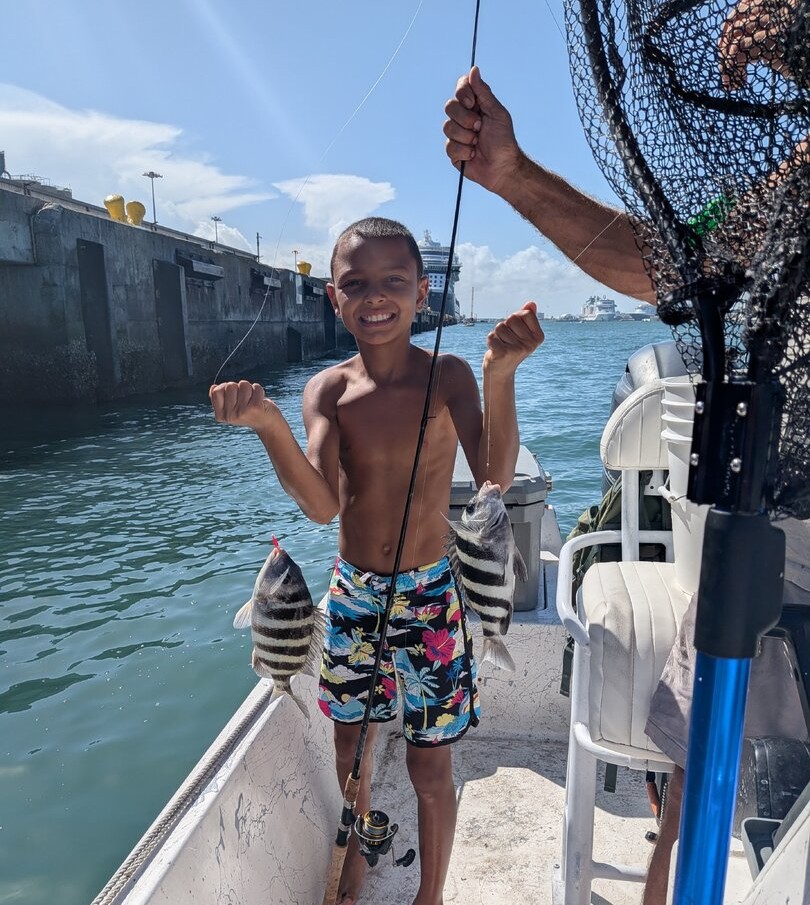
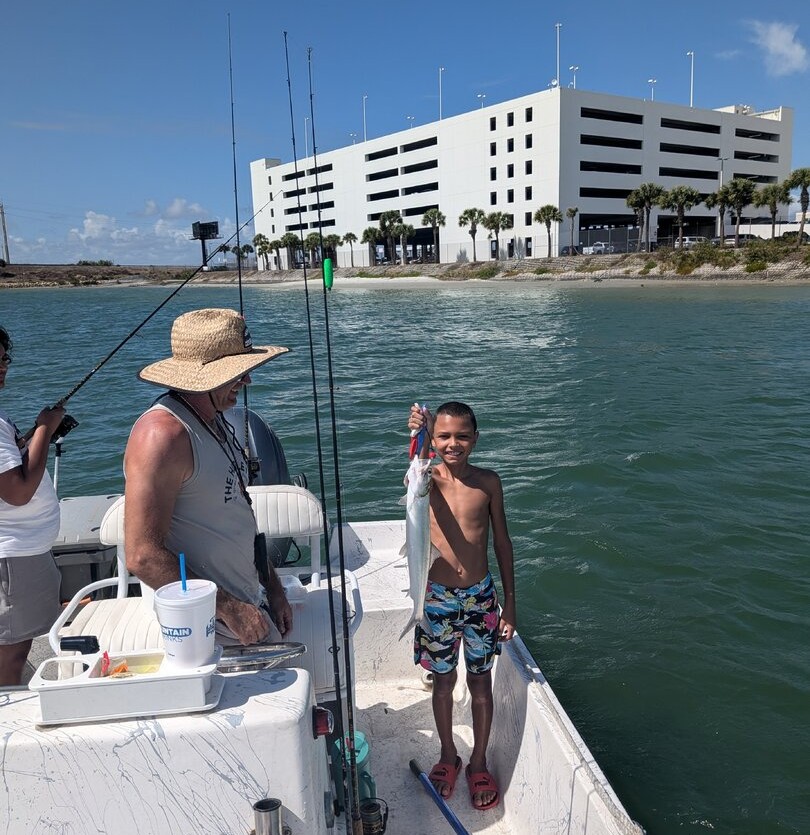
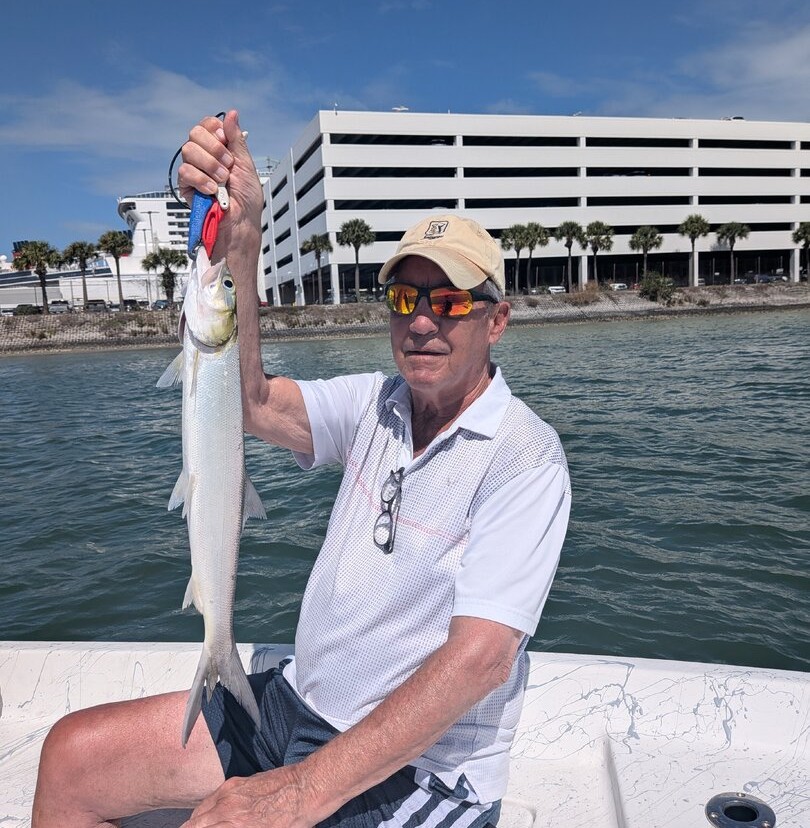
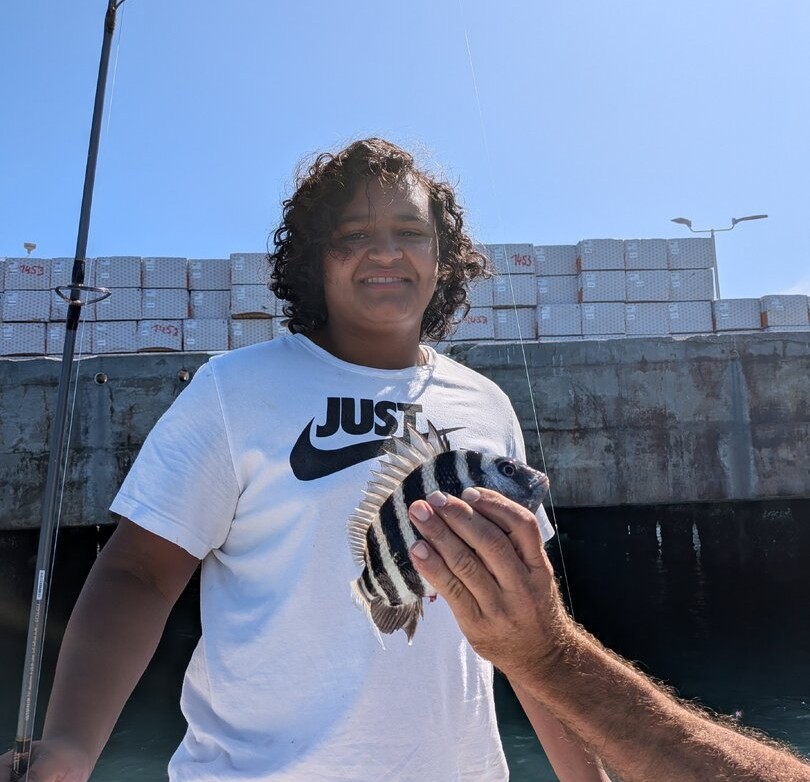
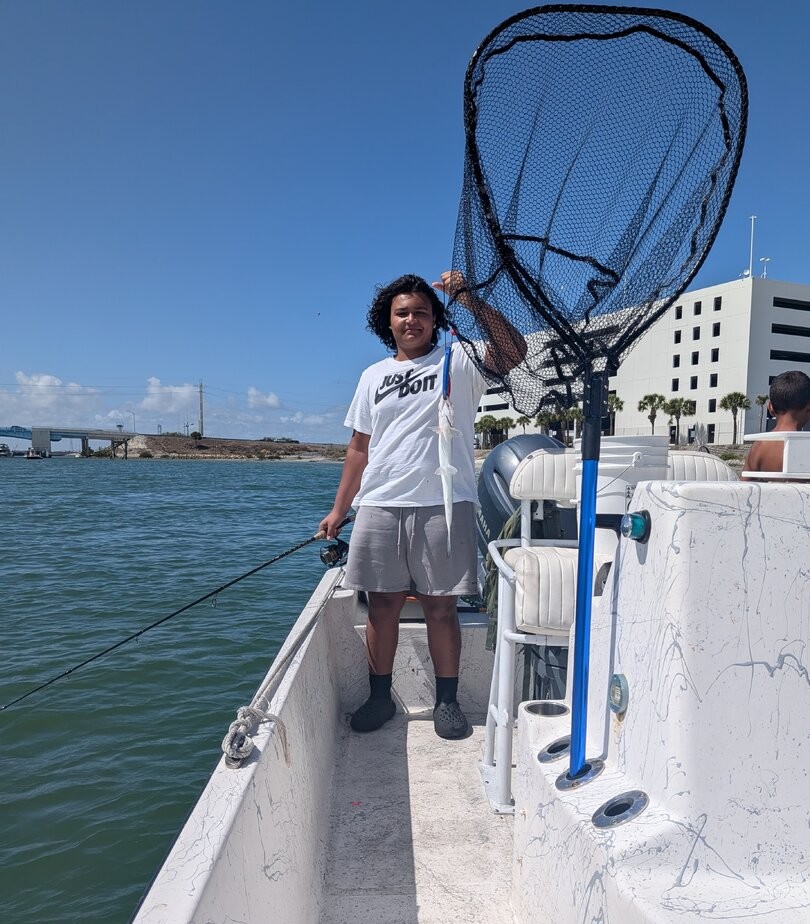
"We caught llots of fish, these were the keepers! Cant wait to go again!" - Patricia
Species You'll Want to Hook
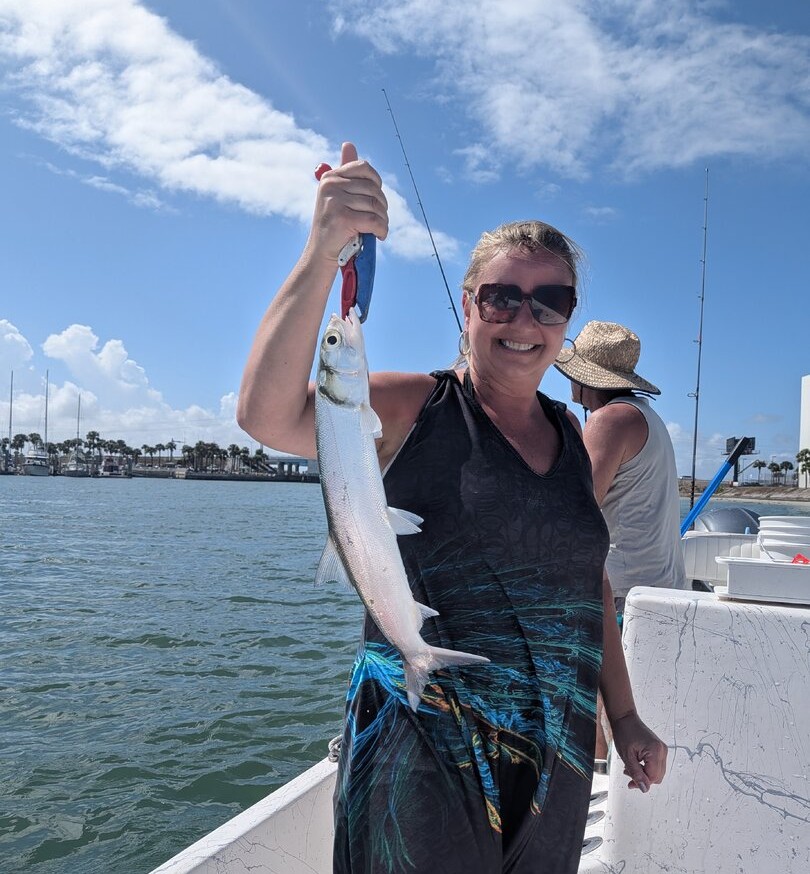
Spanish mackerel are some of the most fun fish you'll encounter on this trip. These silver bullets typically show up in good numbers from spring through fall, with peak action during warmer months. They're incredibly aggressive and will absolutely hammer fast-moving lures, often jumping multiple times when hooked. What makes them special here is how they school up around the jetties and nearby structure, creating opportunities for multiple hookups. They're also excellent table fare with firm, flaky white meat that's perfect for the grill.
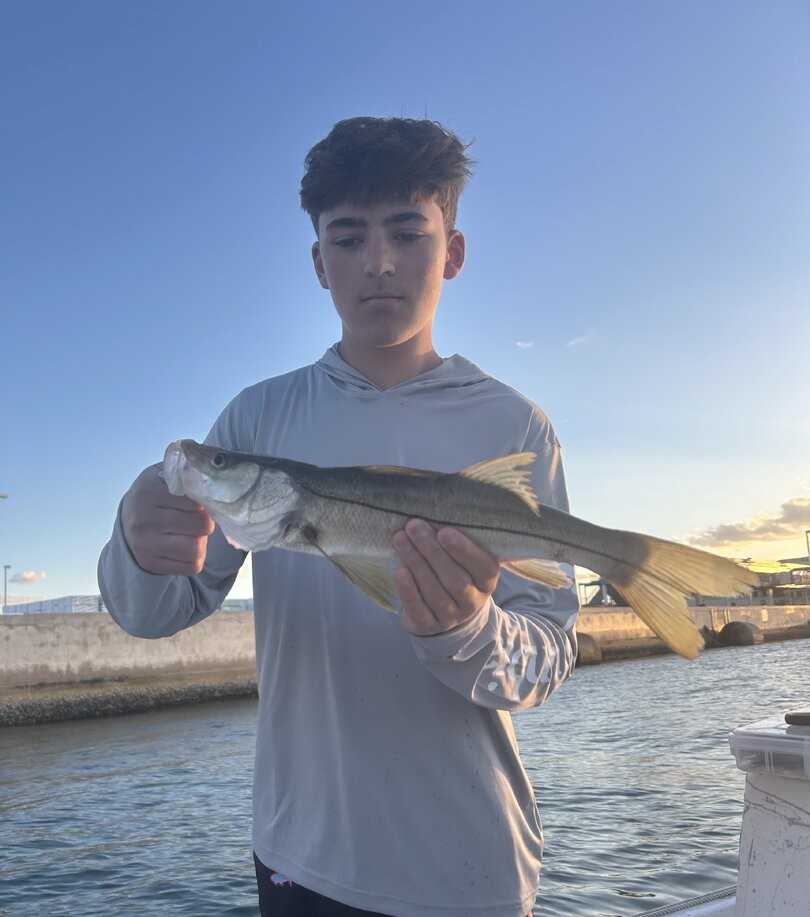
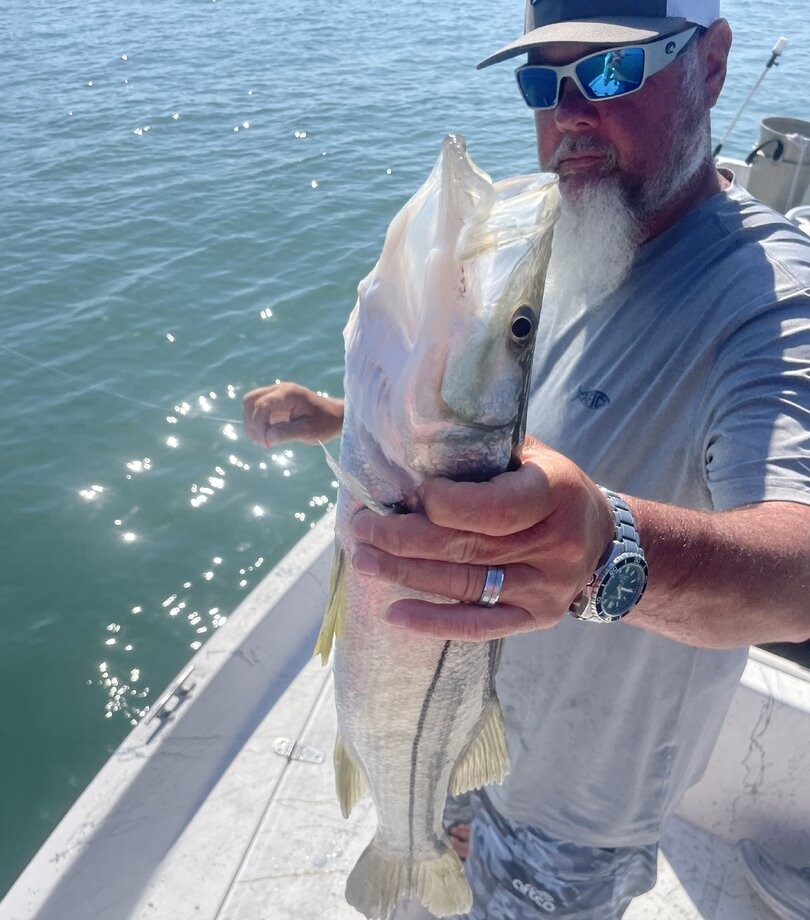
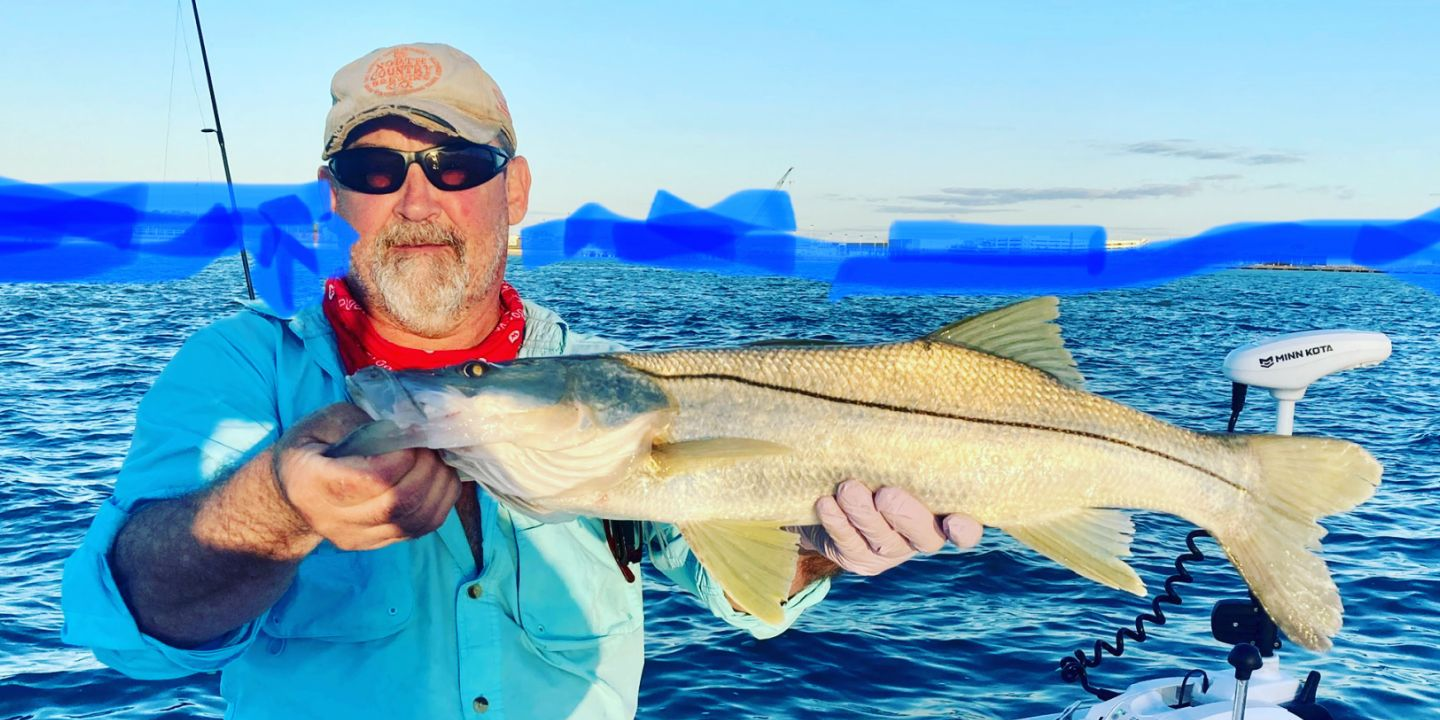
Snook are the prize catch that every angler dreams about landing. These ambush predators love hanging around the jetties and dock pilings, waiting for unsuspecting baitfish to swim by. They're incredibly strong fighters that will make multiple runs toward structure, testing your drag and skill. The best action typically happens during warmer months, though you can find them year-round in Port Canaveral. What gets anglers hooked on snook fishing is their explosive strikes and the challenge they present – they're smart fish that require patience and skill to consistently catch.
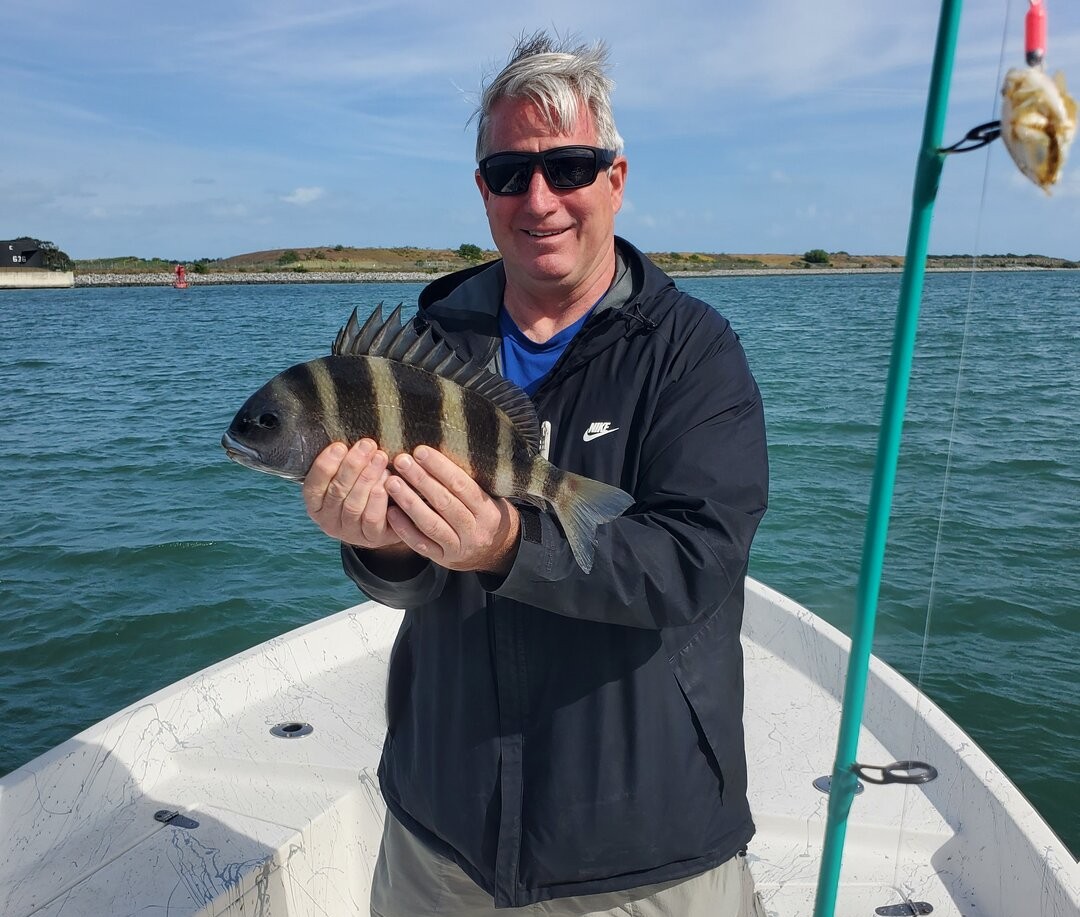
Sea trout are the bread and butter species that keep your rod busy throughout the trip. These spotted beauties are found in grass flats and around structure, feeding actively on shrimp and small baitfish. They're perfect for anglers learning inshore techniques because they're willing biters that respond well to both live bait and artificials. Peak sea trout action happens during cooler months, but you can find good numbers year-round. They make excellent eating and provide steady action when other species might be finicky.
Redfish are the copper-colored bulldogs of the inshore world, known for their powerful runs and stubborn fighting style. These fish cruise the shallows and structure looking for crabs and shrimp, making them perfect targets around the jetties. What makes redfish special is their consistent availability – you can target them year-round in Port Canaveral with good success. They're sight fishing favorites when you can spot their bronze backs cruising in shallow water, creating heart-pounding moments as you make the perfect cast. Slot-sized reds are fantastic eating, while the bigger bulls provide trophy-caliber fights.
Time to Book Your Spot
This quick cast trip gives you maximum fishing action without eating up your entire day, making it perfect for visitors with limited time or locals wanting to squeeze in some quality fishing. The early morning departure puts you on the water during prime feeding times, while the focused approach around the jetties ensures you're fishing productive water from start to finish. Port Canaveral's inshore fishery is world-class, and this trip showcases exactly why anglers travel from all over to fish these waters. Whether you're looking to check some new species off your list, introduce someone to saltwater fishing, or just get your fix of hard-fighting inshore fish, this experience delivers. Give us a call at 321-212-9020 to secure your spot and get ready for some serious fishing action. Remember that deposits are non-refundable, so make sure your schedule is locked in
 5.0(1 Reviews)
 Private Trip
 Inshore Fishing
 Port Canaveral


 Early morning inshore fishing targeting snook and redfish