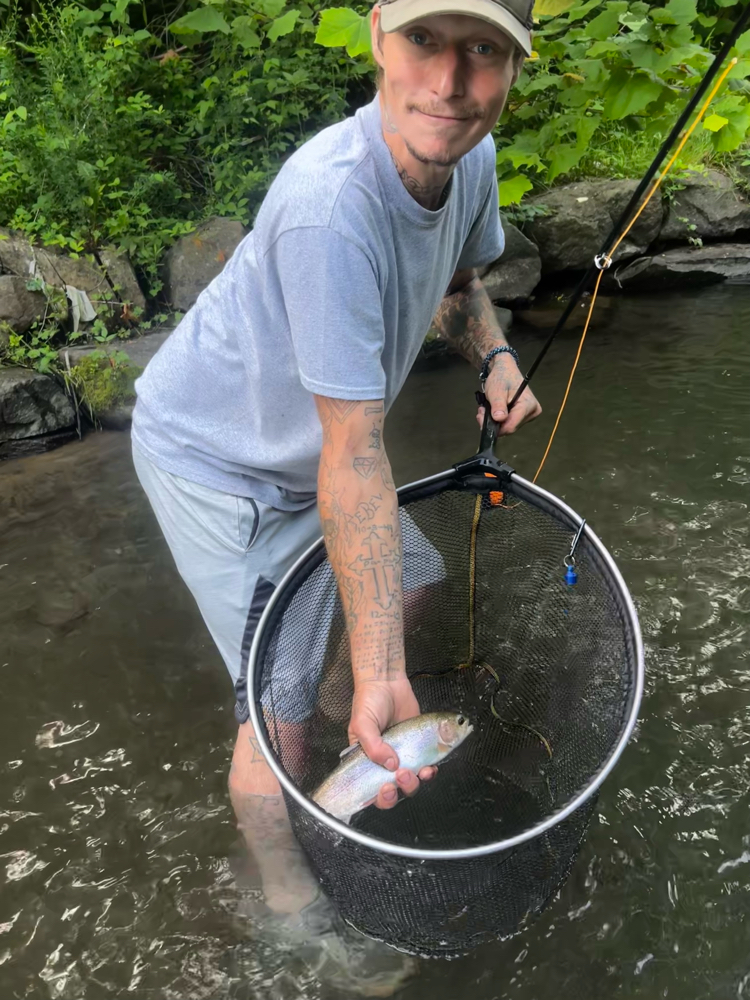
Wild Trout Half Day in Southern West Virginia
If you're looking for a shot at some serious wild trout without the crowds, this half-day guided trip in southern West Virginia is exactly what you need. We're talking pristine mountain streams where wild browns and rainbows have been thriving for generations, plus native brook trout that'll make your day. This is a one-on-one experience with a top-rated guide who knows these waters like the back of their hand. You'll be targeting trophy-sized wild fish using European nymphing techniques that have been absolutely crushing it on these streams. Southern WV's backcountry waters are some of the most underrated trout fisheries in the region, and you're about to find out why serious anglers keep this place on their short list.
What to Expect on the Water
This half-day trip takes you deep into southern West Virginia's wild trout country, where crystal-clear mountain streams wind through untouched forest. You'll be fishing waters that most anglers never see – remote stretches where wild trout have all the space and food they need to grow fat and smart. The scenery alone is worth the trip, but it's the fishing that'll keep you coming back. These streams hold legitimate trophy wild browns that can easily push 20+ inches, along with gorgeous rainbows and native brook trout. The water runs clean and cold year-round, fed by mountain springs that create perfect trout habitat. You'll be wading through pocket water, deeper pools, and undercut banks where big fish like to hide. Since this is a solo trip, your guide can focus entirely on putting you on fish and fine-tuning your technique. The pace is relaxed but productive – we're here to catch fish, not rush through spots.
European Nymphing Mastery
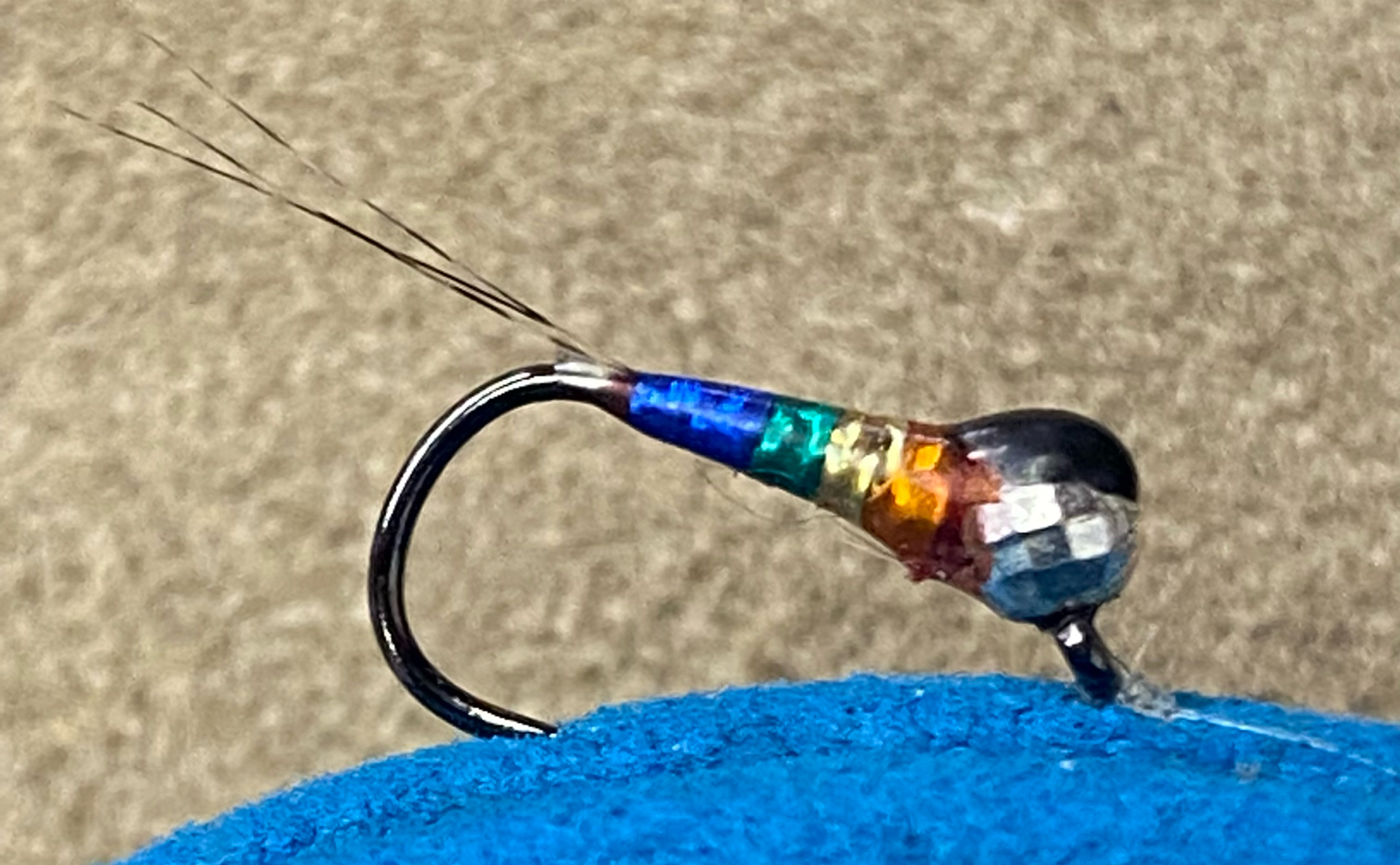
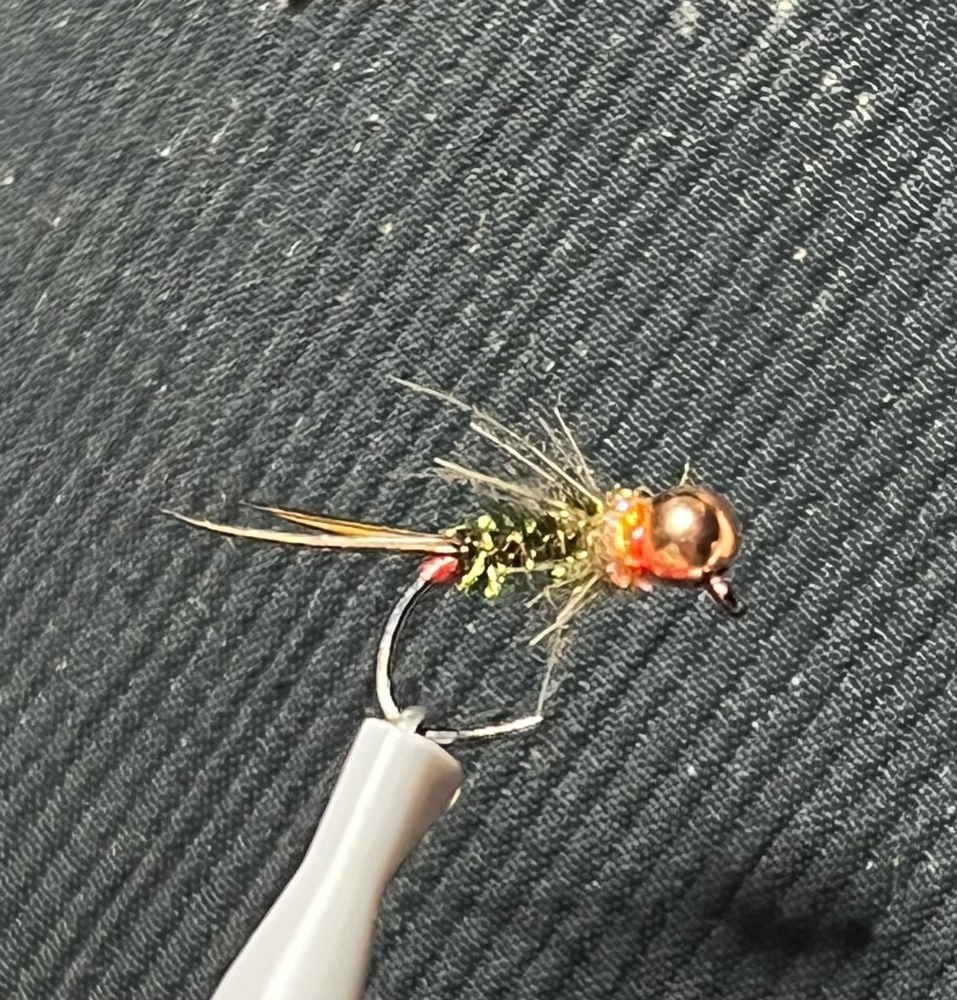
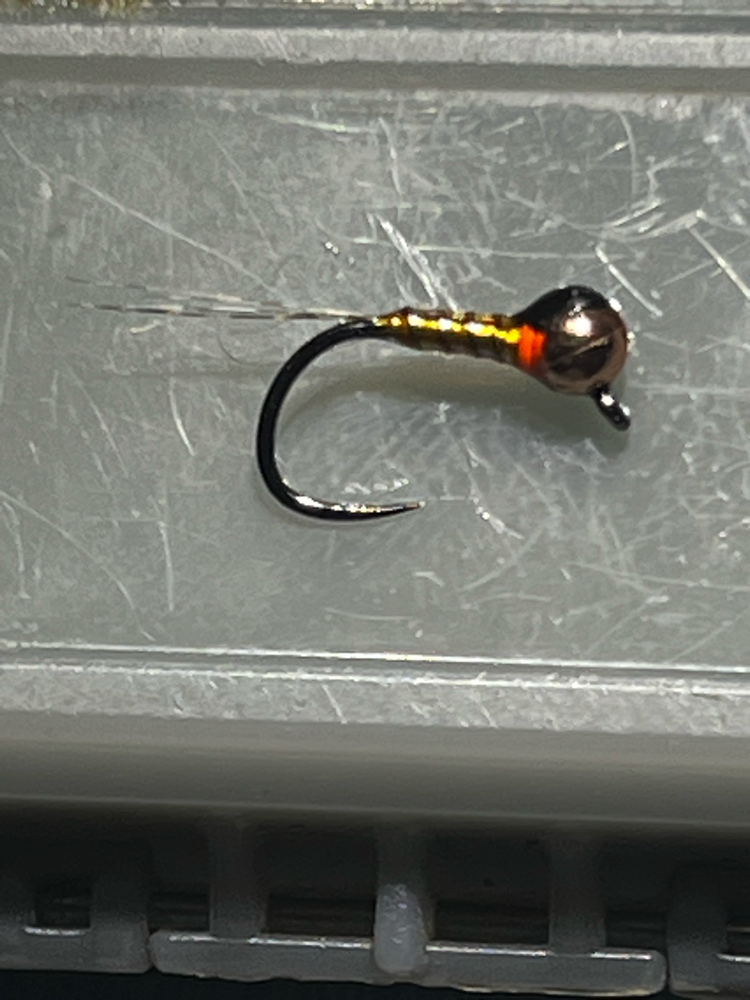
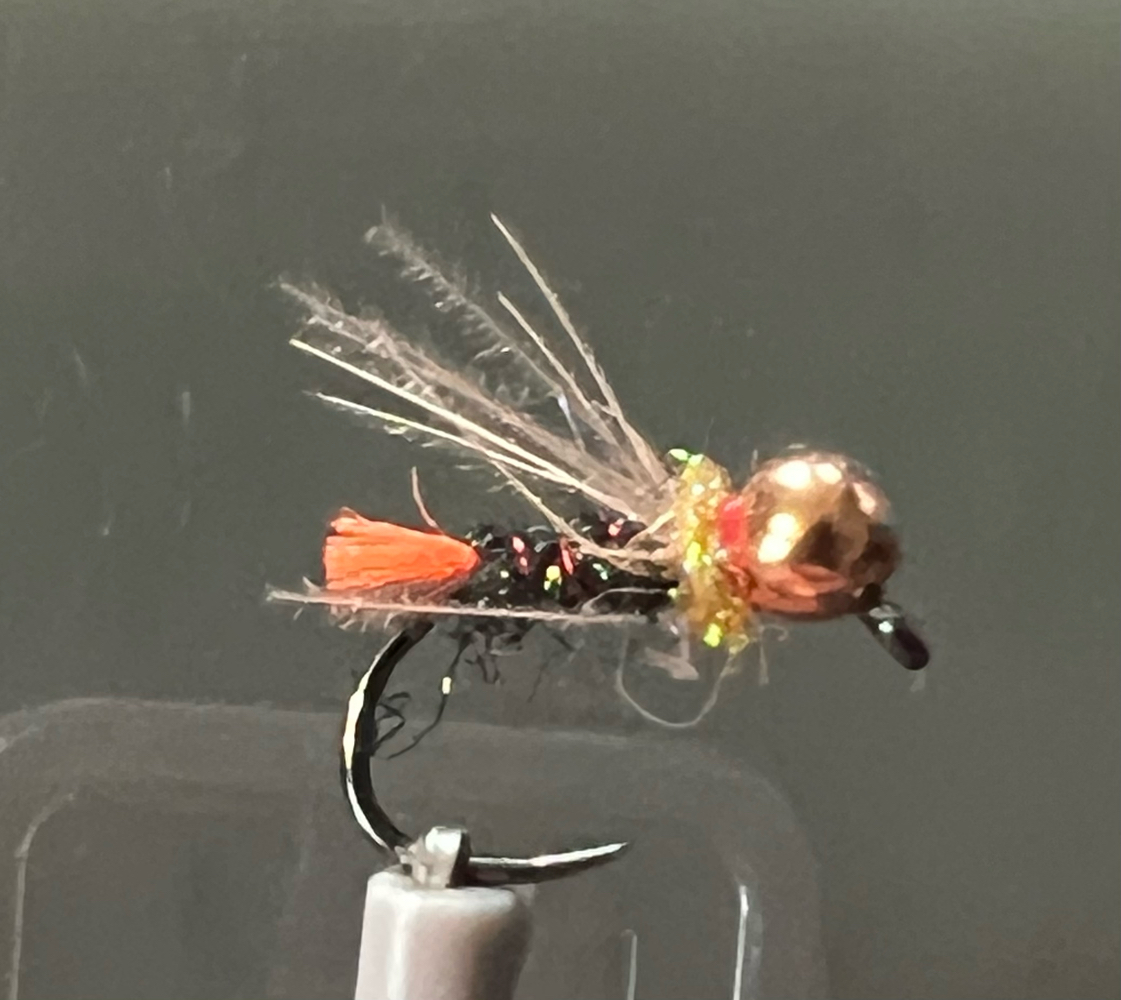
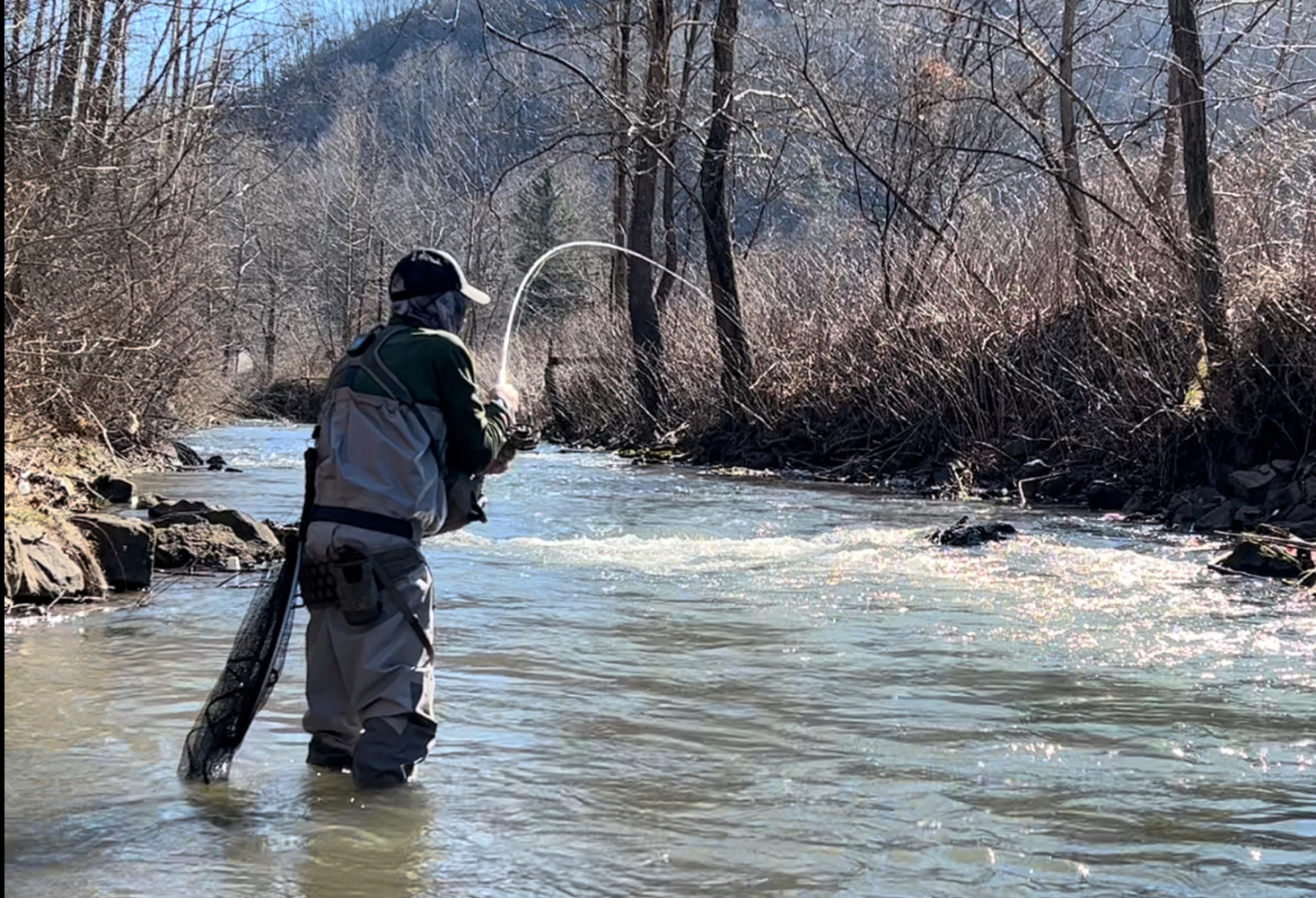
We'll be using European nymphing techniques that have revolutionized how guides approach these wild trout streams. If you've never tried Euro nymphing, you're in for a treat – it's deadly effective and way more engaging than traditional indicator fishing. You'll be using a longer rod (usually 10-11 feet) with a specialized leader system that lets you feel every bump, tick, and take. No bobbers, no split shot clanking around – just a direct connection to your flies. The technique involves high-sticking your rod and maintaining contact with weighted nymphs as they drift through the strike zone. Your guide will set you up with the right flies for current conditions, typically using tungsten-beaded patterns that get down fast in the pocket water. Caddis larvae, mayfly nymphs, and midge patterns are staples, but we'll adjust based on what's happening that day. The learning curve is quick, and once you dial it in, you'll wonder why you ever fished any other way. This method is particularly deadly on wild trout because it presents flies naturally without all the hardware that can spook educated fish.
Target Species You'll Hook
Brook trout are the native jewels of these mountains, and catching one feels like connecting with the original spirit of Appalachian fishing. These wild brookies average 8-12 inches but pack more fight per pound than any fish in the stream. They're most active during cooler parts of the day and love deep, shaded pools with overhead cover. Spring and fall are prime time when water temps are perfect, but summer mornings can produce some beautiful fish. What makes brook trout special here is their incredible coloration – vivid oranges, deep greens, and those signature white-edged fins that practically glow underwater. They're opportunistic feeders that'll slam a well-presented nymph, and their aggressive strikes will keep you on your toes all day.
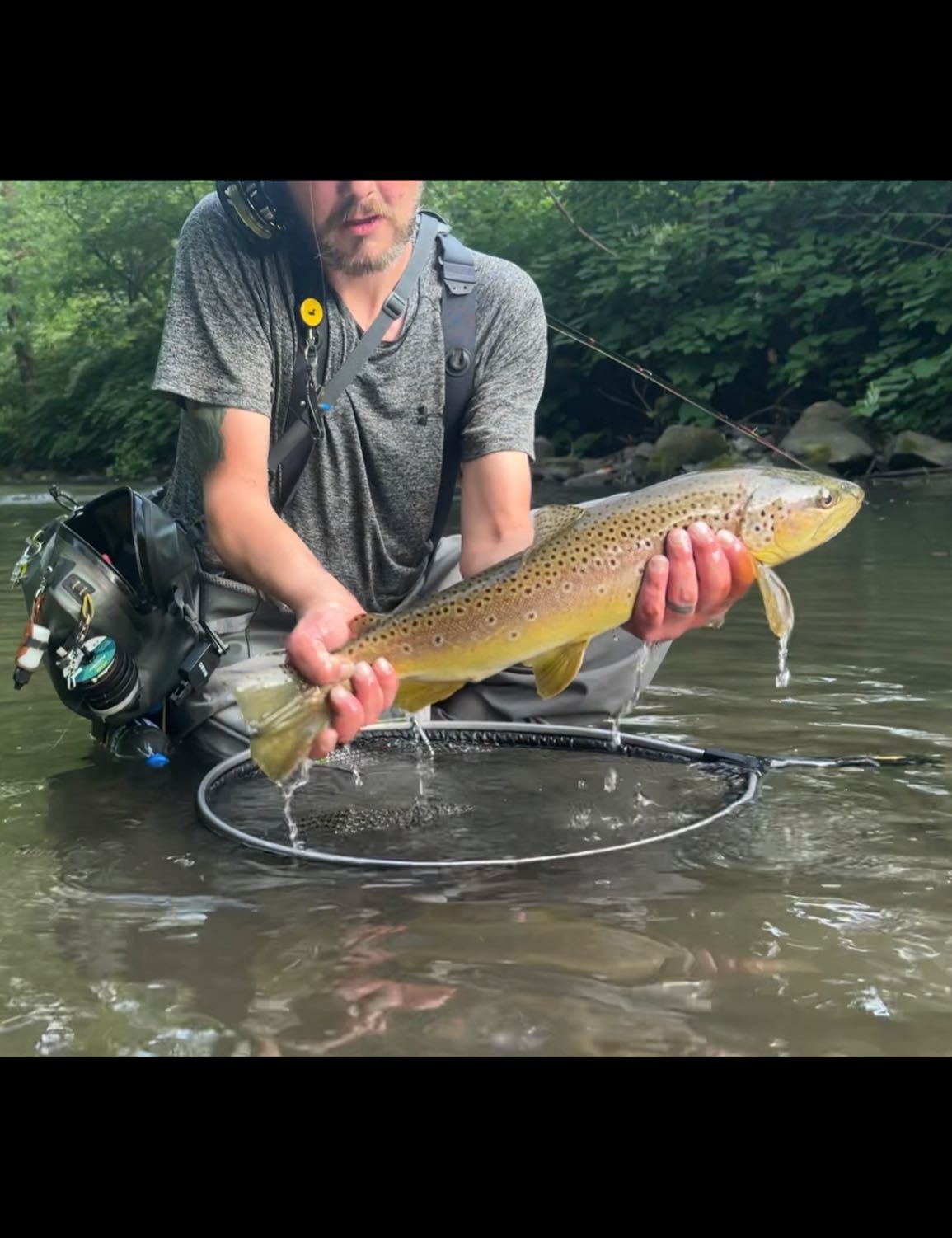
Brown trout are the real prize in these waters, with wild fish that have grown large and incredibly wary over the years. We're talking about trout that can easily hit 18-20 inches, with some true monsters pushing even bigger. These browns are smart – they've seen every trick in the book and survived by being selective about what they eat and when they feed. They prefer deeper pools and undercut banks during daylight hours, making them perfect targets for European nymphing techniques. Fall is absolutely prime time for big browns as they become more aggressive before spawning, but skilled guides know how to find them year-round. Landing a wild brown trout this size in such pristine water is something most anglers never experience. They fight like freight trains and test every knot in your system.
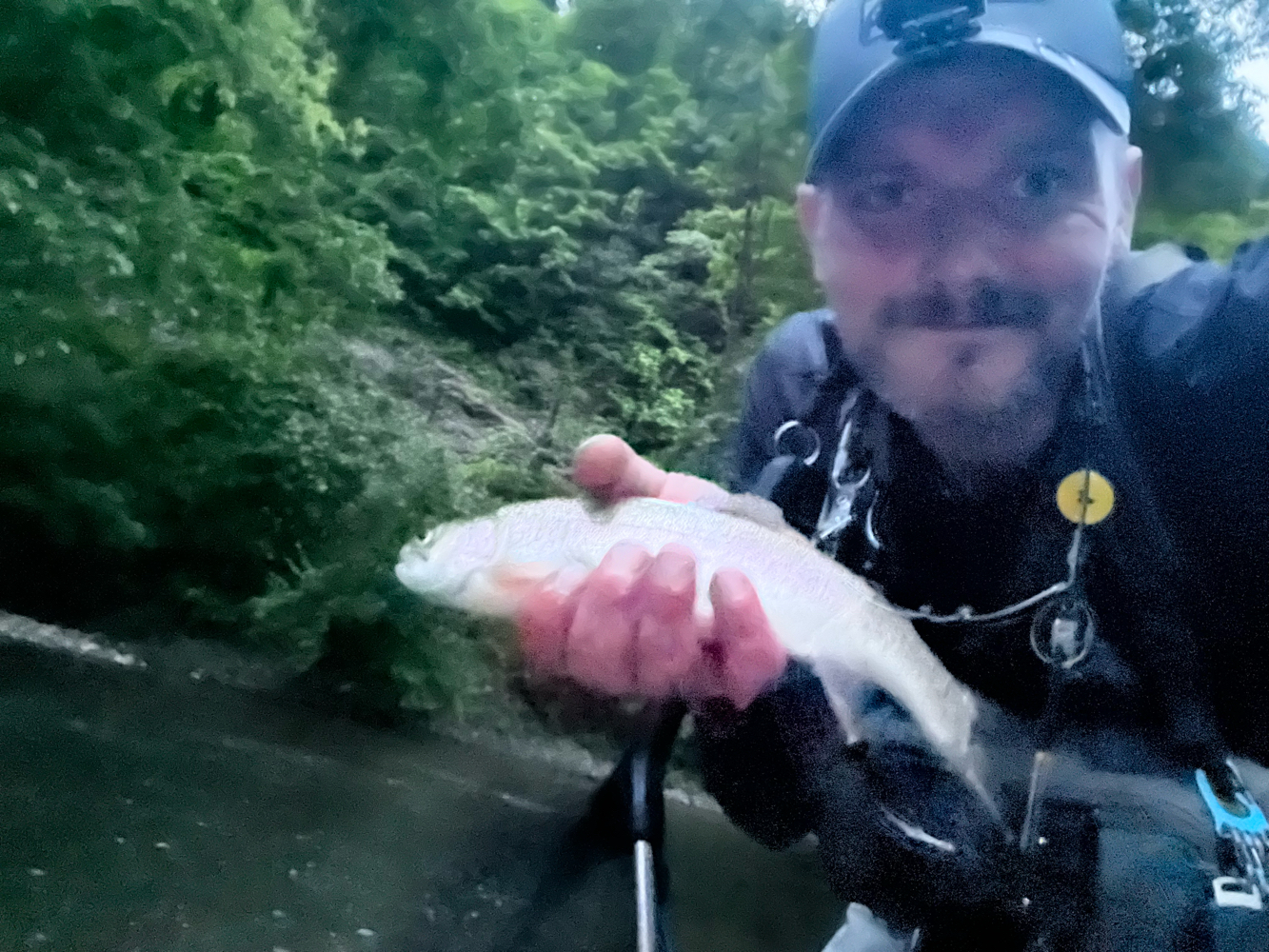
Rainbow trout in these streams are wild, acrobatic fighters that'll give you some of the most exciting battles you'll ever have on light tackle. These aren't stocked fish – they're wild rainbows that have adapted perfectly to mountain stream life. They average 12-16 inches but fight like fish twice their size, with multiple jumps and long runs that'll have your drag screaming. Rainbows are active throughout the day and respond well to a variety of nymphing presentations. They're particularly fond of riffle areas where they can ambush drifting insects, making them ideal targets for Euro nymphing. Spring brings some of the best rainbow fishing as they feed heavily after winter, but these fish are catchable year-round if you know where to look.
Time to Book Your Spot
This half-day wild trout experience with Recon Nymphing Guide Outfitters gives you everything serious anglers are looking for – world-class wild trout fishing, expert guiding, and pristine waters that most people never get to see. You'll learn European nymphing techniques that'll make you a better angler on any water, while targeting trophy wild browns, rainbows, and native brook trout in their natural habitat. The one-on-one format means personalized instruction and maximum time focused on the best spots. Southern West Virginia's wild trout streams are trending up as more anglers discover what locals have known for years – this is some of the best wild trout fishing on the East Coast. Don't wait to book this customer favorite trip. Wild trout don't wait for anyone, and neither should you.
 Private Trip
 Backcountry Fishing
 Charleston


 Half-day guided trip targeting wild brown and rainbow trout