Islamorada Offshore Charter: Big Game Fishing
When you're ready to leave the shallow water behind and chase the real trophy fish, this offshore charter out of Islamorada puts you right where the action happens. We're talking about the deep blue waters where sailfish cruise the edges, marlin patrol the drop-offs, and mahi mahi school up around floating debris. Captain Paul and his crew know these waters like the back of their hand, and they'll put you on fish that'll have your drag screaming and your arms burning. This isn't your typical half-day reef trip – we're heading out to where the big boys live, and you better believe they're hungry.
What to Expect on the Water
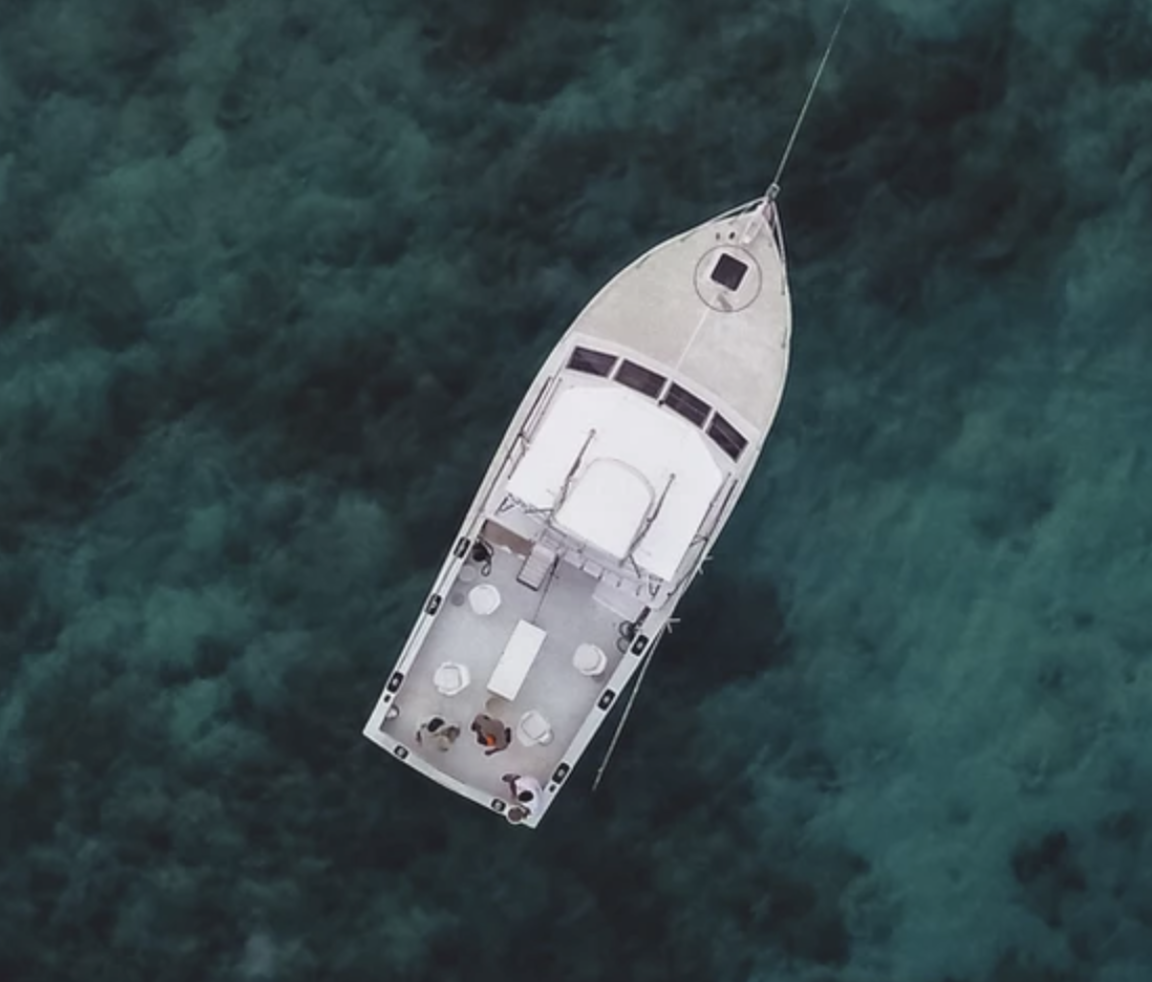
Your day starts early at the dock in Islamorada, where you'll meet Captain Paul and his first mate before the sun comes up. We'll load up on fresh bait – usually pilchards, ballyhoo, and whatever else is running hot – then make the run out to the blue water. Depending on conditions and what's biting, we might head to the Humps, work the edge in 100-200 feet of water, or push further offshore to the Stream. The boat's rigged with top-shelf tackle and outriggers, so you can focus on fighting fish instead of wrestling with gear. Expect to cover some serious water as we chase temperature breaks, current edges, and bird activity that signals feeding fish below. With space for up to six anglers, there's plenty of room to spread out when multiple lines start going off.
Trolling Tactics & Gear Setup
We run a spread of four to six lines using a mix of live bait, dead bait, and artificials depending on what the fish are wanting. The captain will rig ballyhoo on circle hooks for sailfish and marlin, while mahi usually can't resist a well-presented pilchard or a flashy lure skipping across the surface. We'll adjust our trolling speed based on target species – slower for billfish, a bit faster when we're hunting mahi or kings. The boat's equipped with 30 and 50-class tackle, plus lighter spinning gear for when the mahi are going crazy on the surface. Don't worry if you've never fought a big fish before – the crew will coach you through every step, from setting the hook to working the fish to the boat. When something big eats, you'll know it immediately as line starts peeling off the reel faster than you thought possible.
Customer Stories
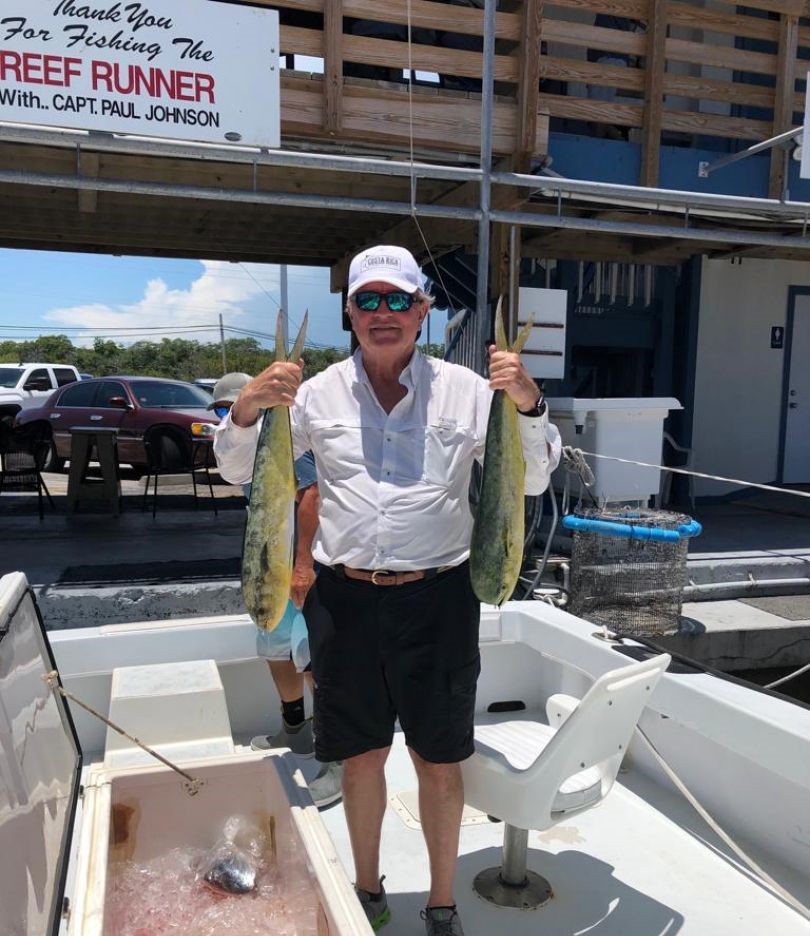
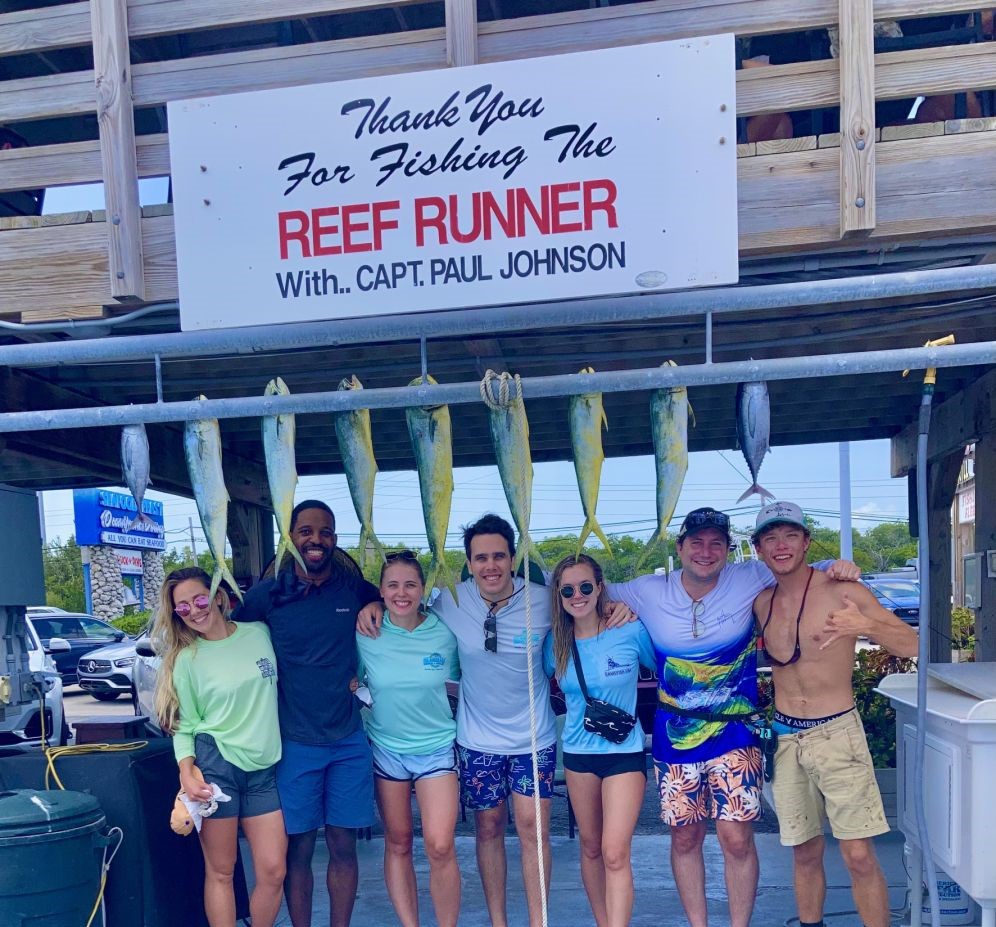
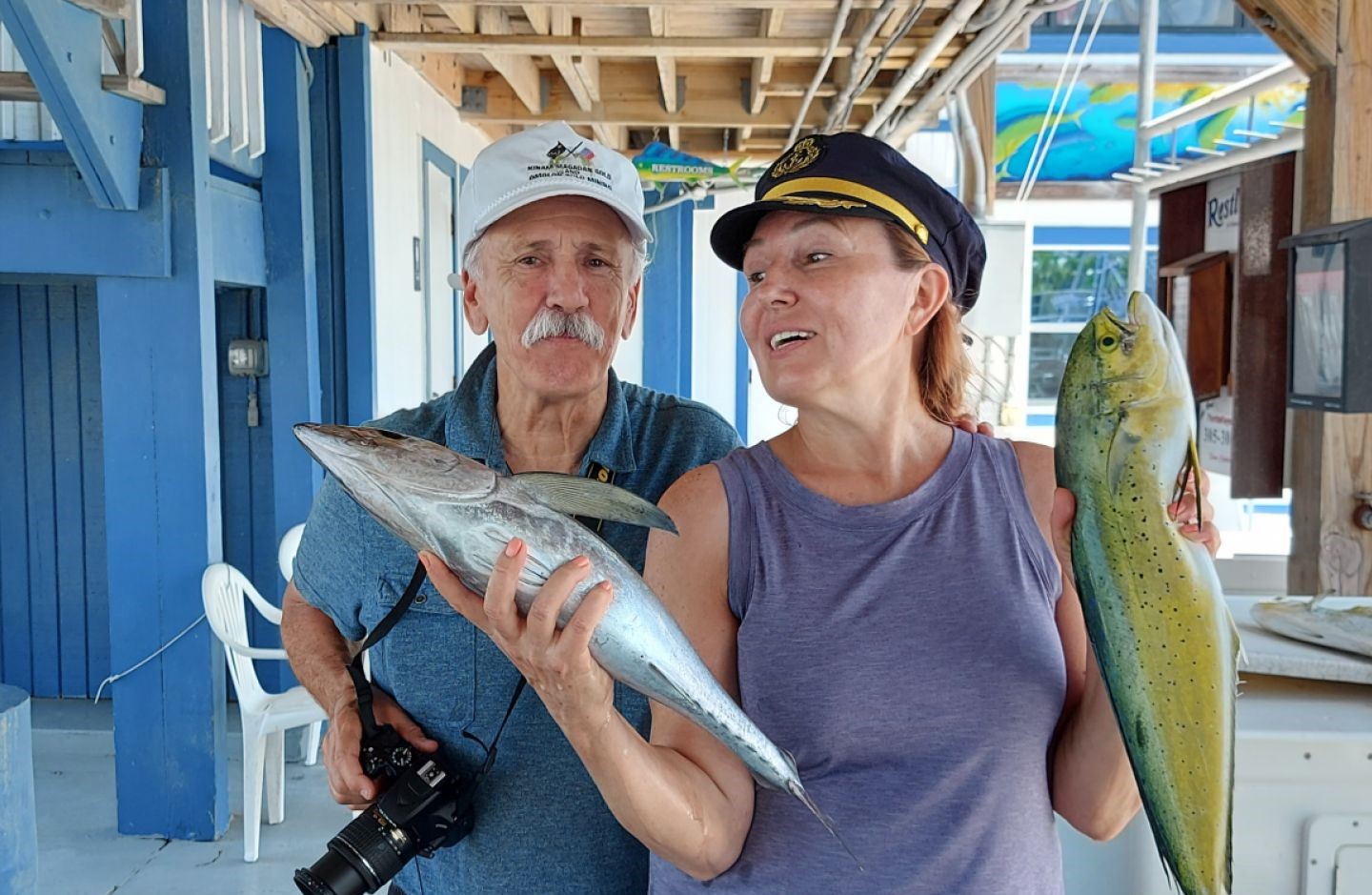
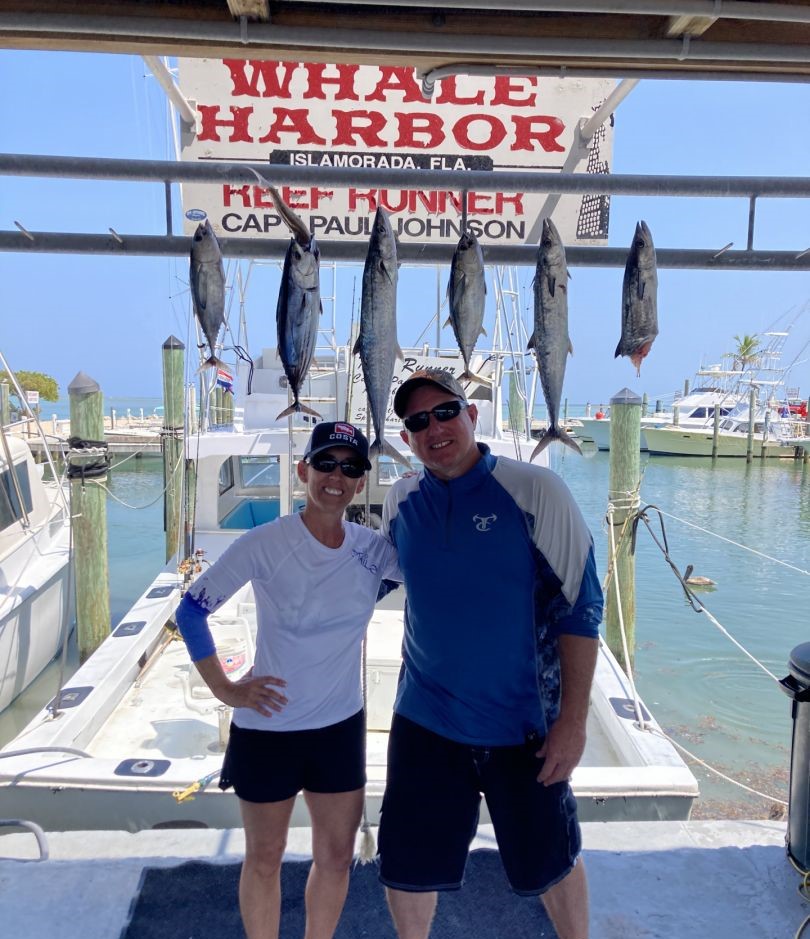
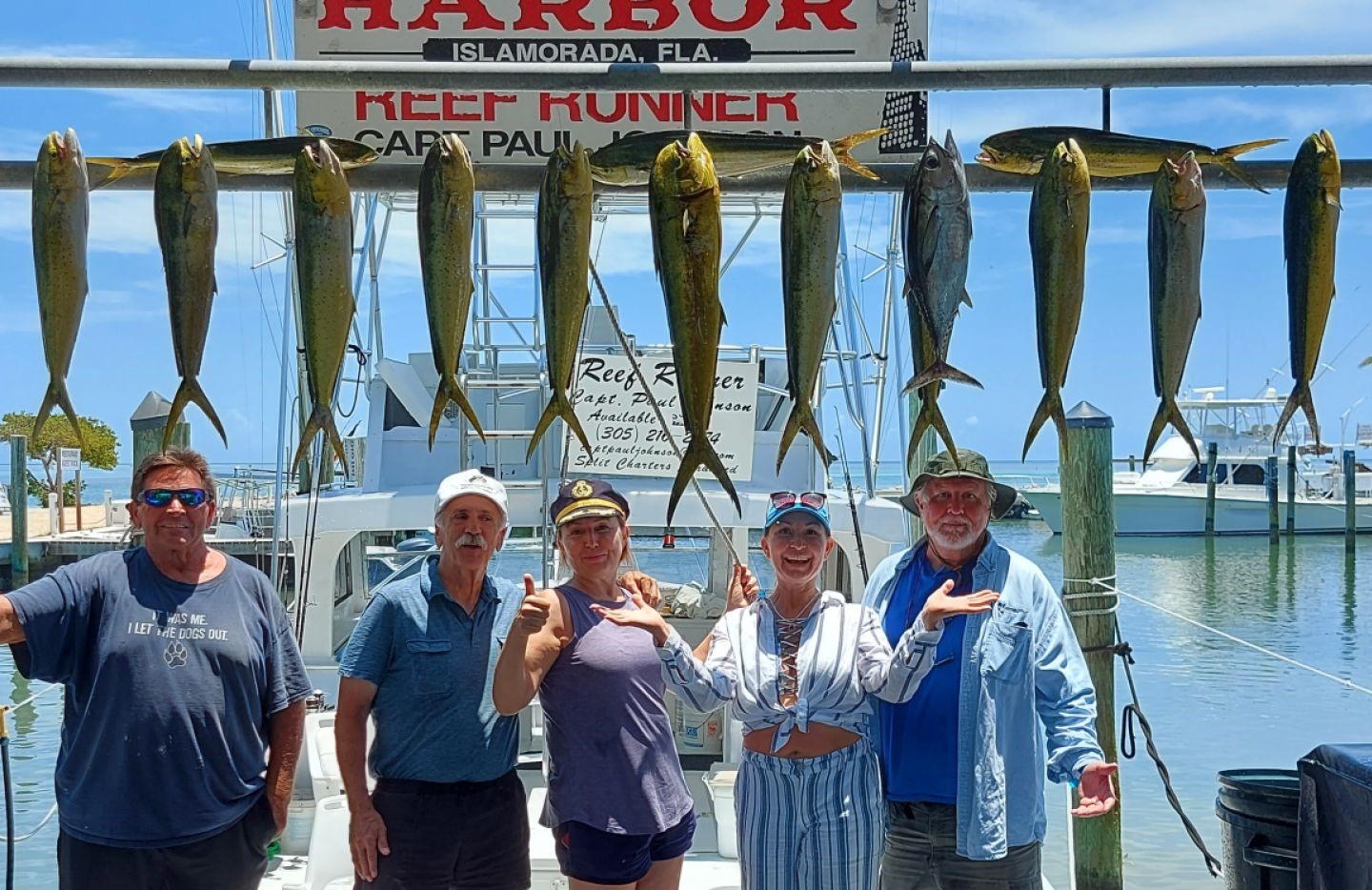
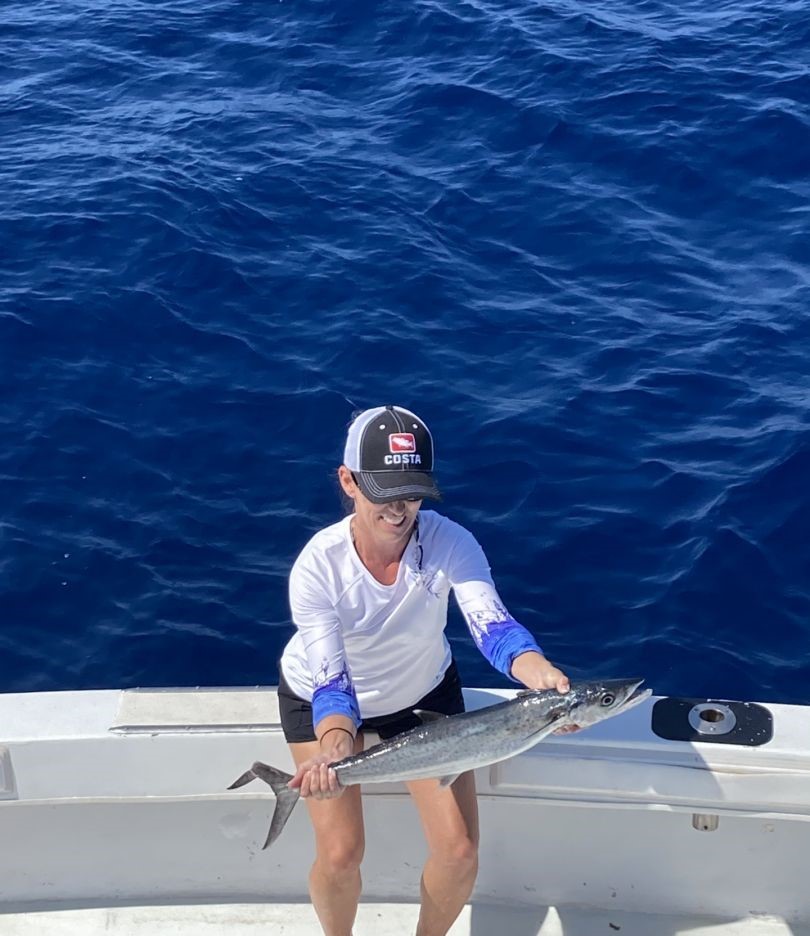
"Had an absolutely amazing day out on the Reef Runner with Captain Paul and his First Mate Avery. Long story short, my father booked a fishing trip for him, my brother and myself as a Christmas gift. Little 3 day trip, with 2 different charters. 1 Wednesday, one Thursday. I'm not going to name the first, but it wasn't a great experience. The 2nd, on the Reef Runner was the opposite, it was awesome. We did a 3/4 day 6hr trip. Started at 645. We promptly took off for our bait, which we got plenty of. Soon after Captain Paul put us right on the fish. We ended up with 4 or 5 Kingfish (3 good keepers) 2 awesome Mahi Mahi also keepers, and a Bonita. Had a couple Sailfish that we didn't end up landing as well. Can't say more about Paul and Avery. Amazing day." - Torrie
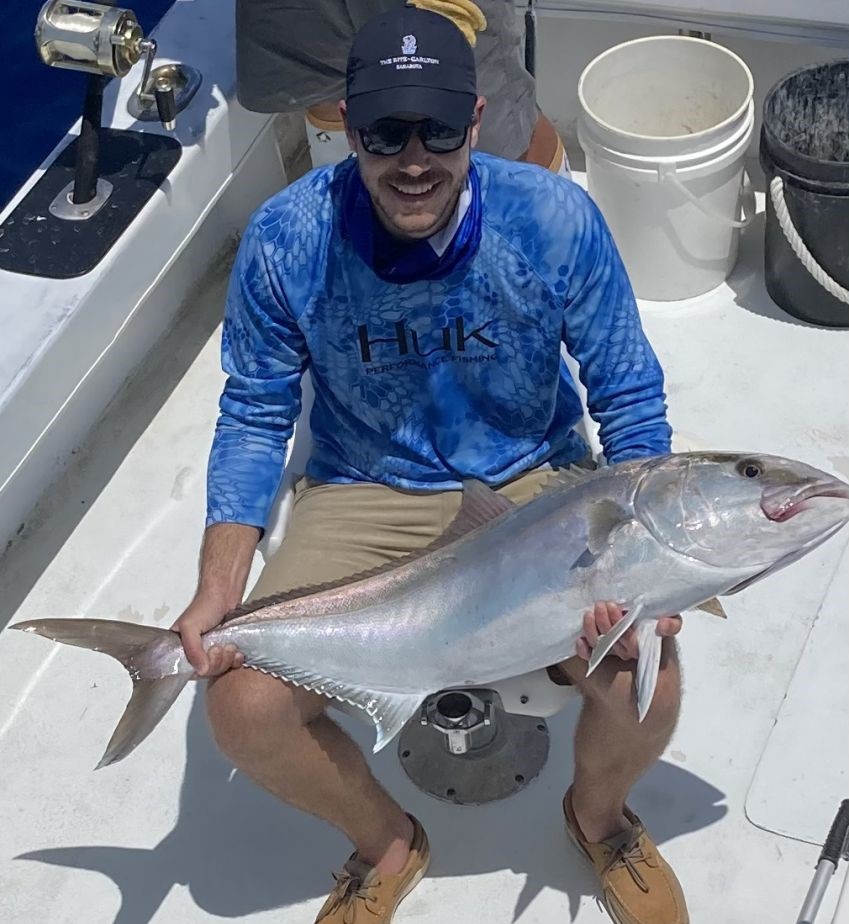
"We had a wonderful time during our 1/2 day fishing with Capt. Paul. His experience got us on the fish and his first mate Ed, had us landing fish in no time. Ed told us it was almost impossible to catch Mahi on a half day trip. Maybe so but not this day. We landed a couple Mahi-Mahi, a King Fish and a Almaco Jack. Excellent time. Comfortable atmosphere, beautiful day and plenty of laughs. Thanks Capt. Paul and Ed for entertaining us. Regards, Jack" - Jack
Species You'll Want to Hook
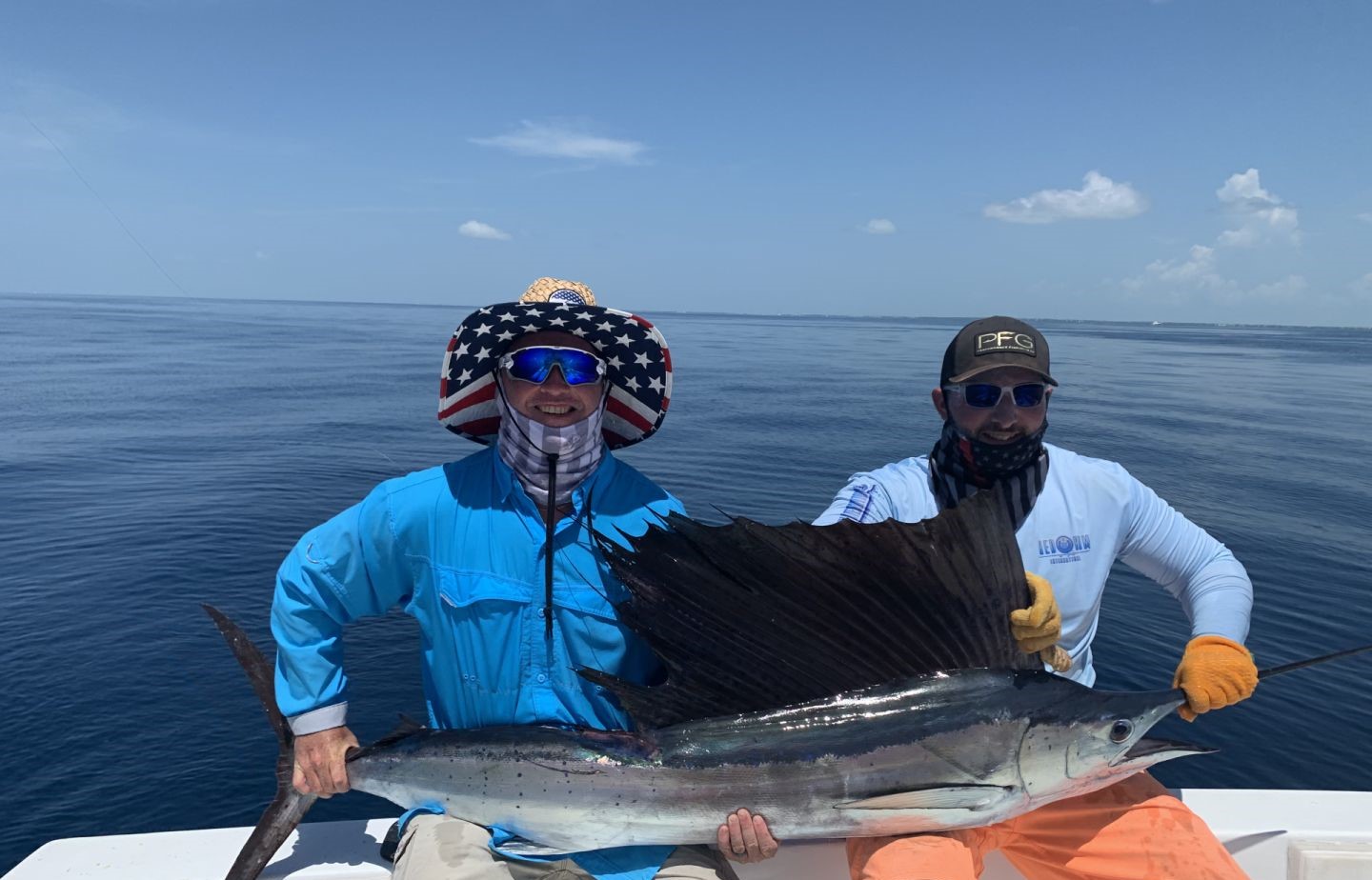
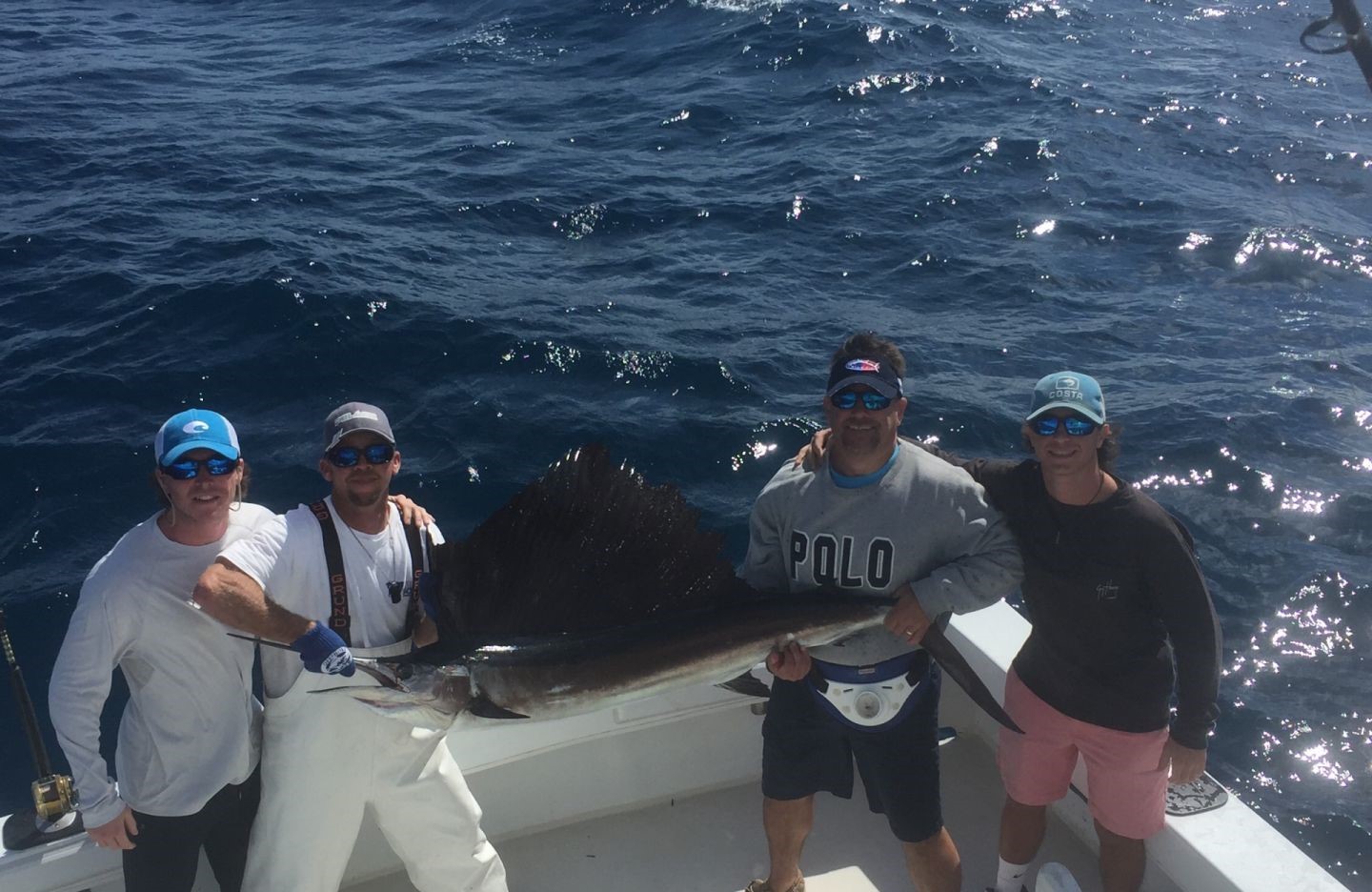
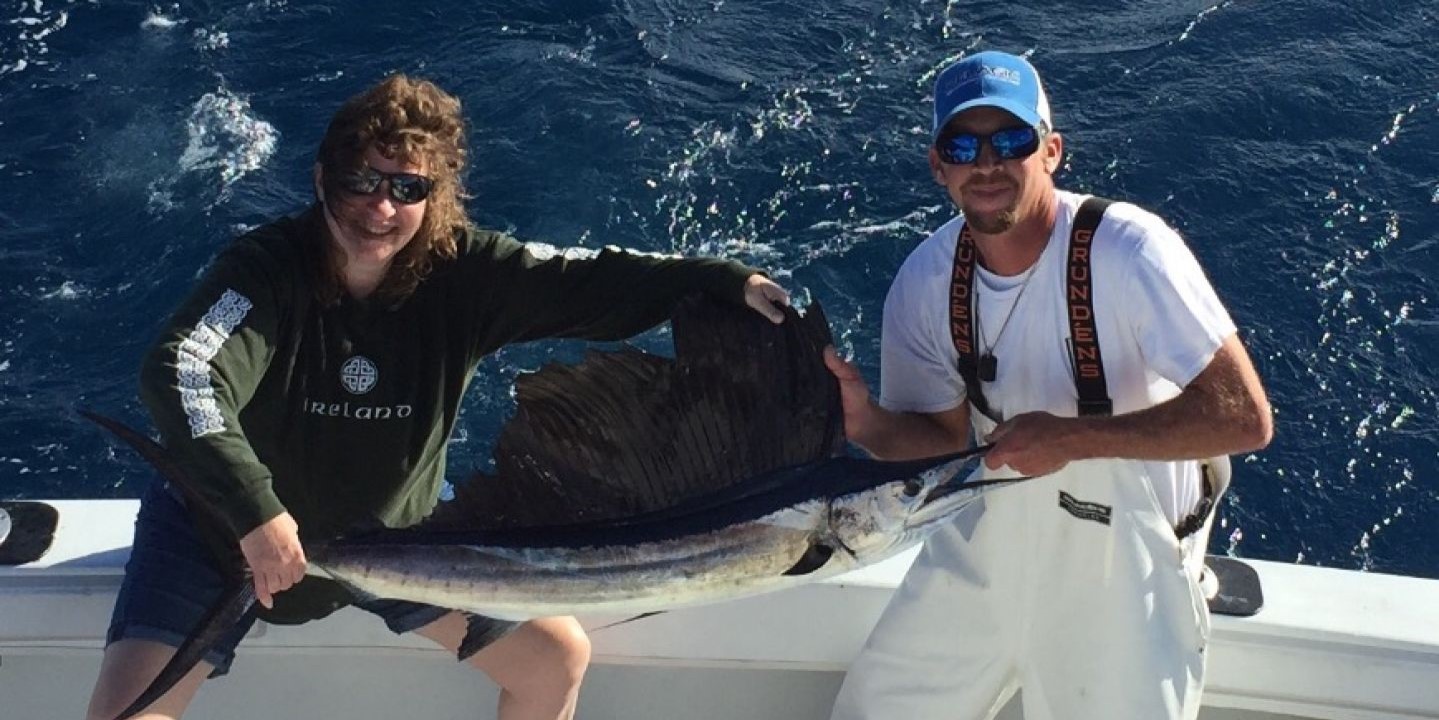
Atlantic Sailfish are the crown jewel of Keys offshore fishing, and these acrobatic fighters show up year-round in our waters. Most fish run 6-8 feet long and 40-60 pounds, but don't let that fool you – when a sail eats your bait and starts tail-walking across the surface, you'll understand why anglers travel from around the world to chase them. Winter months from December through March are prime time, when cooler water temperatures push baitfish closer to shore and the sails follow. They're aggressive feeders that love a slow-trolled ballyhoo, and once hooked, they'll jump, dive, and run until your arms feel like jelly. The Florida Keys are one of the most consistent sailfish destinations in the world, and there's nothing like watching one light up in full color as it dances on its tail.
Blue Marlin are the ultimate trophy fish – the fish that legends are made of. These apex predators can exceed 500 pounds and will test every piece of tackle on the boat when they decide to eat. Summer months bring the best marlin action as warmer water temperatures and abundant baitfish draw these giants closer to our fishing grounds. They're not as common as sailfish, but when you hook into a blue marlin, everything else becomes secondary. These fish fight with raw power, making long runs that can strip hundreds of yards of line before you even realize what happened. Most of our marlin come on rigged ballyhoo or large lures trolled along temperature breaks and current edges where they ambush schools of tuna and mahi.
Mahi Mahi bring the action and the dinner table value that keeps anglers coming back. These colorful fighters school up around floating debris, sargassum lines, and temperature breaks, often in groups that'll keep every rod on the boat bent. Peak season runs from spring through early fall, when water temperatures climb and schools of juvenile
 5.0(2 Reviews)
 Private Trip
 Offshore Fishing
 Islamorada


 Target sailfish, marlin, and mahi in Florida Keys waters