Islamorada Offshore Fishing for Pros
If you're tired of half-day trips that barely scratch the surface of what the Florida Keys can offer, this 6-hour offshore charter from Islamorada is built for anglers who know their way around a rod. We're talking about a serious fishing adventure that starts before sunrise and takes you into the deep blue where the big boys swim. This isn't your typical tourist charter – it's designed for experienced anglers who want to test their skills against some of the most prized gamefish in the Atlantic.
What to Expect on the Water
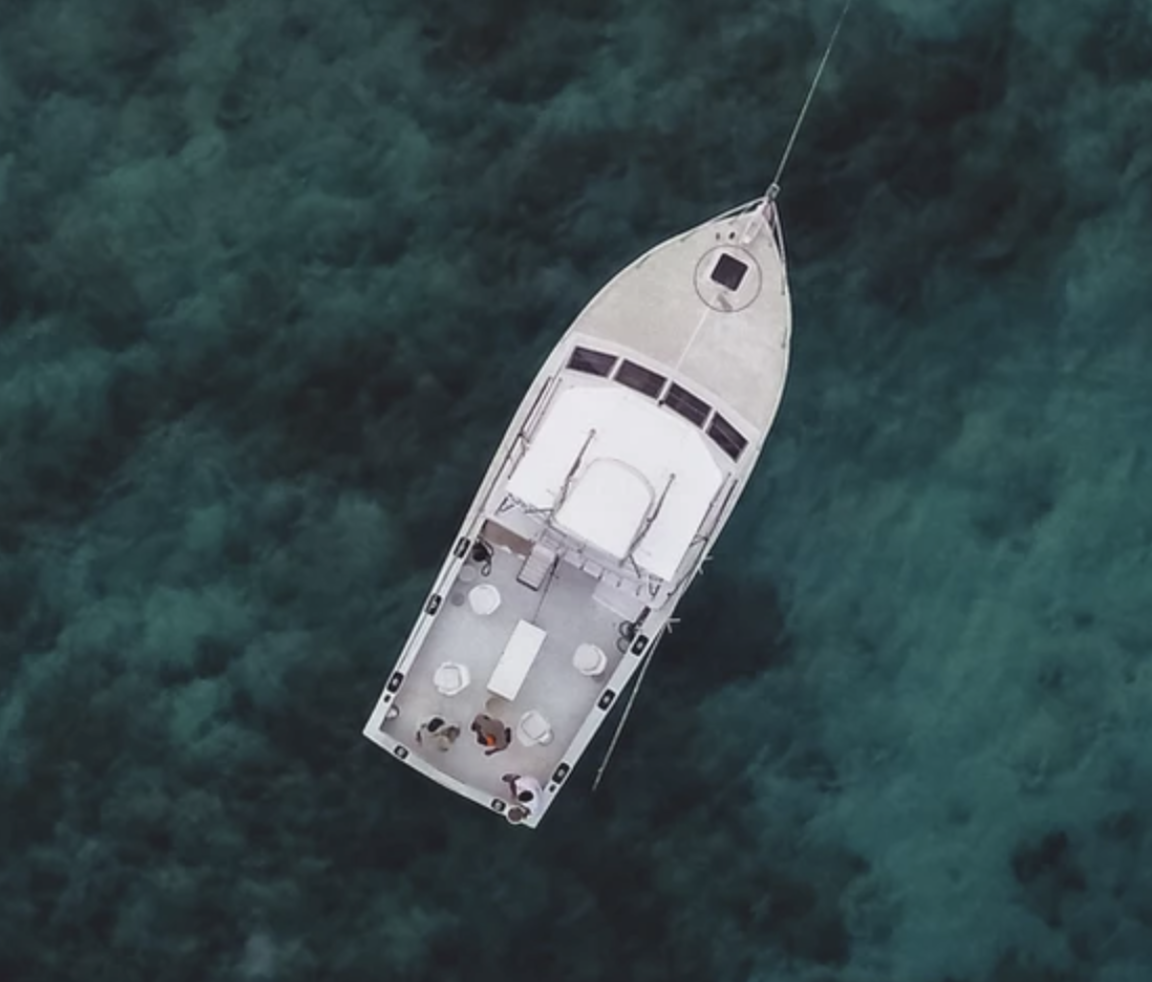
Your day kicks off at 6:30 a.m. sharp, and trust me, that early start is worth every lost minute of sleep. By the time the sun's painting the horizon, you'll already be heading toward the productive offshore waters where marlin patrol and wahoo streak through the depths like silver bullets. The captain knows these waters like the back of his hand – we're talking about someone who's been reading currents, temperature breaks, and bait schools for years. This private charter accommodates up to 6 anglers, so you won't be elbow-to-elbow with strangers fighting over the best fishing spots. The boat comes equipped with top-shelf electronics including GPS, fishfinder, and radar systems that help locate those offshore structures and temperature breaks where gamefish love to hang out. All your licenses, rods, reels, and bait are included in the package, though remember to factor in that 20% mate's fee – these guys work their tails off to put you on fish.
Proven Offshore Techniques
This charter focuses on advanced trolling tactics that separate the weekend warriors from the serious offshore anglers. We're talking about running multiple lines at varying depths, using outriggers and downriggers to cover the water column effectively. The captain employs a mix of live bait presentations and high-speed trolling with lures specifically chosen for the target species. Ballyhoo rigged on circle hooks, goggle-eyes on slow-trolled rigs, and an arsenal of cedar plugs, feathers, and diving plugs make up the arsenal. The key to success in these pelagic waters is understanding how to read the signs – bird activity, color changes in the water, floating sargassum lines, and temperature breaks that concentrate baitfish. The boat's modern electronics help identify underwater structure and schools of bait, but it's the captain's experience that determines the best approach for each situation. Expect to learn about proper fighting techniques for different species, how to work a fish to the boat efficiently, and the subtle art of reading strikes and hooksets when trolling at various speeds.
Target Species You'll Want to Hook
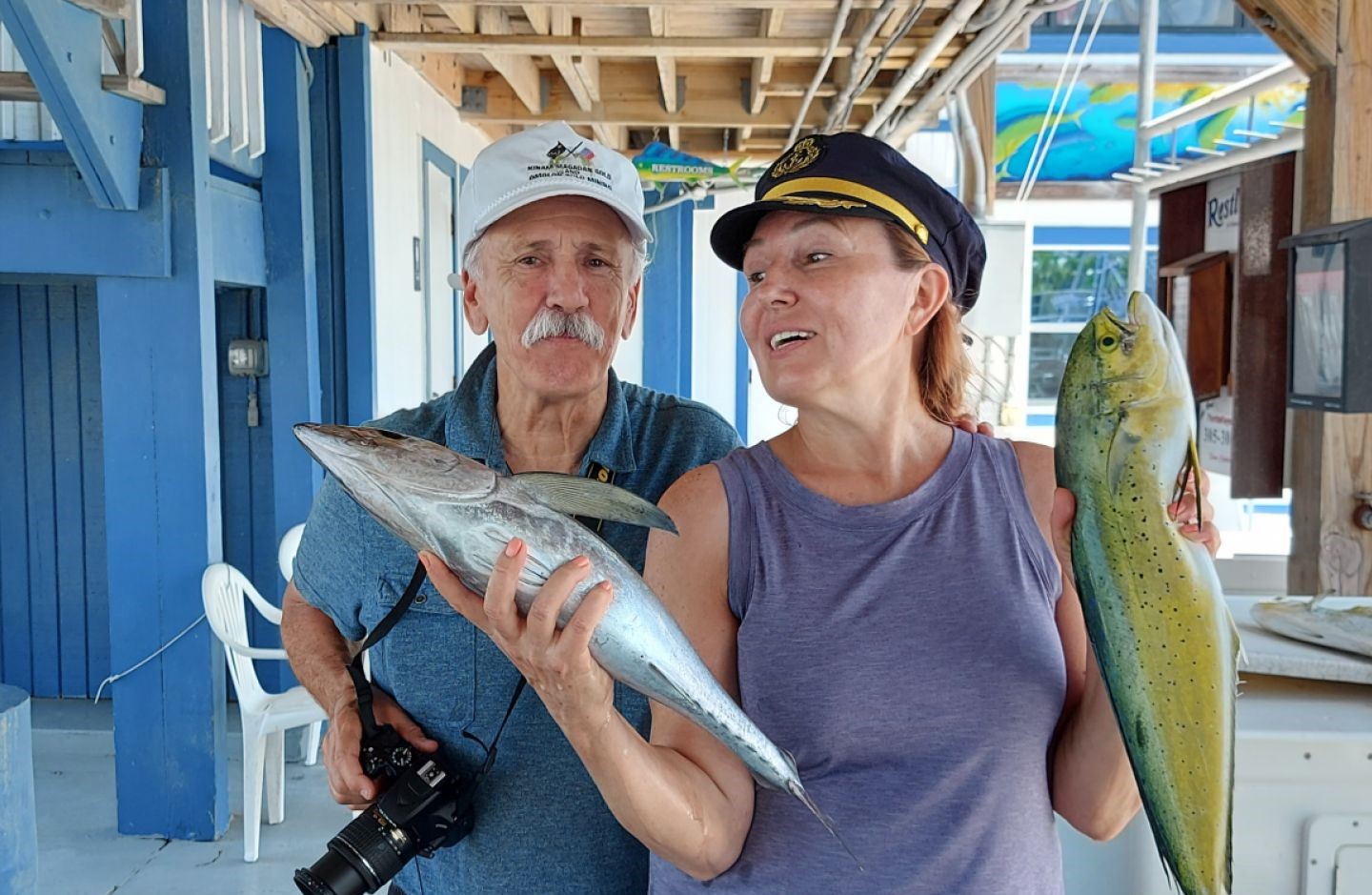
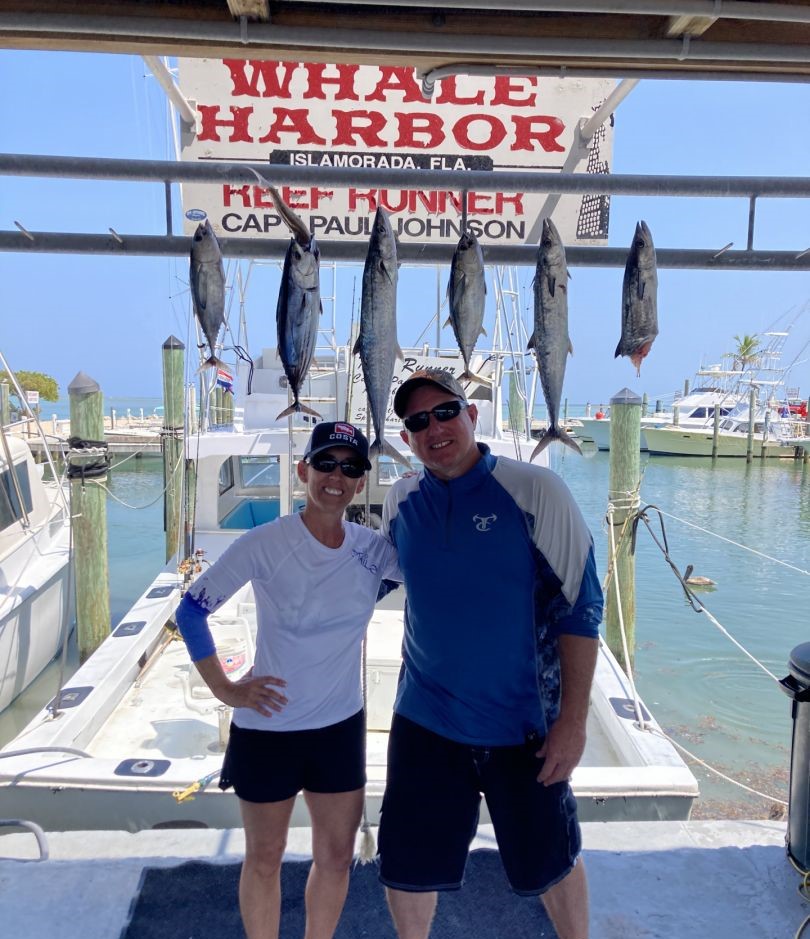
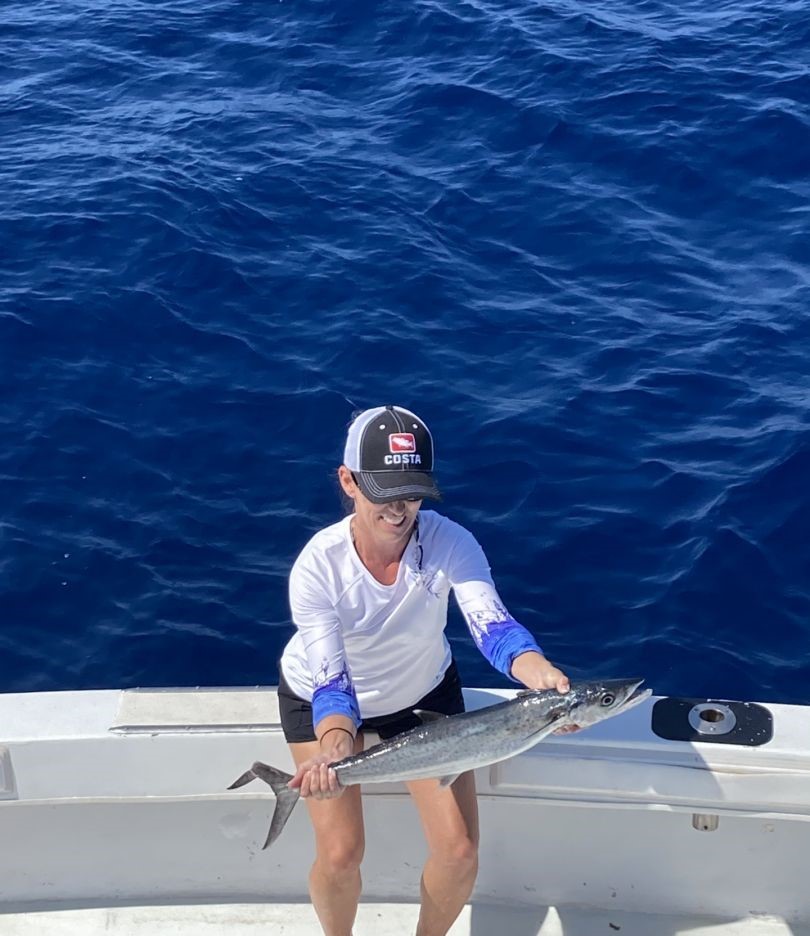
King Mackerel are one of the most reliable catches in these waters, and for good reason. These silver torpedoes can reach 40-50 pounds and provide blistering runs that'll test your drag system. Kings are most active during the cooler months from October through March, though you can find them year-round in deeper waters. They're notorious for their initial screaming run when hooked, often jumping clear out of the water before diving deep. What makes them so exciting is their aggressive nature – they'll hit trolled baits with authority, and once hooked, they don't give up easily.
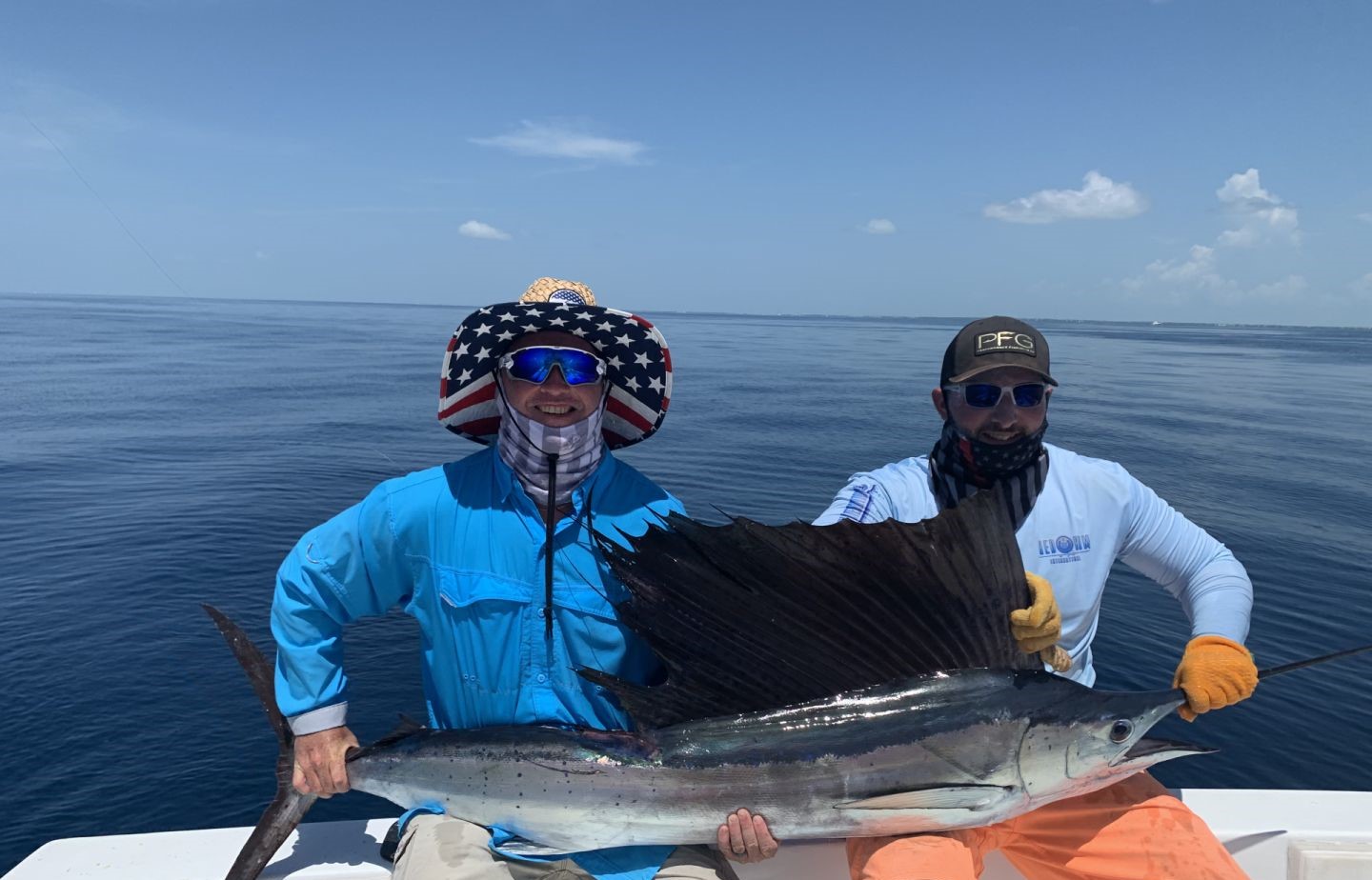
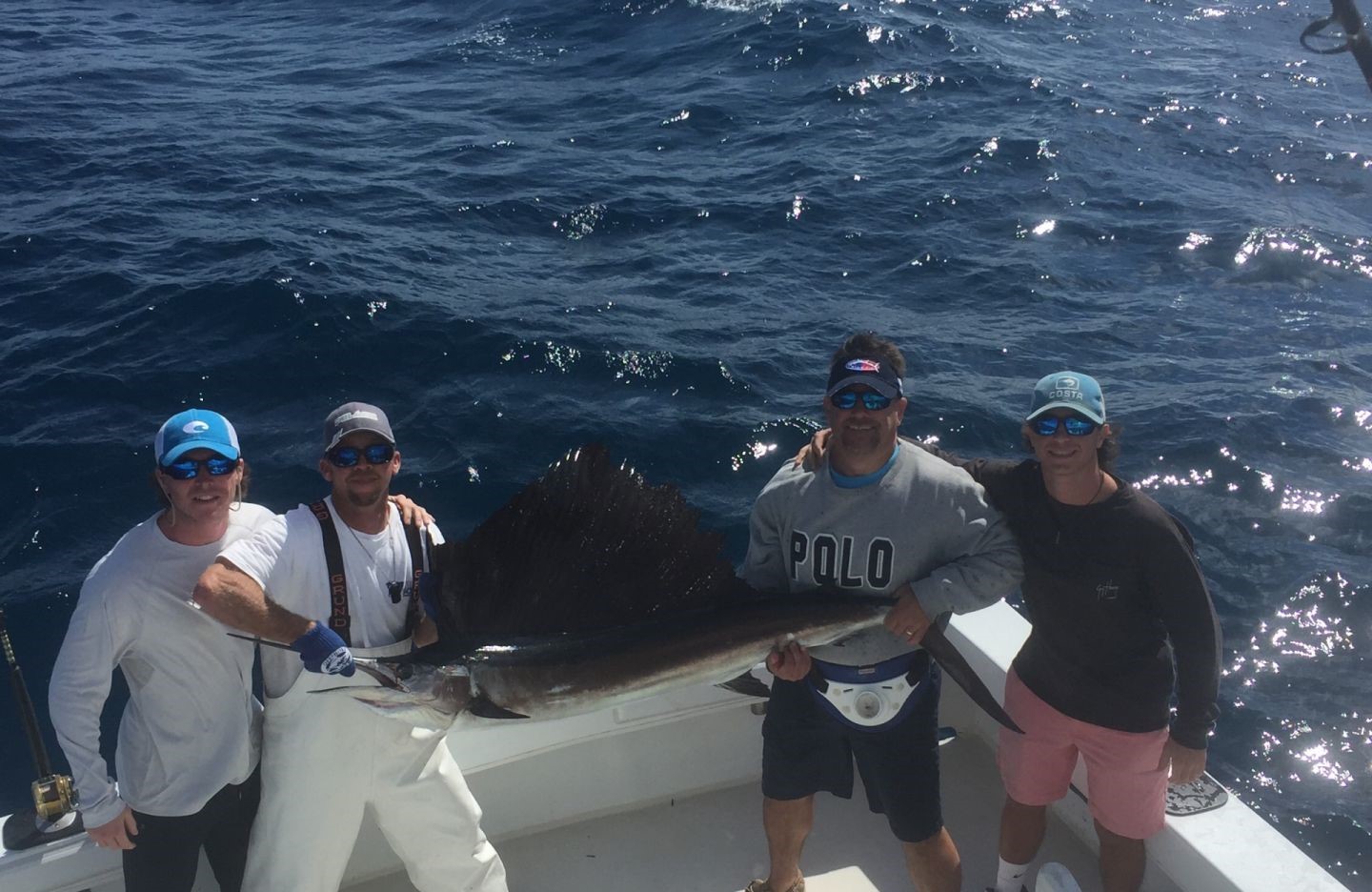
Blue Marlin represent the holy grail of offshore fishing in the Keys. These magnificent billfish can exceed 400 pounds and provide the fight of a lifetime. Peak season runs from April through July when they're following bait migrations along the Gulf Stream edge. Marlin fishing requires patience and precision – these fish are smart and can be incredibly selective. When one finally crashes your spread, the battle can last hours. Their aerial displays and powerful runs make them the most sought-after species among serious offshore anglers.
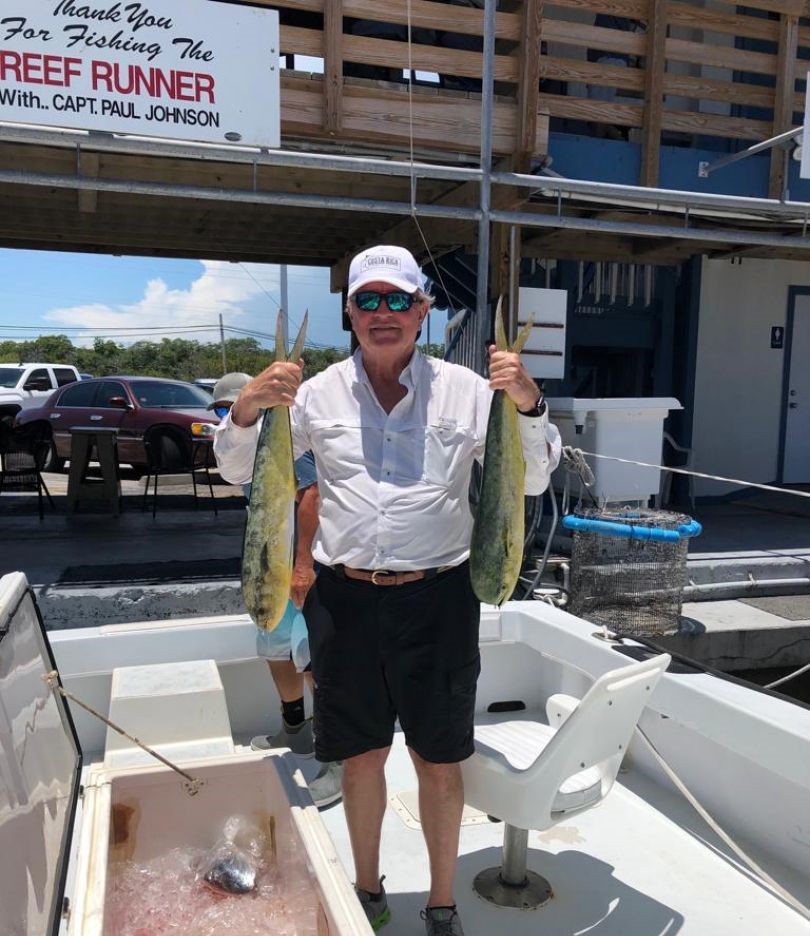
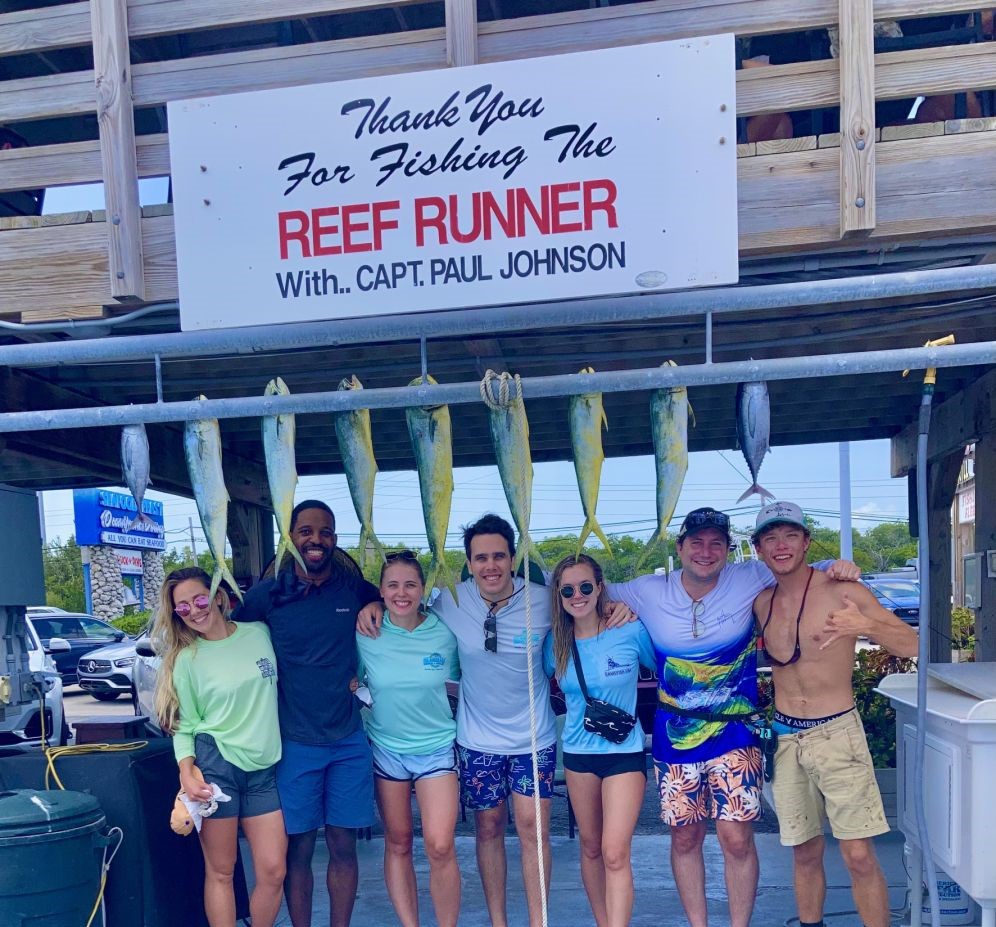
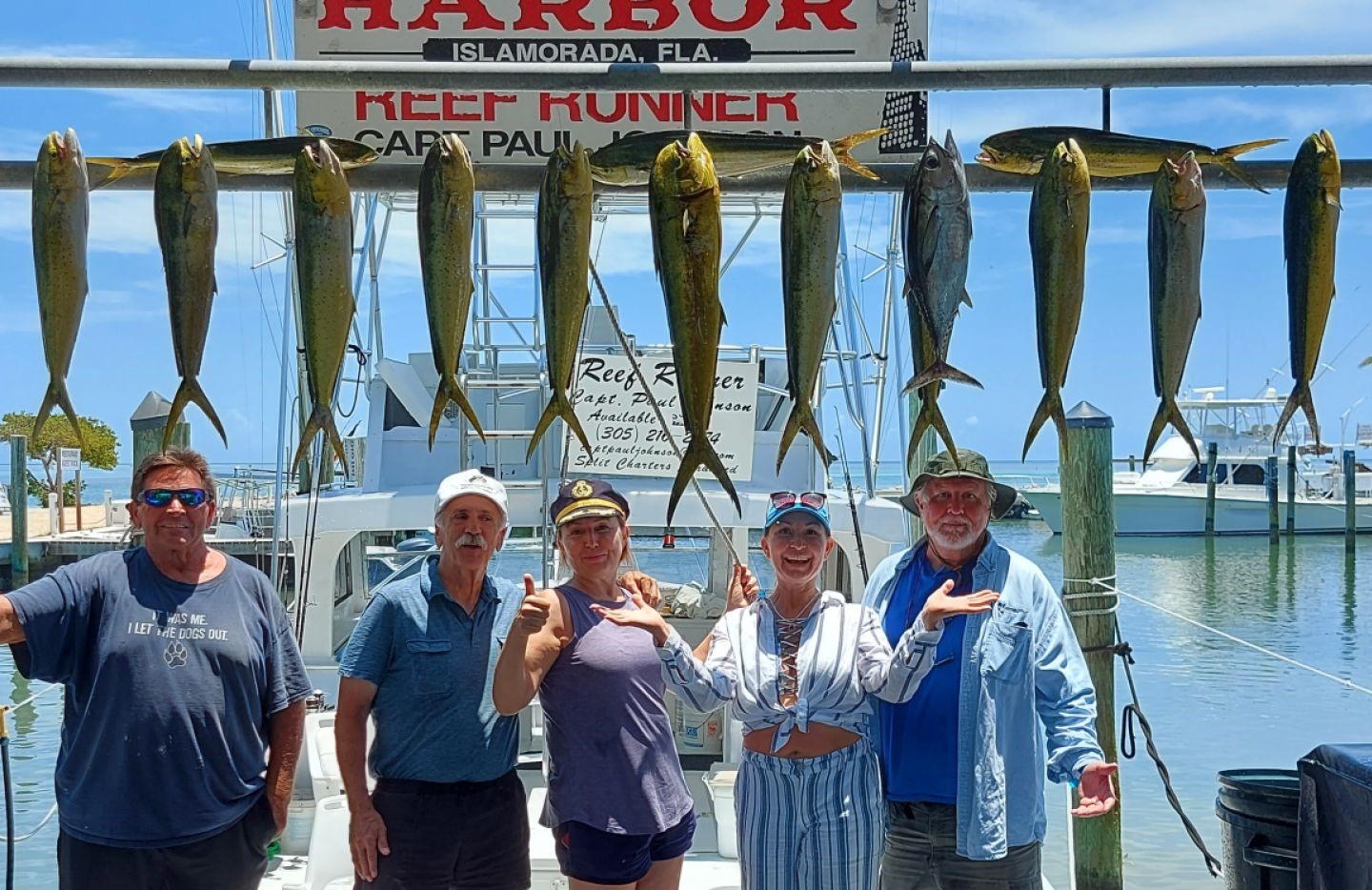
Mahi Mahi, or common dolphinfish, are the acrobats of the offshore world. These colorful fighters typically range from 10-30 pounds, with occasional bulls pushing 50. They're most abundant from March through September and are famous for their spectacular jumps and vibrant colors that change as they fight. Mahi often travel in schools, so once you hook one, there's a good chance of a multiple hookup. They're drawn to floating debris, sargassum lines, and temperature breaks.
Wahoo are the speed demons of the deep, capable of reaching speeds up to 60 mph. These streamlined predators typically weigh 20-60 pounds and are known for their blistering initial runs. They're most active during the winter months when water temperatures drop slightly. Wahoo have razor-sharp teeth and a tendency to cut through leaders, making them a challenging target that requires wire leaders and quick reflexes. Their flesh is considered among the finest eating fish in the ocean.
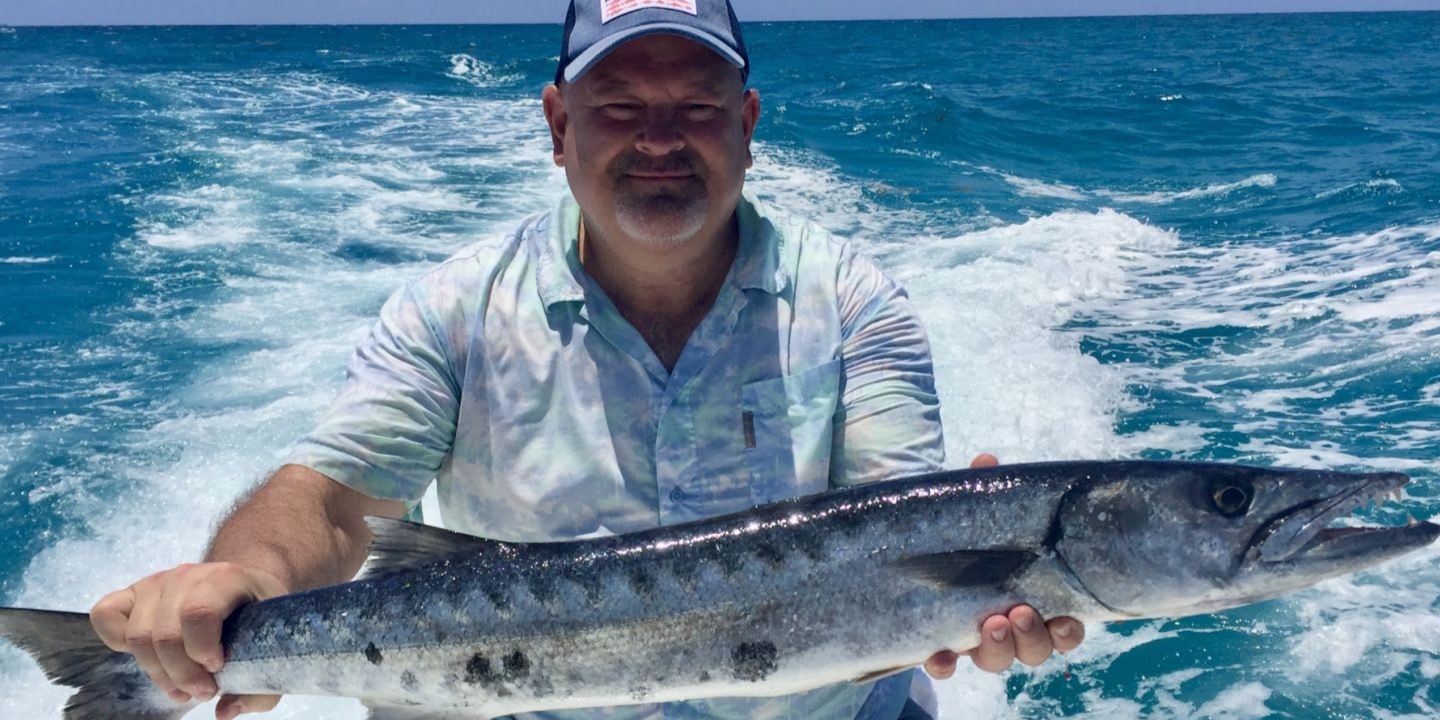
Great Barracuda add an element of surprise to any offshore trip. These toothy predators can reach impressive sizes in the Keys, with specimens over 40 inches not uncommon. They're aggressive fighters that often leap repeatedly when hooked, shaking their heads violently to throw the hook. Barracuda are year-round residents but are most active during warmer months. Their lightning-fast strikes and acrobatic fights make them a favorite among anglers who appreciate a fish with attitude.
Time to Book Your Spot
This world-class offshore charter represents exactly what serious anglers are looking for – a chance to test their skills against premier gamefish without the crowds and limitations of party boat fishing. The early departure time maximizes your fishing hours during the most productive part of the day, while the experienced captain's knowledge of local waters and proven techniques give you the best shot at landing the fish of a lifetime. The Florida Keys offshore fishery is renowned worldwide for good reason, and Islamorada sits right in the heart of some of the most productive waters in the Atlantic. Whether you're looking to check a billfish off your bucket list, fill the cooler with premium table fare, or simply enjoy the challenge of high-level offshore fishing, this charter delivers the complete package. Don't let another season pass wondering
 Private Trip
 Offshore Fishing
 Islamorada


 Private 6-hour offshore charter targeting big game species