Quick Cast Fishing Trip - Fajardo Action
If you're looking to get your lines wet without burning a whole day on the water, this 2-hour morning fishing trip out of Fajardo is exactly what you need. We're talking about a solid half-day charter that kicks off at 7:30 AM sharp, targeting some of Puerto Rico's most reliable inshore species. At just $350 for up to 5 anglers, it's one of the best values you'll find on the east coast. Plus, we've got you covered with free cancellation if you give us 3 days' heads up - because we all know how weather and life can mess with fishing plans.
What to Expect on the Water
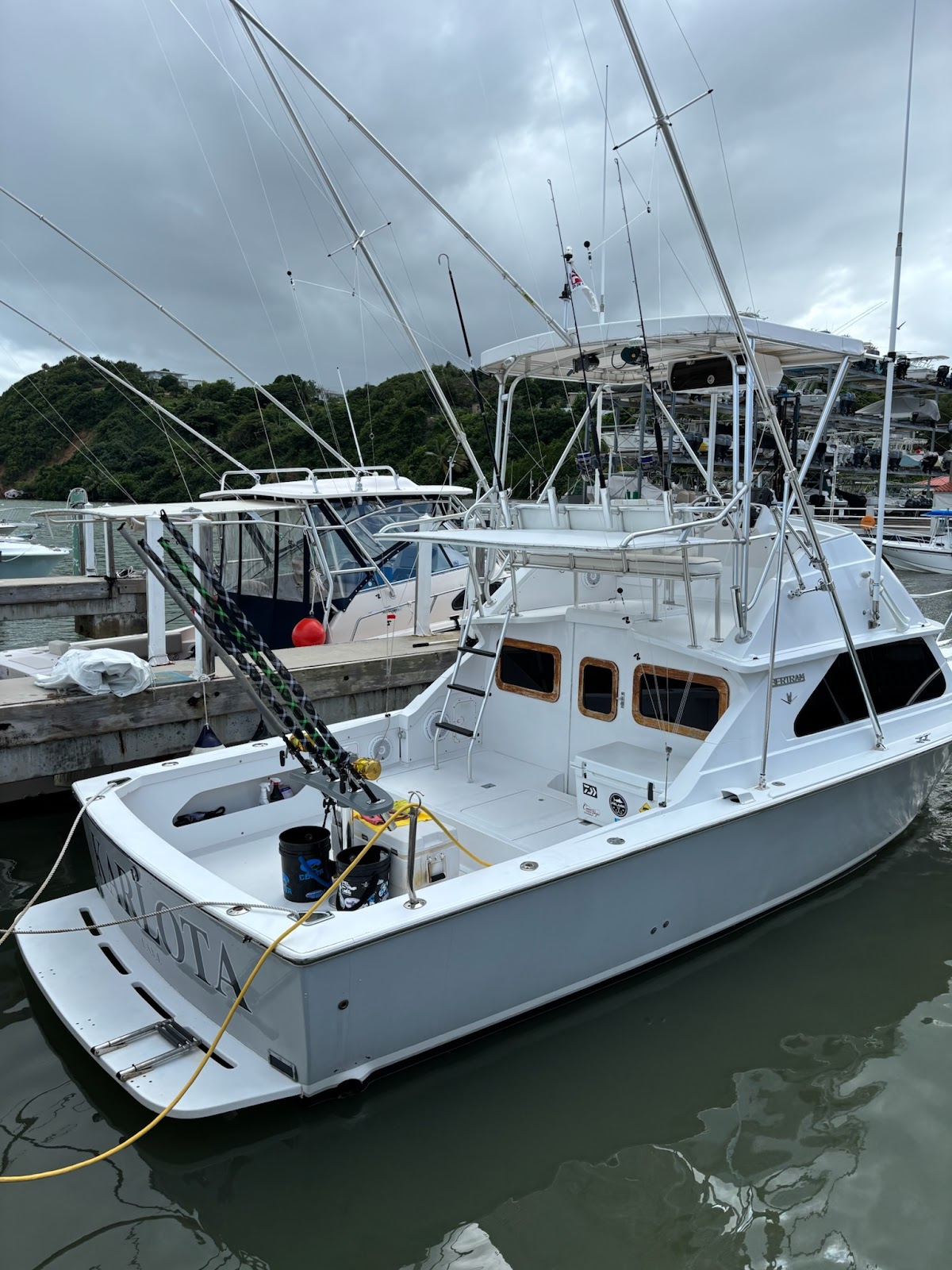
This isn't your typical tourist fishing trip where you sit around waiting for something to happen. We're hitting productive waters right off Fajardo where the fish are actively feeding, especially during those early morning hours when the bite is hot. You'll be working both shallow reef areas and doing some light deep dropping, depending on what's biting best that day. The beauty of inshore fishing here is the variety - one minute you might be battling a hard-fighting jack, the next you're dealing with a toothy barracuda that came out of nowhere. The boat handles beautifully in these protected waters, so even if you're not the strongest sea legs, you'll be comfortable enough to focus on fishing instead of fighting seasickness. We keep the group small at 5 people max, which means everyone gets plenty of room to fish and personal attention from the crew.
Techniques and Tackle
We're running a mixed bag approach that keeps things interesting and productive. For the reef fishing, we'll be using medium-weight spinning gear with live and cut bait, working structure where grouper and snapper like to hang out. The shallow water deep dropping is where things get really fun - we're talking about quick drops in 60-100 feet of water where you can feel every bite and fight the fish all the way up. All tackle and bait are provided, but if you've got a favorite rod setup, feel free to bring it along. We're rigged with circle hooks to keep the fish healthy, and our crew knows these waters like the back of their hand. The captain will position the boat over the best spots based on current conditions, tides, and what's been biting recently. Don't worry about technique - our crew will get you set up right whether you're a weekend warrior or someone who's never held a fishing rod before.
Species You'll Want to Hook
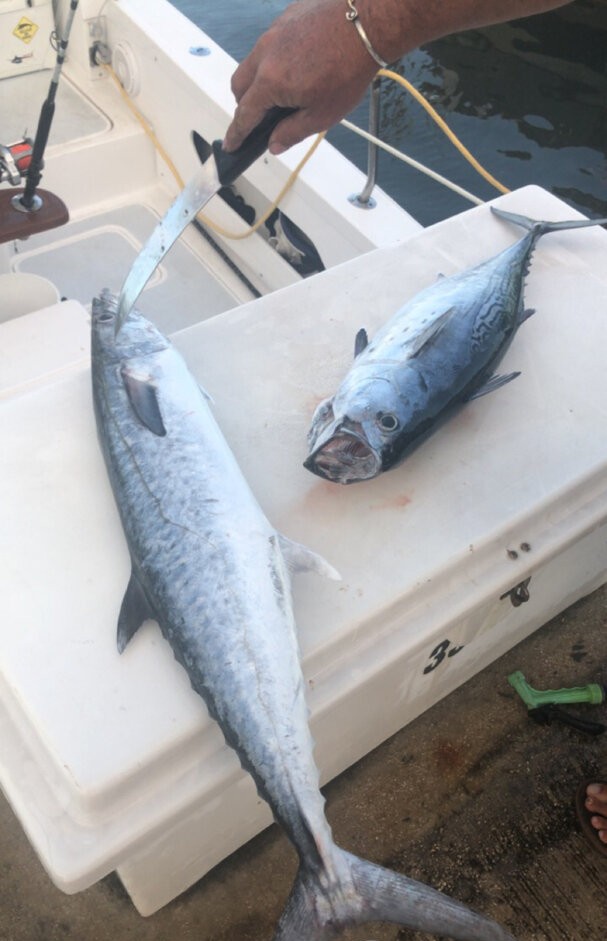
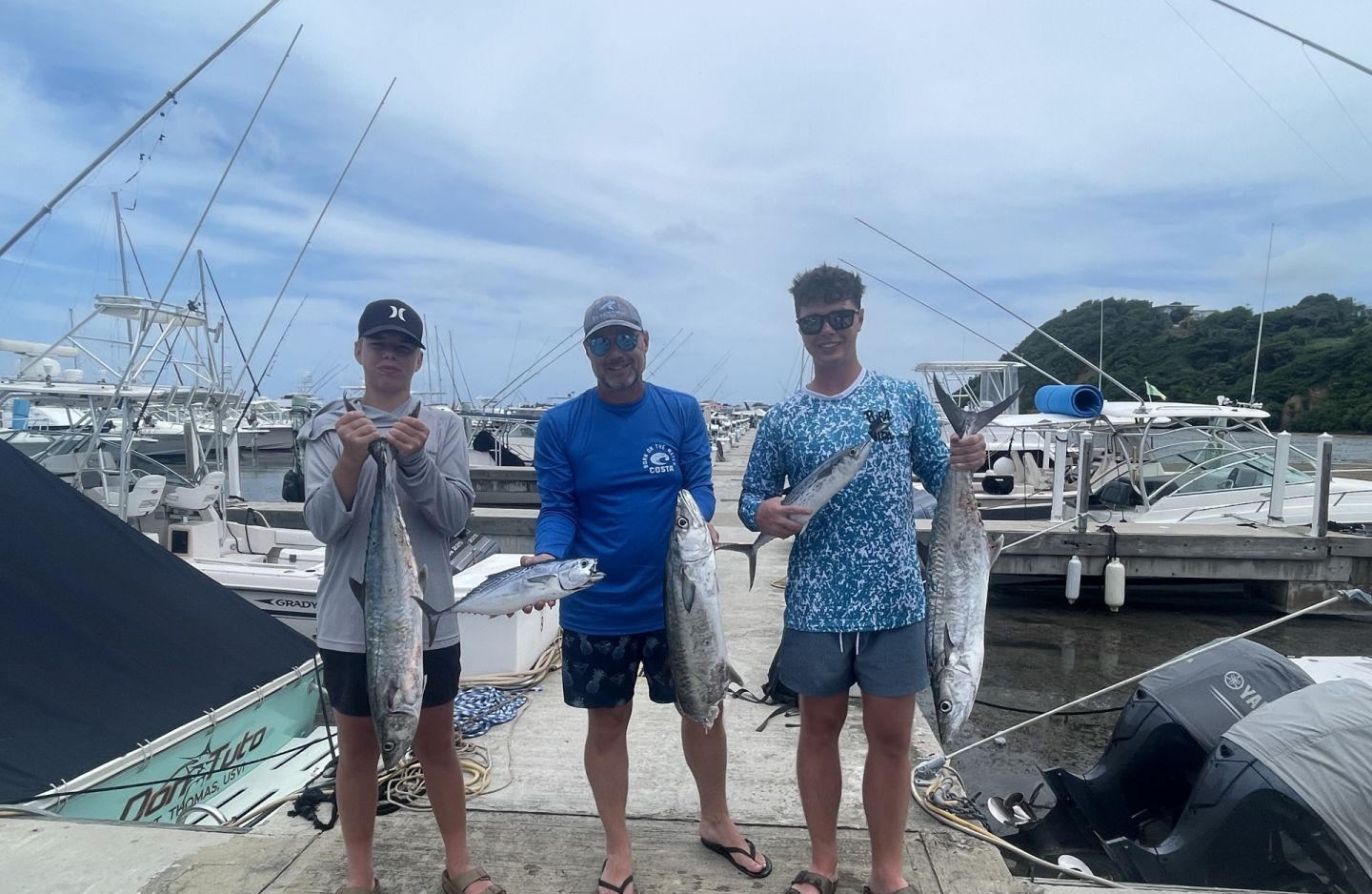
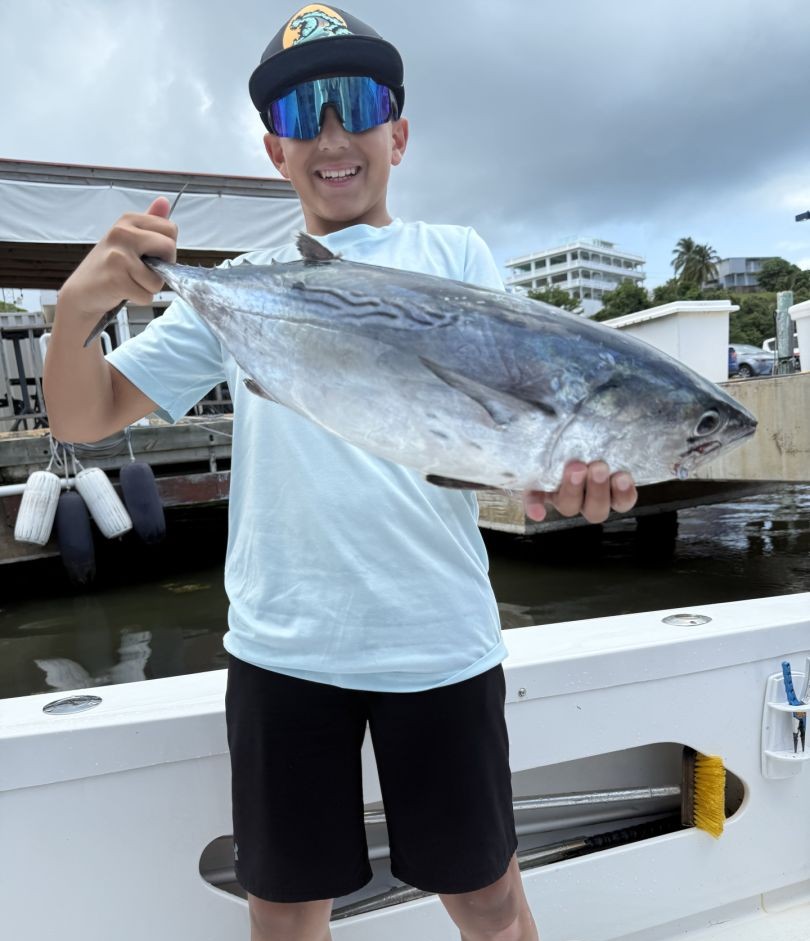
Atlantic Bonito are some of the hardest fighting fish you'll encounter on this trip. These compact speedsters typically run 3-6 pounds but fight like fish twice their size. They're most active during the cooler months from December through April, and when you hook one, get ready for blistering runs and head-shaking jumps. Bonito are schooling fish, so when you find one, there's usually more around. They're also excellent eating with firm, flavorful meat that's perfect for grilling.
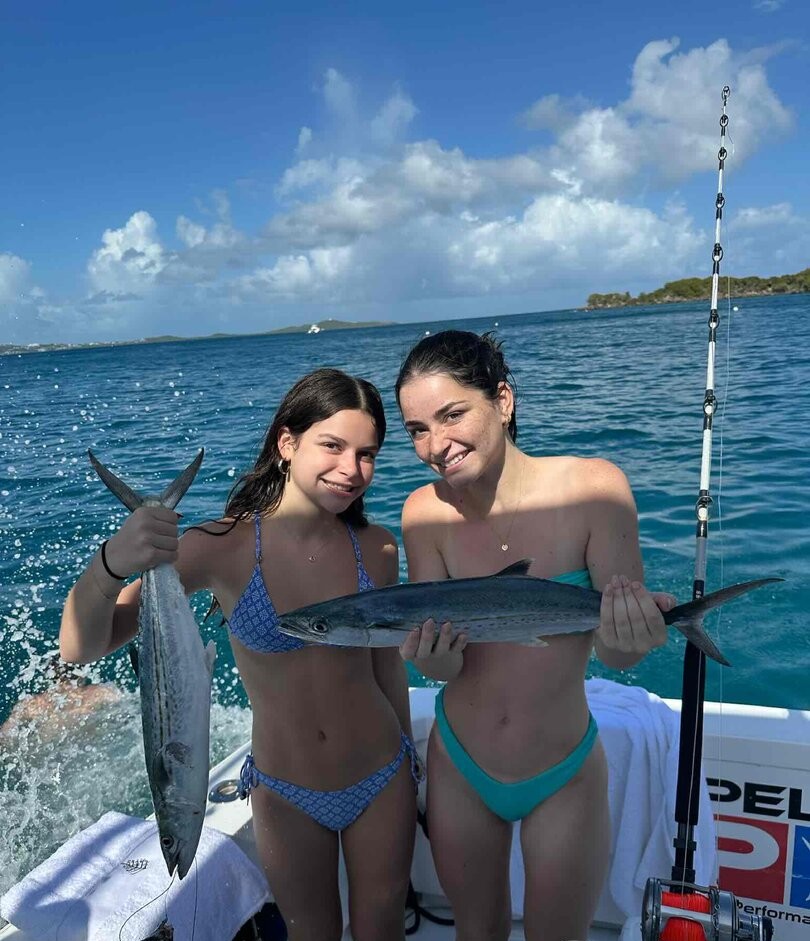
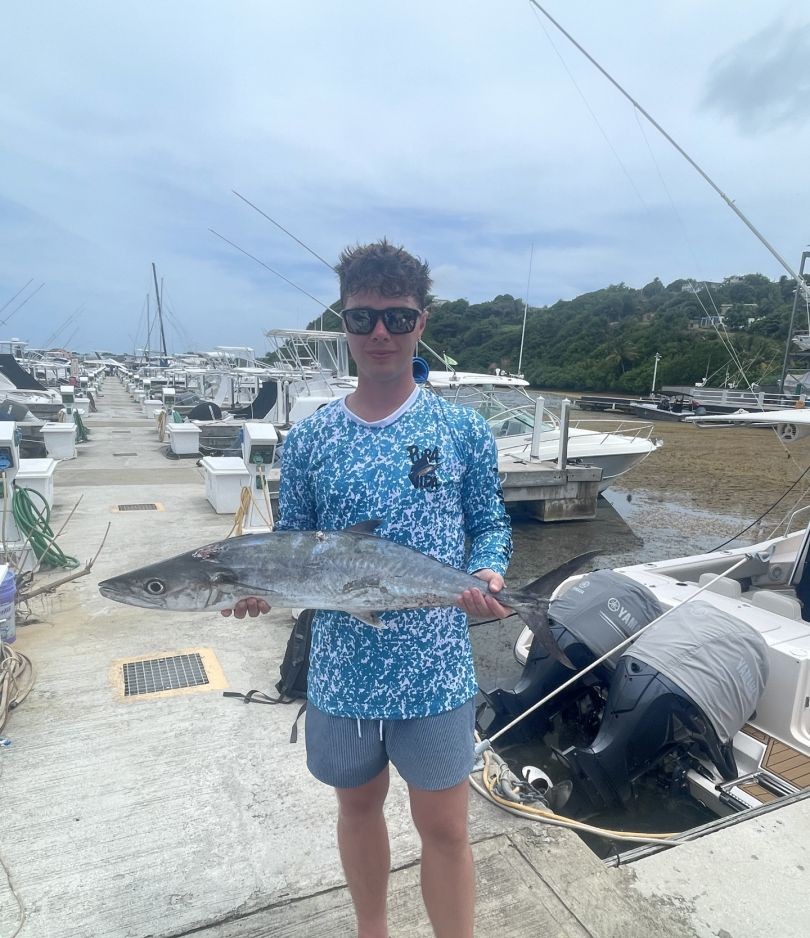
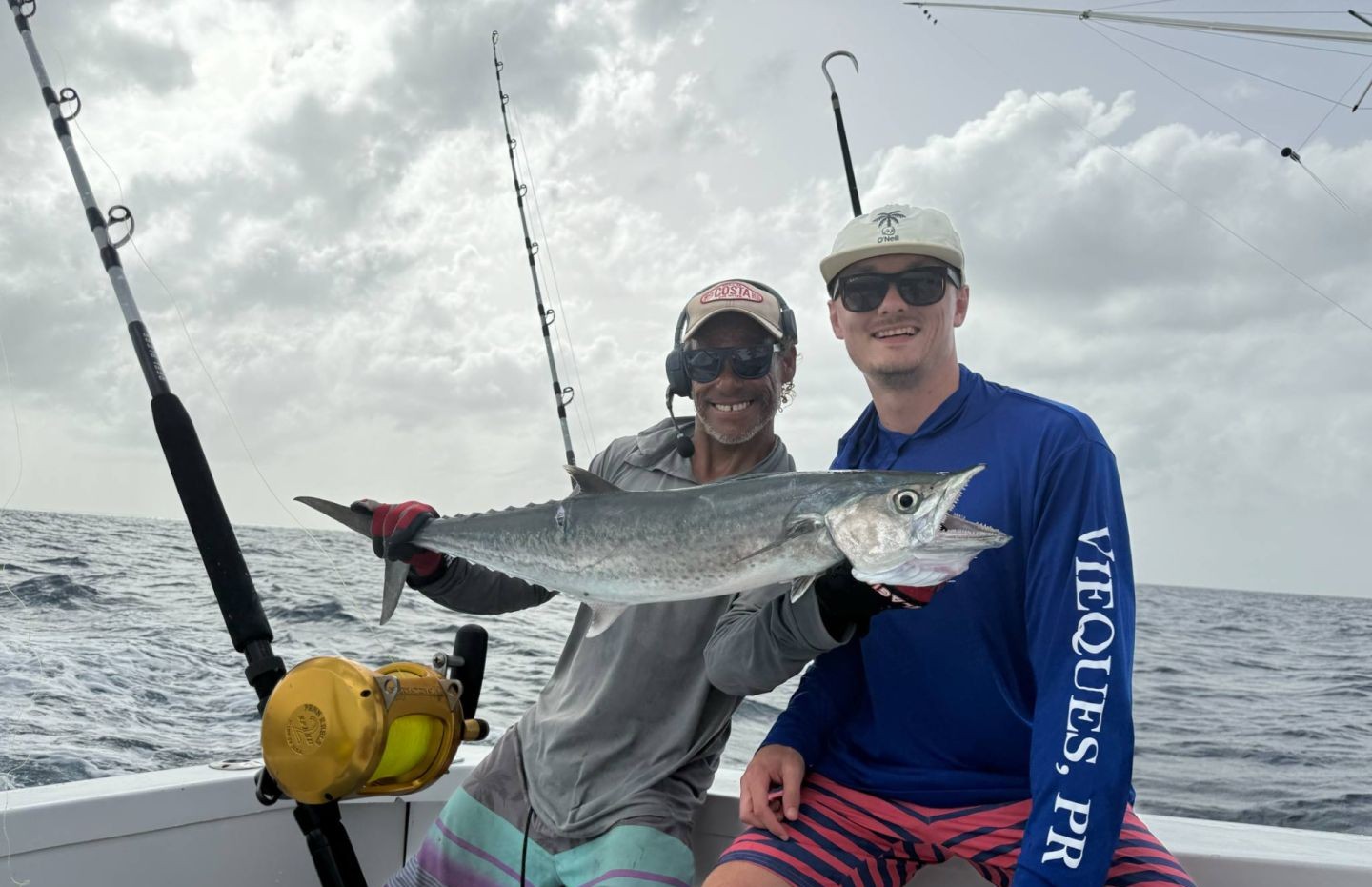
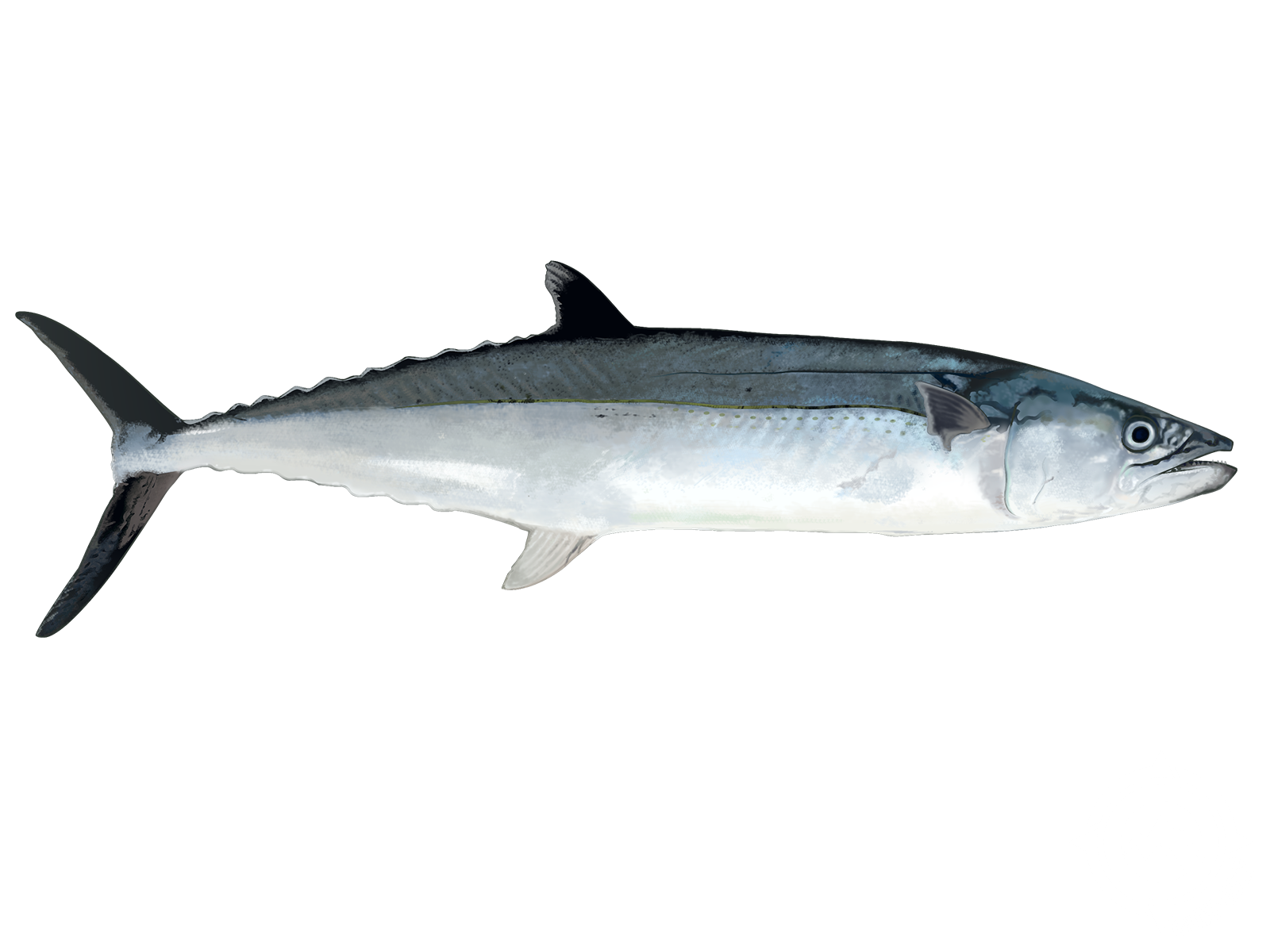
Cero Mackerel are the king of the mackerel family in these waters, growing up to 10 pounds with razor-sharp teeth and lightning-fast strikes. These fish are year-round residents but peak during spring and fall months. They're ambush predators that hit fast and hard, often cutting inexperienced anglers off before they know what happened. The crew will set you up with wire leaders to handle their teeth. Ceros are fantastic table fare and one of the most sought-after fish for local restaurants.
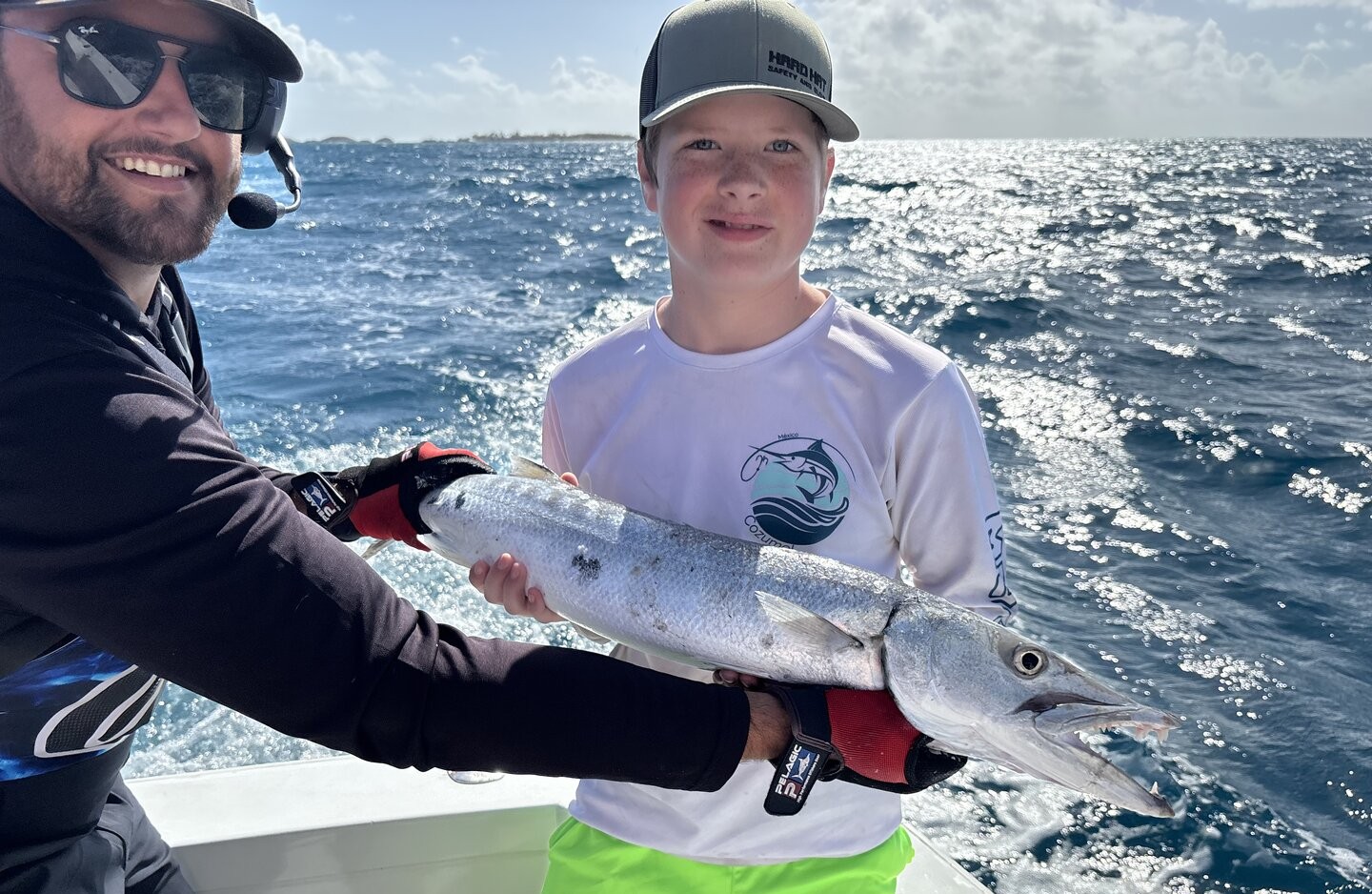
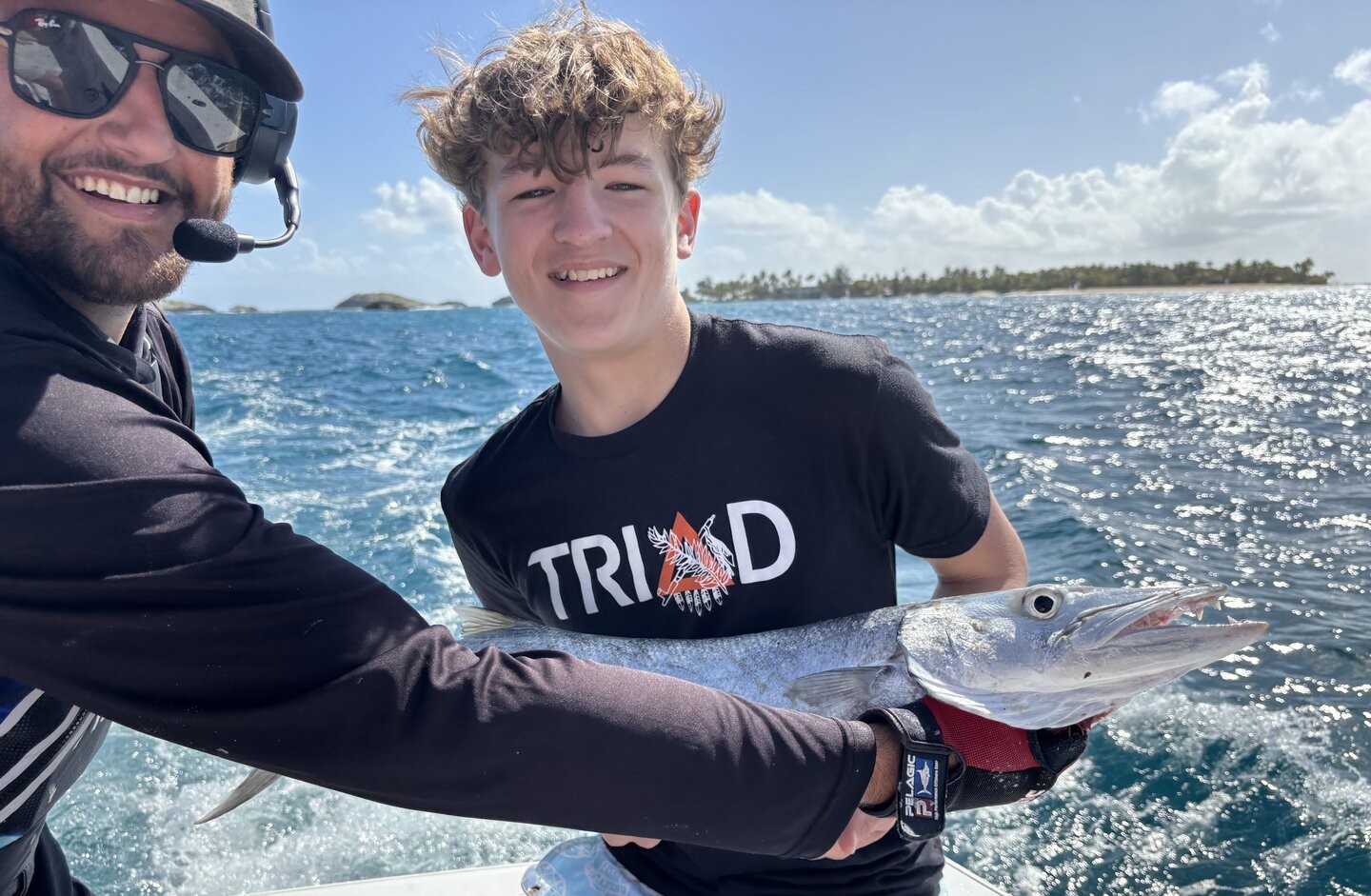
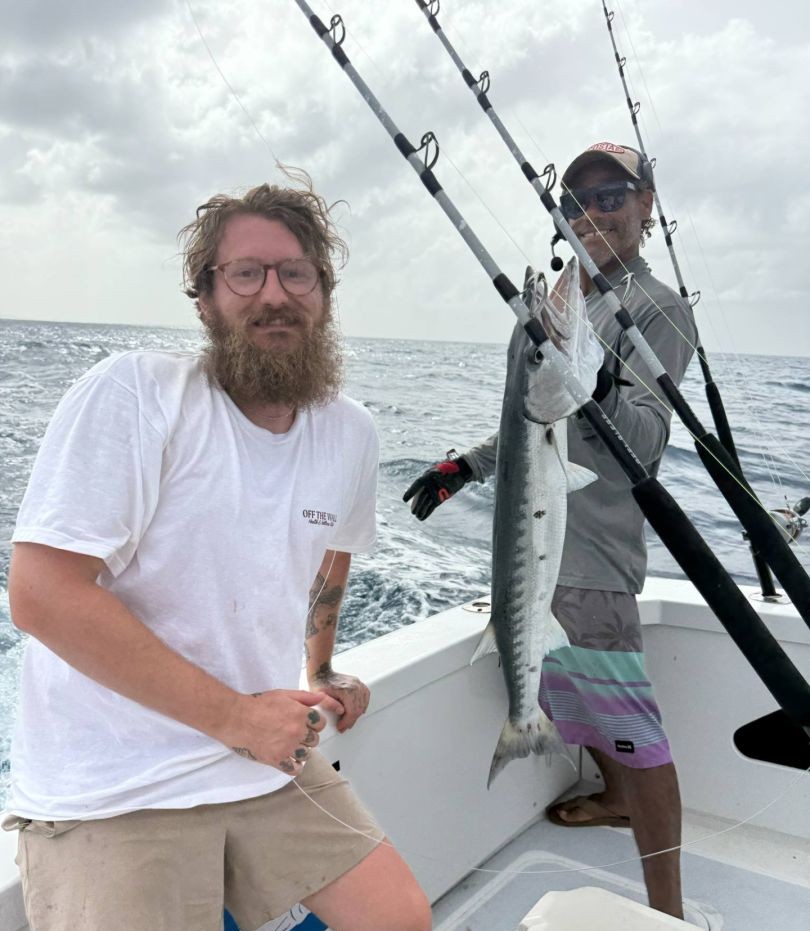
Great Barracuda are the apex predators of the reef, and hooking one is always memorable. These prehistoric-looking fish can reach 20+ pounds in local waters and are known for spectacular jumps and powerful runs. They're curious fish that will often follow lures boat-side before deciding to strike. Barracuda are present year-round but are most aggressive during the warmer months. Their intimidating appearance and explosive fights make them a favorite among anglers looking for an adrenaline rush.
Crevalle Jack are the bulldogs of the inshore waters, with broad shoulders and an attitude to match. These fish typically run 5-15 pounds locally and are known for their punishing, circular fights that will test your tackle and your arms. Jacks are year-round residents that travel in schools and are often found around structure and bait concentrations. They're not the prettiest fish, but their raw fighting power makes them a favorite among serious anglers who appreciate a good scrap.
Little Tunny, also called false albacore locally, are small tunas that pack a serious punch. These fish rarely exceed 10 pounds but fight with the intensity of much larger fish. They're most common during the cooler months and are known for their speed and stamina. Little tunny travel in fast-moving schools and create some of the most exciting action when they're feeding on the surface. They're also excellent eating despite what some people say - the key is proper handling and preparation.
Time to Book Your Spot
This 2-hour morning fishing adventure gives you the perfect taste of what Fajardo's inshore waters have to offer without eating up your entire vacation day. You'll be back at the dock by 9:30 AM with time to grab breakfast and still have the whole day ahead of you. The early start time means you're fishing during prime feeding hours when these species are most active. At $350 for up to 5 people, you're looking at serious value for a top-rated charter experience. The free cancellation policy shows we stand behind our service and understand that plans change. Don't wait too long to secure your date - morning trips book up fast, especially during peak season. Get your group together and get ready to bend some rods on one of Puerto Rico's most productive fishing grounds.
 Private Trip
 Inshore Fishing
 Fajardo, Puerto Rico


 Early morning 2-hour inshore fishing trip starting at 7:30 AM