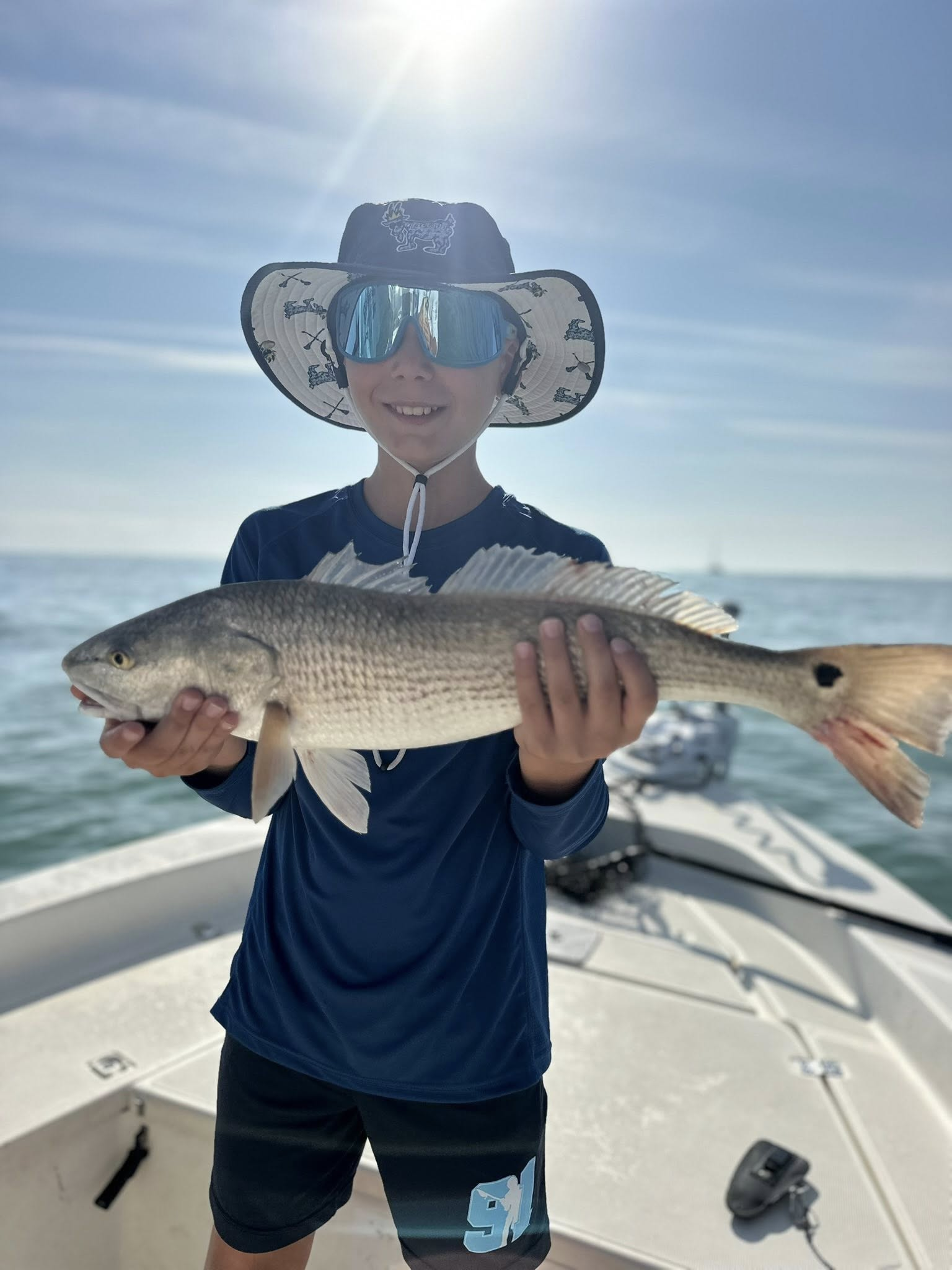
Private 4-6 Hour Inshore Fishing Trip
Get ready to work Florida's most productive inshore waters where black drum rule the roost and trophy fish lurk in every shadow. This isn't your typical tourist fishing trip – we're talking serious angling in the backwater canals and around bridge structures where the big boys like to feed. Captain and crew at Reel Lucky Fishing Charters LLC know these waters like the back of their hand, and they're ready to put you on fish that'll make your drag scream. Whether you've been chasing inshore species for years or you're just getting your feet wet, this 4-6 hour adventure gives you plenty of time to dial in your technique and land some serious weight.
What to Expect on the Water
This world-class inshore experience focuses on the kind of structure fishing that separates the weekend warriors from the serious anglers. We're targeting black drum around bridge pilings, concrete structures, and oyster bars where these bruisers come to crush crabs and mullet. The winding backwater canals offer a completely different dynamic – shallow water sight fishing where you can watch your target before making the perfect cast. Your captain will position the boat based on tide, wind, and recent fish activity, moving between spots until we find the bite. The beauty of inshore fishing is the variety – one minute you're pitching live bait to shadowy bridge pilings, the next you're working topwater plugs over grass flats. With a maximum of two anglers, you get personalized attention and plenty of rod time without fighting crowds.
Tackle and Techniques
Inshore fishing success comes down to matching your presentation to the conditions, and that's where experience pays off. We'll be running medium-heavy spinning gear perfect for handling 20-40 pound fish in structure-heavy environments. Live bait is king for black drum – fresh shrimp, cut mullet, and blue crabs get their attention fast when fished near bottom around bridges and pilings. Circle hooks are the standard here, giving you solid hookups while reducing gut-hooking. When we're working the shallow backwater canals, lighter tackle comes into play with soft plastics, spoons, and topwater plugs that won't spook fish in skinny water. Your captain will handle boat positioning and tide timing – two critical factors that make or break inshore trips. Expect to learn proper drag settings, hook-setting techniques, and how to read water structure that holds fish year-round.
Species You'll Want to Hook
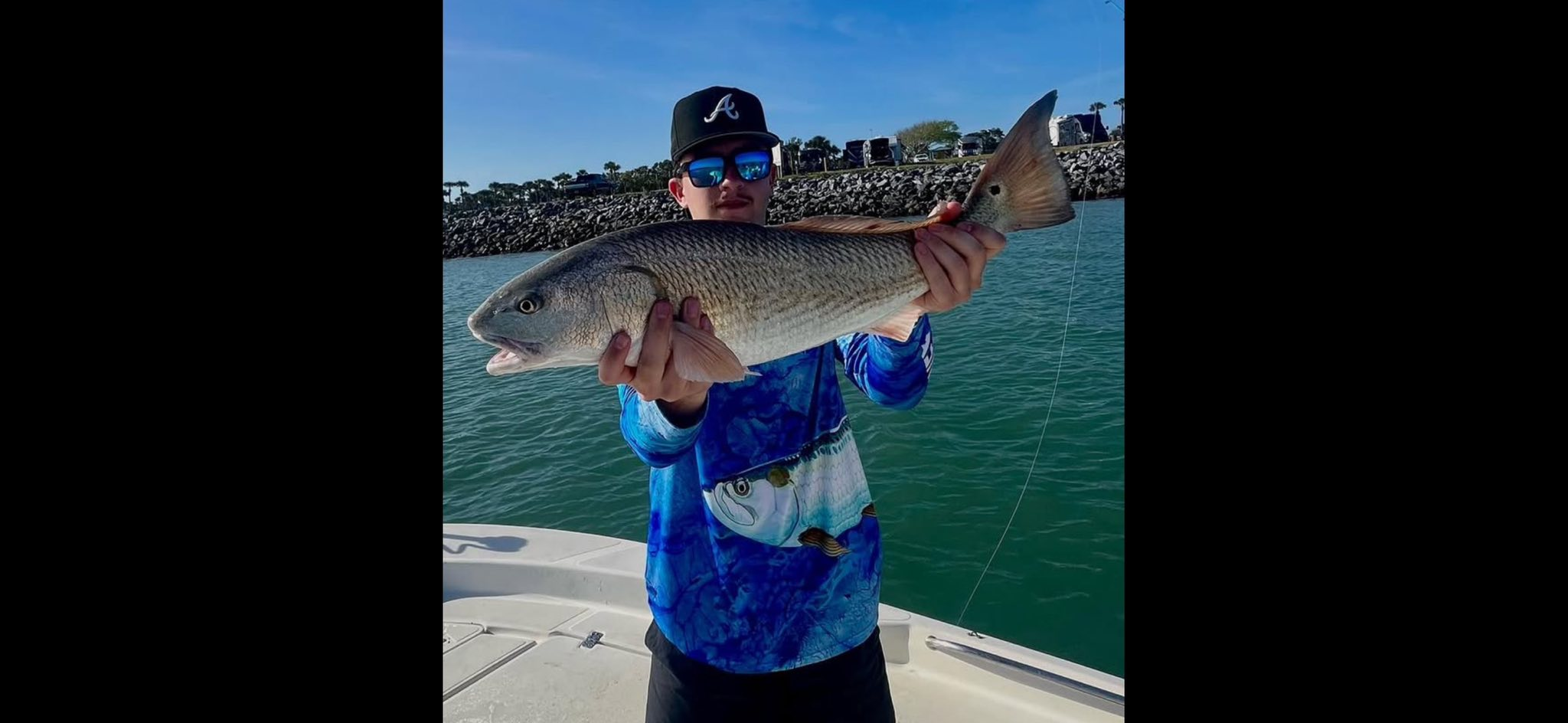
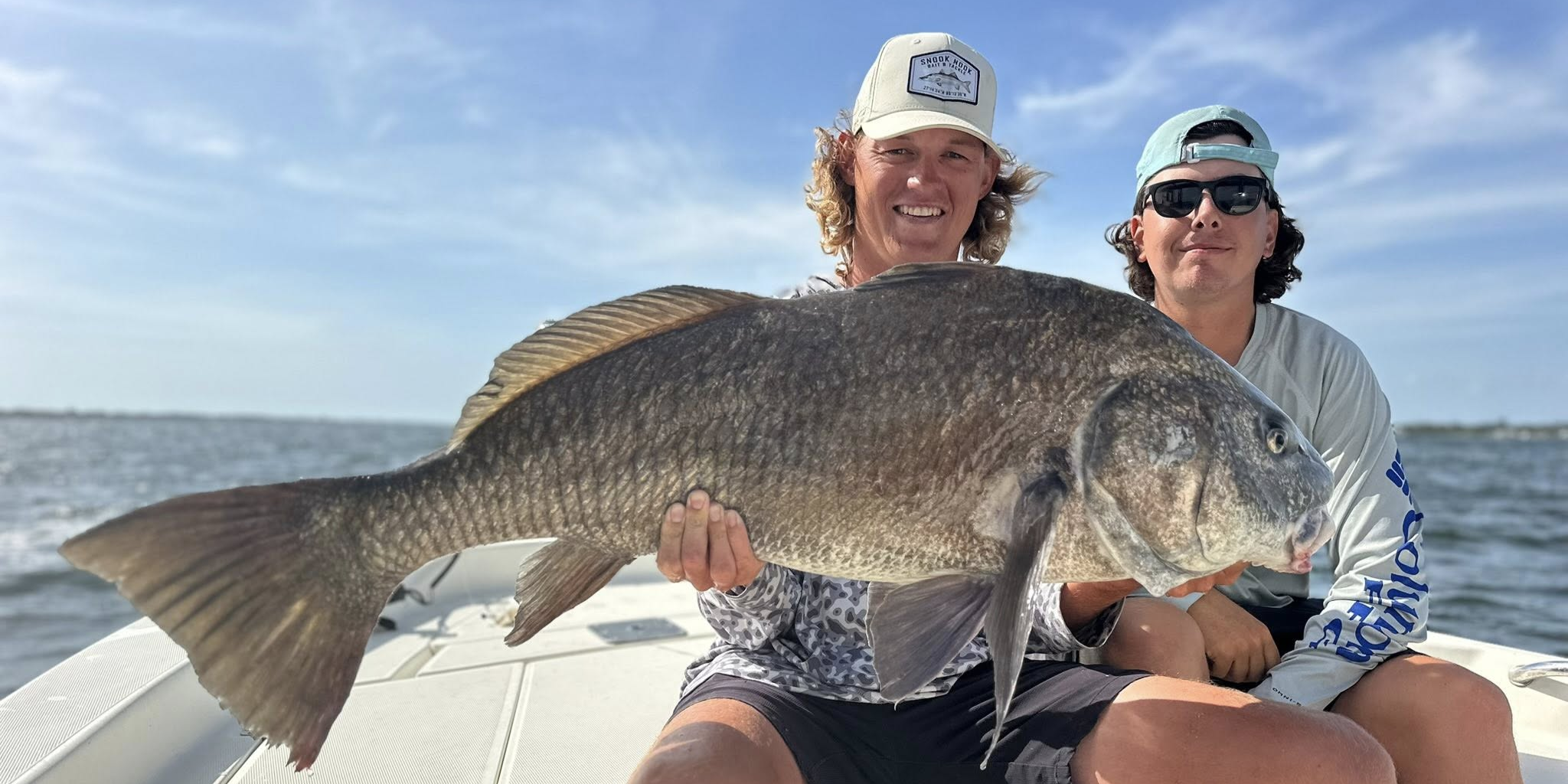
Black drum are the bread and butter of this trip, and for good reason – these copper-colored bulldogs are some of the hardest fighting fish in Florida's inshore waters. Big drum frequent bridge pilings and canal mouths where they use their powerful pharyngeal teeth to crush oysters, crabs, and shellfish. Peak season runs from late winter through spring when schools of mature drum move into shallow water to spawn. These fish regularly top 20 pounds, with true giants pushing 40-50 pounds not uncommon around the right structure. What makes them so exciting is their initial run – they'll peel drag like a freight train before settling into that classic drum bulldogging fight.
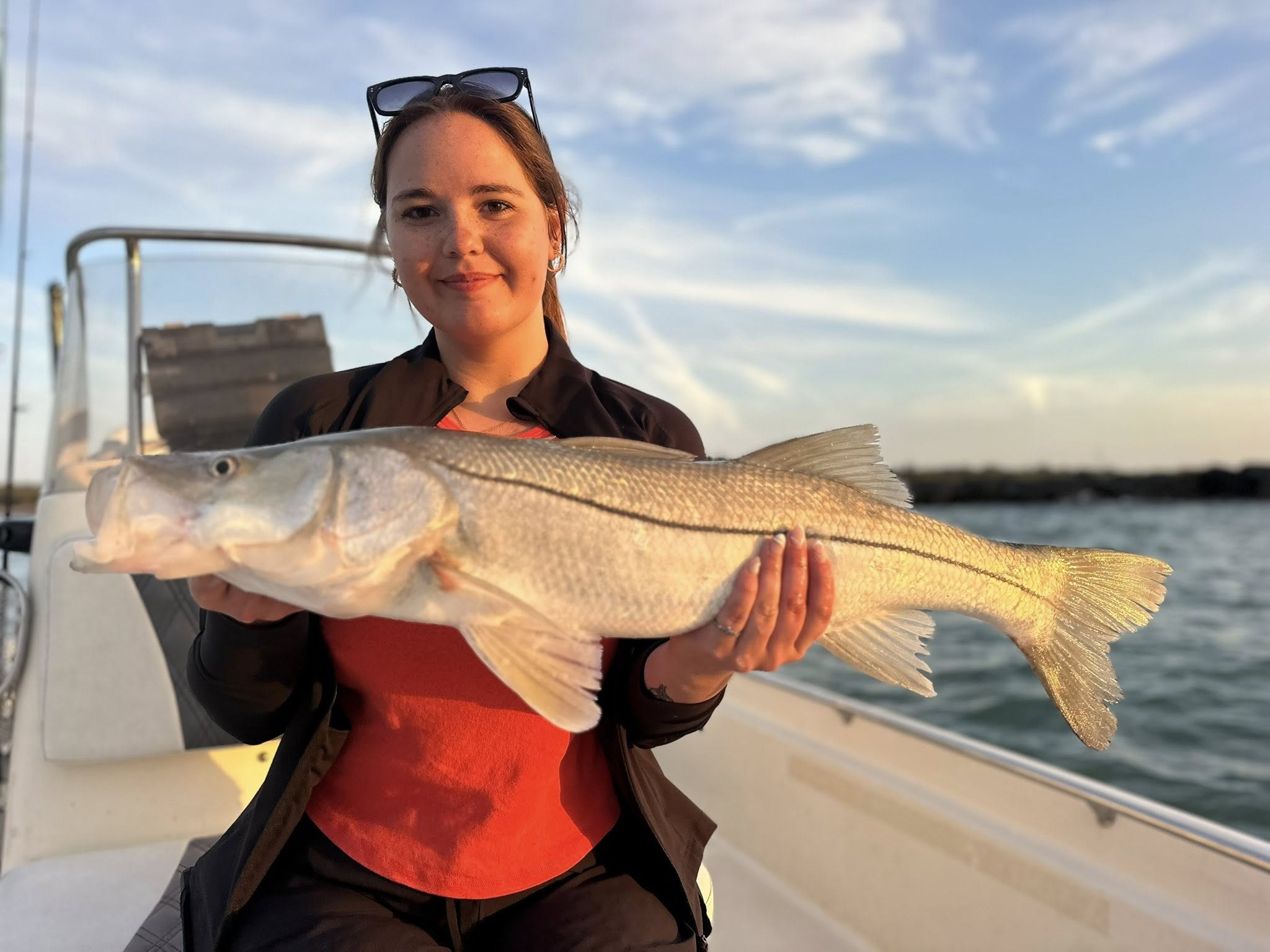
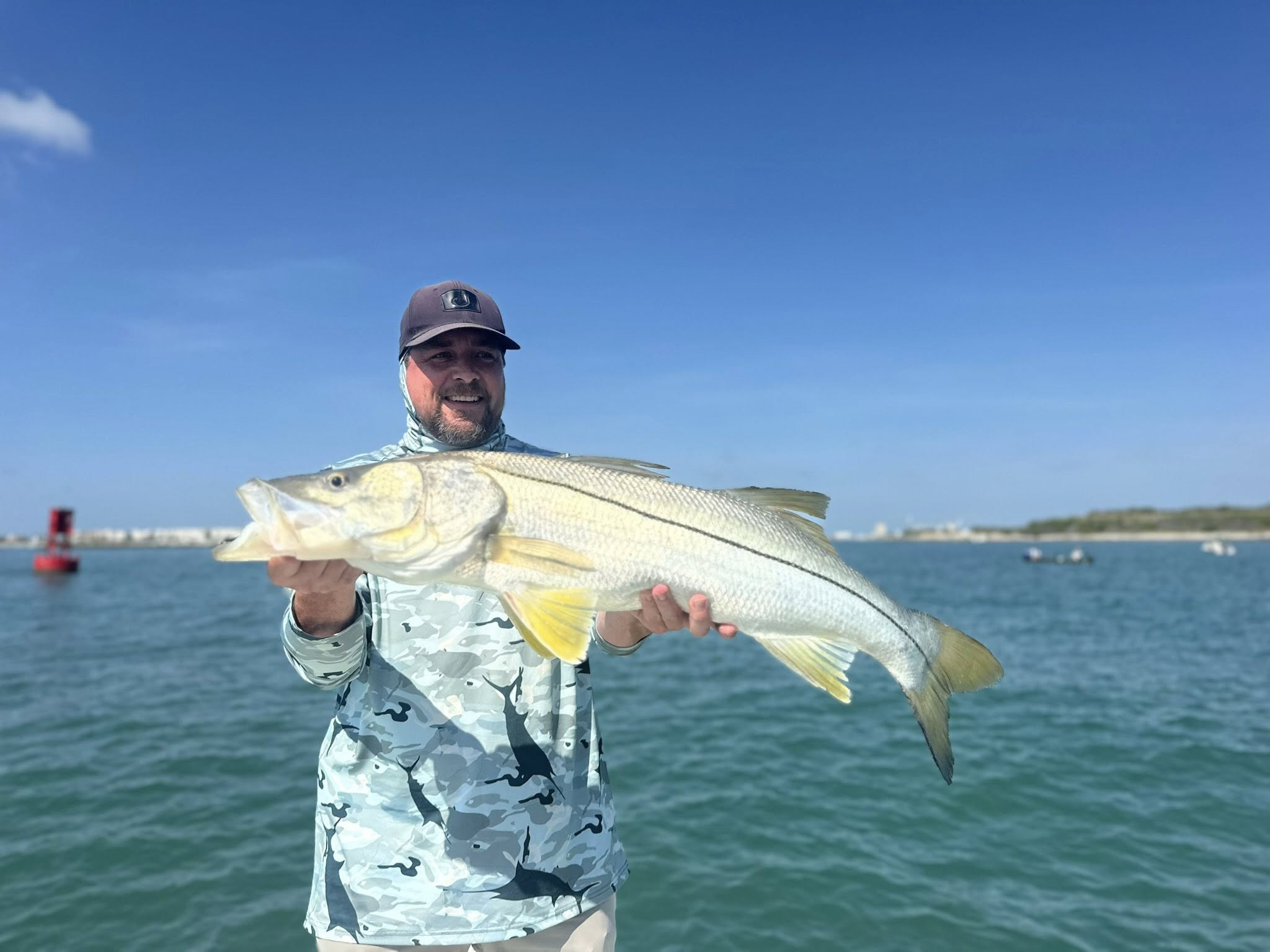
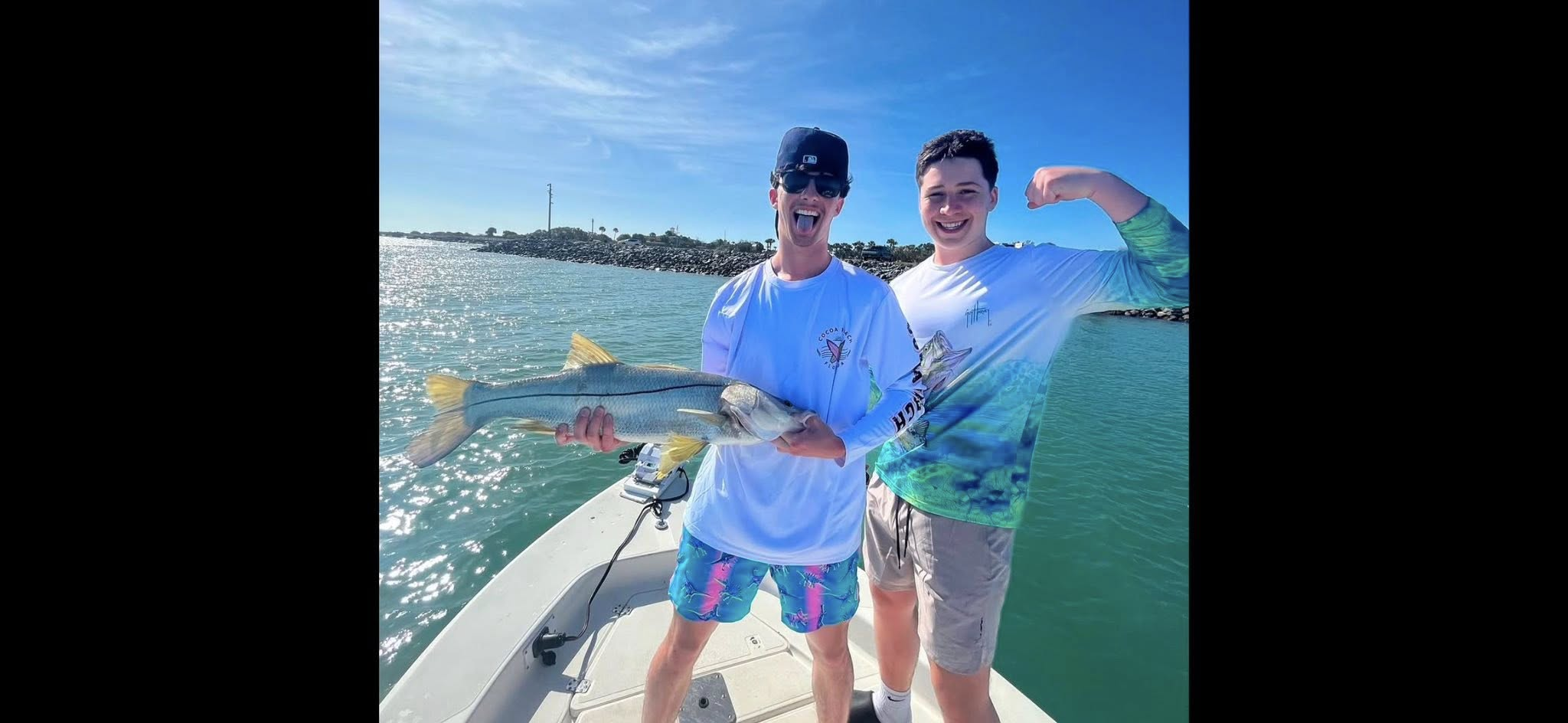
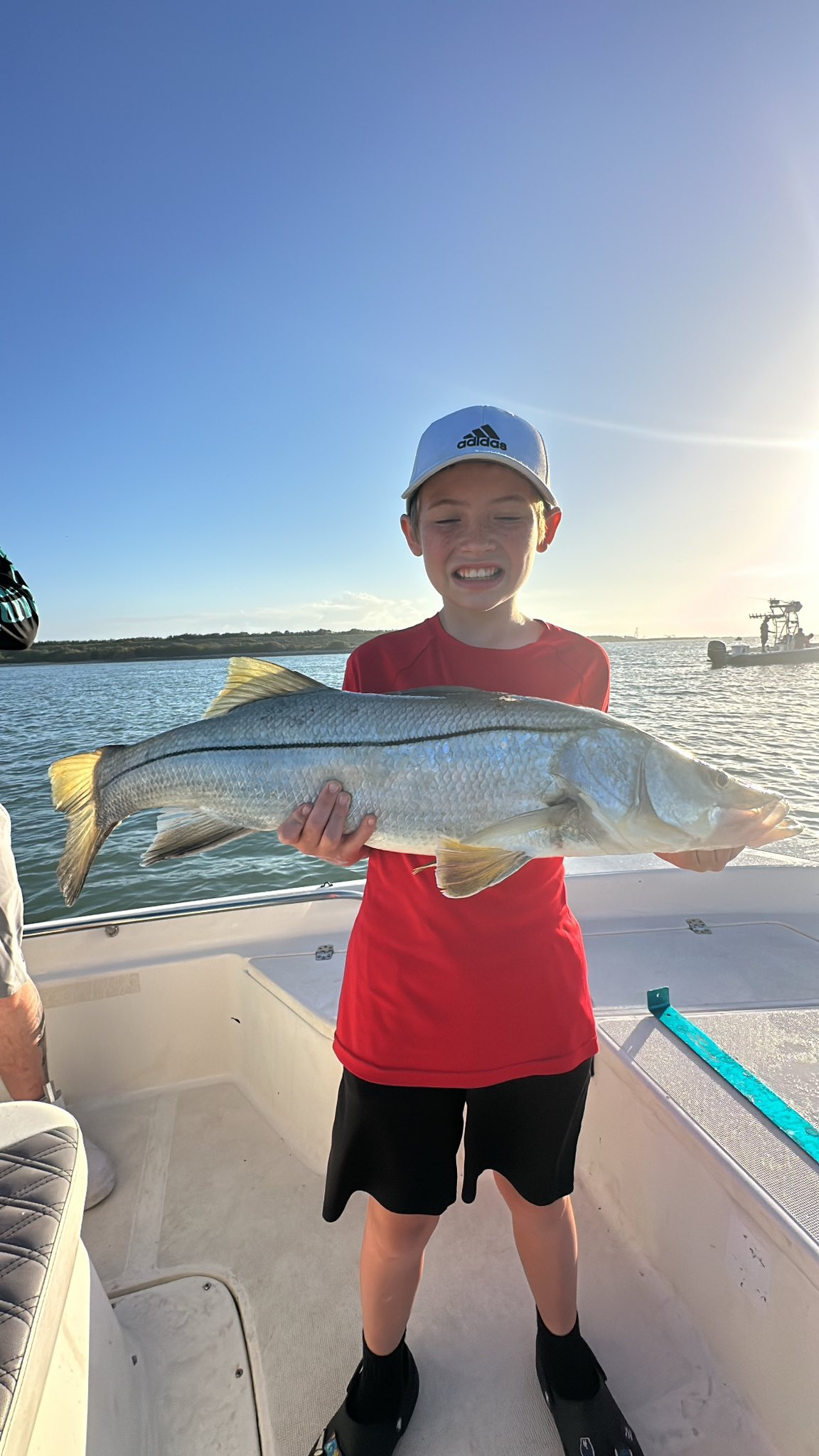
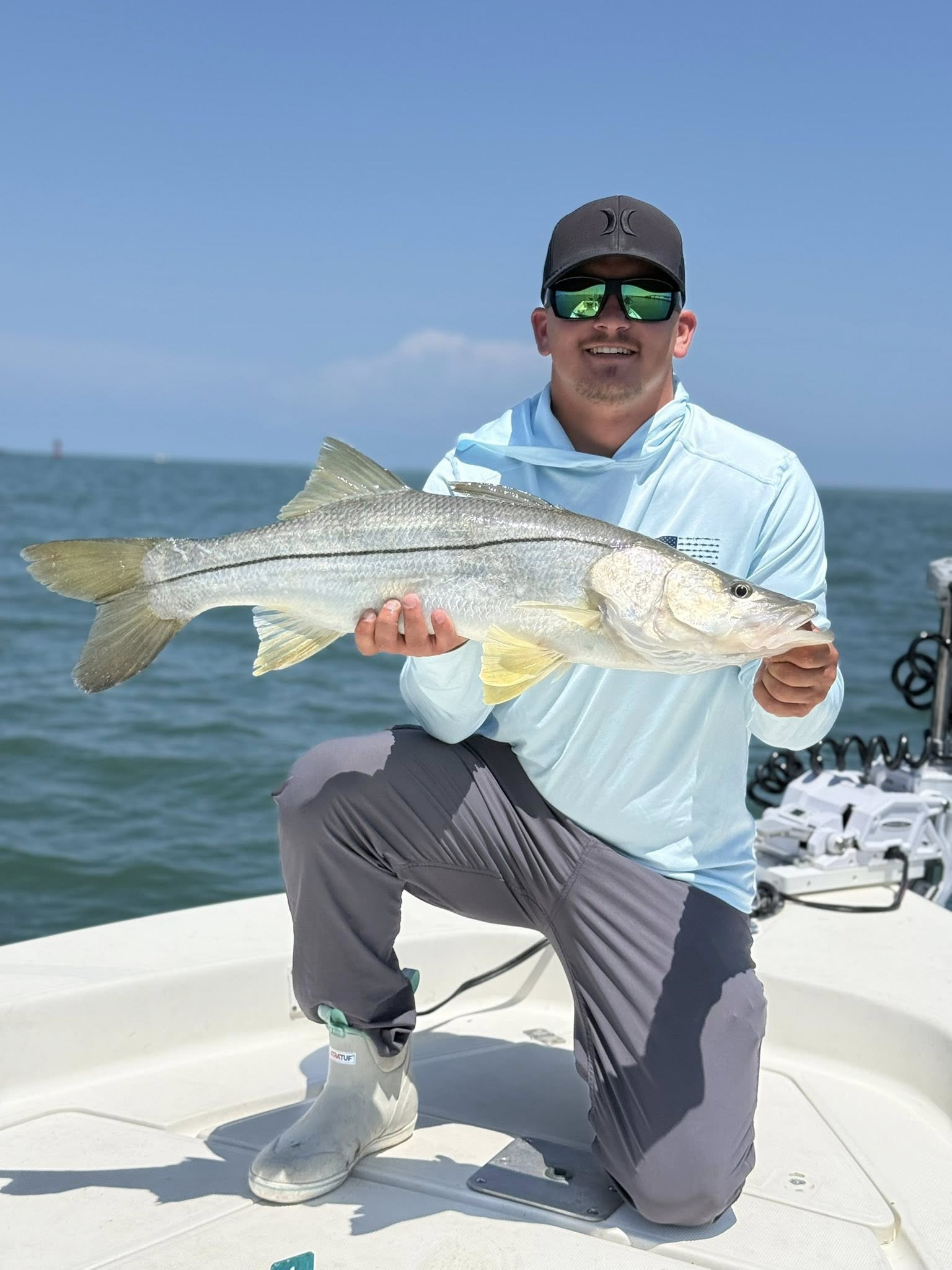
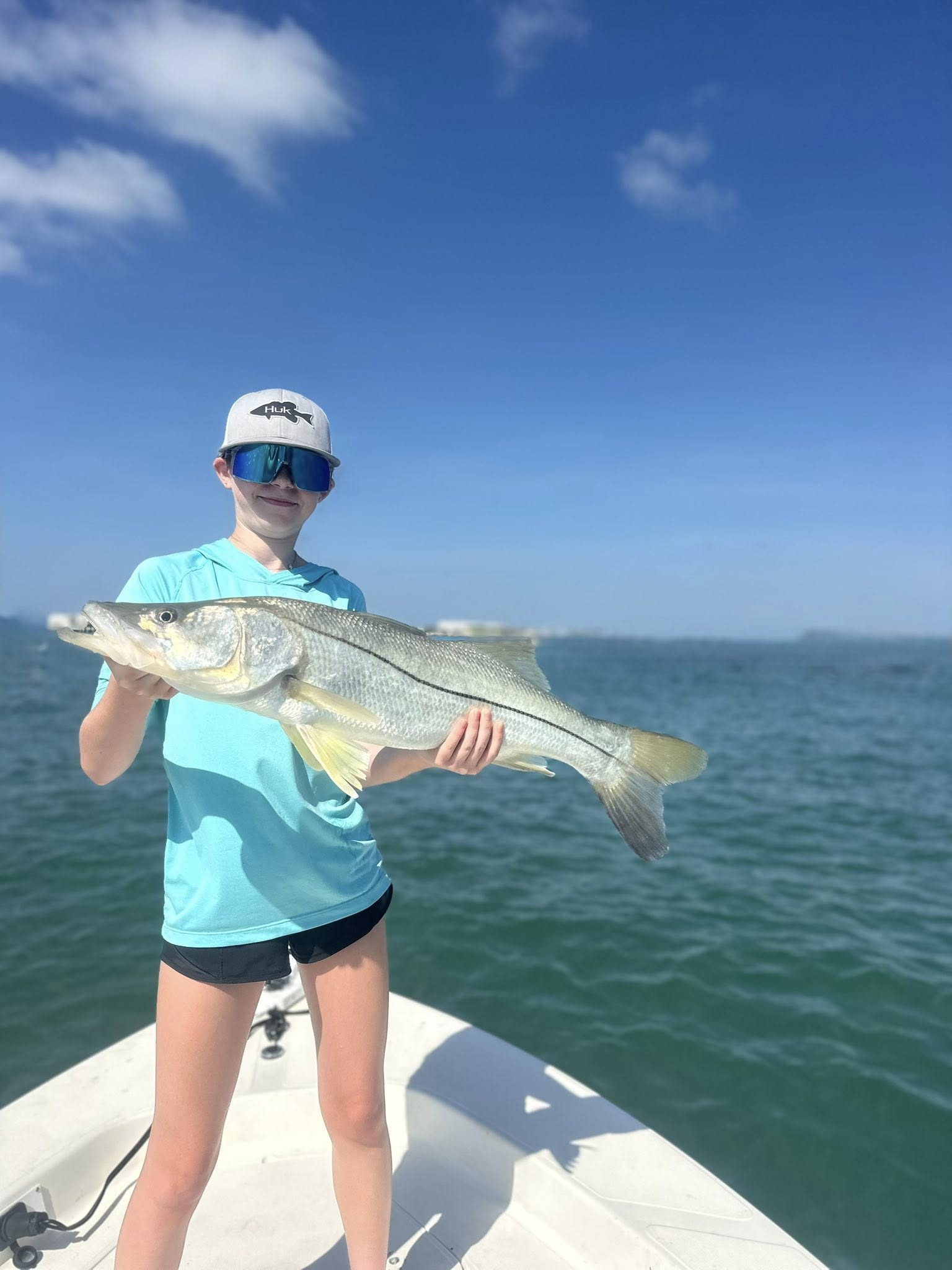
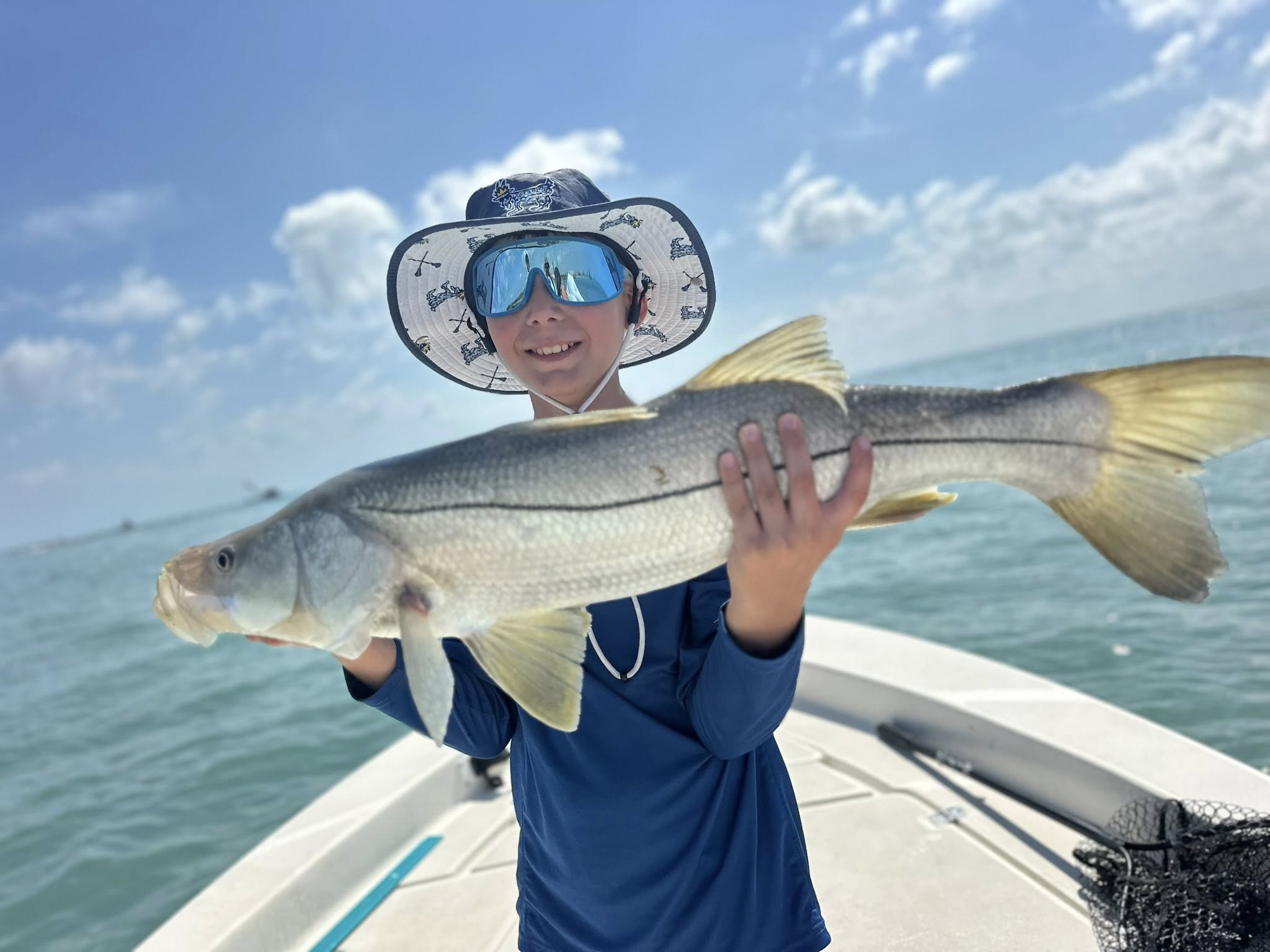
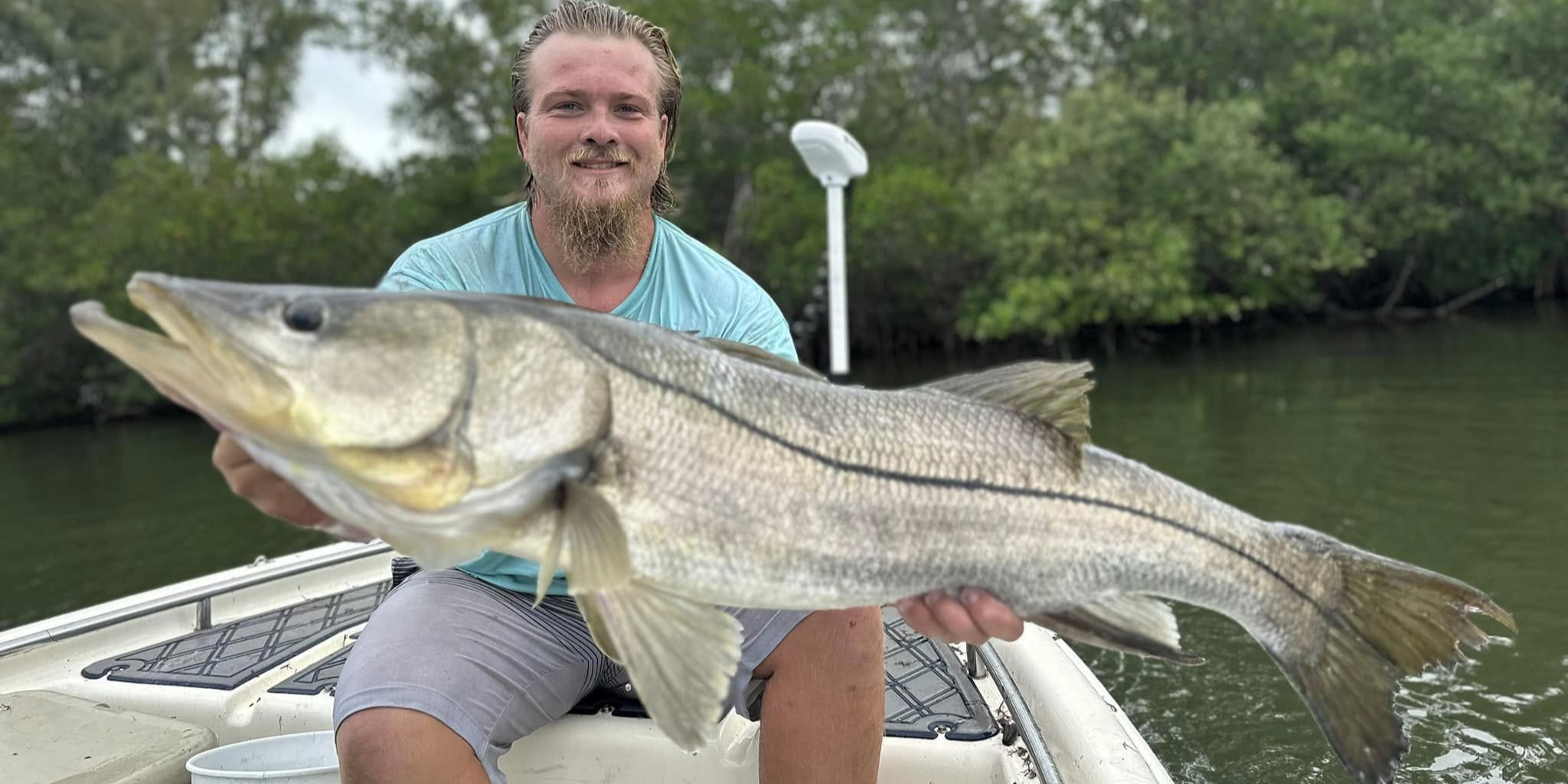
Snook are the glamour species of Florida inshore fishing, known for their explosive strikes and acrobatic fights. These ambush predators love structure – bridge pilings, mangrove shorelines, and canal mouths where they can pin baitfish against cover. Summer and fall offer the best action when snook are most active, though they can be caught year-round in the right spots. A 28-inch snook is a slot fish, but these coastal rockets can grow well over 35 inches. They're notorious for their gill-rattling jumps and their ability to cut you off on structure if you don't keep pressure on them.
Tarpon bring the wow factor with their prehistoric appearance and spectacular aerial displays. Florida's inshore waters host both juvenile tarpon year-round and massive adult fish during their seasonal migrations. Even a 30-pound juvenile will test your tackle and technique, while adult tarpon over 100 pounds are legitimate fish of a lifetime. These silver kings prefer deeper canals, bridges, and inlet areas where they can ambush schools of mullet and pilchards. Peak tarpon season runs from May through August, but don't be surprised to hook into one during any month in Florida's climate.
Sheepshead are the technical challenge of inshore fishing – these black-and-white striped convicts have human-like teeth and a reputation for stealing bait without getting hooked. They're structure-oriented fish that love bridge pilings, docks, and oyster bars where they feed on crabs, barnacles, and small shellfish. Winter months offer the best sheepshead action when they school up around structure for spawning. A 4-pound sheepshead is a solid fish, with true slabs pushing 6-8 pounds. They're also some of the best eating fish in the water, making them a customer favorite for the cooler.
Cobia are the wild cards of inshore fishing – these brown sharks (they're not actually sharks) are curious, aggressive, and grow to impressive sizes. Spring brings the best cobia action when they follow rays and sharks in shallow water, often coming right up to the boat to investigate. These fish can exceed 40 pounds and are known for their powerful runs and stubborn fights. Cobia are also excellent table fare, with firm white meat that's perfect for grilling. They're sight-fishing targets that get your heart pumping when you see their distinctive brown shape cruising the shallows.
Time to Book Your Spot
This top-rated inshore fishing experience gives you everything you need for a memorable day on Florida's most productive waters. With personalized attention, expert local knowledge, and access to prime fishing spots that most anglers never see, you're set up for success from the moment you step aboard. The combination of structure fishing for big drum and exploring hidden backwater canals creates the perfect balance of consistent action and trophy potential.
 Private Trip
 Inshore Fishing
 undefined, undefined


 Target Black Drum in prime Florida inshore waters and canals