Big Bend Inshore Fishing Adventures
Florida's Big Bend region offers some of the most productive inshore fishing you'll find anywhere along the Gulf Coast. This isn't your typical crowded fishing spot – we're talking about pristine grass flats, oyster bars, and shallow channels that hold serious fish year-round. With Reel Native Fishing, you'll spend six solid hours exploring waters that most anglers never see, targeting everything from slot redfish to trophy sea trout in some of the most remote and fish-rich areas the Big Bend has to offer.
What to Expect on the Water
Your day starts early, which is exactly how we like it. The Big Bend's shallow waters fish best when the sun's low and the fish are actively feeding. We'll launch from one of the area's premier boat ramps and head straight into the backcountry, where crystal-clear water meets endless grass flats and structure. This six-hour trip gives us the time to really work different areas – from shallow oyster bars where redfish cruise in inches of water to deeper channels where black sea bass stack up. The boat stays comfortable with just two anglers, so you'll get plenty of individual attention and coaching. Don't worry about bringing tackle or bait – everything's provided, from light spinning gear perfect for sight fishing to heavier setups when we need to pull fish out of structure.
Techniques and Tackle Setup
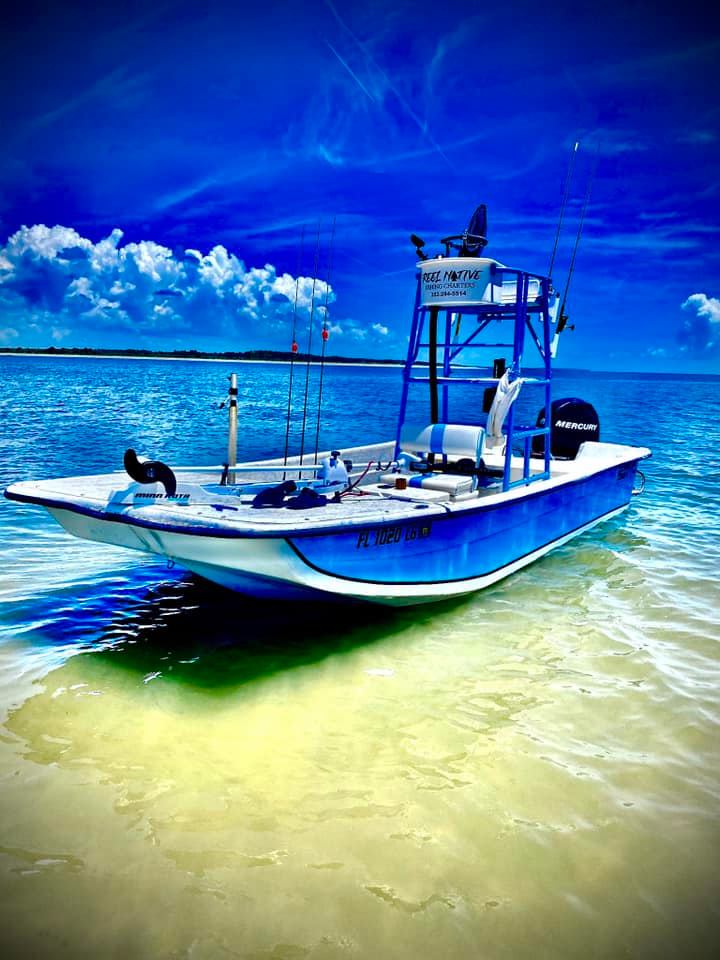
The Big Bend demands versatility, and that's exactly how we fish it. We'll start with live bait – shrimp, pinfish, and sometimes mullet – rigged on circle hooks for the redfish and sea trout. When the bite gets tough, we switch to artificials: soft plastics on jigheads, topwater plugs, and spoons that flash in the grass. Sight fishing is huge here, especially for reds. You'll learn to spot tailing fish, nervous water, and those tell-tale wakes that give away cruising schools. We fish light most of the day – 15 to 20-pound braid with fluorocarbon leaders – but keep heavier gear ready when we target black sea bass around structure. The flats boat lets us get into skinny water where bigger boats can't go, and we'll pole through areas so shallow you can almost touch bottom. It's technical fishing that requires patience, but the payoff is worth every cast.
Species You'll Want to Hook
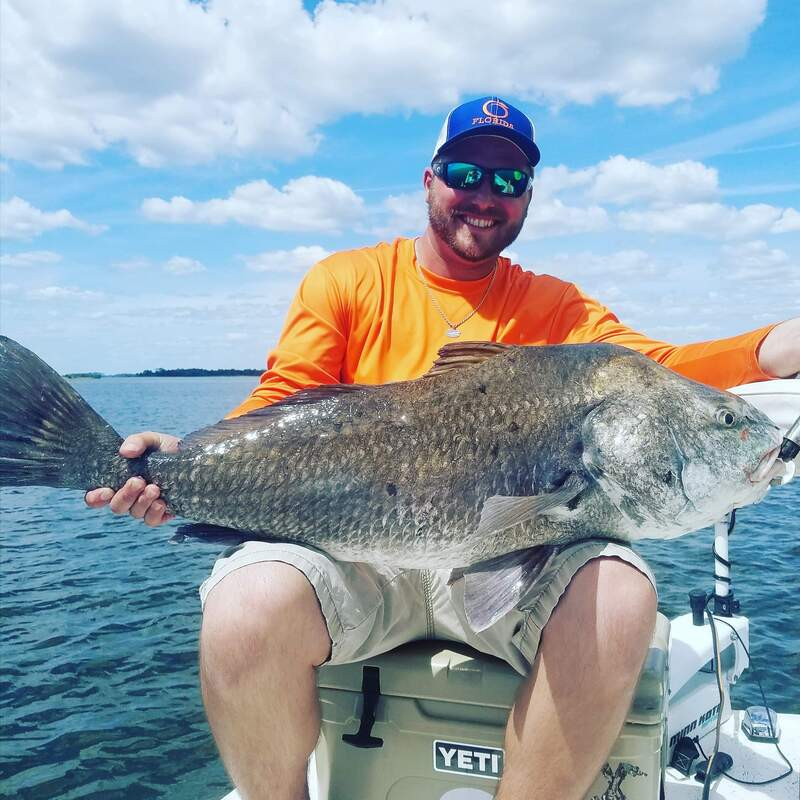
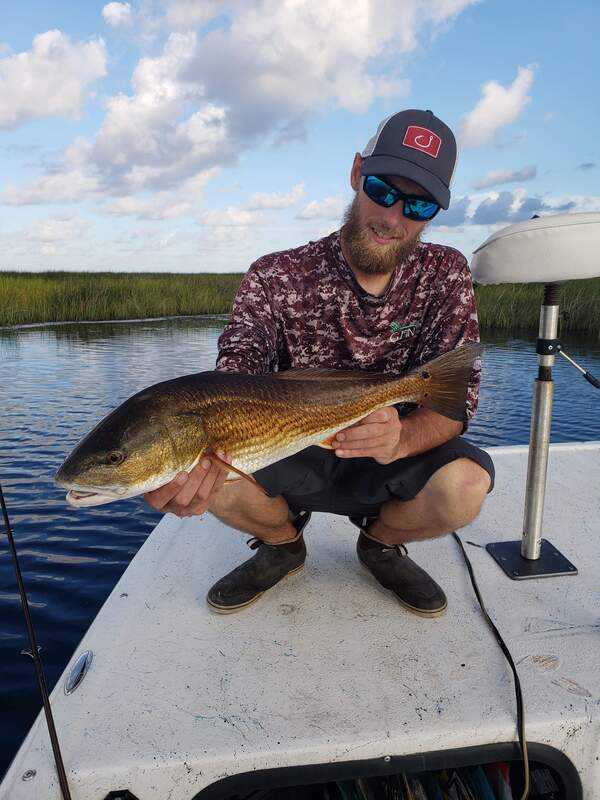
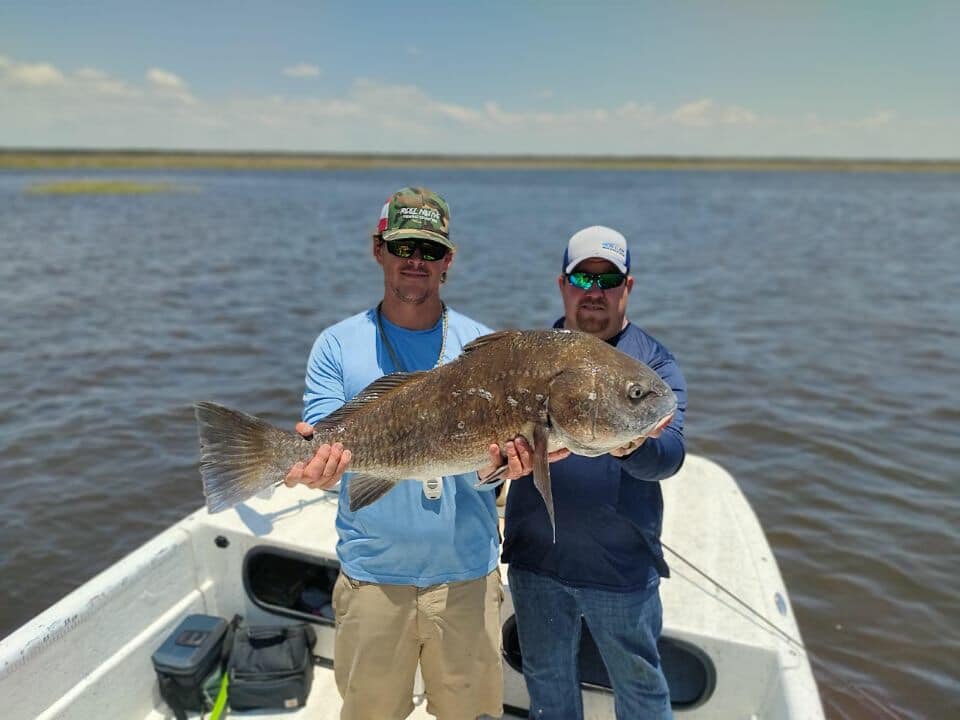
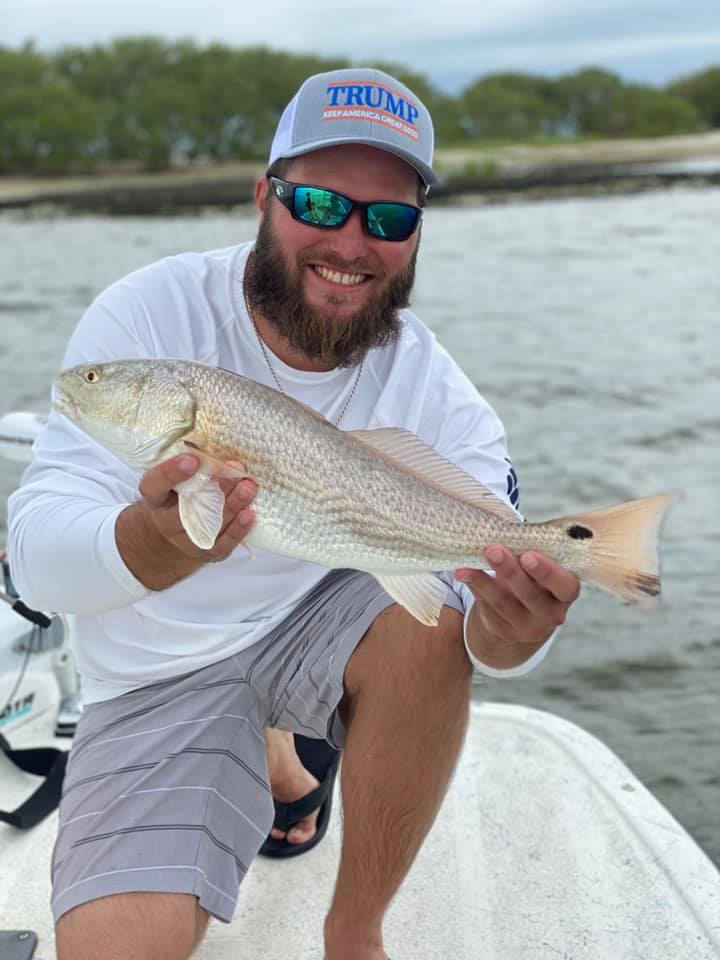
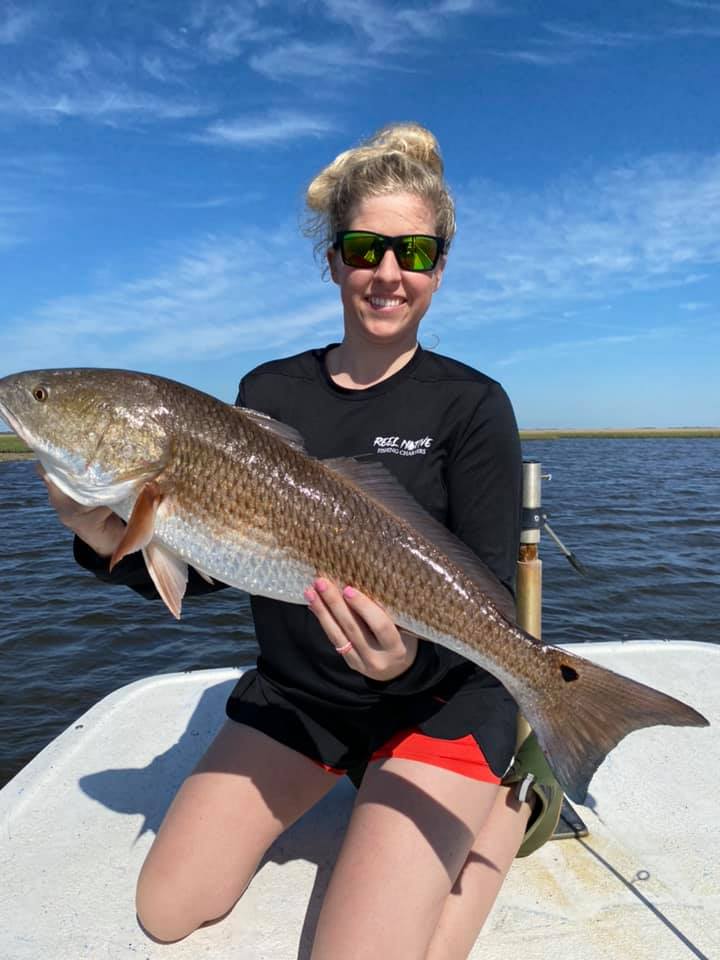
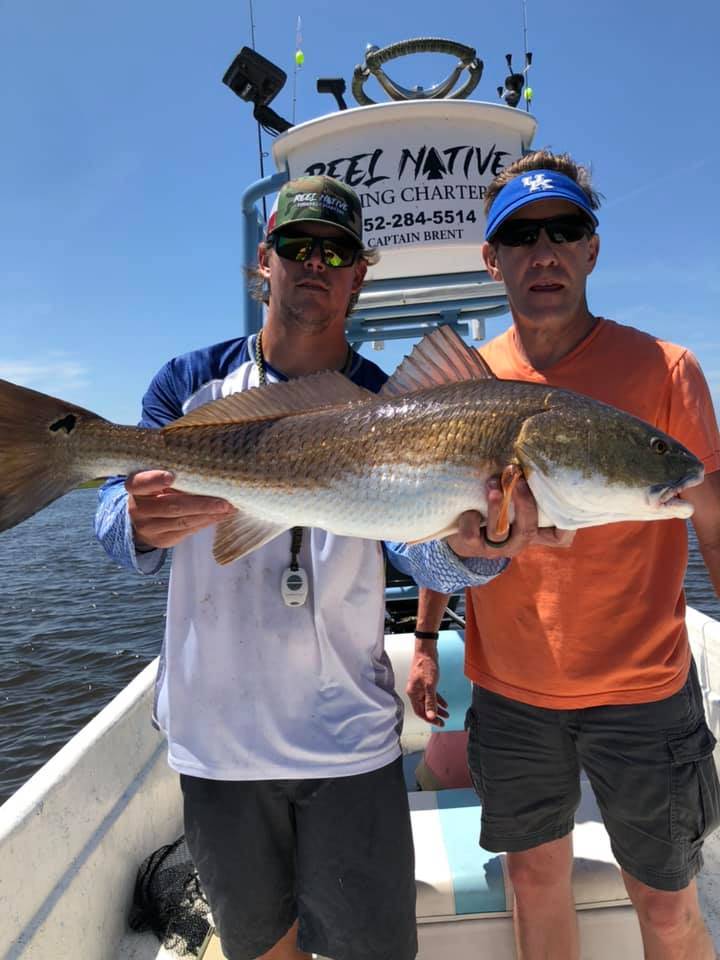
Redfish are the stars of the Big Bend show, and for good reason. These copper-colored bruisers range from schoolie-sized fish to bulls pushing 30 inches. Spring through fall, they're everywhere – tailing on grass flats, cruising oyster bars, and schooling in deeper water. What makes reds so special here is how aggressive they are. Whether you're sight casting to a tailing fish or working a school in open water, these fish hit hard and fight harder. The slot-sized fish (18-27 inches) are perfect for the dinner table, while the oversized bulls provide pure adrenaline before we release them to fight another day.
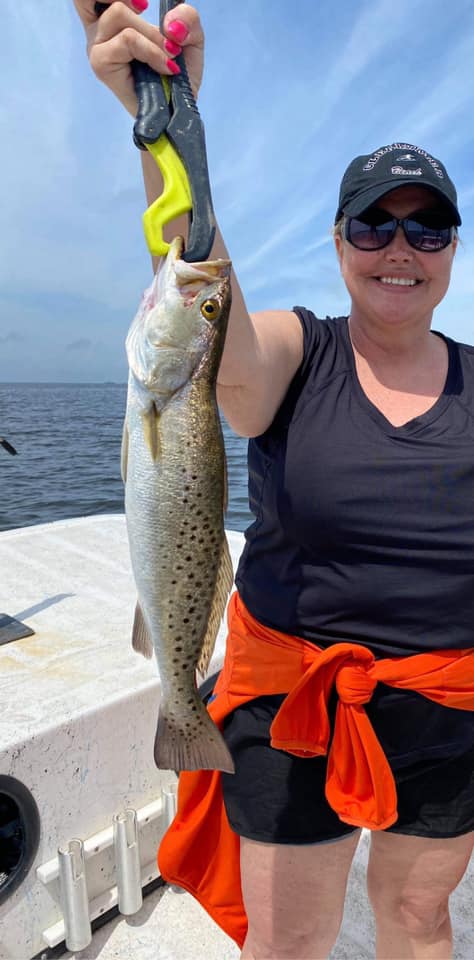
Sea trout might not get the same press as reds, but the Big Bend holds some of the best trout fishing in Florida. These spotted beauties love the grass flats and drop-offs, especially during cooler months when they school up in deeper holes. A good Big Bend trout runs 15-20 inches, but we regularly see fish pushing 25 inches – true gator trout that'll test your drag. They're also some of the best eating fish in the Gulf, with white, flaky meat that's perfect for the grill. Trout fishing here peaks in fall and winter when the water cools and they become more predictable.
Snook fishing in the Big Bend is something special. These fish love structure – mangrove shorelines, oyster bars, and creek mouths where baitfish gather. They're ambush predators that explode out of cover, and their initial run will surprise you every time. Big Bend snook average 24-28 inches, with fish over 30 inches caught regularly. Summer months are prime time when they're most active, though we catch them year-round. They're currently catch-and-release only, but the fight alone makes them worth targeting. Plus, there's nothing quite like watching a snook clear the water after feeling the hook.
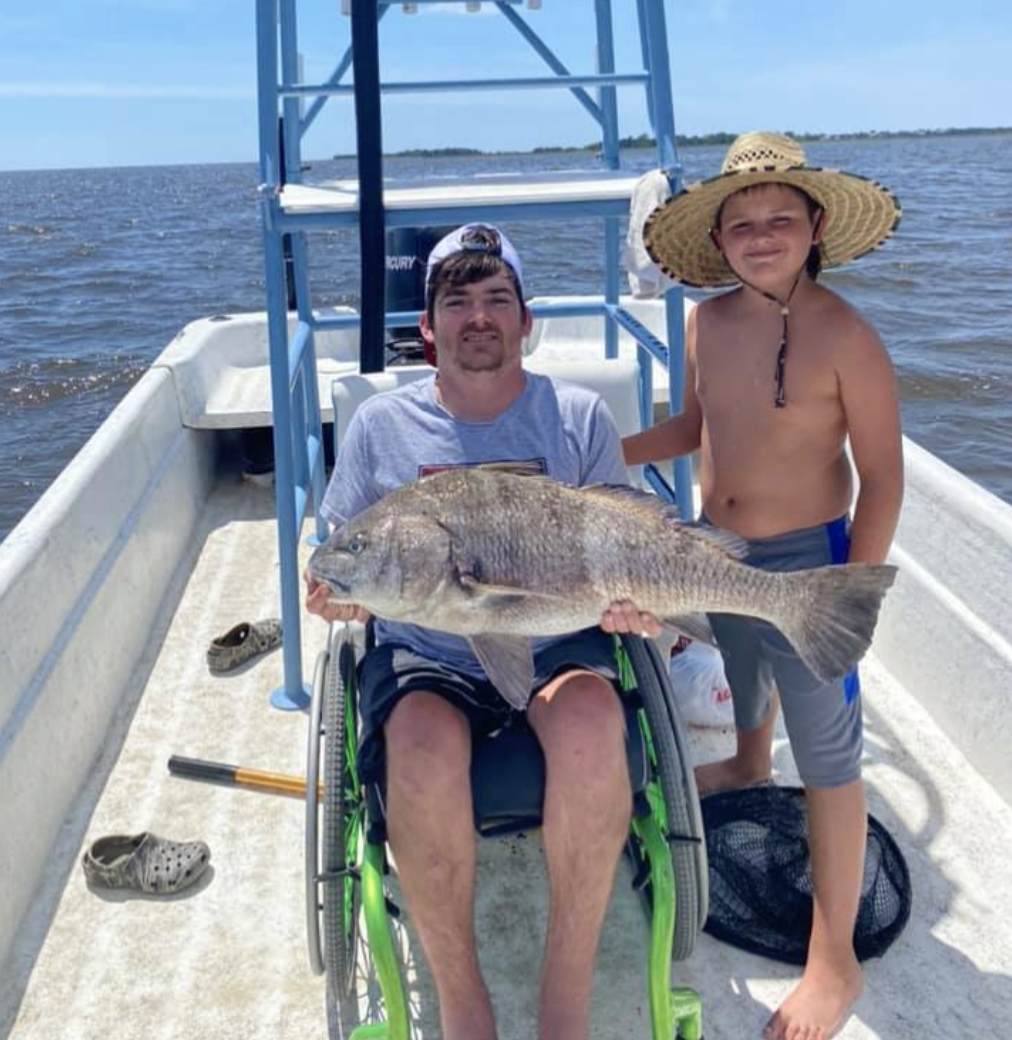
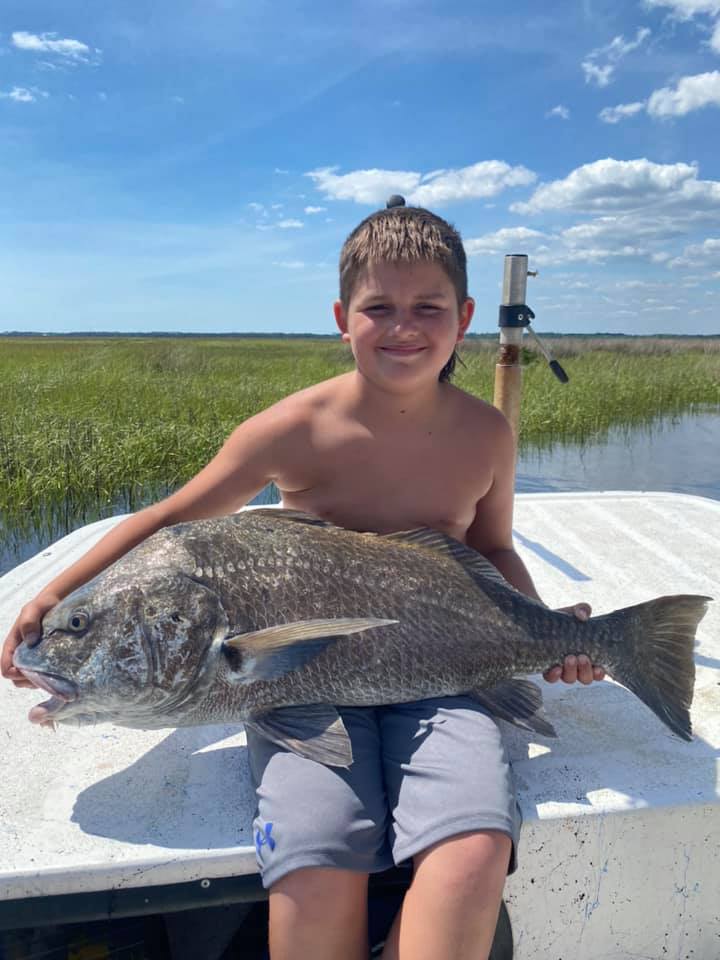
Black sea bass might be the most underrated fish we target. These bottom dwellers congregate around hard structure – rocks, wrecks, and deeper oyster bars. They're not huge fish, typically 12-16 inches, but they make up for size with numbers and attitude. When you find a school of sea bass, you can catch them one after another until your arms get tired. They're also fantastic table fare – firm, white meat that's perfect for fish tacos or grilling whole. The action is fast and furious, making them perfect when you want to keep the rods bent and the cooler full.
Tripletail are the wild cards of Big Bend fishing. These odd-looking fish float near the surface, often around floating debris or crab trap markers. They're not always around, but when conditions are right – usually summer through early fall – they provide some of the most exciting sight fishing you'll experience. Tripletail are strong fighters that jump and run, and they're considered some of the best eating fish in the Gulf. Spotting one floating on the surface and making the perfect cast never gets old, even for experienced guides.
Time to Book Your Spot
The Big Bend's inshore waters produce year-round, but every season has its advantages. Spring brings warming water and aggressive fish, summer offers the best variety and action, fall delivers cooler weather and schooling fish, while winter provides some of the clearest water and biggest trout of the year. This six-hour trip gives us the flexibility to adjust to conditions and really explore what the Big Bend has to offer. With space for just two anglers, you'll get the personalized attention that makes the
 Private Trip
 Inshore Fishing
 Horseshoe Beach, FL


 Six-hour inshore trips target redfish, snook, and trout