Fort Pierce Nearshore Fishing Adventures
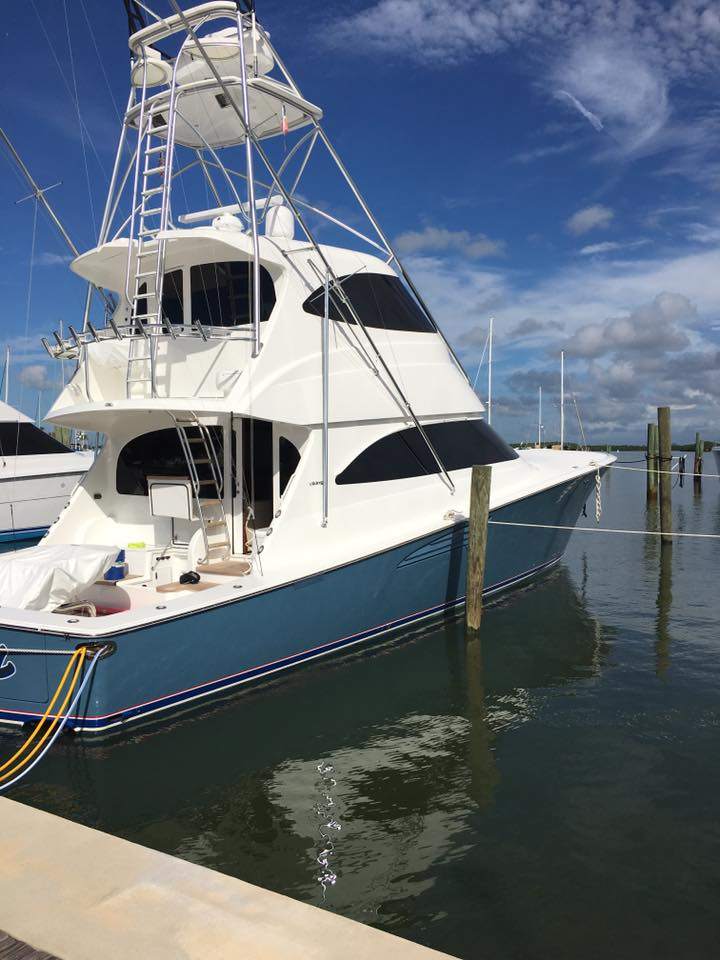
Fort Pierce sits right in the sweet spot of South Florida's fishing scene, where the Indian River meets the Atlantic and creates some seriously productive waters. Captain Ricky Spikes has been working these flats, reefs, and nearshore structures since he was knee-high to a grasshopper, and he's dialed in on exactly where the fish are biting. Whether you're bringing the family for their first real fishing trip or you're an office warrior needing to get some salt air and tight lines, these four-hour charters pack more action than you'd expect. With trips running seven days a week and just four anglers max, you'll get the personal attention that makes the difference between going fishing and actually catching fish.
What to Expect on the Water
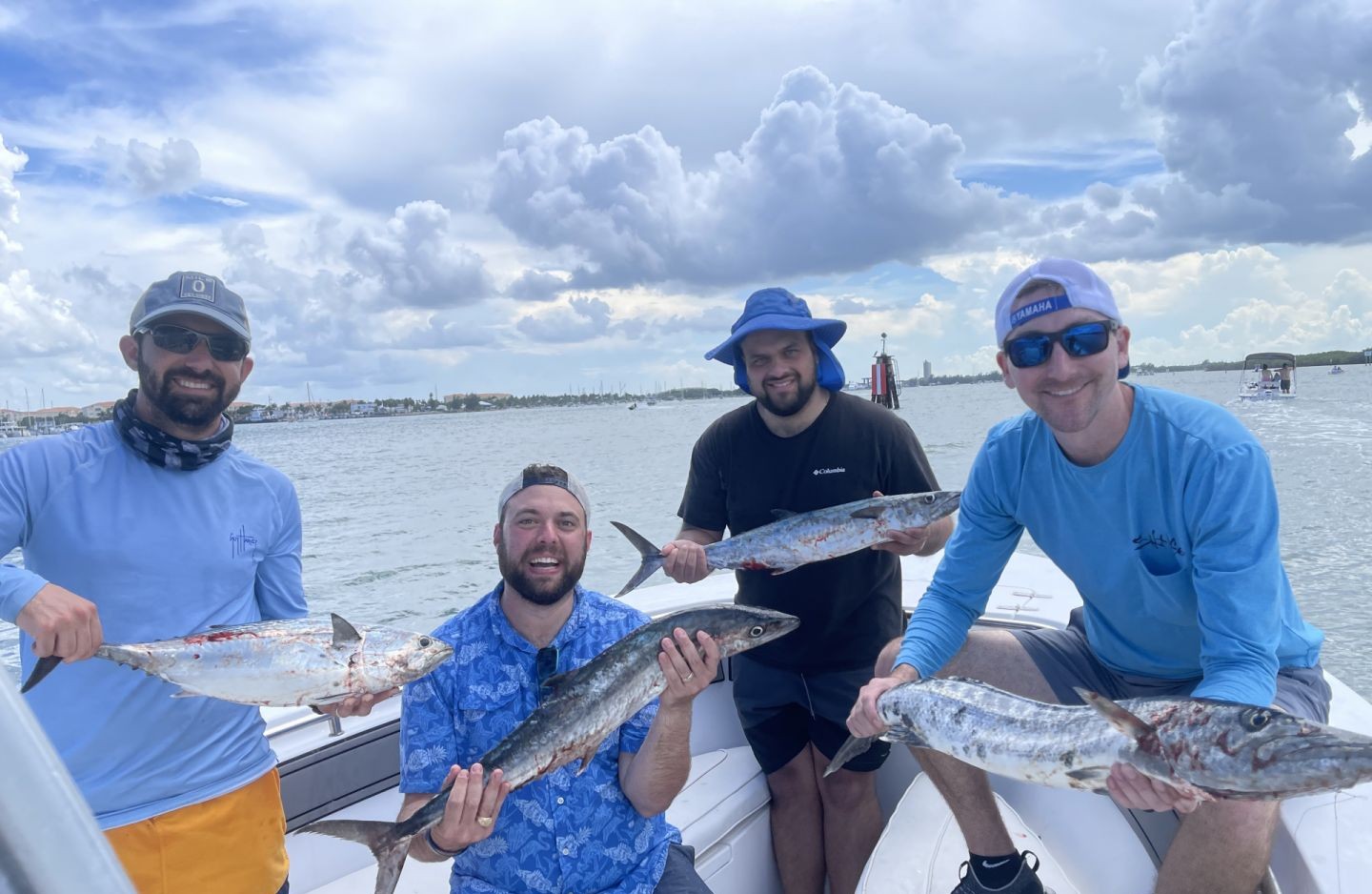
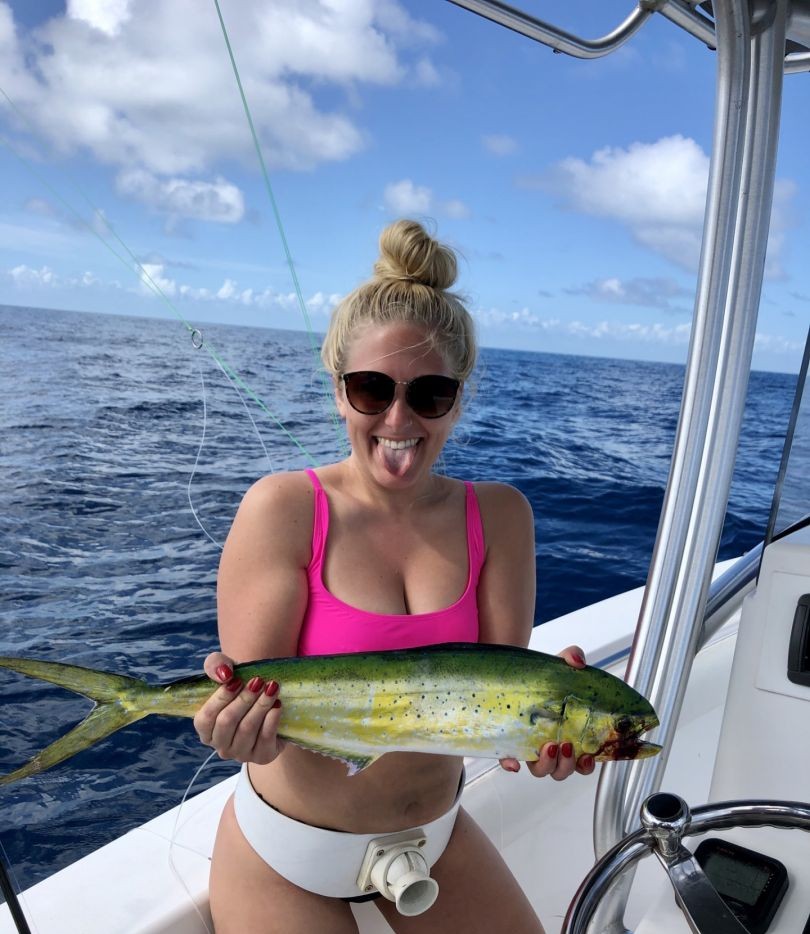
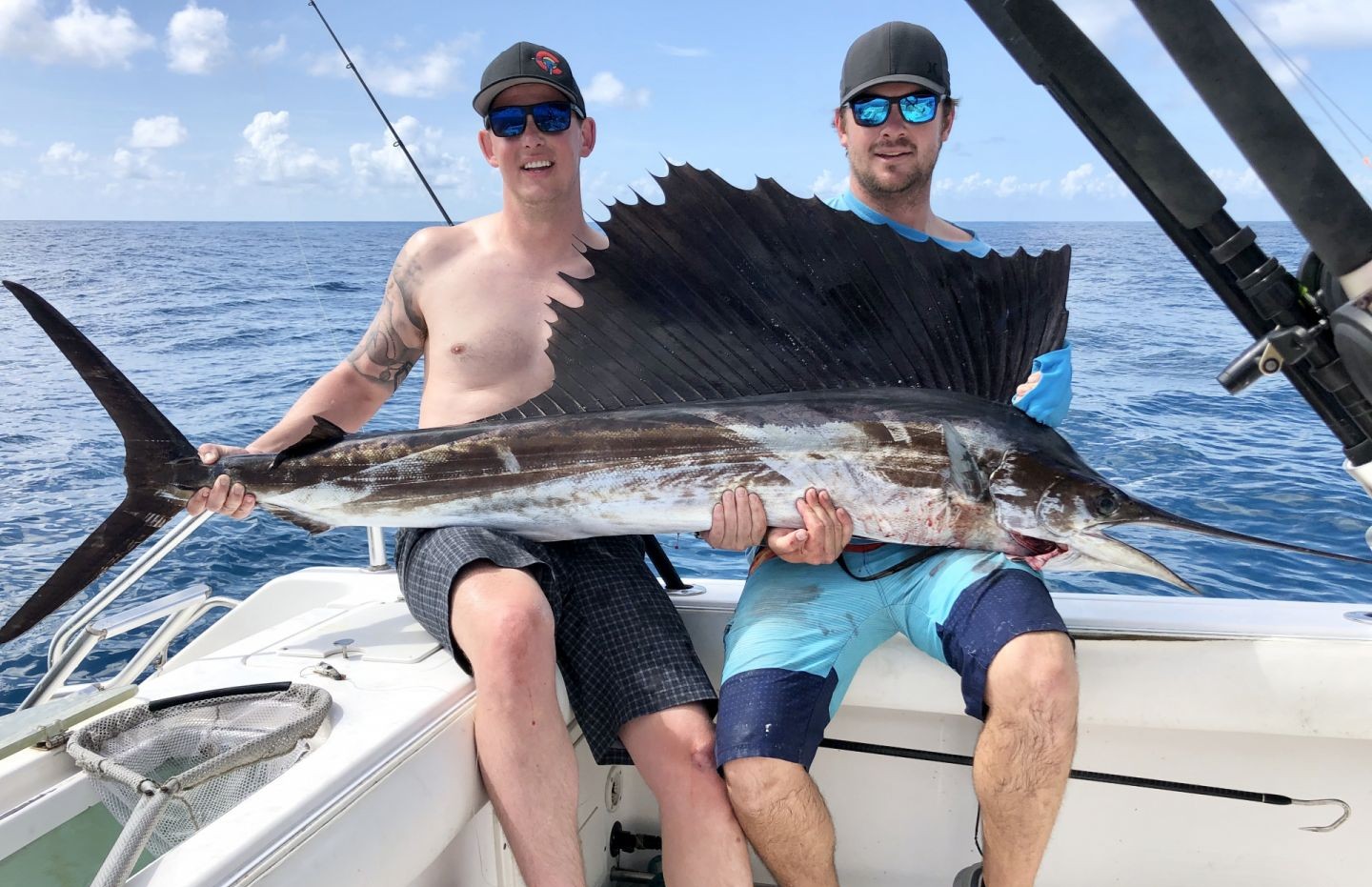
Your day starts at the Fort Pierce Inlet, where Ricky keeps his boat ready to roll. The beauty of nearshore fishing here is you're not burning two hours just getting to the fishing grounds – within 20 minutes, you're already working productive water. The nearshore reefs and structure off Fort Pierce hold fish year-round, but the variety changes with the seasons. Ricky reads the conditions like a book, adjusting the game plan based on wind, tide, water temperature, and what's been biting recently. Some days you might be drifting live bait over ledges for snapper, other days you're casting to structure for cobia or working the flats for snook. The four-hour window gives you enough time to hit multiple spots and techniques without wearing out the kids or first-timers. Plus, with only four people on board, everyone gets plenty of rod time and individual coaching.
Techniques & Tackle Setup
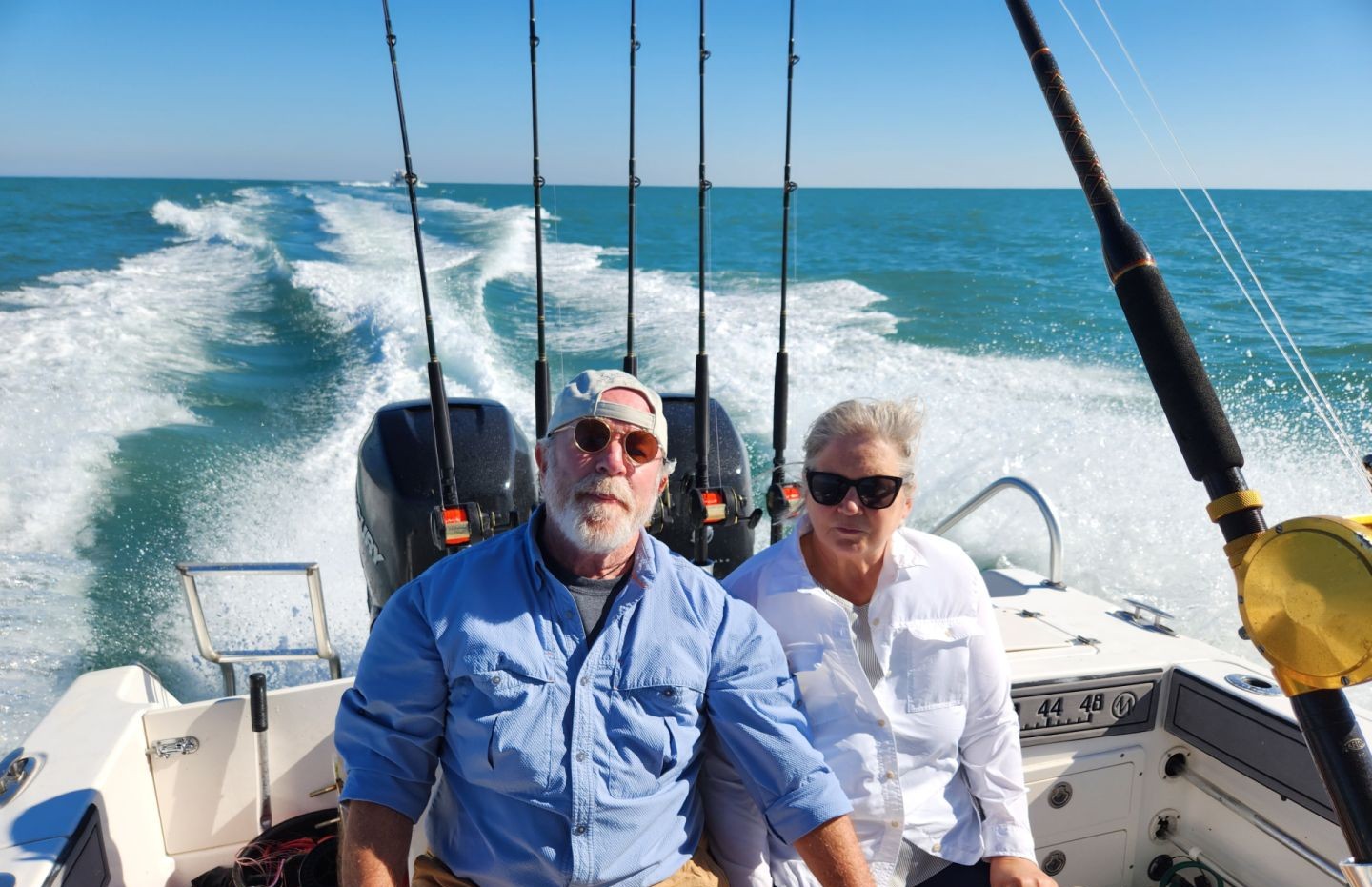
Ricky runs a clean operation with quality gear that's sized right for the fish you're targeting. Most of the fishing involves live bait presentations – pinfish, pilchards, and shrimp work magic on the nearshore reefs and structure. You'll be fishing with spinning tackle in the 20-30 pound class, perfect for handling big snapper or a surprise cobia without being overkill for smaller fish. The captain provides all the terminal tackle, which is key because he knows exactly what hooks, weights, and leaders work best in these specific spots. When the amberjack are schooled up, you might switch to heavier conventional gear and work jigs or larger baits. For snook around the inlet and mangroves, lighter tackle with live shrimp or small baitfish gets the job done. Ricky's not just dropping you a rod – he's constantly adjusting rigs, changing baits, and moving spots to keep the action going.
Species You'll Want to Hook
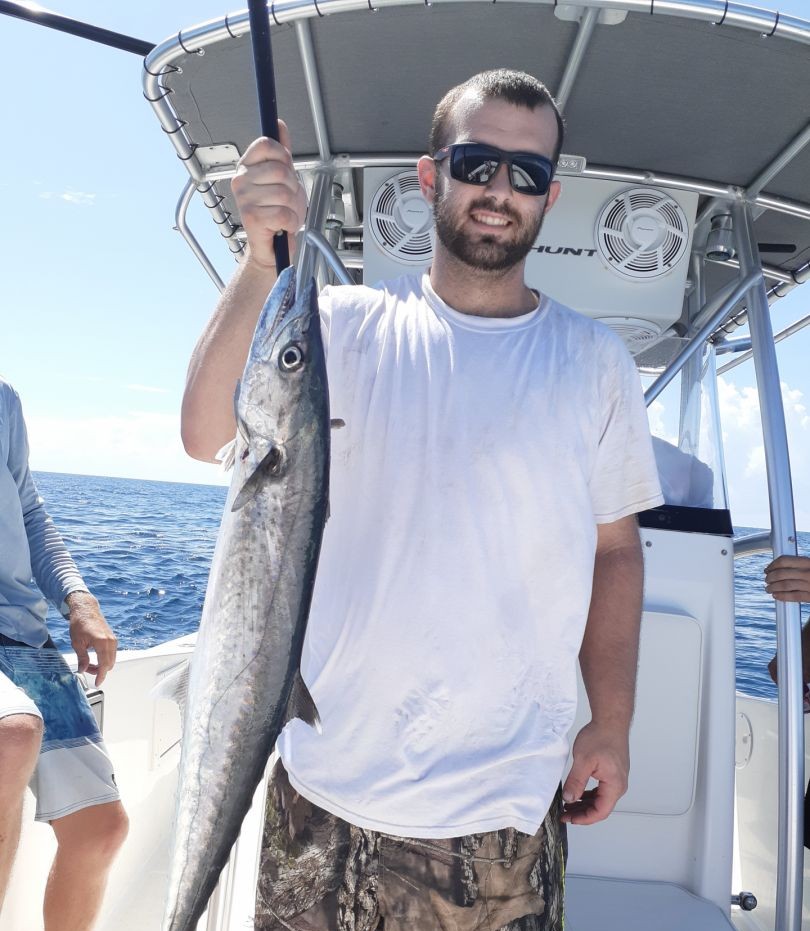
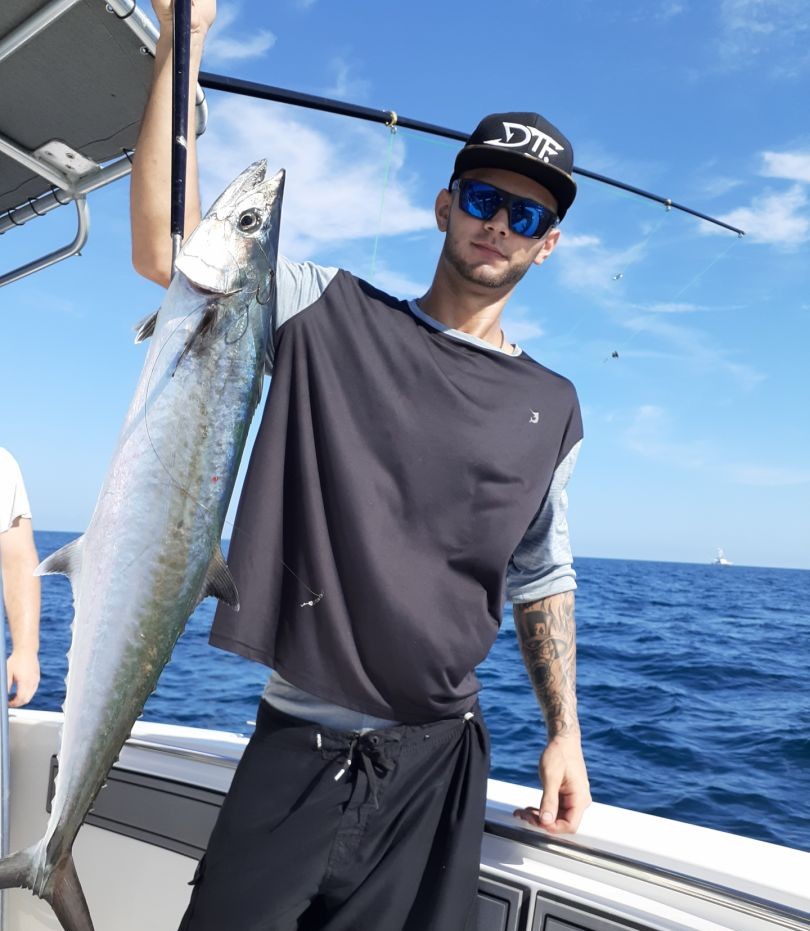
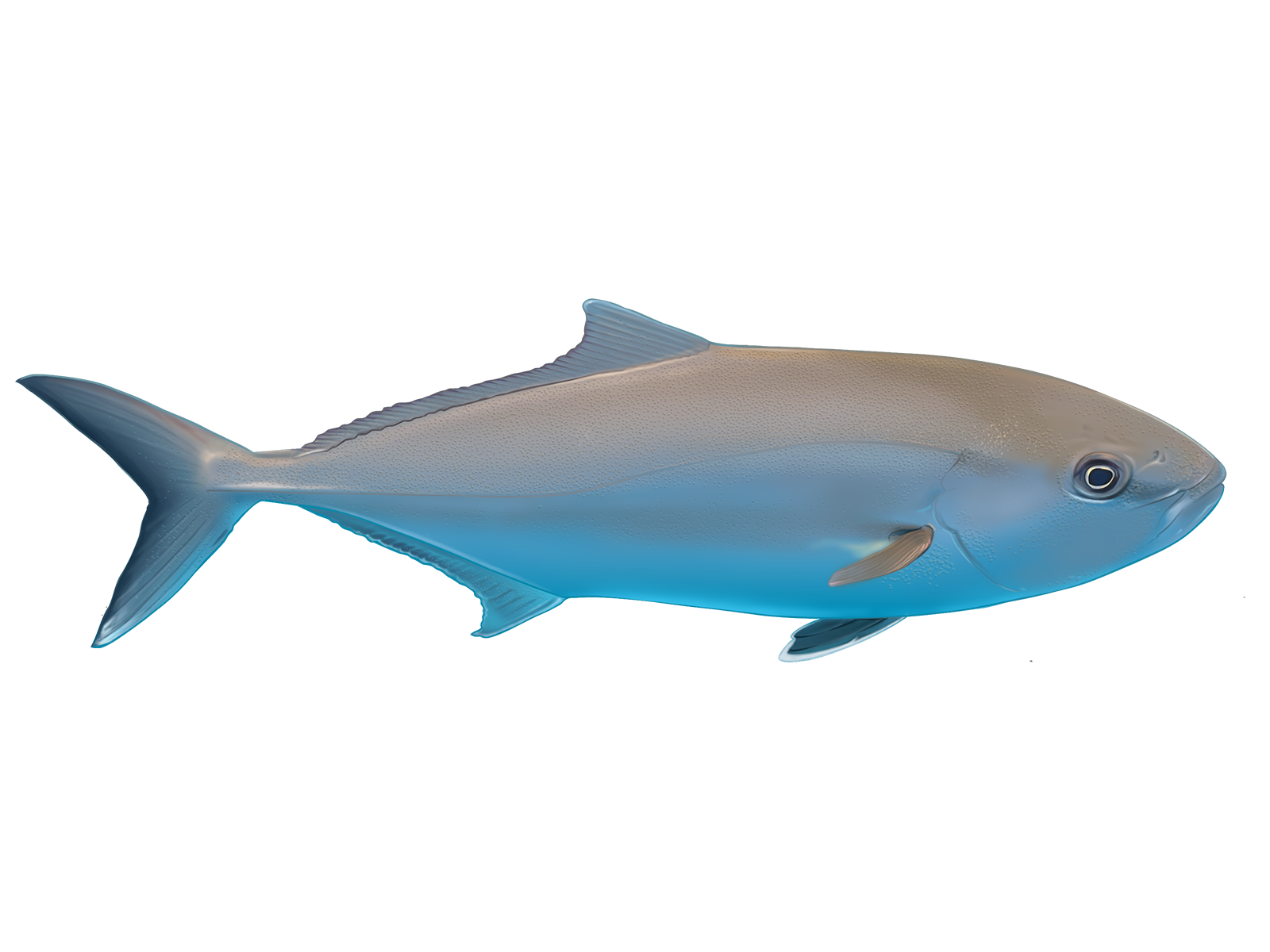
Greater Amberjack are the muscle cars of the nearshore waters, and Fort Pierce's reefs hold some real bruisers. These fish average 20-40 pounds but can push 60 or more, and they'll test your arms and your drag system. Spring and early summer are prime time when they're schooled up over wrecks and ledges in 60-100 feet of water. What makes amberjack so addictive is that initial run – they'll peel line like a freight train before settling into that deep, bulldogging fight that has you wondering who's going to give up first.
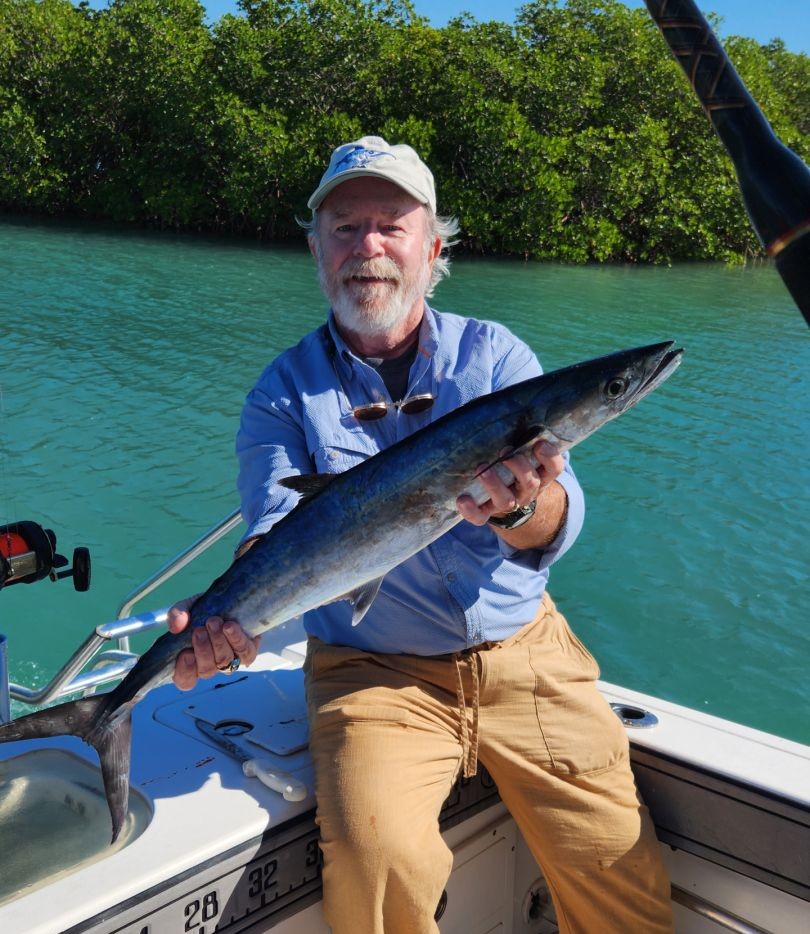
Wahoo are speed demons that show up when you least expect them, usually while you're targeting something else entirely. These silver bullets can hit 40+ mph and will smoke a reel if your drag isn't set right. Fall through spring brings the best wahoo action off Fort Pierce, especially around the temperature breaks where cooler water meets the Gulf Stream influence. They're not always easy to find, but when you hook into a 30-50 pound wahoo, you'll understand why charter captains get so fired up about them.
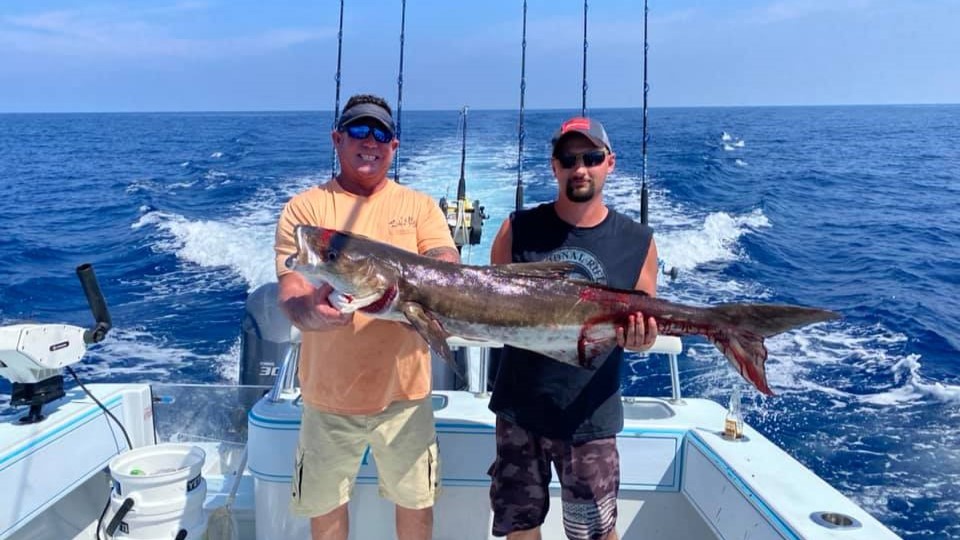
Cobia are the golden retrievers of the fish world – curious, aggressive, and always up for a fight. Spring migration brings the best shots at these brown sharks, as locals call them, when they cruise the nearshore waters following rays and looking for an easy meal. A big cobia will go 30-50 pounds and fight dirty, using that broad tail and powerful body to test every knot in your rig. They're also excellent table fare, which makes them a favorite with families.
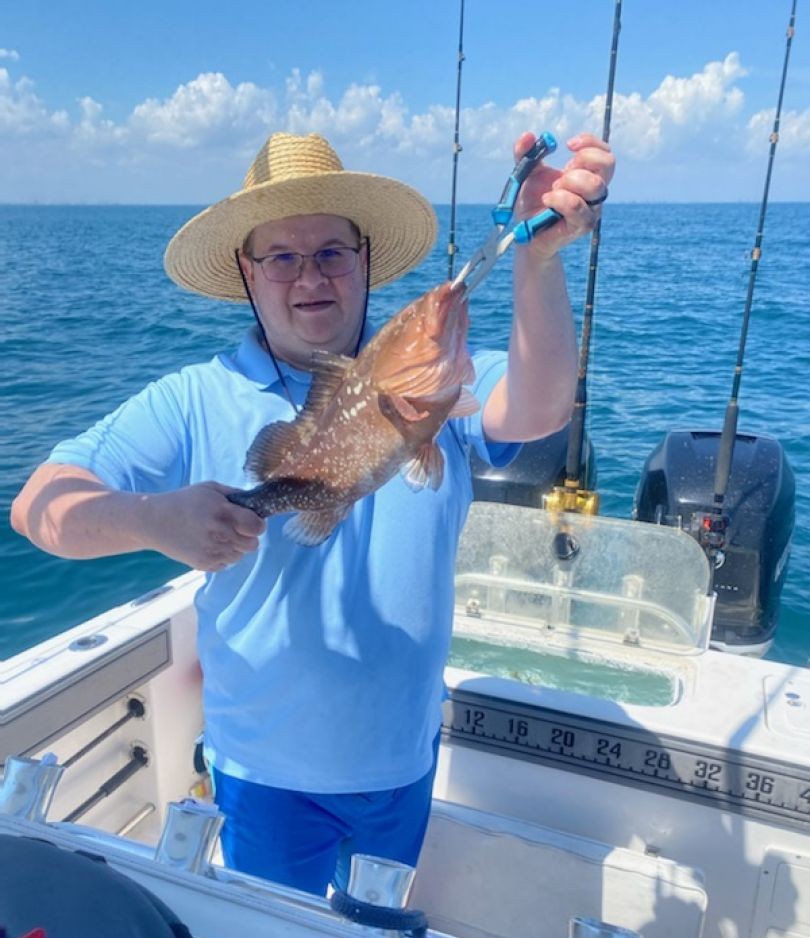
Red Snapper are the crown jewel of bottom fishing, and while regulations keep changing, when they're open, Fort Pierce's nearshore reefs produce some beautiful fish. These guys are smart – they've seen every trick in the book, so presentation matters. A 5-10 pound red snapper doesn't sound huge, but they're pure muscle and will surprise you with their strength. Plus, there's nothing better on the dinner table than fresh red snapper fillets.
Snook are Florida's signature inshore species, and the waters around Fort Pierce Inlet hold some real slobs. These fish are structure-oriented, hanging around docks, mangroves, and inlet walls where they can ambush baitfish. Summer brings the best action when snook are active and feeding heavily. They're acrobatic fighters that will jump, run, and try every trick to throw the hook. The slot limit keeps anglers honest, but a keeper snook is a trophy worth celebrating.
Time to Book Your Spot
Reel Sporty Charters isn't running cattle boat operations where you're just another number. With Captain Ricky's local knowledge and a maximum of four anglers, you're getting a legitimate shot at the kind of fishing that keeps people coming back to Fort Pierce year after year. The four-hour format works perfect for families, first-timers, or anyone who wants quality fishing without committing to a full day. Seven-day-a-week availability means you can work around your schedule, and Ricky's lifetime of experience in these waters gives you the edge you need to make it a trip worth remembering. Don't wait for the perfect weather or the perfect week – the fish are out there, and Ricky knows how to find them.
 Private Trip
 Inshore Fishing
 Fort Pierce


 Four-hour nearshore fishing trips available seven days weekly